
What Are Machine Tools? A Clear and Easy-to-Understand Explanation of Their Types and Features
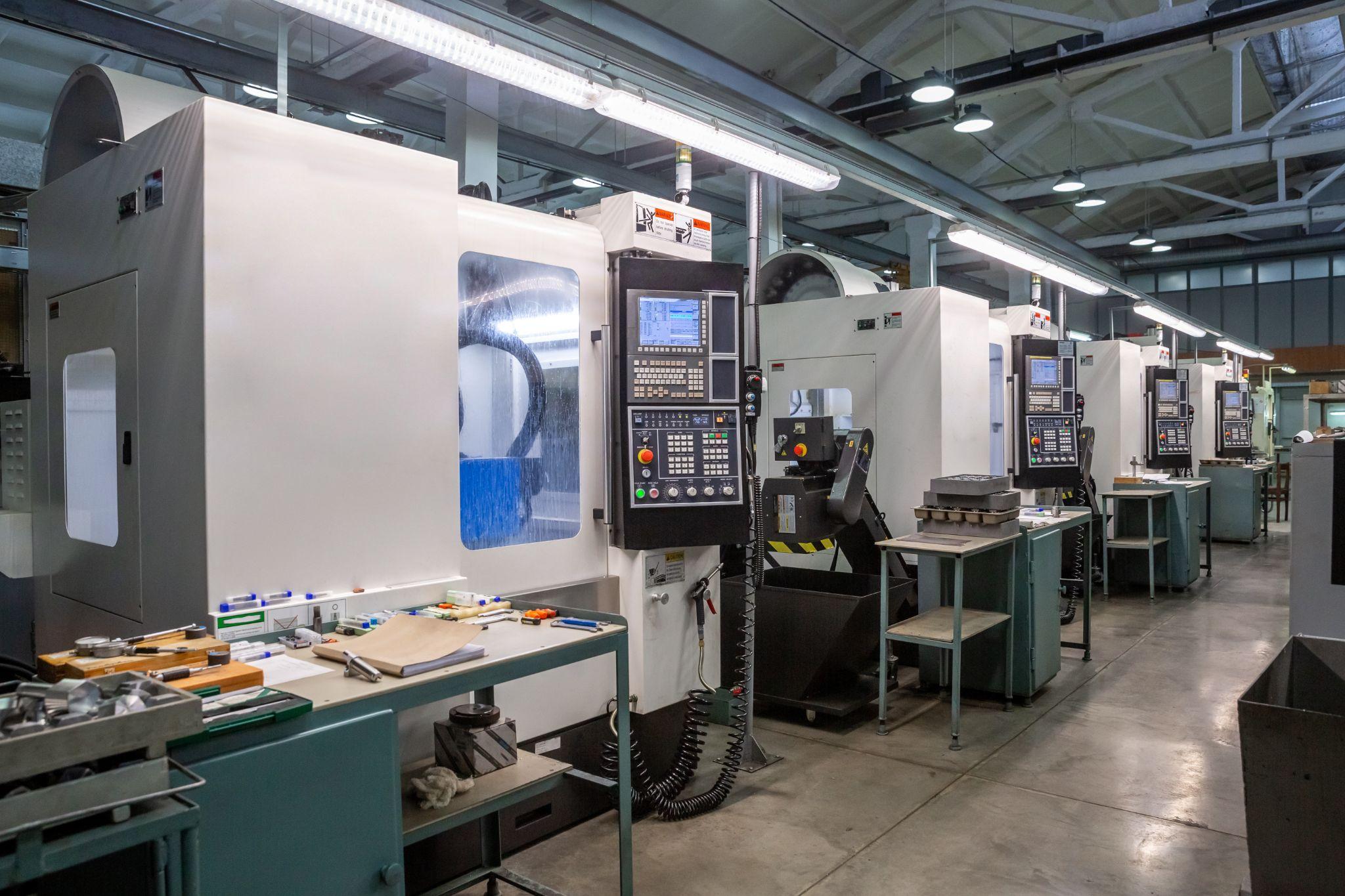
Machine tools are used to manufacture components found in a wide variety of everyday products, making them indispensable in machining and manufacturing environments.
In this article, machine tools are classified into representative categories, and the major types that play a central role in machining operations are introduced.
Table of Contents
Overview of Machine Tools
Machine tools can be broadly categorized into three main groups.
Cutting and Grinding Machines
These machine tools perform “material removal machining” by bringing cutting tools or grinding wheels into physical contact with the workpiece to remove material. They are characterized by their ability to achieve high dimensional accuracy and good surface finish, as well as their high versatility.
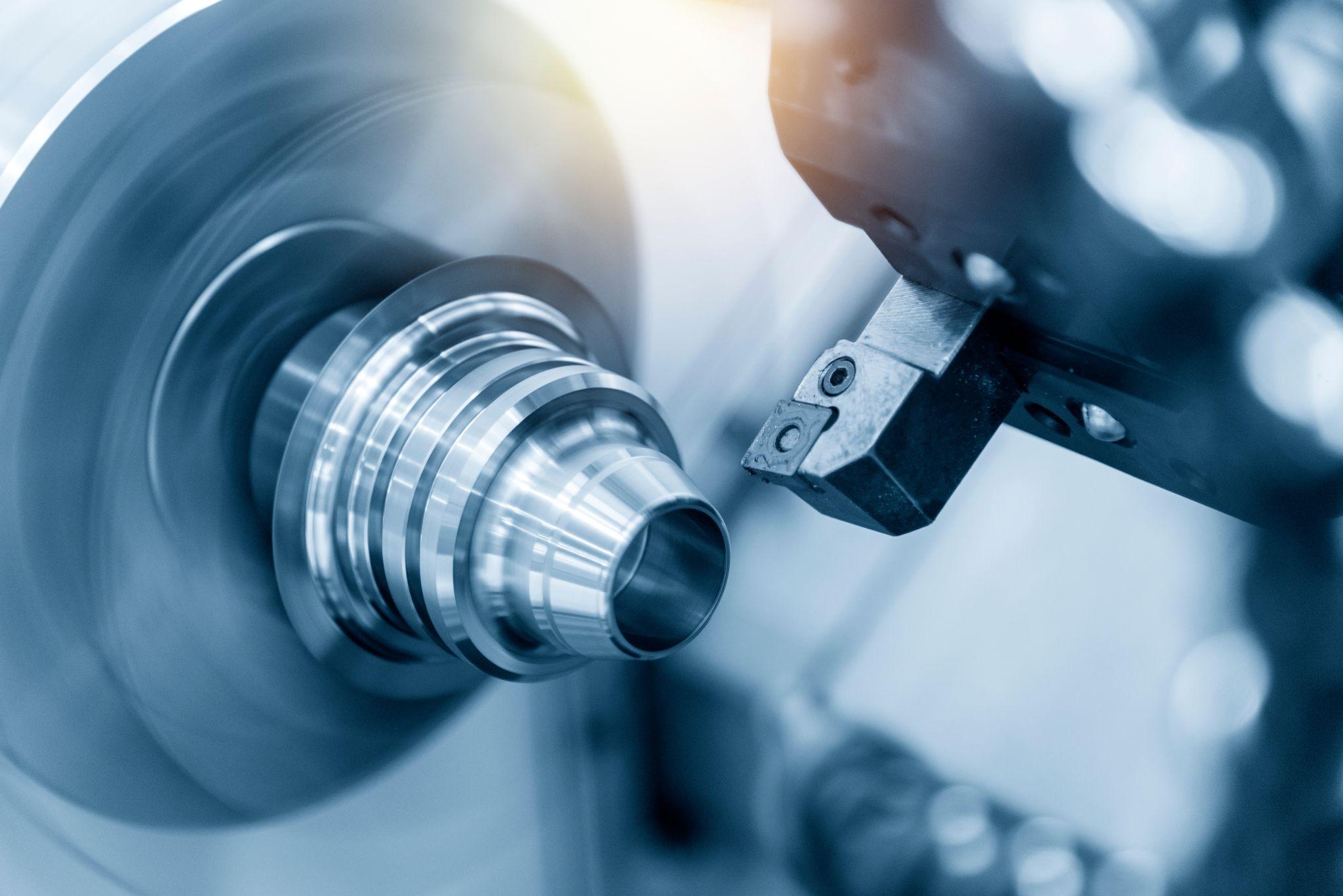
Lathes
Lathes (including conventional lathes, NC lathes, automatic lathes, and turning centers) rotate the workpiece while cutting tools are applied to machine cylindrical, conical, and other rotational shapes.
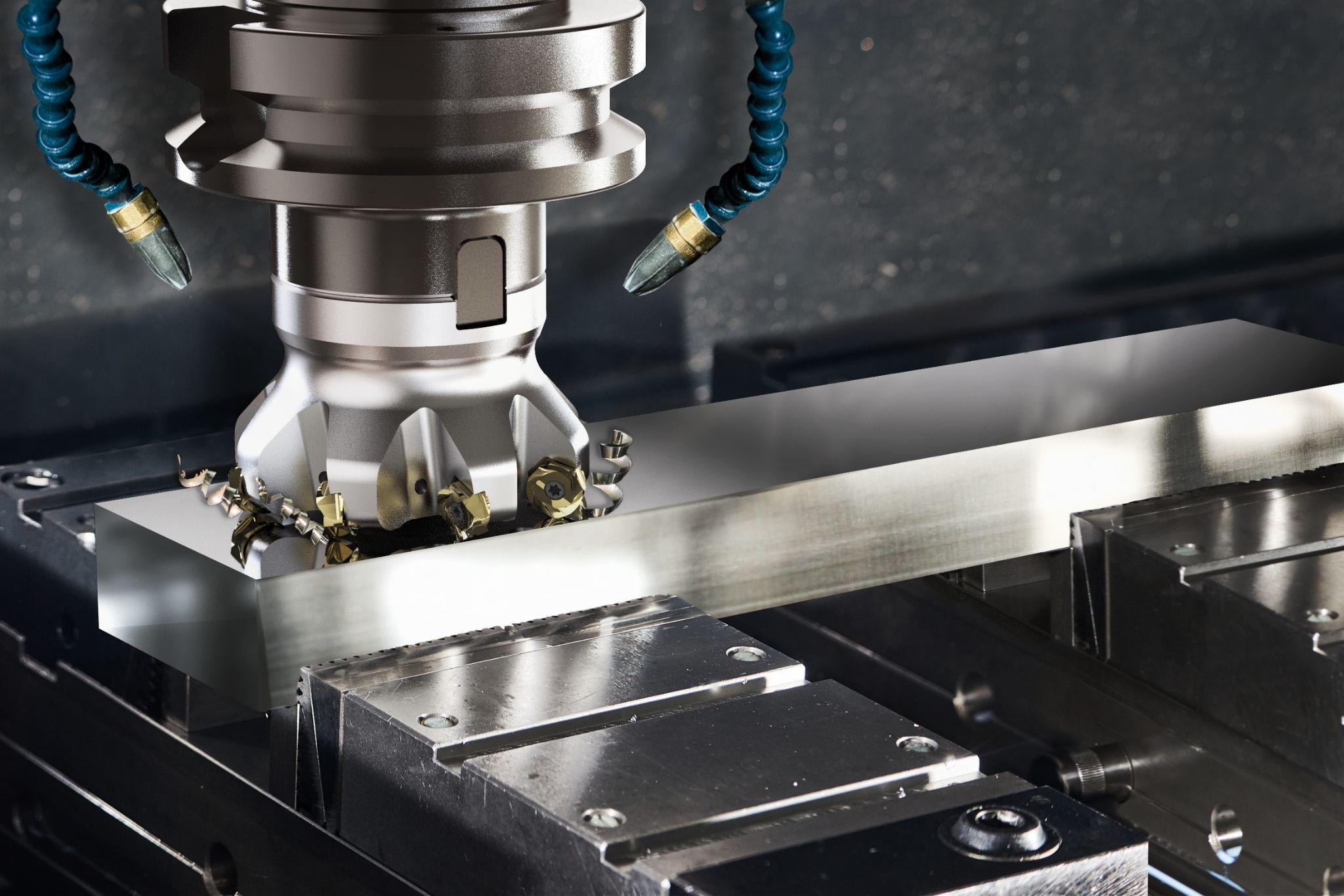
Milling Machines
Milling machines (vertical, horizontal, and universal types) use rotating cutting tools to machine flat surfaces, grooves, steps, and other features on a workpiece.
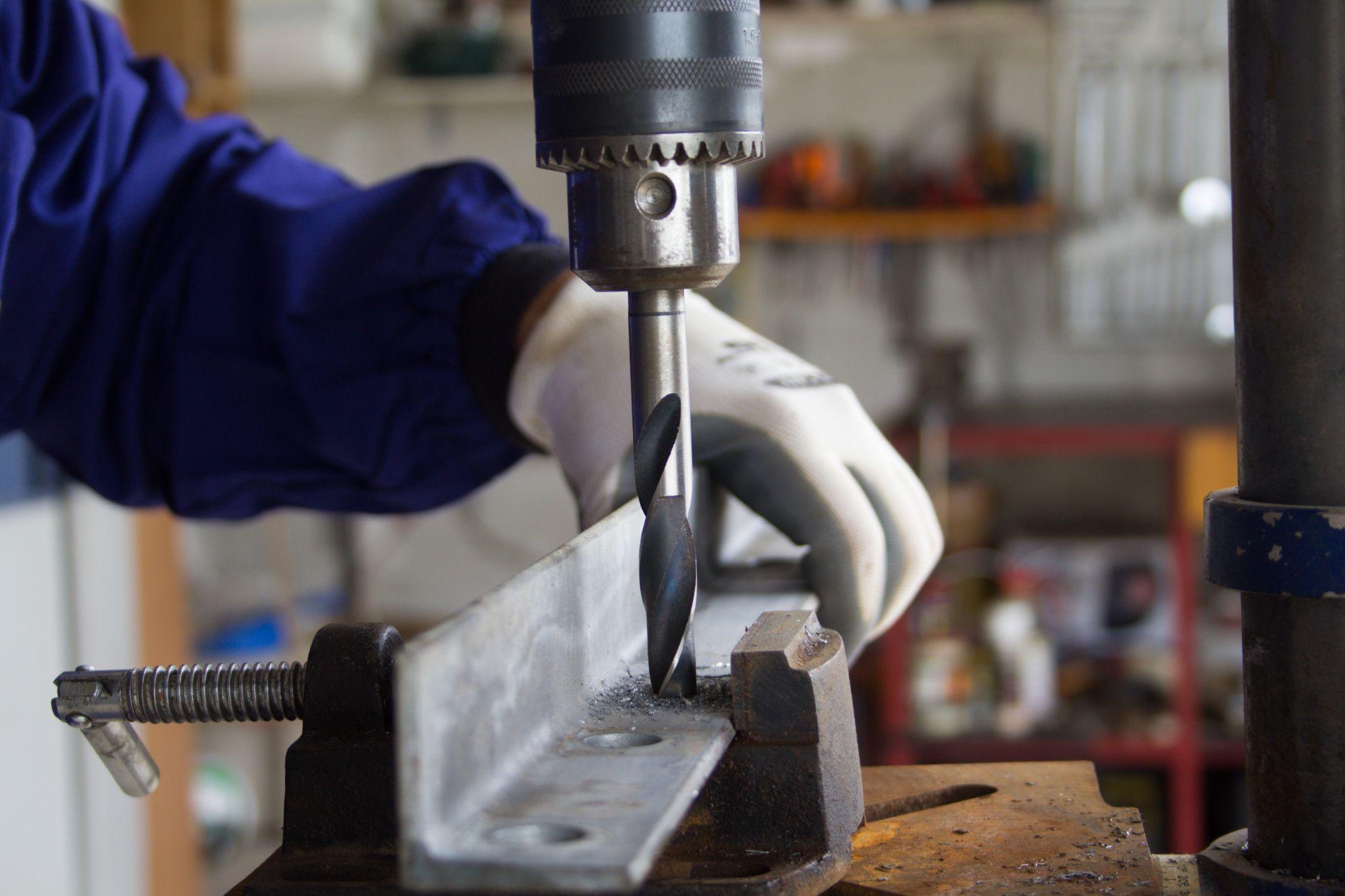
Drill Presses
Drill presses use a rotating drill to create holes in a workpiece and can also perform operations such as chamfering and counterboring.
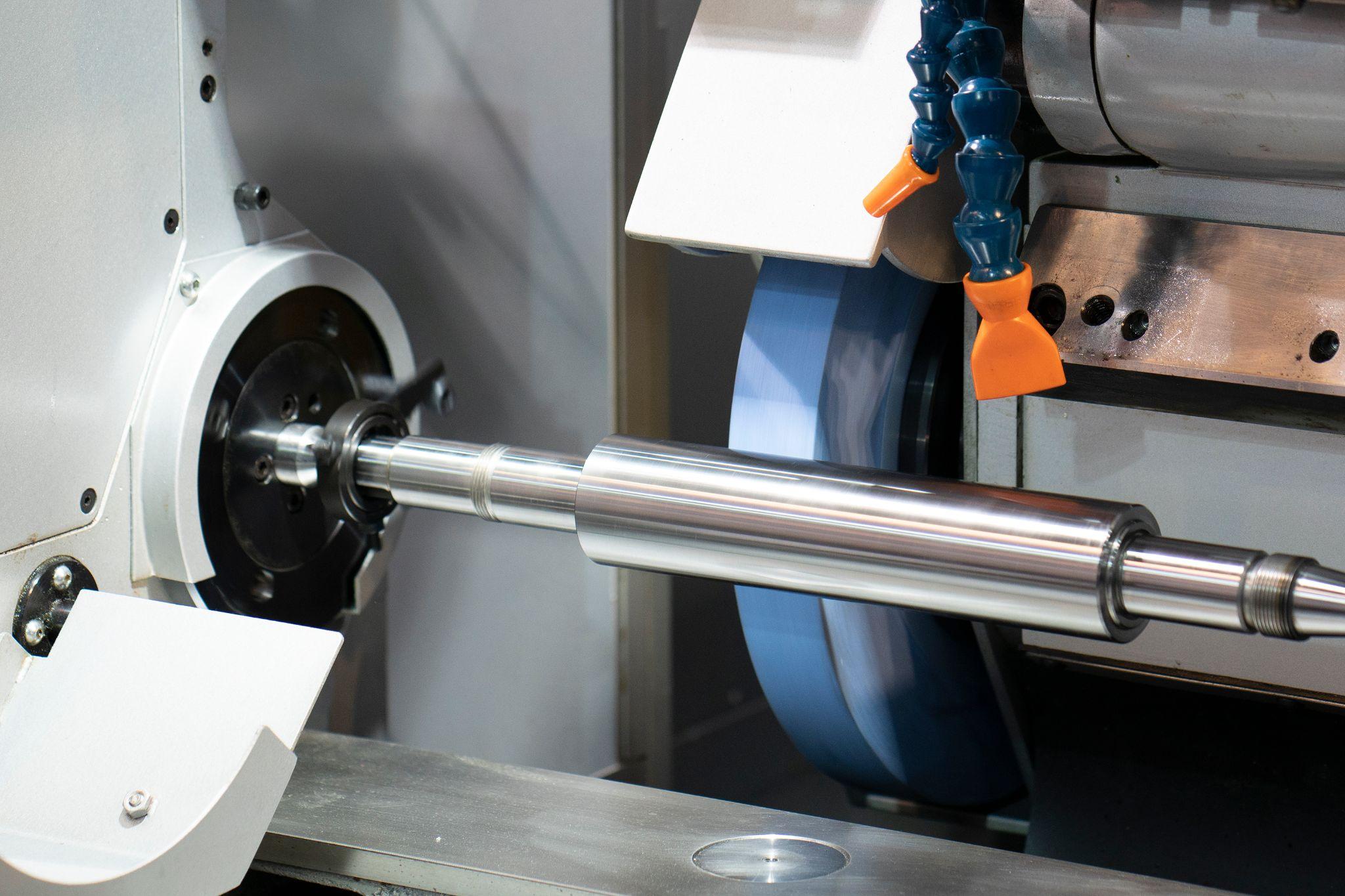
Grinding Machines
Grinding machines (such as surface, cylindrical, internal, and centerless grinders) use a high-speed rotating grinding wheel to achieve high-precision surface finishing on flat or cylindrical workpieces.
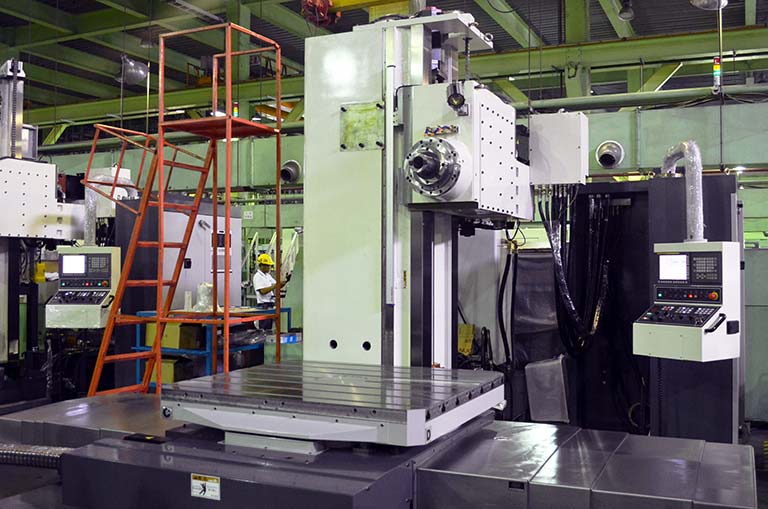
Boring Machines
Boring machines cut the inside of a workpiece to machine large-diameter holes or internal cavities with high precision.
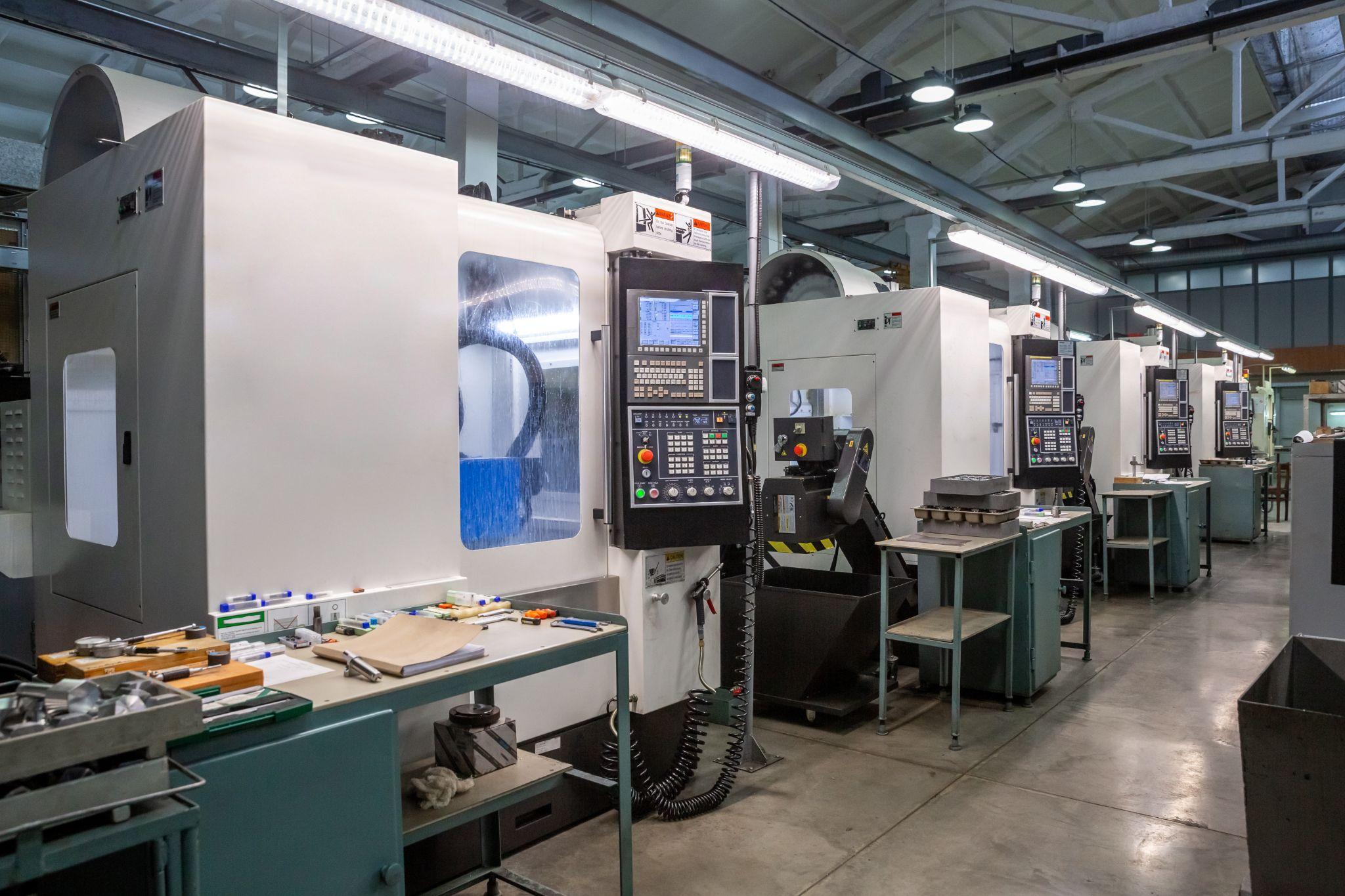
NC Machine Tools
NC machine tools (such as NC lathes and NC milling machines) use numerical control systems to automatically perform complex and high-precision machining operations.
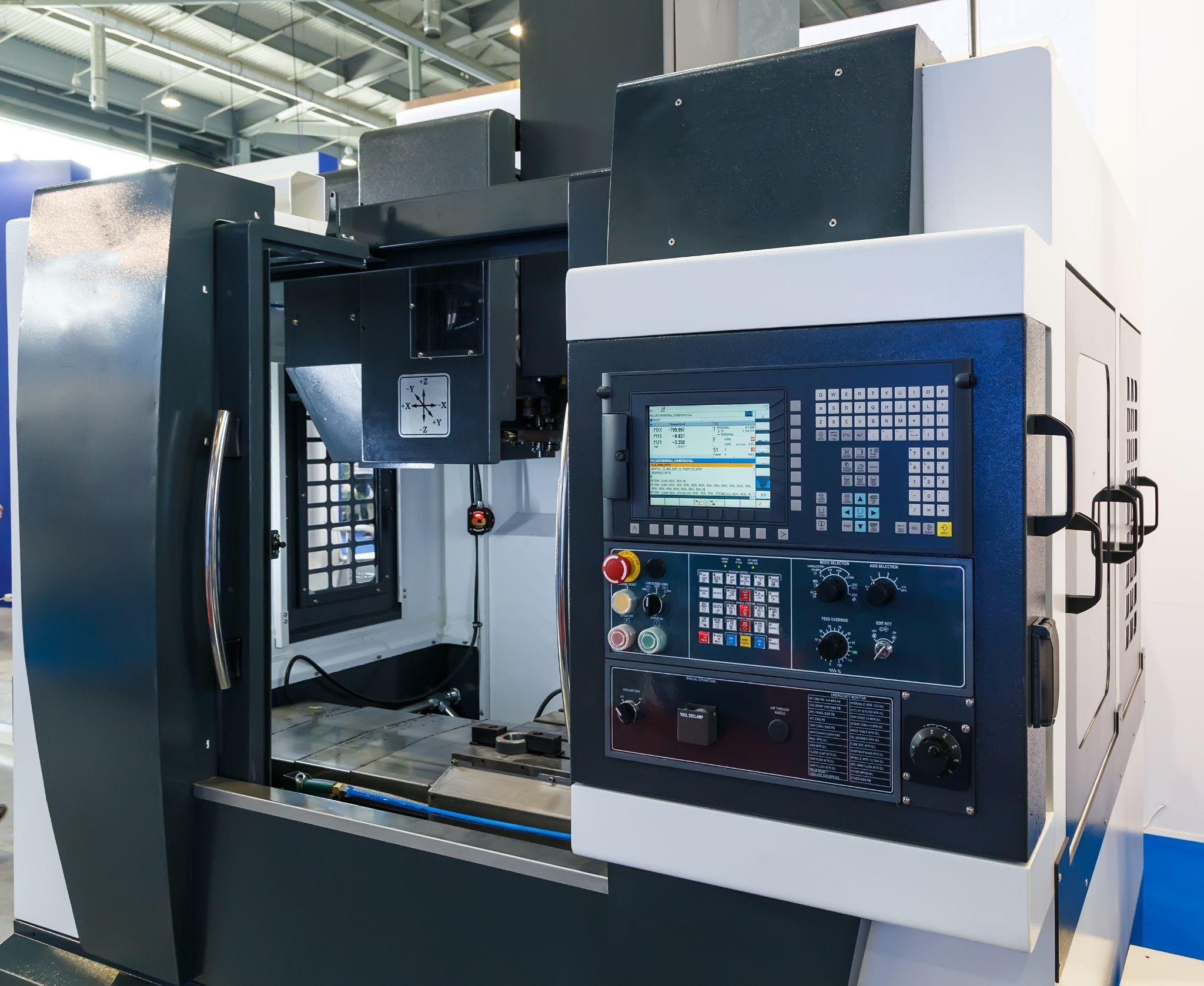
Machining Centers
Machining centers are equipped with automatic tool changers and can continuously perform various cutting operations such as milling and drilling.
Forming Machines
Forming machines perform “plastic forming” by deforming materials using heat or high pressure without generating chips. They offer advantages in material strength improvement and high-volume production.
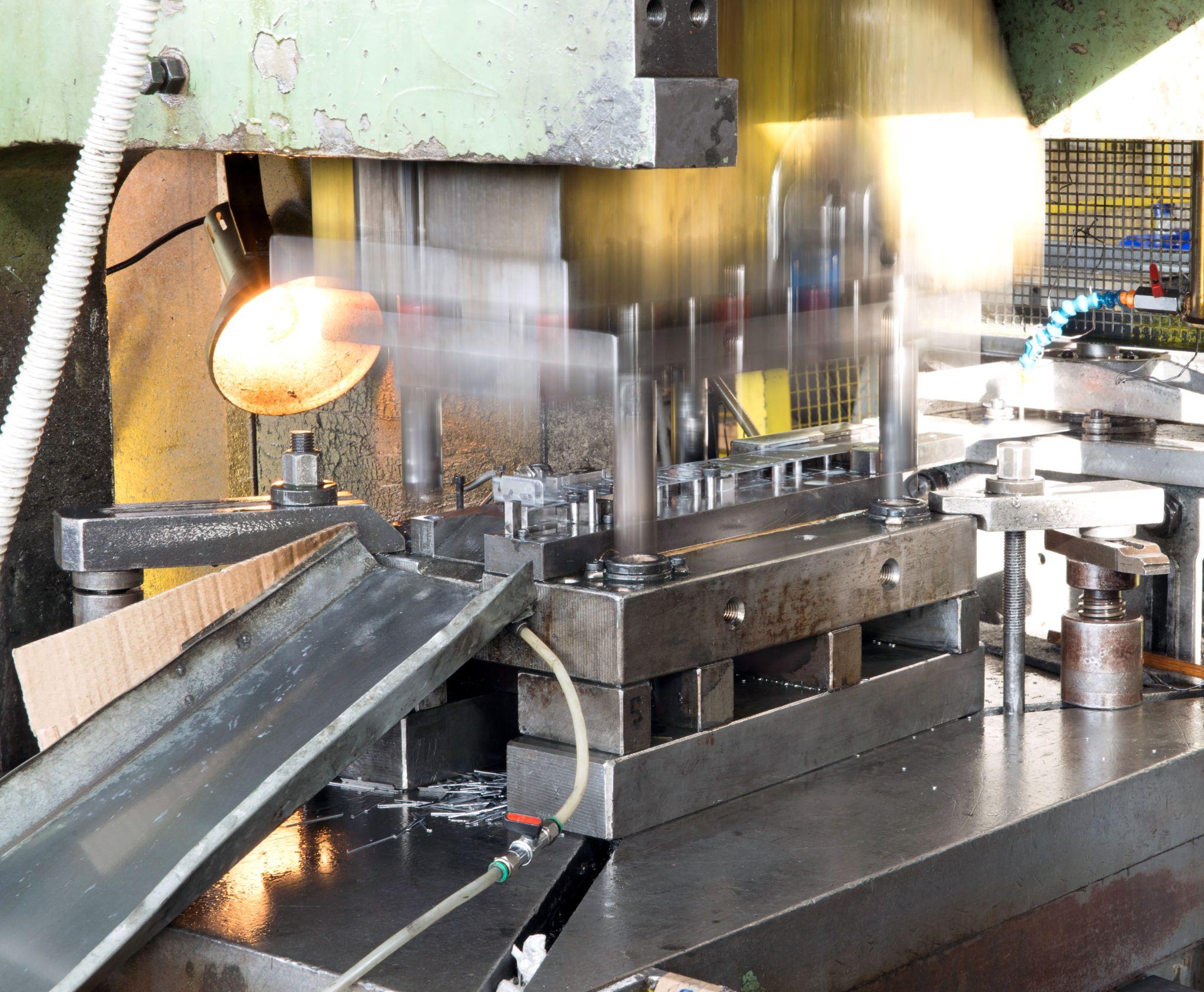
Press Machines
Press machines (including mechanical presses, hydraulic presses, and punching presses) apply large forces between dies and materials to perform bending, punching, and deep drawing operations.
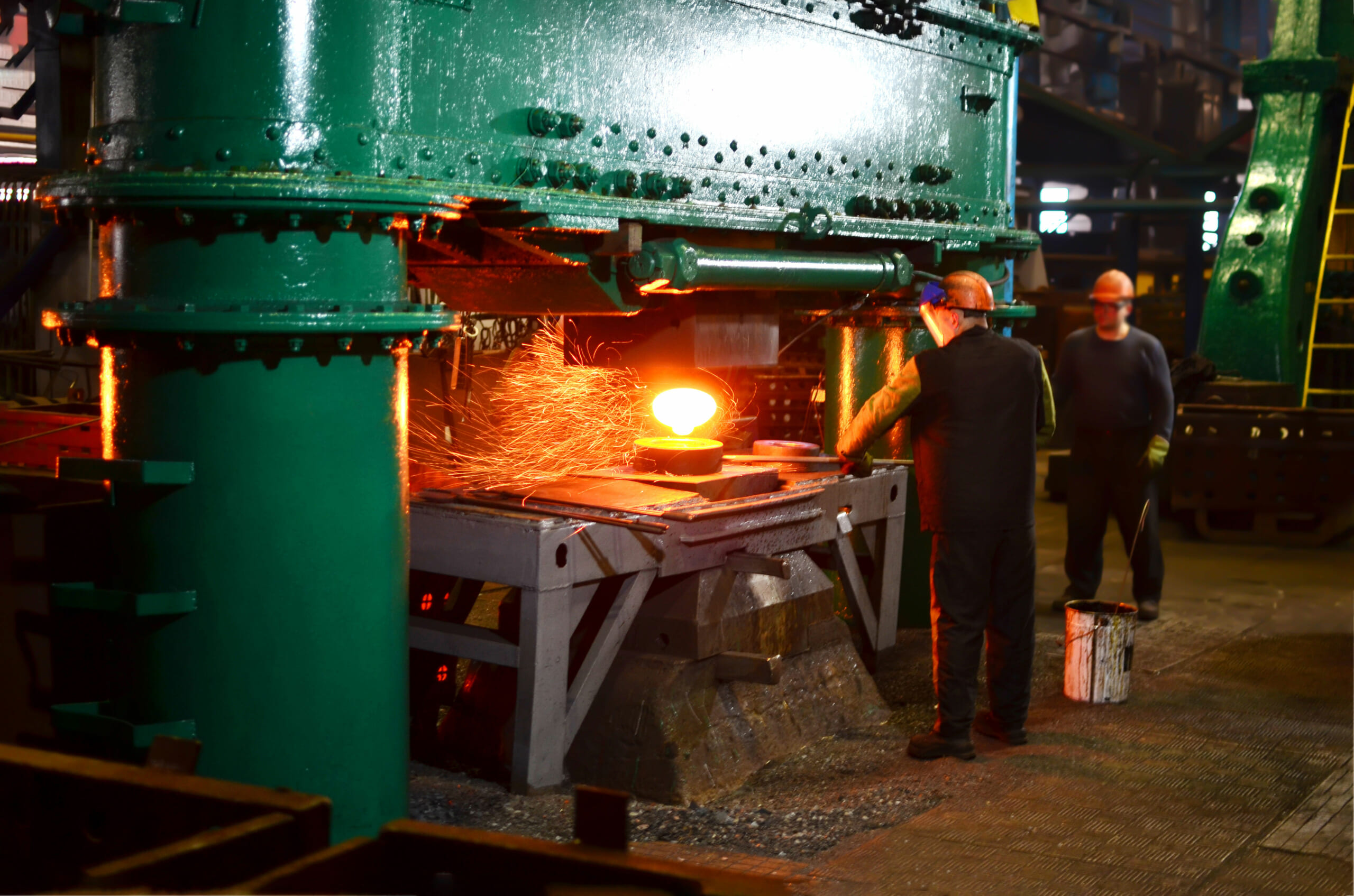
Forging Machines
Forging machines shape heated metal by hammering or compressing it while increasing material strength.
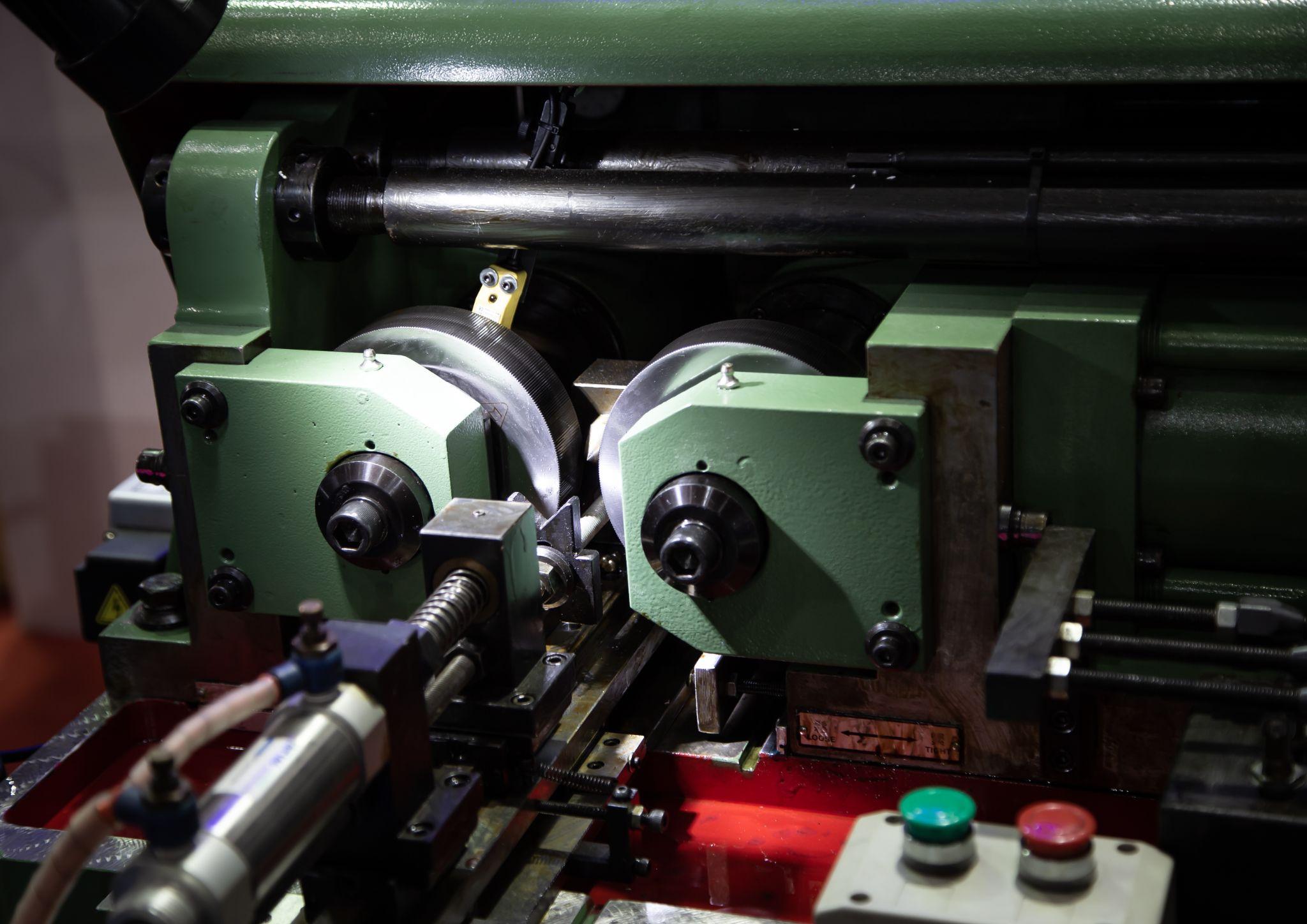
Rolling Machines
Rolling machines pass materials between rotating rolls to form sheets or bars.
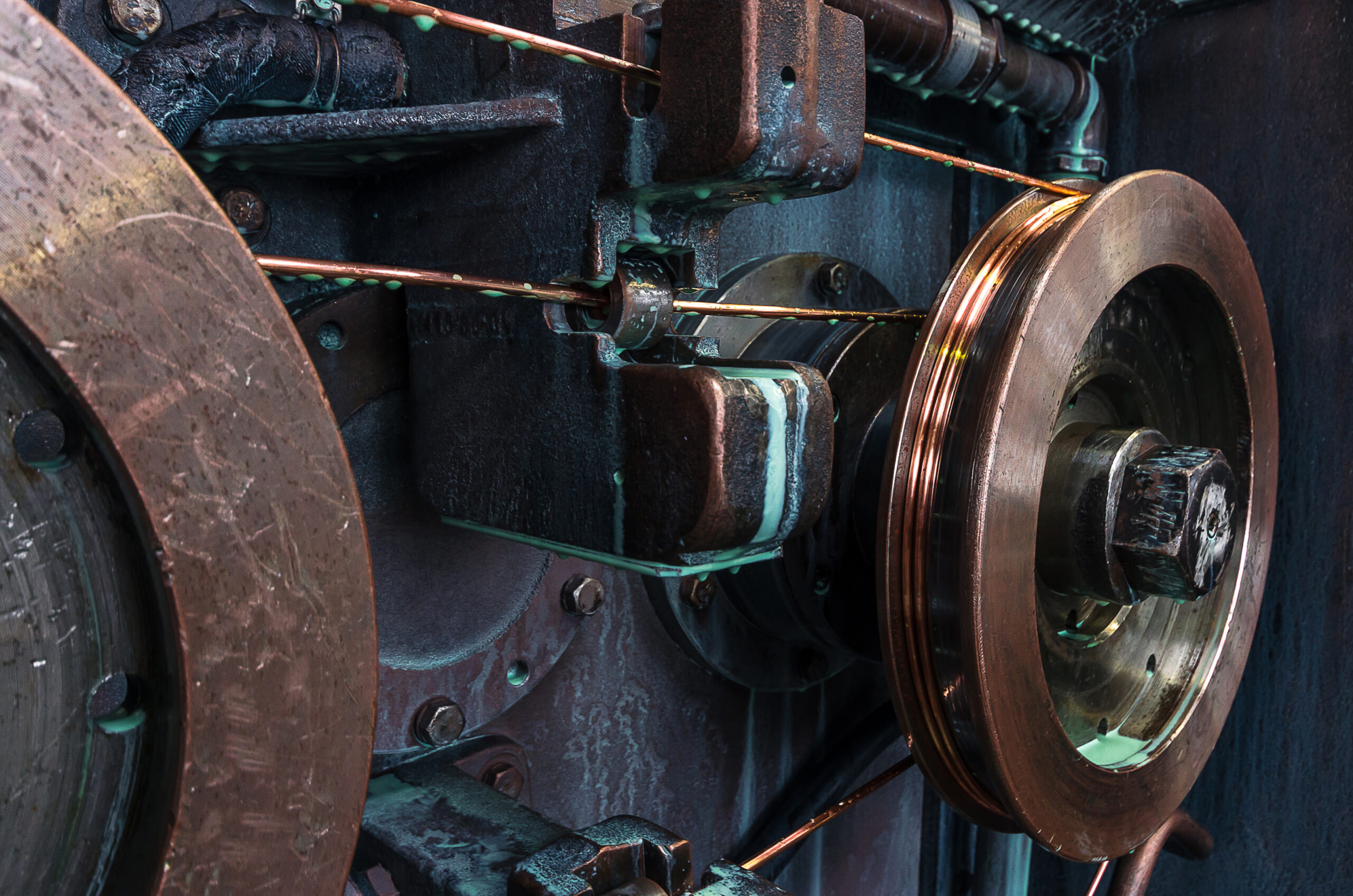
Drawing Machines
Drawing machines pull metal materials through dies to form wires or pipes.
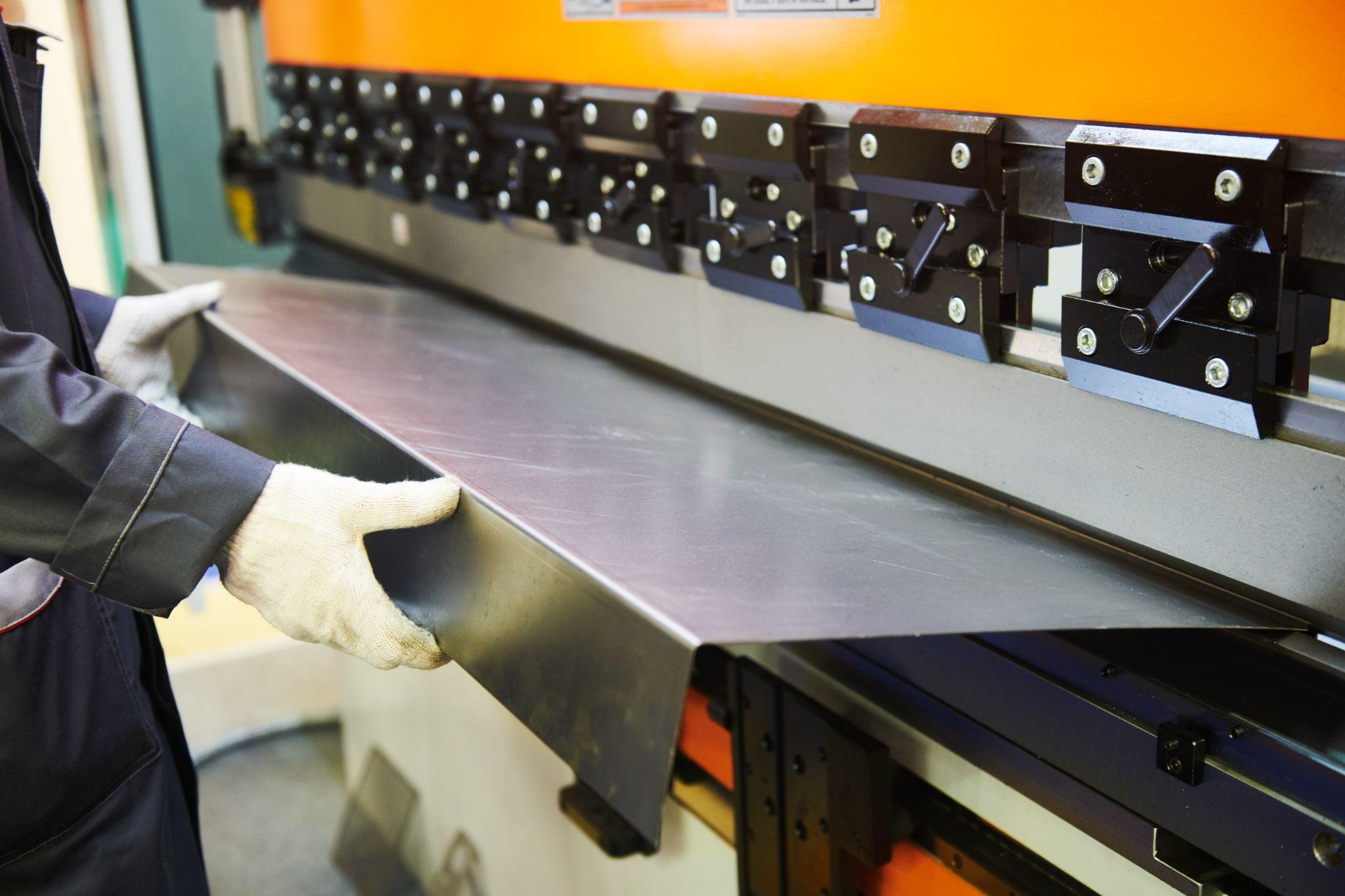
Bending Machines
Bending machines apply pressure to bend materials into specified angles or curves.
Special Process Machines
Special process machines use energy sources such as electricity, light, water, or plasma to perform non-traditional machining with little or no direct contact between tool and material. They are suitable for hard, brittle materials and fine features.
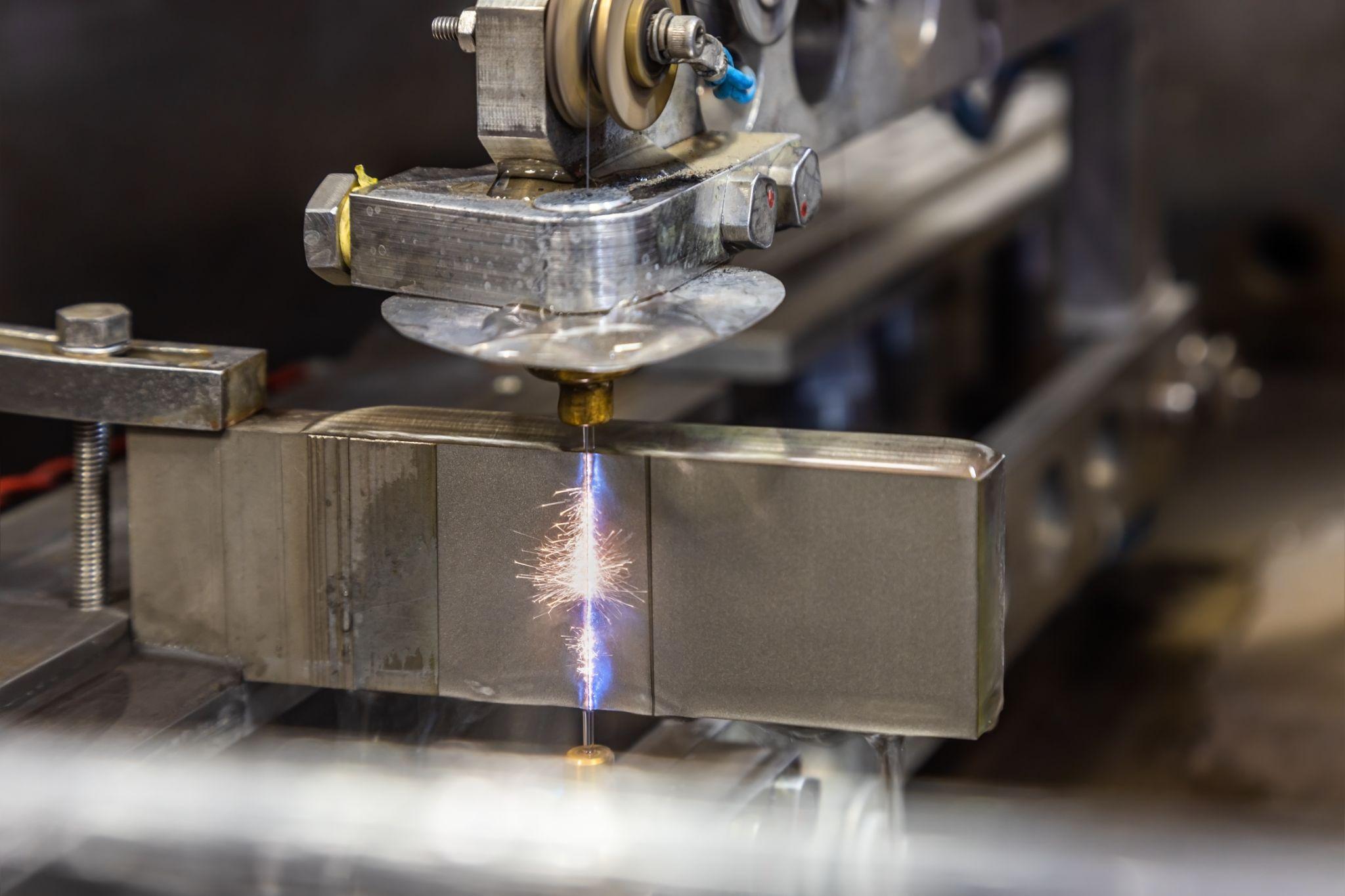
Electrical Discharge Machines (EDM)
Electrical discharge machines (including wire EDM and sinker EDM) generate spark discharges between an electrode and the workpiece to melt and remove metal, enabling the machining of complex shapes.
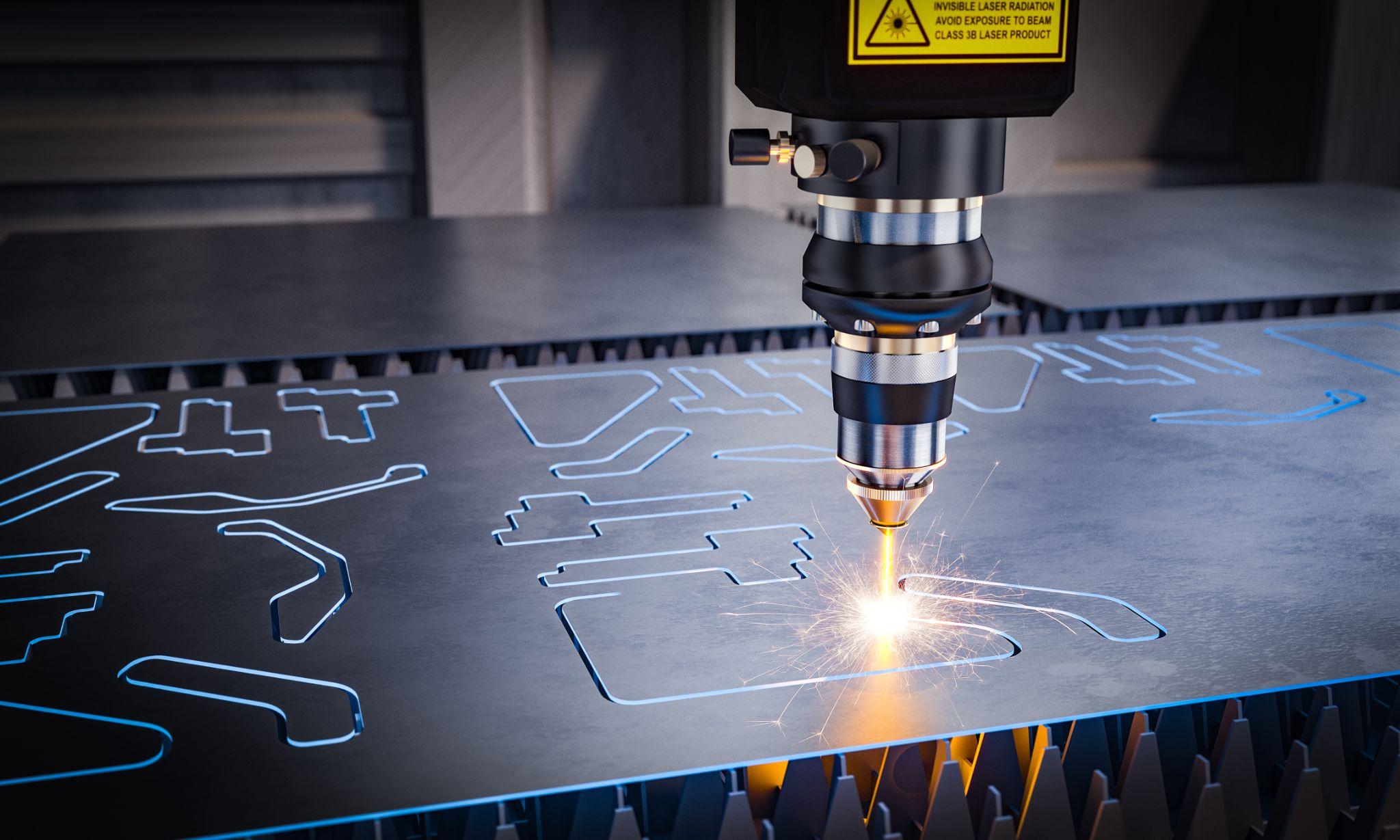
Laser Machines
Laser machines irradiate materials with high-power laser beams to melt or vaporize them for cutting and drilling.
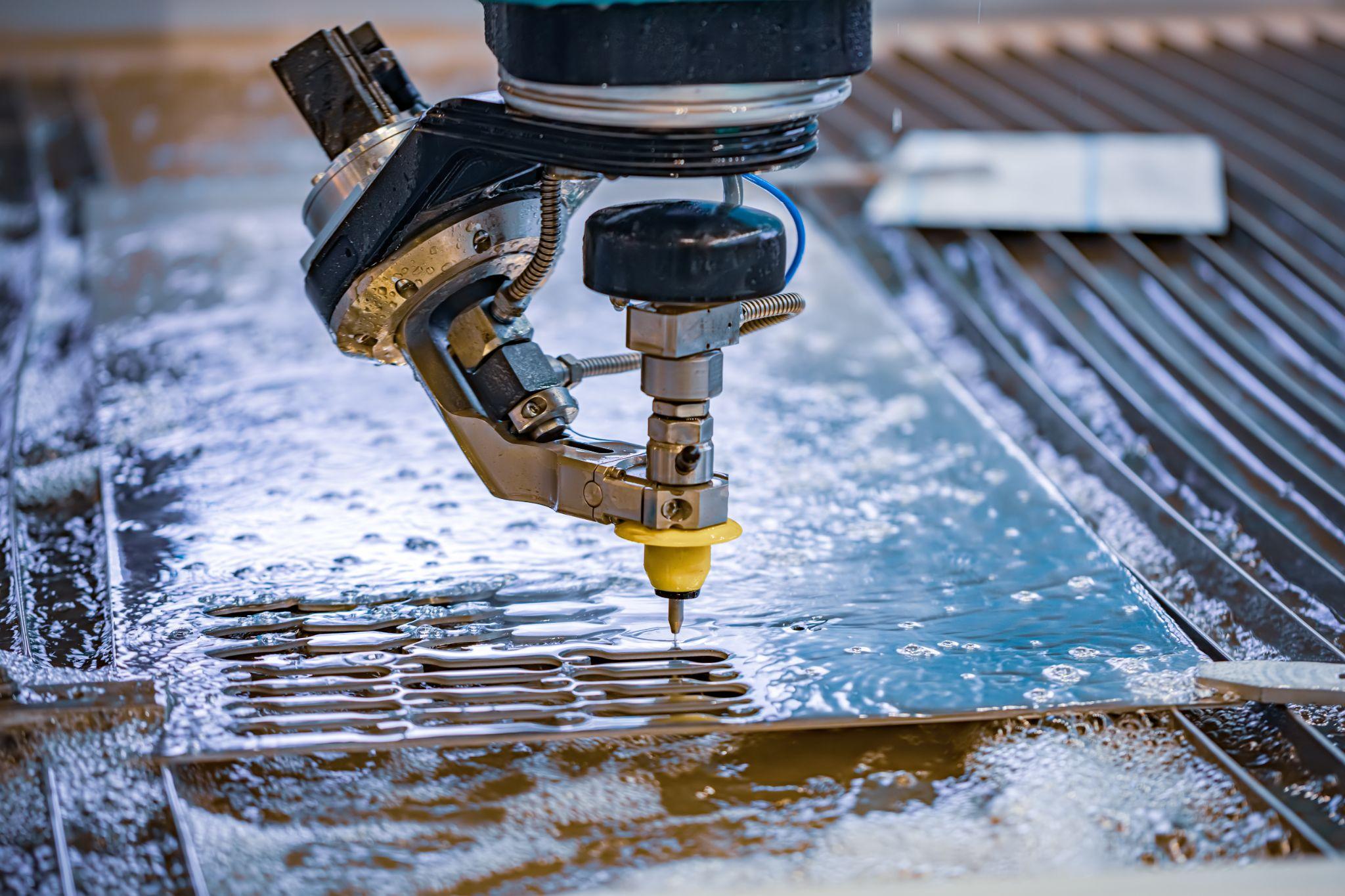
Waterjet Cutting Machines
Waterjet cutting machines use ultra-high-pressure water or abrasive water jets to cut metals and non-metals.
Ultrasonic Machines
Ultrasonic machines use ultrasonic vibrations combined with abrasive particles to precisely remove and shape hard, brittle materials.
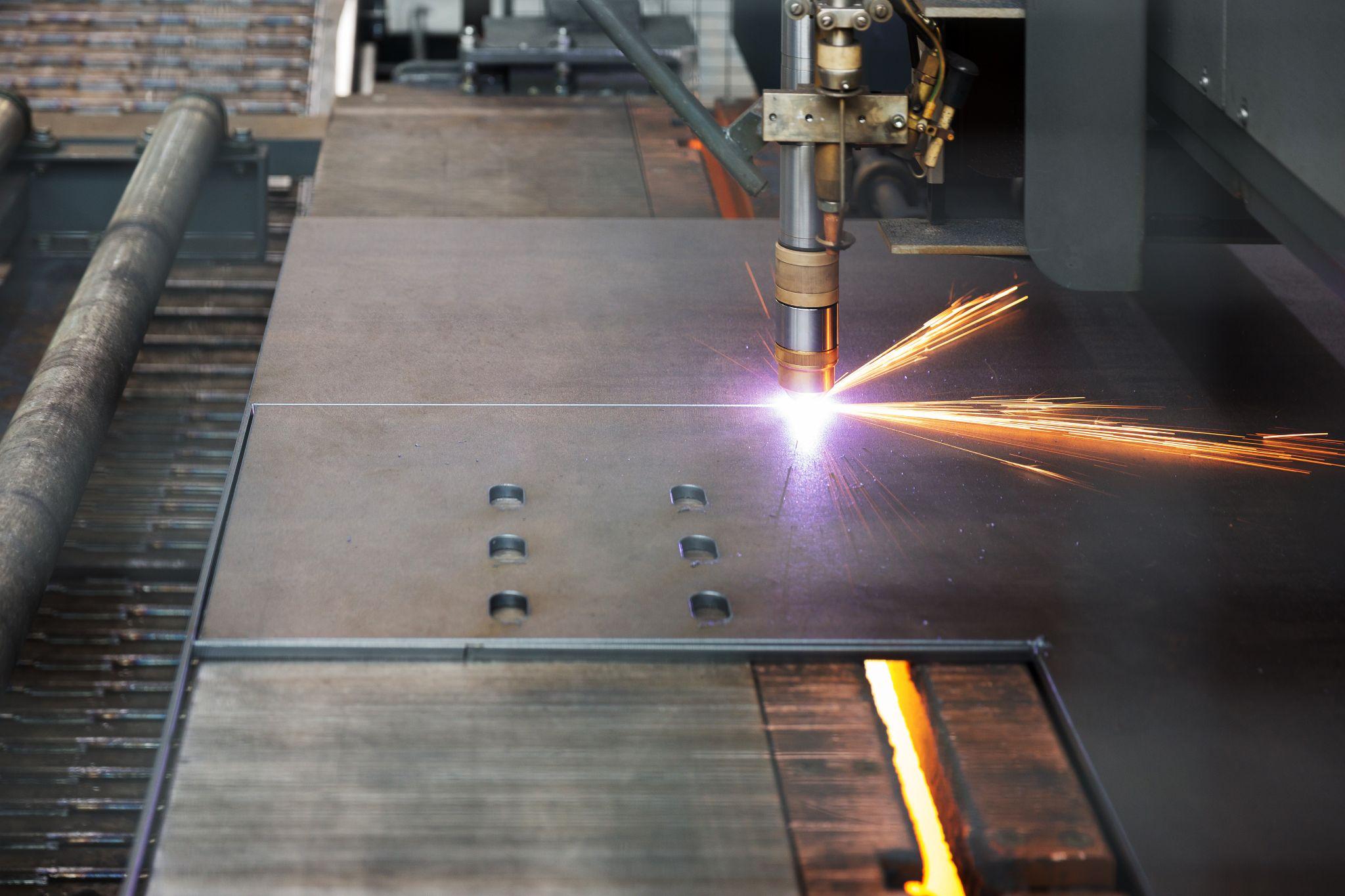
Plasma Cutting Machines
Plasma cutting machines use the high temperature of a plasma arc to melt metal and perform high-speed cutting.
As shown above, there are many types of machine tools across these three categories. Among them, we will now introduce in more detail the machine tools that are widely used and form the core of basic machining operations.
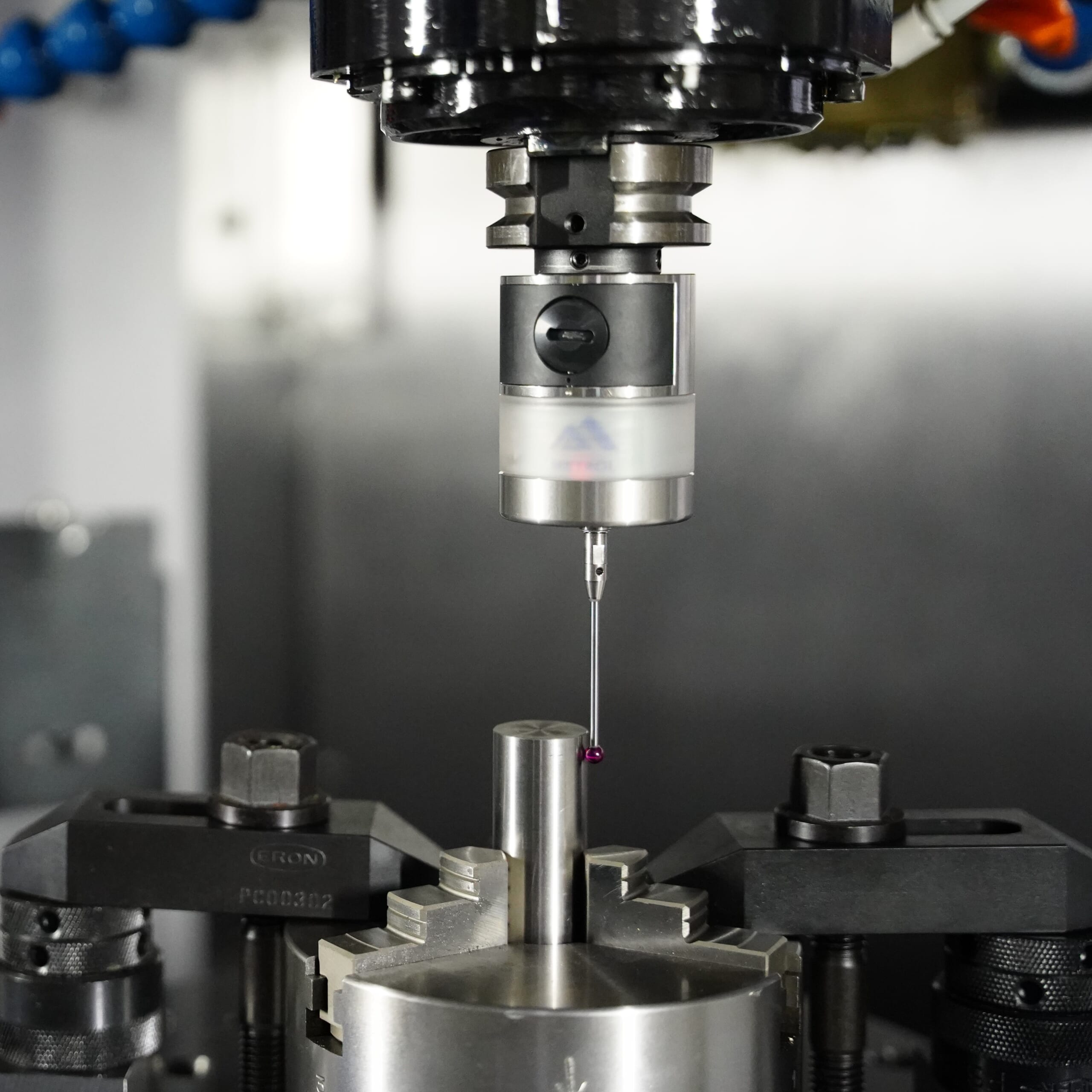
Automated workpiece centering and positioning
- Touch probe -
A contact/touch sensor for on-machine measurement that improves the efficiency of setup work
Click here ›Lathe
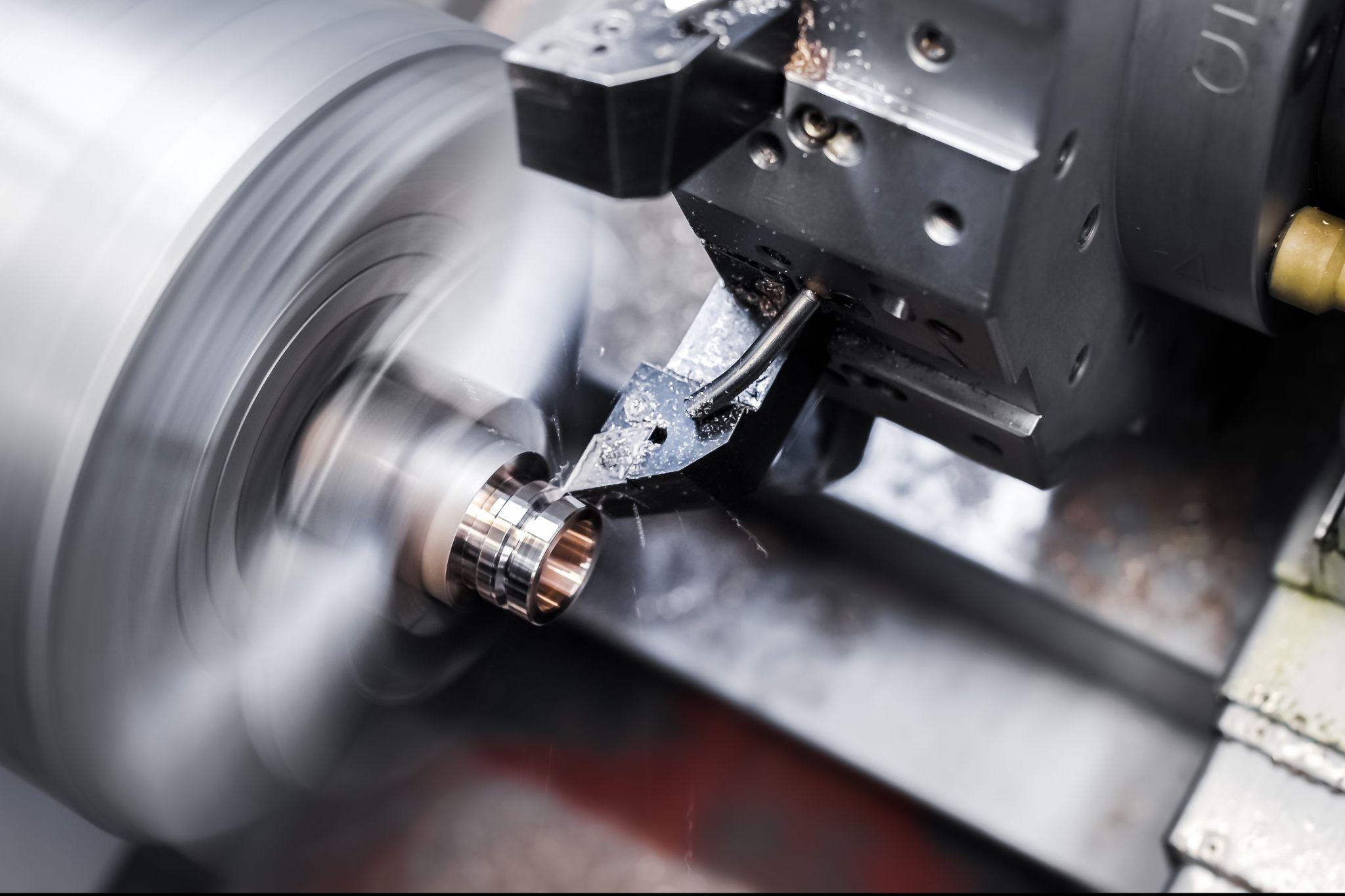
A lathe is a machining tool that removes material by bringing a fixed cutting tool (bit) into contact with a rotating workpiece.
Lathes are suitable for machining workpieces into shapes that are symmetrical around the rotational axis, such as cylinders and cones. They support a wide range of cutting operations, including external turning, boring (internal machining), drilling, threading, and parting.
In manual engine lathes, machining is performed by an operator using hand controls. In contrast, NC lathes (numerical control lathes) automatically control cutting tools through computer programming, enabling high-precision and stable mass production.
Lathe machining has a relatively simple structure and is applied not only to metalworking but also to woodworking, such as in wood lathes.
Main Applications
Lathes are primarily used to machine cylindrical and disk-shaped components. They are essential for manufacturing parts such as shafts for automobiles and machinery, threaded components like bolts, and pipe-shaped parts.
Although metals are the primary materials processed, wood lathes can also be used to manufacture wooden products and vessels.
Grinding Machine
A grinding machine is a machine tool that removes material by pressing a rapidly rotating grinding wheel—made of hard abrasive grains bonded together—against a workpiece to gradually remove material from its surface.
Although the amount of material removed per pass is very small compared to cutting with tools, grinding offers superior accuracy and smooth surface finishes. Grinding processes are mainly used in finishing operations, refining workpieces that have already undergone rough machining or cutting on lathes or machining centers to achieve higher precision.
For this reason, grinding machines are required to achieve a higher level of machining accuracy—often at the micron level—than cutting-type machine tools.
Grinding is also suitable for machining hard materials that are difficult to cut by conventional methods, such as hardened steel, as well as hard and brittle materials like glass and ceramics. Since grinding wheels wear during operation, regular dressing and truing are required to maintain the wheel’s cutting performance and shape.
Main Applications
Grinding is used in applications that require high dimensional accuracy and mirror-like surface finishes, such as the finish grinding of metal parts and the re-sharpening of tools.
It is especially indispensable for the final finishing of heat-treated and hardened components, such as bearing parts and engine crankshafts, as well as for precision surface machining of molds and the edge sharpening of cutting tools like drills and end mills.
Press Machine (Press Processing Machine)
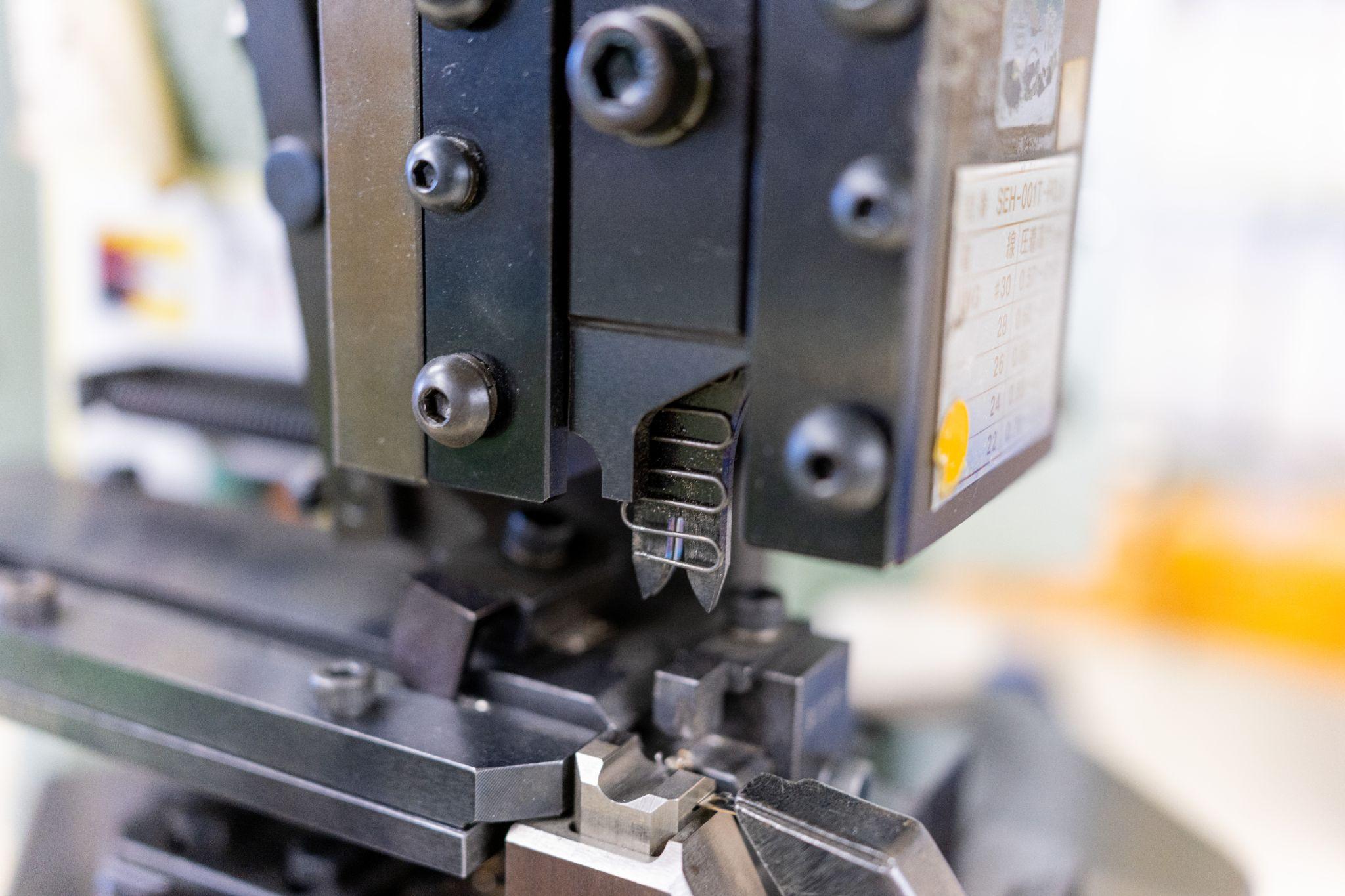
A press machine is a machine that places material between a pair of upper and lower dies (female and male tools) and applies a large amount of pressure at once to plastically deform the material into the shape of the die.
By expanding or drawing the material using dies, press machines can perform operations such as cutting, punching holes, bending, and deep drawing to form three-dimensional shapes.
Press machines are commonly used for stamping thin metal sheets, enabling high-speed mass production of parts that follow the shape of the punching die. Since each operation is completed in an instant and the same shape can be reproduced repeatedly, production efficiency is extremely high.
As a result, press machines are well suited for mass production environments and can continuously manufacture large quantities of parts in automated lines by feeding coiled sheet metal.
In addition to metal sheets, press processing can also be applied to materials with plasticity—materials that can deform and retain their shape after forming.
Press processing offers the advantage of producing parts with minimal burrs and clean finishes; however, the initial cost of die manufacturing is high, and design changes require new dies to be made.
Main Applications
Press machines are widely used for the mass production of sheet metal parts in industries such as automotive, electrical appliances, and construction materials.
Typical examples include automobile body panels such as doors and hoods, chassis and housings for home appliances, and metal brackets and fittings, all of which are manufactured through punching and bending operations using press machines.
Types of press machines include mechanical presses driven by cranks or cams and hydraulic presses driven by hydraulic cylinders, which are selected according to required processing speed and pressing force.
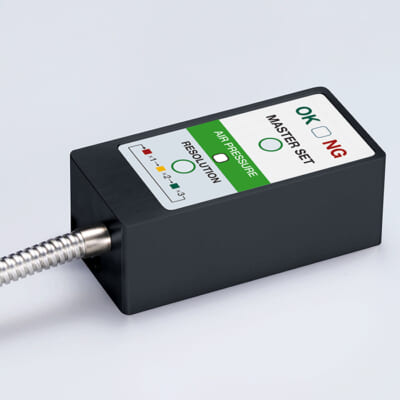
High-precision seating confirmation of workpiece and jig
- Air Gap Sensor -
You can check not only "presence/absence" but also "adhesion (gap)" at the same time with a repeatability of ±0.5 μm.
Click here ›5-Axis Machining Center
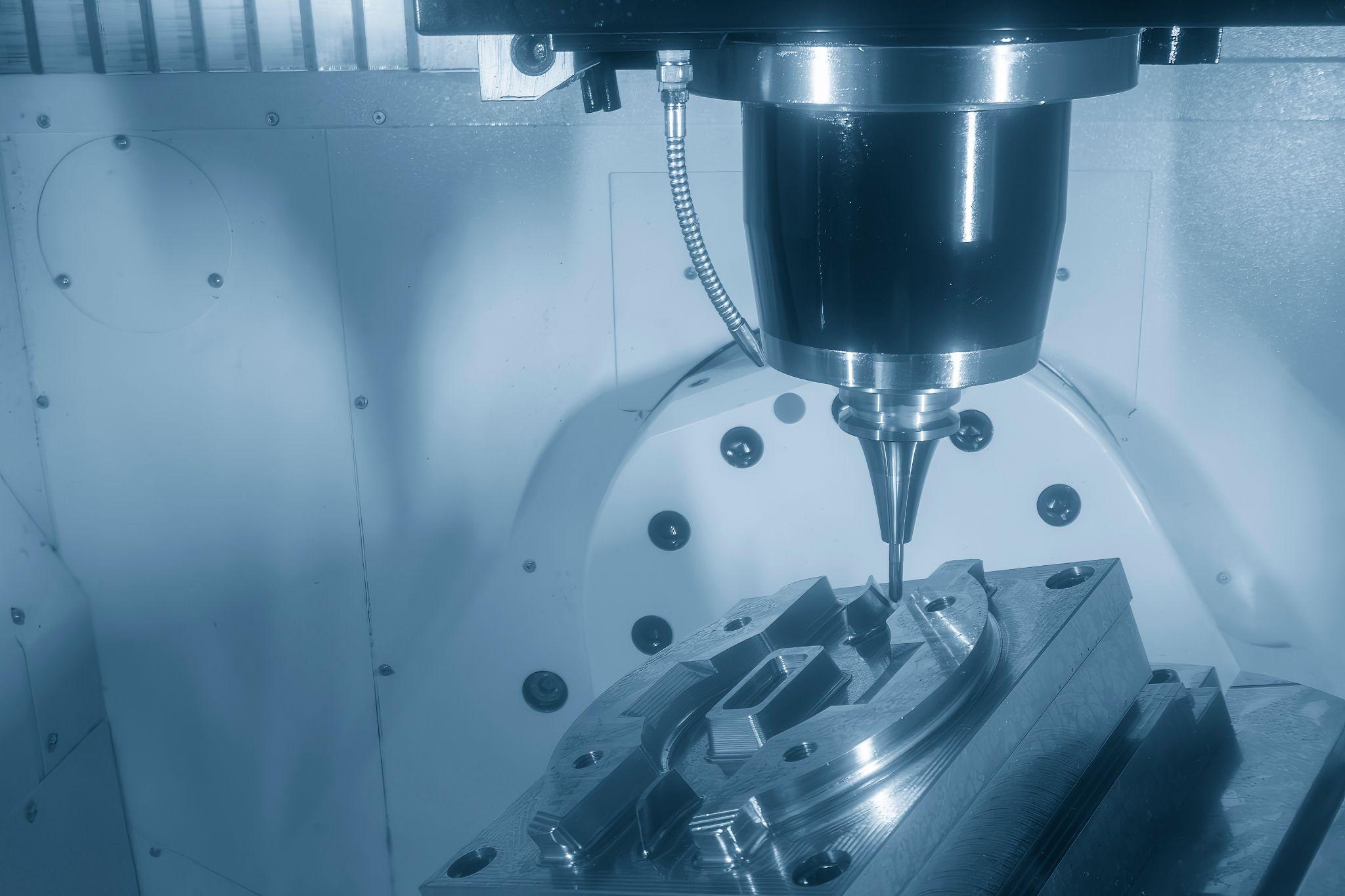
A 5-axis machining center is a machine tool that adds two rotational and tilting axes to the standard three linear axes (X, Y, and Z) of a conventional machining center.
By rotating and tilting the table or tool during machining, 5-axis machines can process complex three-dimensional surfaces and undercut features on the backside of parts that are difficult to achieve with 3-axis machining.
They are particularly effective for cutting parts with smooth curved surfaces, such as aircraft engine impellers and turbine blades, as well as for machining complex mold cavities.
With 5-axis control, machining can be performed from multiple directions in a single setup, allowing hard-to-reach areas to be processed without repositioning. This improves accuracy and reduces machining time.
There are two main types of 5-axis machining: simultaneous 5-axis machining, which moves all five axes at the same time to create freeform surfaces, and indexed 5-axis machining, which fixes the angle for each operation and is suitable for positioning work.
Main Applications
5-axis machining centers are used for cutting complex and high-precision parts, particularly in the aerospace, automotive, and medical industries.They are indispensable for machining parts with many curved surfaces and angled holes, such as aircraft turbine blades, rocket engine components, and monolithic aircraft frame parts.
They are also used in mold manufacturing to machine deep cavities and shapes with side undercuts.
In medical device manufacturing, 5-axis machining is used to produce three-dimensional shapes tailored to the human body, such as artificial joints and implants.
What Has Changed — and What Has Not — with the Introduction of 5-Axis Machining
The introduction of 5-axis machining marked a groundbreaking turning point for engineers involved in cutting processes for many years, opening up new possibilities in manufacturing.
However, even with advances in automation technology, manufacturing has not reached a state of complete automation in which all processes are entrusted entirely to machines. Let us examine the aspects that have been transformed by 5-axis machining and those that remain unchanged.
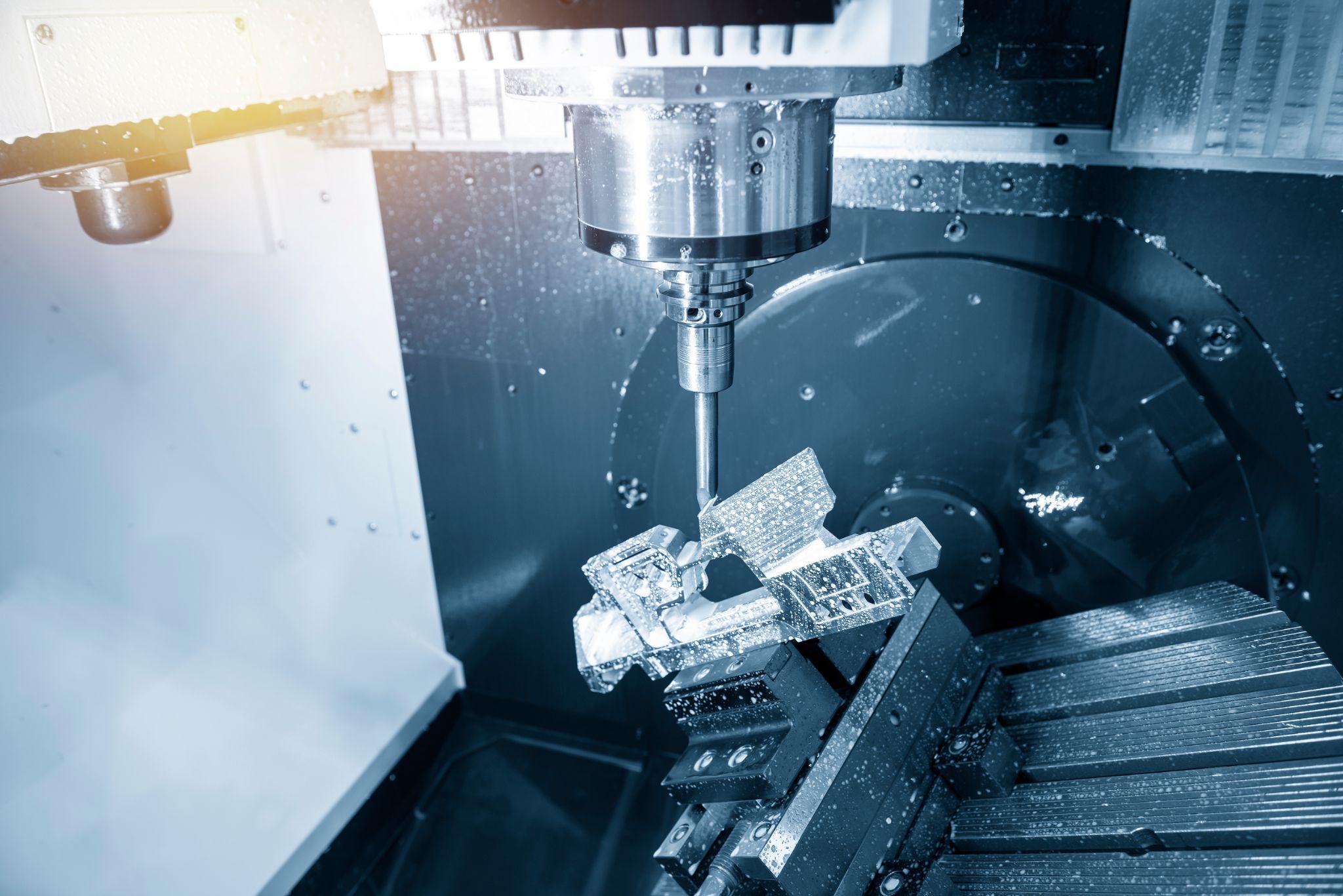
Multi-Functionality of Single Products and Increasing Machining Complexity
5-axis machining centers, which can perform multiple processes simultaneously in a single setup, have made it easier to add multiple functions to a single product.
By consolidating processes into a single operation, products that previously struggled to maintain accurate positioning can now be mass-produced. This has significantly contributed to reducing reliance on individual operator skills and improving labor efficiency.
Deburring Remains Essential Even with Automated Machining
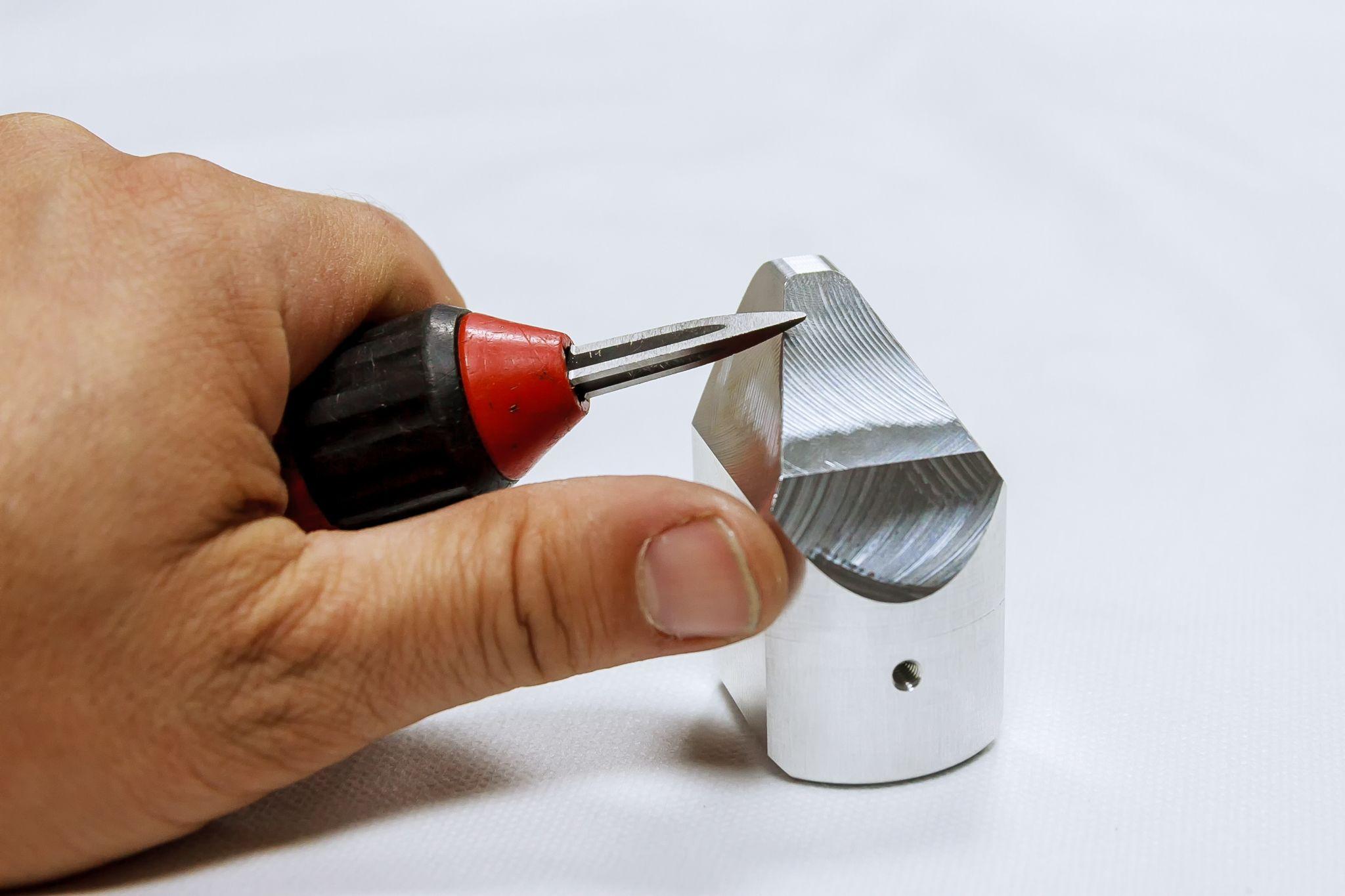
Although simultaneous 5-axis machines can automate chamfering during machining, manual deburring remains indispensable. Burrs that cannot be completely removed by machines alone are strictly controlled, especially in the aerospace and precision equipment industries.
Even tiny burrs can cause abnormal noise and vibration if they enter high-speed rotating components, potentially leading to serious failures. As a result, regardless of advances in machining technology, manual deburring remains an essential process.
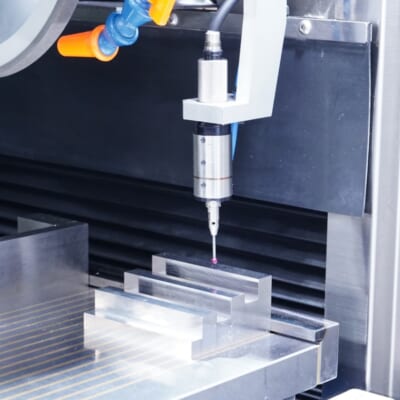
Automated workpiece centering and positioning
- Touch probe -
A contact/touch sensor for on-machine measurement that improves the efficiency of setup work
Click here ›What Are Metrol’s High-Precision Positioning Sensors?
There are many types of machine tools, each with different machining characteristics and applications. However, no matter how advanced a machine tool may be, precise positioning and control are essential to fully realize its performance.
This is why Metrol’s high-precision positioning sensors are gaining strong attention across a wide range of manufacturing sites.
High-Precision Positioning Touch Switches
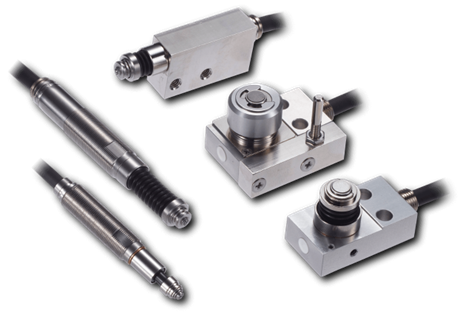
These are contact-type high-precision switches used for positioning and workpiece presence detection in machine tools, robots, and jigs. They achieve an extremely high repeatability of up to 0.5 µm and feature IP67-rated waterproof and dustproof protection, ensuring stable operation even in harsh environments. With more than 200 standard models available, they offer a wide range of variations, including designs for confined spaces, high-temperature environments, vacuum applications, and low contact force requirements.
Tool Setter (Tool Length Measurement Sensor)
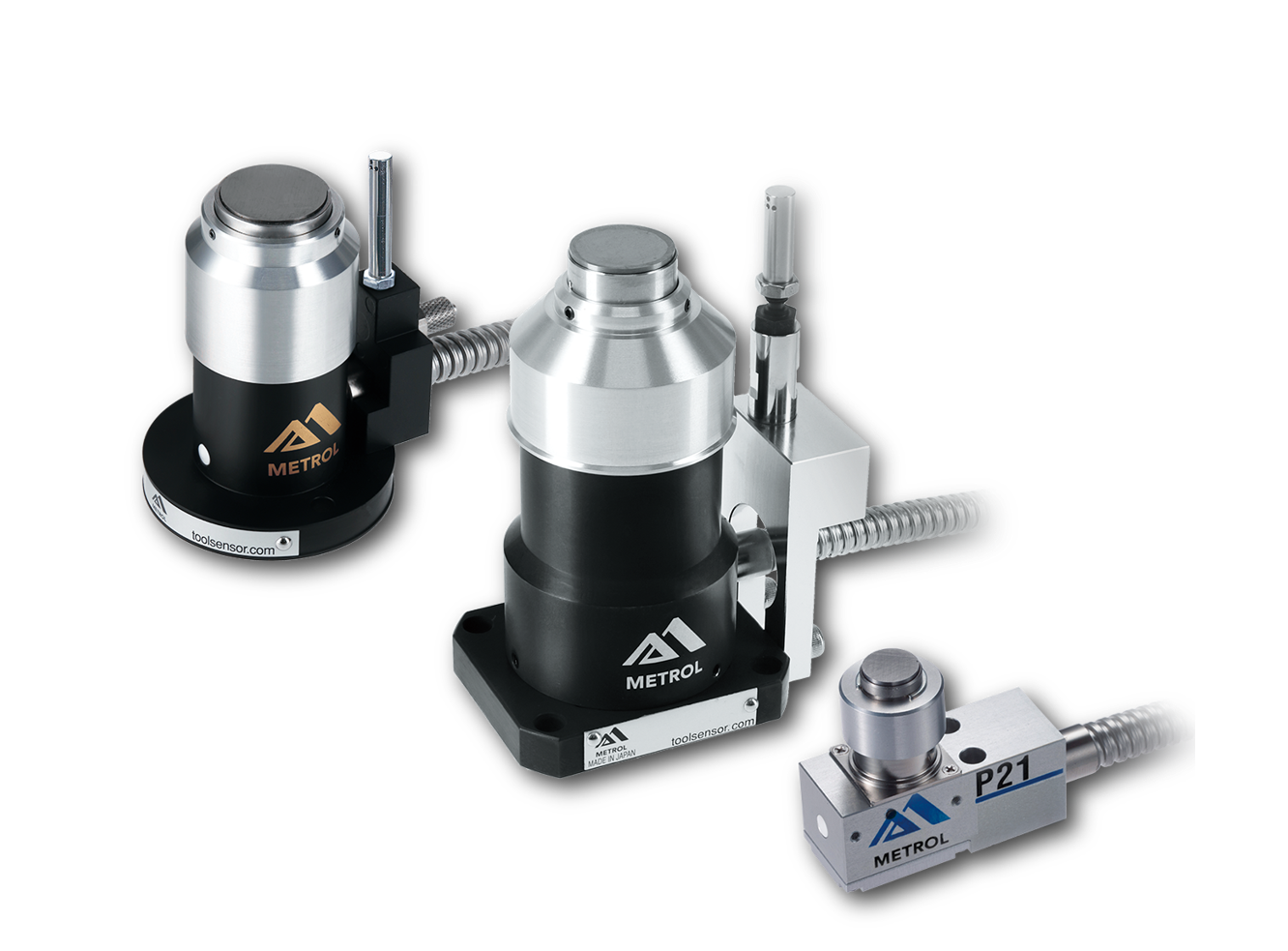
This is a contact-type sensor installed on CNC machine tools and industrial robots for tool length measurement, reference position setting, and tool breakage detection. By automatically measuring and compensating for tool length, wear, and thermal displacement inside the machine, it helps prevent machining defects and significantly reduces setup time. It is one of Metrol’s best-selling products, with a proven track record of more than 500,000 units shipped in 74 countries worldwide.
Touch Probe (On-Machine Measurement Probe)
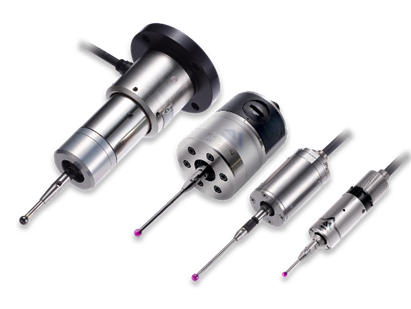
This is a contact-type probe for in-machine measurement, installed on machine tools and robots to automatically perform workpiece positioning (centering) before machining and dimensional measurement after machining. With a repeatability of 1 µm, it automates workpiece referencing and dimensional inspection, replacing skilled manual operations to reduce setup time and help prevent machining defects. Both wired and wireless models are available, meeting retrofit needs for 5-axis machining centers and robotic applications.
Air Gap Sensor (Pneumatic Sensor)
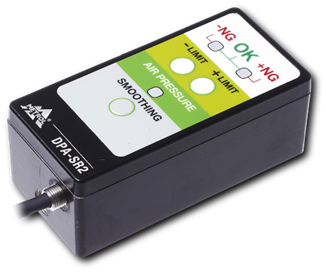
This is a non-contact sensor that uses air pressure to detect workpiece seating conditions with micron-level accuracy. It can detect gaps (“lift”) of less than 10 µm—previously difficult to measure—with a repeatability of ±0.5 µm, helping prevent machining defects and equipment downtime caused by insufficient contact between the workpiece and fixture. The sensor is used in applications such as semiconductor manufacturing processes, precision part clamping operations, and grinding wheel positioning on grinding machines, and it is a smart sensor that also supports the international standard IO-Link communication.
