
What Are Measuring Instruments? Types and Common Accuracy Issues on the Shop Floor
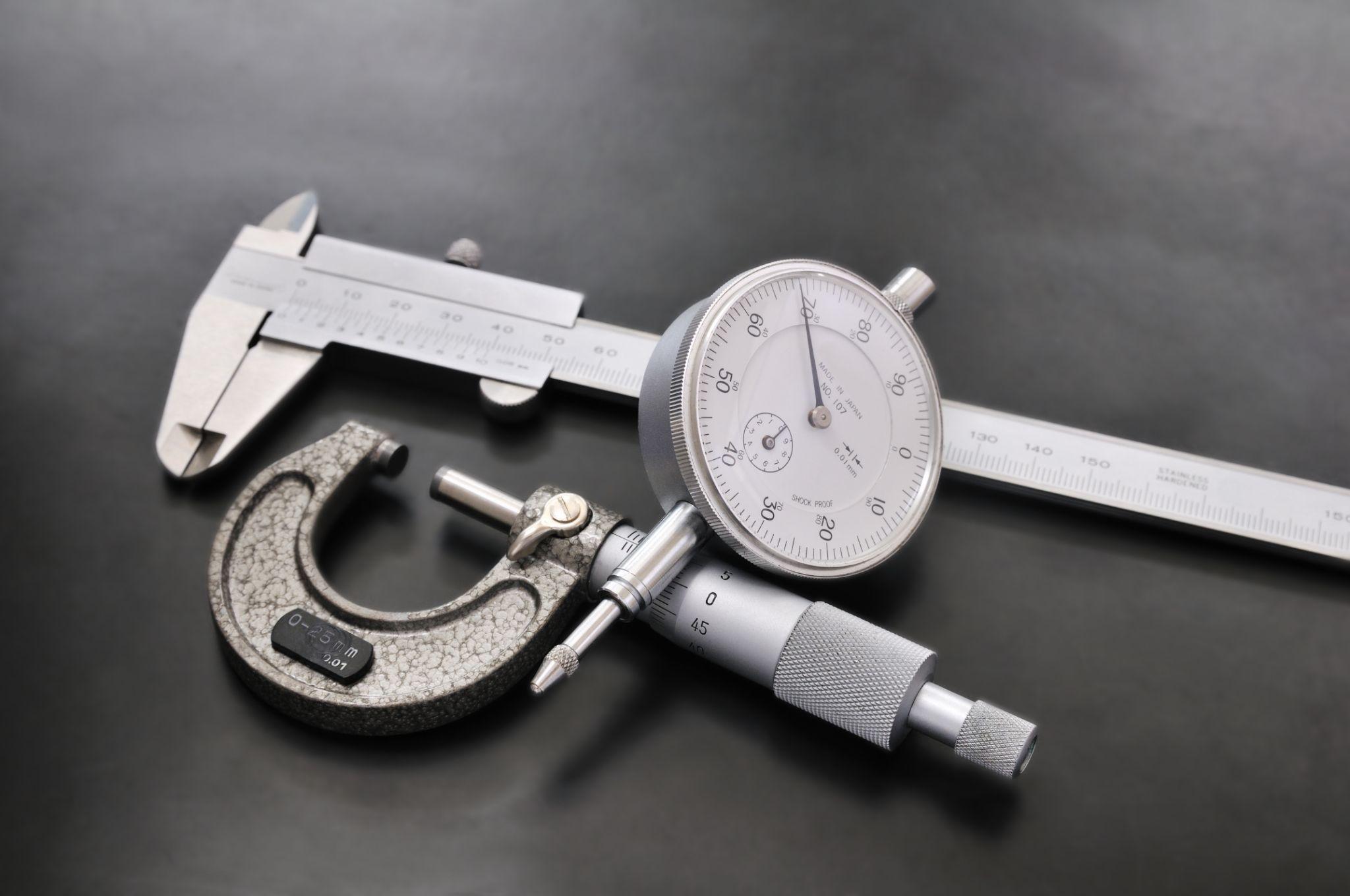
Measuring instruments are indispensable in manufacturing. Beyond measuring the size and shape of a target object, they are critical equipment that underpins product reliability and quality assurance.
In this article, we share practical insights from the shop floor on the importance of measuring instruments, the risks caused by inadequate measurement, and how to manage them effectively.
Table of Contents
What Are Measuring Instruments? Definitions and Objectives of Measurement
A measuring instrument is a tool used to quantify various physical quantities—such as temperature, length, and weight—as numerical values. Every measuring instrument converts the target measurand into numbers in a defined unit.
It is also important to remember that every measuring instrument has some degree of error (measurement error).
Definition and Purpose of Measurement
Measurement is the process of obtaining a value so that a physical quantity of the target (such as temperature, length, or weight) can be expressed in a unit (such as °C, mm, or mg).
Simply put, it means “comparing an object with a reference—such as a measuring instrument—and expressing it as a number.”
The term “metrology” (or measurement management) is also used. It is a broader concept than measurement and refers to the entire process—from planning measurement methods to using the results—for a specific purpose.
| Category | In one phrase | Example image |
|---|---|---|
| Measurement | Measuring and “reading” a value | Measuring body temperature with a thermometer and displaying “37.2 °C.” |
| Metrology | A series of activities that takes into account how the measurement results will be used. | ・Create a temperature survey plan to understand flu trends (objective and method) ・Define calibration and measurement procedures for each thermometer (preparation) ・Measure body temperature in practice (execution) Statistically process the temperature data to judge outbreak conditions (analysis) ・Issue alerts to medical sites and schools (use of results) |
The purpose of measurement is quality assurance. In manufacturing, accurately measuring dimensions enables reliable inspection to confirm whether products meet required specifications and tolerances.
Measurement is fundamental to high-quality manufacturing, and proper inspection and quality assurance cannot exist without it. The more accurate the measurement results, the greater the confidence in the product.
Types of Measuring Instruments and Their Characteristics
There are many types of measuring instruments, depending on the physical quantity being measured. The table below summarizes examples of measurands and corresponding instruments.
| Measurand | Instrument Name | Brief Overview | Photo (Image) |
|---|---|---|---|
| Length / External Dimensions | Vernier Caliper | A general-purpose gauge that quickly measures length, inner/outer diameters, and steps down to around 0.02mm. | 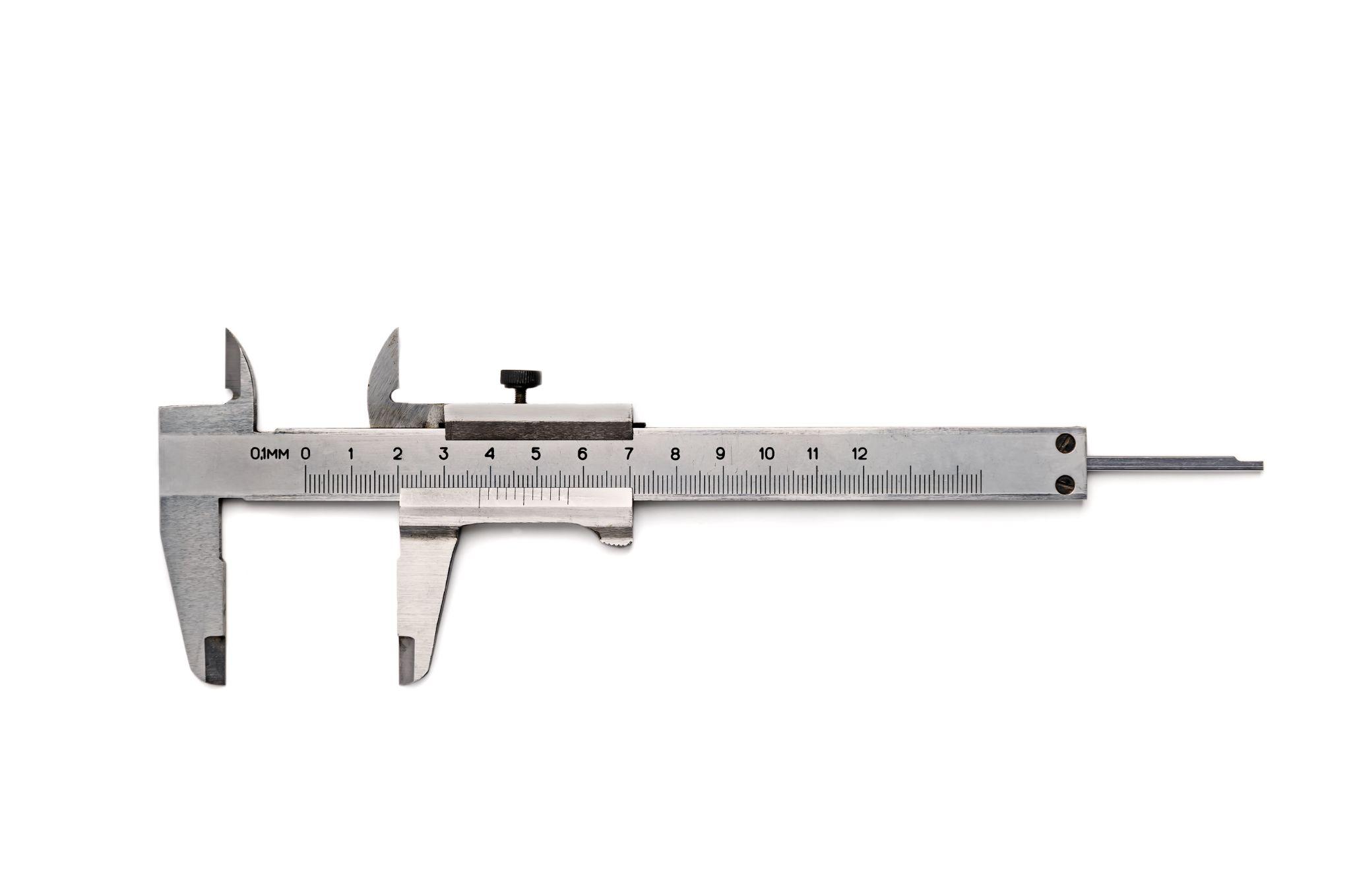 |
| Length / High-Precision Dimensions | Micrometer | Mainly measures shafts and plate thickness at the 0.001mm level. The workpiece is clamped between the spindle and anvil, and a ratchet ensures constant measuring force. | 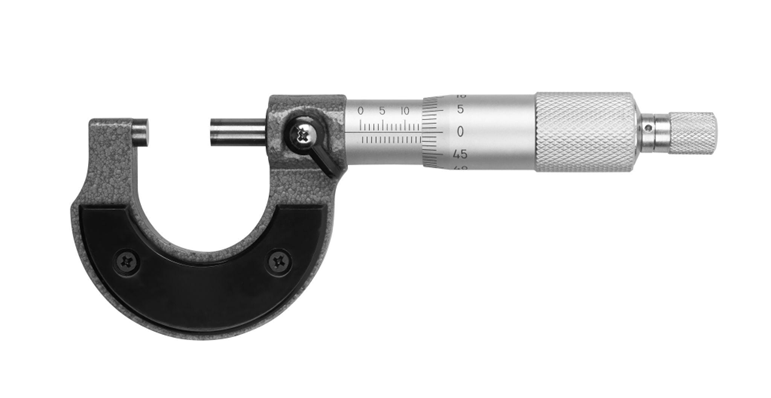 |
| 3D Position Coordinates | Coordinate Measuring Machine (CMM) | A probe captures XYZ orthogonal coordinates to evaluate geometric tolerances (GD&T) with accuracy on the order of several µm. Both contact and non-contact types exist. | 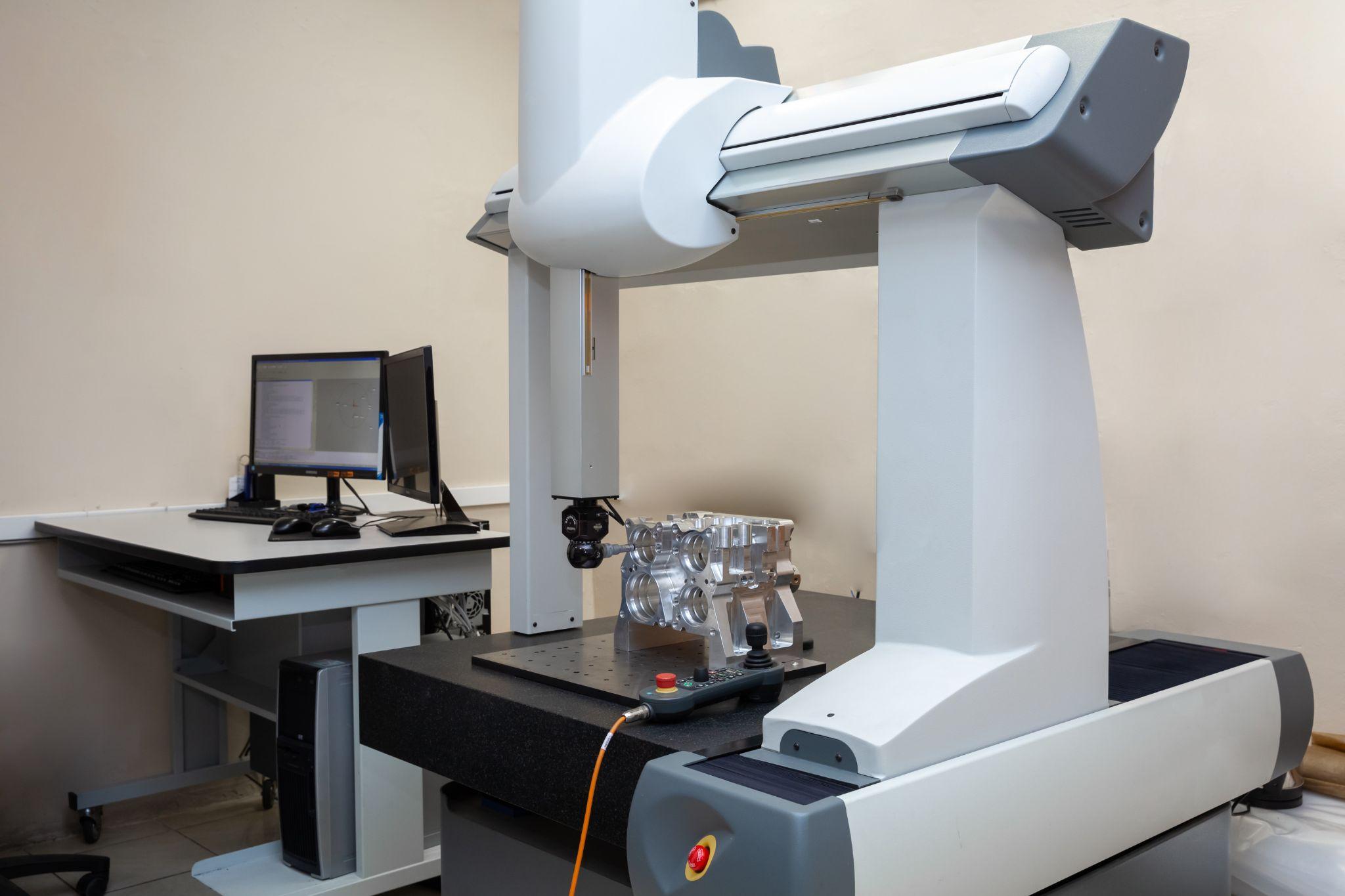 |
| Surface Roughness | Surface Roughness Tester | Scans with a diamond stylus to calculate roughness parameters such as Ra and Rz. Ranges from compact portable types to CNC-integrated systems. | 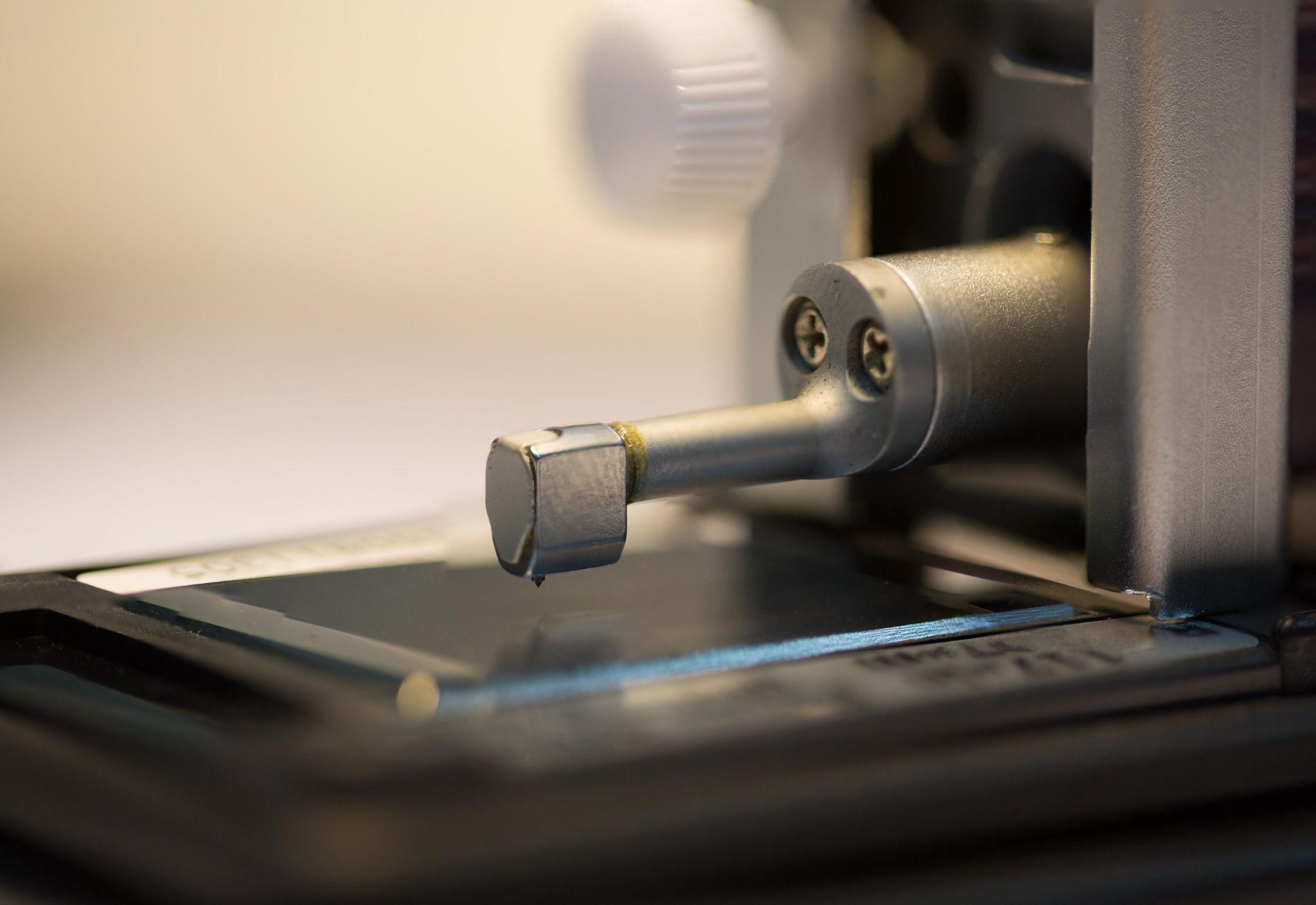 |
| Material Thickness | Ultrasonic Thickness Gauge | Non-destructively measures thickness of metals, resins, etc. based on the round-trip time of ultrasonic pulses. | 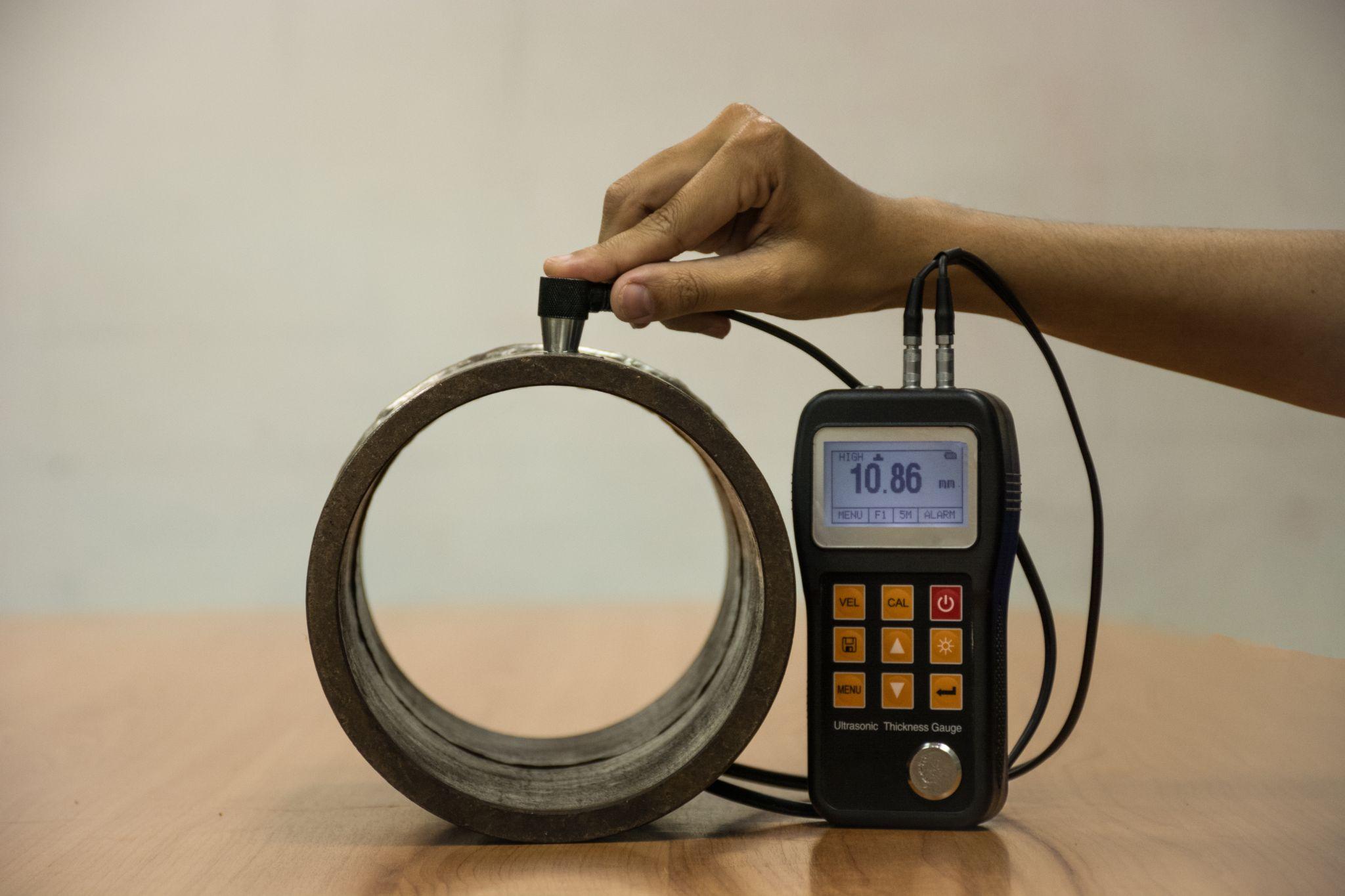 |
| Temperature (Contact) | Thermocouple Thermometer | Uses electromotive force at junctions of dissimilar metals. Some cover a wide range from 200°C 〜 +1000°C, suitable for furnace temperature and mold temperature control. | 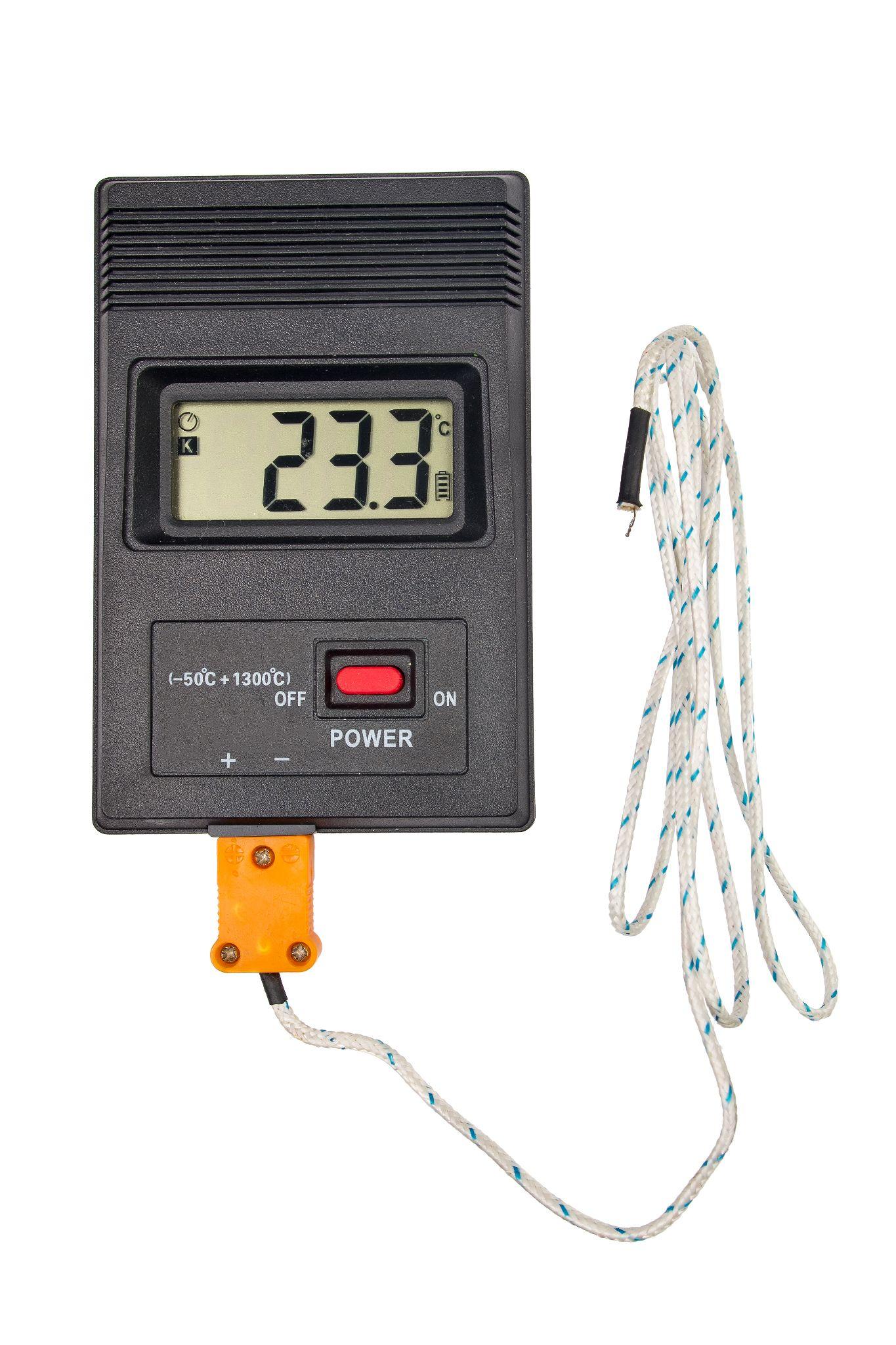 |
| Temperature (Non-contact) | Infrared Radiation Thermometer | Detects infrared radiant energy to instantly measure surface temperature. Effective for online monitoring of rotating parts and high-temperature objects. | 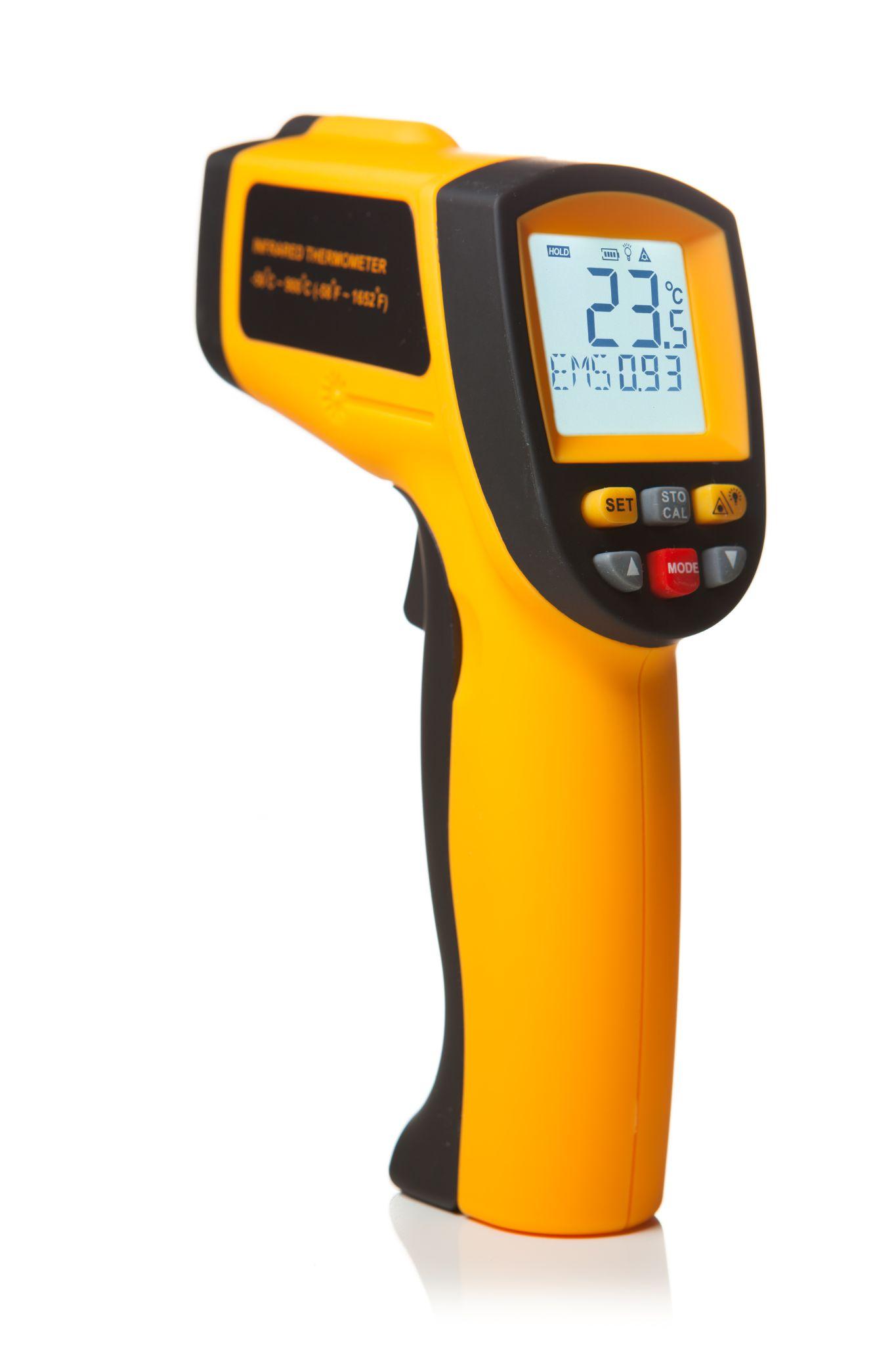 |
| Torque | Torque Wrench | Includes click-type tools for tightening torque control and load-cell types for measurement. Essential for screw-fastening quality assurance in production lines. | 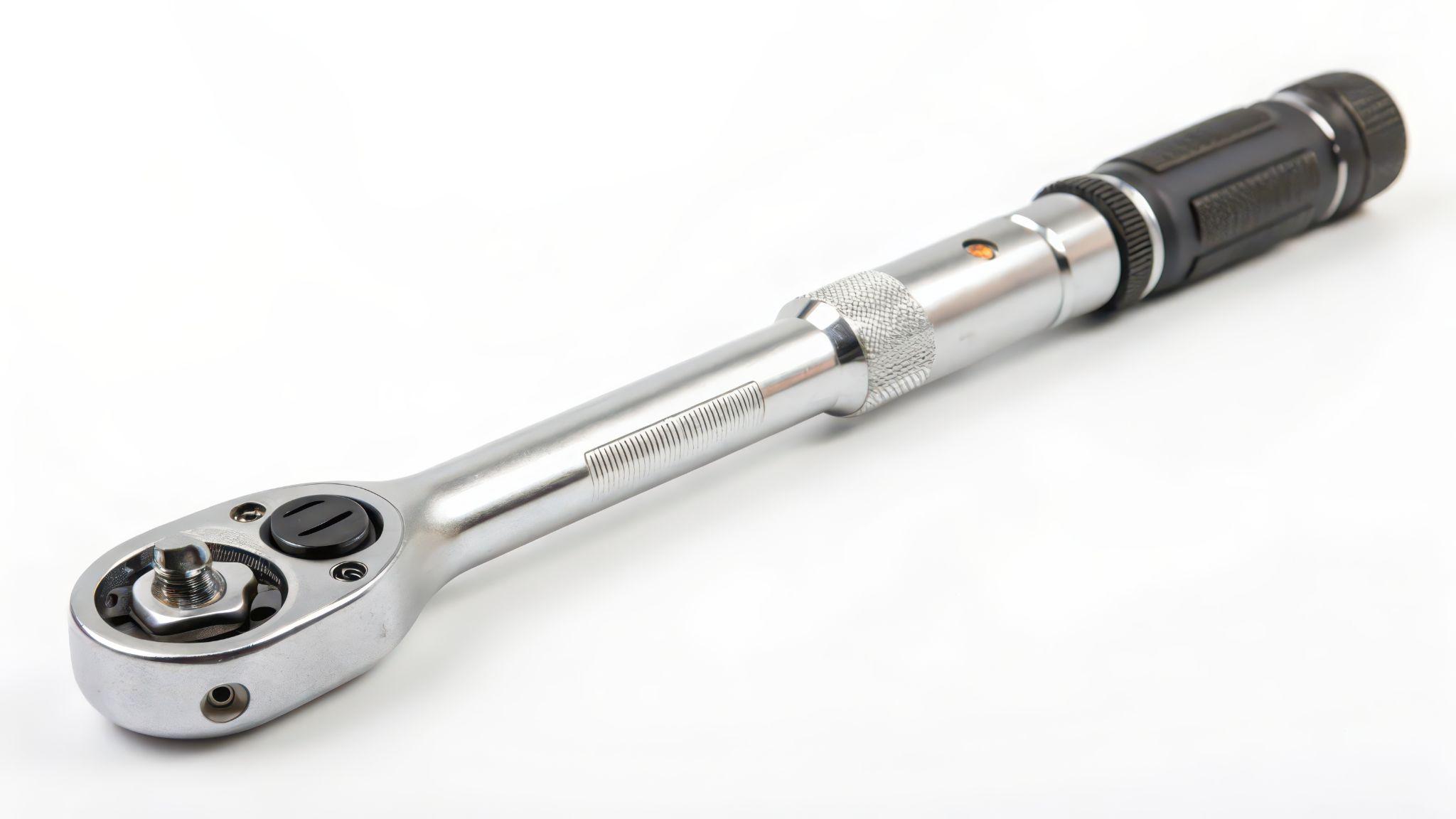 |
| Hardness | Rockwell Hardness Tester | Presses a diamond or steel-ball indenter with a specified load and calculates hardness scales such as HRB/HRC from the residual indentation depth. | 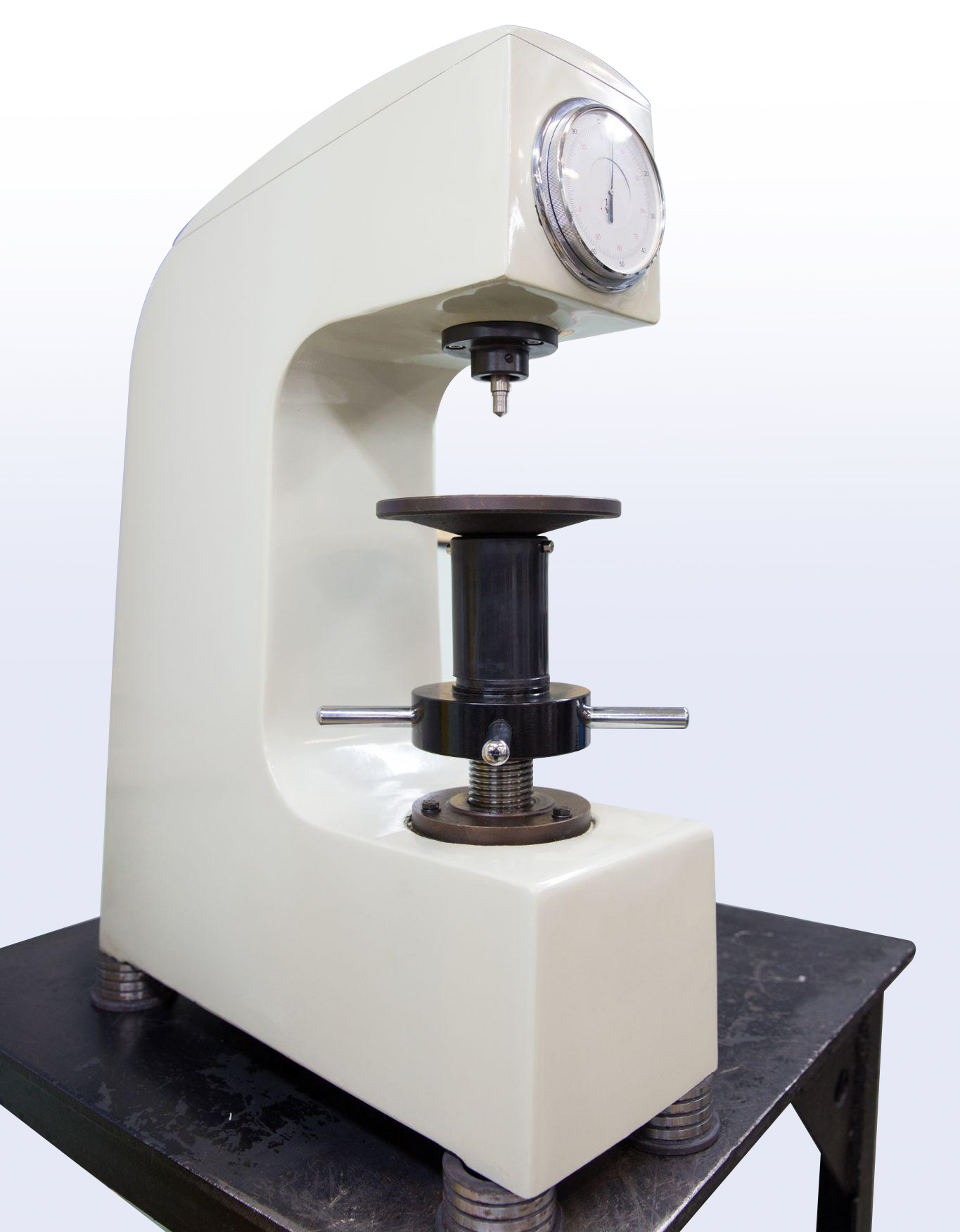 |
| Vibration / Acceleration | Accelerometer (Vibration Meter) | Outputs acceleration as voltage using piezo elements or MEMS. Used for machine condition monitoring and rotating equipment balance management. | 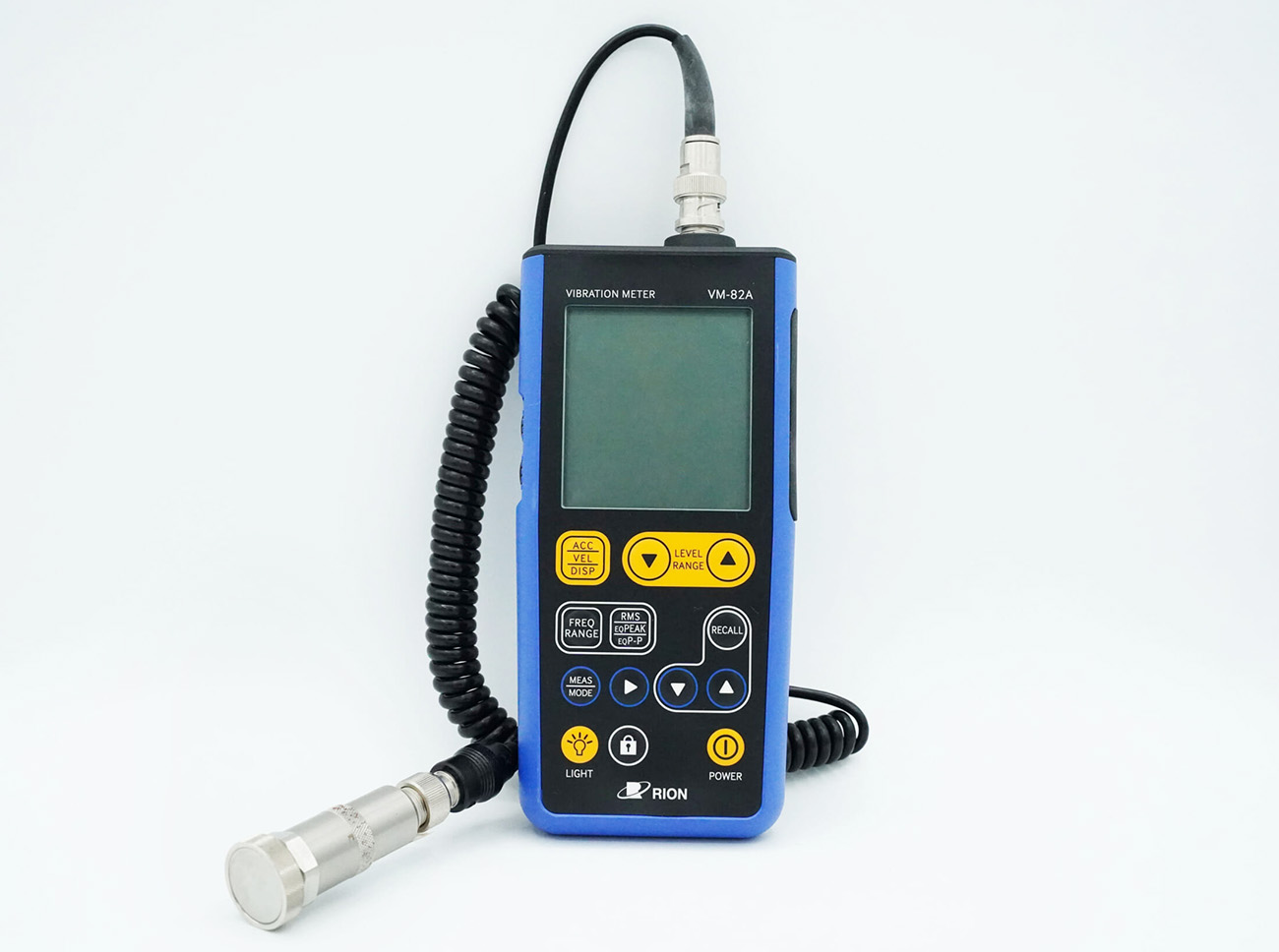 |
| Current | Multimeter | Measures voltage (DC/AC), current (DC/AC), and resistance. Also called a tester. | 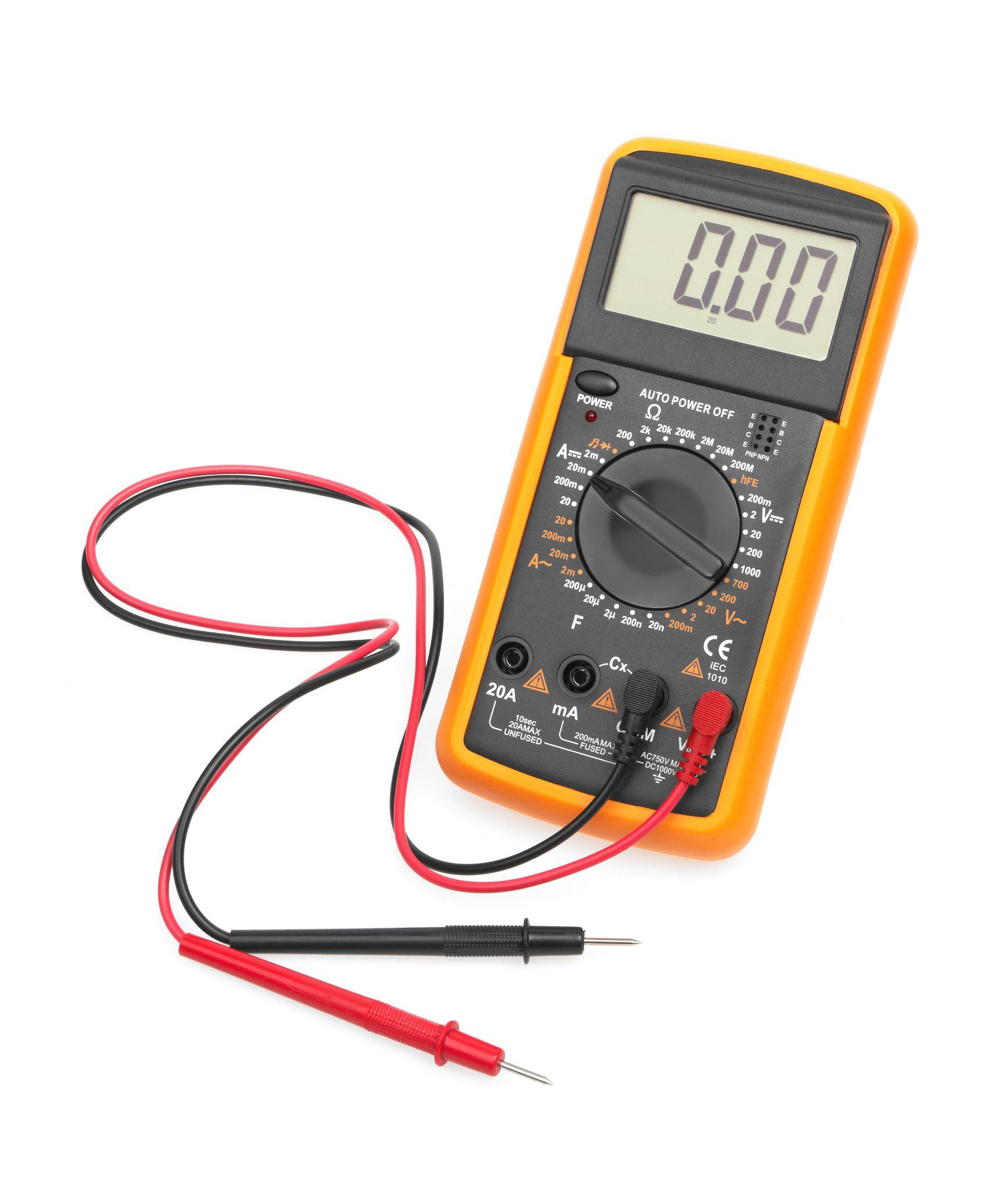 |
| Insulation Resistance | Insulation Resistance Tester | Measures insulation resistance of electrical equipment and wiring to detect leakage and insulation deterioration. | 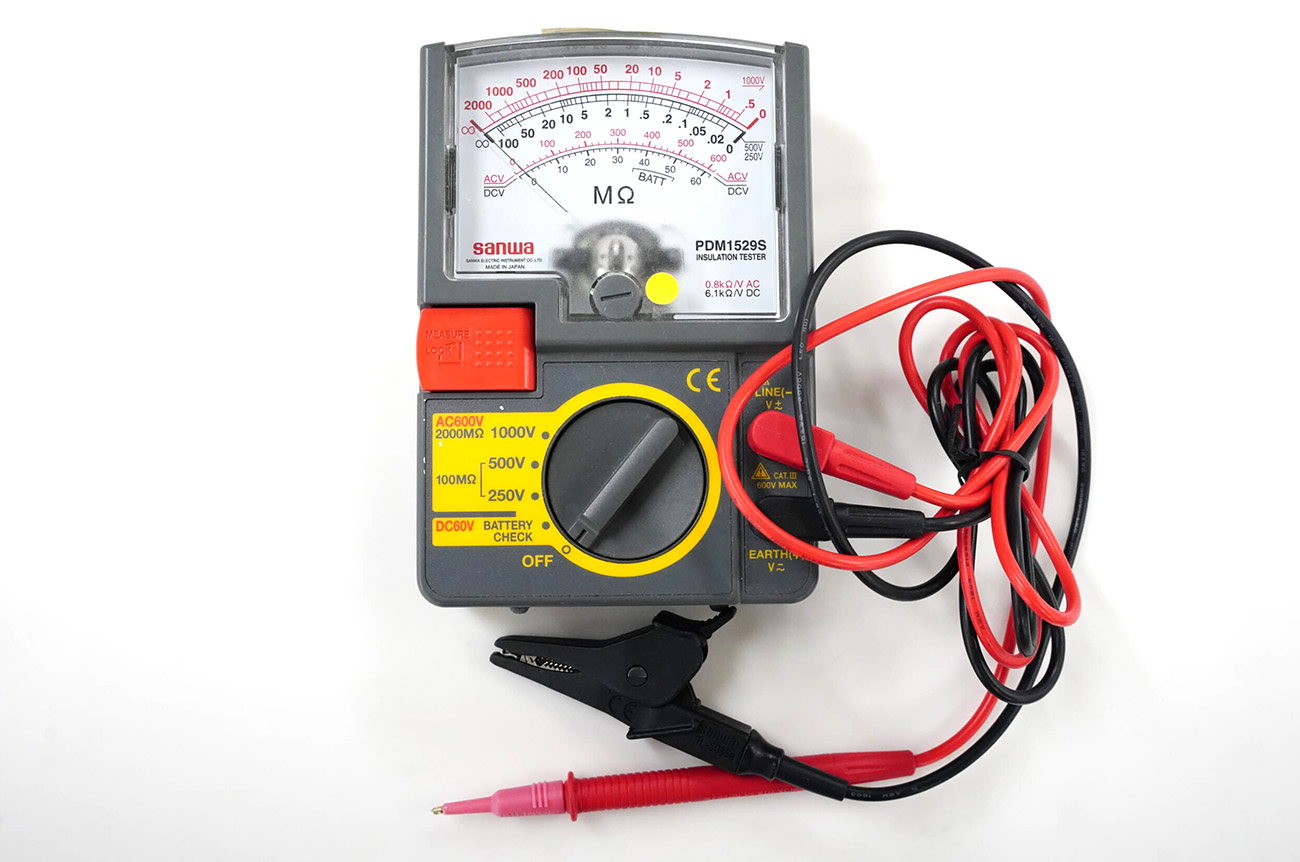 |
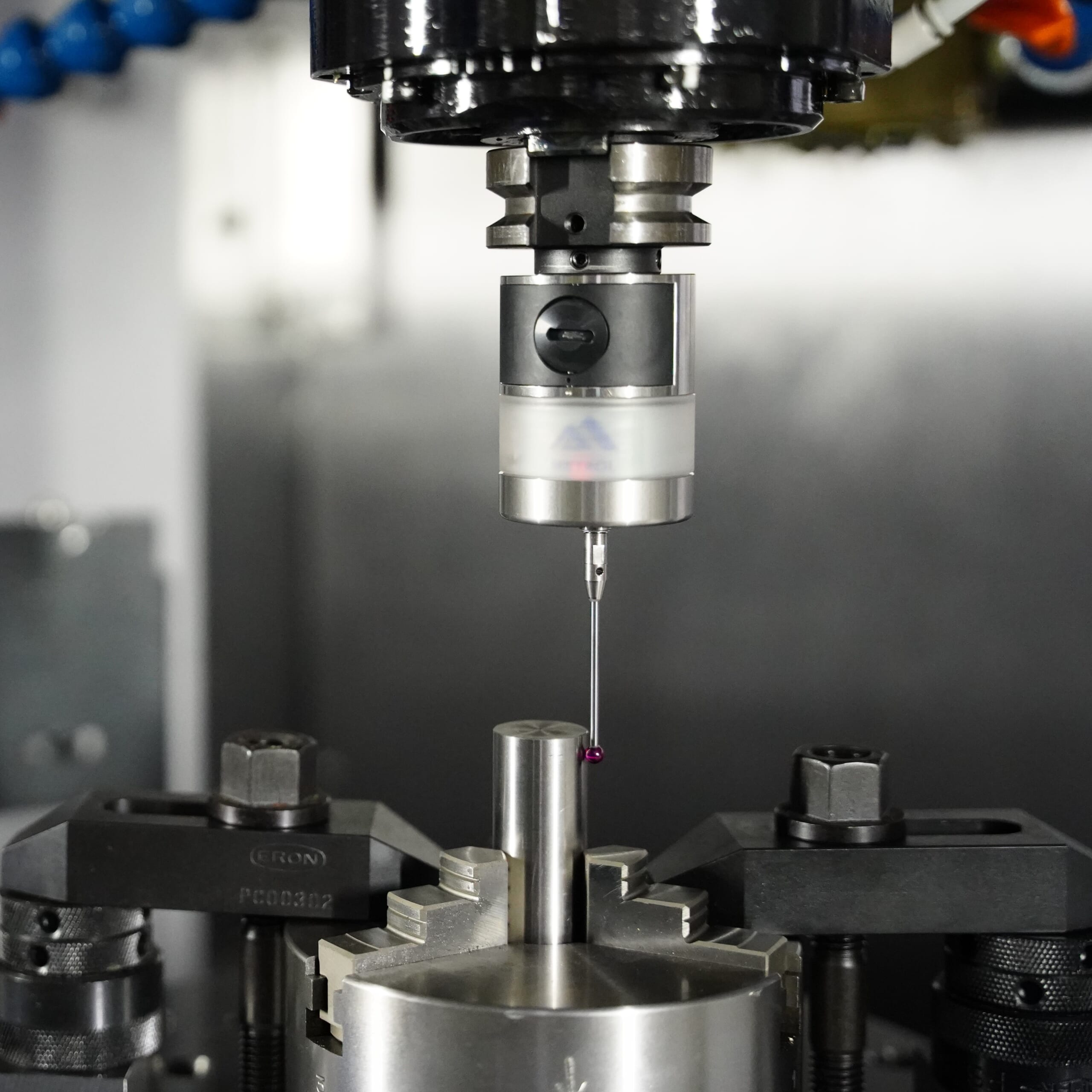
Automated workpiece centering and positioning
- Touch probe -
A contact/touch sensor for on-machine measurement that improves the efficiency of setup work
Click here ›Measurement Standards That Evolve Over Time
In machining environments, measuring instruments are calibrated using gauge blocks or reference bars supplied with micrometers, establishing the length standard used on the shop floor.
But have you ever wondered what standards those gauge blocks and reference bars themselves are manufactured against?
Until 1960, a physical artifact known as the “international prototype meter” was used as the 1 m standard. However, physical changes such as thermal expansion became an unavoidable issue, so it is no longer used today.
Today, 1 m is defined based on the speed of light in vacuum: the distance light travels in vacuum in 1/299,792,458 of a second. That duration—1/299,792,458 of a second—is itself derived from a precisely measured time standard.
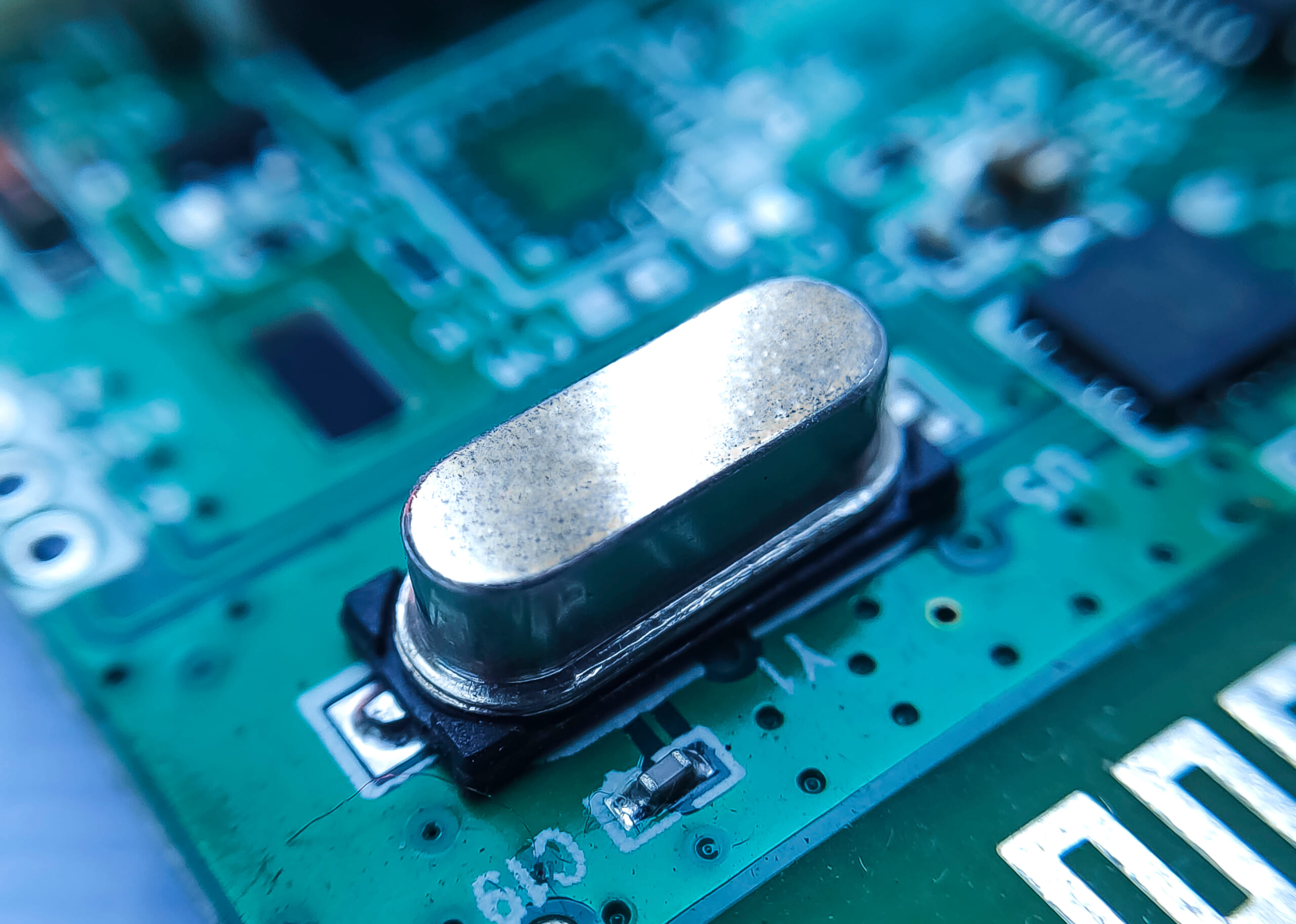
A familiar example is the quartz wristwatch widely available on the market. It uses the property that a quartz crystal resonator vibrates at a regular frequency when voltage is applied (inverse piezoelectric effect). The vibration (32,768 times per second) is converted into an electrical signal to drive the clock hands.
In this way, as measurement technology advances and required accuracy increases, standards have shifted from definitions based on man-made artifacts to definitions based on fundamental physical constants whose values are less prone to change.
Why Measurement Matters and the Risks of Inadequate Measurement
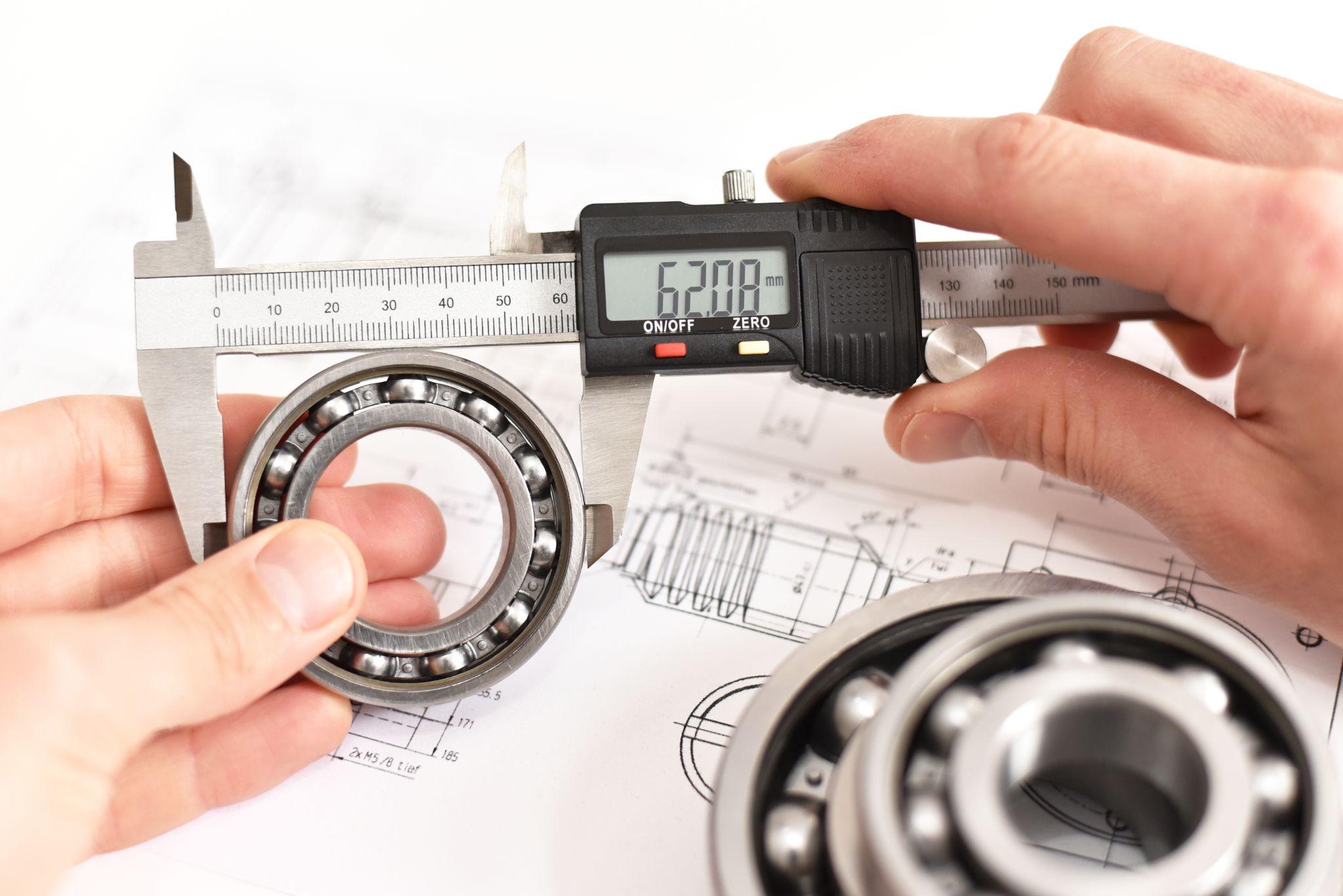
Why is accurate measurement so important? Because measurement results directly determine product reliability.
To recap the importance of measurement and its accuracy, consider the following points:
- Measurement provides the basis for product reliability and safety
In manufacturing, product quality is assured by performing measurement properly and confirming compliance with standards. Conversely, if measurement is unreliable, quality assurance cannot stand.
It is no exaggeration to say that you cannot talk about safety without trustworthy measurement data.
- Measurement results directly affect trust between companies
For example, if a product judged acceptable in-house is later deemed defective by a customer—and the investigation finds measurement error as the cause—the company’s credibility can be severely damaged.
ISO 9001 also requires appropriate calibration management of measuring equipment. This is not merely a standard requirement; it forms the foundation for building trust with business partners.
If inspection data is falsified, it can become a major social issue, as seen in various news reports—an outright betrayal of quality assurance. The reliability of measured values is, in effect, the company’s social credibility.
Risks Triggered by Measurement Deficiencies
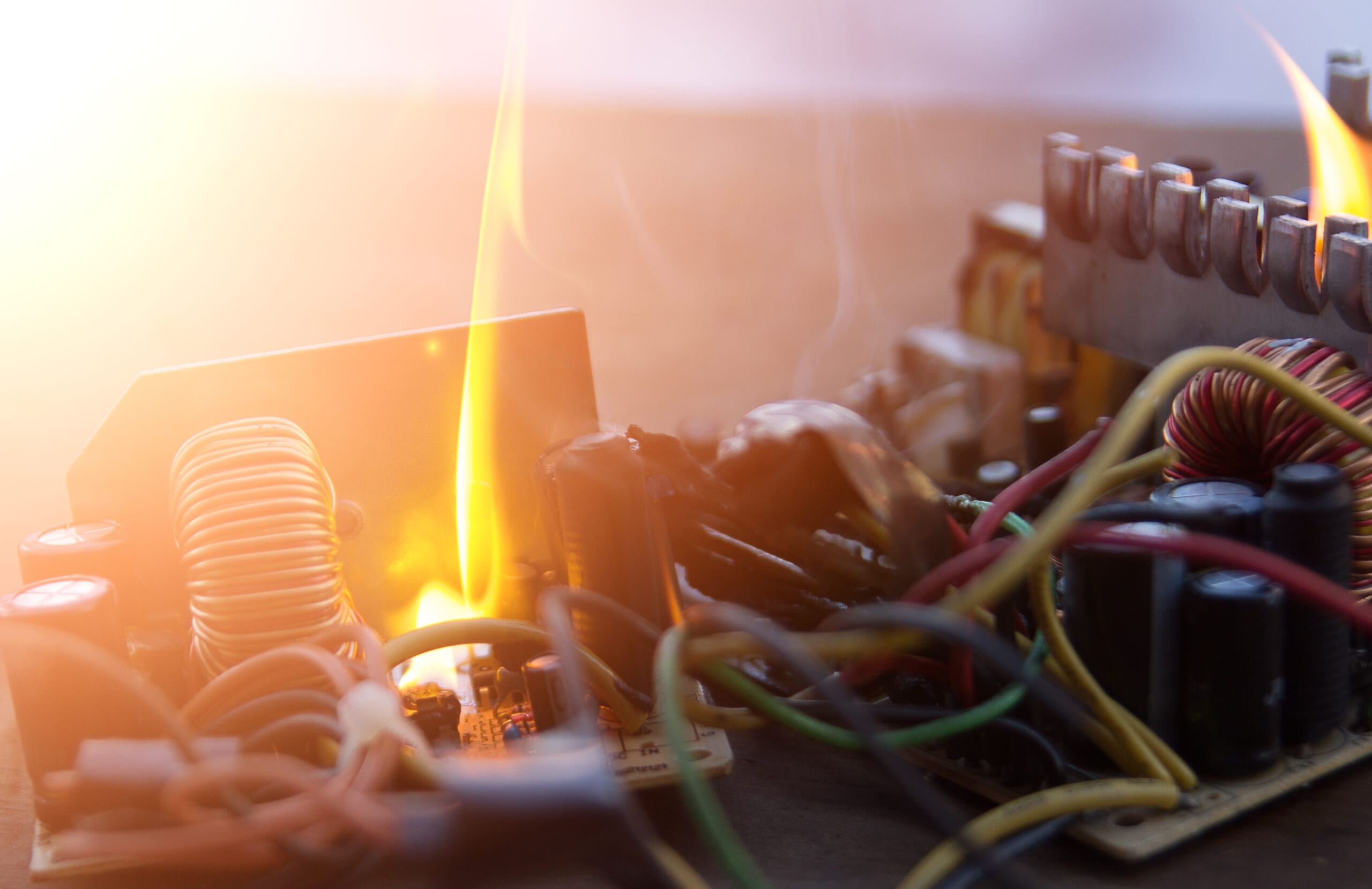
Inadequate measurement can lead to various risks and losses. Examples include:
| Item | Description |
|---|---|
| Defective products shipped | Measurement errors cause defective items to be misjudged as acceptable and shipped, leading to complaints and recalls. |
| Over-rejection / reduced yield | Good products are judged as defective, increasing rework and scrap and negatively impacting cost and delivery. |
| Product safety incidents | Critical characteristics are measured incorrectly, causing issues such as insufficient strength to be overlooked and resulting in accidents such as breakage or fires. |
| Occupational safety and health incidents | Abnormalities such as toxic gas or high temperatures are not detected, exposing workers to hazards. |
| Loss of traceability | Missing or tampered records prevent traceability, leading to audit nonconformities and the need for revalidation. |
| Potential suspension of business | Incorrect inspection reports are issued, causing line stoppages or penalties at the customer. |
| Impact on new product development | Unreliable test data causes design rework and delays time-to-market. |
| Management and financial risk | A chain reaction of the above risks increases warranty provisions and damages, ultimately hurting business performance. |
Measurement may seem like behind-the-scenes work, but its success or failure quietly supports business operations and societal safety.
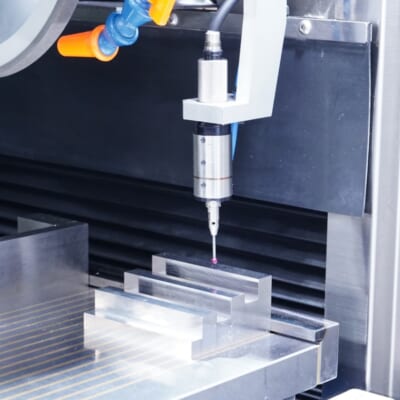
Automated workpiece centering and positioning
- Touch probe -
A contact/touch sensor for on-machine measurement that improves the efficiency of setup work
Click here ›Management to Maintain Measurement Accuracy
To maintain measurement accuracy, it is essential to keep the measuring instruments themselves in good condition. The key efforts are calibration and maintenance inspections.
Calibration
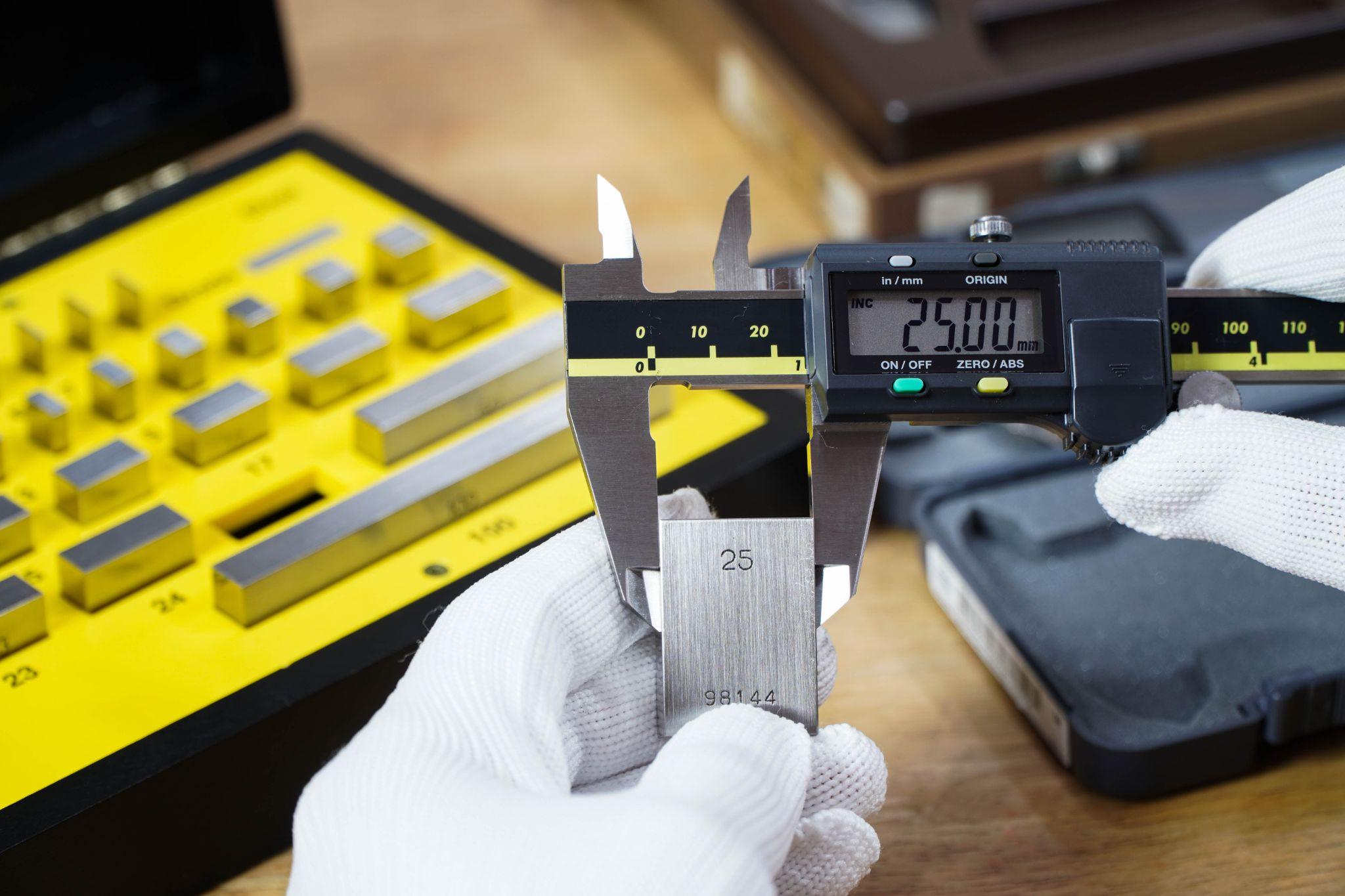
Calibration is the work of confirming whether a measuring instrument indicates correct values and, if necessary, adjusting or repairing it.
For a vernier caliper, for example, you clamp a reference gauge block (a precise length standard) and check the displayed value; if there is any deviation, it is corrected.
Any measuring instrument can gradually drift over time due to internal wear or aging. Even if it looks normal externally, misadjustment or sensor degradation may prevent it from indicating accurate values.
Therefore, periodic calibration is required to verify and assure that accuracy remains within specified limits.
Daily Maintenance and Proper Handling
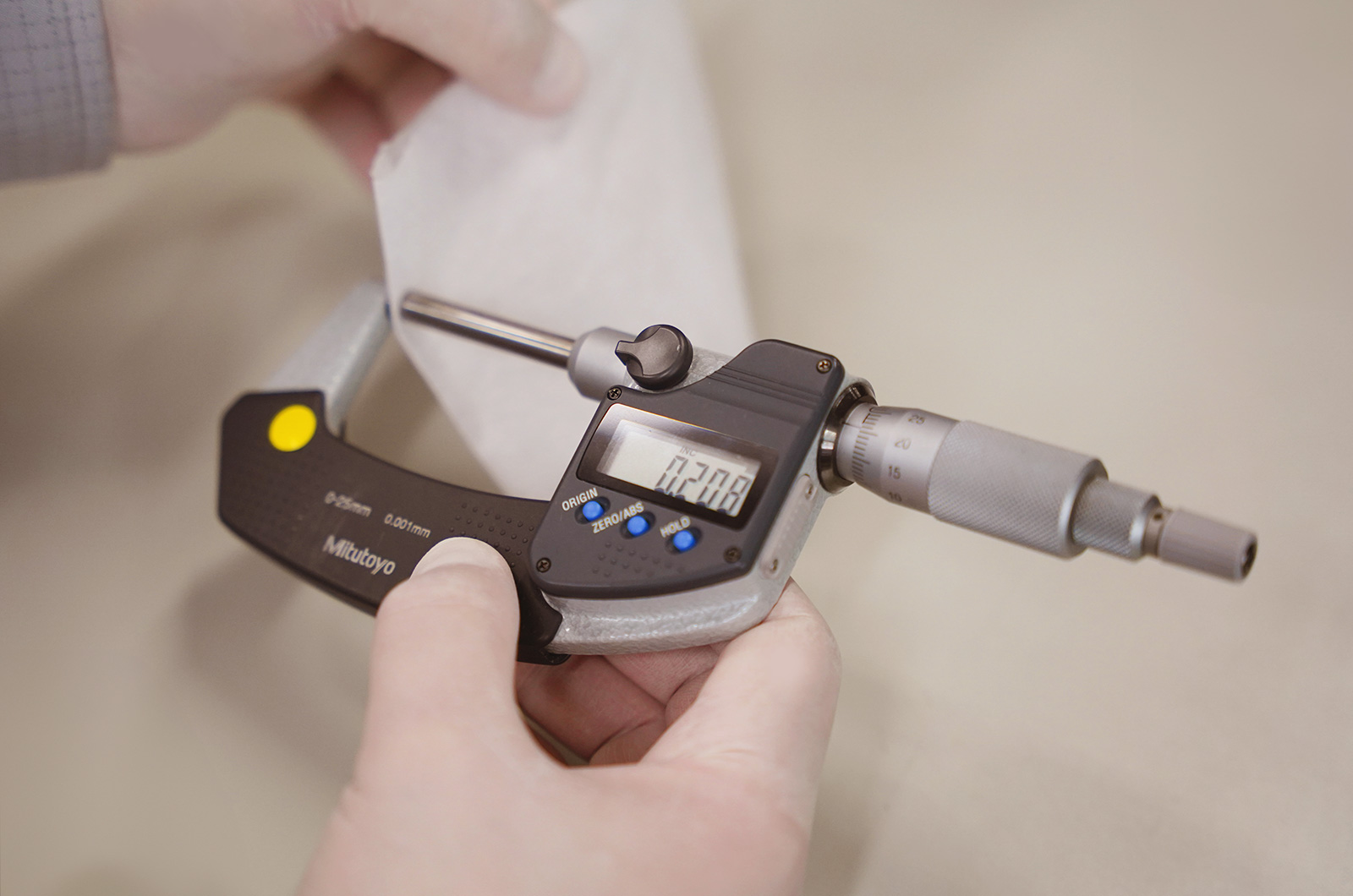
Daily inspections and proper handling are also essential to maintaining accuracy.
Do not neglect basic checks such as battery voltage confirmation and zero-setting. It is also important to avoid wind and vibration and to use instruments in an appropriate temperature environment.
One common practice in productivity-driven environments is handling measuring instruments with dirty hands. This not only lowers instrument accuracy and increases the risk of damage due to dropped parts, but also undermines product reliability itself.
From the customer’s standpoint, it is difficult to trust products made in an inappropriate measurement environment.
Keeping machines running is important, but ensuring an accurate measurement environment should be recognized as a matter directly tied to corporate credibility.
Regular Measurement Contributes to Better Quality Assurance
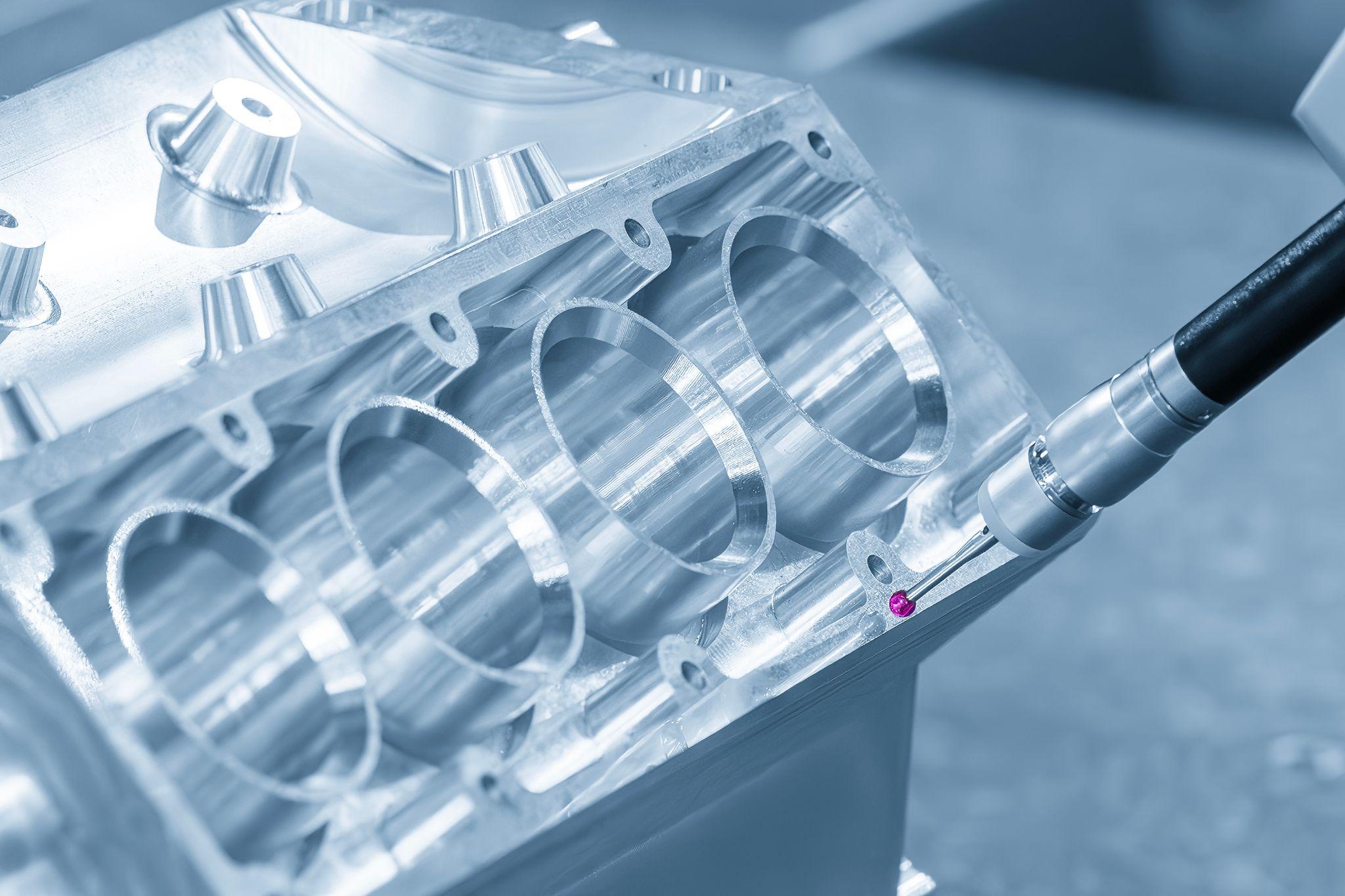
Regular measurement is an important activity not only for ensuring product quality, but also for enabling “high-precision tool management.”
On the shop floor, “regular” refers to a frequency set according to product characteristics and risk—for example: by production count (every 50 pieces), by time interval (every two hours, at start/end of shift), at tool changes, at material lot changes, or at operator handoffs. These should be clearly defined as part of quality control standards.
Planned measurement helps detect tool issues early through dimensional and appearance abnormalities, preventing mass outflow of defects.
It also helps identify machine tool abnormalities and areas requiring maintenance, so it is important to establish it as a standard shop-floor practice.
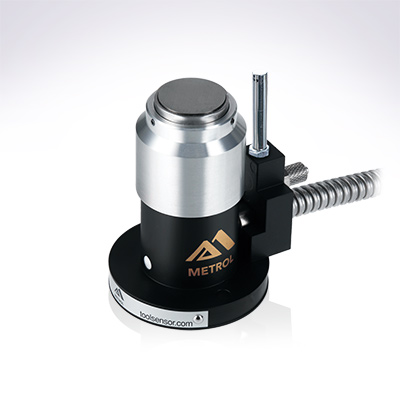
Automates originating of cutting tools
- Tool Setter -
Tool length and chips are monitored to prevent machining defects due to wear and thermal displacement
Click here ›Calibration Frequency and Measuring Instrument Registers
Calibration includes in-house calibration performed internally and external calibration outsourced to specialized organizations, with results retained as certificates or records. This work proves whether an instrument is acceptable for use and is also required by ISO 9001.
How to Determine the Calibration Cycle (Calibration Interval)

International standards do not specify a single uniform rule for calibration intervals; the decision is left to each organization.
Many manufacturers recommend “once per year,” and many companies adopt this as a baseline, but adjustments should be made to fit your own circumstances.
The key to setting the interval is risk assessment based on past calibration results and usage conditions.
Stable instruments may allow longer intervals, but instruments prone to error, frequently used instruments, and instruments used for products requiring high precision should be managed with shorter intervals.
In practice, there are various approaches—such as importance-based ranking or company-wide batch calibration to match internal constraints—but the interval must be set so that product quality is not affected.
Creating and Managing a Measuring Instrument Register
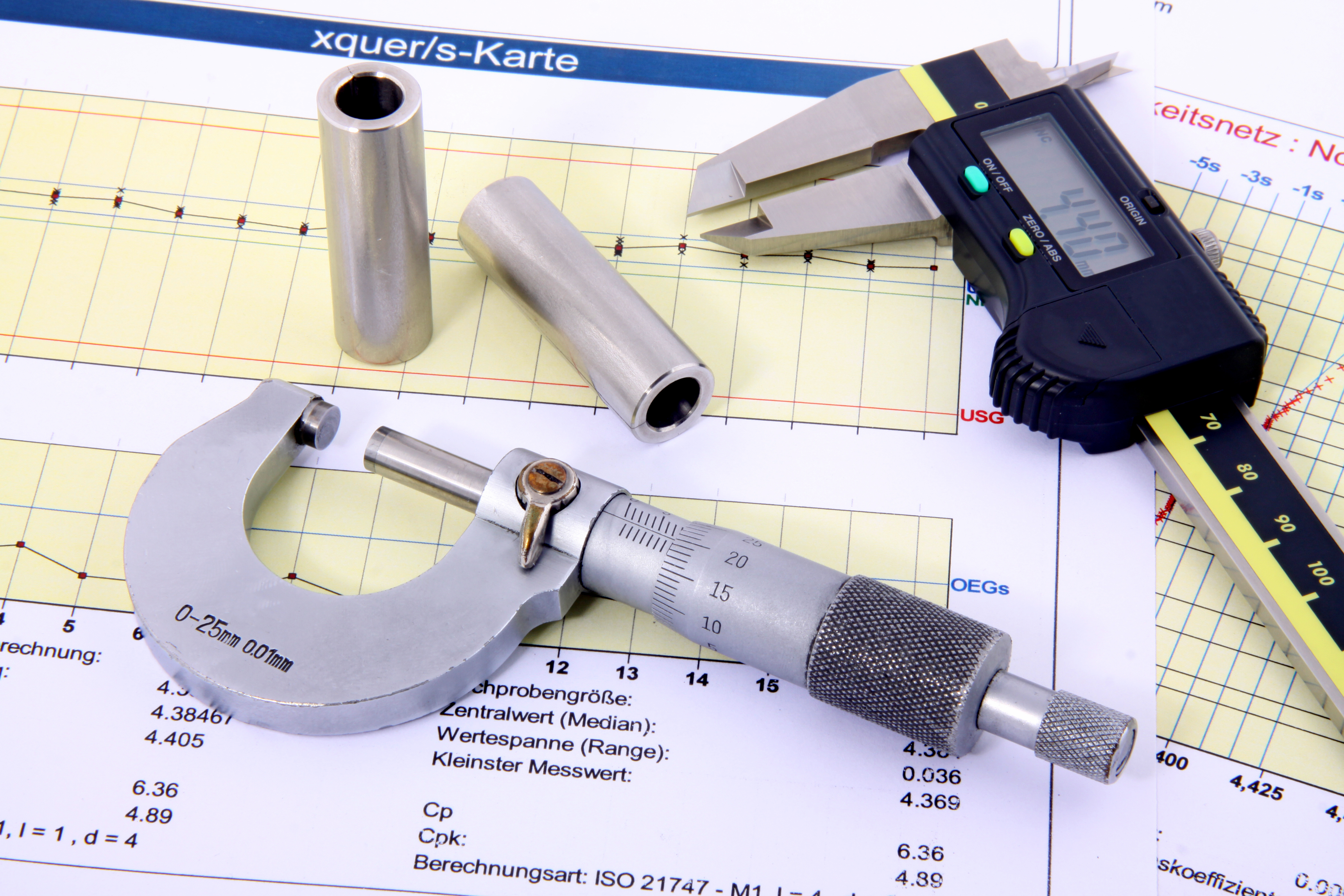
A measuring instrument register is a record used to centrally manage information on all measuring instruments owned by an organization.
Many companies manage it in Excel or similar tools, typically including information such as:
- Basic instrument information (name, model, manufacturer, internal control number)
- Specification information
- Installation location and owning department
- Calibration history (date, results, person in charge, calibration organization)
- Next scheduled calibration date
- Repair and failure history
- Disposal / decommission date
This register enables calibration schedule management and traceability. It is an essential document that is always checked during quality audits and customer audits, so calibration records must be stored properly and be readily accessible.
Recently, more companies have adopted calibration management software and use features such as automatic reminders. When the calibration cycle is properly operated based on the register, the reliability of measuring instruments can be assured.
What Are Metrol’s High-Precision Positioning Sensors?
If measuring instruments are the “eyes” that accurately quantify the state of “here and now” to support quality and safety, then positioning accuracy is what determines how precise those eyes can be.
If a machine tool’s cutting edge shifts by even 0.001 mm, product tolerances can collapse in an instant. That is why we introduce Metrol’s positioning sensors.
Metrol’s positioning sensors provide simple yet robust support for higher precision in cutting, grinding, and automated assembly lines.
High-Precision Positioning Touch Switches
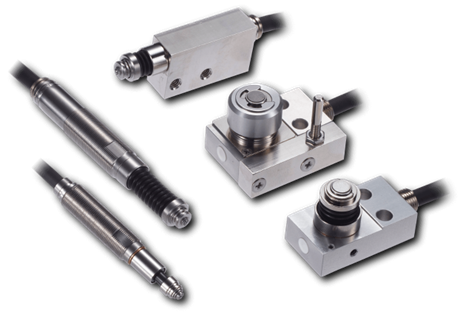
These are contact-type high-precision switches used for positioning and workpiece presence detection in machine tools, robots, and jigs. They achieve an extremely high repeatability of up to 0.5 µm and feature IP67-rated waterproof and dustproof protection, ensuring stable operation even in harsh environments. With more than 200 standard models available, they offer a wide range of variations, including designs for confined spaces, high-temperature environments, vacuum applications, and low contact force requirements.
Tool Setter (Tool Length Measurement Sensor)
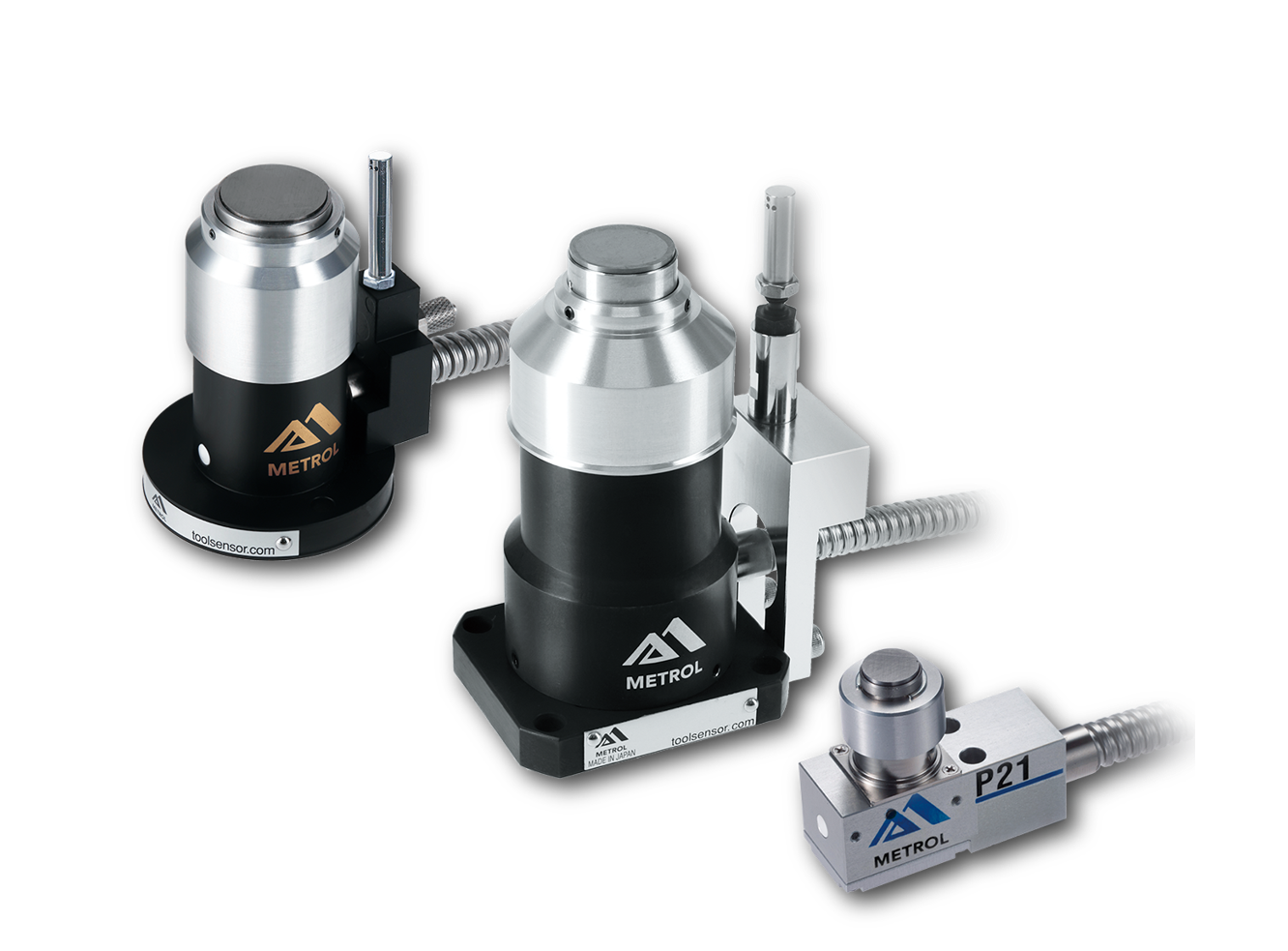
This is a contact-type sensor installed on CNC machine tools and industrial robots for tool length measurement, reference position setting, and tool breakage detection. By automatically measuring and compensating for tool length, wear, and thermal displacement inside the machine, it helps prevent machining defects and significantly reduces setup time. It is one of Metrol’s best-selling products, with a proven track record of more than 500,000 units shipped in 74 countries worldwide.
Touch Probe (On-Machine Measurement Probe)
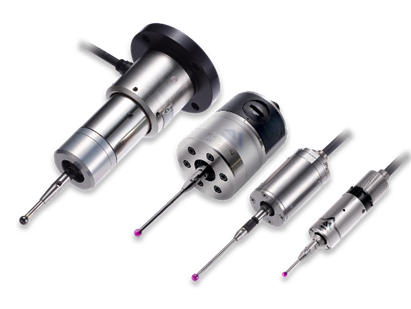
This is a contact-type probe for in-machine measurement, installed on machine tools and robots to automatically perform workpiece positioning (centering) before machining and dimensional measurement after machining. With a repeatability of 1 µm, it automates workpiece referencing and dimensional inspection, replacing skilled manual operations to reduce setup time and help prevent machining defects. Both wired and wireless models are available, meeting retrofit needs for 5-axis machining centers and robotic applications.
Air Gap Sensor (Pneumatic Sensor)
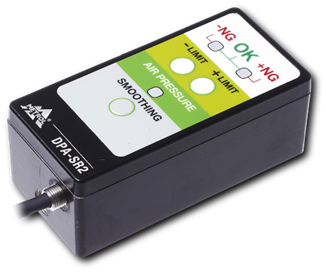
This is a non-contact sensor that uses air pressure to detect workpiece seating conditions with micron-level accuracy. It can detect gaps (“lift”) of less than 10 µm—previously difficult to measure—with a repeatability of ±0.5 µm, helping prevent machining defects and equipment downtime caused by insufficient contact between the workpiece and fixture. The sensor is used in applications such as semiconductor manufacturing processes, precision part clamping operations, and grinding wheel positioning on grinding machines, and it is a smart sensor that also supports the international standard IO-Link communication.
