
What Are the Types of Sensors? Principles and Applications in Manufacturing

Sensors convert physical phenomena—such as temperature and light—into electrical signals, giving machines a kind of “five senses.” They are used across a wide range of applications, from smartphones and automobiles to smart factories.
In this article, we explain the basics of sensors, major types, and how they are used in manufacturing.
Table of Contents
What Is a Sensor?
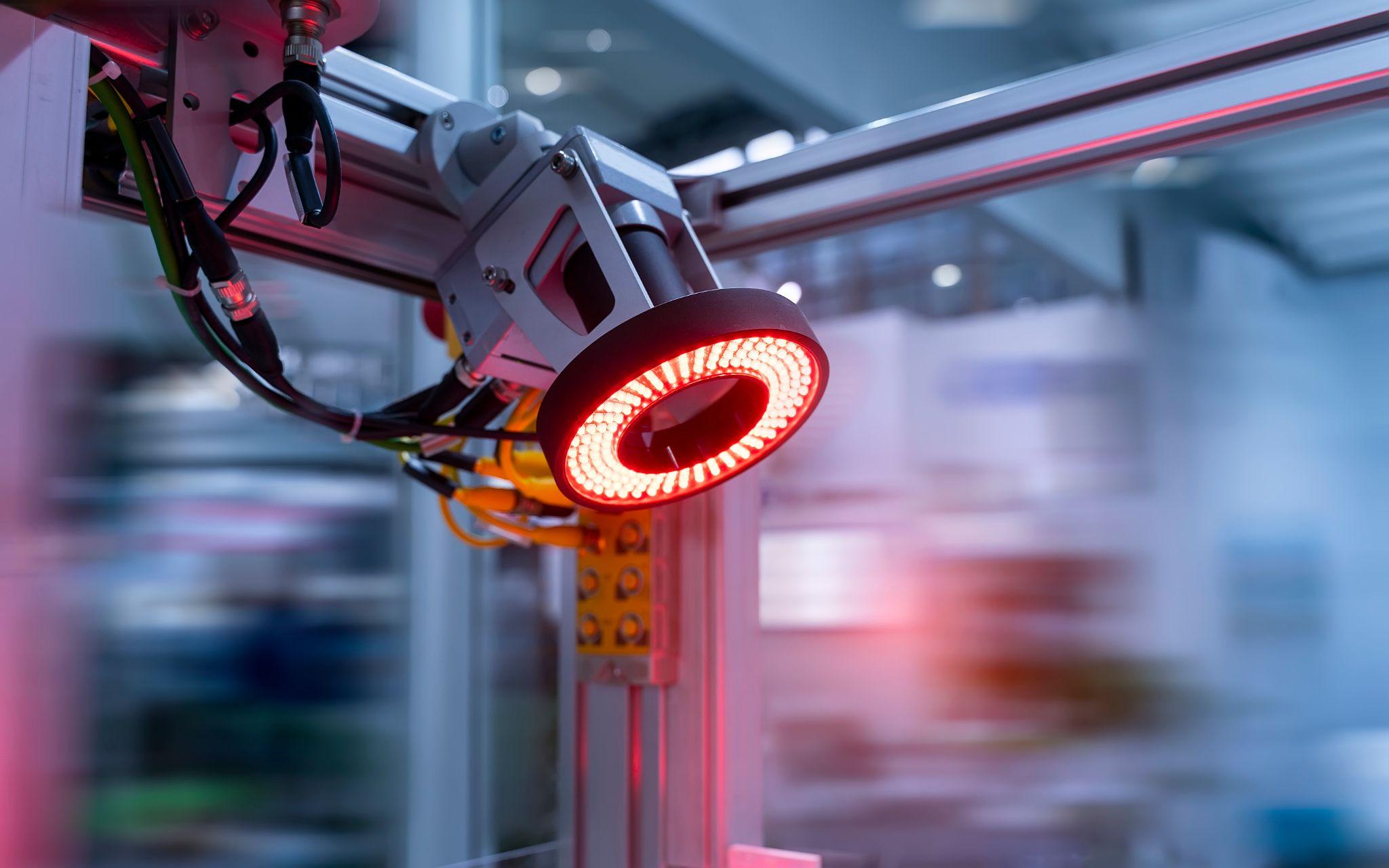
A sensor is a device that detects physical phenomena—such as temperature or light—and converts them into electrical signals.
For example, a temperature sensor senses ambient temperature and outputs a corresponding voltage or current.
In other words, it is a device that captures changes in the environment as an input (physical quantity) and converts them into a corresponding output (electrical signal).
Sensors are used all around us and can detect a wide range of “changes,” including temperature, light, sound, pressure, and motion.
Many sensors contain internal mechanisms for this conversion, providing machines with information about the outside world—much like the human five senses.
The Role of Sensors in Everyday Life

Sensors are deeply embedded in our daily lives and have become indispensable. Although they are not visible, countless sensors are built into devices around us, supporting safety and comfort.
For instance, a smartphone display automatically adjusts to ambient brightness thanks to a light sensor. Automatic doors open by detecting human motion, and vehicle collision-avoidance systems use acceleration sensors and distance sensors.
In this way, sensors perceive environmental changes like our “eyes, ears, and sense of touch,” serving as the eyes and ears of machines and electronic devices.
In short, sensors accurately capture external conditions and act as a bridge by converting them into a form machines can understand.
It is no exaggeration to say that the convenience and safety of modern life are supported by advances in sensor technology.
Major Types of Sensors and Their Characteristics
There are many types of sensors depending on what they detect. Below are representative sensor types and their key characteristics.
Temperature Sensors
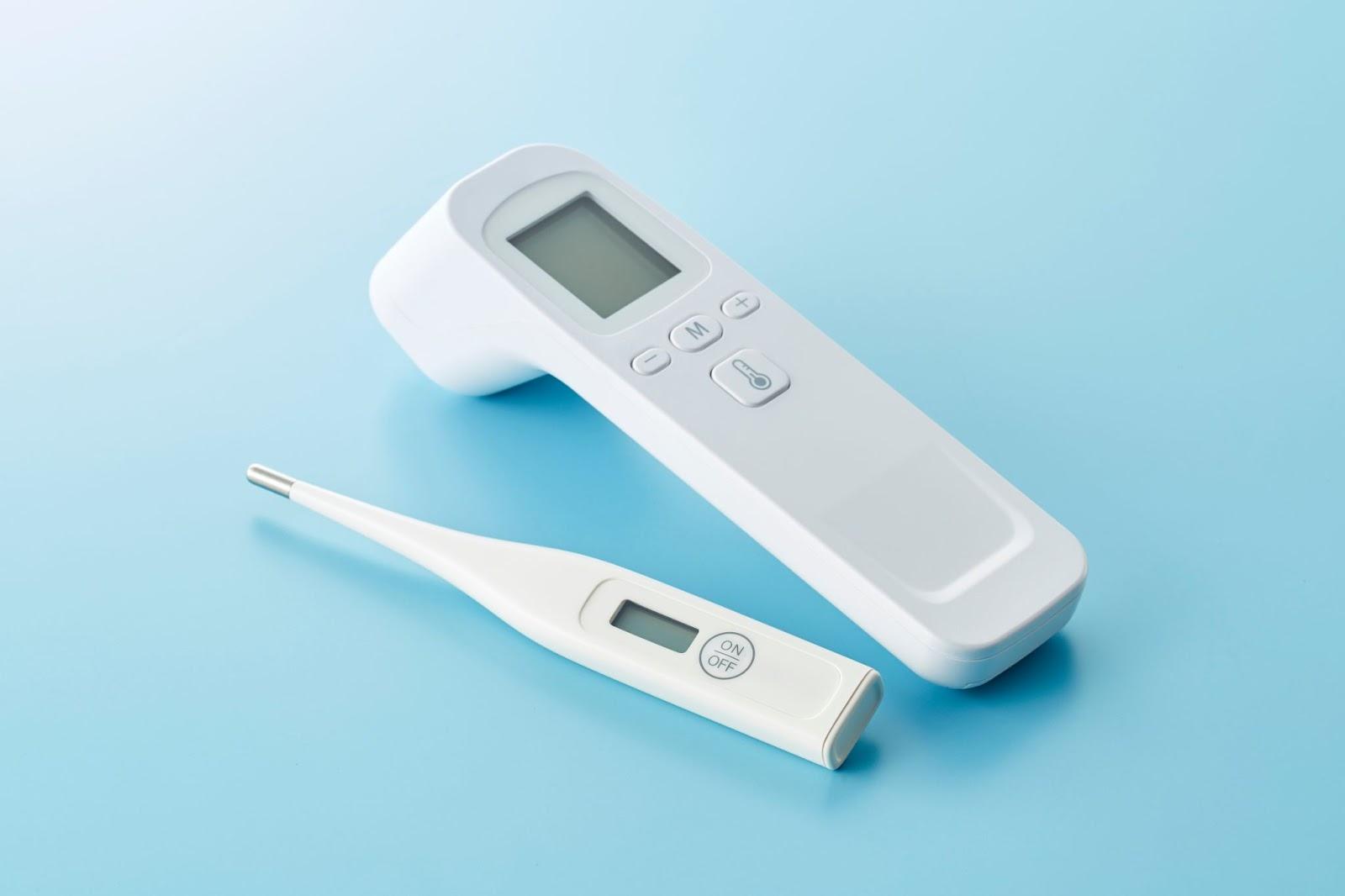
These sensors measure ambient temperature.
Examples include thermistors (high-sensitivity, compact semiconductor elements whose resistance changes with temperature), thermocouples (cover a wide temperature range by using thermoelectric voltage generated at the junction of dissimilar metals), and RTDs—resistance temperature detectors (use resistance change in metals; platinum RTDs are especially stable and highly accurate).
They are widely used for temperature monitoring in electronics, temperature control in air conditioners and refrigerators, and industrial temperature management.
Light Sensors
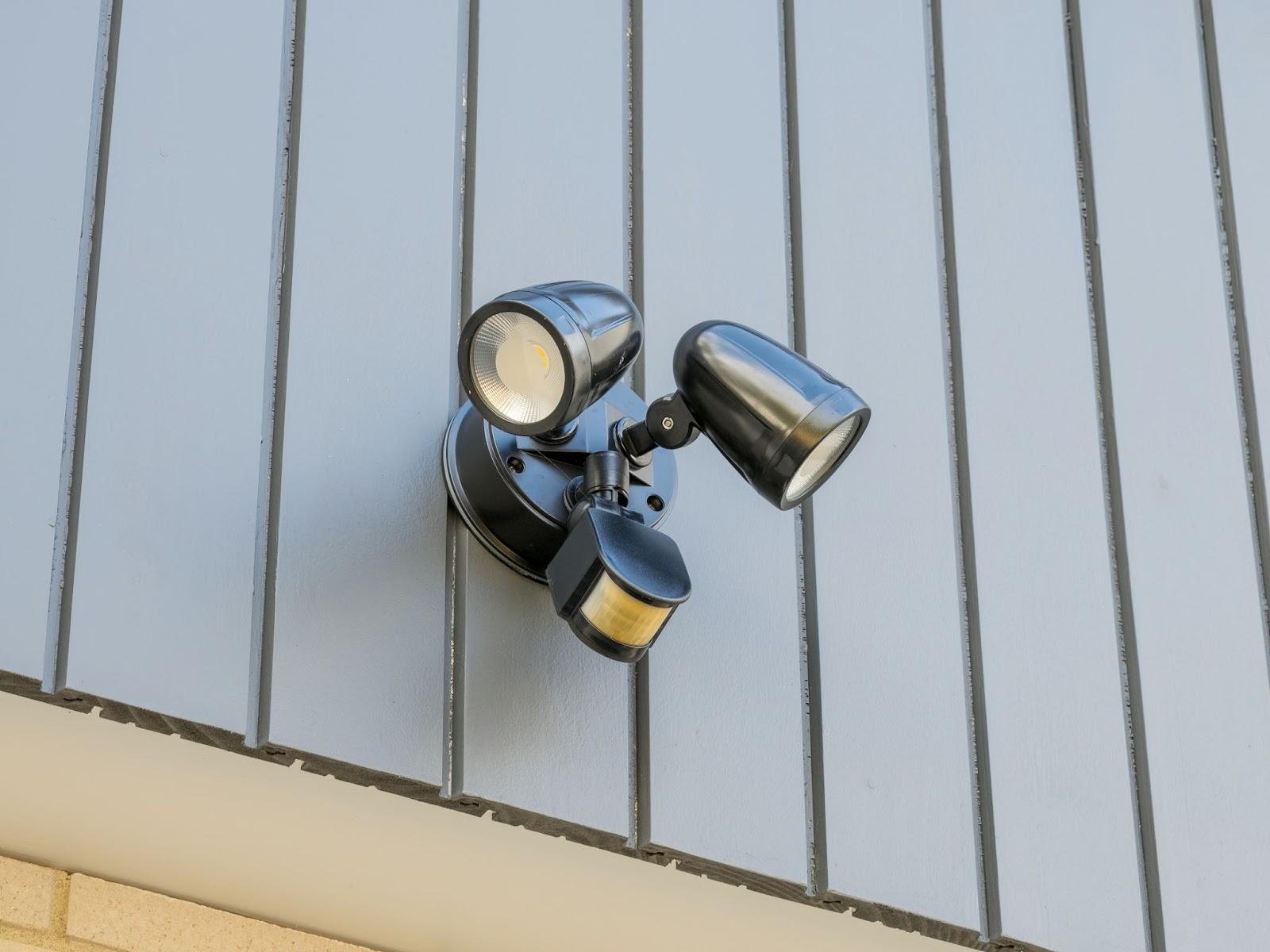
These sensors detect light intensity or wavelength and convert it into an electrical signal.
Examples include photodiodes (generate current proportional to incident light and respond quickly), phototransistors (high sensitivity because they amplify light-generated current), and CCD/CMOS image sensors (used in digital cameras and capable of capturing high-resolution images).
Motion sensors that detect infrared radiation emitted from the human body are also a type of light sensor and are used in automatic lighting and security systems.
Acceleration Sensors

These sensors detect an object’s acceleration (a change in velocity). They are widely used in smartphones, game controllers, and vehicle airbag control systems, with MEMS technology (Micro Electro Mechanical Systems) being the dominant approach due to its miniature mechanical structures.
MEMS enables extremely compact sensors that can detect tilt, vibration, and shock with high sensitivity and accuracy. Some products also combine a gyroscope to detect rotation, resulting in multi-axis acceleration sensors.
Pressure Sensors
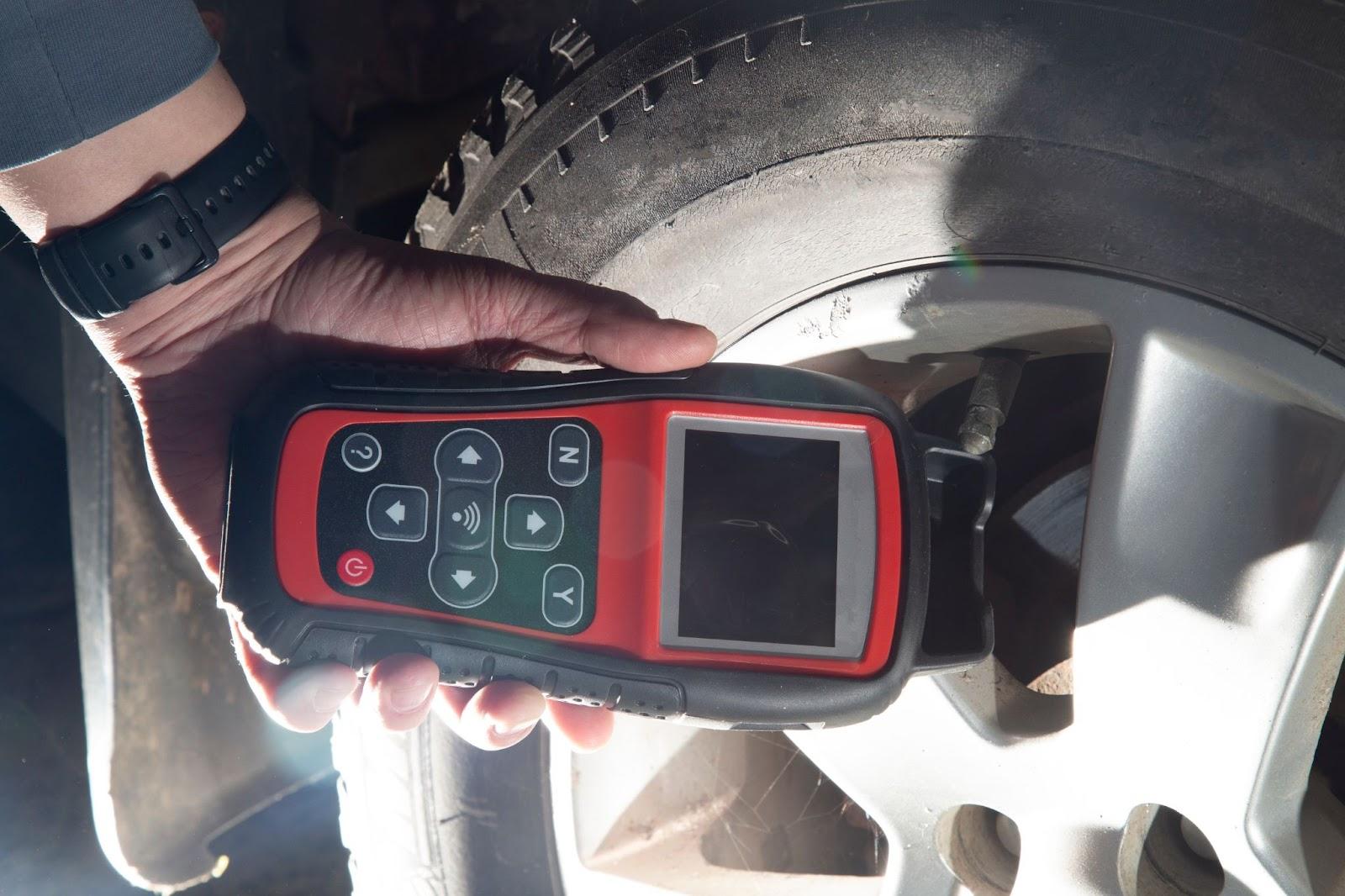
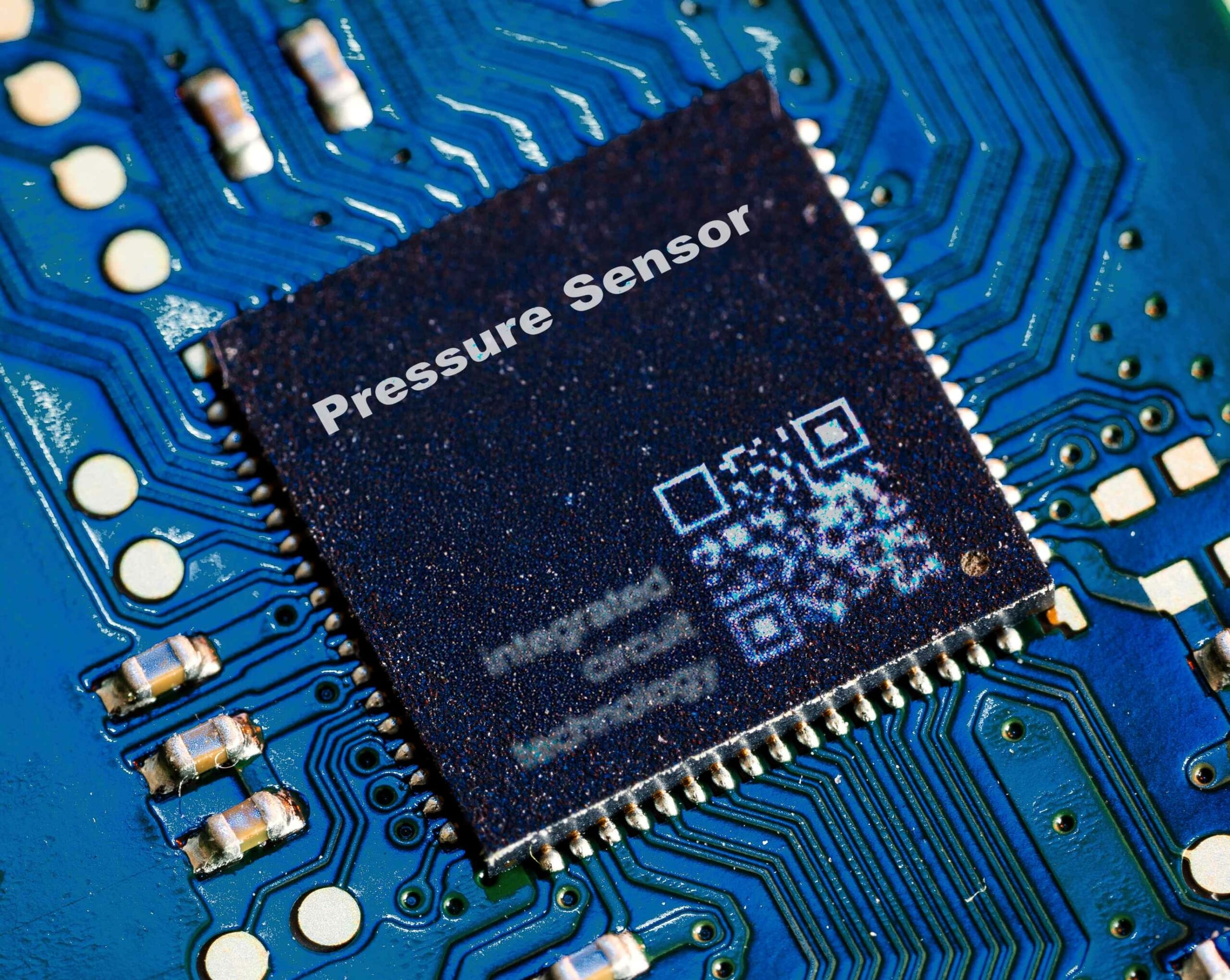
These sensors measure the pressure of gases or liquids (the magnitude of the pushing force). They are used, for example, to monitor pressure in factory piping, monitor tire pressure in automobiles, and in blood pressure monitors.
Depending on the operating principle, common types include piezoresistive sensors (high sensitivity by leveraging pressure-induced changes in electrical resistance) and capacitive sensors (high stability based on changes in capacitance caused by pressure altering the distance between internal electrodes).
There are also pressure sensors that use strain gauges to measure resistance changes due to strain in metal, and this approach is applied to load cells (weighing sensors) for measuring large loads.
Proximity Sensors

These sensors detect when a target object comes within a certain distance, without physical contact.
Because they can detect presence and position without contact, they are used for positioning in machine tools, human detection in automatic doors, and smartphone screen on/off control (turning off the screen when the phone is brought close to the ear).
Representative examples include inductive types that respond to metal objects (detect changes in coil impedance caused by eddy currents generated in the metal via electromagnetic induction) and capacitive types that can also detect non-metal objects (detect changes in capacitance between the sensor and the target).
Other proximity sensors use ultrasound or infrared to measure distance to an object, and the appropriate type is selected depending on the application.
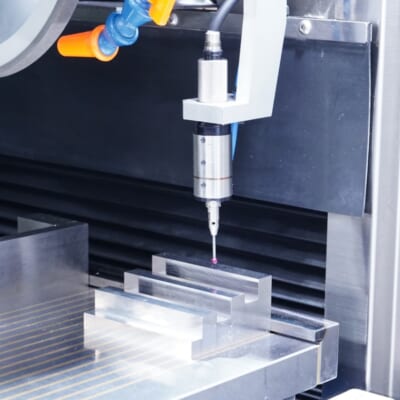
Automated workpiece centering and positioning
- Touch probe -
A contact/touch sensor for on-machine measurement that improves the efficiency of setup work
Click here ›Basic Sensor Structure and Operating Principles

Sensors generally operate through three internal steps: “sense → convert → output.” Below are typical sensor components.
| Component | Role (Function) |
|---|---|
| Sensing element | The part that directly senses the physical quantity to be measured (sensor element). It receives inputs such as heat, light, or force. |
| Conversion stage | The part that converts the sensed change in physical quantity into an electrical signal. Example: circuitry that converts a resistance change into a voltage. |
| Output stage | The part that outputs the resulting electrical signal to external devices. It is sent to a microcontroller, etc., as an analog or digital signal. |
As described above, a sensor first captures changes in a physical quantity and then outputs them by translating the change into an electrical variable such as voltage, current, or resistance.
For example, in a temperature sensor, a temperature change alters the element’s resistance, and the circuit reads that resistance change as a change in voltage.
Similarly, pressure sensors include types where pressure changes resistance, and types where pressure changes the distance between electrodes, altering capacitance (capacitor capacity).
While sensor conversion principles vary, they share the same fundamental concept: converting changes in physical phenomena into electrical signals (numeric values).
Sensor output may be an analog signal (continuous voltage or current), or it may be converted into digital values by an internal microcontroller and then output. Depending on the communication method, the latter can exchange data directly with a microcontroller and offers better noise immunity.
A Concrete Example of a Sensor Operating Principle
Here is one example to illustrate how a sensor works. In the case of the MEMS acceleration sensor mentioned earlier, a tiny structure inside the chip is formed by a weight (mass) and a spring.
At rest, the spring is in a neutral position. When acceleration is applied, the mass moves slightly (the spring expands or contracts). This motion changes, for example, the distance between electrodes associated with the mass, which in turn changes the capacitance (electrical capacity).
The sensor circuitry detects this change in capacitance and outputs a corresponding voltage signal. Because the magnitude of the mass displacement is proportional to acceleration, analyzing the electrical signal reveals the magnitude of the applied acceleration.
MEMS acceleration sensors also include approaches where strain on the mass changes resistance (piezoresistive type), but in all cases they share the same idea: converting mechanical motion into an electrical signal.
With MEMS technology that fabricates such microstructures on semiconductor chips, acceleration sensors can be mass-produced in extremely small sizes at low cost, enabling integration into devices such as smartphones.
Why Sensors Matter in Manufacturing
In recent years, sensor technology has rapidly gained importance in manufacturing under keywords such as smart factories, IoT (Internet of Things), and Industry 4.0.
Industry 4.0 (the Fourth Industrial Revolution) is a global initiative that connects all equipment and sensors in a factory via the internet, then uses collected data to improve productivity and create new value.
In practice, installing many sensors on factory machines and products to collect and analyze data has shown the potential to simultaneously address a wide range of challenges, including production process optimization, labor shortages, and skills transfer.
Data-driven improvement using sensors has become a foundation of manufacturing digitalization.
Strengthening Quality Control with Sensors
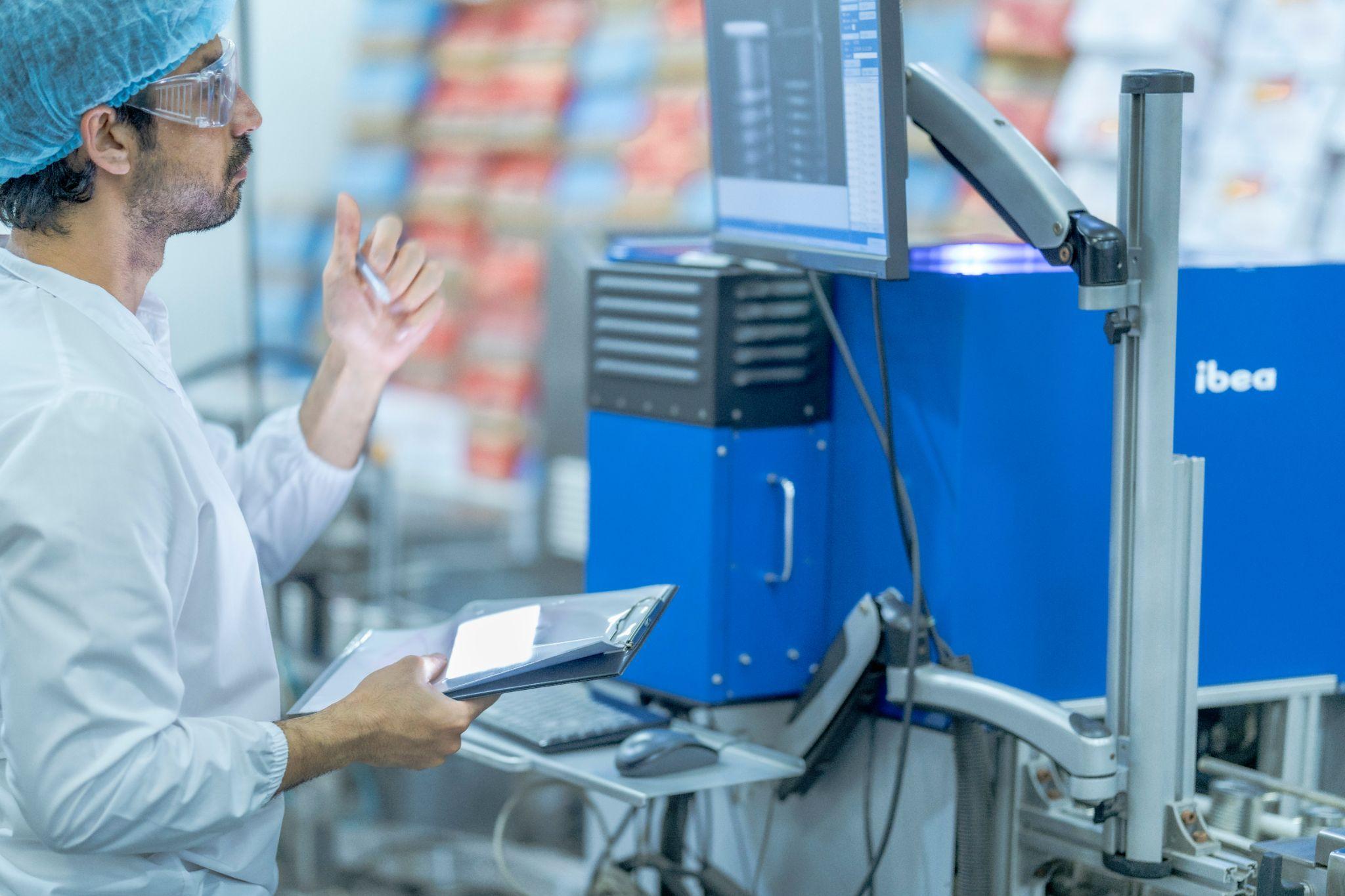
By deploying sensors at each production step and monitoring process conditions—such as temperature, humidity, pressure, and speed—manufacturers can manage product quality with high precision.
For example, combining machine vision cameras (image sensors) with various IoT sensors makes it possible to automatically inspect product dimensions and appearance on the production line, immediately detect defects or abnormalities, and remove them on the spot.
Inspection work that once relied on human eyes can be streamlined through automation using sensors and AI, reducing human error and minimizing quality variation.
Improving Productivity and Enabling Predictive Maintenance
Continuous monitoring using sensors can also significantly improve productivity and reduce equipment downtime.
By monitoring machine vibration, temperature, and current values 24/7 and analyzing the data, early signs of abnormalities can be detected and failures can be prevented before they occur.
This is called predictive maintenance (maintenance based on early sign detection) and is gaining attention as an alternative to conventional periodic inspections and reactive responses.
For example, one automotive parts factory uses IoT sensors to monitor machine tool spindle speed and temperature in real time and performs maintenance as soon as it detects unusual vibration or rising temperatures.
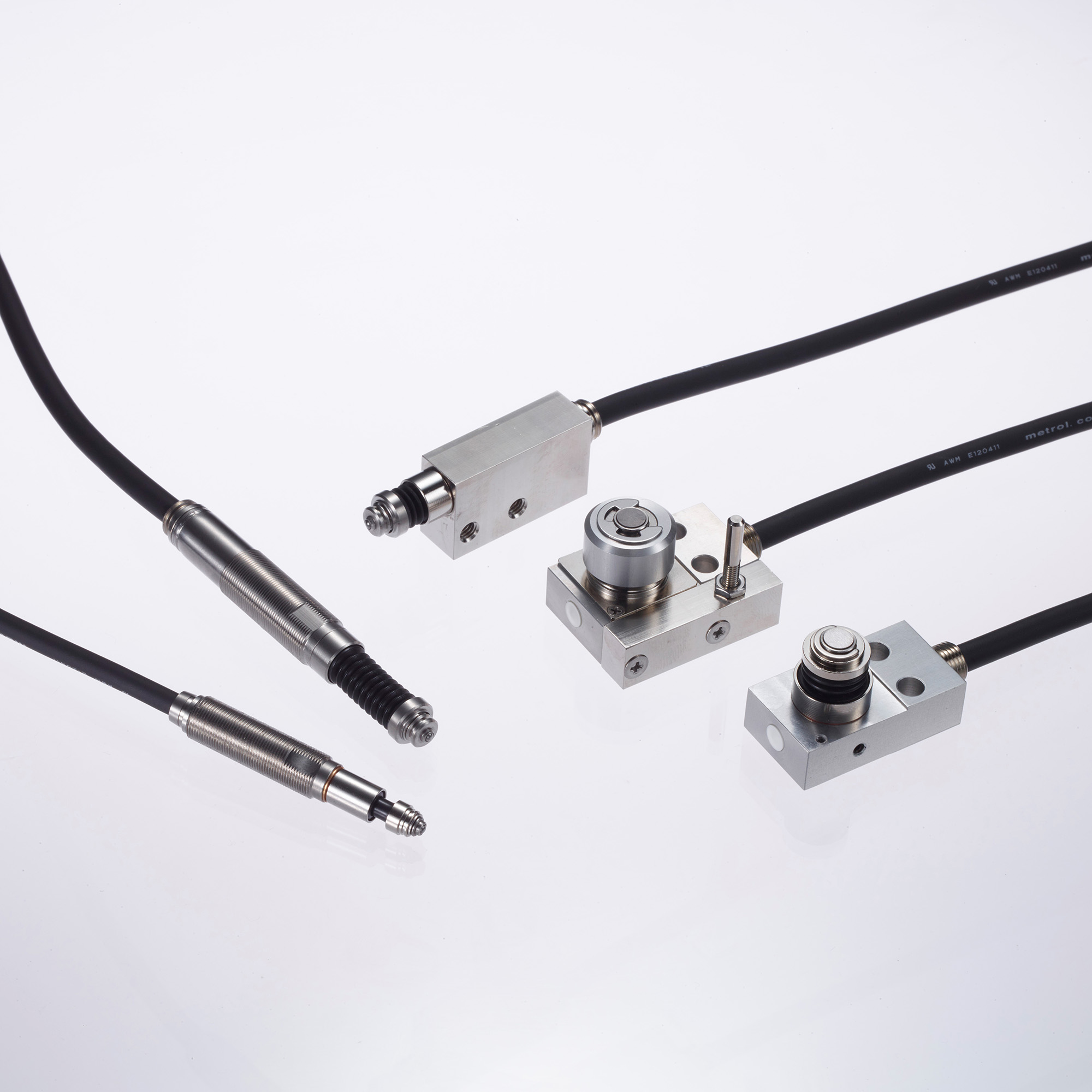
High Precision Positioning
- MT-Touch Switches -
0.5 μm repeatability without amplifier IP67, highly resistant to adverse environments
Click here ›Sensor Use Cases and Roles from the Shop-Floor Perspective
A single machine tool contains many sensors, which are used differently depending on where they operate and what role they serve.
Below, we explain the main roles of sensors used in machine tools.
Sensors as Safety Devices That Support Normal Machine Operation
Sensors are indispensable for machine tools, helping protect the safety of people working on machining floors and verifying the quality of manufactured products.
A wide variety of sensors operate continuously to prevent accidents caused by human error and to protect the machine itself from failures due to abnormal overloads or thermal runaway, enabling safe and stable production for operators.
When sensors operate properly, they can prevent subtle pallet seating issues that humans might miss, helping protect products from chatter caused by insufficient rigidity, machining defects due to misalignment, and tool collisions.
Even in automatic tool change operations, many sensors are used within the operating range to protect operators from risks such as:
- Tools dropping due to incomplete operation
- Collisions between tools
- Arm malfunctions while the ATC magazine is operating
- Magazine malfunctions when the maintenance door is opened
“Foolproof” Thinking Is Fundamental in Designing and Installing Safety Devices

When installing sensors on such machines, the fundamental approach is “foolproof” design.
“Foolproof” refers to designing countermeasures in advance so that even if a person (including someone without specialized knowledge) makes an incorrect operation or takes a dangerous action, it will not escalate into a serious accident or problem.
The term implies “tolerant of mistakes,” and it is a concept used to prevent human error before it happens. It is adopted not only in machine tools but also in consumer appliances and automobiles.
The fundamental objective of sensor installation and design based on foolproof thinking is to “increase safety and prevent accidents and troubles caused by human error.”
- Modern washing machines will not start if the lid is open.
- Cars will not start unless the brake pedal is pressed.
- Motorcycles will not start if the side stand is down.
- Microwave ovens will not start heating if the door is open.
- Elevator doors reopen if an obstacle is detected while closing.
- Elevators do not move up or down unless the doors are fully closed.
These functions stem from foolproof thinking, and hazard prevention using sensors is adopted with the same objective and perspective.
Examples of Sensors Used in Machine Tools
Sensors are used not only in the “workspace,” where pallet change systems, automatic door opening/closing, and in-machine automatic tool changing take place.
A wide variety of sensors are also used inside the spindle, in drive units, and within control cabinets to protect the machine from failures due to overload and malfunctions caused by heat.
For example, if lubricating oil or coolant becomes insufficient during hot summer periods and the machine experiences abnormal overheating, it is extremely dangerous if there is no stop signal (command) triggered by a thermal sensor—because overheating can cause machining problems, damage circuit boards in the control cabinet, and lead to seizure of sliding surfaces or motors.
In such cases, not only do recovery time, labor, and costs become enormous, but major losses and impacts can also occur to customers and product distribution.
Sensors are essential devices that also assist with judgments that are difficult for humans to make reliably.
To keep sensors operating correctly at all times, understand their locations and types through routine maintenance and cleaning, and prevent malfunctions caused by contamination or buildup.
What Are Metrol’s High-Precision Positioning Sensors?
So far, we have looked at a variety of sensors—temperature, light, pressure, and more. In manufacturing and machining environments, however, sensors that measure position accurately are especially critical. Whether the tool tip or workpiece can be aligned exactly as intended at the micron level has a major impact on quality and yield. Below, we introduce METROL’s sensor products—a specialist manufacturer supporting high-precision positioning.
High-Precision Positioning Touch Switches
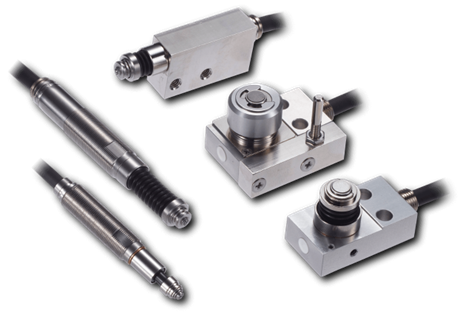
These are contact-type high-precision switches used for positioning and workpiece presence detection in machine tools, robots, and jigs. They achieve an extremely high repeatability of up to 0.5 µm and feature IP67-rated waterproof and dustproof protection, ensuring stable operation even in harsh environments. With more than 200 standard models available, they offer a wide range of variations, including designs for confined spaces, high-temperature environments, vacuum applications, and low contact force requirements.
Tool Setter (Tool Length Measurement Sensor)
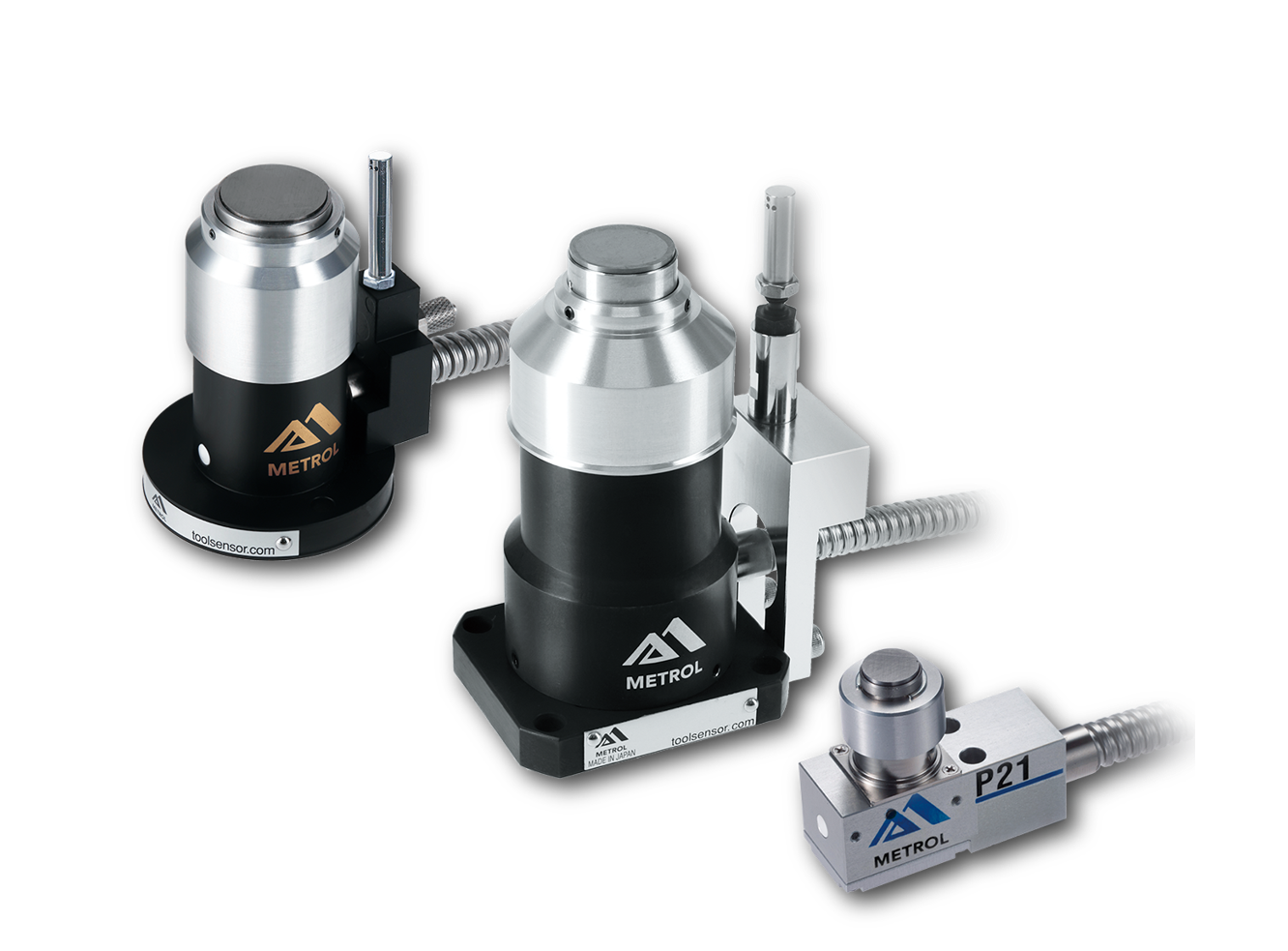
This is a contact-type sensor installed on CNC machine tools and industrial robots for tool length measurement, reference position setting, and tool breakage detection. By automatically measuring and compensating for tool length, wear, and thermal displacement inside the machine, it helps prevent machining defects and significantly reduces setup time. It is one of Metrol’s best-selling products, with a proven track record of more than 500,000 units shipped in 74 countries worldwide.
Touch Probe (On-Machine Measurement Probe)
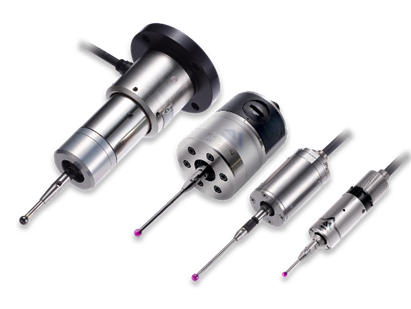
This is a contact-type probe for in-machine measurement, installed on machine tools and robots to automatically perform workpiece positioning (centering) before machining and dimensional measurement after machining. With a repeatability of 1 µm, it automates workpiece referencing and dimensional inspection, replacing skilled manual operations to reduce setup time and help prevent machining defects. Both wired and wireless models are available, meeting retrofit needs for 5-axis machining centers and robotic applications.
Air Gap Sensor (Pneumatic Sensor)
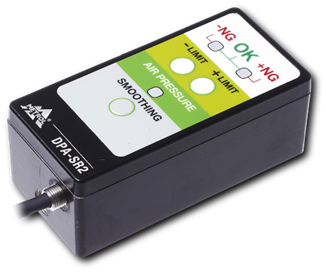
This is a non-contact sensor that uses air pressure to detect workpiece seating conditions with micron-level accuracy. It can detect gaps (“lift”) of less than 10 µm—previously difficult to measure—with a repeatability of ±0.5 µm, helping prevent machining defects and equipment downtime caused by insufficient contact between the workpiece and fixture. The sensor is used in applications such as semiconductor manufacturing processes, precision part clamping operations, and grinding wheel positioning on grinding machines, and it is a smart sensor that also supports the international standard IO-Link communication.
