
Machine Tool Manufacturers in Japan: 13 Companies and Their Key Products by Machine Type
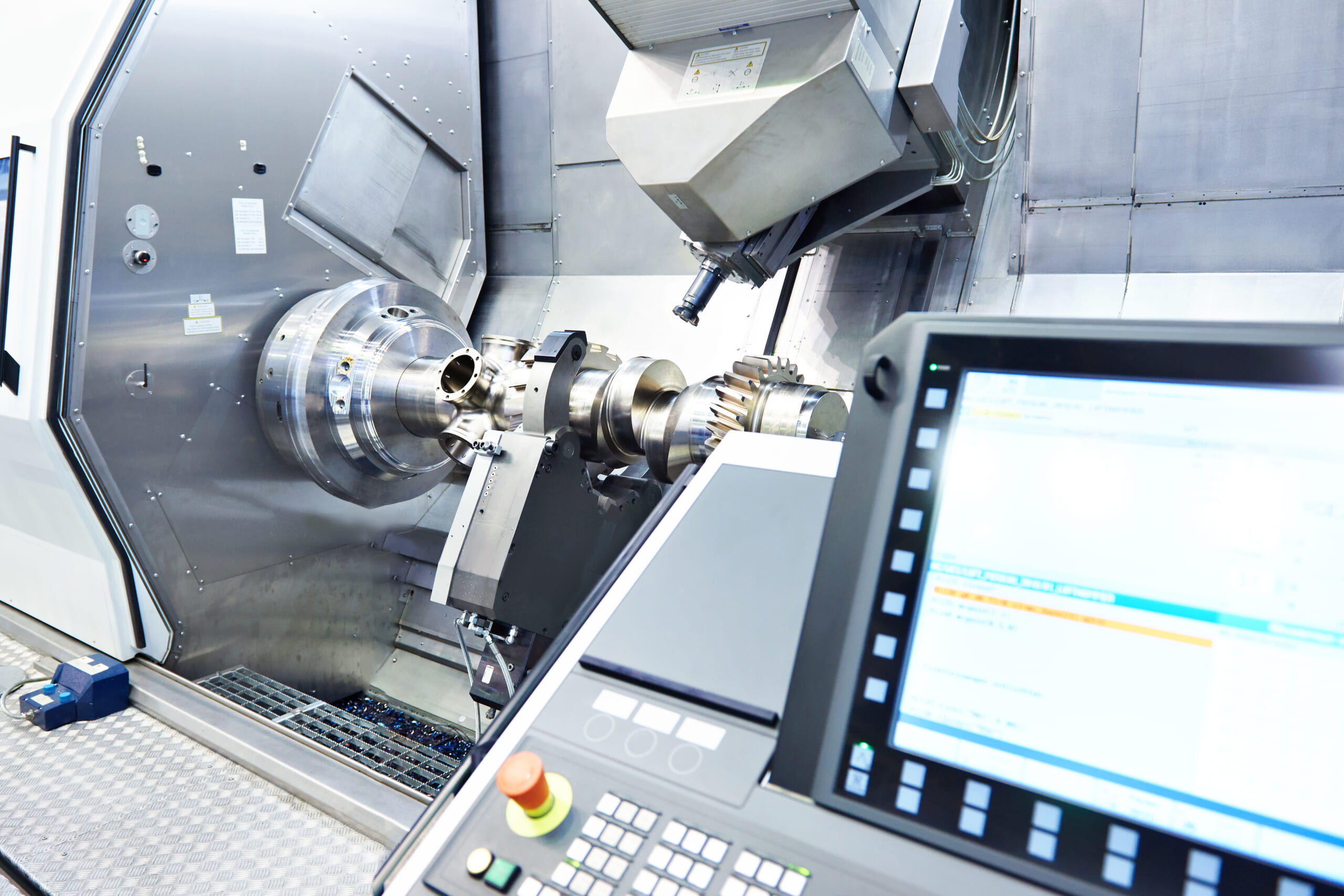
Japan’s machine tool industry is among the world’s largest and most technologically advanced, holding a crucial position in the global market.
In particular, Yamazaki Mazak, Okuma, DMG MORI, and JTEKT are often referred to as Japan’s “BIG3” or “BIG4,” and all demonstrate global competitiveness with key bases in Aichi Prefecture.
Machine tool manufacturers each have distinctive strengths across a wide range of product categories—lathes, machining centers, milling machines, grinding machines, EDMs, multi-tasking machines, and 5-axis machine tools—supporting manufacturing both in Japan and worldwide.
This article highlights leading companies and organizes Japanese machine tool manufacturers by product category, with clear explanations for each.
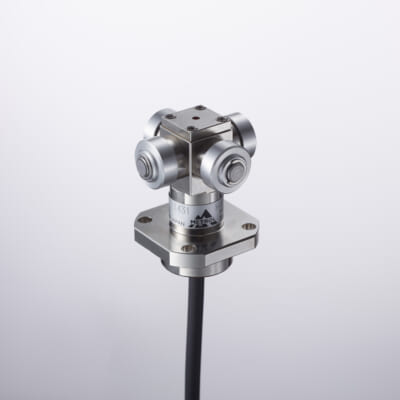
Tool Wear & Thermal Compensation
- Tool Setter -
Performs wear, chipping, and thermal displacement compensation, contributing to maintaining the constant machining precision of the machine tool
Click here ›Table of Contents
Lathes
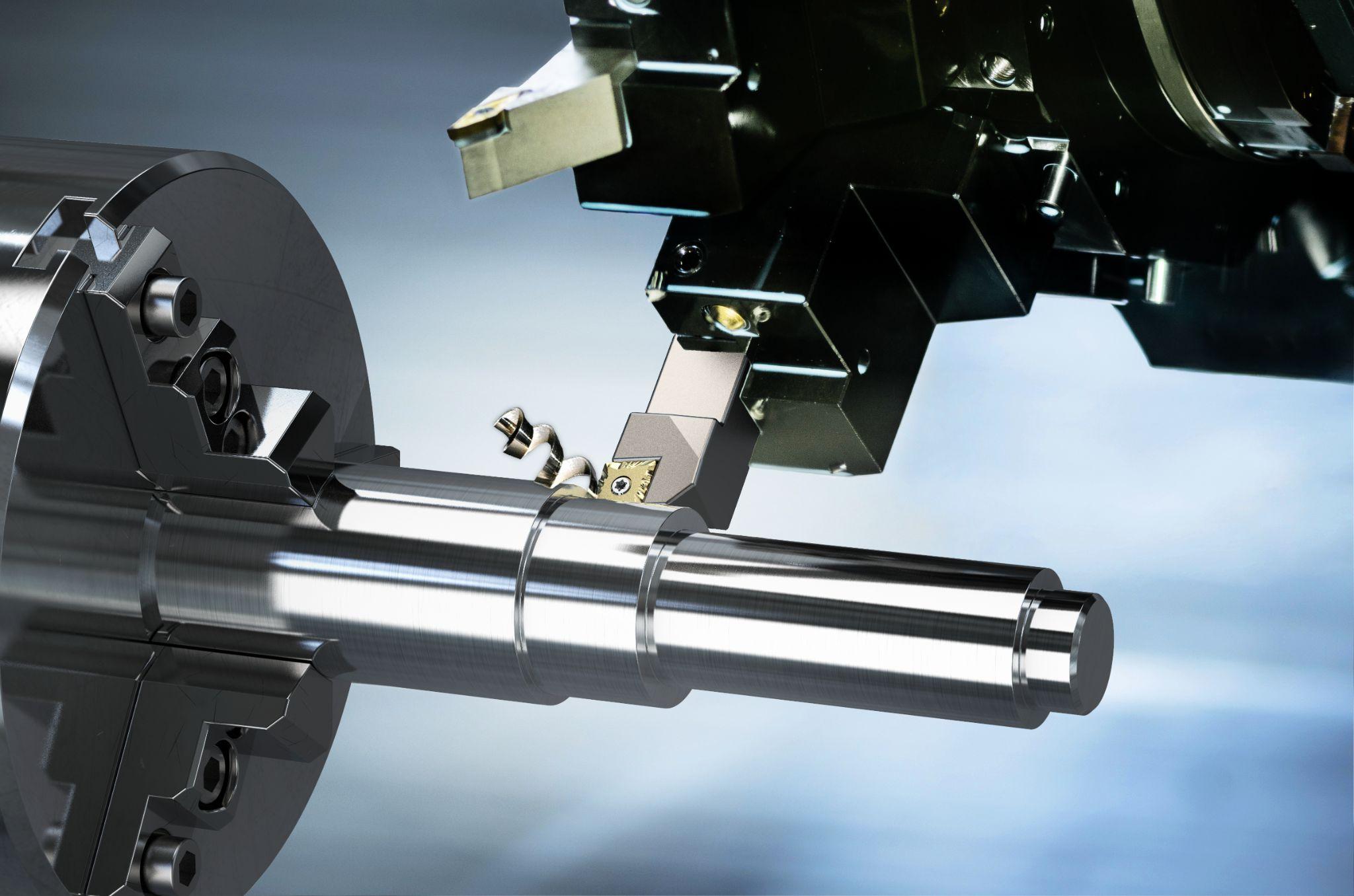
Lathes are among the oldest types of machine tools and are primarily used to machine cylindrical parts. They work by rotating the workpiece and cutting it with a tool, and are widely used across industries for components such as automotive shafts and bearings, aircraft engine parts, and small precision parts.
Modern lathes have been automated and made more precise through CNC (computer numerical control). They have evolved from single-spindle general-purpose lathes into CNC lathes (NC lathes) and turning centers equipped with multiple spindles and turrets capable of handling complex geometries.
Japanese manufacturers are known for high rigidity, accuracy, and broad product lineups, and they hold substantial market share not only domestically but also overseas.
DMG MORI
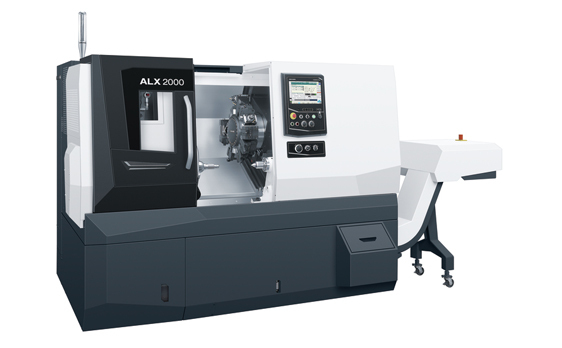
(Image source: “Machine Tools | Product Information | DMG MORI” )
In the lathe segment, DMG MORI has developed hundreds of models ranging from general-purpose CNC lathes to turning centers capable of multi-tasking machining.
Representative models include the ALX series, positioned as a standard turning center line, and the NLX series, known as one of the leading large turning center lines for large-diameter and shaft work machining.
Okuma
(Image source: “Product Information | Okuma Corporation”)
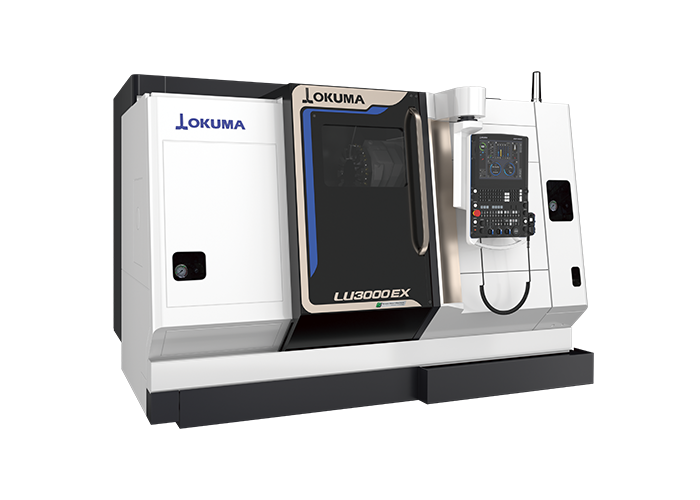
Okuma is known for high-precision NC lathes, and its machines equipped with the in-house OSP control benefit from Okuma’s fully integrated development—down to the control system.
Its lathe lineup is extensive, including the long-selling LB series of general-purpose CNC lathes, the LU series featuring a dual-saddle design, and the V series of vertical CNC lathes designed for large workpieces.
Key strengths include a high-rigidity gantry-type bed structure and thermal displacement compensation technologies, which help maintain stable dimensional accuracy even during long machining cycles.
Okuma also offers its proprietary automation solution, “OSP suite,” which supports setup automation for high-mix, low-volume production.
Yamazaki Mazak
(Image source: “Product Information | Yamazaki Mazak”)
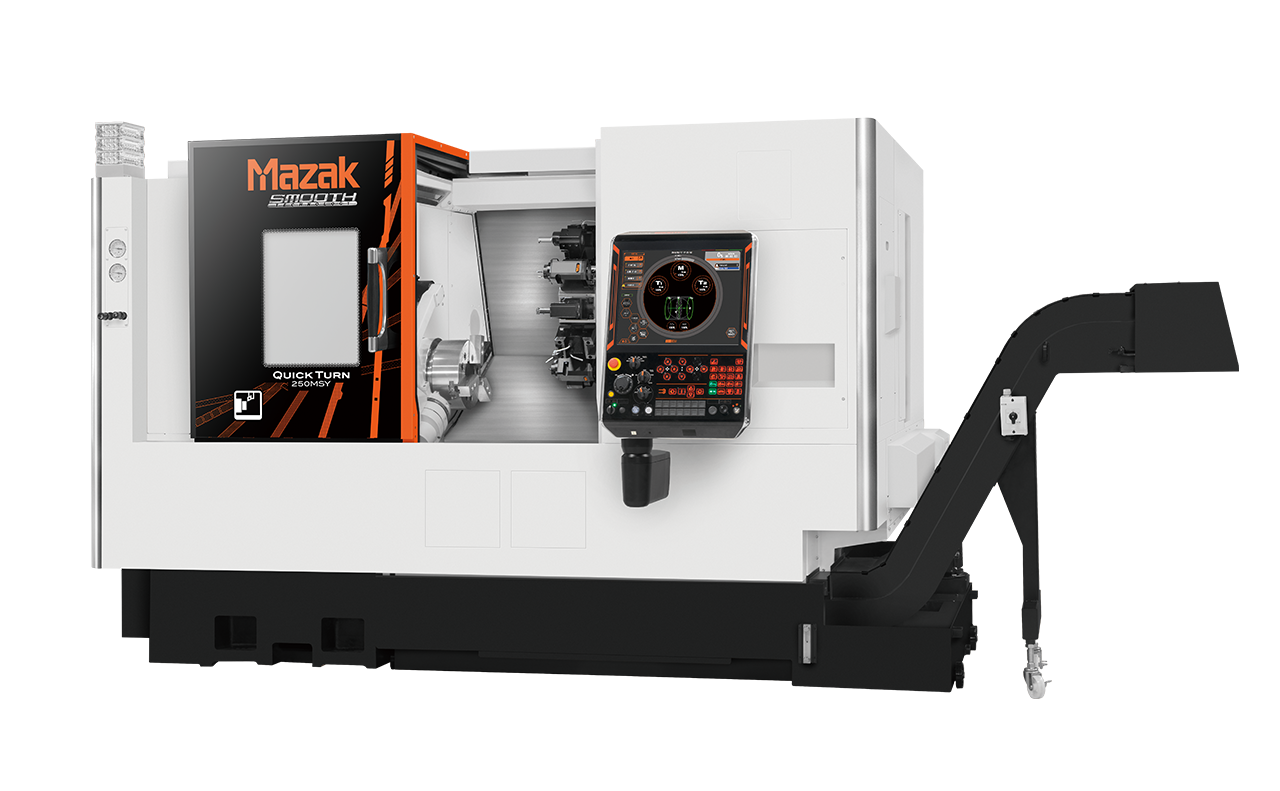
Mazak offers a diverse range of CNC lathe series, covering everything from entry-level models to high-end machines.
For example, the QUICK TURN series is a best-selling line of general-purpose NC lathes, valued for high-speed, high-accuracy machining and excellent operability, and widely adopted by both small and mid-sized shops as well as large manufacturers.
Mazak’s INTEGREX series is its flagship multi-tasking line that combines a lathe and a machining center; some models can perform five-sided/five-axis machining as well as turning in a single setup.
This groundbreaking concept, pioneered by Mazak ahead of the global market, has helped drive the multi-tasking machine segment forward.
Star Micronics
(Image source: ”Star Micronics Co., Ltd.”)
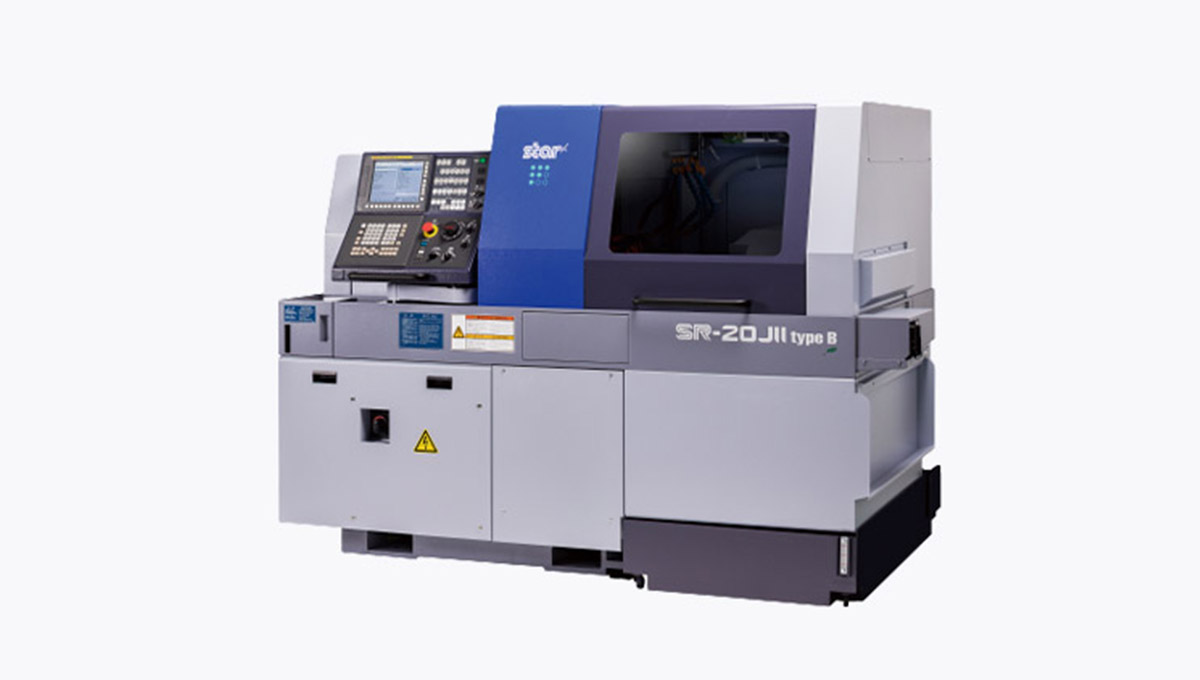
Star Micronics is best known for Swiss-type automatic lathes—NC lathes designed for small-diameter bar stock. This method machines the material while supporting it with a collet as it feeds, making it well-suited for fine, high-precision work such as watch parts, medical bone screws, and electronic components.
Representative models include the SB series and SR series. They support machining from just a few millimeters in diameter and achieve high-efficiency machining by controlling multiple tools simultaneously.
Star’s Swiss-type automatic lathes hold a top-tier global market share and are especially trusted by users in the medical and precision equipment industries.
Tool Wear & Thermal Compensation
- Tool Setter -
Performs wear, chipping, and thermal displacement compensation, contributing to maintaining the constant machining precision of the machine tool
Click here ›Machining Centers
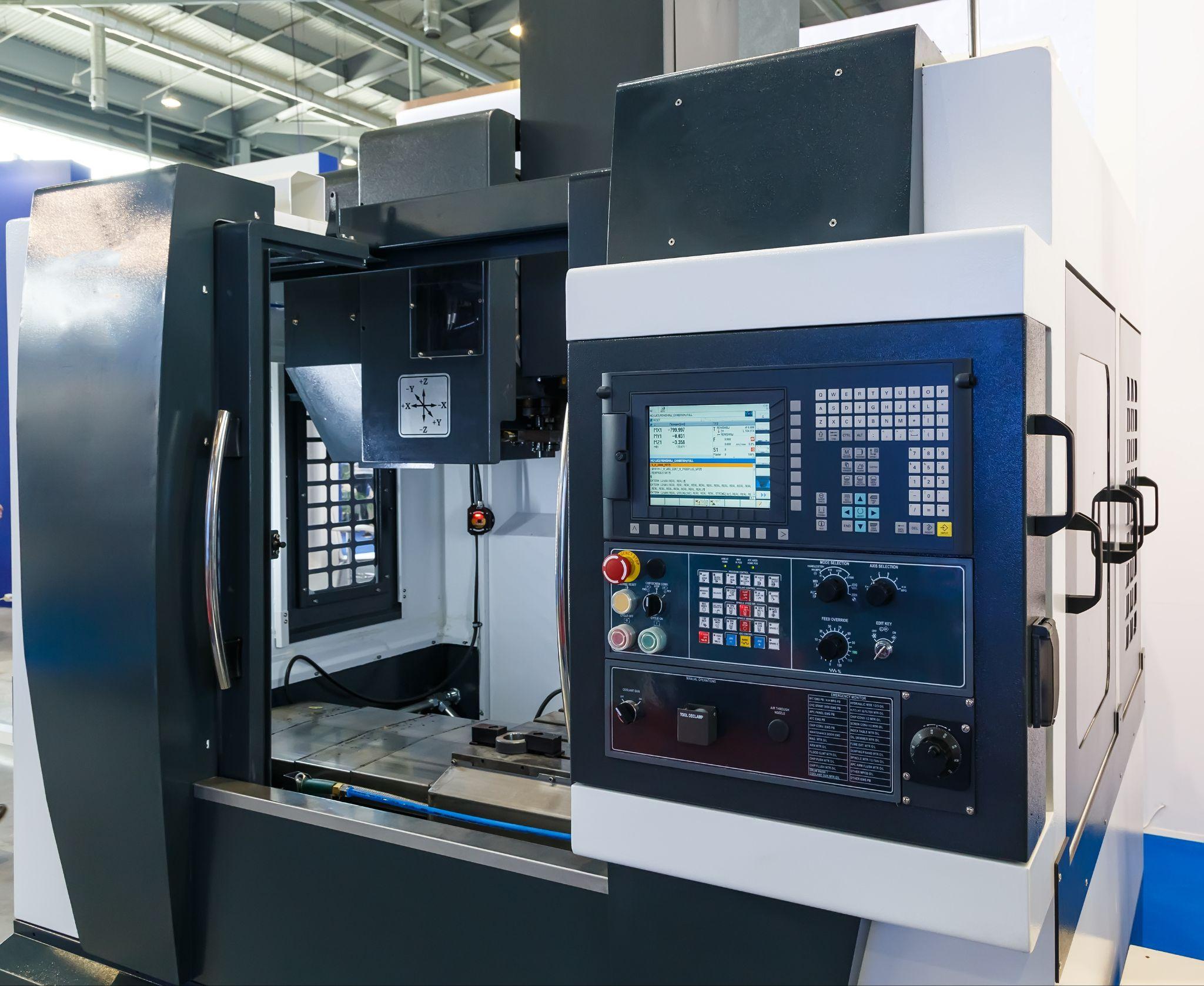
A machining center (MC) is a machine tool evolved from the milling machine. Equipped with an automatic tool changer (ATC), it is a multi-function machine that can continuously perform multiple cutting processes on a single machine.
Machining centers are available in vertical and horizontal configurations. Vertical machines have a spindle oriented vertically and are suitable for relatively small to mid-sized parts, while horizontal machines have a horizontally oriented spindle and excel at heavy cutting and multi-face machining.
They are used for a wide range of applications—from automotive engine and transmission cases to industrial machine parts and die/mold machining—and today, advanced machining centers with 5-axis control are also widely adopted.
DMG MORI
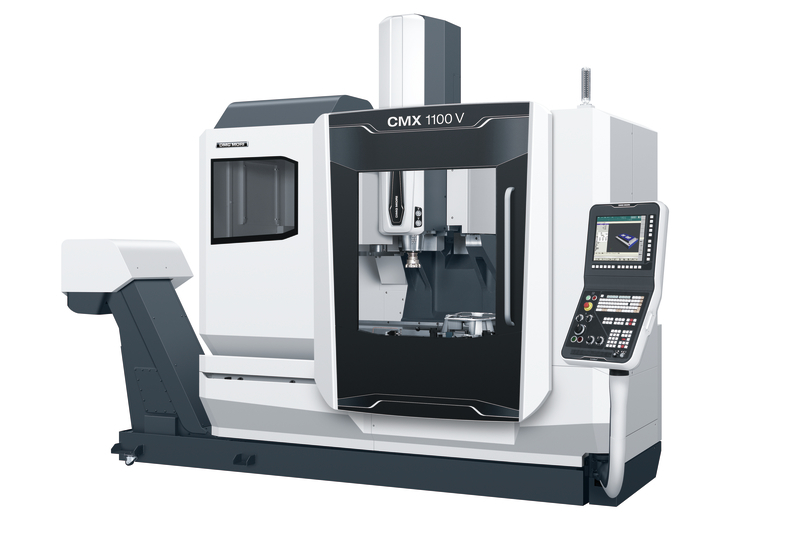
(Image source: “Machine Tools | Product Information | DMG MORI”)
DMG MORI also offers one of the world’s largest machining center lineups.
Representative series include the NVX/NV series (vertical), the CMX series (general-purpose vertical MCs), and the NHX series (horizontal).
From a technical standpoint, DMG MORI emphasizes stable machining through measures such as using box guides (instead of linear guides) to increase rigidity and damping, as well as coolant circulation structures designed to suppress thermal displacement.
Okuma
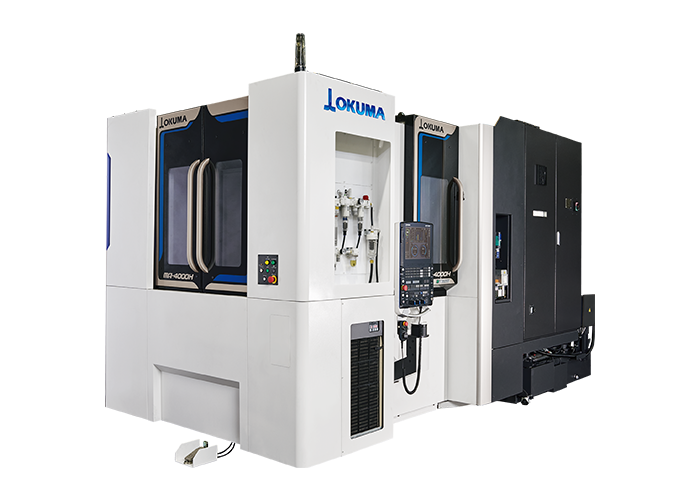
(Image source: “Product Information | Okuma Corporation”)
In addition to NC lathes, Okuma is highly regarded in the machining center segment as well.
The MA series of horizontal machining centers is one of Okuma’s flagship lines, featuring high-rigidity structures and high-power spindles suitable for large structural components; some models also include pallet changers for automation.
In the vertical category, Okuma offers lines such as the best-selling MB series.
Technically, Okuma’s strengths include proprietary control technologies such as automatic thermal displacement compensation based on the “Thermo-Friendly Concept,” and contour error reduction control enabled by high-response servos.
Yamazaki Mazak
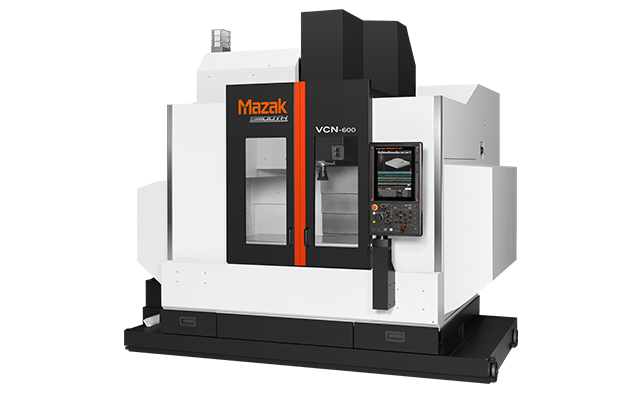
(Image source: “Product Information | Yamazaki Mazak”)
Mazak is one of Japan’s leading machining center manufacturers, and in 1970 it was an early pioneer in Japan by developing its first machining center in-house.
Its product lineup—such as the VCN and VTC series (vertical MCs) and the HCN series (horizontal MCs)—is popular for user-friendly designs and high-speed performance.
Mazak’s VARIAXIS series of 5-axis machines is a core product line that enables multi-face machining in a single chucking, improving machining efficiency for automotive and aerospace components.
Makino Milling Machine Co., Ltd.
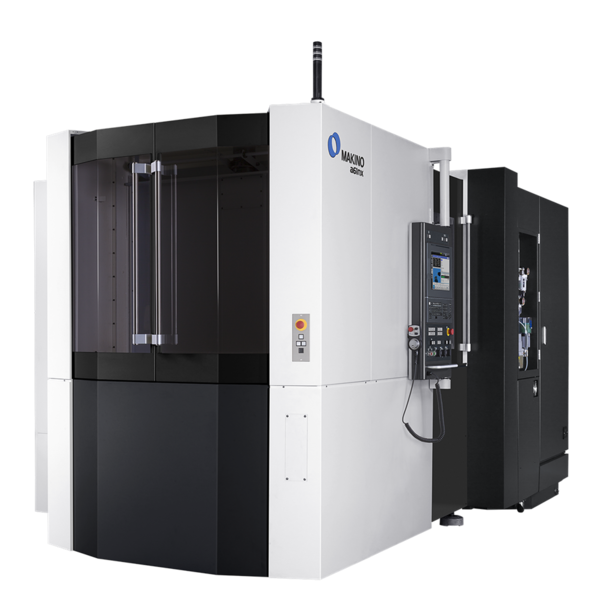
(Image source: “Vertical Machining Centers | Makino”)
Makino is globally renowned for machining centers engineered for high precision and high-speed machining.
In the vertical category, Makino offers lines such as the V series and the iQ series, which is well regarded for mirror-finish machining, delivering standout performance in fine-feature machining and high-quality surface finishes.
In the horizontal category, Makino offers the a61/a81 series for the aerospace industry, as well as the T series (a 5-axis horizontal gantry type) designed for large aircraft components.
Through high-rigidity structures, robust thermal countermeasures, and proprietary spindle technologies, Makino machines achieve excellent dimensional stability and superior machined surface quality.
JTEKT
(Image source: “GS200H | JTEKT Corporation”)
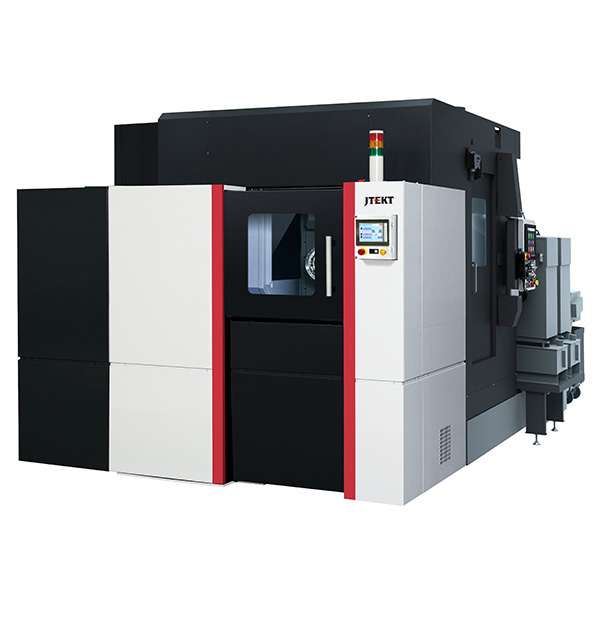
JTEKT is strongly associated with grinding machines, but it also offers horizontal machining centers such as the FH series.
In 2013, JTEKT introduced machining centers with gear skiving capability (the GS series), enabling gear cutting processes—previously handled by dedicated machines—to be performed on a single machine. This is a distinctive, differentiating offering unique to the company.
Brother Industries
(Image source: “S300Xd2 / S500Xd2 / S700Xd2 | Machine Tools | Brother”)
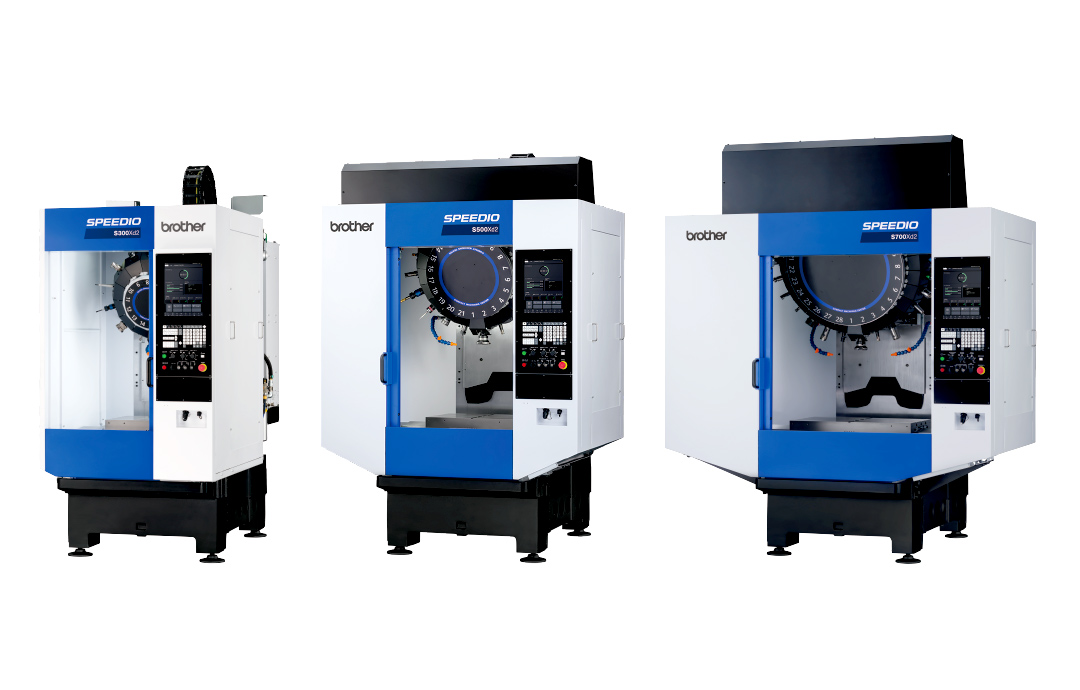
Although Brother is not a dedicated machine tool manufacturer, it holds a global share in the compact machining center segment. Known mainly for its high-speed, compact vertical MCs under the SPEEDIO series, Brother machines are widely used for mass production of electronic components and small automotive parts.
Brother machines excel in fast tool changes and high acceleration/deceleration performance, delivering strong productivity as tapping centers.
In Japan, they are adopted broadly—from small job shops to cell-production lines at major manufacturers—and are highly trusted by users.
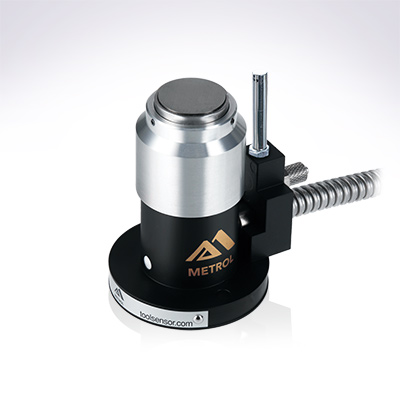
Automates originating of cutting tools
- Tool Setter -
Tool length and chips are monitored to prevent machining defects due to wear and thermal displacement
Click here ›Milling Machines
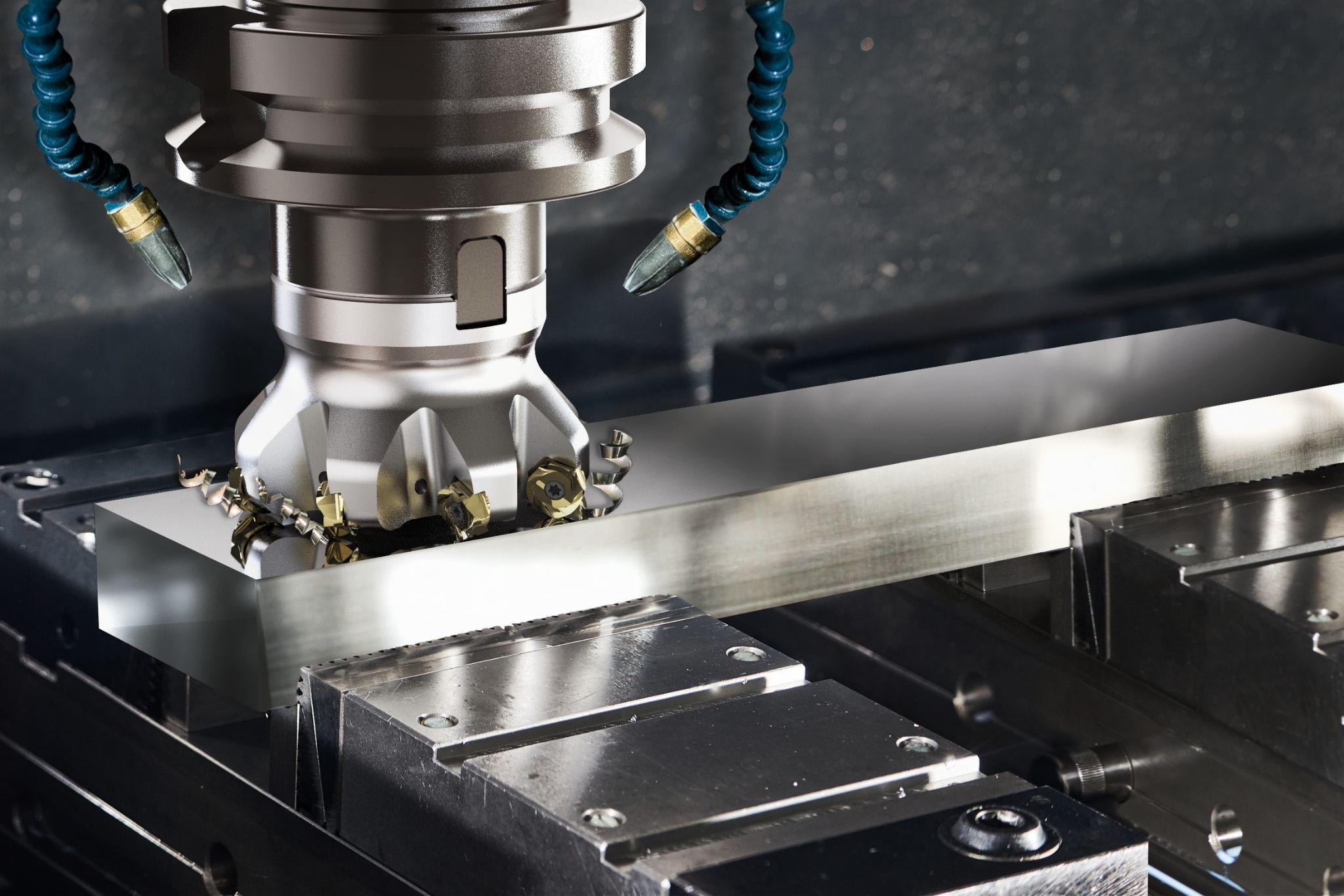
A milling machine is a machine tool that uses a rotating multi-tooth milling cutter to machine flat surfaces and grooves, and it can be considered the predecessor of the machining center.
Today, general-purpose milling machines are used mainly for education or in small workshops; in production environments, most have shifted to NC machines and machining centers.
That said, Japan’s machine tool industry historically grew out of milling machine technology. Many manufacturers expanded on this foundation—for example, Makino; Yamazaki Mazak (which transitioned early on from tatami weaving looms to milling machine manufacturing); and Okuma (which originally built its own milling machines and lathes to improve the accuracy of noodle-cutting machines).
Even today, some Japanese manufacturers list products categorized as “NC milling machines” in their machine tool catalogs.
For example, mid-sized manufacturers such as Shizuoka Tekko and Yamazaki Giken produce bed-type NC milling machines designed for ease of operation, as well as compact milling machines that can also be used for tool grinding.
Grinding Machines
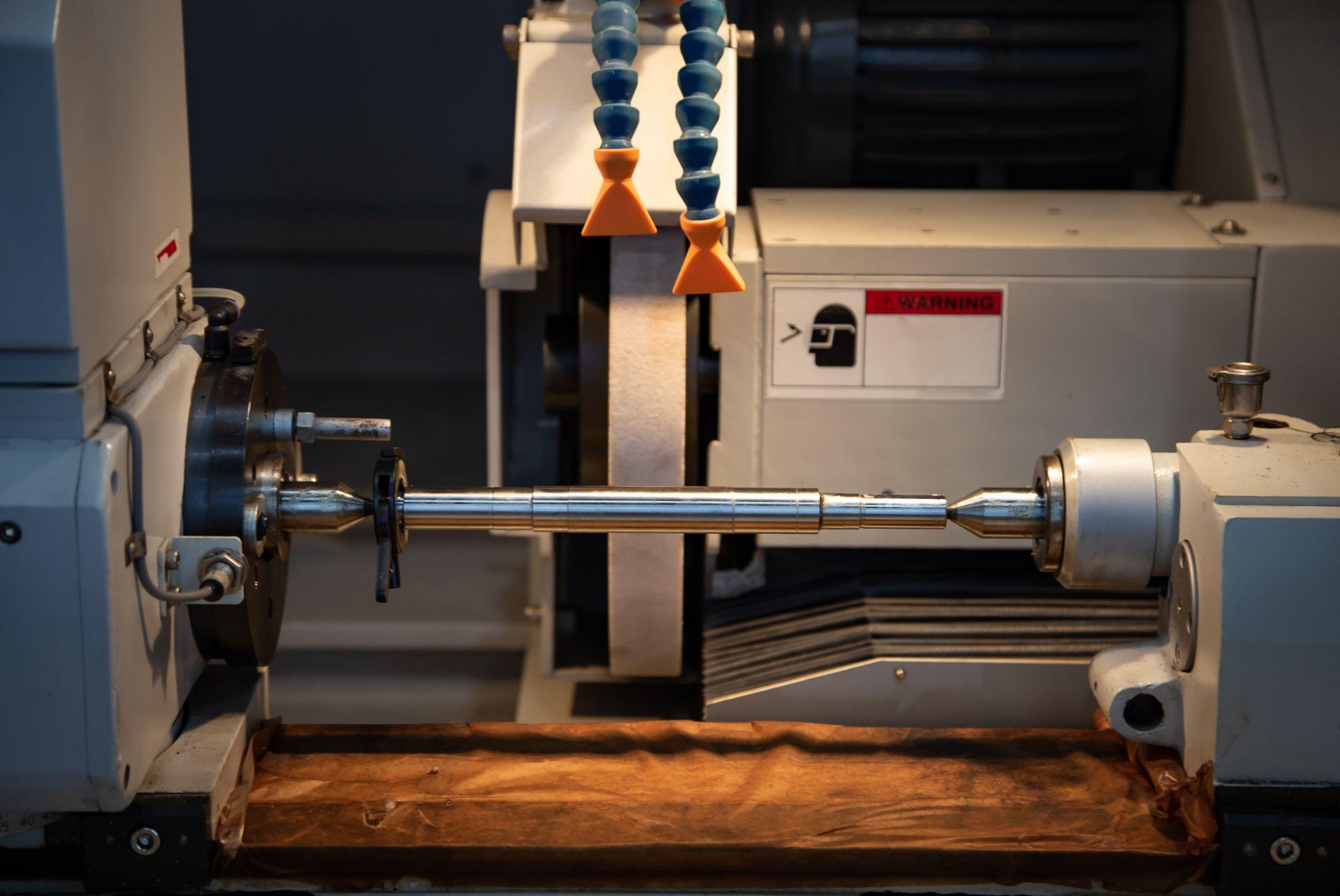
A grinding machine uses a grinding wheel rotating at high speed to remove small amounts of material from metal surfaces, enabling smooth, high-precision finishes and form machining of hard materials.
There are many types, including surface grinders, cylindrical grinders, internal grinders, centerless grinders, and gear grinders.
Grinding machines demand micron-level accuracy among machine tools and are indispensable for finishing processes such as automotive crankshafts and camshafts, bearing components, and tooling/die and mold applications.
Japan is also home to strong grinding machine manufacturers and leads the world in both precision and productivity in this field.
JTEKT
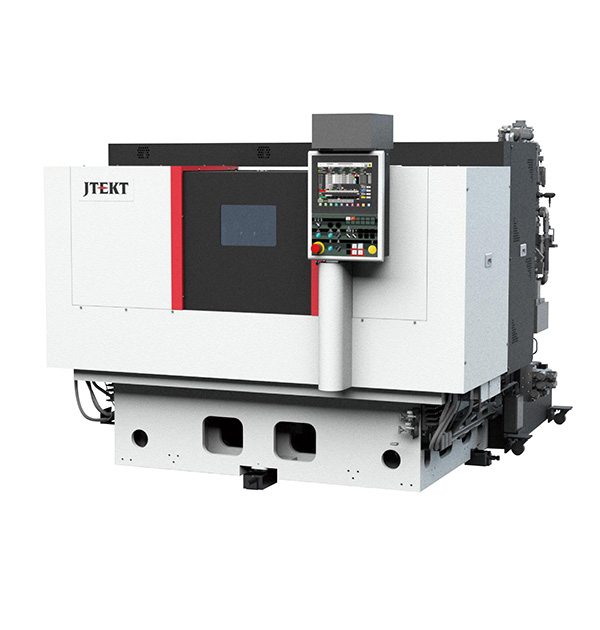
(Image source: “Grinding Machines | JTEKT Corporation”)
Leveraging its strengths as part of the Toyota group, JTEKT holds an overwhelming share in grinding machines for automotive parts.
It offers a wide range of machines specialized for high-volume finishing of engine and drivetrain parts, including cylindrical grinders, centerless grinders, surface grinders, and thread grinders.
JTEKT grinding machines are characterized by high rigidity and thermally stable designs, as well as features such as automatic grinding wheel changers and in-process gauging (measuring and compensating dimensions during machining), enabling unattended continuous operation.
Okamoto Machine Tool Works, Ltd.
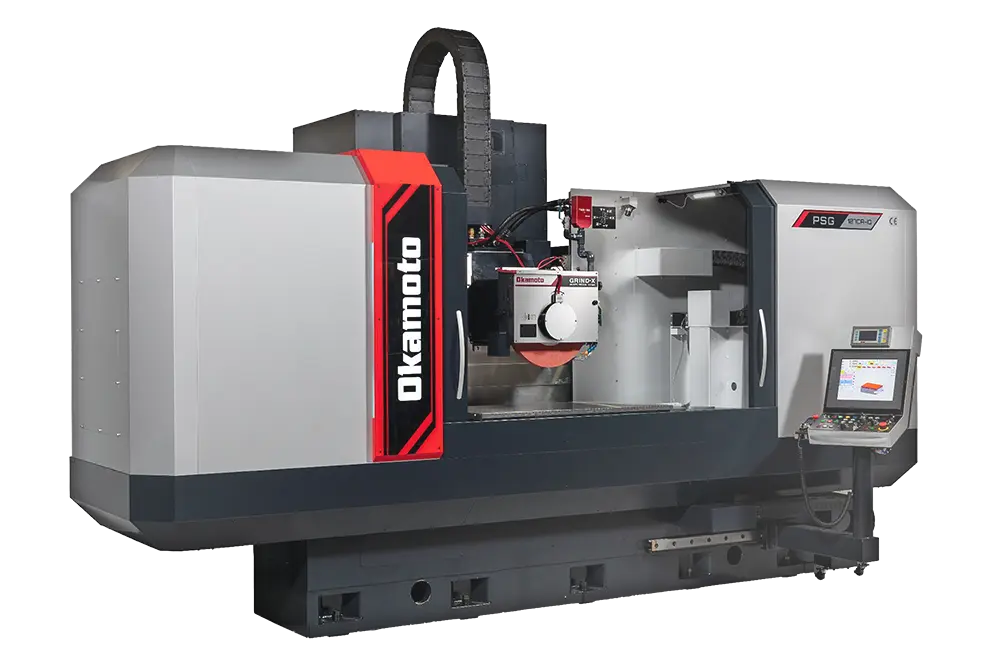
(Image source: “Product Lineup | Okamoto Machine Tool Works, Ltd.”)
Okamoto is one of Japan’s leading specialized grinding machine manufacturers and is world-class particularly in surface grinders.
The PSG series is virtually synonymous with surface grinders and is widely used from machine tool factories to high-tech component plants.
Okamoto also produces the OGM series of cylindrical grinders, internal grinders, and even semiconductor wafer grinding equipment, giving it a highly diversified product portfolio.
Technically, Okamoto surface grinders achieve nano-level surface finishes through high-rigidity gantry-type columns and precision spindles, and they also feature advanced coolant control designed to prevent grinding burn.
Nagase Integrex Co., Ltd.
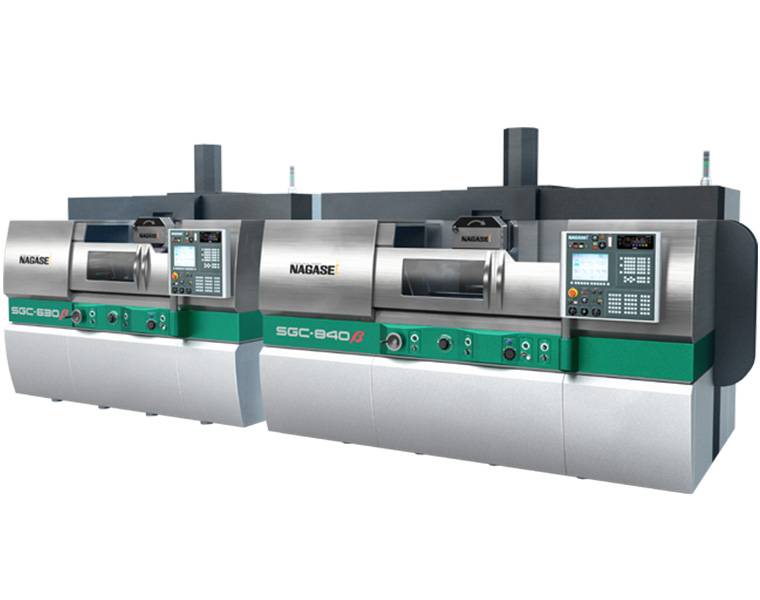
(Image source: “Product Information | Product Lineup | Nagase Integrex Co., Ltd.”)
This mid-sized manufacturer based in Gifu Prefecture is known for ultra-precision form grinding machines. With proprietary ultra-high-rigidity mechanisms and “scrape-less” technologies (achieving high precision without skilled hand scraping), its machines are used for ultra-precision machining such as molds for optical components.
Kuroda Precision Industries Ltd.
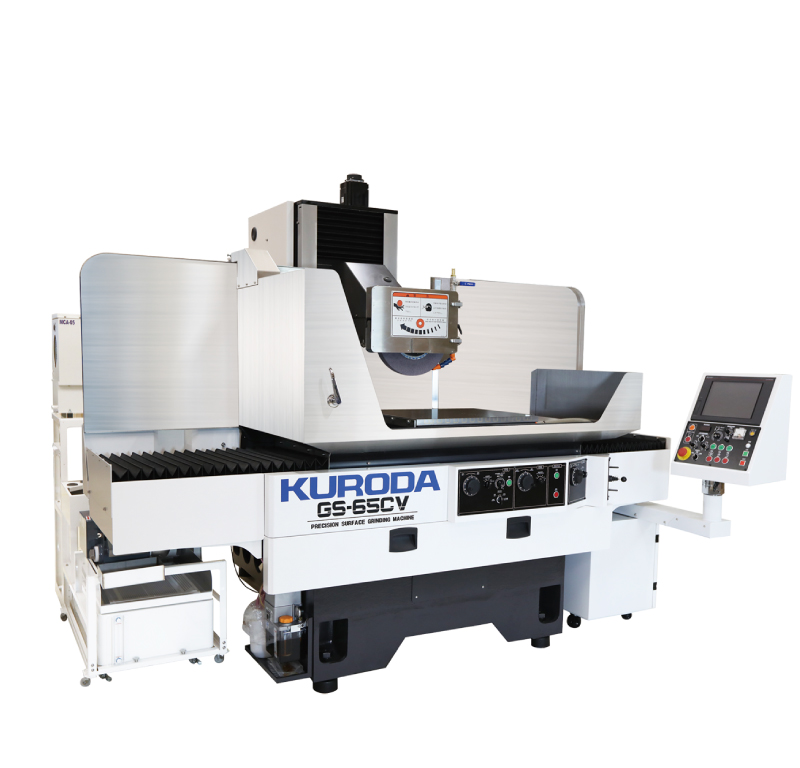
(Image source: “Surface Grinders | Product Information | Kuroda Precision Industries”)
Although it is often associated with measuring equipment, Kuroda Precision also manufactures high-precision surface grinders. Its form grinders are particularly strong in fine-feature machining for precision dies and molds.
Amada Machinery Co., Ltd.
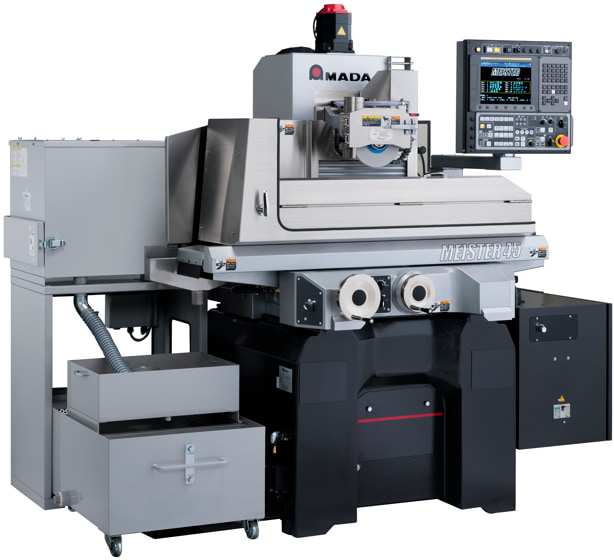
(Image source: “Form Grinders | Grinding Machines | AMADA”)
Amada, a major sheet metal machinery company, also manufactures grinding machines through its machine tool division (including the former Amada Wasino businesses).
It offers distinctive products such as compact precision surface grinders in the MEISTER series, as well as multi-function automatic machines that combine turning and grinding units.
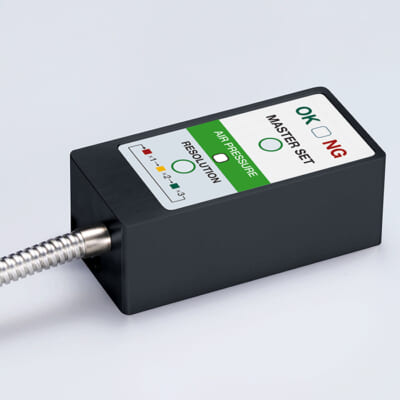
High-precision seating confirmation of workpiece and jig
- Air Gap Sensor -
You can check not only "presence/absence" but also "adhesion (gap)" at the same time with a repeatability of ±0.5 μm.
Click here ›5-Axis Machine Tools
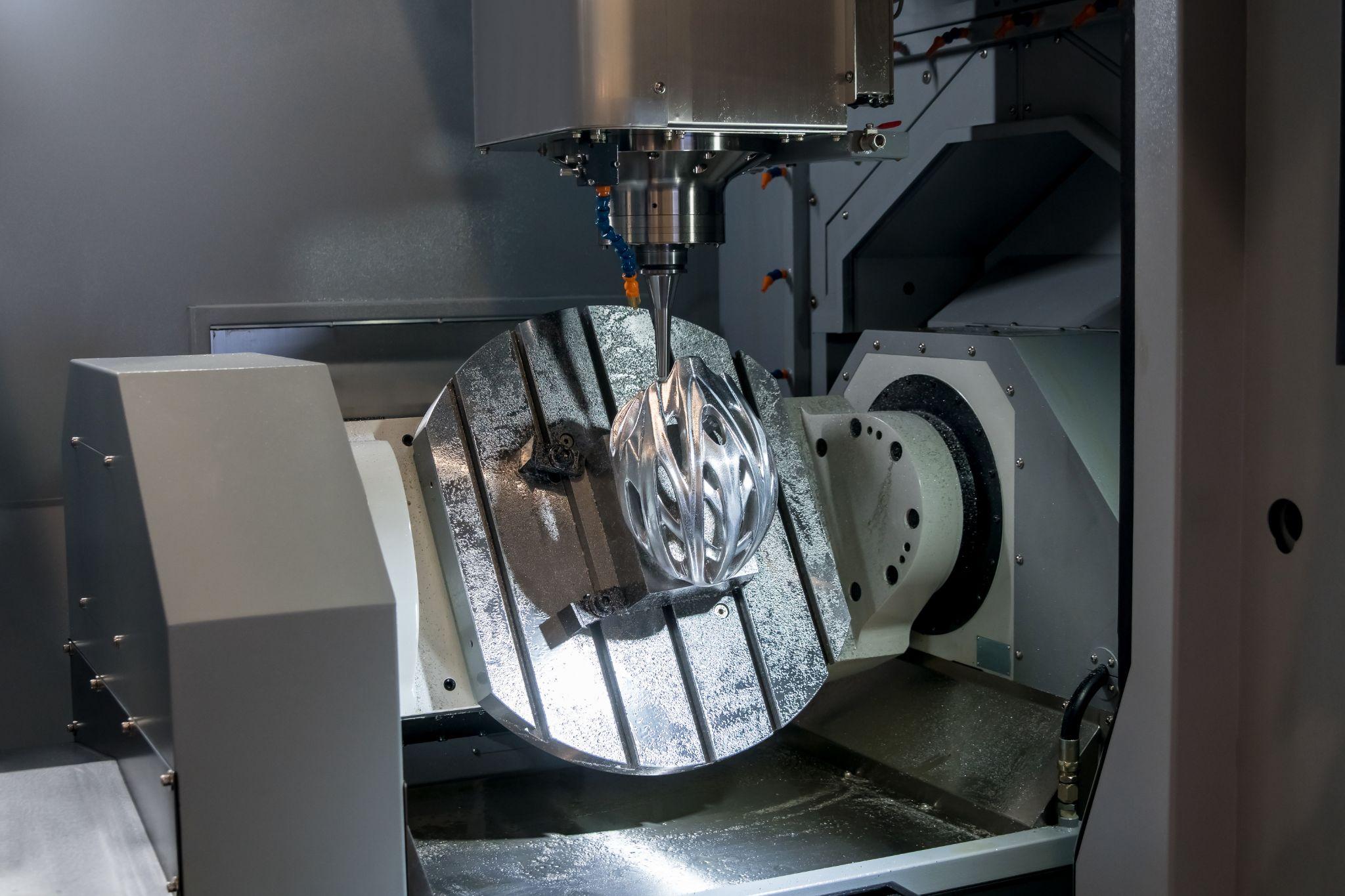
A 5-axis machine tool is a general term for machine tools that, in addition to linear motion along three axes (X, Y, Z), include two rotary axes (typically A/B or B/C). This enables machining while freely changing the angle between the tool and the workpiece.
Machining centers capable of 5-axis machining can tilt the tool orientation during cutting, allowing one-setup machining of complex curved surfaces and deep pocket geometries that were difficult to process previously—while also reducing the need for multiple setups.
They are essential for applications such as machining blades and impellers in aerospace, implants in medical manufacturing, and freeform surface machining for dies and molds—making 5-axis technology a key enabler of advanced manufacturing.
DMG MORI
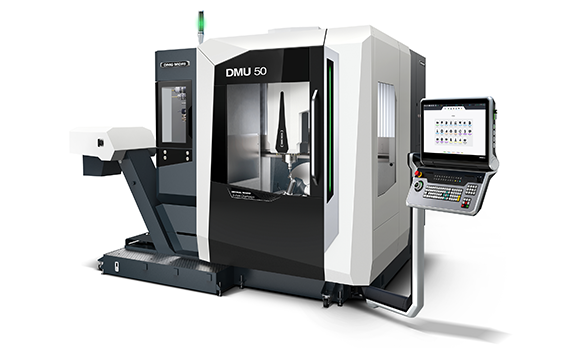
(Image source: “Machine Tools | Product Information | DMG MORI”)
With strong capabilities in 5-axis machines through collaboration with Germany’s DMG, the DMU series is a representative line of 5-axis machining centers used worldwide.
For example, the DMU 50 is well known as a compact simultaneous 5-axis machine, offering flexibility for both die/mold and general parts machining. The lineup also includes gantry-type 5-axis machines such as the DMU 340 Gantry, which are used for machining aircraft structures and other large workpieces.
Okuma
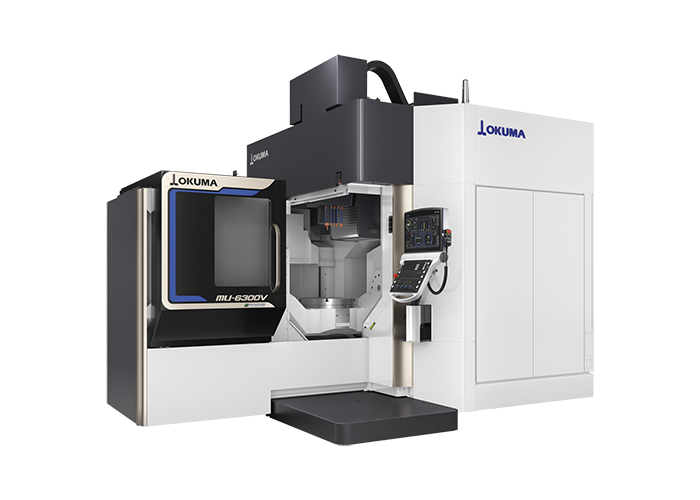
(Image source: “Product Information | Okuma Corporation”)
Okuma’s MU series is its brand of 5-axis controlled vertical machining centers, covering capabilities from simultaneous 5-axis machining to five-sided machining.
Models such as the MILLAC 1000VH can machine large, complex workpieces in a single setup and are suitable for applications such as aircraft engine case machining.
Okuma provides its proprietary “Five-Tuning” function, which uses on-machine measurement to automatically compensate positional and angular errors on each of the five axes, helping ensure high-accuracy machining.
Okuma also develops in-house CAM support and collision-checking software for 5-axis machining to reduce the programming burden on users. Another advantage of the MU series is the in-house OSP control, which enables detailed synchronization between 5-axis machining and surrounding peripherals.
Yamazaki Mazak
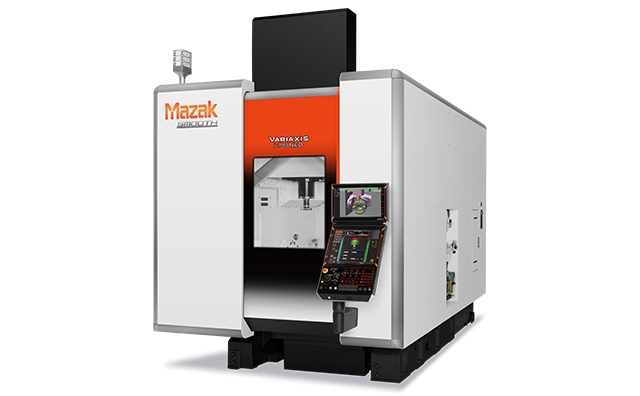
(Image source: “Product Information | Yamazaki Mazak”)
Mazak’s VARIAXIS series is synonymous with high-speed 5-axis machining, with a broad lineup ranging from entry models to large machines.
Mazak has also introduced more affordable 5-axis machines to expand the market. It applies the advantages of MAZATROL conversational programming to 5-axis machines as well, providing support that simplifies programming tasks such as machining angled faces.
Makino Milling Machine Co., Ltd.
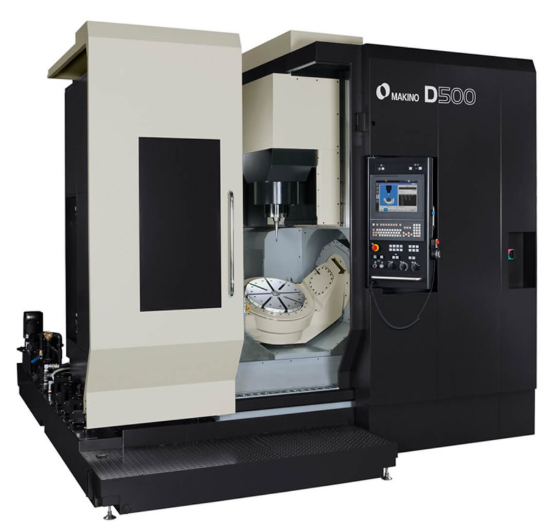
(Image source: “D500 | Makino”)
Makino is among the world’s leaders in high-precision 5-axis machining. Its 5-axis vertical machining centers such as the D500 and D800Z are widely used for die/mold machining and aerospace parts production.
Makino’s 5-axis machines are known for excellent simultaneous control accuracy, supported by well-matched dynamic characteristics of their linear axes. In blade machining, for example, they can achieve exceptionally smooth curved-surface cutting and are highly rated by aircraft engine manufacturers in Europe and the U.S.
Makino also provides proprietary simulation environments to help users build proficiency in 5-axis control, reducing trial time on the shop floor.
Matsuura Machinery Corporation
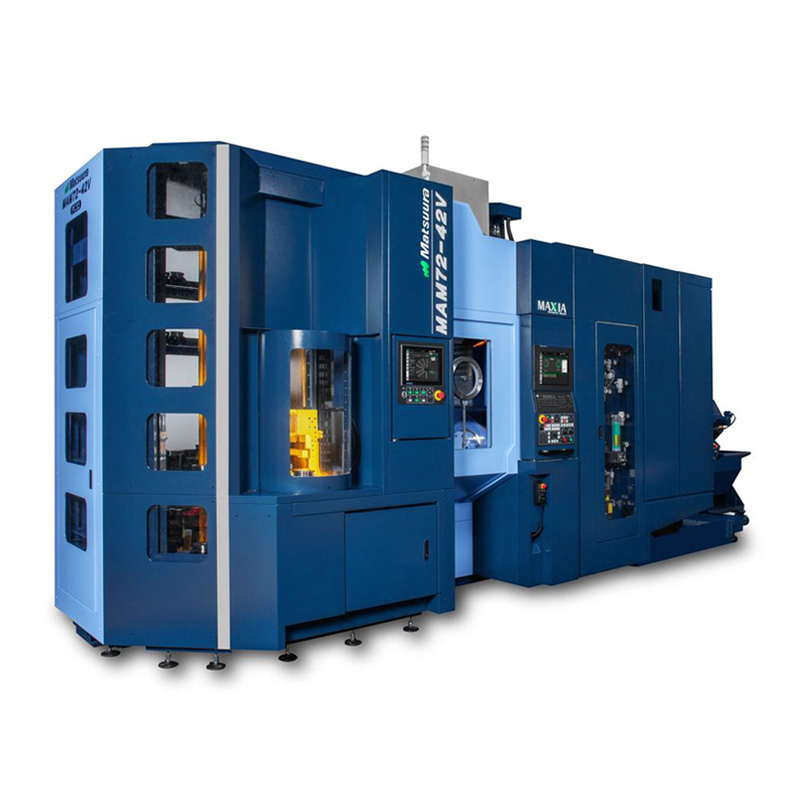
(Image source: “5-Axis Vertical/Horizontal Machining Centers, MAM72 Series | Matsuura Machinery Corporation”)
Matsuura’s MX series and MAM72 series are internationally recognized as automation-oriented 5-axis machines.
In particular, the MAM72 series incorporates multiple pallet changers and is designed with the goal of achieving 72-hour unattended operation.
This approach is highly effective for high-mix, low-volume production and has been adopted by many industrial machinery parts manufacturers in Europe and the U.S.
Yasda Precision Tools K.K.
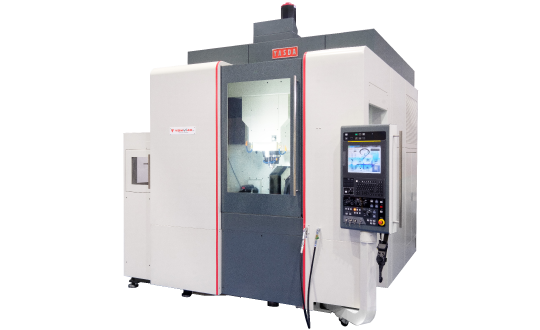
(Image source: “Product Information - Yasda Precision Tools K.K.”)
Yasda’s YBM series is known as an ultra-high-precision 5-axis machining center line.
Yasda’s 5-axis machines are sometimes selected when sub-micron accuracy—beyond the micrometer level—is required, such as in precision aerospace parts or die/mold machining for optical equipment. Their outstanding overlay accuracy and exceptionally small dimensional deviations even after long operating hours are valued not only in Japan but also by high-end users overseas.
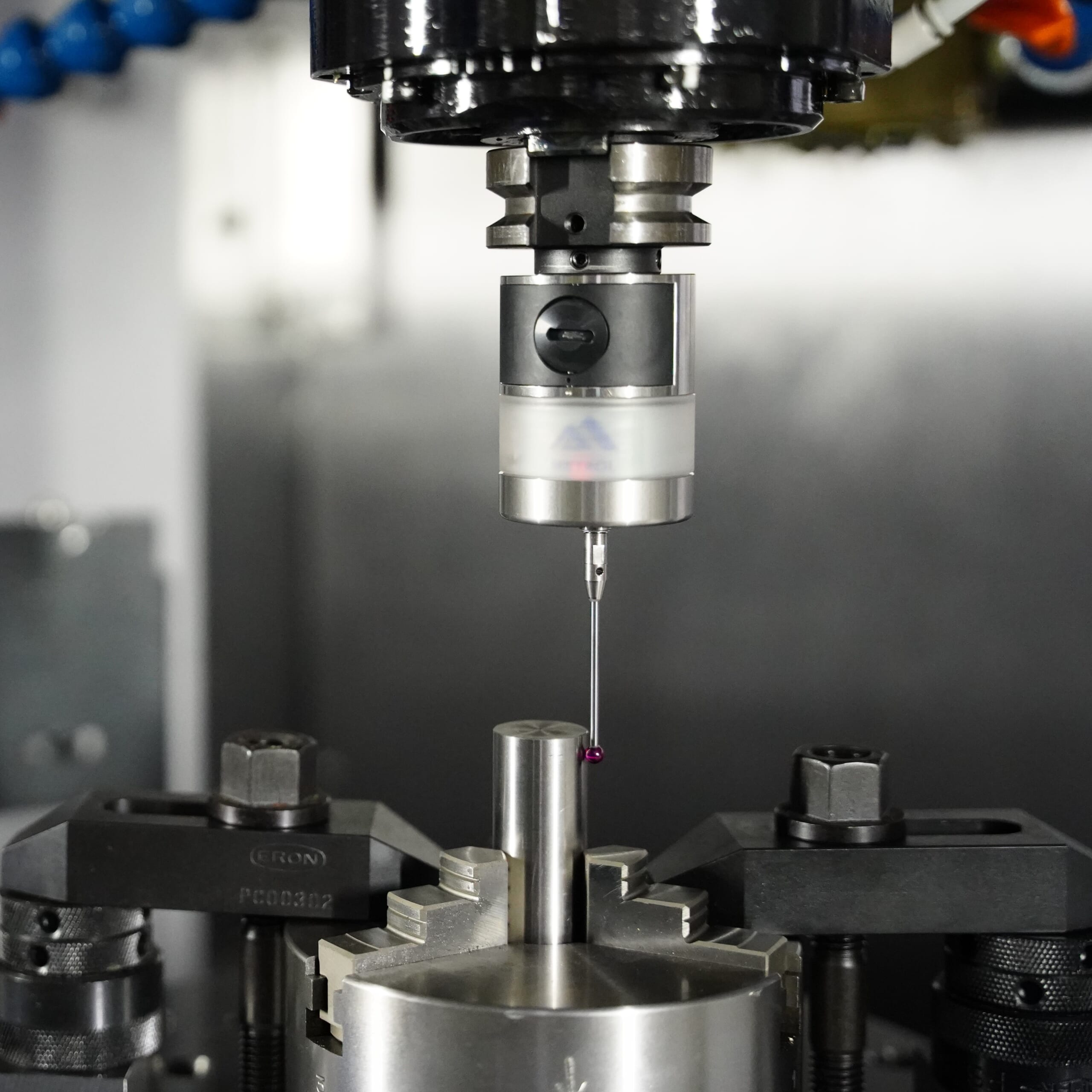
Automated workpiece centering and positioning
- Touch probe -
A contact/touch sensor for on-machine measurement that improves the efficiency of setup work
Click here ›What Are Metrol’s High-Precision Positioning Sensors?
To maximize the performance of a machine tool, it’s not enough to choose a highly accurate cutting machine alone—introducing sensors that serve as the machine’s “eyes” is also essential.
That’s where Metrol’s high-precision positioning sensors come in. Below, we introduce the features of Metrol’s sensor lineup.
High-Precision Positioning Touch Switches
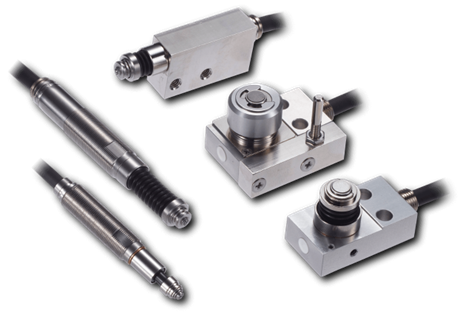
These are contact-type high-precision switches used for positioning and workpiece presence detection in machine tools, robots, and jigs. They achieve an extremely high repeatability of up to 0.5 µm and feature IP67-rated waterproof and dustproof protection, ensuring stable operation even in harsh environments. With more than 200 standard models available, they offer a wide range of variations, including designs for confined spaces, high-temperature environments, vacuum applications, and low contact force requirements.
Tool Setter (Tool Length Measurement Sensor)
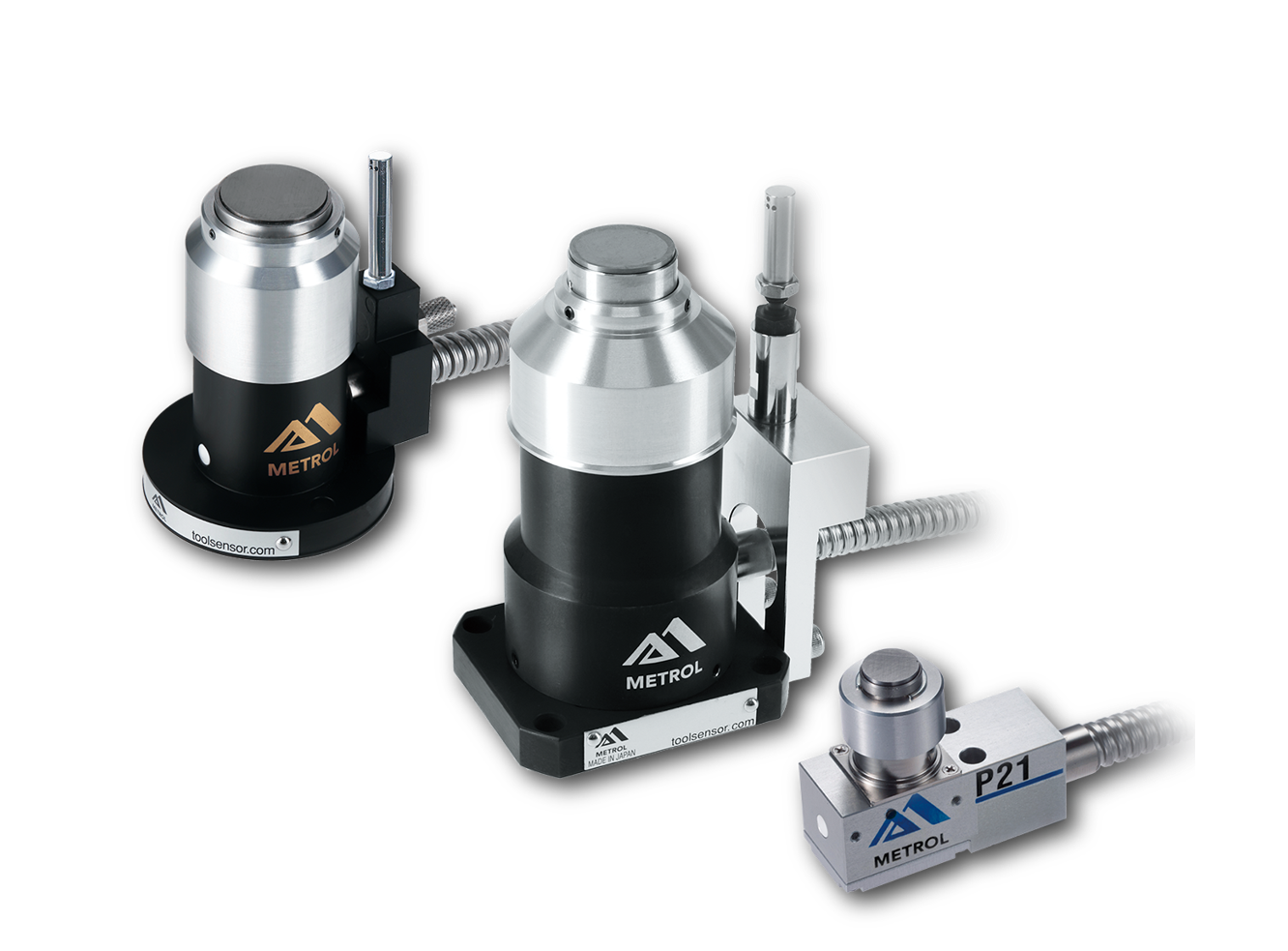
This is a contact-type sensor installed on CNC machine tools and industrial robots for tool length measurement, reference position setting, and tool breakage detection. By automatically measuring and compensating for tool length, wear, and thermal displacement inside the machine, it helps prevent machining defects and significantly reduces setup time. It is one of Metrol’s best-selling products, with a proven track record of more than 500,000 units shipped in 74 countries worldwide.
Touch Probe (On-Machine Measurement Probe)
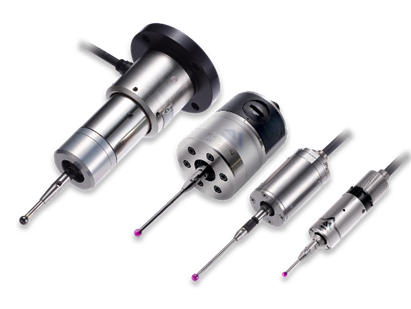
This is a contact-type probe for in-machine measurement, installed on machine tools and robots to automatically perform workpiece positioning (centering) before machining and dimensional measurement after machining. With a repeatability of 1 µm, it automates workpiece referencing and dimensional inspection, replacing skilled manual operations to reduce setup time and help prevent machining defects. Both wired and wireless models are available, meeting retrofit needs for 5-axis machining centers and robotic applications.
Air Gap Sensor (Pneumatic Sensor)
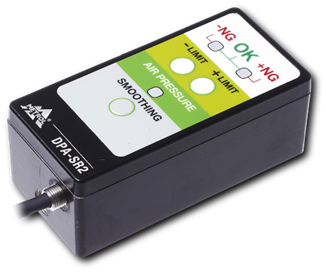
This is a non-contact sensor that uses air pressure to detect workpiece seating conditions with micron-level accuracy. It can detect gaps (“lift”) of less than 10 µm—previously difficult to measure—with a repeatability of ±0.5 µm, helping prevent machining defects and equipment downtime caused by insufficient contact between the workpiece and fixture. The sensor is used in applications such as semiconductor manufacturing processes, precision part clamping operations, and grinding wheel positioning on grinding machines, and it is a smart sensor that also supports the international standard IO-Link communication.
