
What Is a Sensor? From Basic Concepts to Operating Principles, Structure, and Applications
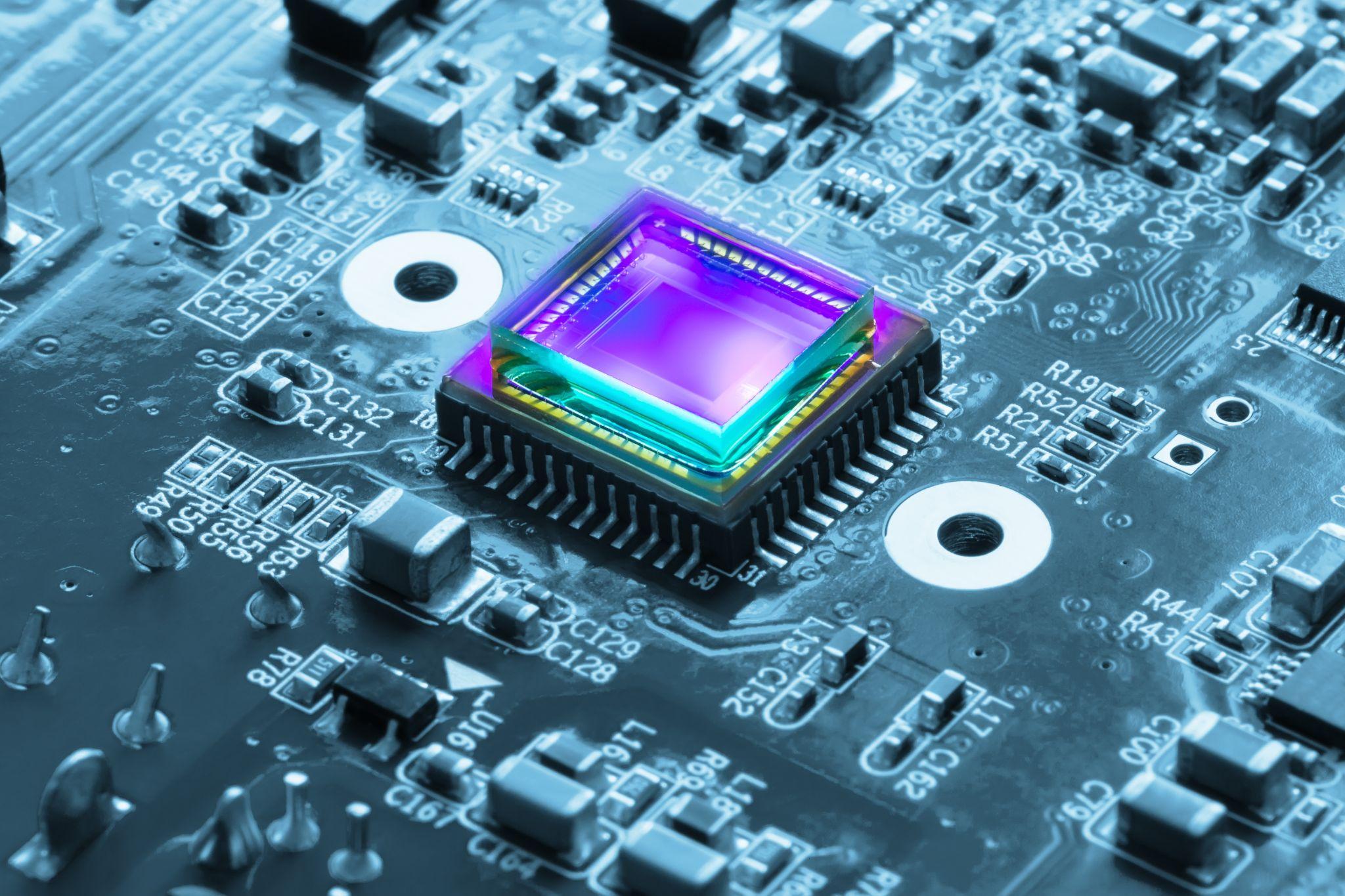
Countless small devices called “sensors” are all around us in everyday life.
They support our lives by “making the invisible visible”—from smartphone auto-brightness control and automotive driver-assistance systems to equipment monitoring in factories.
This article explains sensors in an easy-to-follow way, starting with the basic concept and moving through operating principles and key components.
Let’s understand how sensor technologies work—an essential foundation for manufacturing.
Table of Contents
What Is a Sensor? How Sensing Works and the History Behind Its Emergence
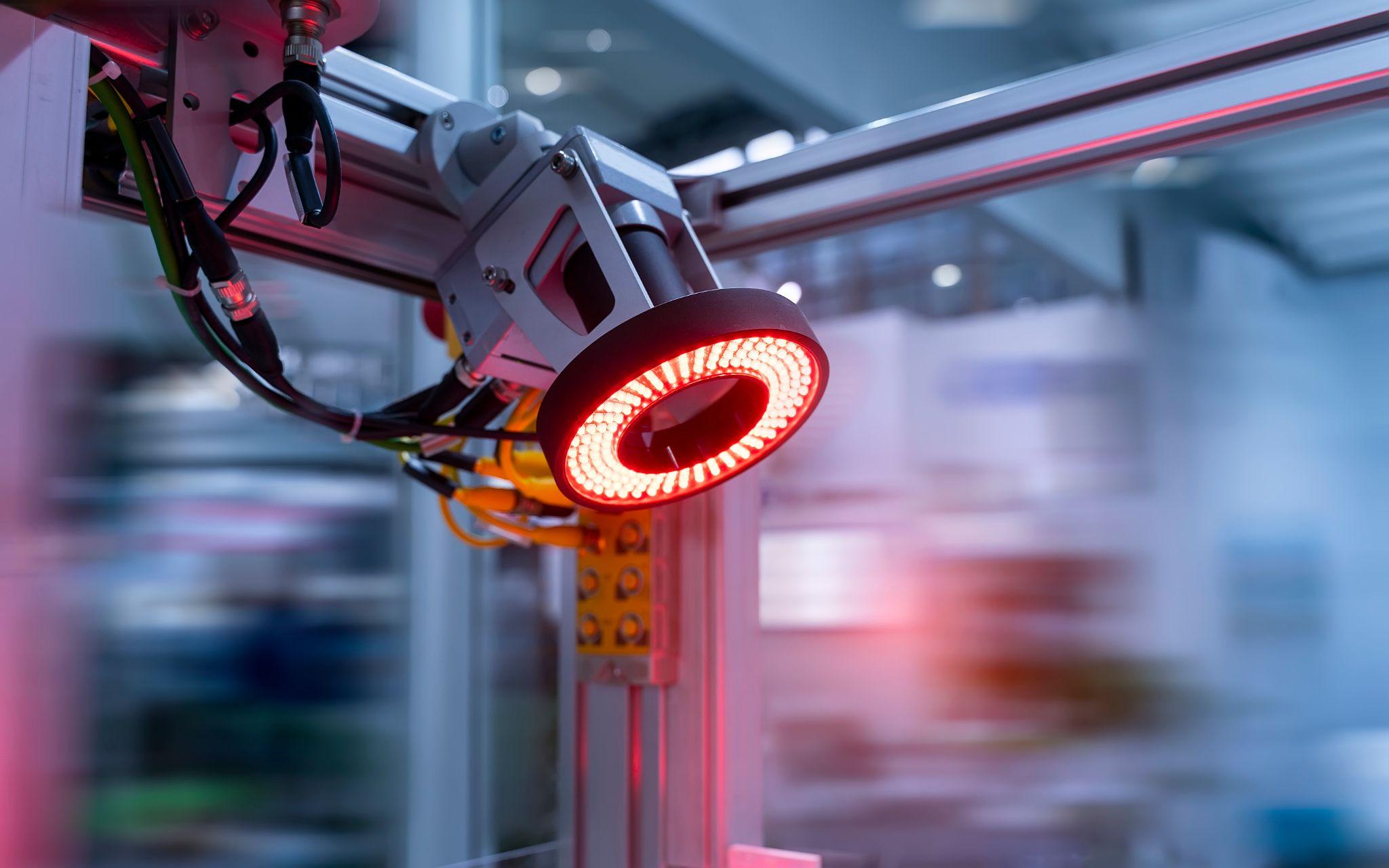
A sensor is a device that detects a target physical or chemical quantity and outputs that information as an electrical signal.
Often compared to the five human senses (sight, hearing, smell, taste, and touch), sensors detect changes in the surrounding environment and convert them into electrical signals.
For example, a camera’s image sensor functions like an “eye,” a microphone like an “ear,” and a gas detector like a “nose.”
Sensors can also detect subtle physical phenomena that humans cannot perceive—such as magnetic fields or radiation—effectively extending human capabilities.
The History of Sensors: From Thermometers to IoT

Looking back, early analog instruments such as thermometers and pressure gauges are often considered prototypes of sensors.
In the late 16th century, Galileo Galilei devised an instrument that indicated temperature changes using the thermal expansion of air, and in the 17th century, early thermometers that measured temperature with a glass tube and liquid were invented.
In the 19th century, advances in physics and materials science led to sensors based on electrical measurement methods.
For example, in 1860, Siemens developed an electrical resistance temperature sensor by leveraging the fact that the resistance of copper wire changes with temperature.
In the latter half of the 20th century, progress in semiconductor and integrated-circuit technologies drove rapid growth in compact, highly sensitive sensors.
Today, improvements in MEMS (Micro Electro Mechanical Systems) have enabled sensors to become far more sensitive and significantly smaller than before.
With the spread of IoT, the importance of sensors has grown dramatically.
As everything becomes network-connected, sensors are increasingly embedded at the endpoints—edge devices.
Sensors have become indispensable across society—from daily life to industry, healthcare, and science—integrated into countless systems and devices.
What Do Sensors Measure? Common Physical Quantities, Targets, and Use Cases
Sensors measure a wide range of physical and chemical quantities. Below are representative measurement targets and examples of corresponding sensors.
| Category | Measurement target | Main principles / elements | Main uses / examples | Sensor image |
|---|---|---|---|---|
| Temperature | Ambient temperature, object temperature | Thermocouple, RTD (Resistance Temperature Detector), thermistor, infrared thermometer | Digital clinical thermometer, HVAC thermostat, non-contact temperature measurement | 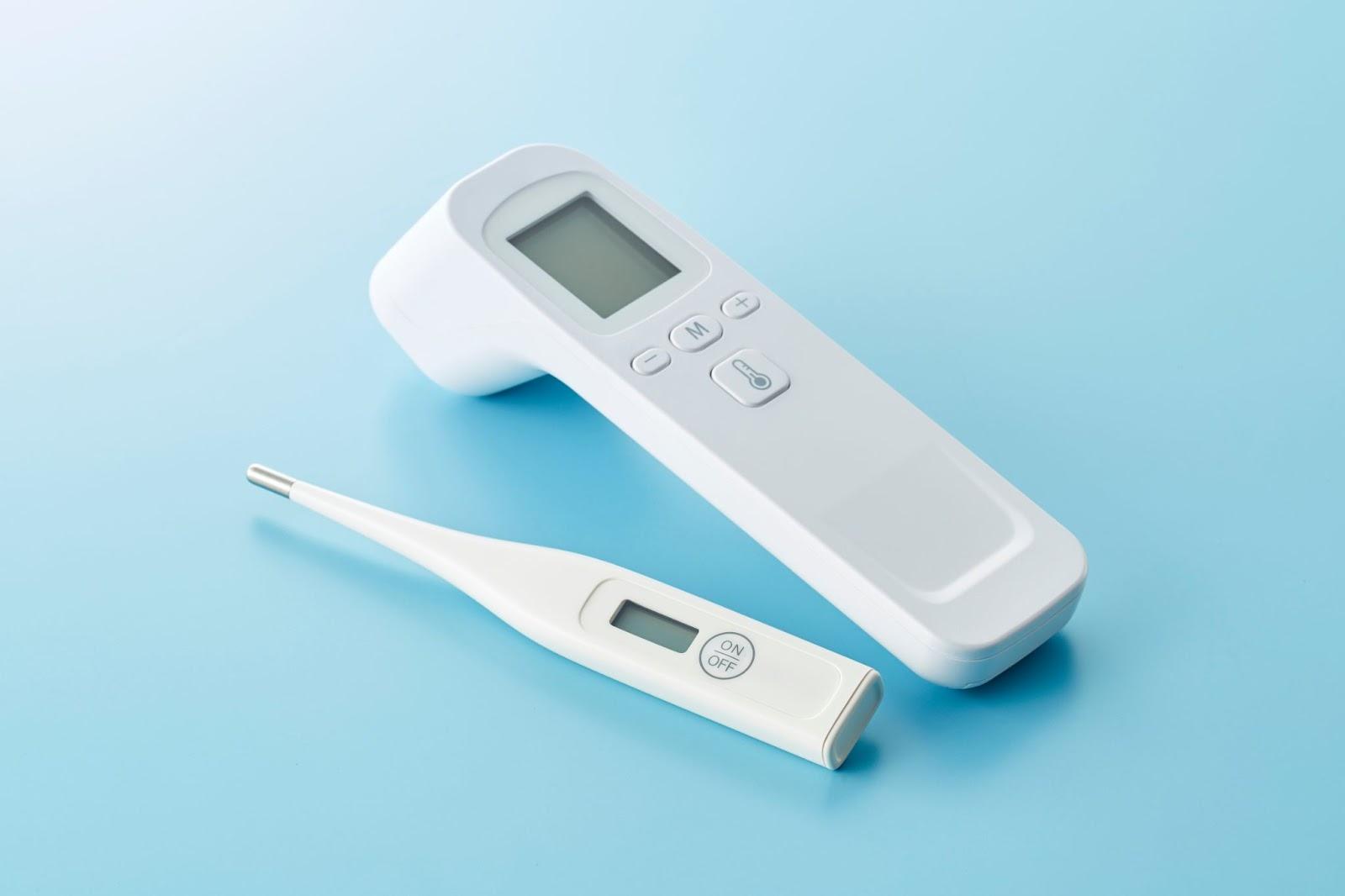 |
| Pressure / Force | Gas/liquid pressure, load, stress | Strain gauge, piezoelectric element (e.g., quartz) | Tire pressure monitoring sensors, blood pressure monitors, smartwatch altimeters, depth gauges | 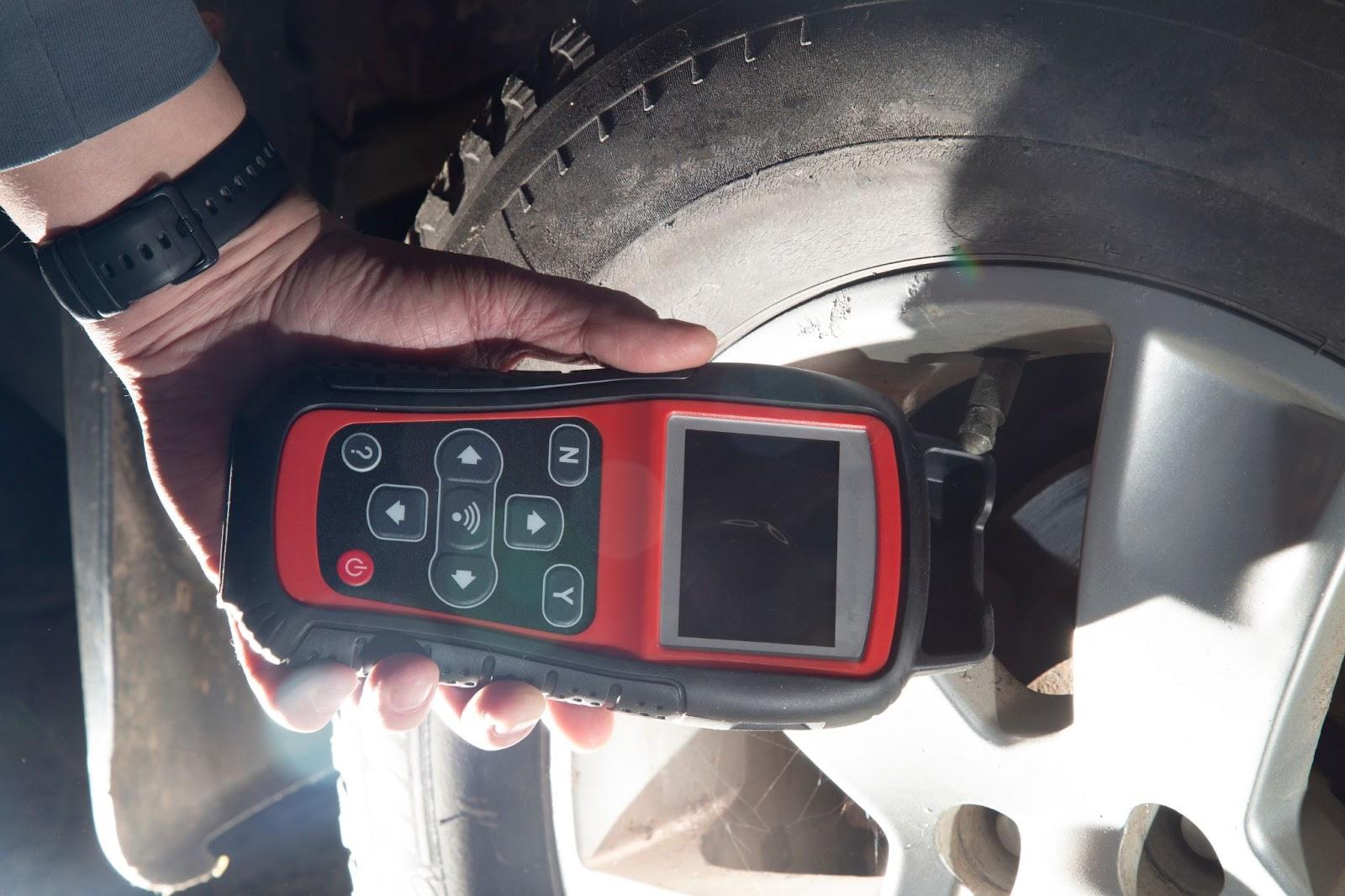 |
| Light (brightness / color) | Light intensity, light/dark, color | Photodiode, photoresistor (CdS cell), CMOS, CCD | Ambient light sensors (screen brightness control), image sensors (cameras), photo-interrupters (factory equipment) | 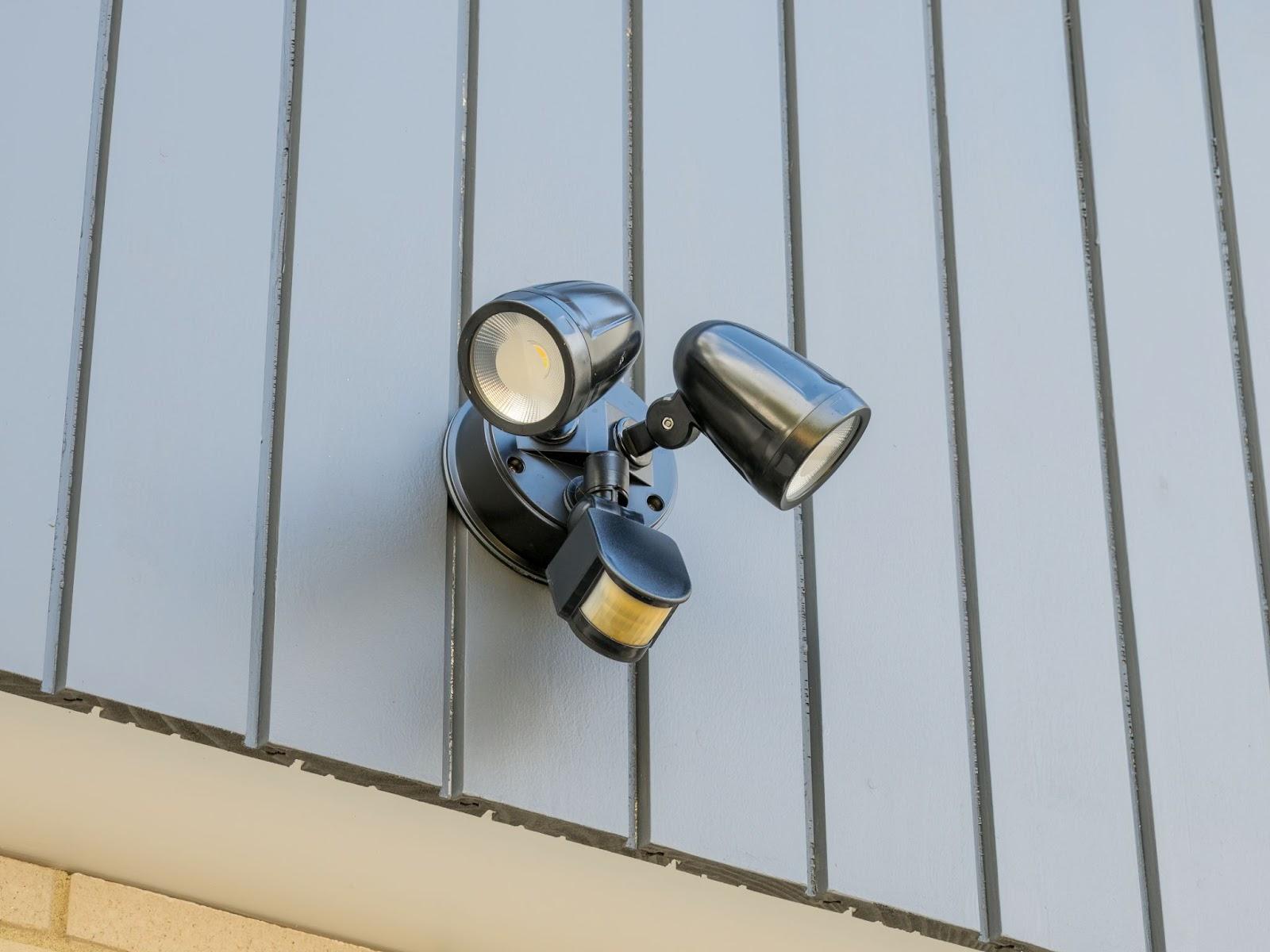 |
| Acceleration / Vibration | Acceleration, tilt, vibration | MEMS accelerometer, gyroscope | Motion detection in smartphones/game devices, airbag deployment, machine condition monitoring |  |
| Sound / Vibration (acoustics) | Sound waves, vibration in air or objects | Dynamic microphone, condenser microphone, MEMS microphone, ultrasonic sensor | Microphones (recording/voice capture), backup sonar, obstacle detection (robots) |  |
| Magnetic field / Current | Geomagnetism, magnetic field, electric current | Hall element, magnetoresistive element, clamp meter | Electronic compasses, motor speed detection, non-contact current measurement | 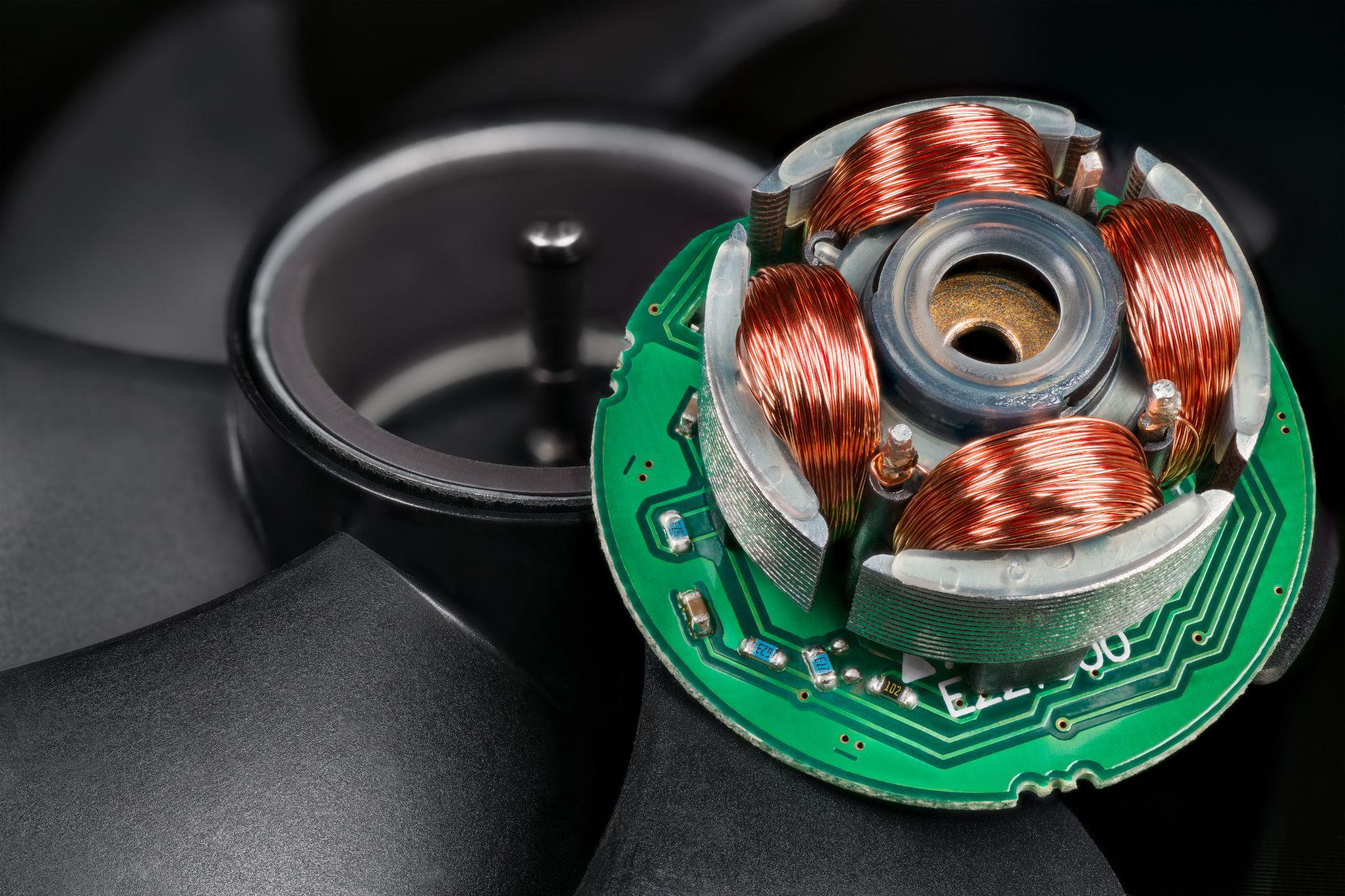 |
| Chemicals (gas / liquid) | Gas, humidity, liquid components (pH, glucose, etc.) | Semiconductor gas sensor, pH sensor, glucose sensor, humidity sensor (polymer film, salts) | Gas leak detectors, air/water quality monitoring, blood glucose measurement, HVAC and meteorological measurement | 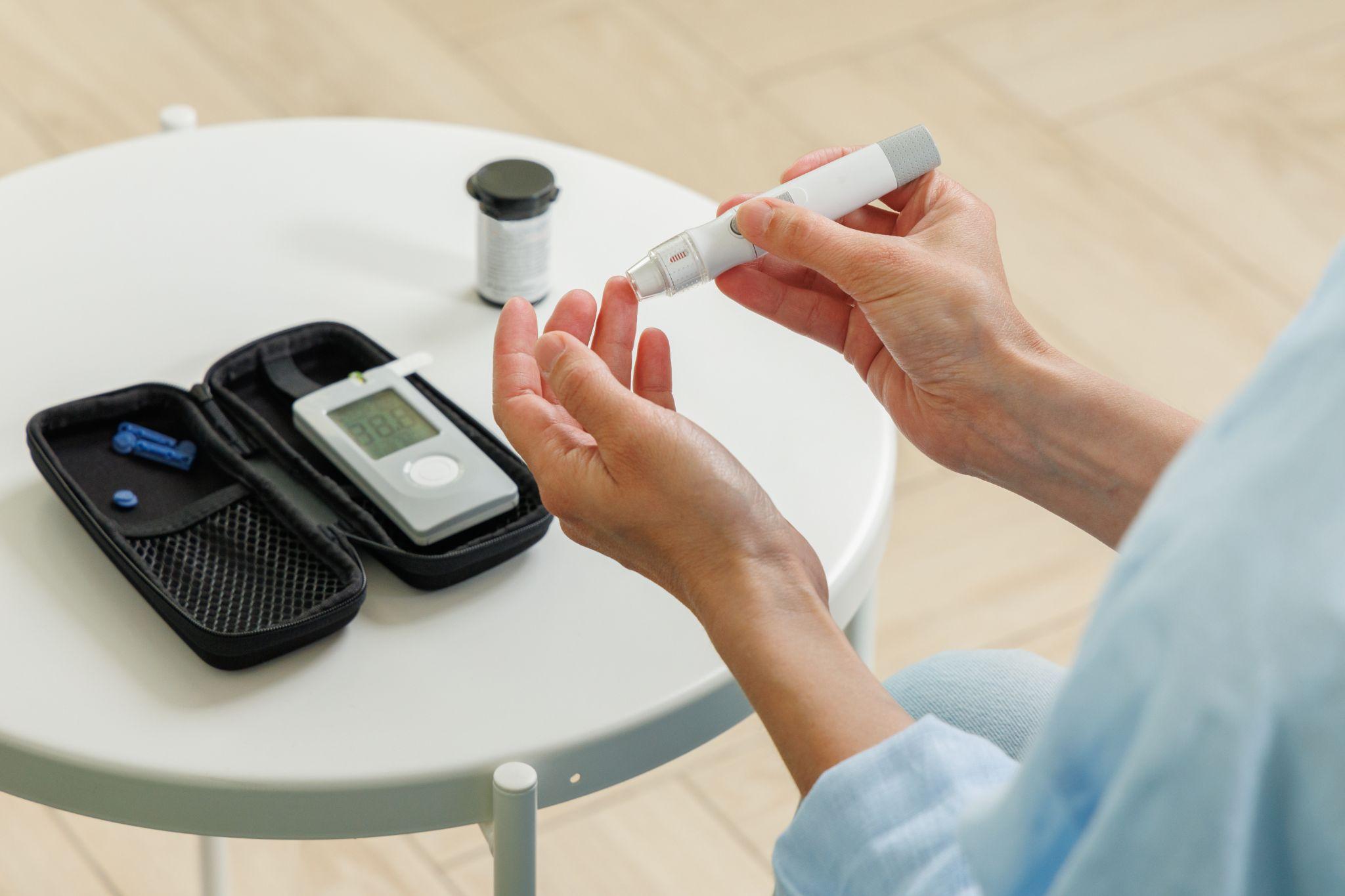 |
| Position | Object position, presence/absence of contact | Touch switch, tool setter, touch probe, microswitch, limit switch | Equipment/workpiece positioning, tool breakage detection | 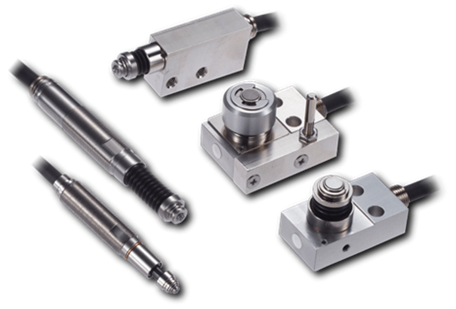 |
As shown above, sensors cover a broad range of physical quantities, each measured using dedicated principles and sensing elements.
In recent years, multi-sensor devices that combine multiple sensors, as well as IoT devices that integrate environmental sensors in a single package, have emerged—enabling simultaneous acquisition of diverse information.
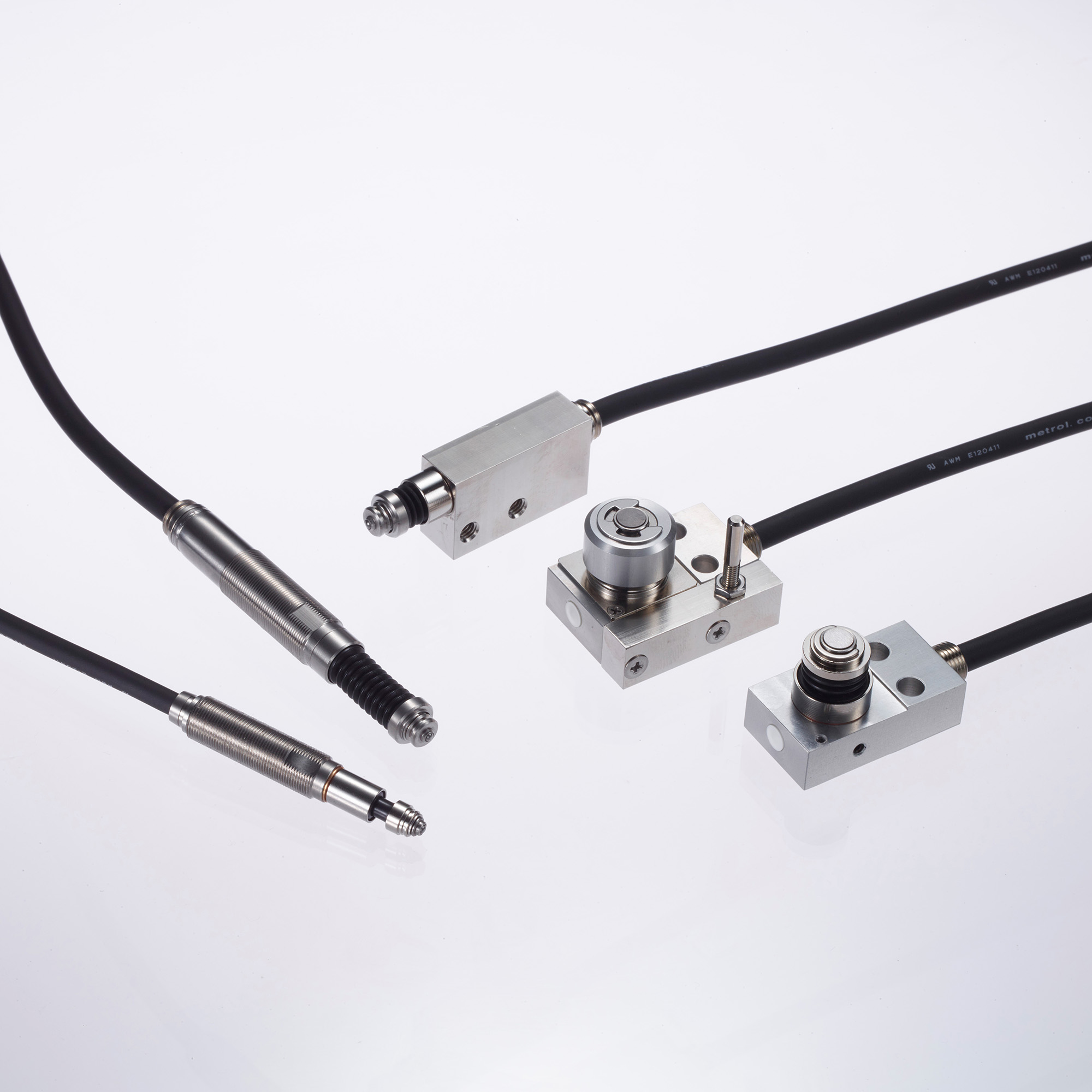
High Precision Positioning
- MT-Touch Switches -
0.5 μm repeatability without amplifier IP67, highly resistant to adverse environments
Click here ›How Do Sensors Work? A Thorough Guide to Major Detection Methods and Mechanisms
Sensors measure many kinds of physical quantities, and their foundations are rooted in principles of physics and chemistry.
Here, we introduce representative sensor operating principles and how they work.
Resistive Sensors: The Fundamentals of Temperature and Strain Sensing
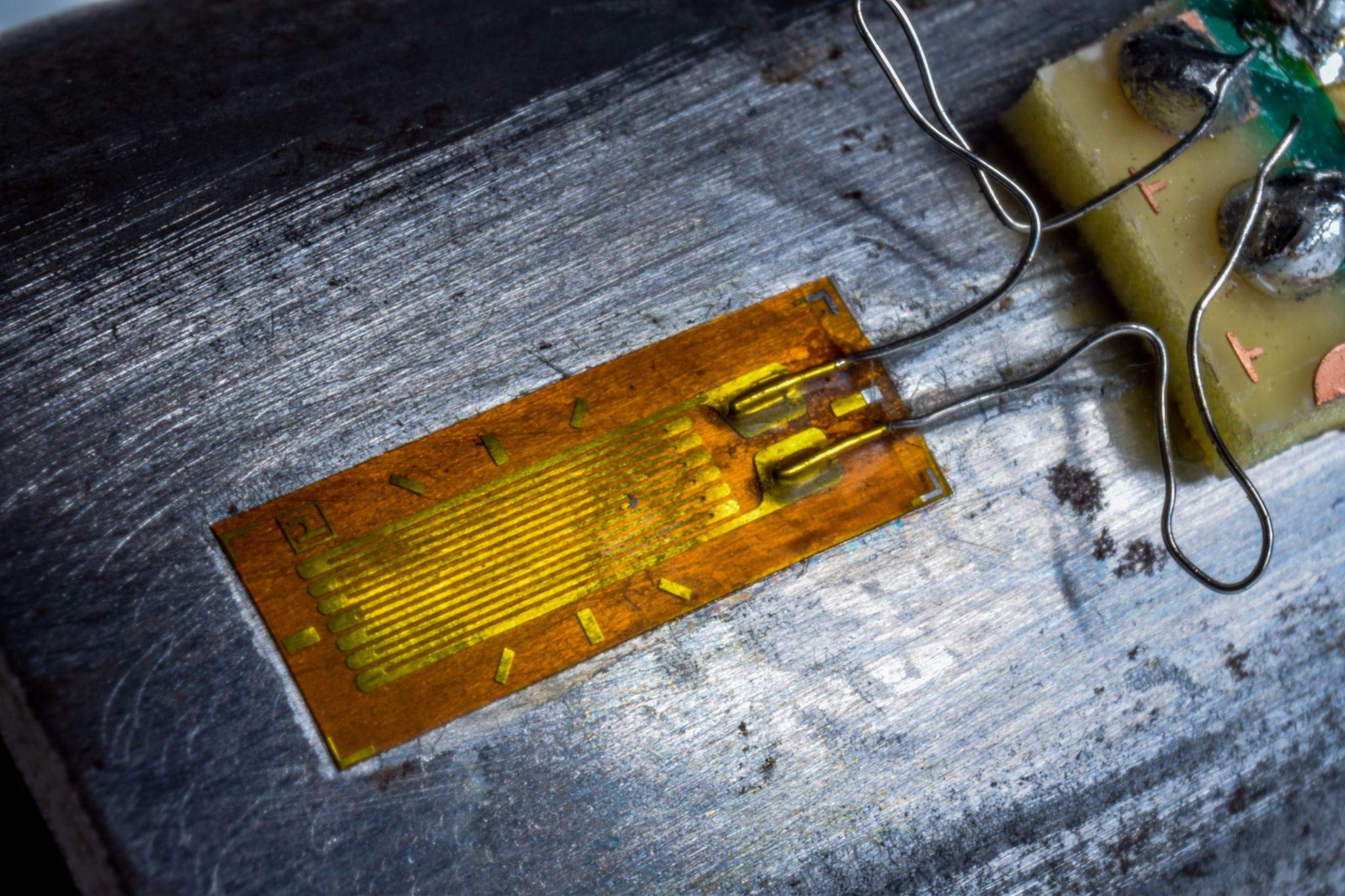
This type leverages the phenomenon where electrical resistance changes in response to an input physical quantity.
It is a fundamental mechanism used in many sensors. For instance, the resistance–temperature dependence of metal wires and semiconductors (the resistance temperature effect) is used in temperature sensors such as RTDs and thermistors.
Another key phenomenon is the piezoresistive effect, where resistance changes when a solid deforms under applied force—used in strain gauges and semiconductor pressure sensors.
In piezoresistive sensors, tiny resistance changes are converted into voltage via a bridge circuit and amplified to detect pressure or acceleration.
Photoresistors (such as CdS cells), whose resistance varies with light intensity, are also an example of resistive sensors.
Piezoelectric Sensors: How They Detect Force and Vibration

The piezoelectric effect is a phenomenon in which applying mechanical stress—such as pressure or vibration—to certain crystals separates charge within the crystal and generates a voltage.
Typical materials include quartz and lead zirconate titanate (PZT). Piezoelectric sensors made from these materials are widely used to measure force, acceleration, and vibration.
For example, some guitar pickups, record-player cartridges, and certain accelerometers and vibration sensors use piezoelectric elements.
Piezoelectric sensors respond quickly and do not require external power, but they are not well suited to detecting static displacement—making them less suitable for slowly changing quantities.
Hall-Effect Sensors: How They Detect Magnetic Fields and Typical Applications
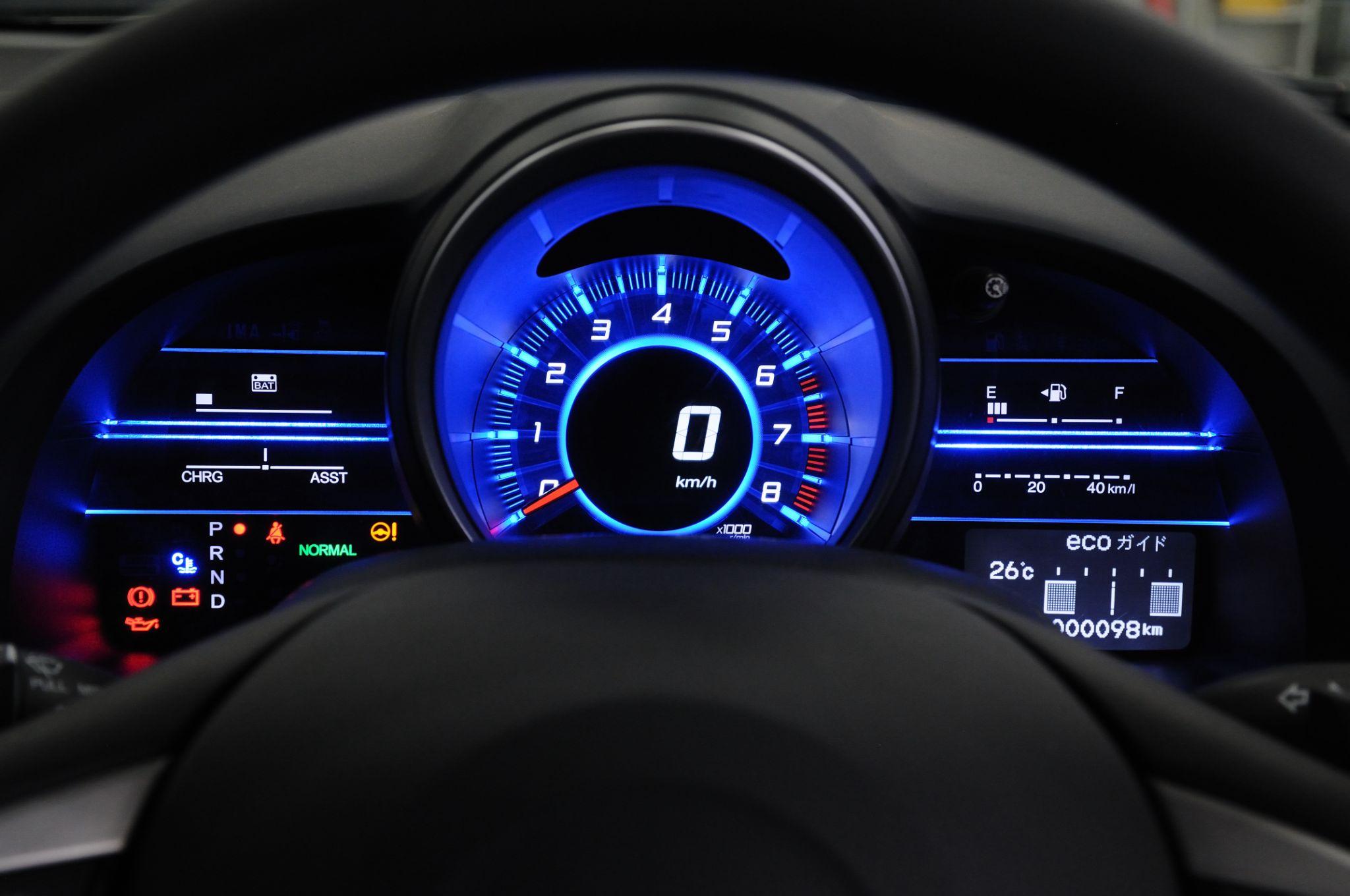
The Hall effect is a phenomenon in which a voltage difference appears perpendicular to both the current and the magnetic field when a current-carrying conductor or semiconductor is placed in a magnetic field.
In sensors using Hall elements, the magnetic field strength is detected by measuring the magnitude of the generated Hall voltage.
Because Hall-effect sensors detect magnetic fields produced by magnets or coil currents, they are used for position sensing (motor rotation detection, vehicle speed sensing, etc.) and proximity sensing.
Integrated Hall sensors (often called Hall ICs) may provide a digital switch output and are used for applications such as open/close detection in smartphones and door sensors in home appliances.
Photoelectric Sensors: How Light Generates Electrical Signals
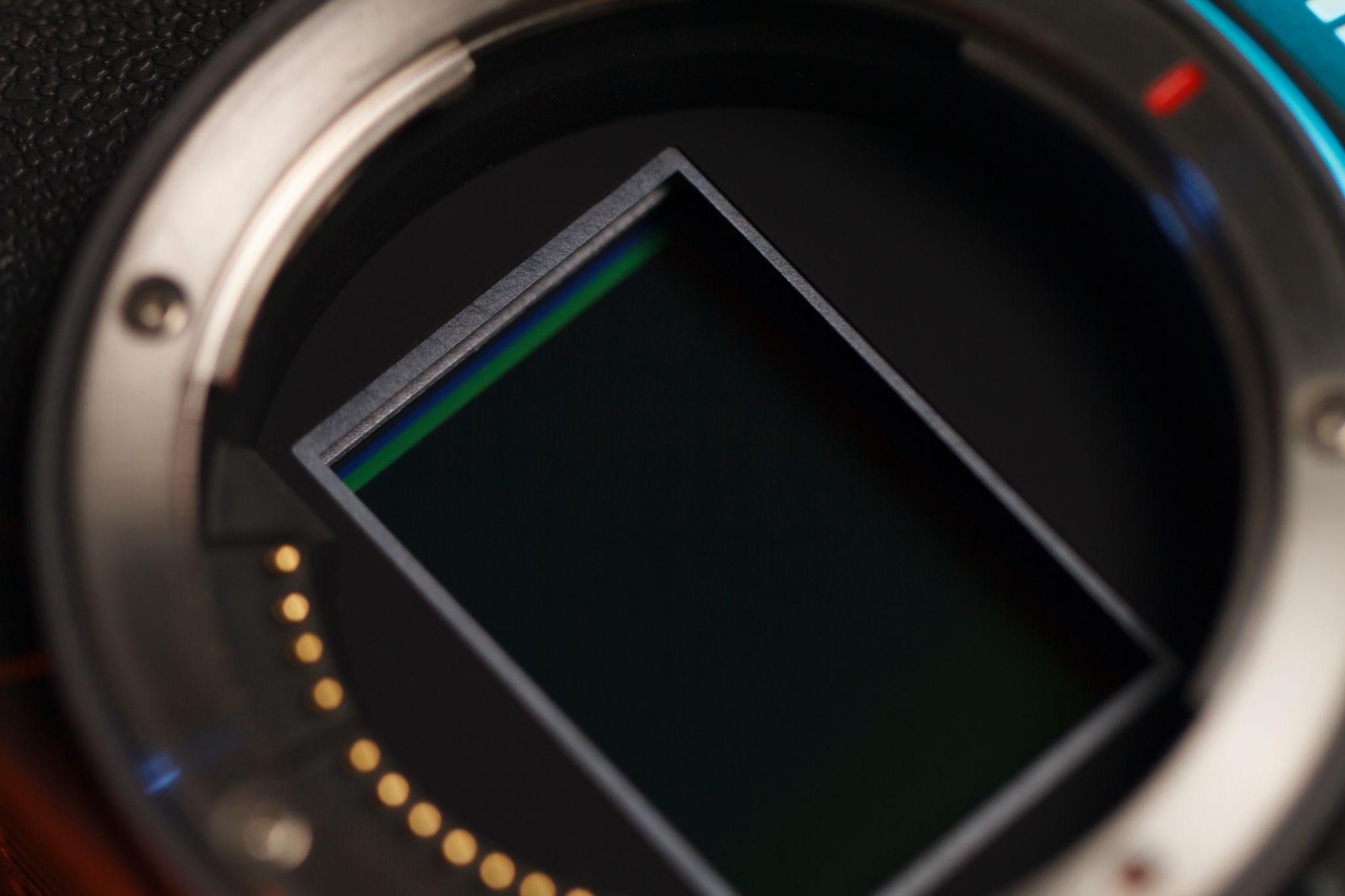
These sensors use phenomena where photons change the state of electrons in a material, producing an electrical output.
Representative examples include the photoelectric effect (electrons emitted from a metal when illuminated) and the photoconductive effect (a change in a semiconductor’s electrical conductivity under illumination).
The former is applied in solar cells and photomultiplier tubes, while in sensing applications the latter—the photoconductive effect—is more commonly used.
For example, photodiodes and phototransistors generate a current proportional to incident light, converting light intensity into an electrical signal.
This is how ambient light sensors, image sensors, and fiber-optic receivers operate.
Systems like factory photoelectric switches—where emitter and receiver are configured so the received light changes depending on an object’s presence—are also a type of photoelectric sensing.
Capacitive Sensors: The Basics Behind MEMS and Touch Technologies

These sensors operate by detecting changes in capacitance caused by variations in a physical quantity.
They leverage the fact that capacitance changes when capacitor geometry or properties—plate spacing, overlap area, or dielectric constant—change, and are used in proximity and touch sensors.
In touch panels, a finger contact produces a tiny capacitance change, which is used to detect the touch position.
In MEMS accelerometers, microscopic movable electrodes shift due to inertial forces, changing the gap to other electrodes; acceleration is calculated from the resulting capacitance change.
Capacitive sensors can detect various objects without contact, making them widely used in proximity switches (e.g., lights that turn on when you approach) and liquid level sensors.
Sensor technology continues to evolve through combinations of these fundamental principles, and advanced sensors using new materials and even quantum effects are also being researched.
High Precision Positioning
- MT-Touch Switches -
0.5 μm repeatability without amplifier IP67, highly resistant to adverse environments
Click here ›How Sensor Technology Works: Structure, Materials, and Signal Processing—Basics to Applications
Sensors are indispensable in virtually every modern electronic device and system.
Sensing technologies are used in a wide range of applications, from smartphones and autonomous vehicles to industrial machinery and medical devices.
This section explains sensor technology in detail—from basic architecture to signal processing and material technologies, and on to increasingly advanced smart sensors.
What Are Sensors Made Of? Basic Architecture and What Each Part Does
A sensor generally consists of a sensing element (detector) and signal processing circuitry.
The sensing element is the part that directly captures the physical phenomenon.
Materials are selected to exploit specific physical effects—for example, resistance changes with heat or charge generation under pressure.
More sensors today come as integrated smart sensors or sensor modules that combine these elements. Typically, the sensing element converts a physical quantity into an electrical signal, which then passes through analog signal conditioning (amplification, filtering, etc.) and digital processing such as an ADC (analog-to-digital converter), and is finally output in a format that external systems can readily use.
Amplification and Noise Mitigation: The Basics in Sensor Systems
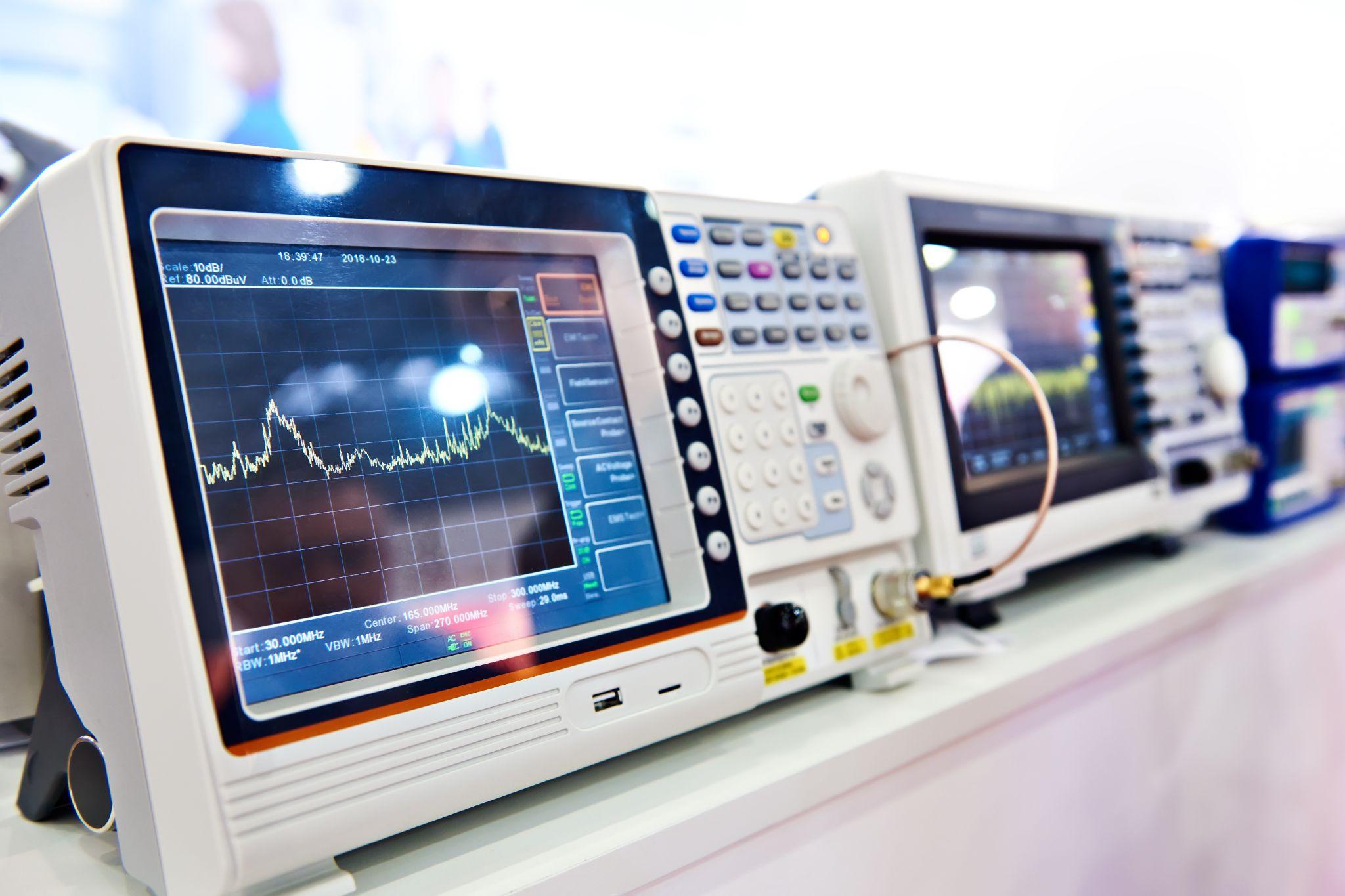
Sensor signals are often extremely small, which makes them susceptible to surrounding noise.
Therefore, a front-end amplifier boosts the signal level, and filter circuits remove noise components as needed.
Compensation functions are also essential to address characteristic drift caused by temperature changes and aging.
For example, in strain-gauge pressure sensors, four gauges form a bridge circuit to generate a tiny differential voltage on the order of millivolts; this is amplified by a high-precision amplifier and then converted via A/D conversion for digital reading.
When signal conditioning and compensation are integrated as a complete package, it may also be referred to as a “sensor unit” or a “transducer.”
Sensor Output Methods: Signal Conversion Technologies Explained
After amplification and filtering, signals are typically converted via analog-to-digital conversion (ADC) so computers and controllers can process them.
Digital sensors that complete both conversion and output internally
In the past, it was common for the measurement instrument (separate from the sensor) to include the ADC. In recent years, however, more digital sensors include a microcontroller and/or ADC internally and provide direct digital output.
For instance, some ambient light sensors digitize the photodiode current using a 16-bit ADC inside the sensor IC and output the value via an I²C interface.
Characteristics of analog vs. digital output formats
Digital-output sensors can connect directly to microcontroller-based equipment and offer strong noise immunity and ease of use.
Analog-output sensors, on the other hand, are still widely used in industrial measurement due to advantages such as real-time response and flexibility in resolution and system design.
Materials and Design Techniques That Determine Sensor Performance
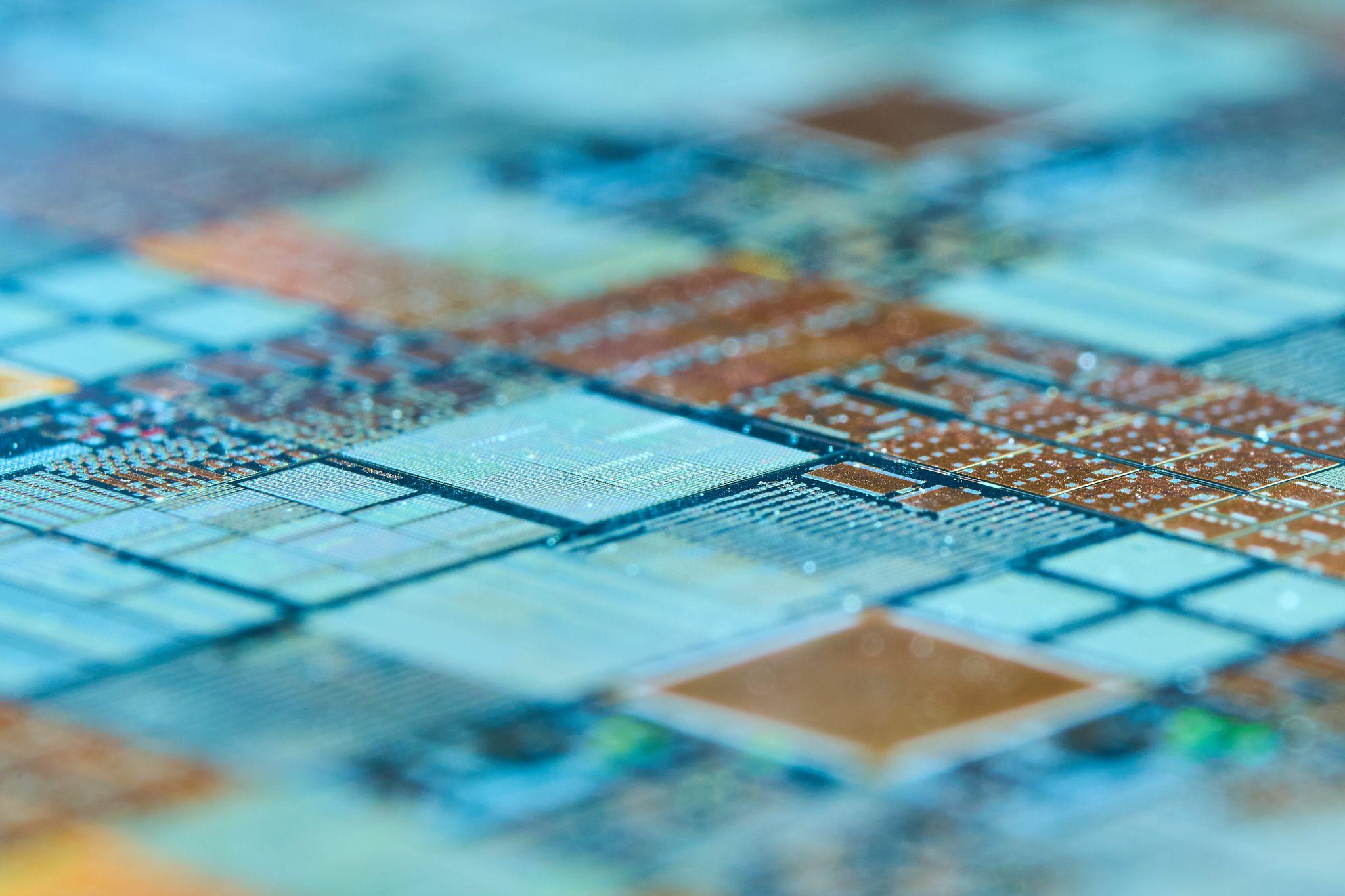
Basic knowledge of common materials used in sensors
Material selection and structural design are critical technical factors that determine sensor performance.
Semiconductor materials such as silicon and GaAs are used in many sensors (accelerometers, gyroscopes, magnetic sensors, temperature ICs, etc.), and MEMS technology enables mechanical structures to be formed directly on the chip.
Piezoelectric sensors use materials such as piezoelectric ceramics and single-crystal quartz; gas sensors use metal oxides such as tin oxide and iron oxide; and optical sensors use silicon or compound semiconductors suitable for high-sensitivity photodiodes.
The need for structural optimization that affects sensor performance
A sensor’s performance and suitable applications are determined by material properties such as temperature characteristics, response speed, and durability.
On the structural side, designs may adopt bridge circuits or resonant structures to improve sensitivity, and shielding or differential configurations to improve noise immunity.
Functions that preprocess and evaluate acquired data locally have also become important elements.
The Evolution of Smart Sensors
The latest smart sensors may include a compact processor, enabling filtering, self-diagnostics, and even communication functions within the sensor itself.
In this way, sensors are no longer just components; they are designed and optimized as integrated systems combining materials, electronics, and software—and continued advancement is expected.
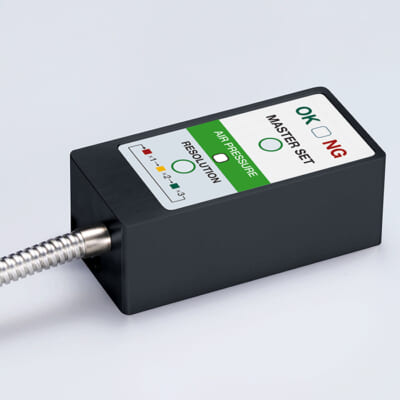
High-precision seating confirmation of workpiece and jig
- Air Gap Sensor -
You can check not only "presence/absence" but also "adhesion (gap)" at the same time with a repeatability of ±0.5 μm.
Click here ›Why Sensors Matter: Insights from Shop-Floor Experience
In machining operations, sensors are used not only in machine tools and measuring equipment, but also throughout processes from packaging to shipment.
Sensors are a critical element for maintaining safe and stable shop-floor operations.
Below, we explain the roles and importance of key sensors used in machine tools.
Sensors Used in Machine Tools
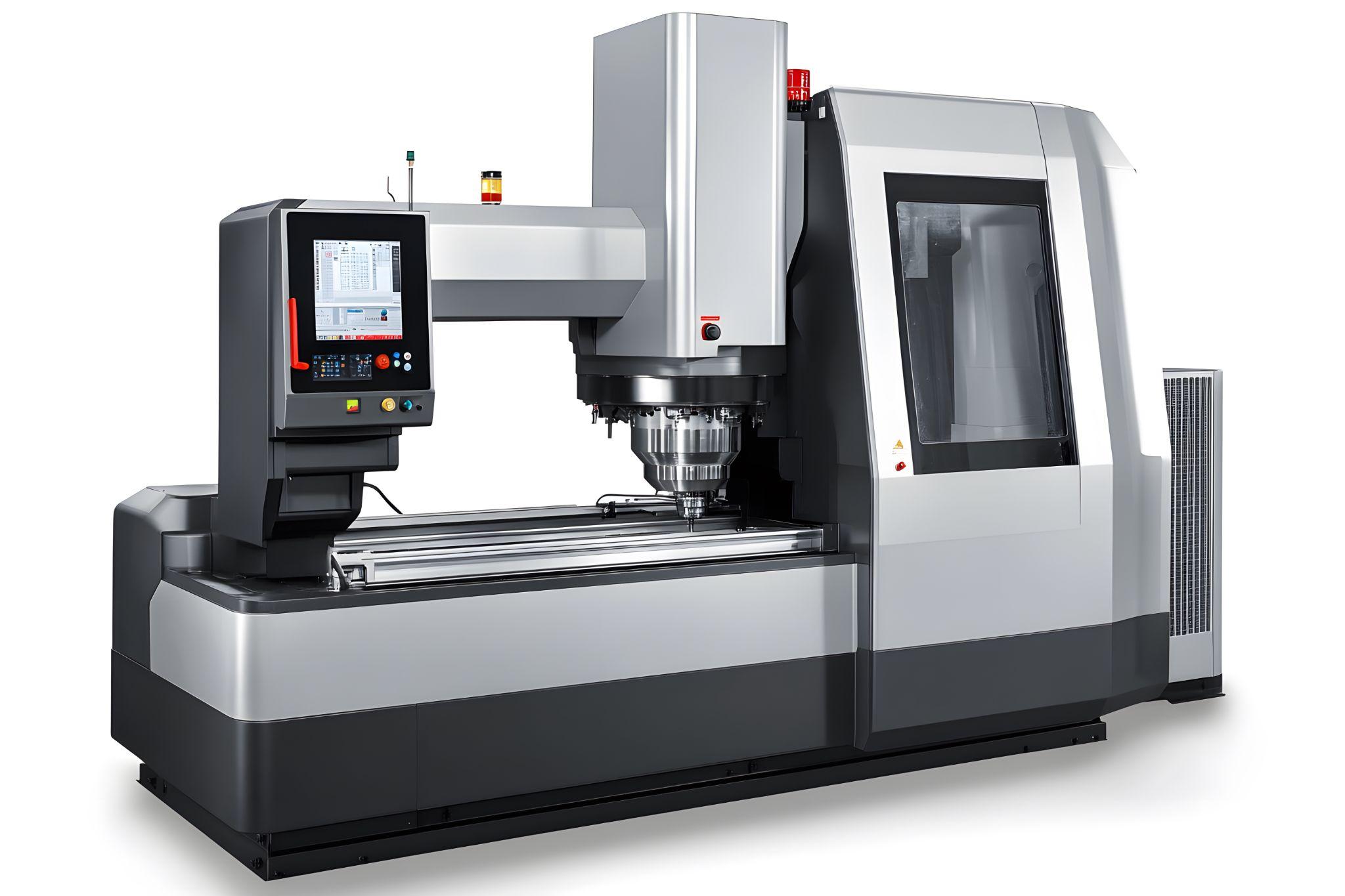
Modern machining environments—where CNC lathes and machining centers are mainstream—use a large number of sensors.
Whether detecting remaining lubrication oil on sliding surfaces, protecting against abnormal overheating, stopping malfunctions, or preventing interference between tools and internal components, sensors are essential parts for safely maintaining stable, high-precision machining.
For that reason, “working with sensors disabled” is dangerous—it not only degrades quality, but can also lead to serious personal injury.
There may be cases where safety devices are intentionally bypassed for setup, but you should take every precaution to avoid entering the machine’s operating area as much as possible.
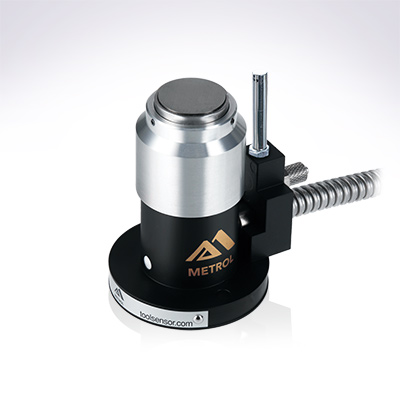
Automates originating of cutting tools
- Tool Setter -
Tool length and chips are monitored to prevent machining defects due to wear and thermal displacement
Click here ›Sensors Used in Loading Stations
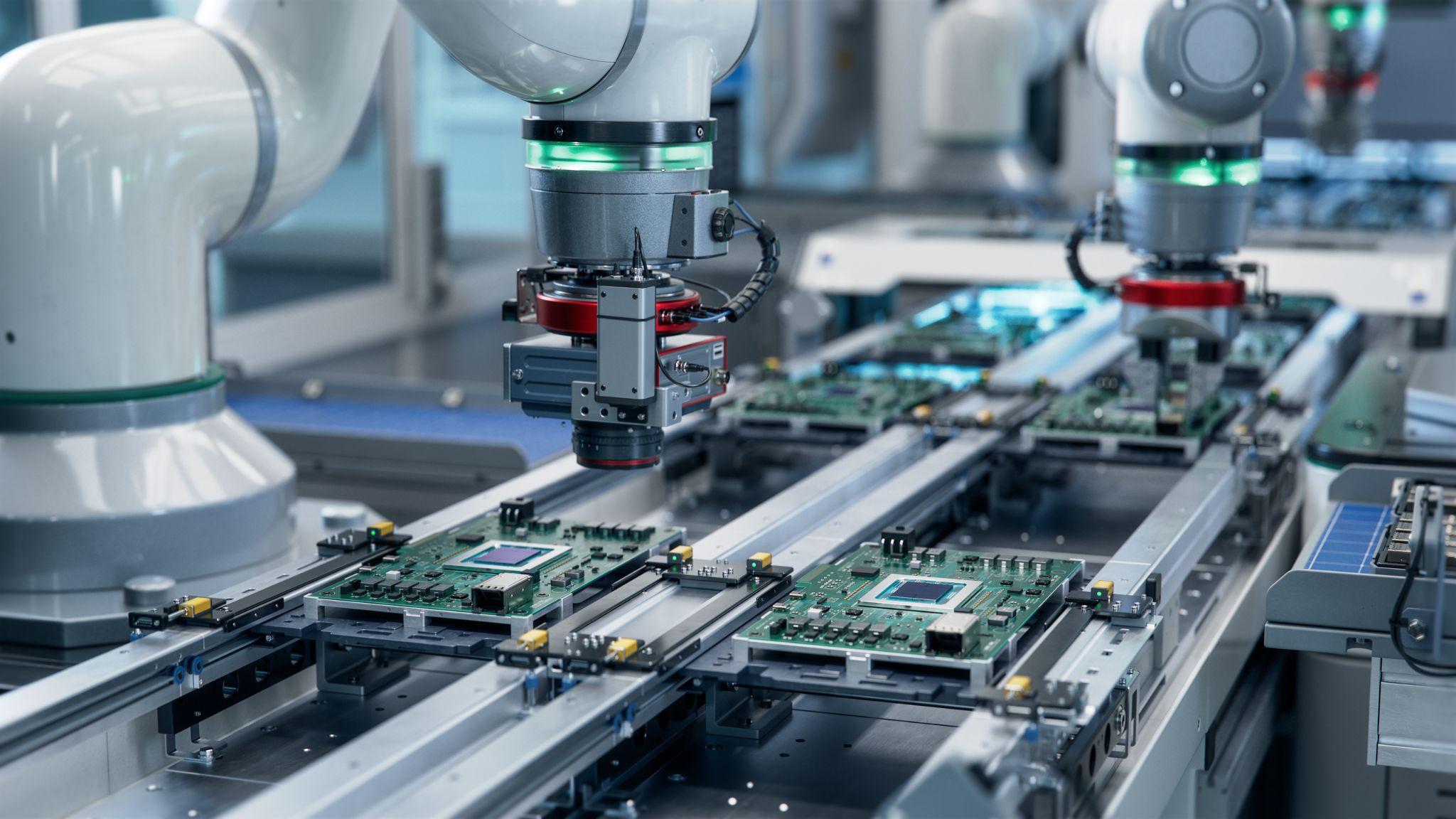
Loading stations (areas or devices used to exchange pallets, often automatically) also use sensors such as proximity sensors to detect pallet presence and orientation (correct position or angle), and photoelectric sensors to detect operator presence, among others.
All of these are “must-not-disable” sensors intended to protect operators and ensure normal machine operation; from a safety standpoint, shop-floor workers must not disable them at their own discretion.
If disabling a sensor is required for repair or maintenance, proceed carefully while following instructions from qualified service personnel or experienced operators.
Loading stations are constantly exposed to chips and cutting fluid, which increases the risk of malfunctions caused by false detections—so keep them as clean as possible.
Keeping the area clean makes it easier to notice unusual changes and detect potential problems early. This can reduce the cost and effort of calling external service personnel, while also improving productivity and lowering overall costs.
Sensors Used in Inspection Rooms
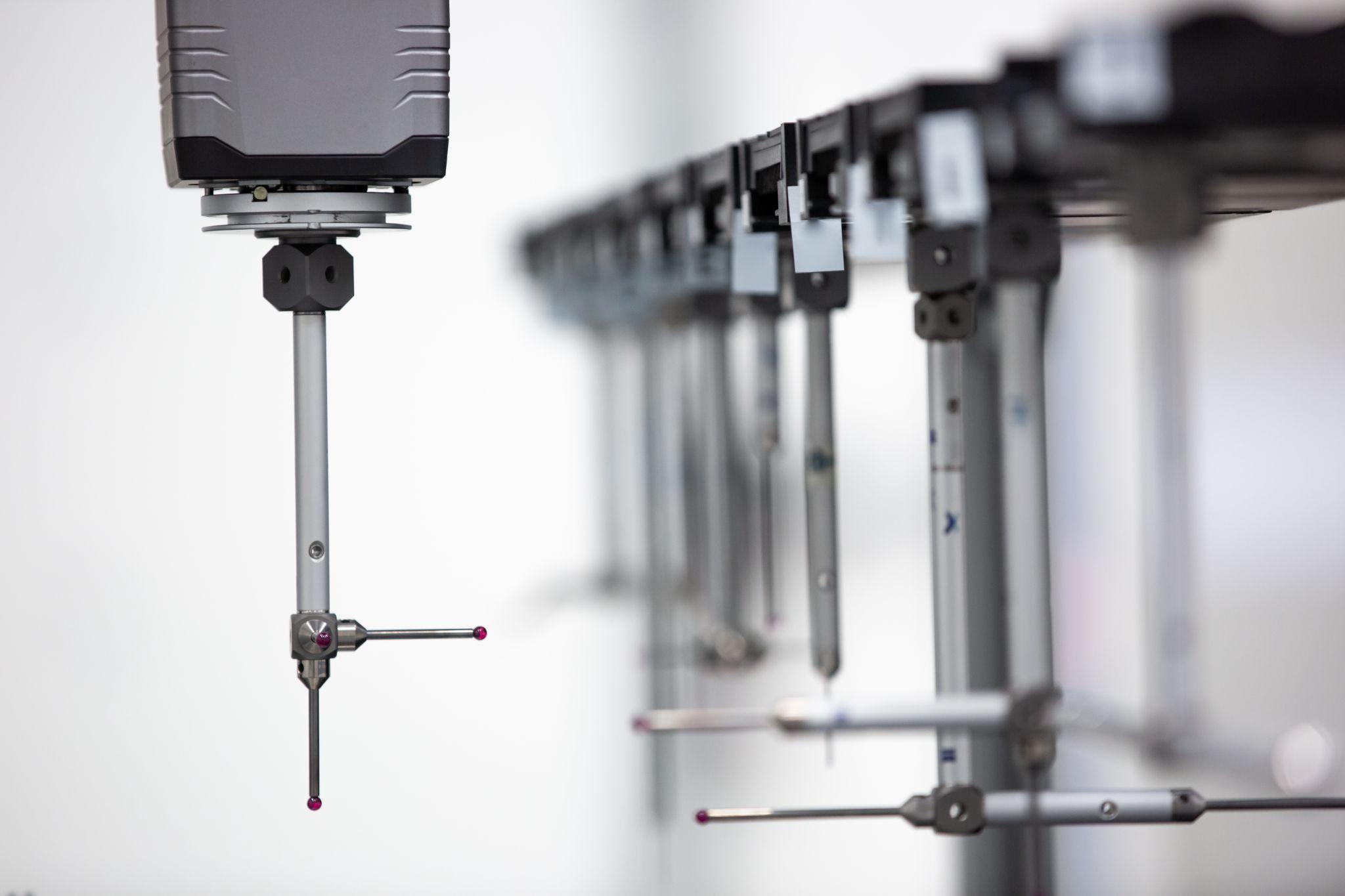
Sensors used in machining factories are not limited to machine tools.
A variety of sensors are also used in inspection rooms to protect product quality and accuracy and prevent defective products from escaping into the market.
In coordinate measuring machines (CMMs)—often the centerpiece of an inspection room—the probe that directly contacts the product acts as the sensor, and its accuracy directly impacts quality assurance.
In addition, CMMs incorporate collision detection sensors that can detect a potential crash and trigger an emergency stop, even in accidents caused by operator error.
This helps prevent damage to the probe and the product.
Temperature sensors play a behind-the-scenes role in keeping the inspection room temperature stable.
This is especially important for materials with a high coefficient of linear thermal expansion—such as plastics—because their dimensions change significantly with temperature, making a controlled room temperature essential.
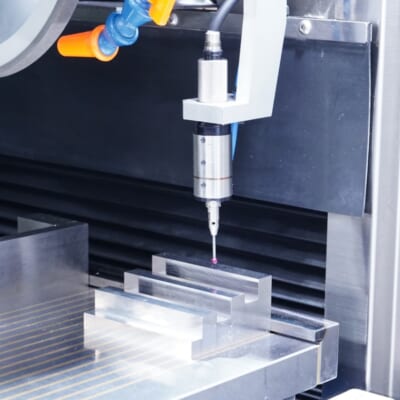
Automated workpiece centering and positioning
- Touch probe -
A contact/touch sensor for on-machine measurement that improves the efficiency of setup work
Click here ›Sensors Used in Product Packaging

A wide variety of sensors are used in packaging equipment, increasing the safety and reliability of products being shipped.
They may count products conveyed on a belt conveyor, or detect packaging stability and abnormalities using vibration and pressure sensors.
Sensors using electromagnetic waves, X-rays, or infrared are effective at foreign object detection, helping prevent contaminated products from being shipped—whether the contaminants are screws or machine parts that fell from equipment, or materials such as stones or glass.
More recently, AI-based image analysis has made it possible to address labor shortages and reduce inspection costs while maintaining consistent quality.
What Are Metrol’s High-Precision Positioning Sensors?
In today’s manufacturing, sensors play an extremely important role.
Even in machining, production cannot function without sensors for tasks such as workpiece positioning and tool breakage detection. Whether you can align the cutting edge and the workpiece exactly as intended—down to microns—has a major impact on quality and yield.
Here, we introduce Metrol’s sensor products—built by a specialist manufacturer that supports high-precision positioning.
High-Precision Positioning Touch Switches
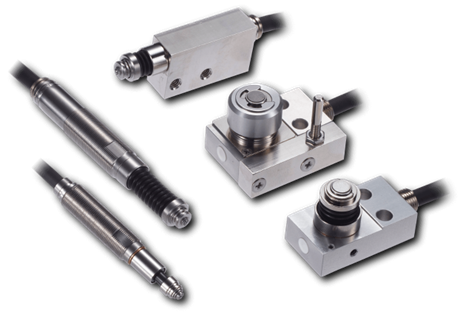
These are contact-type high-precision switches used for positioning and workpiece presence detection in machine tools, robots, and jigs. They achieve an extremely high repeatability of up to 0.5 µm and feature IP67-rated waterproof and dustproof protection, ensuring stable operation even in harsh environments. With more than 200 standard models available, they offer a wide range of variations, including designs for confined spaces, high-temperature environments, vacuum applications, and low contact force requirements.
Tool Setter (Tool Length Measurement Sensor)
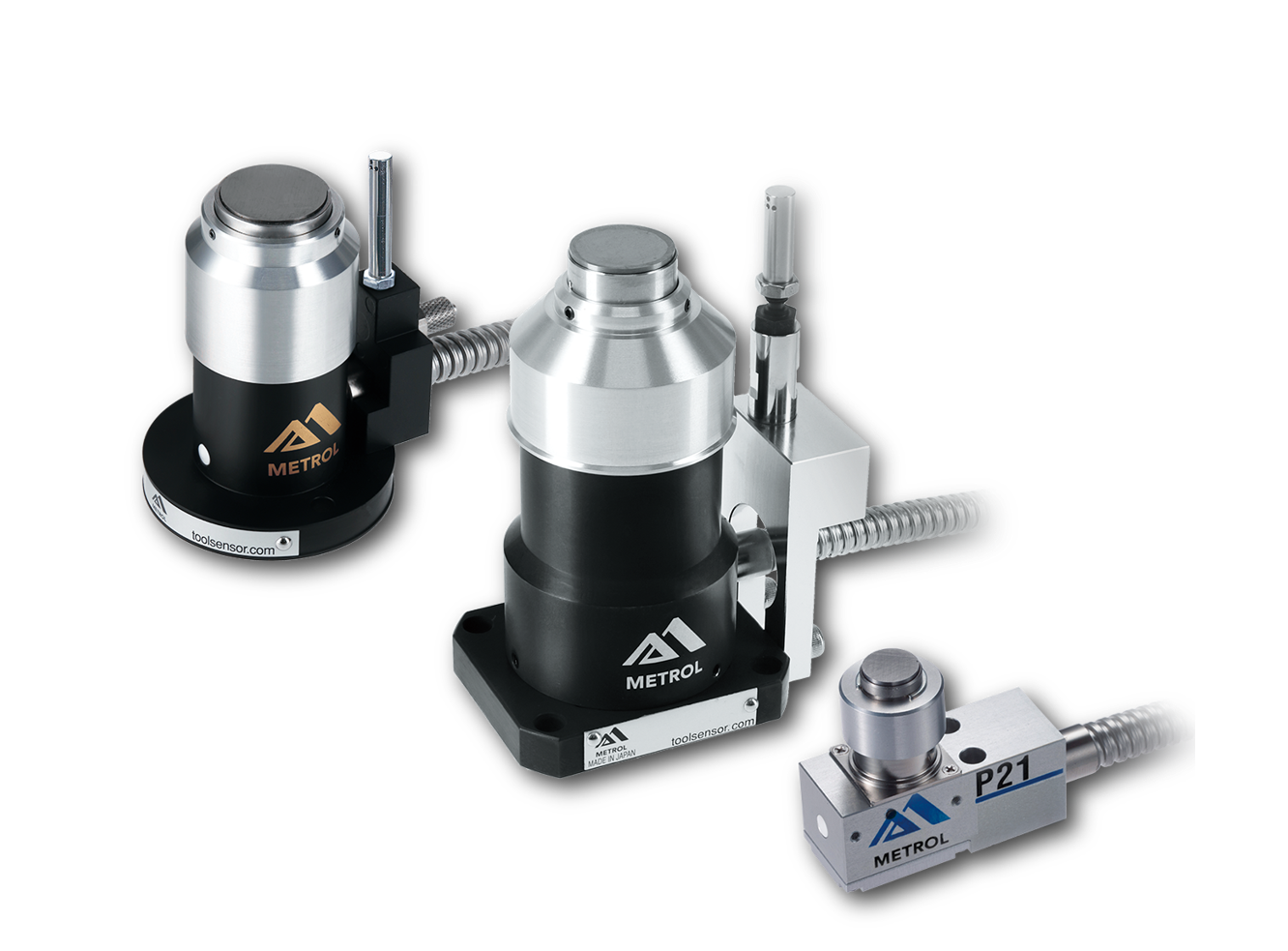
This is a contact-type sensor installed on CNC machine tools and industrial robots for tool length measurement, reference position setting, and tool breakage detection. By automatically measuring and compensating for tool length, wear, and thermal displacement inside the machine, it helps prevent machining defects and significantly reduces setup time. It is one of Metrol’s best-selling products, with a proven track record of more than 500,000 units shipped in 74 countries worldwide.
Touch Probe (On-Machine Measurement Probe)
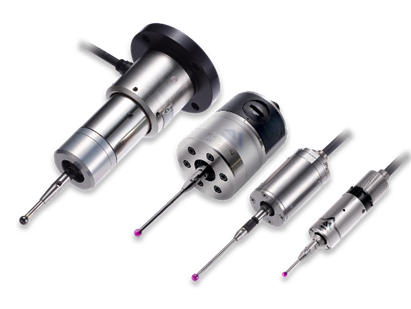
This is a contact-type probe for in-machine measurement, installed on machine tools and robots to automatically perform workpiece positioning (centering) before machining and dimensional measurement after machining. With a repeatability of 1 µm, it automates workpiece referencing and dimensional inspection, replacing skilled manual operations to reduce setup time and help prevent machining defects. Both wired and wireless models are available, meeting retrofit needs for 5-axis machining centers and robotic applications.
Air Gap Sensor (Pneumatic Sensor)
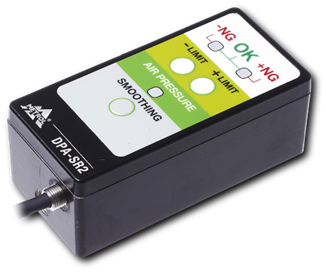
This is a non-contact sensor that uses air pressure to detect workpiece seating conditions with micron-level accuracy. It can detect gaps (“lift”) of less than 10 µm—previously difficult to measure—with a repeatability of ±0.5 µm, helping prevent machining defects and equipment downtime caused by insufficient contact between the workpiece and fixture. The sensor is used in applications such as semiconductor manufacturing processes, precision part clamping operations, and grinding wheel positioning on grinding machines, and it is a smart sensor that also supports the international standard IO-Link communication.
