
What Is Retrofitting? Benefits, Challenges, and Service Providers
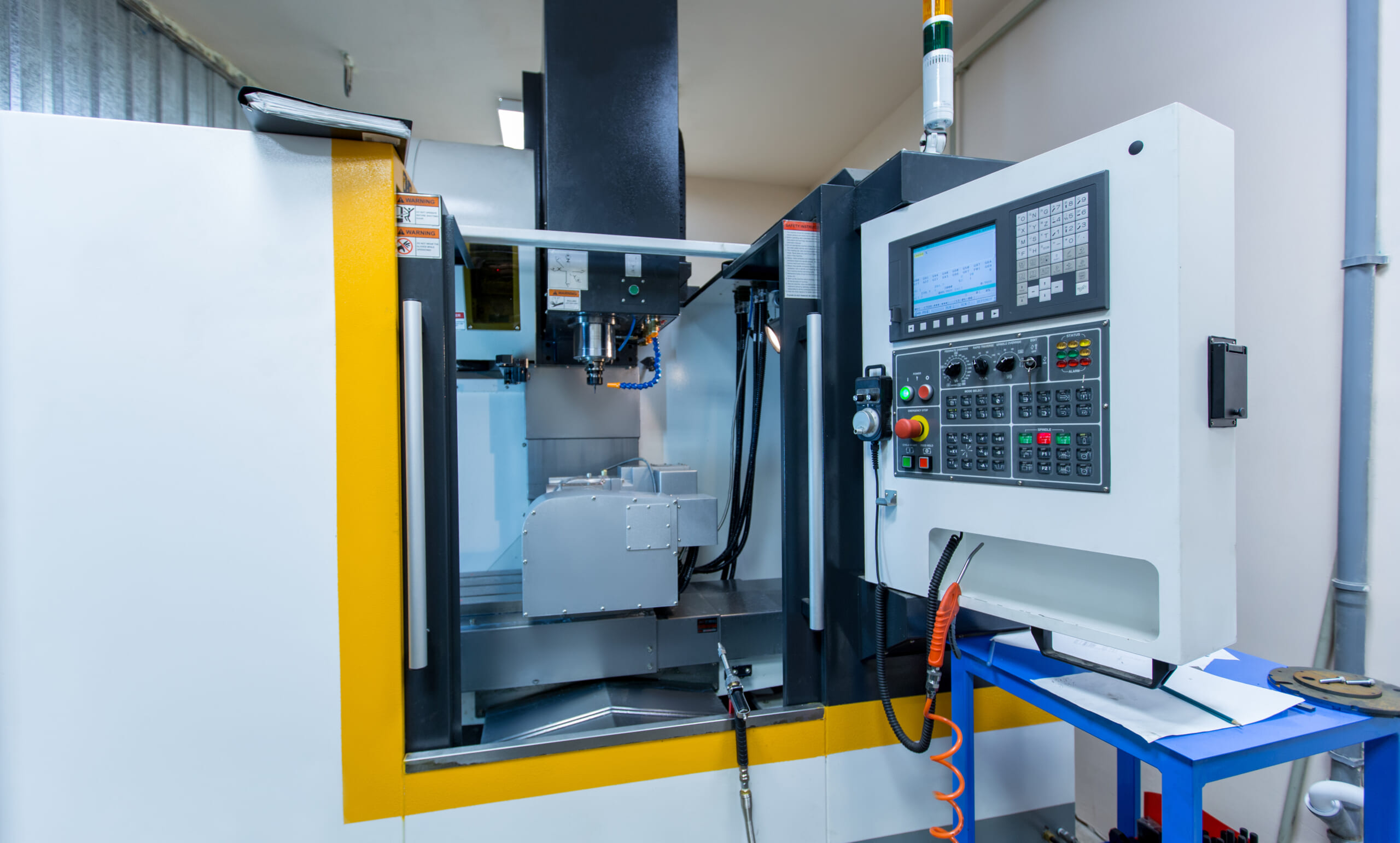
This article introduces an example of retrofit work in which a new CNC control cabinet is integrated into an older large-scale machine tool.
In recent years, “retrofitting”—revitalizing existing older machine tools with the latest technologies—has been drawing growing attention across the manufacturing industry.
Through retrofitting, it becomes possible to add or replace controllers, motors, and sensors on equipment such as older machining centers and lathes, improving performance and expanding functionality.
This article explains the definition and purpose of machine-tool retrofitting, specific modification work, benefits and challenges, market trends, implementation examples, and comparisons with purchasing new equipment.
Table of Contents
What Is Retrofitting? A Clear Explanation of Its Meaning, Purpose, and Key Technologies
Retrofitting is a modification approach that improves performance by integrating the latest technology components into an existing machine tool, rather than replacing it with a new one.
By keeping the machine’s appearance and main structure intact while replacing control and drive-system components with modern ones and adding new functions, the machine’s capabilities can be enhanced.
Depending on the machine tool builder, retrofit offerings vary widely—for example, customizing upgrades to meet user requirements, providing tailored upgrade services for older machines, or delivering efficiency improvements and added functions at relatively low cost.
Typical technical modifications in a retrofit include replacing the CNC controller with a newer model; renewing servo motors, spindle motors, and their drive amplifiers; and updating wiring cables, I/O units, and operator panels.
In some cases, sensors and automation units are also added, making it possible to improve monitoring capability and operability.
For example, integrating safety interlocks and automated control into older manually operated machines can improve safety and reduce required manpower.
In this way, the purpose of retrofitting is to modernize primarily the electronic control systems so that older machines gain new functions and performance aligned with today’s manufacturing needs.
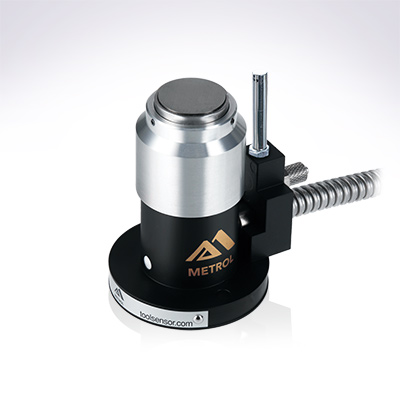
Automates originating of cutting tools
- Tool Setter -
Tool length and chips are monitored to prevent machining defects due to wear and thermal displacement
Click here ›What Are the Benefits of Retrofitting
Retrofitting offers various benefits such as cost reduction and higher productivity. The details are explained below.
Cost-Reduction Effects of Retrofitting: A Concrete Look at ROI
The biggest advantage of retrofitting is that it can significantly reduce costs compared with purchasing a new machine tool.
By installing a high-efficiency modern controller on an older CNC machine, long-term cost savings can be achieved while also improving productivity.
In particular, the larger the target machine tool, the higher the ROI tends to be, because equipment price, installation, and tooling/fixture preparation costs can be reduced compared with buying new.
How Does Productivity Change? Reduced Failures and Improved Reliability
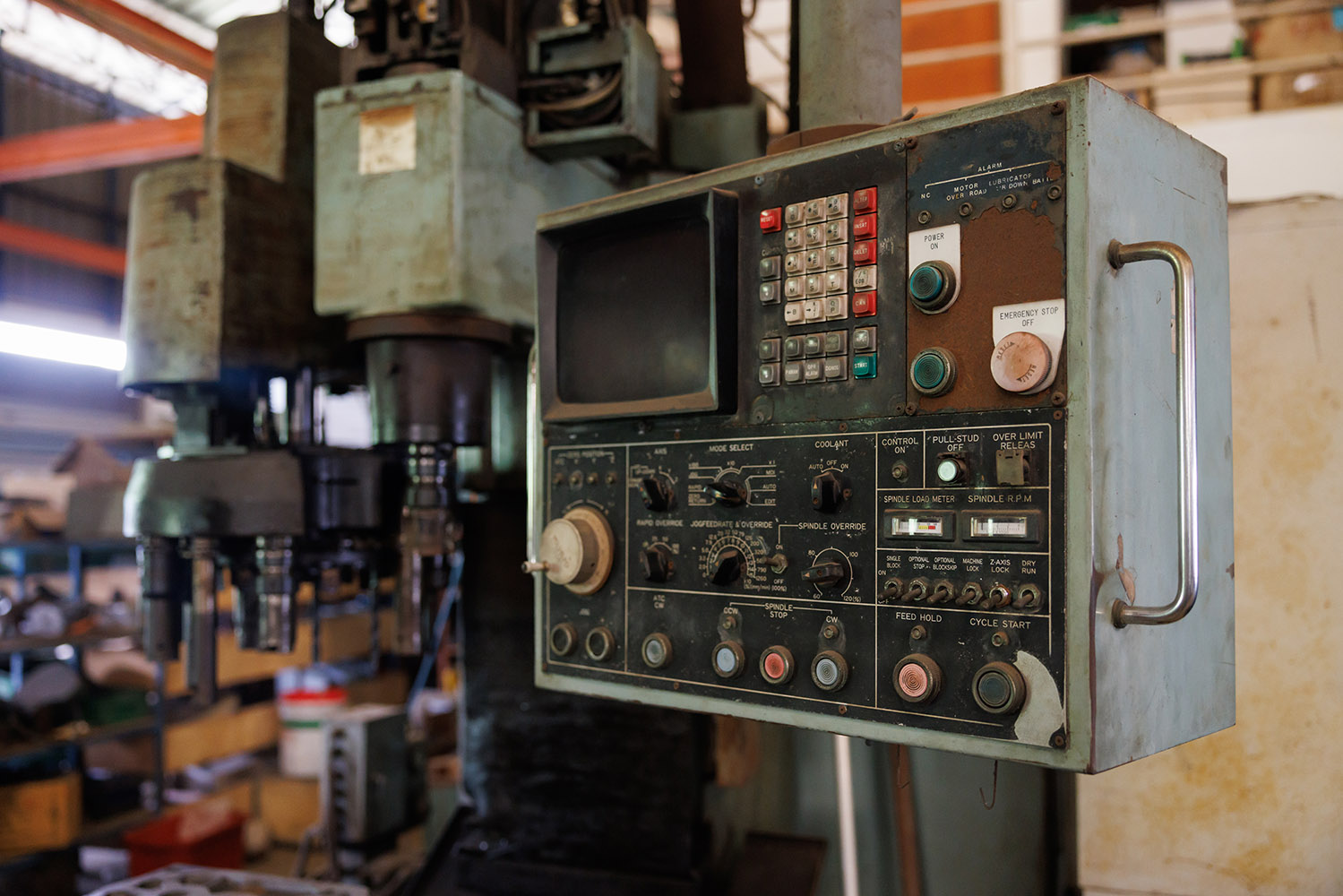
By replacing older parts that cause shutdowns and failures, retrofitting reduces downtime and improves production uptime.
Generally, replacing an old machine with a new one requires ordering new equipment, removing the existing machine, installation, commissioning, and trial runs—taking at least several months or more.
However, when the scope is an upgrade of the control system, installation and tuning take less time and the on-site modification work can be completed relatively quickly, keeping costs to a minimum.
Compared with lead times of several months to even years for new machines, the shutdown period for modifications is far shorter, helping minimize the impact on production.
In addition, replacing controllers and motors can improve machining accuracy and speed, resulting in improvements in both product quality and production throughput.
Furthermore, upgrading to modern equipment and carrying out appropriate modifications can enhance reliability and safety, and is also expected to reduce maintenance costs and failure risks.
Extending Equipment Life: Why It Also Reduces Environmental Impact
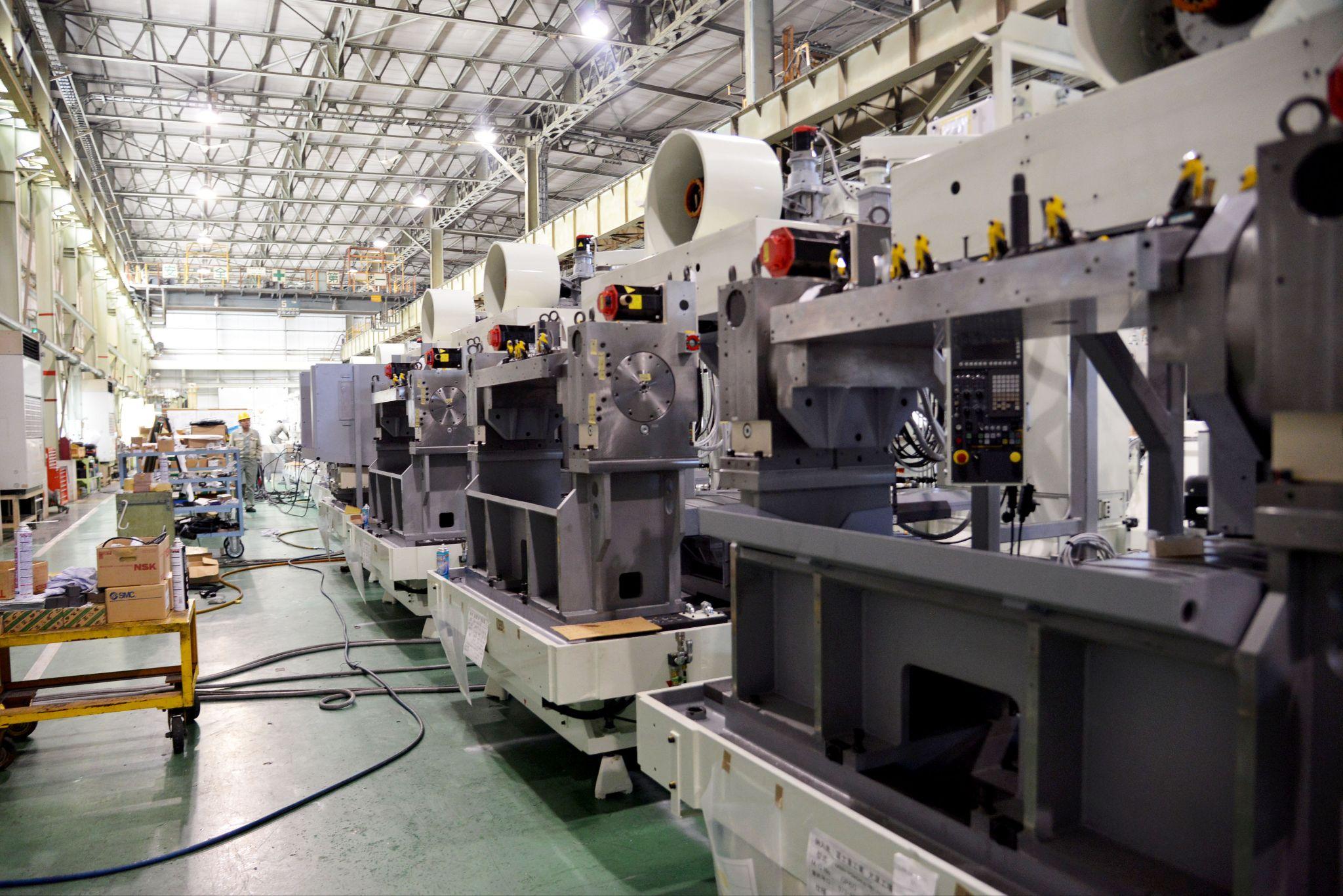
Retrofitting is a way to “breathe new life” into aging equipment, making it possible to extend a machine’s service life.
By continuing to use a machine tool base that still has sufficient rigidity and accuracy, you can reduce resource waste and industrial waste generated when manufacturing new machines and disposing of old ones—thereby lowering environmental impact.
There are also reports that energy consumption can be significantly reduced after modification through energy-saving motors and efficient operation enabled by modern controls, with some cases achieving up to around a 30% reduction in power consumption.
IoT Enablement Through Retrofitting: The First Step Toward a Smart Factory
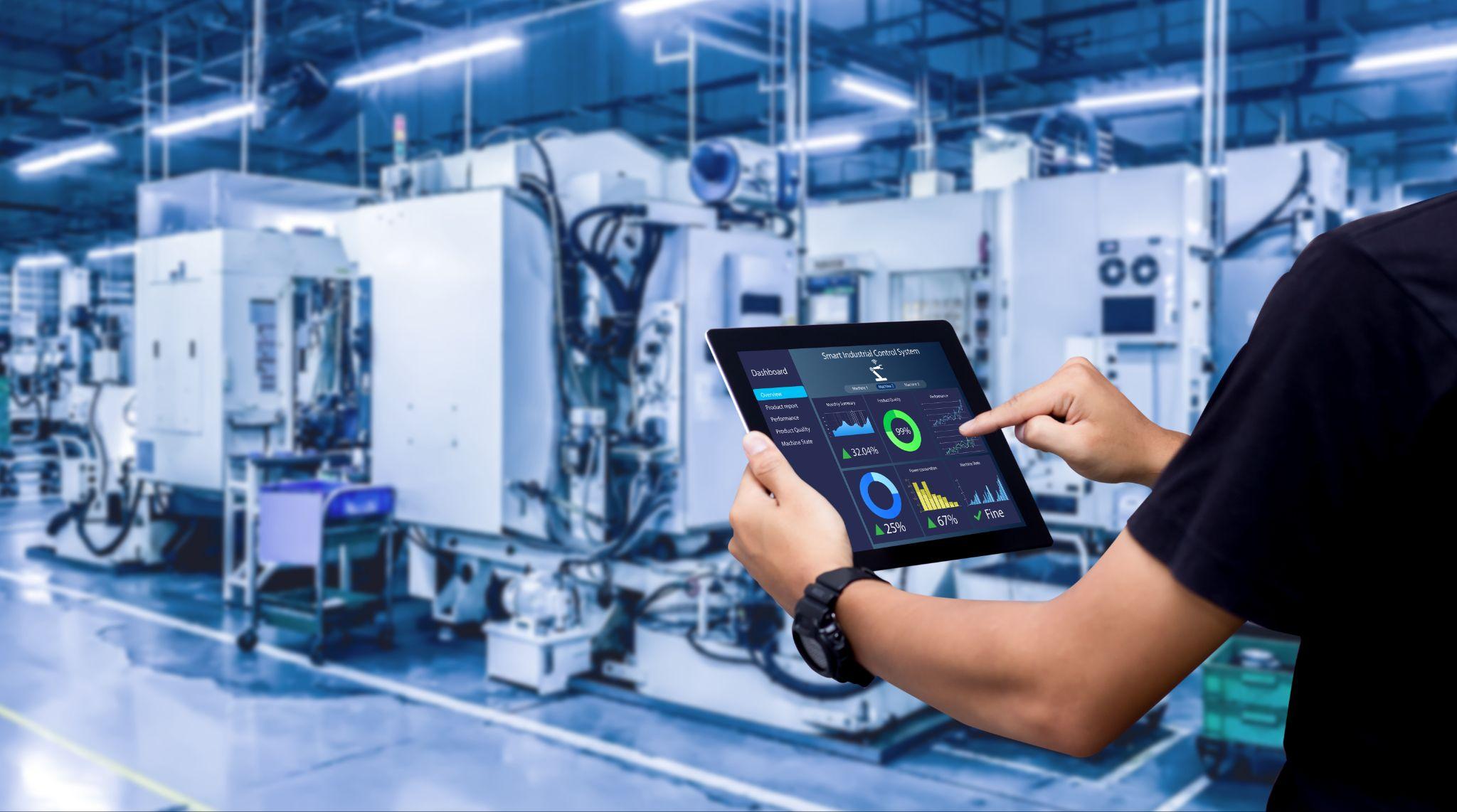
Retrofitting makes it possible to introduce today’s latest technologies even into older machines.
For example, adding sensor-based real-time data collection and IoT connectivity enables predictive maintenance, and strengthening safety functions (such as emergency stops and light curtains) helps bring machines into the Industry 4.0 era.
As a result, existing assets can be leveraged more effectively, and the entire production line can be upgraded step by step toward digitalization and a smart factory.
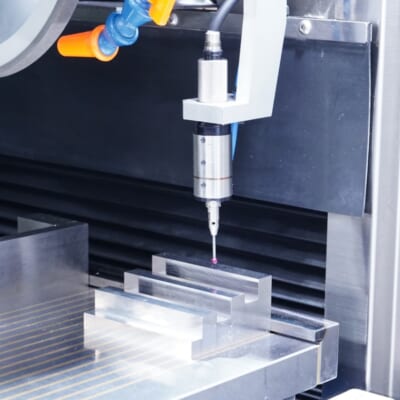
Automated workpiece centering and positioning
- Touch probe -
A contact/touch sensor for on-machine measurement that improves the efficiency of setup work
Click here ›Key Considerations and Downsides of Retrofitting: Challenges to Know to Avoid Failure
On the other hand, retrofitting also comes with challenges and important considerations that must be addressed. The main issues are explained below.
Is Retrofitting Really Cheaper? Hidden Pitfalls in Upfront Investment
Even if it is less expensive than purchasing new equipment, retrofitting still requires a substantial upfront investment.
Especially for small and mid-sized manufacturers, budgets for capital investment are limited, and securing funds for a modification project can become a barrier to retrofitting.
Many companies also hesitate to adopt retrofitting due to concerns that it may take time to recover the invested capital.
In fact, high initial investment costs have been cited as an issue hindering wider adoption in the retrofit market.
Technical Gaps and Compatibility Issues to Watch For
When integrating modern components into older machines, ensuring hardware and software compatibility can be difficult.
Replacing controllers and motors with modern versions requires engineering work to customize and fit them to each individual machine.
However, depending on the model and production year, standard retrofit kits may not exist, and replacing equipment is by no means easy.
For example, if electrical specifications do not match between old and new parts, or if there are conflicts with the machine’s control software, the underlying differences may be impossible to bridge—making the retrofit itself infeasible.
Integration also demands advanced expertise and design adjustments tailored to each machine, which can result in more labor and cost than initially expected.
Are There Limits to Retrofitting? Constraints Behind Performance Upgrades for Aging Machines
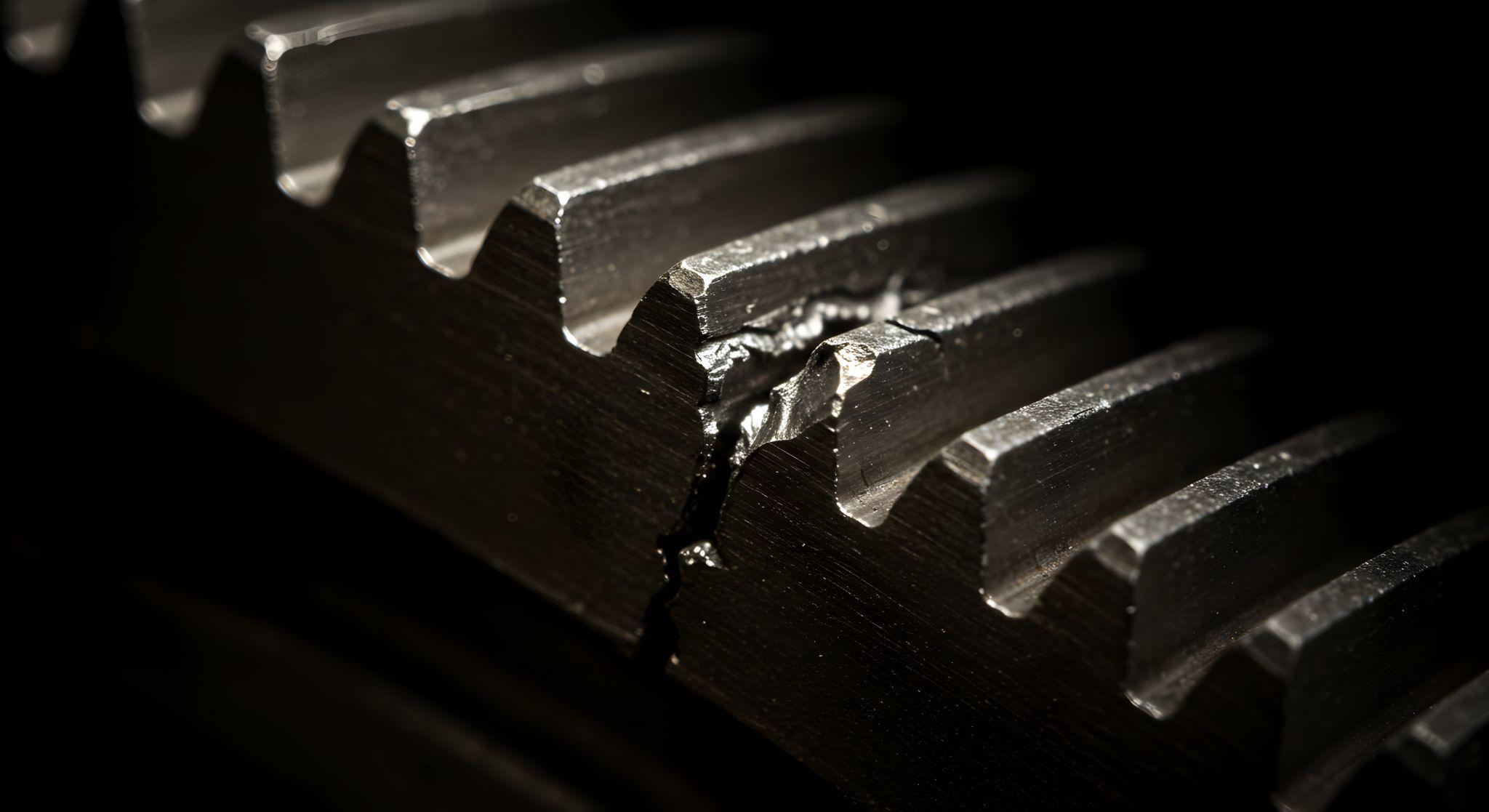
Even if retrofitting modernizes electronic control and drive systems, it cannot completely eliminate aging-related deterioration of the machine base itself or inherent design constraints.
In older machines, wear and reduced rigidity from long-term use are unavoidable; even if control accuracy is improved, errors caused by structural rigidity and sliding accuracy of moving parts will remain.
In other words, there are limits to performance improvements after modification, and the newly added modern equipment may not be able to deliver 100% of its potential.
Moreover, if fatigued or worn machine elements remain, they can continue to cause failures or malfunctions even after upgrades, potentially offsetting some of the retrofit’s benefits.
Could It Cost More Than the Estimate? Common Additional Costs in Retrofitting
During a controller replacement, it is not uncommon to discover “mechanical issues” that had not previously been apparent.
For instance, if deteriorated wiring or worn mechanical components are found during the retrofit and additional repairs or part replacements are required, those costs will be added to the retrofit expense.
Such unforeseen additional work can increase costs beyond the original estimate, becoming a factor of concern when considering retrofitting.
Therefore, when planning a retrofit, you should allow for contingency (a budget for unforeseen events) and set a budget with sufficient margin.
Automates originating of cutting tools
- Tool Setter -
Tool length and chips are monitored to prevent machining defects due to wear and thermal displacement
Click here ›Downtime Risks During Retrofitting: Duration and Countermeasures
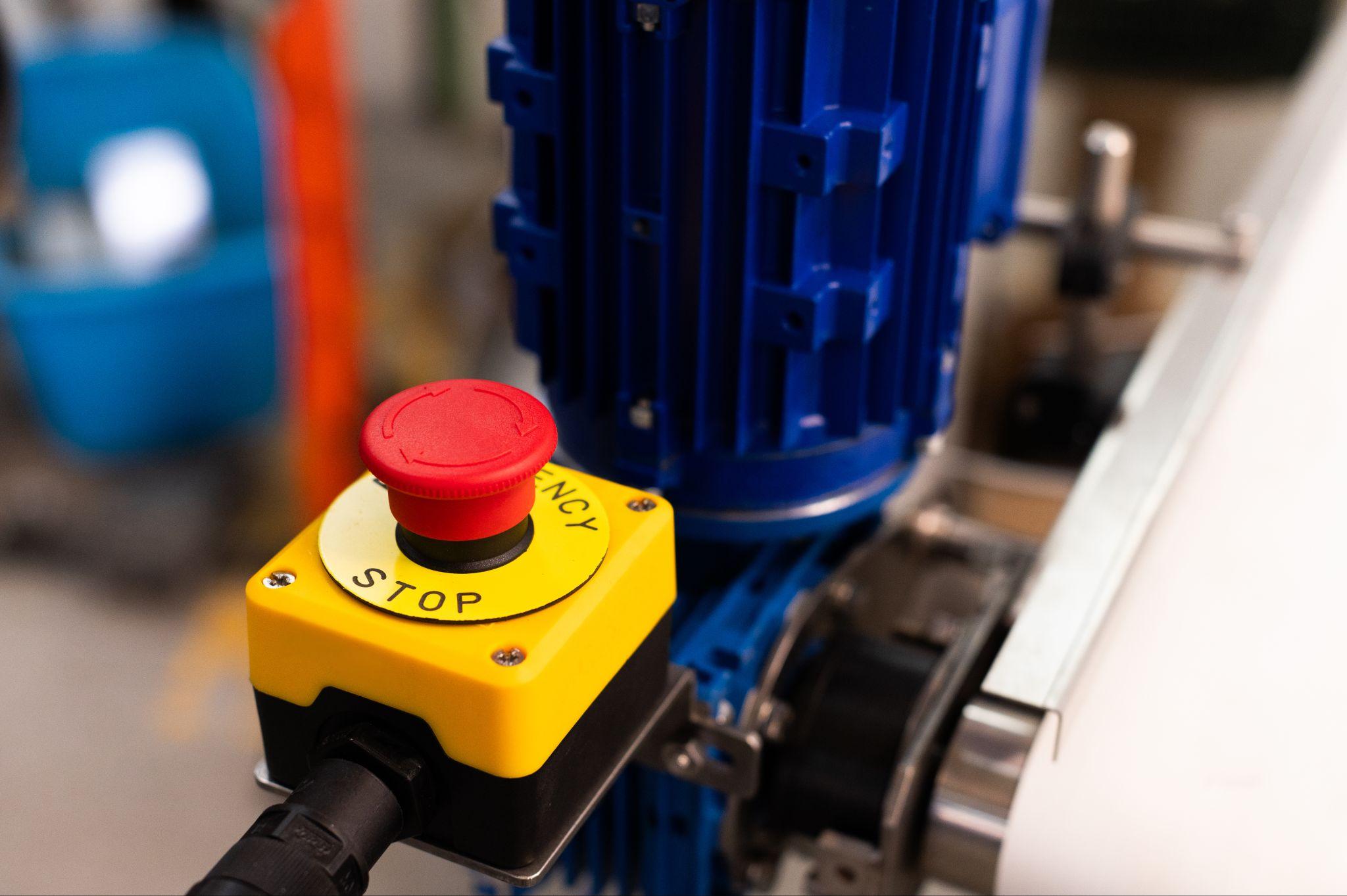
As noted above, retrofitting can be completed in a shorter time than installing new equipment; however, it still requires the machine to be stopped for a certain period during modification work.
In production environments that require 24/7 operation, even downtime of several days to a few weeks can significantly affect production planning.
Therefore, careful planning is essential—such as selecting the right timing and preparing backup production capacity—to minimize impact on customers.
In addition, switching to a new control method may require operator retraining, and after production restarts there is a risk that operating efficiency may temporarily decline due to insufficient familiarity with the new controller.
Case Examples from the Shop Floor: Improving Work Efficiency and Machine Uptime Through Retrofitting
Here is an example in which retrofitting equipment improved work efficiency and increased machine uptime.
The modification involved adding a flat pallet pool to a horizontal machining center and introducing a system that can machine multiple pallets unmanned at night.
Eliminating Accidents Caused by Manual Pallet Changes
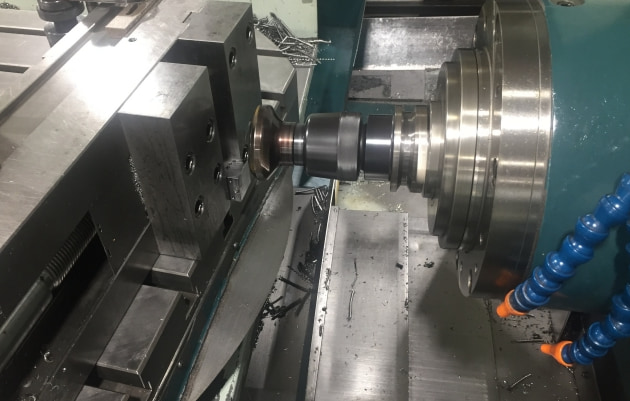
Normally, a horizontal machining center processes work by exchanging two pallets—one “inside” the machine and one “outside.” Therefore, when running unmanned (such as at night), the maximum number of pallets that can be machined is two.
For that reason, they used methods such as swapping fixture pallets after daytime machining, then processing mass-production parts unmanned at night.
As a result, there were a number of cases where accidents occurred because the machining program on the machine side was not changed or verified after swapping the fixture (pallet).
To minimize the burden of manual pallet changes and program setup, as well as reduce human error, they introduced a pallet change system by expanding the pallet pool.
As a result, the effort of manually handling heavy pallets was eliminated, and machining programs could be set on the pallet pool side—reducing work hazards and preventing accidents caused by selecting the wrong program.
Because multiple pallets can now be machined unmanned at night, machine uptime has increased, enabling faster delivery response and higher production volume.
Making Offline Setup Outside the Machine Easier
Another benefit of the retrofit is that the pallet change system—which can machine multiple pallets automatically—also made “offline setup,” previously difficult, much easier.
With a pallet change system using a pallet pool, operators can assemble fixtures, perform provisional positioning before machining, and adjust workpiece stick-out and clamping positions at a loading station (outside the machine), which helps shorten setup time.
In addition, the area inside the machine can be slippery, and there is always some risk of body parts being caught in the chip conveyor at one’s feet or pinch accidents due to malfunctions—so being able to perform setup in a safe place (outside the machine) is a major advantage.
This was an example where adding equipment through retrofitting improved productivity and enhanced safety.
What Are Metrol’s High-Precision Positioning Sensors?
When key considerations are properly addressed, retrofitting allows machines to be used for a long time and offers many benefits in machining operations.
METROL’s sensors can be retrofitted to existing equipment, enabling high-precision machining while keeping costs down.
Whether you can align the tool tip and workpiece exactly as intended at the micron level has a major impact on quality, yield, and production efficiency.
Below, we introduce a range of sensor products that support such high-precision positioning.
High-Precision Positioning Touch Switches
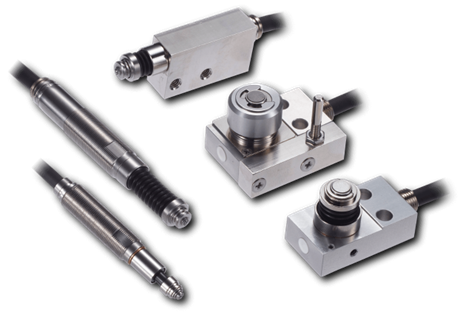
These are contact-type high-precision switches used for positioning and workpiece presence detection in machine tools, robots, and jigs. They achieve an extremely high repeatability of up to 0.5 µm and feature IP67-rated waterproof and dustproof protection, ensuring stable operation even in harsh environments. With more than 200 standard models available, they offer a wide range of variations, including designs for confined spaces, high-temperature environments, vacuum applications, and low contact force requirements.
Tool Setter (Tool Length Measurement Sensor)
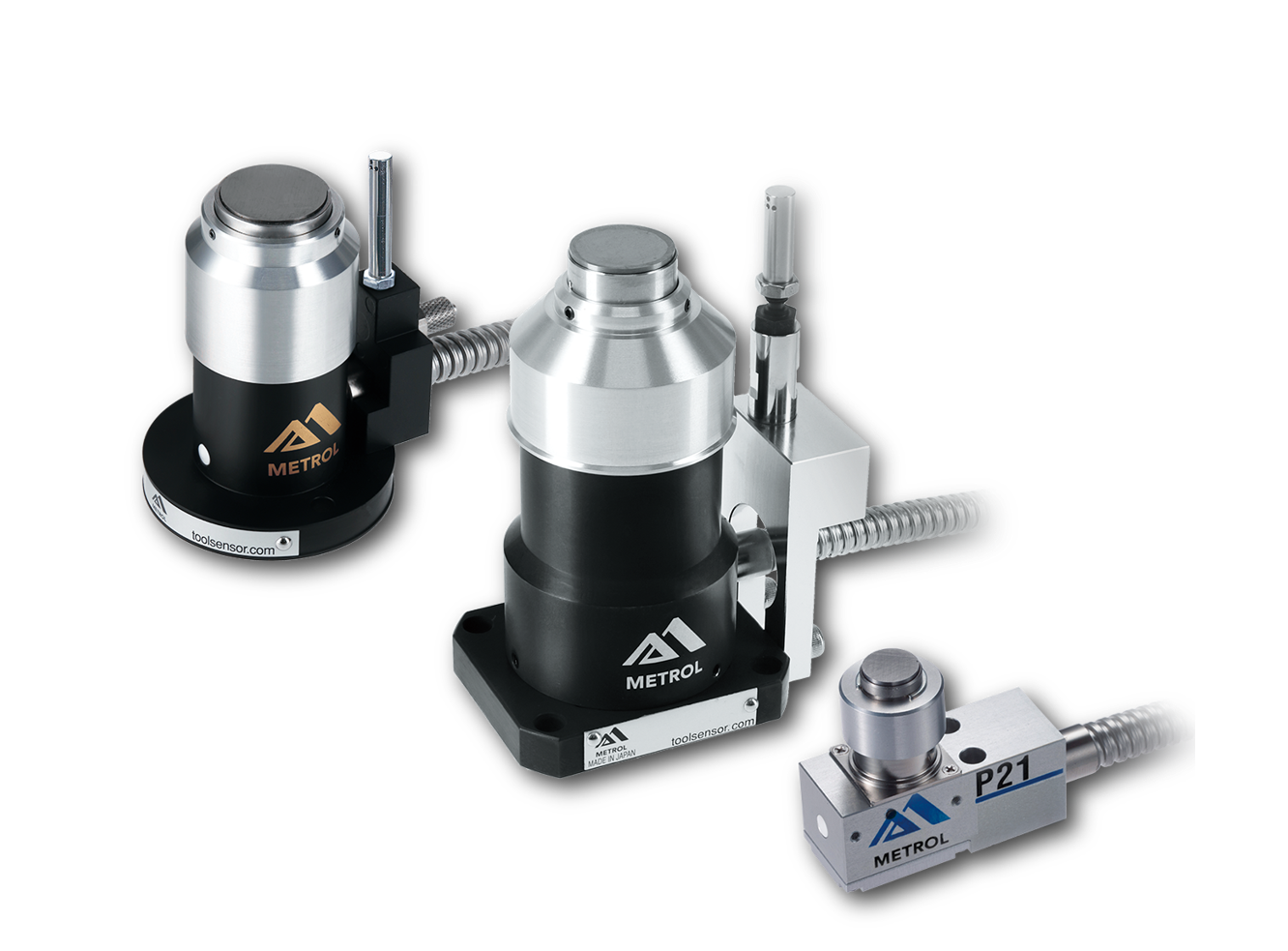
This is a contact-type sensor installed on CNC machine tools and industrial robots for tool length measurement, reference position setting, and tool breakage detection. By automatically measuring and compensating for tool length, wear, and thermal displacement inside the machine, it helps prevent machining defects and significantly reduces setup time. It is one of Metrol’s best-selling products, with a proven track record of more than 500,000 units shipped in 74 countries worldwide.
Touch Probe (On-Machine Measurement Probe)
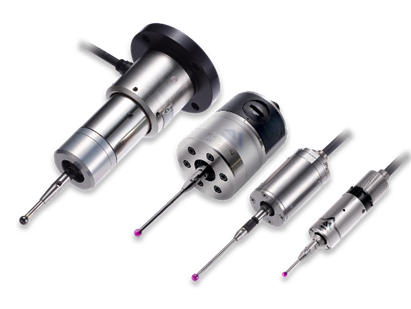
This is a contact-type probe for in-machine measurement, installed on machine tools and robots to automatically perform workpiece positioning (centering) before machining and dimensional measurement after machining. With a repeatability of 1 µm, it automates workpiece referencing and dimensional inspection, replacing skilled manual operations to reduce setup time and help prevent machining defects. Both wired and wireless models are available, meeting retrofit needs for 5-axis machining centers and robotic applications.
Air Gap Sensor (Pneumatic Sensor)
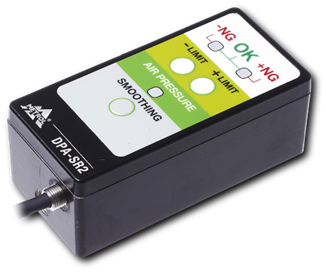
This is a non-contact sensor that uses air pressure to detect workpiece seating conditions with micron-level accuracy. It can detect gaps (“lift”) of less than 10 µm—previously difficult to measure—with a repeatability of ±0.5 µm, helping prevent machining defects and equipment downtime caused by insufficient contact between the workpiece and fixture. The sensor is used in applications such as semiconductor manufacturing processes, precision part clamping operations, and grinding wheel positioning on grinding machines, and it is a smart sensor that also supports the international standard IO-Link communication.
