
What Is a Non-Contact Sensor? A Thorough Guide to Types, Principles, and Applications
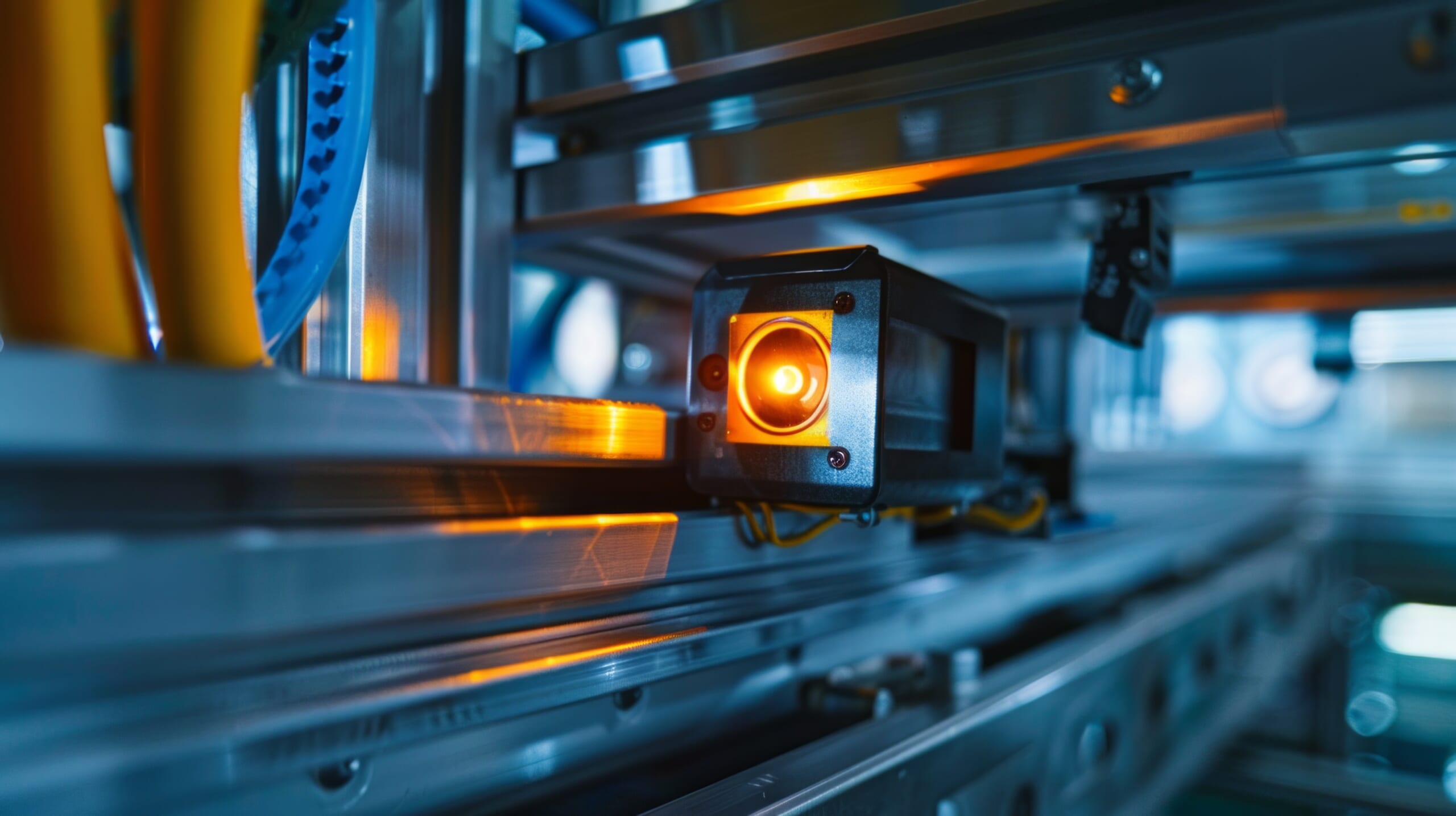
A non-contact sensor is a sensor that can detect and measure information such as an object’s position, motion, temperature, and pressure without physically touching the target.
Because they avoid wear and contamination caused by contact, they are widely used in factory automation, medical settings, smart devices, and many other fields.
Another key feature is the variety of sensing principles available—infrared, ultrasonic, capacitive, optical, and more—allowing the right method to be selected for each application.
This article explains non-contact sensors comprehensively—from basic principles and major types to practical applications, pros and cons, and even the latest technology trends.
Use this guide to understand the importance and convenience of non-contact measurement, and to support better sensor selection and deployment.
Table of Contents
What Is a Non-Contact Sensor? Easy-to-Understand Basics and Key Features
A non-contact sensor detects and measures information (temperature, position, pressure, motion, etc.) from a distance without touching the target. It is essential for transmitting sensed information in real time to controllers such as automation systems.
Non-contact sensors use infrared, ultrasound, electromagnetic fields, and other means to detect targets from a distance, enabling measurement in situations where direct contact is difficult.
For body-temperature measurement, conventional thermometers must contact the body, while an infrared thermometer—one type of non-contact sensor—can measure temperature without contact by reading infrared radiation emitted by the human body.
In this way, non-contact sensors operate based on electrical, magnetic, optical, and acoustic principles, allowing a target’s condition to be determined without mechanical contact or motion.
Non-Contact Sensor Types and Key Characteristics (Overview)
There are many types of non-contact sensors, and they can be classified by the physical phenomena and forms of energy they use.
The figure shows representative types of non-contact sensors. Each operates on a different principle and has different strengths in terms of measurement targets and applications.
Below, we explain the major types and their principles in more detail.
High-precision seating confirmation of workpiece and jig
- Air Gap Sensor -
You can check not only "presence/absence" but also "adhesion (gap)" at the same time with a repeatability of ±0.5 μm.
Click here ›What Is an Infrared Sensor? Operating Principle and Typical Applications

An infrared sensor is a non-contact sensor that detects targets using electromagnetic waves known as infrared radiation.
In general, infrared sensors emit infrared light toward a target and determine presence or distance by measuring reflected light or the degree of absorption.
In an infrared proximity sensor for short-range detection, infrared light from an LED hits the object and reflects back; a photodiode measures the reflection intensity.
There are also types such as passive infrared (PIR) sensors that detect motion by capturing changes in infrared radiation (thermal emission) from the object itself.
Infrared sensors are used broadly in security motion sensors, TV remote receivers, environmental monitoring devices, and more. Non-contact thermometers (infrared radiation thermometers) are also applications of infrared sensing.
What Is a Capacitive Sensor? Features and Industrial Use Cases
A capacitive sensor detects a target’s presence or position by sensing changes in capacitance between electrodes.
A capacitor stores electric charge between two conductive plates. In a capacitive sensor, the sensor body acts as one plate, and the target functions as the other.
When an AC voltage of a fixed frequency is applied, changes in the distance between the sensor and the target change the circuit capacitance, which in turn changes the amplitude or frequency of the sensor output.
By measuring this change, the sensor can precisely measure distance to the target and its motion.
Capacitive sensors are also suitable for detecting non-metal materials and the presence of liquids. In a liquid-level sensor for a container, the liquid acts as the dielectric between electrodes, and liquid level is measured from the capacitance change.
They are also used as input devices that detect minute capacitance changes—for example, as detectors that count the presence of objects on factory production lines.
What Is a Proximity Sensor? Types and Operating Principles
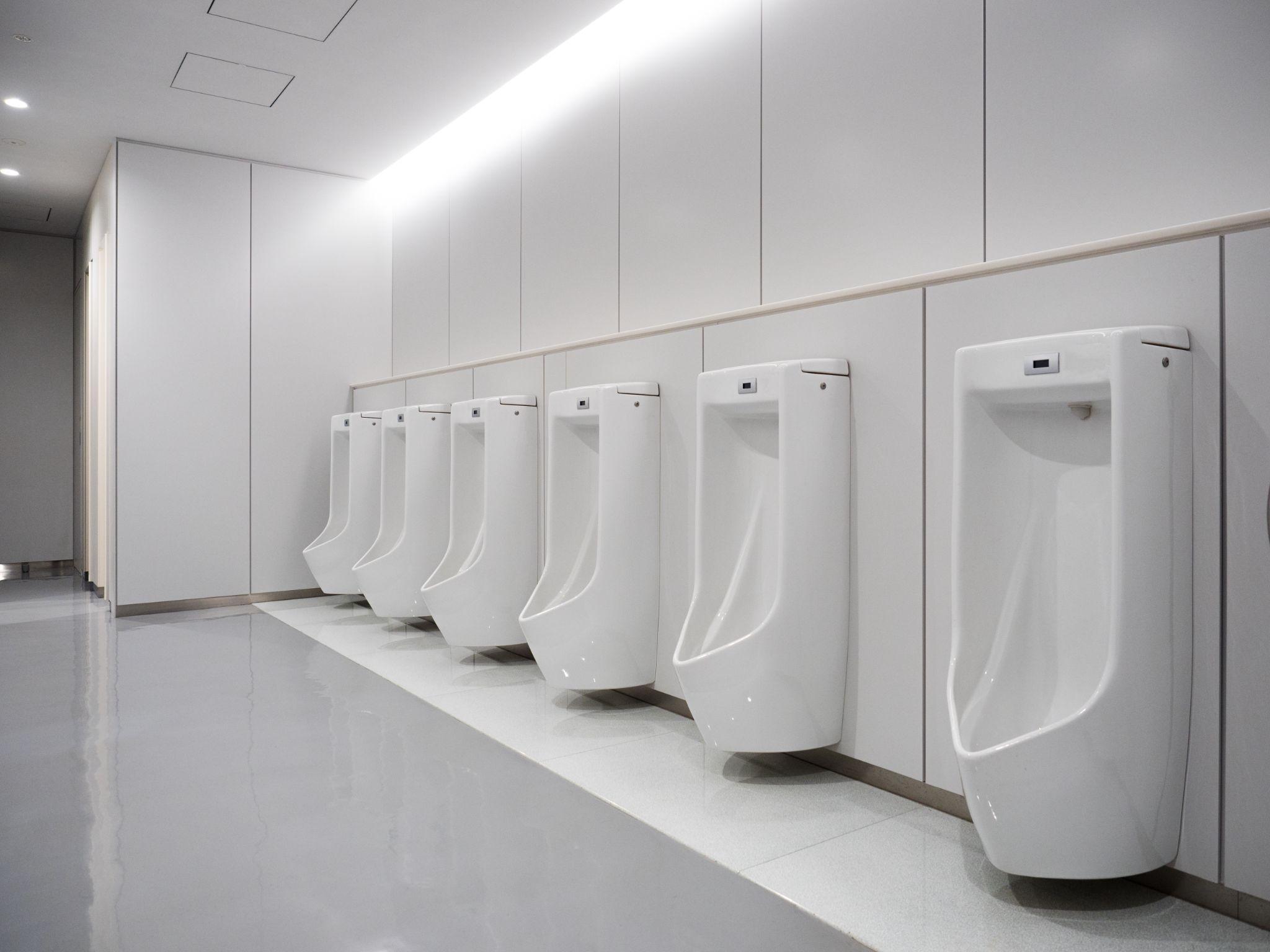
A proximity sensor detects an object approaching without contact and is commonly used like a switch to detect the presence of a target.
A representative type is the inductive proximity sensor. It uses a magnetic field generated by AC current in a coil; when a metal target approaches, an induced current (eddy current) is generated in the target, enabling detection.
In an inductive sensor, the eddy currents in the target change the magnetic field on the sensor side, and the magnitude of that change is used to determine distance or presence.
Because they reliably detect metal regardless of color or surface condition, they are widely used in industry—especially in automation equipment and robots for detecting the presence and position of metal parts.
Magnetic sensors that detect the magnetic field emitted by a magnet are also considered a type of proximity sensor.
A Hall-effect sensor passes current through a semiconductor element and detects the presence or strength of a magnetic field by measuring a tiny potential difference (Hall voltage) generated when an external magnetic field is applied.
This method is used for rotating speed sensors (e.g., engine crank angle sensors and wheel rotation detection) and position feedback, enabling highly accurate detection of the presence and position of magnets or metal targets without contact.
Other proximity sensing methods include infrared, ultrasonic, and capacitive types, selected according to the purpose. All share the ability to detect objects within a certain range without physical contact.
What Is an Optical Sensor? Uses and How It Works
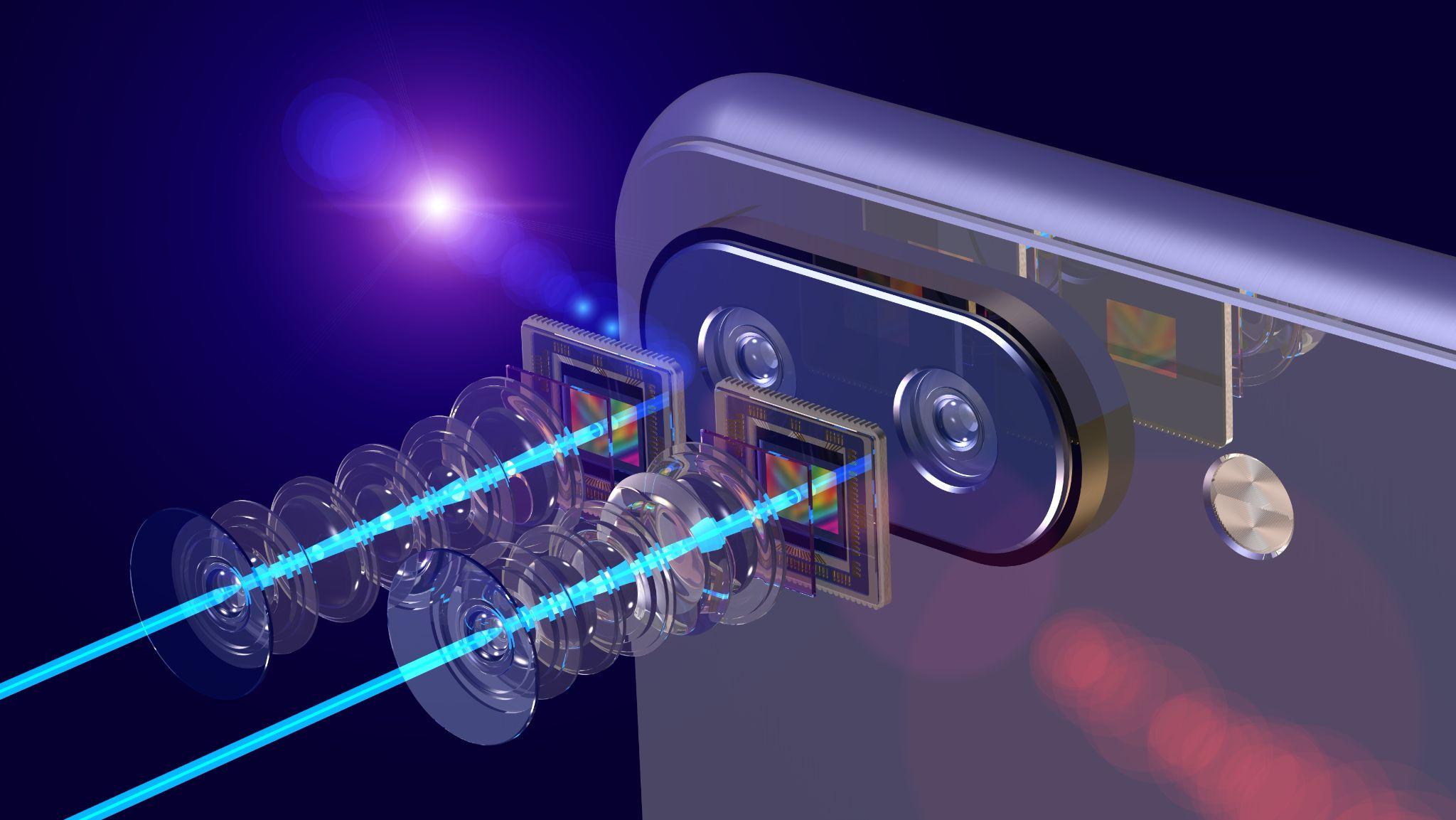
Optical sensors are a general term for non-contact sensors that use light energy to detect targets.
Typically, they shine light from an LED, laser, or other source onto the target and detect presence, distance, or motion by measuring reflected intensity or whether the beam is interrupted (blocked).
Also called photosensors, a representative example is the industrial photoelectric sensor (photoeye or photointerrupter).
They are used to detect and count products moving on conveyors with a light beam, and to support robot positioning.
Optical sensors are resistant to electromagnetic interference (EMI) and can operate in high-voltage environments, making them effective even in harsh electromagnetic conditions such as rotation detection inside a microwave oven.
High-resolution optical encoders and laser displacement sensors can measure tiny position changes with high accuracy, so they are also used for precision positioning and vibration measurement.
On the other hand, optical performance depends on the target material and surface reflectivity, so caution is required.
For example, black objects that readily absorb light and objects with rough surfaces produce weak reflections, making detection more difficult.
In addition, environmental conditions such as dust, fog, and ambient light can interfere with light propagation and reception and reduce detection accuracy, so adjustments and countermeasures are needed depending on the operating environment.
What Is an Ultrasonic Sensor? Principle and Distance Measurement Method

An ultrasonic sensor measures the distance to a target and/or its presence using high-frequency sound waves (ultrasound) that humans cannot hear.
It emits an ultrasonic pulse and calculates distance by measuring the round-trip travel time of the sound wave reflected from the target.
Because the propagation speed of sound in air is approximately constant, the time difference between transmission and reception enables accurate non-contact distance measurement.
Ultrasound does not attenuate easily over relatively long distances (up to several meters) and is suitable for wide-range measurement. However, since the amount of reflected sound varies with the target’s material and shape, detection accuracy can drop significantly for complex shapes or highly sound-absorbing materials—this is a major drawback.
A major application of ultrasonic sensors is liquid-level measurement in tanks.
By emitting ultrasound toward the liquid surface and measuring the time until it returns, the distance to the liquid level can be determined, allowing accurate monitoring of remaining volume without opening the container.
Ultrasonic sensors are also widely used in parking assist systems (mounted in vehicle bumpers to detect distance to obstacles). They are effective in many scenarios involving distance and proximity detection, such as robot obstacle detection and presence detection in factories (detecting whether a person or object has entered a designated area).
Practical Examples of Non-Contact Sensors: Broad Use from Industry to Daily Life
Leveraging the characteristics described above, non-contact sensors are used in a wide range of fields. Below are representative application areas and examples.
Using Non-Contact Sensors in Factory Automation (FA)
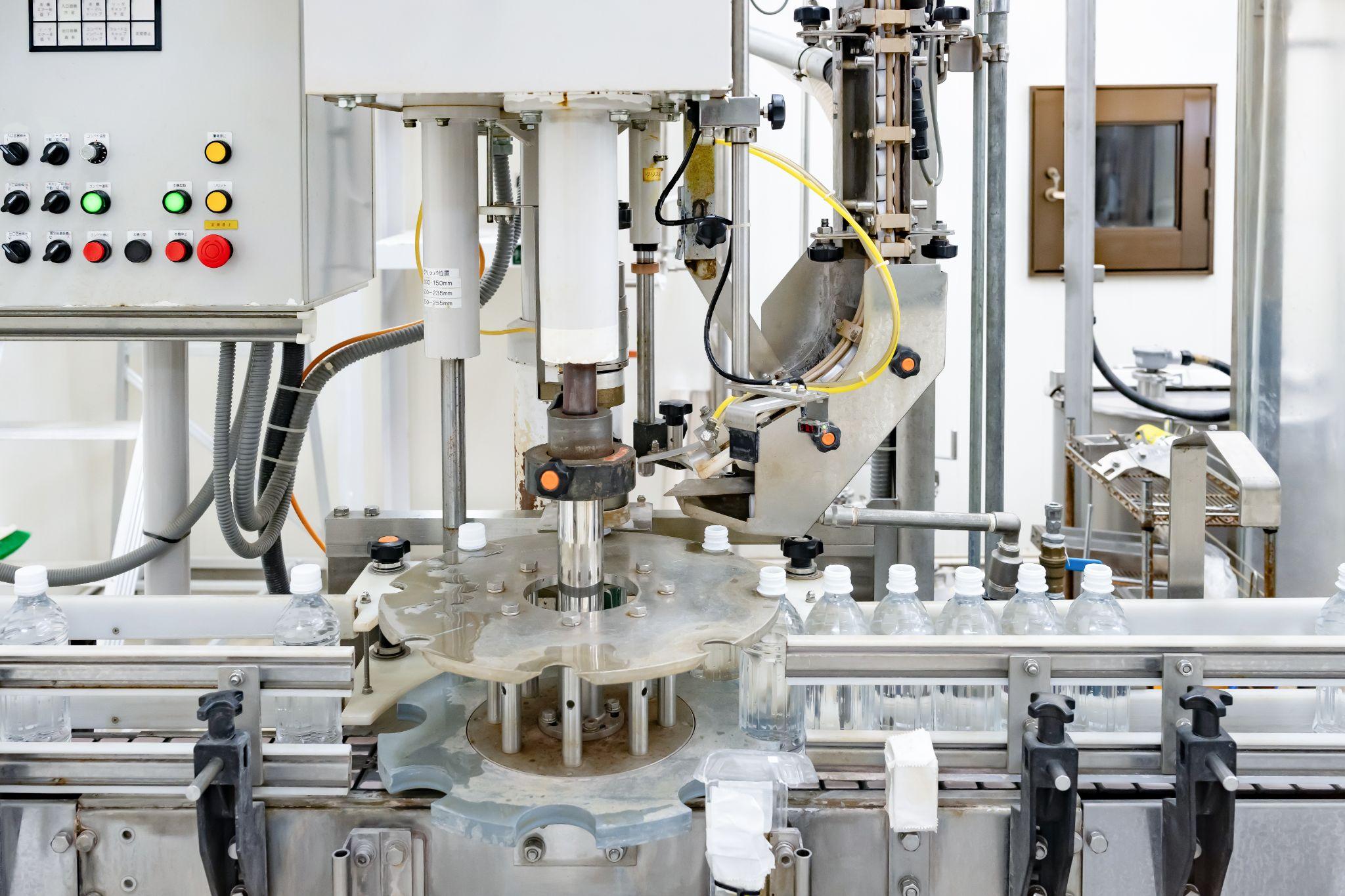
In factory automation equipment, non-contact sensors are indispensable.
On production lines, for example, proximity sensors and photoelectric sensors detect product passage to control robots, ultrasonic sensors monitor liquid volume in containers, and temperature sensors track machine heat generation—many different sensors are used.
Real-time feedback from these non-contact sensors enables production equipment to operate efficiently and autonomously.
High-precision seating confirmation of workpiece and jig
- Air Gap Sensor -
You can check not only "presence/absence" but also "adhesion (gap)" at the same time with a repeatability of ±0.5 μm.
Click here ›Types of Automotive Non-Contact Sensors and Their Contribution to Safety Technologies

Many non-contact sensors are installed in automobiles and other transportation equipment.
For example, ultrasonic sensors embedded in bumpers for parking assistance detect distance to obstacles and warn the driver.
Magnetic sensors based on the Hall effect are used to detect wheel speed and play key roles in ABS (Anti-lock Braking System) and engine crank angle sensing.
In advanced driver-assistance systems (ADAS), cameras (optical sensors) and LiDAR (infrared laser radar) detect pedestrians and lanes outside the vehicle, while infrared sensors inside the cabin monitor occupant status (e.g., drowsiness detection and facial recognition). Non-contact sensors thus contribute to safer and more comfortable vehicle control.
Examples of Non-Contact Sensor Adoption in Smart Homes
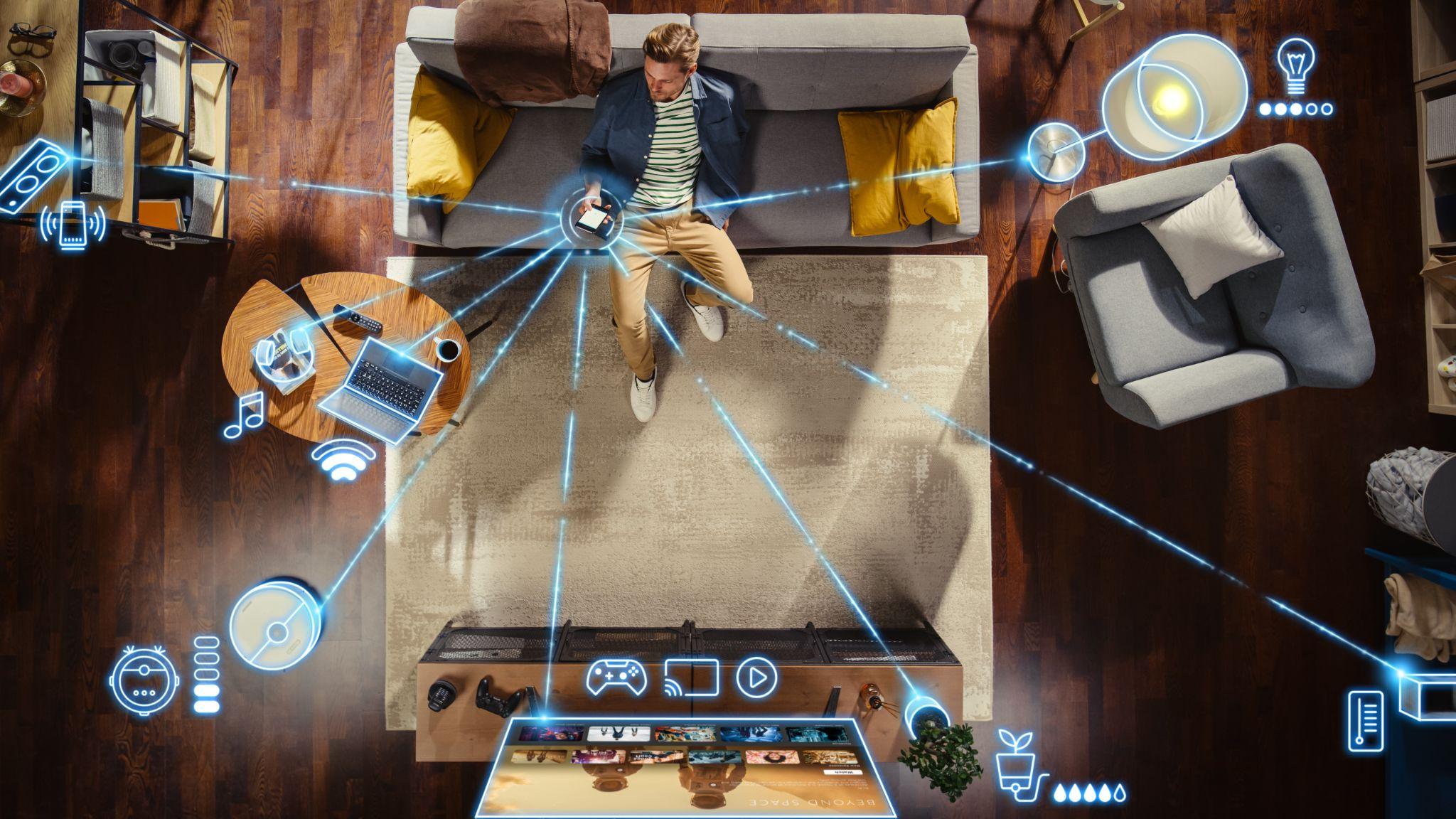
Non-contact sensors are also used to improve comfort and safety in the home.
A typical example is a motion sensor (occupancy sensor) that detects human movement and automatically controls lighting and air conditioning.
Security lights at entrances and indoor lighting often use infrared PIR sensors to detect human body heat and turn on/off automatically.
Similarly, home security systems use magnetic proximity sensors to detect window/door opening and closing, as well as microphone sensors to detect unusual sounds indoors and outdoors.
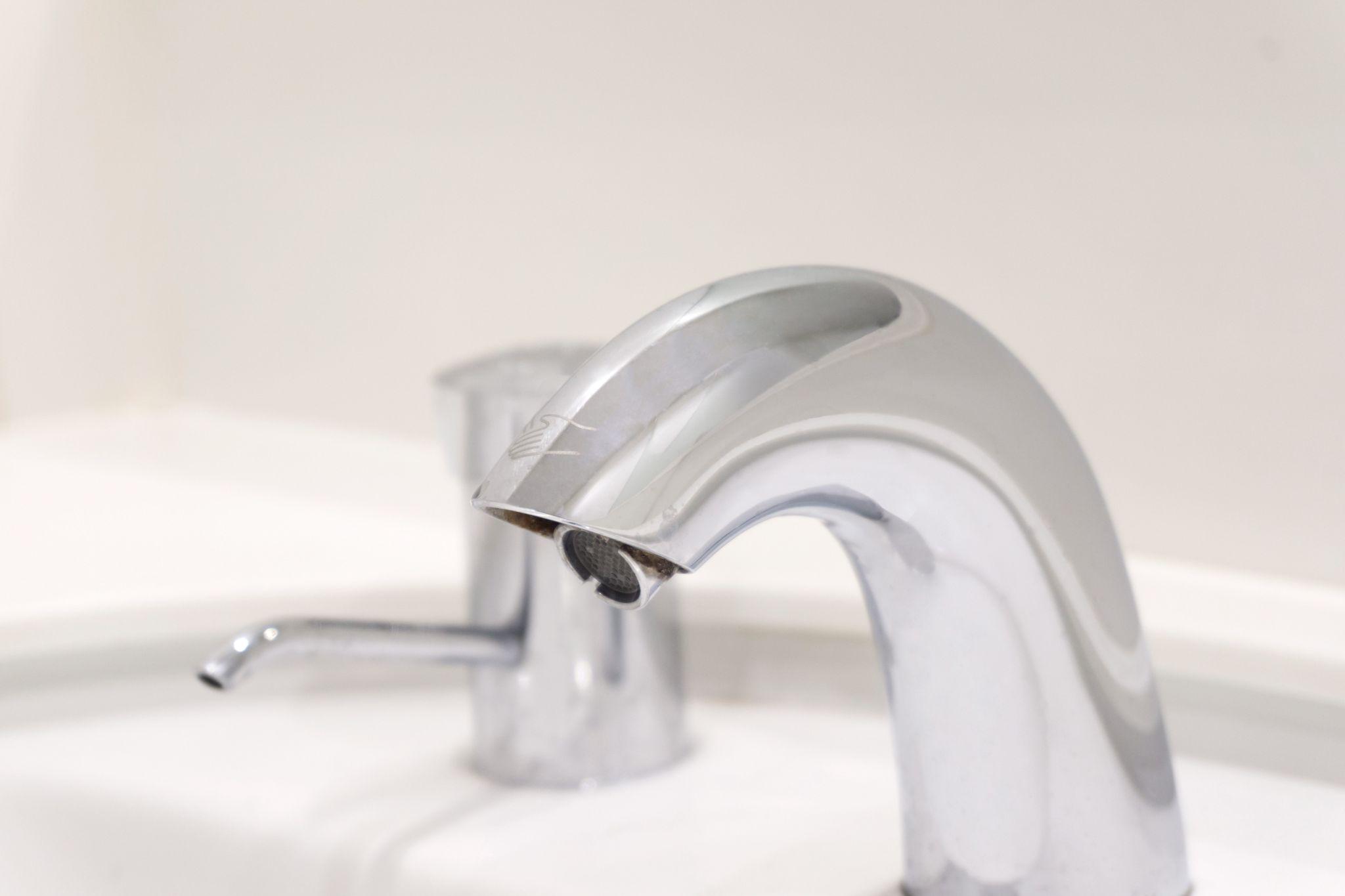
Non-contact gesture control is also becoming practical in home appliances. Interfaces that allow users to operate faucets or cooking appliances simply by hovering a hand incorporate infrared sensors and capacitive sensors.
Non-Contact Sensor Technology in Wearables and Health Monitoring

Wearable devices such as smartwatches and fitness trackers also incorporate non-contact sensors.
For example, many smartwatches have an optical heart-rate sensor on the underside. It shines green LED light through the skin, measures changes in blood flow, and calculates heart rate.
While the sensor touches the skin, it is a non-invasive measurement method that detects blood flow optically.
Some advanced wearables have begun to adopt non-contact body-temperature sensors (infrared sensors), enabling continuous monitoring of skin temperature changes simply by wearing the device.
In wearables, miniaturization and low power consumption are especially important. In recent years, millimeter-scale infrared array sensors and high-accuracy MEMS sensors have been developed, expanding use in health monitoring, fitness, and medical watch-over applications.
Real-World Cases of Non-Contact Sensor Use in the Field
Here, we describe real-world cases and experiences from sites that adopted non-contact sensors, along with the improvements made—explained from an original perspective.
Sensor-Integrated Electronics Enabled Lower Power Consumption and Problem Solving
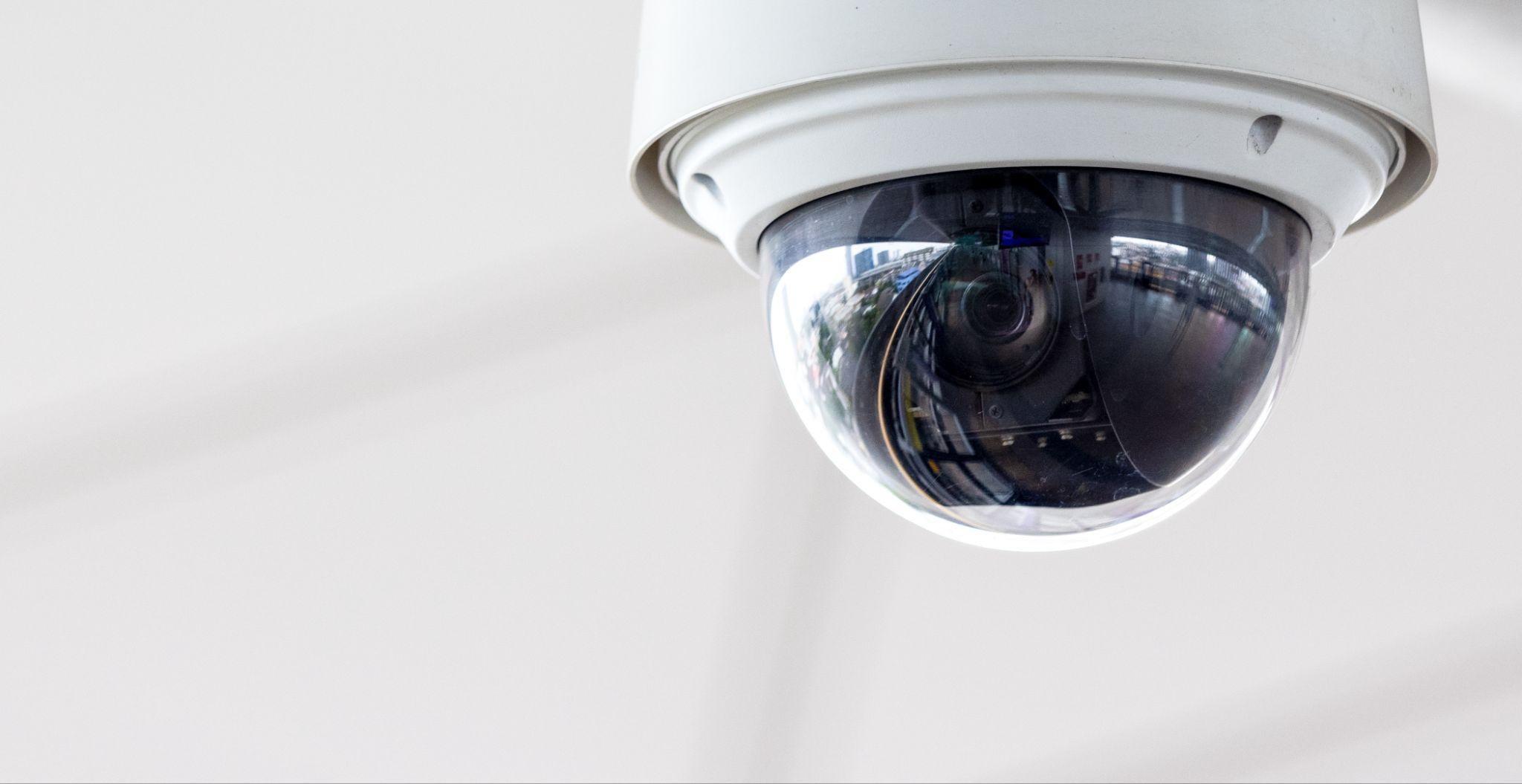
Non-contact sensors are widely used in security cameras for facilities and factories.
With older cameras, continuous recording kept cameras running all night, so electricity costs could not be ignored.
In addition, personnel were required to periodically review huge amounts of recorded footage, which increased labor costs.
Moreover, when there were no abnormalities, the mental burden grew from the task of “endlessly reviewing footage with nothing out of the ordinary.”
Today, cameras that use built-in sensors to detect “moving objects within a defined area” and start recording have become mainstream. This minimizes power consumption from continuous operation and shortens footage review time.
We also introduce how adopting sensor-integrated cameras helped resolve an accident that occurred on a factory site quickly.
Some time after installing security cameras equipped with non-contact sensors, a collision occurred near an entrance between a forklift and a truck.
At that time, the sensor-equipped camera responded to the moving objects (the forklift and the truck) and recorded the video, preserving detailed circumstances of the accident as evidence.
As a result, the issue was resolved quickly without disputes with the truck side (the logistics company) over which party was responsible.
This is a case that can be considered a “major benefit” of adopting security cameras with built-in non-contact sensors.
Improved Safety and Reduced Near-Miss Incidents
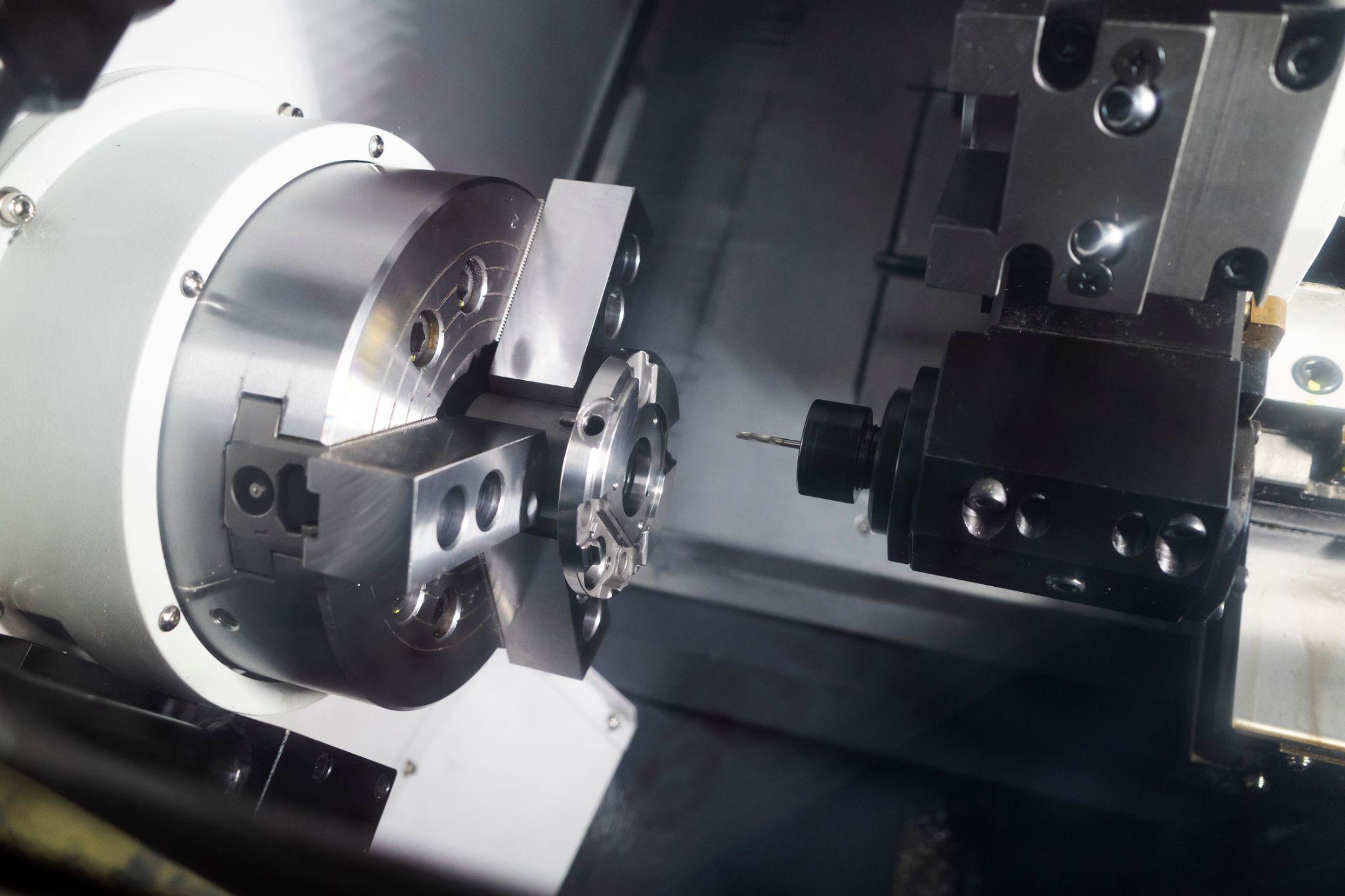
Here is an example where installing a non-contact sensor at a “loading station” on a horizontal machining center helped reduce near-miss incidents.
The loading station already had a capacitive proximity sensor used to detect pallets, preventing collisions caused by pallet misdetection. However, there was no sensor to detect other objects within the operating range.
As a result, even if a worker happened to be within the loading station’s operating range, the machine would continue operating. This led to incidents such as “nearly being caught in the machine” or “getting injured in a panic due to sudden machine movement.”
To address this, a non-contact sensor (a photoelectric tube sensor) was installed in front of the loading station’s operating range, and the machine was modified to stop when an object was present within the range. This eliminated the previous risks and issues.
Although the machine stops in an emergency and requires the extra step of “restarting” each time, the improved safety significantly reduced injuries and near-miss occurrences.
High-precision seating confirmation of workpiece and jig
- Air Gap Sensor -
You can check not only "presence/absence" but also "adhesion (gap)" at the same time with a repeatability of ±0.5 μm.
Click here ›Keep the Area Around Non-Contact Sensors Clean and Well-Organized at All Times

We recommend keeping the area around the photoelectric tube sensor described above clean and well-organized at all times.
If chips are scattered around the sensor, or supplies and items are piled up haphazardly, the sensor may false-trigger due to some incident, causing the machine to stop in an emergency via the safety system.
Because “stacked items will eventually fall,” avoiding stacking is also an important point for working safely.
Chips in particular are highly likely to cause false detection or failures in both contact and non-contact sensors, so keep the area clean at all times.
What Are Metrol’s High-Precision Positioning Sensors?
In recent years, manufacturing sites focused on automation and high-precision machining have seen a rapid increase in situations requiring “non-contact and highly accurate” positioning.
In addition to its core contact-type sensors, Metrol offers air sensors as a non-contact option.
Air sensors enable micron-level detection without touching the workpiece. By achieving both durability and measurement accuracy, they are adopted in a wide range of fields including machine tools and semiconductor manufacturing equipment.
Below, we provide a detailed explanation of Metrol’s positioning sensors.
High-Precision Positioning Touch Switches
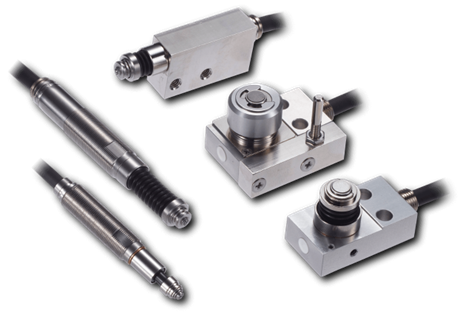
These are contact-type high-precision switches used for positioning and workpiece presence detection in machine tools, robots, and jigs. They achieve an extremely high repeatability of up to 0.5 µm and feature IP67-rated waterproof and dustproof protection, ensuring stable operation even in harsh environments. With more than 200 standard models available, they offer a wide range of variations, including designs for confined spaces, high-temperature environments, vacuum applications, and low contact force requirements.
Tool Setter (Tool Length Measurement Sensor)
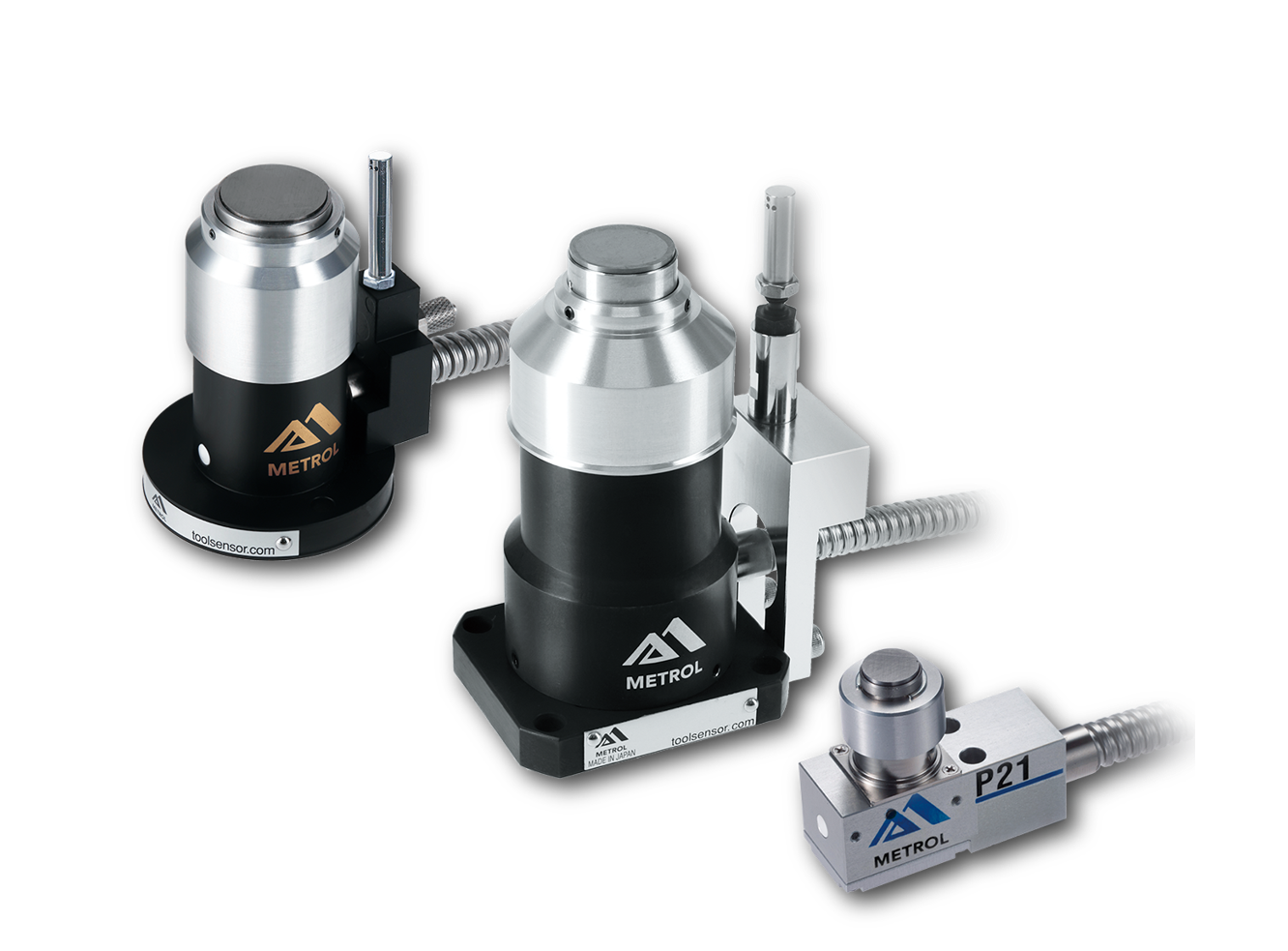
This is a contact-type sensor installed on CNC machine tools and industrial robots for tool length measurement, reference position setting, and tool breakage detection. By automatically measuring and compensating for tool length, wear, and thermal displacement inside the machine, it helps prevent machining defects and significantly reduces setup time. It is one of Metrol’s best-selling products, with a proven track record of more than 500,000 units shipped in 74 countries worldwide.
Touch Probe (On-Machine Measurement Probe)
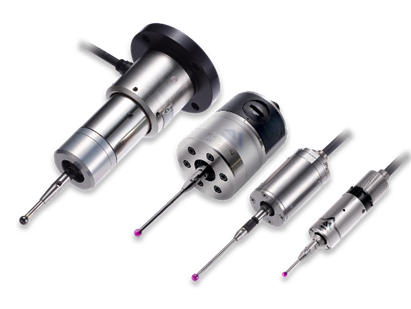
This is a contact-type probe for in-machine measurement, installed on machine tools and robots to automatically perform workpiece positioning (centering) before machining and dimensional measurement after machining. With a repeatability of 1 µm, it automates workpiece referencing and dimensional inspection, replacing skilled manual operations to reduce setup time and help prevent machining defects. Both wired and wireless models are available, meeting retrofit needs for 5-axis machining centers and robotic applications.
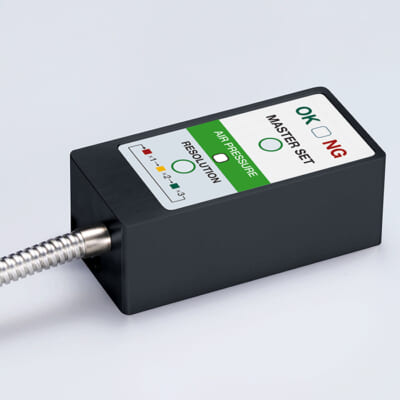
Air Gap Sensor (Pneumatic Sensor)
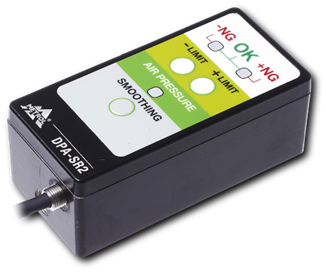
This is a non-contact sensor that uses air pressure to detect workpiece seating conditions with micron-level accuracy. It can detect gaps (“lift”) of less than 10 µm—previously difficult to measure—with a repeatability of ±0.5 µm, helping prevent machining defects and equipment downtime caused by insufficient contact between the workpiece and fixture. The sensor is used in applications such as semiconductor manufacturing processes, precision part clamping operations, and grinding wheel positioning on grinding machines, and it is a smart sensor that also supports the international standard IO-Link communication.
