
What Is a Photo Sensor? A Comprehensive Guide to Types, Principles, Applications, Pros, and Cons
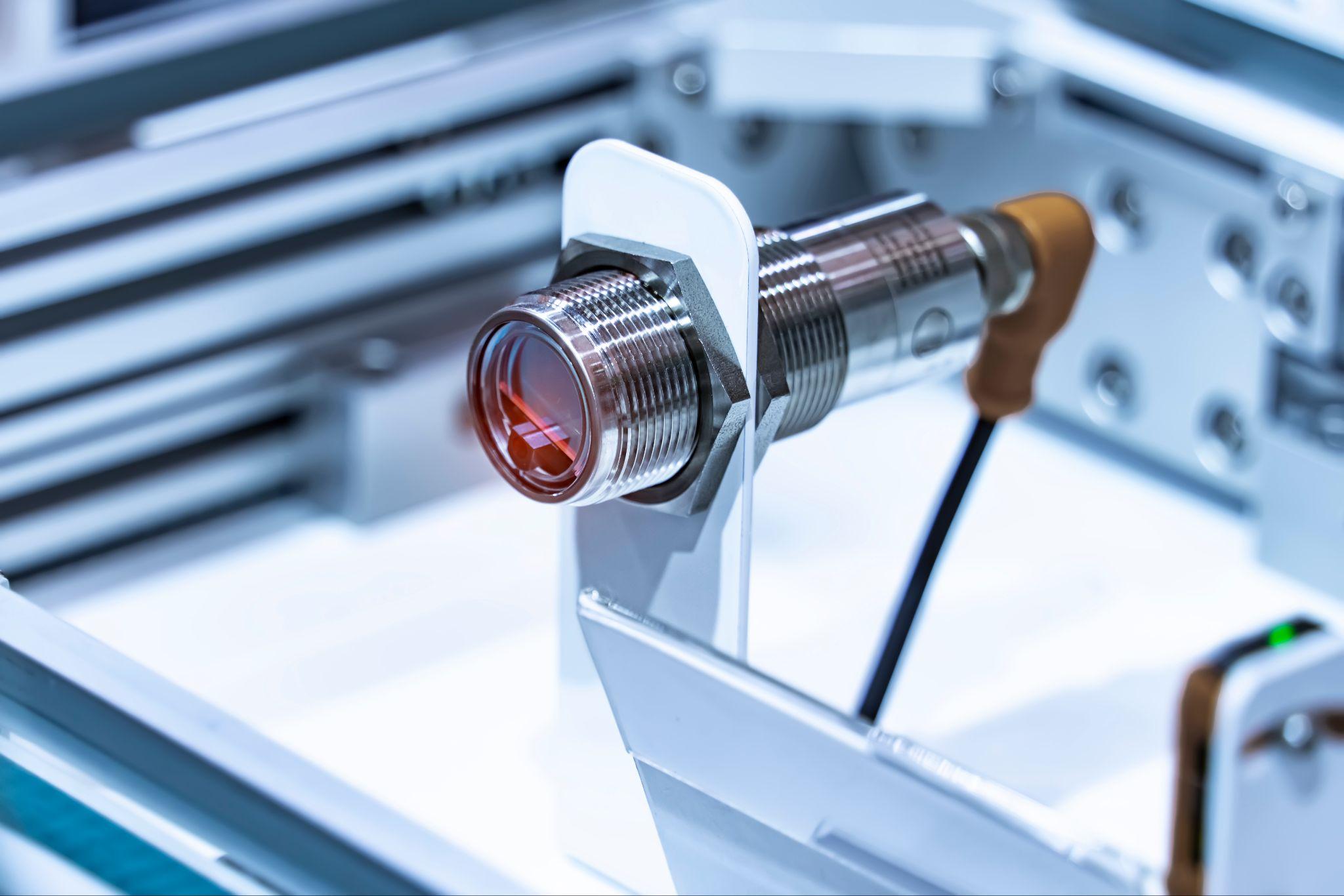
What exactly is a photo sensor? Is it really used for smartphone screen adjustment—and even autonomous driving in cars?
This article is designed for anyone with questions like these.
We walk you through photo sensors from the fundamentals to advanced applications in a way that’s easy to follow—even for beginners.
Once you have the basics down, you can deepen your understanding step by step—through applications, comparisons, and the latest high-precision technologies.
Table of Contents
What Is a Photo Sensor? Understanding the Mechanism and Characteristics from the Ground Up
A photo sensor is a general term for sensors that detect light and convert it into an electrical signal.
Here, “light” includes not only visible light but also electromagnetic waves invisible to the human eye, such as ultraviolet and infrared. Photo sensors can detect information such as the presence/absence of light, intensity, and color.
Photo sensors use a light-sensitive electronic component called a photodetector (photosensitive element), enabling non-contact detection of targets.
They also respond extremely quickly and do not require mechanical contact or complex mechanisms, making them suitable for environments where safety and cleanliness are important.
Because of these characteristics, photo sensors are used in a wide range of fields—from industrial applications to everyday life.
Photo Sensor Types at a Glance: A Thorough Comparison of Characteristics by Application
There are many types of photo sensors. Common examples include photodiodes, phototransistors, photoresistors (light-dependent resistors, CdS cells), and CMOS image sensors.
Each differs in structure and operating principle, which leads to different strengths and characteristics depending on the application.
Below, we explain major photo sensor types along with their principles and features.
How Photodiodes Work and Where They’re Used: Linear Conversion from Light to Current
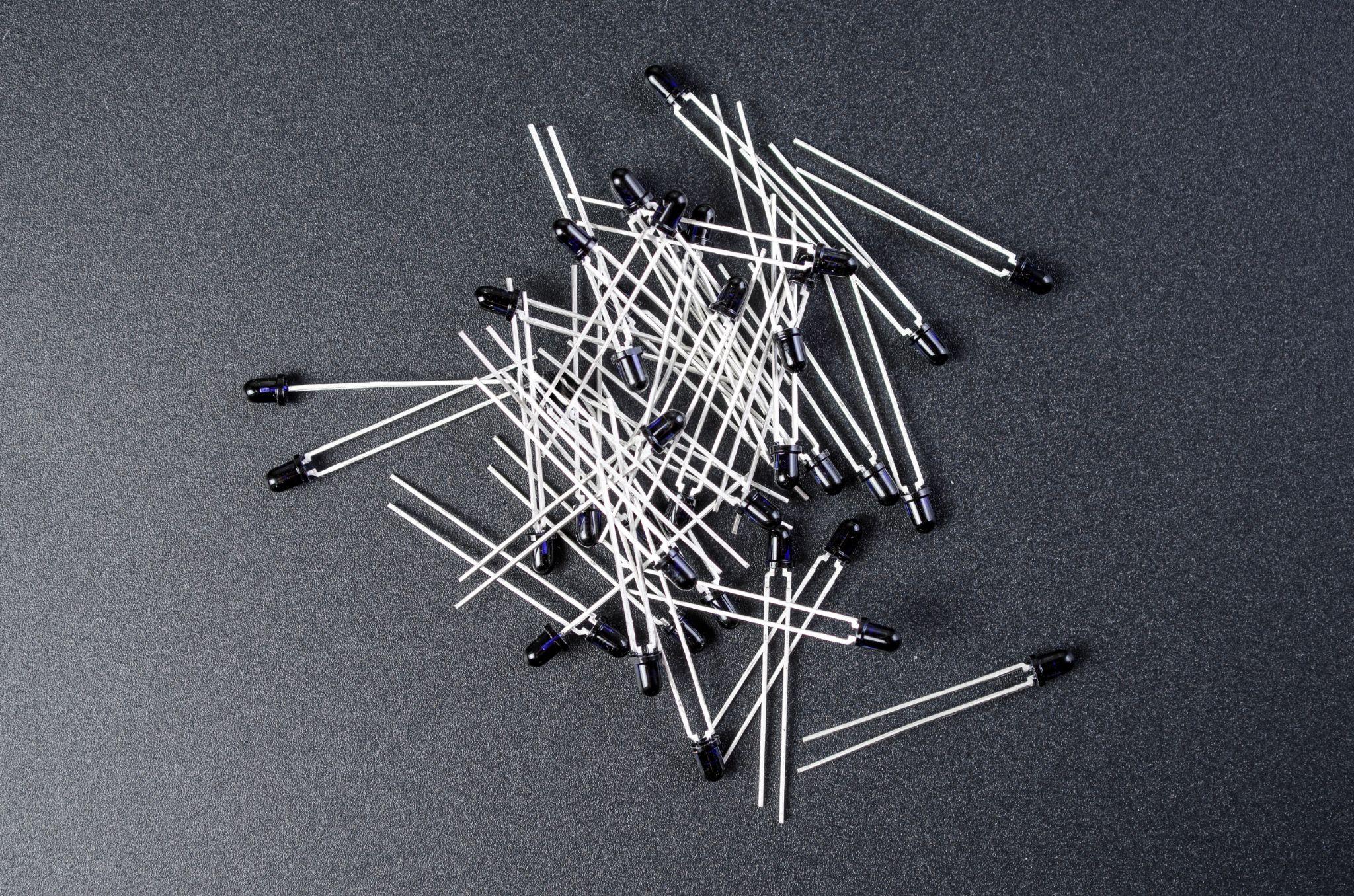
A photodiode is one of the most fundamental photodetectors—a semiconductor device that directly converts light energy into electrical energy.
Its structure is a pn junction like a standard diode. When light strikes it, electron–hole pairs are generated, producing a current in the reverse direction (photocurrent). Because this photocurrent is approximately proportional to the incident light intensity (illuminance), a photodiode can output the light level as a current signal with high accuracy.
In typical silicon photodiodes, the photocurrent is small—on the order of a few µA—so it is often amplified using a transistor or an op-amp. This approach offers advantages such as high linearity and fast response.
Depending on the material, photodiodes can be sensitive from ultraviolet to visible and infrared light, and are widely used in smoke detectors, IR remote receivers, illuminance meters, optical communication receivers, and more.
Solar cells are also a type of large-area photodiode, converting incident light directly into current for power generation.
Phototransistor Structure and Features: Convenient for Simple Detection
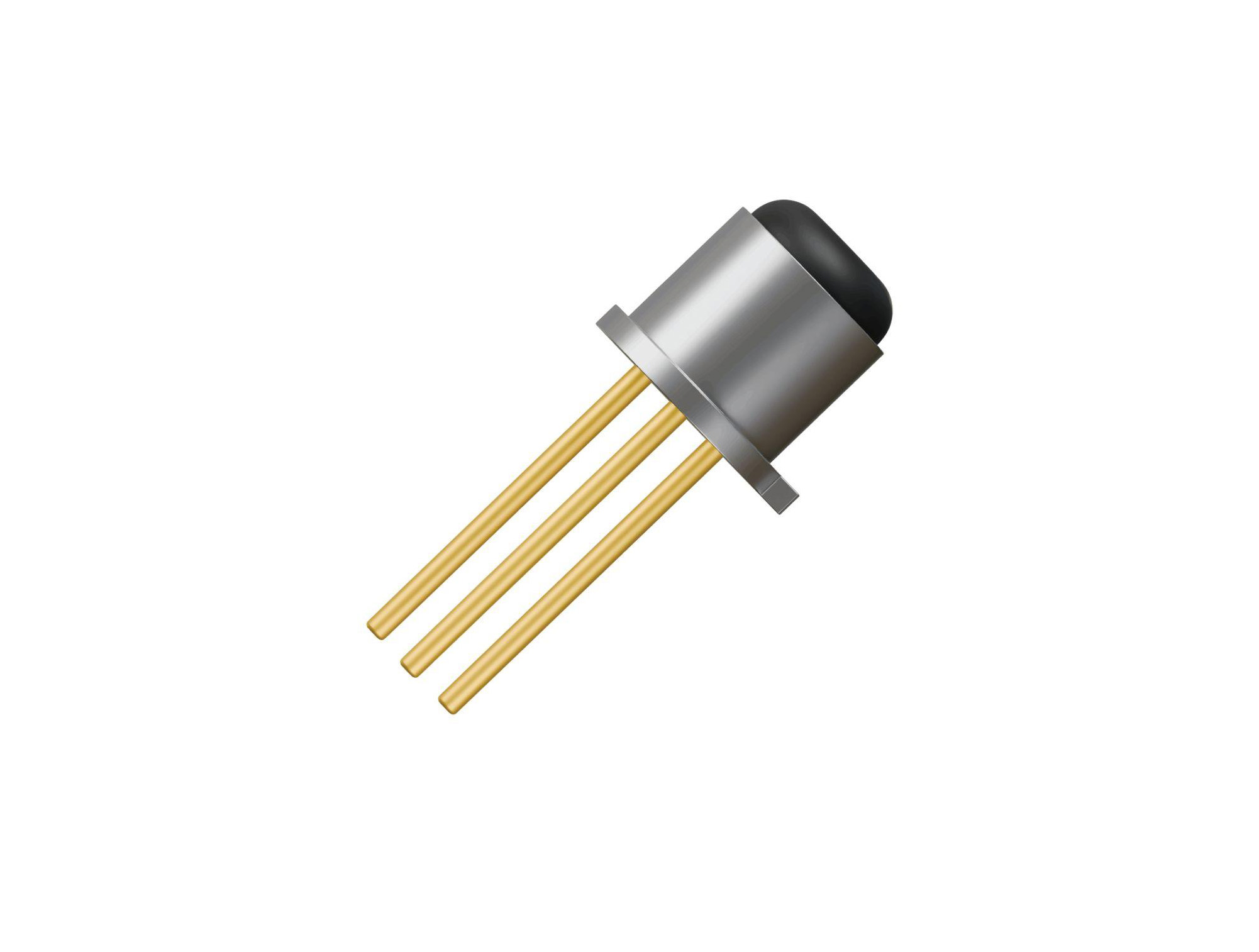
A phototransistor is a photodetector that integrates a photodiode with a bipolar transistor.
Structurally, the base–collector junction acts like a photodiode. When light hits it, a photocurrent is generated. This photocurrent becomes the base current of the transistor, is amplified, and is output as collector current.
In other words, a phototransistor provides current gain for incident light, making it a highly sensitive device that can produce a relatively large output even under weak illumination.
While the output current is generally proportional to illuminance, a phototransistor is slower and slightly less linear than a photodiode because it includes an internal amplification element. However, it can deliver output on the order of several mA, which is a major advantage for simple light detection—such as detecting whether light is blocked or transmitted, or serving as a basic brightness sensor—often allowing direct connection to a microcontroller.
Phototransistors are used in security sensors, light/dark switches for lighting, fiber-optic receiving elements, and other applications.
Photoresistors (CdS Cells): Low-Cost Elements Whose Resistance Changes with Light
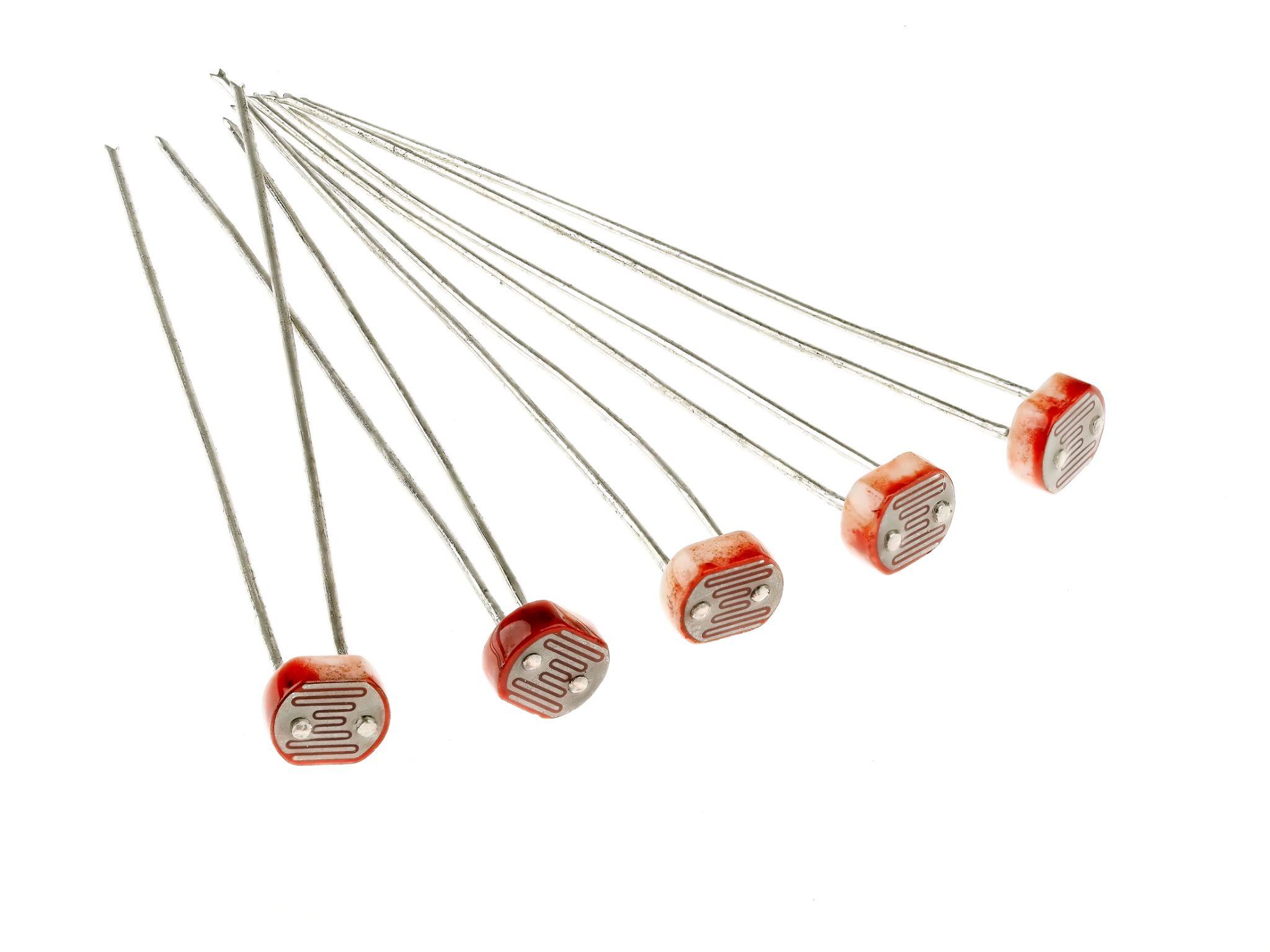
A photoresistor (CdS cell) is a type of photo sensor whose resistance changes depending on the intensity of incident light.
A well-known example is a photoconductive cell made of cadmium sulfide (CdS). When light hits the material, electrons in the semiconductor are excited into the conduction band (the photoconductive effect), reducing the resistance.
Photoconductive cells have the characteristic that resistance decreases as it gets brighter and increases as it gets darker. For CdS cells, resistance can be several MΩ in darkness, tens of kΩ under indoor lighting, and drop to a few kΩ or less in bright outdoor conditions.
This large resistance change makes it easy to build circuits such as voltage dividers that vary with brightness, or simple switch-like circuits.
Photoresistors have a simple structure and are inexpensive, but their response speed from light to resistance change is slow. They may lag by tens of milliseconds—and in some cases seconds—making them suitable for detecting slow changes in ambient light but not for high-speed optical signals.
CdS cells have a spectral response close to human visual sensitivity and can carry relatively large currents, so they have long been used for on/off control based on ambient brightness—such as automatic streetlights, night lighting, and automotive auto-headlight systems.
However, cadmium is hazardous, and EU RoHS restrictions limit its use except for certain applications. As a result, replacement with alternatives such as photodiodes plus amplifier ICs has been progressing in recent years.
CMOS Sensor Features: High-Resolution, Low-Power Image Sensing Technology
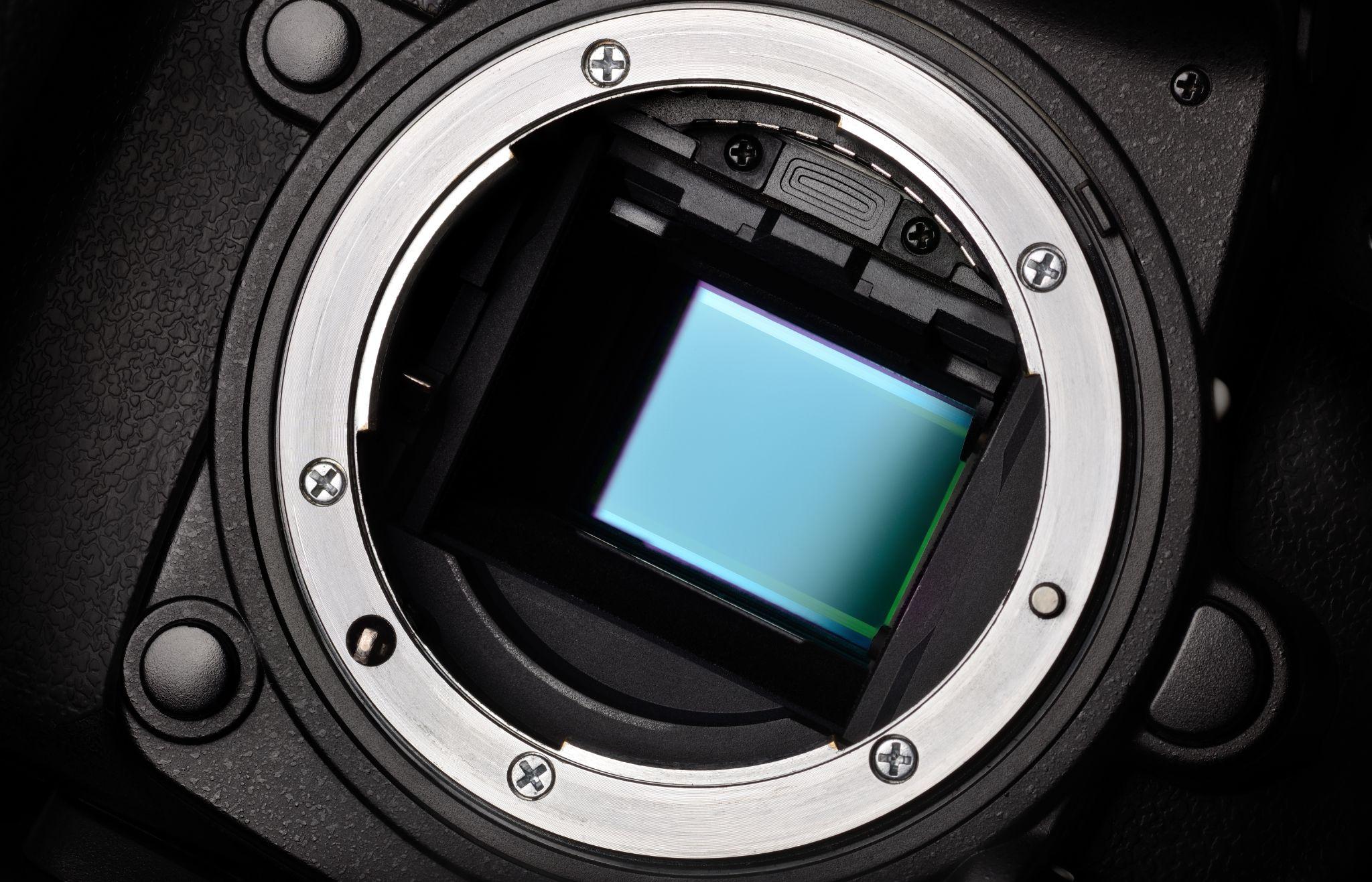
A CMOS image sensor is an imaging sensor used in digital cameras and smartphone cameras.
It integrates a large number of photodiodes (pixels) in a matrix. Each pixel converts received light into charge or voltage so it can be read out as an image.
CCD (charge-coupled device) sensors are another type of imaging device, but in recent years CMOS (active pixel sensor) technology has become the mainstream due to low power consumption and high-speed readout.
In a typical CMOS image sensor, each pixel includes a photodiode and an amplification transistor. After converting light into charge, the sensor sequentially scans the signals and outputs them as an electrical (video) signal. While the photodiode itself operates on the same internal photoelectric effect as other devices, a key feature is that transistor circuits are built into even tiny pixels, enabling direct readout as digital values or voltages.
Modern CMOS sensors integrate tens of millions of pixels or more at high density, enabling high-resolution and high-sensitivity imaging. In addition, pixel-circuit innovations (such as back-illuminated sensors and in-pixel ADCs) and AI-based noise reduction have dramatically improved low-light performance and high-speed capture.
Beyond cameras, CMOS image sensors have become essential as “eyes” for machine vision in industrial robots, medical endoscopes, surveillance cameras, and image recognition in autonomous vehicles.
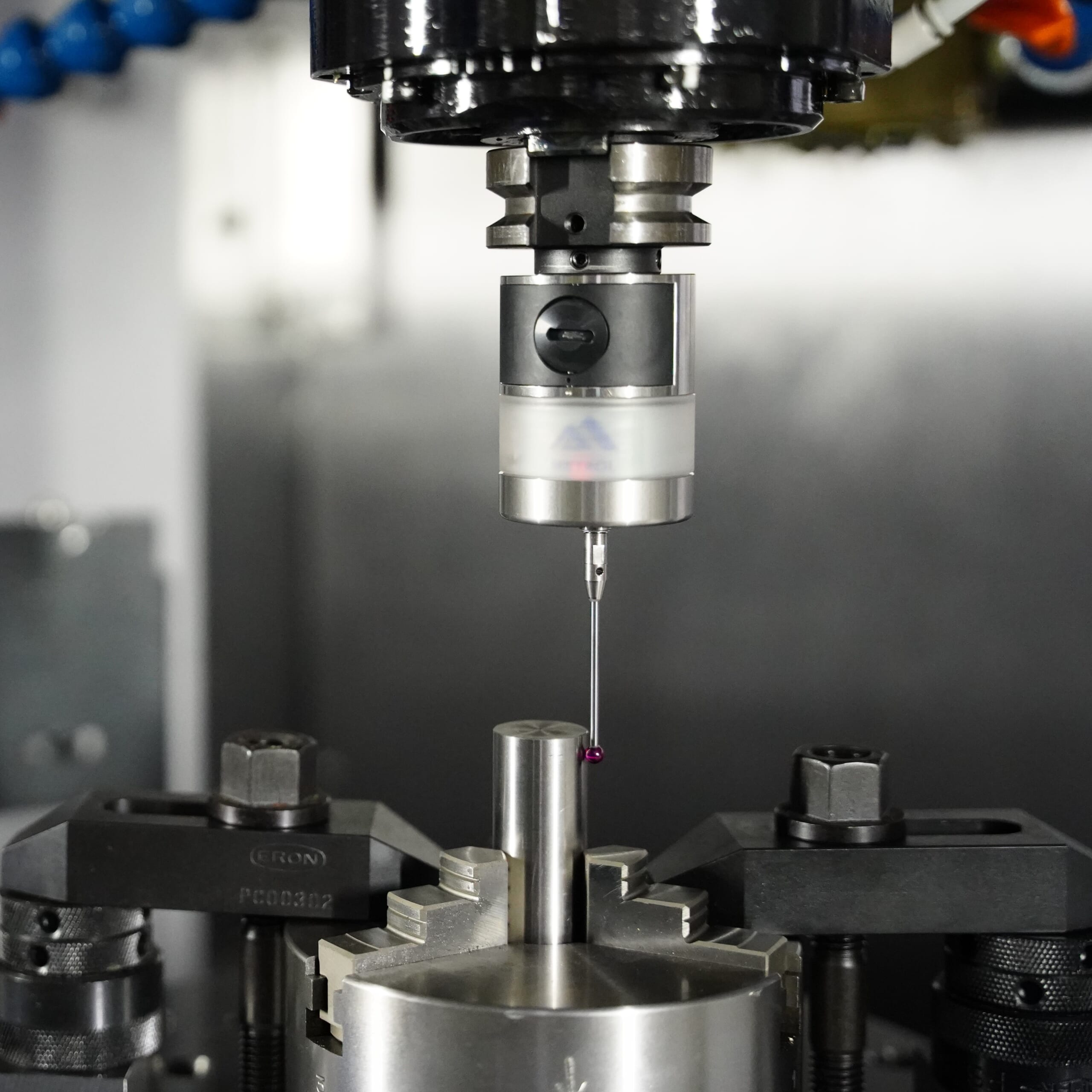
Automated workpiece centering and positioning
- Touch probe -
A contact/touch sensor for on-machine measurement that improves the efficiency of setup work
Click here ›Special-Purpose Photo Sensors: PMTs, APDs, SiPMs, and More

In addition to the types above, there are photo sensors designed for specialized applications.
A photomultiplier tube (PMT) is a sensor that can amplify and detect extremely weak light by multiplying photoelectrons generated at a photocathode inside a vacuum tube through multiple stages of electrodes.
PMTs use the external photoelectric effect and combine single-photon-level sensitivity with fast response and low noise, making them valuable for applications such as neutrino observation (e.g., Super-Kamiokande detectors), astronomy, medical PET, and spectroscopic analysis.
In recent years, high-sensitivity semiconductor sensors such as avalanche photodiodes (APDs) and silicon photomultipliers (SiPMs) have also emerged and are used in LiDAR and high-energy physics experiments.
There is also a wide variety of photo sensor technologies specialized for non-visible wavelengths, including thermal sensors for infrared detection, ultraviolet sensors, and fiber-optic sensors that use optical fiber itself as a strain or temperature sensor.
Operating Principles of Photo Sensors: “Light-to-Electric” Conversion via the Photoelectric Effect
Although the detailed structure varies by type, photo sensors fundamentally operate based on the photoelectric effect—where incident light generates charge carriers within a material.
The photoelectric effect is broadly divided into the external photoelectric effect, in which electrons are emitted from a metal surface, and the internal photoelectric effect, in which electrons are excited within a semiconductor to create conduction electrons and holes. The former is used in phototubes and PMTs, while the latter is used in semiconductor devices such as photodiodes and photoresistors.
In photodiodes and phototransistors, if the photon energy exceeds the semiconductor bandgap, electron–hole pairs are generated inside the device.
As a result, a photovoltaic effect can occur in the depletion region of the pn junction to drive current, or the resistance at the junction may change.
When a photodiode is reverse-biased (photoconductive mode) and photocurrent is extracted, it provides good linearity and fast response.
It can also operate without bias by generating electromotive force via the photovoltaic effect, as in solar cells.
A photoresistor, on the other hand, uses the photoconductive effect, where light increases the number of electrons transitioning into the conduction band in a semiconductor crystal, lowering the resistance.
In all cases, these sensors rely on phenomena where light changes a material’s electrical properties (current, voltage, resistance), and they detect the magnitude of that change as an electrical signal.
Classic phototubes (vacuum photoelectric cells) operated by emitting electrons from a metal photocathode when illuminated; these electrons traveled to a positive electrode, creating current.
This is the external photoelectric effect explained by Albert Einstein, and it is carried forward today in devices such as photomultiplier tubes.
In a PMT, primary electrons are multiplied by electrodes called dynodes, enabling amplification of up to 100 million times (160 dB) for a single initial photon—achieving extremely high sensitivity.
While photo sensors leverage different physical phenomena depending on the purpose, they all share the same essence: converting light into electricity.
Key Characteristics of Photo Sensors: Organizing Pros/Cons Through Comparison with Other Methods
Photo sensors share several common advantages and disadvantages.
Let’s organize these characteristics by comparing photo sensors with other sensor types (such as mechanical switches, ultrasonic sensors, and magnetic sensors).
Advantages of Photo Sensors: Non-Contact, Fast Response, and Versatile Sensing Capability
The first advantage is the ability to detect objects without contact.
Because photo sensors detect changes in reflected light or light blockage, they don’t need to touch the target. This allows detection without scratching or wearing the object, and the sensor itself also experiences no physical wear—offering excellent durability.
A second major advantage is extremely fast response.
Light is an electromagnetic wave and propagates quickly, and because the sensor is made of electronic components, there is no mechanical delay. This enables response on the millisecond to microsecond scale. Even when a mechanical switch takes several milliseconds to detect, a photo sensor can respond almost instantly—improving production takt time.
Third, photo sensors offer flexibility in sensing a variety of physical quantities.
With the right photodetector, they can detect not only visible light but also invisible light such as infrared and ultraviolet. By leveraging light in different ways, they can obtain information such as distance, angle, color, and motion—without contact.
This high versatility is one of the greatest strengths of photo sensors.
Additionally, because they can be built as compact semiconductor chips and mass-produced easily, they often offer advantages in cost and size—and are well suited for battery-powered portable devices.
Disadvantages of Photo Sensors: Vulnerable to Ambient Light and Contamination? Key Considerations for Implementation
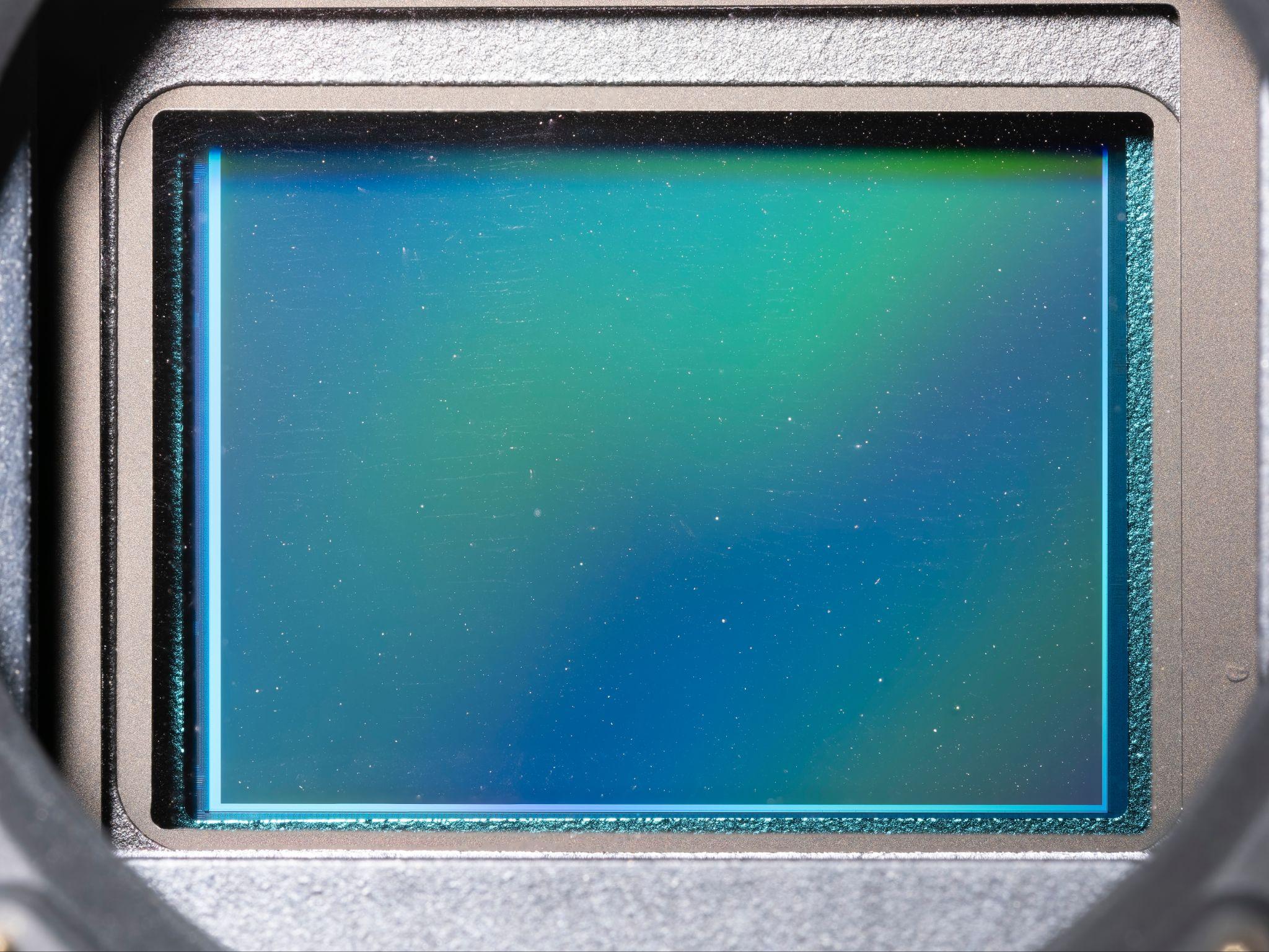
A typical drawback of photo sensors is that they are easily affected by the surrounding environment.
Because light travels in straight lines and is easily blocked, dust or contamination covering a lens can reduce sensitivity. Outdoors, stray light such as sunlight can also cause false responses (noise or saturation).
When multiple photo sensors are installed close together, optical crosstalk may occur as their emitted light interferes with one another. Adequate spacing, accurate optical-axis alignment, and shielding measures are therefore necessary.
In contrast, ultrasonic and magnetic sensors are not affected by light, so in some environments they may be more stable than photo sensors.
Photo sensors can also struggle to detect targets that are transparent or mirror-like.
With reflective photo sensors, the amount of reflected light varies depending on the target’s color and surface condition, so tuning is often required to stabilize detection.
By contrast, ultrasonic sensors can detect transparent objects, and inductive sensors can detect targets even when the metal is not directly visible.
This is why selecting the right sensor for the target and environmental conditions is critical.
In addition, photo sensors (especially analog-output types) may require consideration of characteristic shifts due to temperature changes and aging (such as reduced sensitivity in photoresistors).
However, thermal sensors may have less temperature dependence, so photo sensors are not universally superior in every situation.
Photo sensors are non-contact and fast, but they require attention to environmental factors—creating trade-offs versus other sensor methods.
When designing a system, it’s important to leverage the advantages of photo sensors while implementing measures (such as housing design and signal processing) to mitigate their drawbacks.
It’s also helpful to understand the differences among photo sensor elements themselves.
As mentioned earlier, photodiodes are fast and highly linear but have weak output; phototransistors are highly sensitive but somewhat slower; and photoresistors are inexpensive but extremely slow to respond.
Depending on the application, it is essential to select a photo sensor element that matches the required speed, sensitivity, and spectral response.
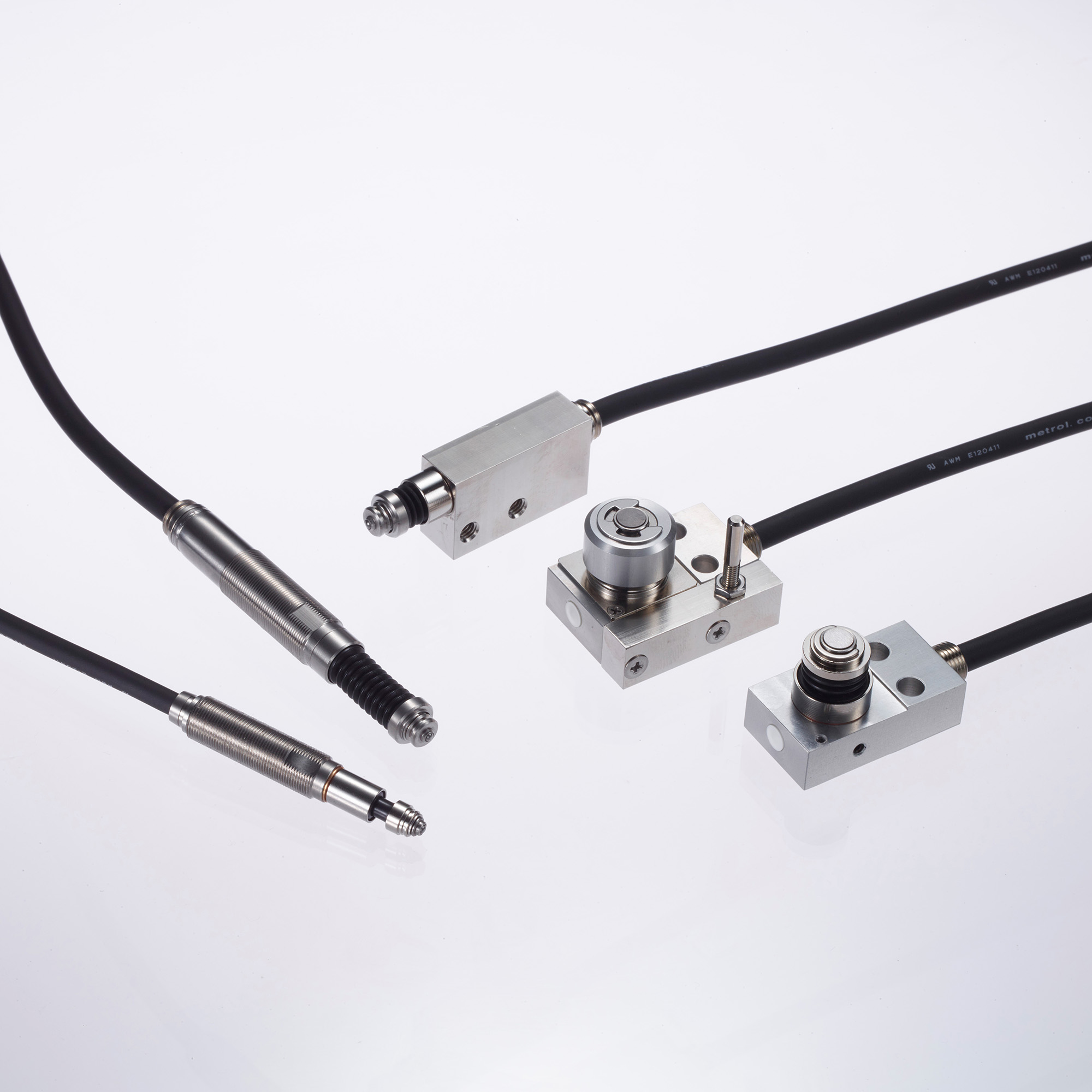
High Precision Positioning
- MT-Touch Switches -
0.5 μm repeatability without amplifier IP67, highly resistant to adverse environments
Click here ›Examples of Photo Sensor Applications in Machining and Manufacturing Sites
Photo sensors are widely used not only in everyday life but also on machining and manufacturing floors.
Below are examples of equipment that uses photo sensors, along with observations based on practical experience.
Case Study: Installing a High-Speed Roll-Up Door That Opens/Closes Automatically Using Photo Sensors
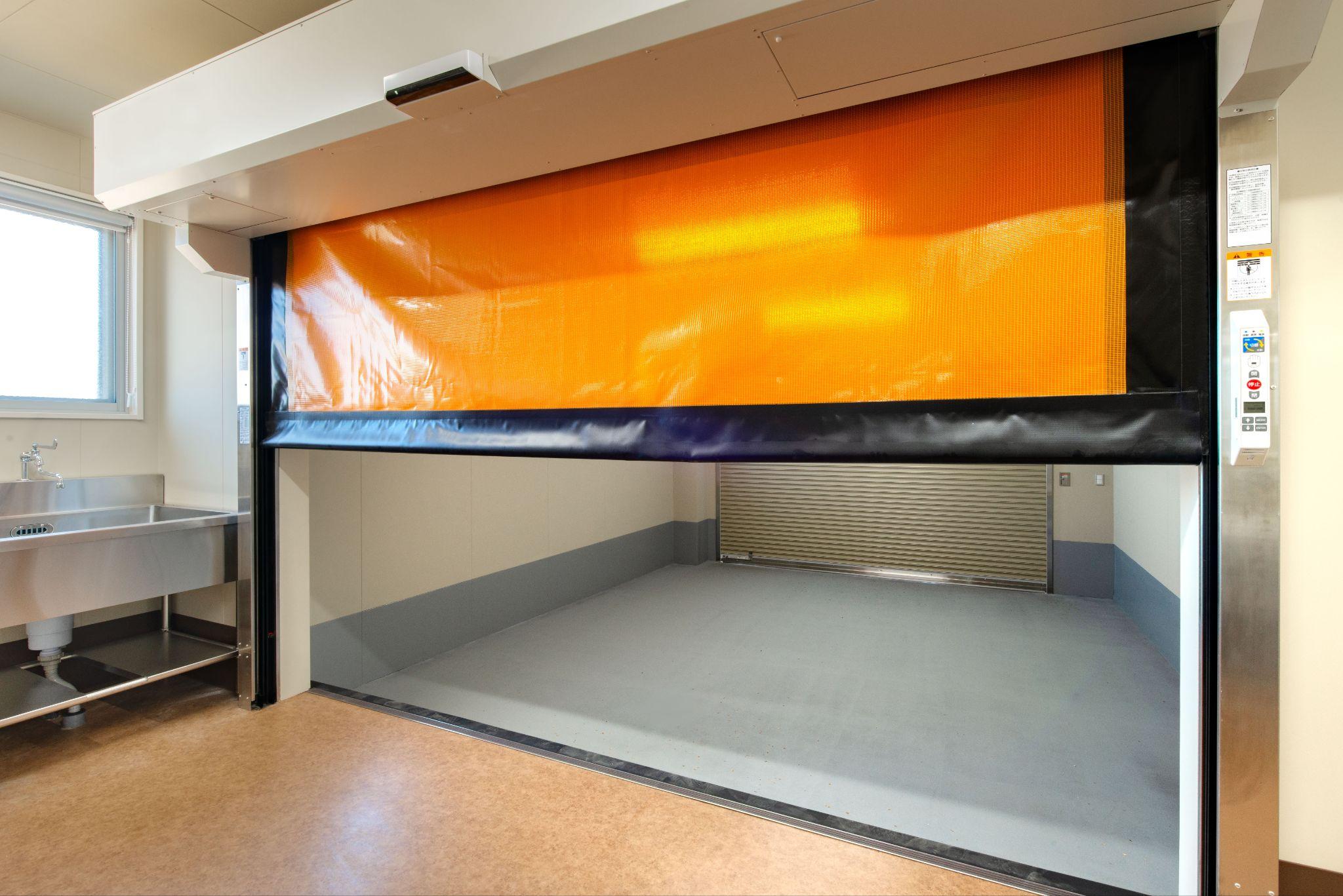
At factory entrances, many workers frequently pass through, which traditionally requires pressing a shutter switch each time.
Setting down carried items and lifting them again is a significant burden, and can be especially painful for older workers. Even with a cart, repeatedly stopping to press the open/close button becomes increasingly cumbersome as the frequency rises.
Moreover, many workers operated the buttons with dirty hands, which often led to poor contact or even short circuits at the contacts due to contamination.
After switching to a high-speed roll-up door that opens and closes automatically using photo sensors, loading and unloading goods became much smoother. Because there was no need to touch the switch directly, the issue of dirty buttons causing failures was resolved.
However, even doors that operate automatically via photo sensors can pose a risk of personal injury depending on sensor placement and how the system is used, so caution is required.
Many roll-up doors are designed to “close (lower)” when the sensor detects nothing, and the photo sensor’s detection area is often positioned outside (or inside) the door opening rather than directly under the door.
As a result, even if someone is outside the detection range (for example, directly under the door), the system may determine that no object (person) is present and automatically lower the door—potentially causing injury.
In recent years, many systems are designed with “foolproof” safety so the door will not descend even if someone is directly underneath. However, for systems installed in-house or modified by retrofitting sensors, be particularly careful when adjusting the sensor detection range.
Case Study: Using Photo Sensors for Restroom Lighting Inside a Factory

Here is an example where photo sensors were installed in factory restrooms to automatically turn on lights inside stalls.
With this setup, the light turns on automatically when someone enters a stall and turns off when the person leaves, reducing wasted electricity from lights being left on.
In addition, because the stall window allows light to be seen, it becomes possible to tell at a glance whether someone is inside—without knocking.
This type of photo sensor responds to moving objects within its detection range, so if a person sits on the toilet without much movement, the light may turn off after a set time. Many people have likely experienced waving a hand upward to turn the light back on.
As with the sensor-equipped roll-up door example, because users do not need to touch the switch with dirty or wet hands, switch failures were also eliminated here.
Product Sorting and Other Use Cases for Photo Sensors

In machines used for food packaging, photo sensors are used for product sorting.
By spectrally analyzing the color of packaging paper used in boxing processes, photo sensors can separate products—helping prevent incorrect mixing of products with different package colors.
High Precision Positioning
- MT-Touch Switches -
0.5 μm repeatability without amplifier IP67, highly resistant to adverse environments
Click here ›What Are Metrol’s High-Precision Positioning Sensors?
Because of features such as non-contact detection and fast response, photo sensors are widely used for position detection and object recognition in many manufacturing settings.
However, in applications that require high precision—such as positioning at the scale of a few microns or stable tool detection inside machine tools—there are areas that photo sensors cannot fully cover.
This is where Metrol’s contact-type and pneumatic sensors come into focus.
Unaffected by light, these sensors achieve 0.5 µm repeatability even in harsh environments with dust, oil, high temperatures, or vacuum—enabling reliable zero-point setting and micron-level centering that can be difficult with photo sensors.
In this section, we introduce Metrol’s representative products—such as high-precision positioning touch switches, tool setters for tool length measurement, touch probes, and air micrometer sensors—explaining their features and practical use cases as complementary solutions to photo sensors.
High-Precision Positioning Touch Switches
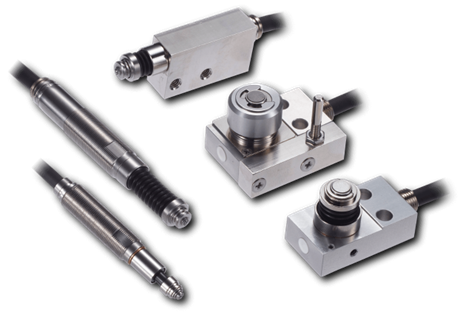
These are contact-type high-precision switches used for positioning and workpiece presence detection in machine tools, robots, and jigs. They achieve an extremely high repeatability of up to 0.5 µm and feature IP67-rated waterproof and dustproof protection, ensuring stable operation even in harsh environments. With more than 200 standard models available, they offer a wide range of variations, including designs for confined spaces, high-temperature environments, vacuum applications, and low contact force requirements.
Tool Setter (Tool Length Measurement Sensor)
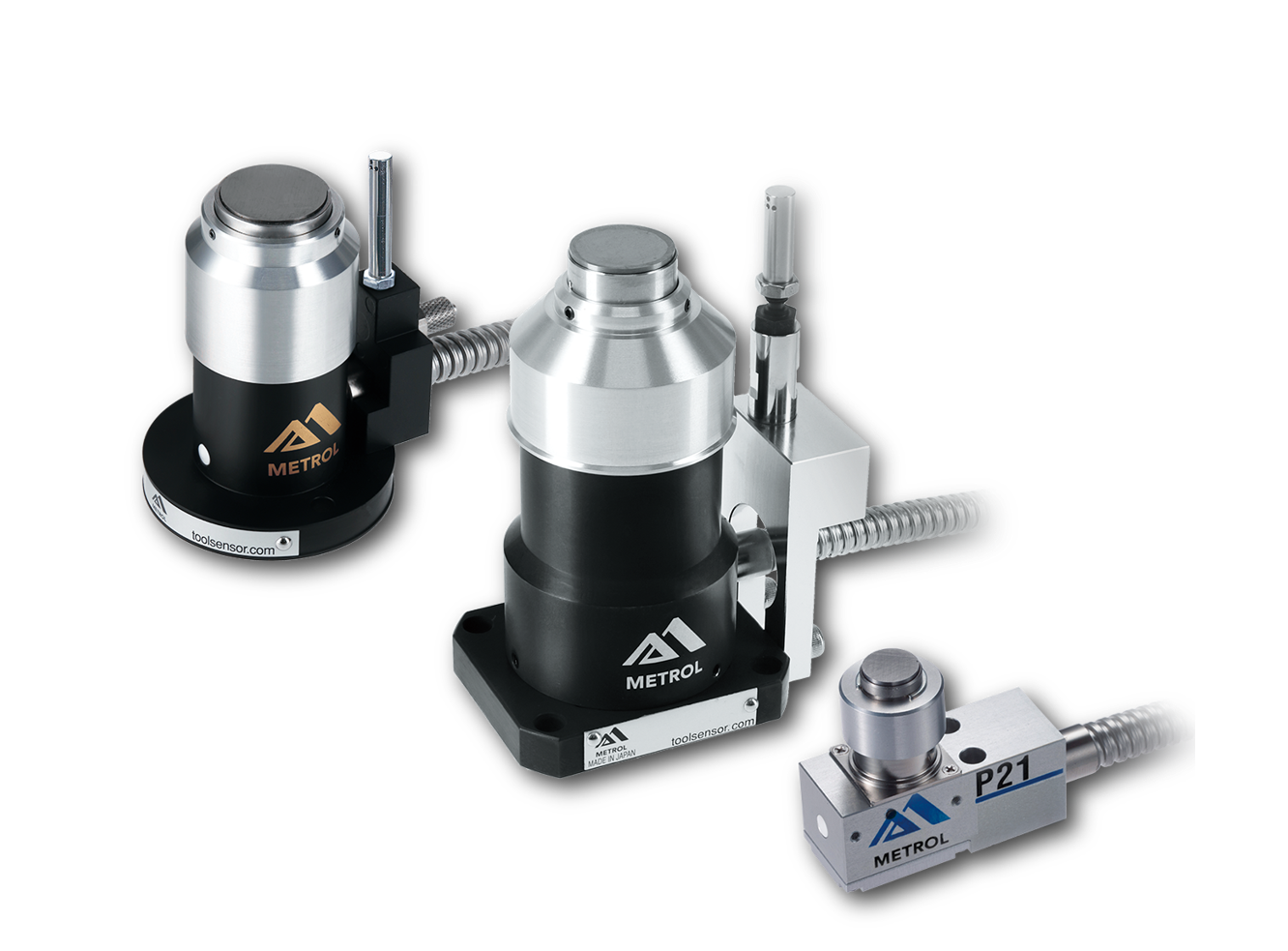
This is a contact-type sensor installed on CNC machine tools and industrial robots for tool length measurement, reference position setting, and tool breakage detection. By automatically measuring and compensating for tool length, wear, and thermal displacement inside the machine, it helps prevent machining defects and significantly reduces setup time. It is one of Metrol’s best-selling products, with a proven track record of more than 500,000 units shipped in 74 countries worldwide.
Touch Probe (On-Machine Measurement Probe)
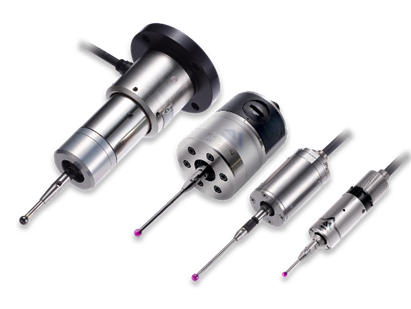
This is a contact-type probe for in-machine measurement, installed on machine tools and robots to automatically perform workpiece positioning (centering) before machining and dimensional measurement after machining. With a repeatability of 1 µm, it automates workpiece referencing and dimensional inspection, replacing skilled manual operations to reduce setup time and help prevent machining defects. Both wired and wireless models are available, meeting retrofit needs for 5-axis machining centers and robotic applications.
Air Gap Sensor (Pneumatic Sensor)
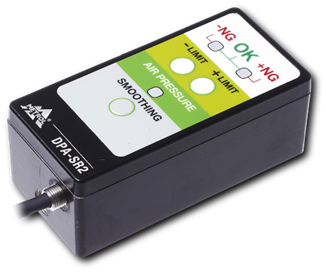
This is a non-contact sensor that uses air pressure to detect workpiece seating conditions with micron-level accuracy. It can detect gaps (“lift”) of less than 10 µm—previously difficult to measure—with a repeatability of ±0.5 µm, helping prevent machining defects and equipment downtime caused by insufficient contact between the workpiece and fixture. The sensor is used in applications such as semiconductor manufacturing processes, precision part clamping operations, and grinding wheel positioning on grinding machines, and it is a smart sensor that also supports the international standard IO-Link communication.
