
What Is a Laser Sensor? A Clear Guide to Its Principles, Types, and Applications
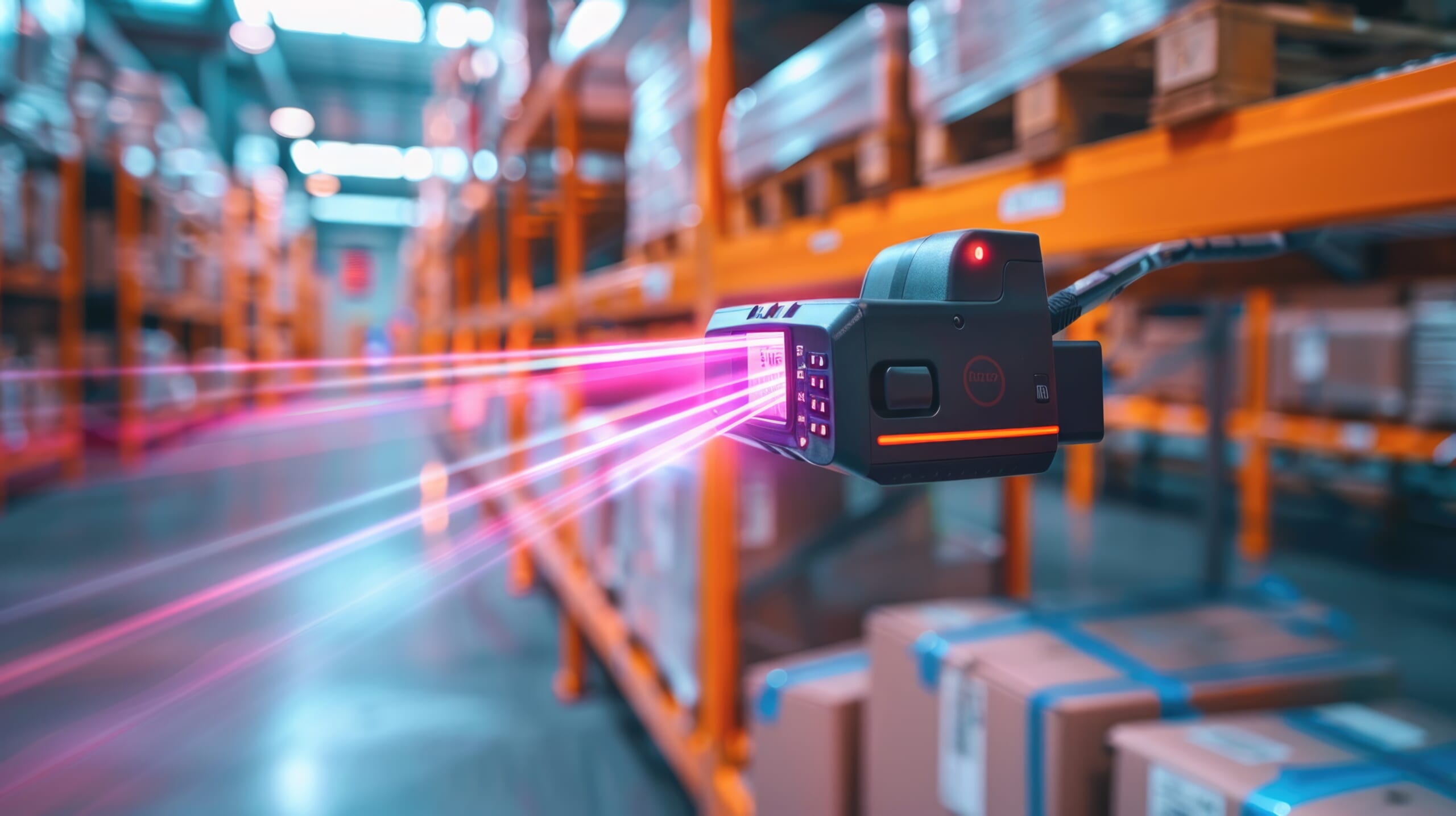
In recent years, laser sensors have been attracting attention across a wide range of fields, including manufacturing, robotics, and autonomous driving. Because they enable high-accuracy, non-contact distance measurement, they have become essential for industrial automation and advanced manufacturing.
This article explains laser sensor principles and applications, differences among measurement methods, and the benefits and challenges to consider when implementing them.
If you are considering adoption or want to learn the fundamentals from the ground up, this guide is for you.
Table of Contents
What Is a Laser Sensor? Definition and Basic Overview
A laser sensor is a sensor device that uses laser light to measure the distance to, or position of, a target object without contact.
Its basic components include a laser light source (such as a semiconductor laser diode) and a photodetector that receives reflected light (such as a photodiode or an image sensor).
The sensor emits a narrow laser beam onto the target, detects the reflected light with a receiver, and calculates distance or displacement from the detected signal.
With recent technological advances, laser sensors have become smaller, more affordable, and more accurate—accelerating adoption across industries ranging from manufacturing and autonomous driving to medical applications.
How Do Laser Sensors Work? Distance Measurement Principles Using Reflected Light
Laser sensors operate based on optical ranging principles. The general process is as follows.
The sensor emits light from an internal laser source toward the target and receives the reflected light. It then calculates the distance between the sensor and the target based on signal characteristics—such as return time, angle of the reflected light, or phase changes.
In the time-of-flight (ToF) method, the sensor measures how long a laser pulse takes to travel to the target and back, then calculates distance from the distance light traveled (speed of light × time).
Another approach, the triangulation method, determines distance from the angle formed between the emitter and receiver (using triangular geometry).
In this way, laser sensors combine optical measurement techniques and electronic circuitry to detect gaps and positional changes with high precision.
A key feature of laser sensors is their ability to measure quickly and accurately without contact.
Because measurement is performed using light, the sensor does not need to touch the target—eliminating mechanical wear and minimizing load on the workpiece.
In addition, lasers have high directivity and excellent straightness, allowing pinpoint detection of small targets and enabling displacement measurements down to the nanometer scale.
Some high-performance laser sensors also support high-speed response with measurement bandwidths reaching several MHz, making them suitable for applications that require near real-time measurement.
Where Are Laser Sensors Used? Application Examples by Use Case
Thanks to their high accuracy and non-contact measurement capability, laser sensors are used in many different fields.
Below are major application areas and specific examples.
Position Detection and Dimensional Measurement on Manufacturing Lines
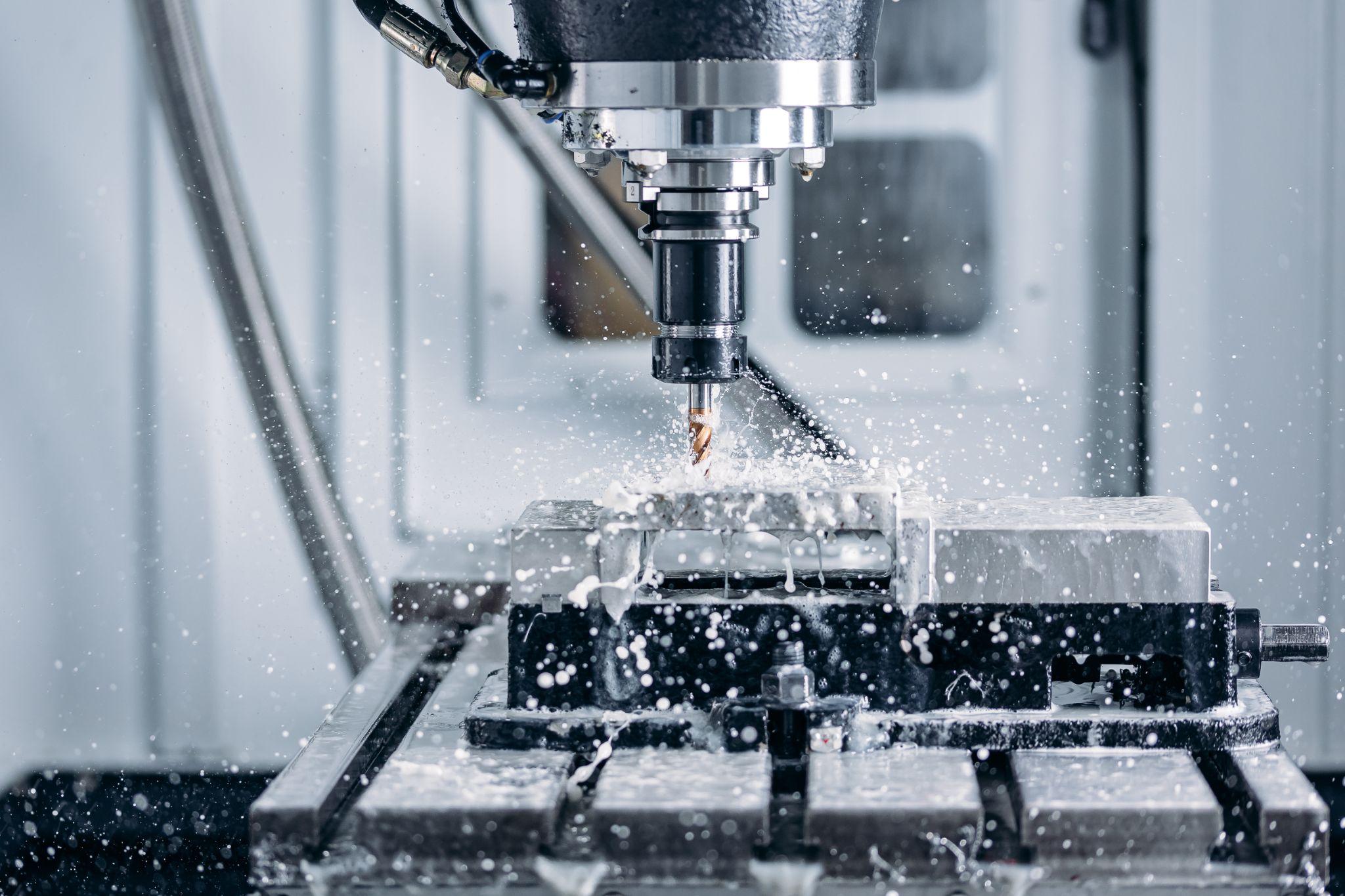
In factory automation equipment, laser sensors are used for workpiece position detection and dimensional measurement.
For example, lasers can verify whether products on a conveyor are in the correct position, helping detect defective items and align parts during assembly.
Laser sensors are also used in quality control of machined parts to confirm whether dimensions meet specifications.
They enable high-speed, high-precision measurement that is difficult to achieve with conventional contact gauges—improving both productivity and accuracy.
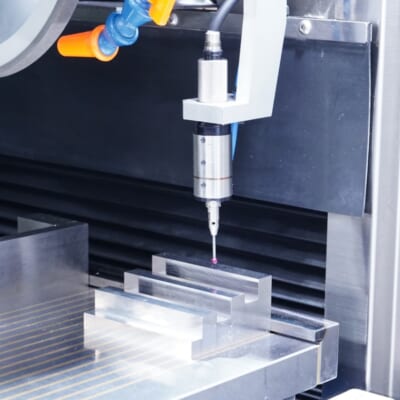
Automated workpiece centering and positioning
- Touch probe -
A contact/touch sensor for on-machine measurement that improves the efficiency of setup work
Click here ›Laser Sensors Essential for Robot Spatial Perception and Control

Mounted as distance sensors on mobile robots and industrial robots, they are used for detecting surrounding obstacles and estimating self-position.
Autonomous transport robots scan their surroundings with laser sensors, detect obstacles in real time, and avoid collisions.
Laser sensors can also be attached to robot arms, enabling precise motion control through distance measurement to targets and 3D position recognition of parts.
The Importance of Laser Sensors in ADAS and Autonomous Driving
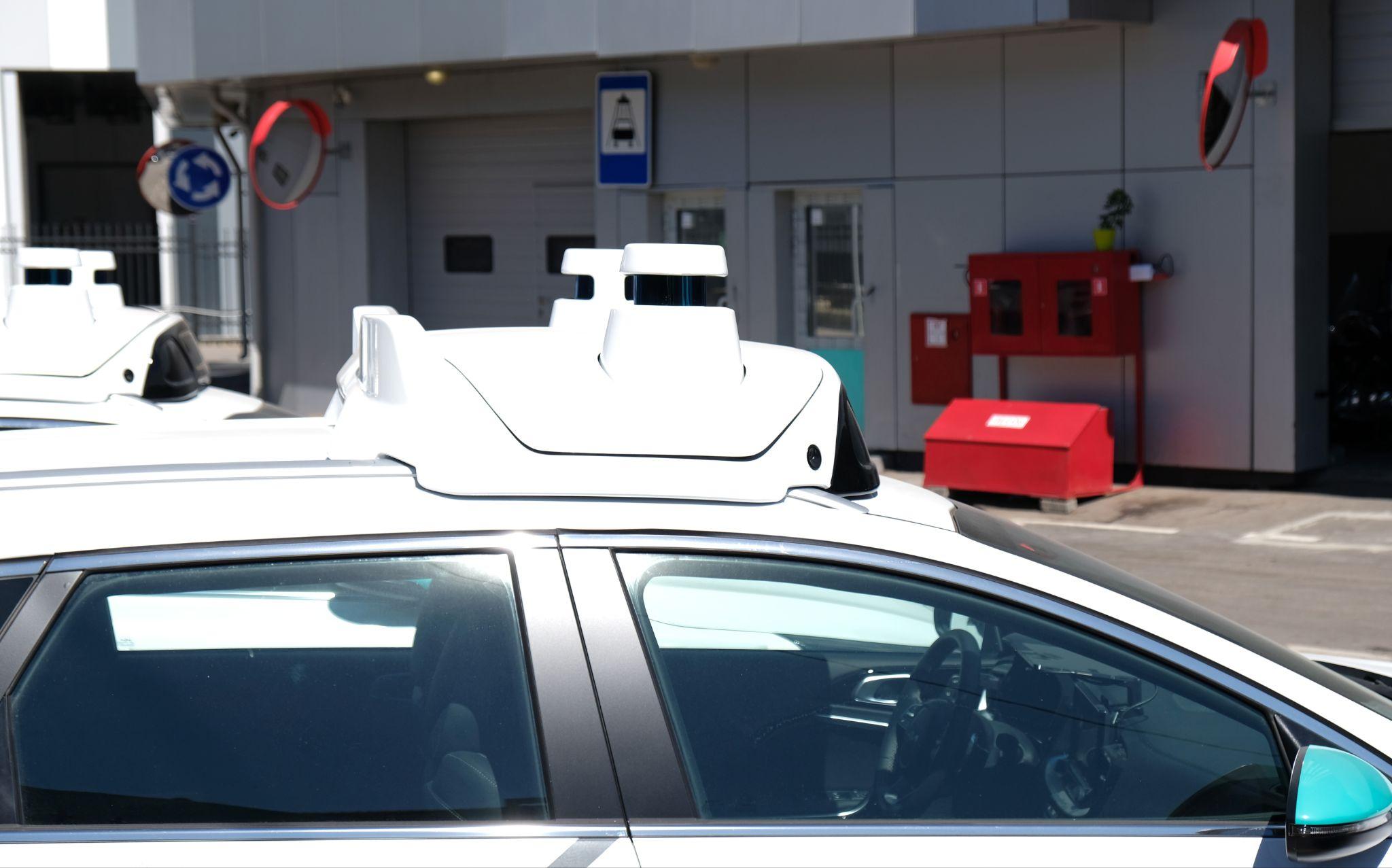
In autonomous vehicles and advanced driver-assistance systems (ADAS), laser sensors known as LiDAR enable awareness of the surrounding environment.
LiDAR units are installed on vehicle roofs or grilles and use laser pulses to build a real-time 3D map of the vehicle’s surroundings.
This allows high-accuracy distance measurement to other vehicles, pedestrians, and obstacles—enabling safer path planning and braking control.
Laser sensors provide stable detection even at night or under strong sunlight, supporting autonomous driving as complementary sensors to cameras and millimeter-wave radar.
Types and Measurement Principles of Laser Sensors: A Detailed Comparison by Method
Laser sensors can be classified into several types based on their measurement principles—such as triangulation, time-of-flight (ToF), phase-shift, and interferometry—each with distinct characteristics in measurable distance range, accuracy, and response speed.
Below, we explain the principles and characteristics of major methods.
What Is the Triangulation Method? High-Accuracy Laser Measurement at Short Range

In the triangulation method, the laser emitter and photodetector are placed inside the sensor with a fixed baseline separation.
When laser light reflected from the target returns, it passes through a receiving lens and forms an image on the photodetector.
As the target distance changes, the incident angle of the reflected light shifts, moving the light spot position on the photodetector. Distance can be calculated by applying triangulation based on this positional shift.
Simply put, it uses the phenomenon that the position where the light lands shifts depending on the distance between the sensor and the target.
Triangulation is well suited for high-accuracy measurements at relatively short range, typically from a few millimeters to several meters.
Up to several meters, it can detect displacement with extremely fast response and high resolution.
Many industrial laser sensors use this method, delivering strong performance in applications such as surface profile measurement and part thickness measurement.
One caution is that the measurable distance is limited. At longer distances, laser beam divergence, image degradation on the photodetector, and the target’s surface reflectivity (such as specular or transparent surfaces) can reduce accuracy and prevent reliable measurement.
For these reasons, triangulation is best suited for high-precision measurement over short to mid-range distances.
What Is the Time-of-Flight (ToF) Method? Distance Measurement Using Light’s Travel Time
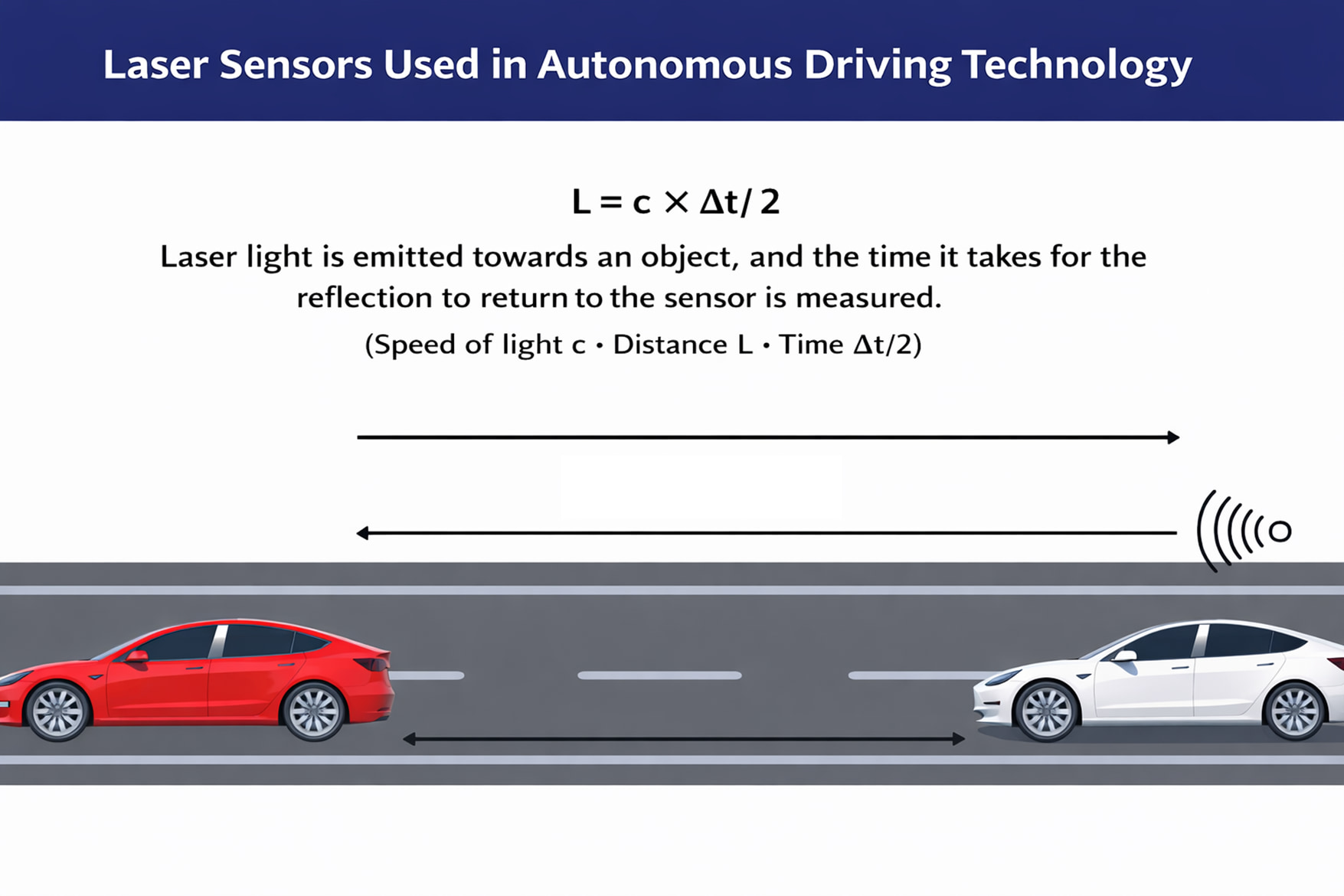
The time-of-flight (ToF) method calculates distance by directly measuring the round-trip travel time of laser light (the “flight time”).
A pulsed laser is emitted toward the target, and the time Δt until the reflection returns to the sensor is measured. Since the speed of light c is known, distance L can be calculated as L = c × Δt / 2 (divided by 2 for the round trip).
Although it requires measuring extremely short times, advances in electronics have made nanosecond-order pulse measurement possible.
The biggest advantage of ToF is its long measurable distance.
Depending on pulse power and receiver sensitivity, some systems can measure targets tens to hundreds of meters away—and in some cases even several kilometers. As a result, ToF is widely used for long-range outdoor measurement (e.g., surveying, measuring distance from a drone to the ground) and for environmental perception in autonomous vehicles (LiDAR).
Flight time is relatively less sensitive to target surface properties, and because it measures time directly, the algorithm is simple and well suited to real-time operation.
However, ToF also has challenges.
First, improving time resolution requires high-speed electronics and precise timing analysis, which tends to increase cost.
Second, it can be more susceptible to adverse weather and scattering in the air.
In fog, rain, or dusty environments, laser light can attenuate or scatter, weakening signals and increasing noise, which reduces accuracy.
In fact, reduced detection performance in fog is often cited as a challenge for LiDAR used in autonomous driving.
Another limitation is that at long distances, beam spread can reduce resolution, making it harder to distinguish small objects.
Even so, overall, ToF remains a powerful approach for long-range, high-speed distance measurement and is widely adopted in many laser sensor systems.
What Is the Phase-Shift Method? High-Precision Measurement That Captures Minute Distance Changes
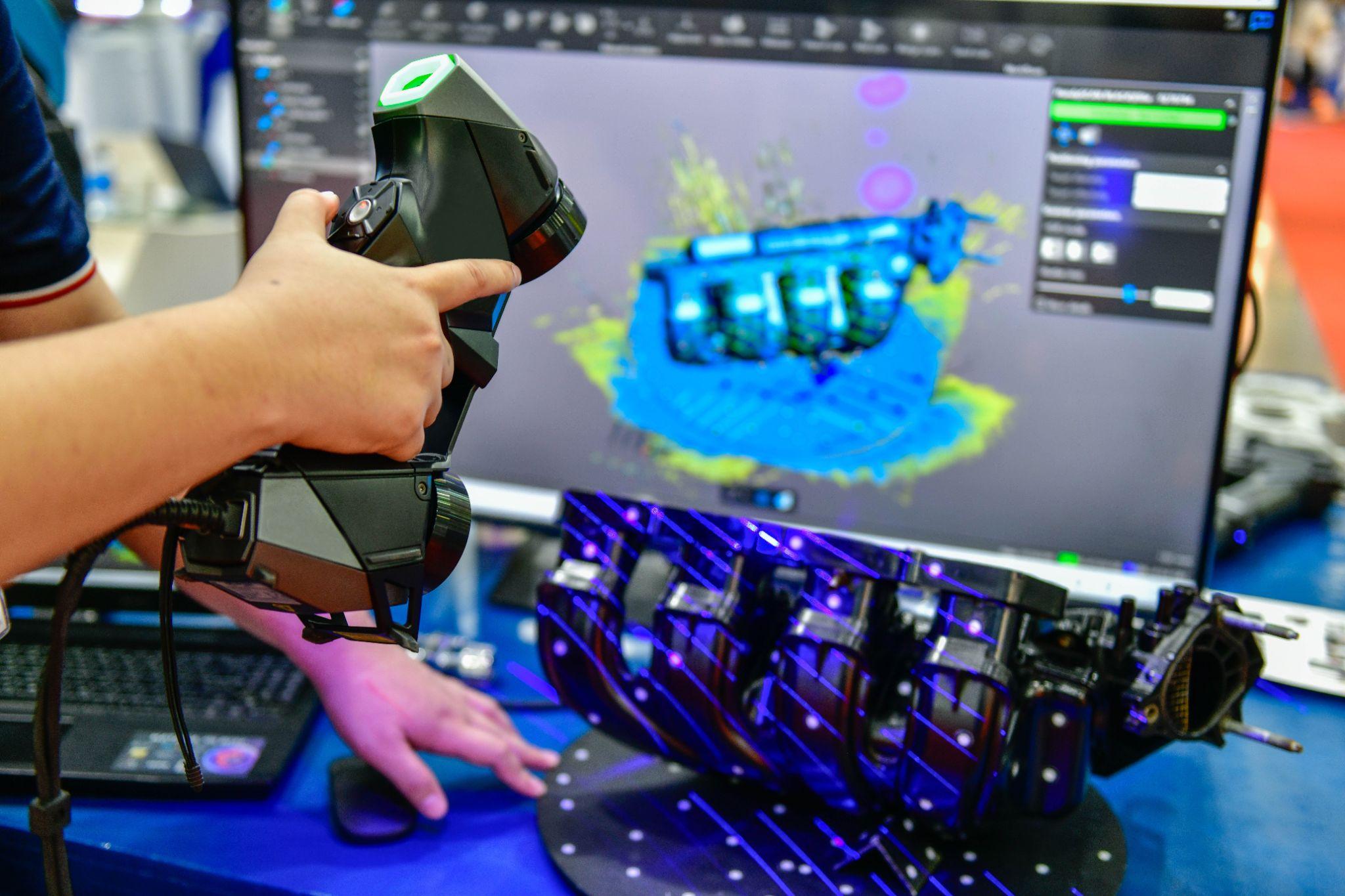
The phase-shift method is a type of ToF principle, but it is characterized by using continuous-wave laser light rather than pulses.
The laser intensity is modulated at a fixed frequency (e.g., sinusoidal modulation), and the phase shift of the returned light is measured. The flight time Δt is derived from the phase difference Δφ between transmitted and received waveforms, and distance is then calculated.
In this method, the light is emitted continuously rather than as pulses.
If phase can be detected with high resolution via signal processing, extremely high-precision ranging becomes possible—down to sub-millisecond time differences (sub-millimeter distance differences).
Some laser rangefinders using the phase-shift method achieve sub-millimeter accuracy, and in some cases accuracy on the order of several tens of micrometers.
The advantages of the phase-shift method are exceptionally high accuracy and stable measurement with strong noise immunity thanks to continuous-wave operation.
Because it delivers outstanding accuracy up to mid-range distances, it is used for machine-tool positioning and precision 3D scanners. It also tends to be less affected by ambient light, providing stable performance both indoors and outdoors.
Drawbacks include an upper limit to measurable distance and relatively higher equipment cost.
Because it requires circuitry for high-frequency modulation and phase detection, it is generally more complex and costly than pulsed ToF methods.
Overall, the phase-shift method is well suited when you need high-precision distance measurement up to mid-range distances.
What Is the Interferometry Method? Technology Enabling Nano-Level Measurement

Interferometry is an extremely high-precision measurement method that leverages laser interference phenomena.
Using a partially reflective mirror, the laser beam is split into reference light and measurement light. One beam is directed to the target and reflected, while the other is guided directly to a detector as the reference.
When the two beams are recombined, interference fringes (patterns of intensity variation) appear according to the path-length difference.
By analyzing the phase and fringe count of these patterns, changes in distance to the target can be detected with resolution finer than the order of the laser wavelength.
In practice, some industrial laser interferometers are used for precision positioning with sub-nanometer resolution.
They also offer high repeatability and are suitable for long-term displacement monitoring.
However, interferometry often requires a dedicated reflective target (such as a high-reflectivity mirror). If the target surface is unspecified or diffusely reflective, measurement can be difficult in principle.
Additionally, as the optical path becomes longer, disturbances (vibration or air turbulence) can disrupt the fringes. Therefore, it is mainly used for short-range displacement measurement in laboratories or inside precision instruments.
The equipment also requires sophisticated optics and a stable platform, making it large and expensive.
Nonetheless, because of its overwhelming accuracy, interferometry is indispensable for nano-precision control in semiconductor manufacturing equipment and for scientific experiments (such as gravitational-wave detection).
Other Laser Measurement Methods and Their Characteristics

In addition to the methods above, some laser sensors use specialized principles.
For example, the confocal method leverages the phenomenon that reflected light peaks only when the target is at the focal position, and it is used for thin-film thickness measurement and surface profile measurement.
Another approach gaining attention is FMCW (frequency-modulated continuous-wave) LiDAR, which linearly modulates laser frequency over time and derives both distance and relative velocity from the beat frequency between transmitted and returned light.
FMCW is less susceptible to interference from other LiDAR systems and can also detect object velocity via the Doppler effect, so R&D for autonomous driving applications is progressing.
As shown, a variety of ranging principles exist depending on applications and requirements, broadening the scope of laser sensor technology.
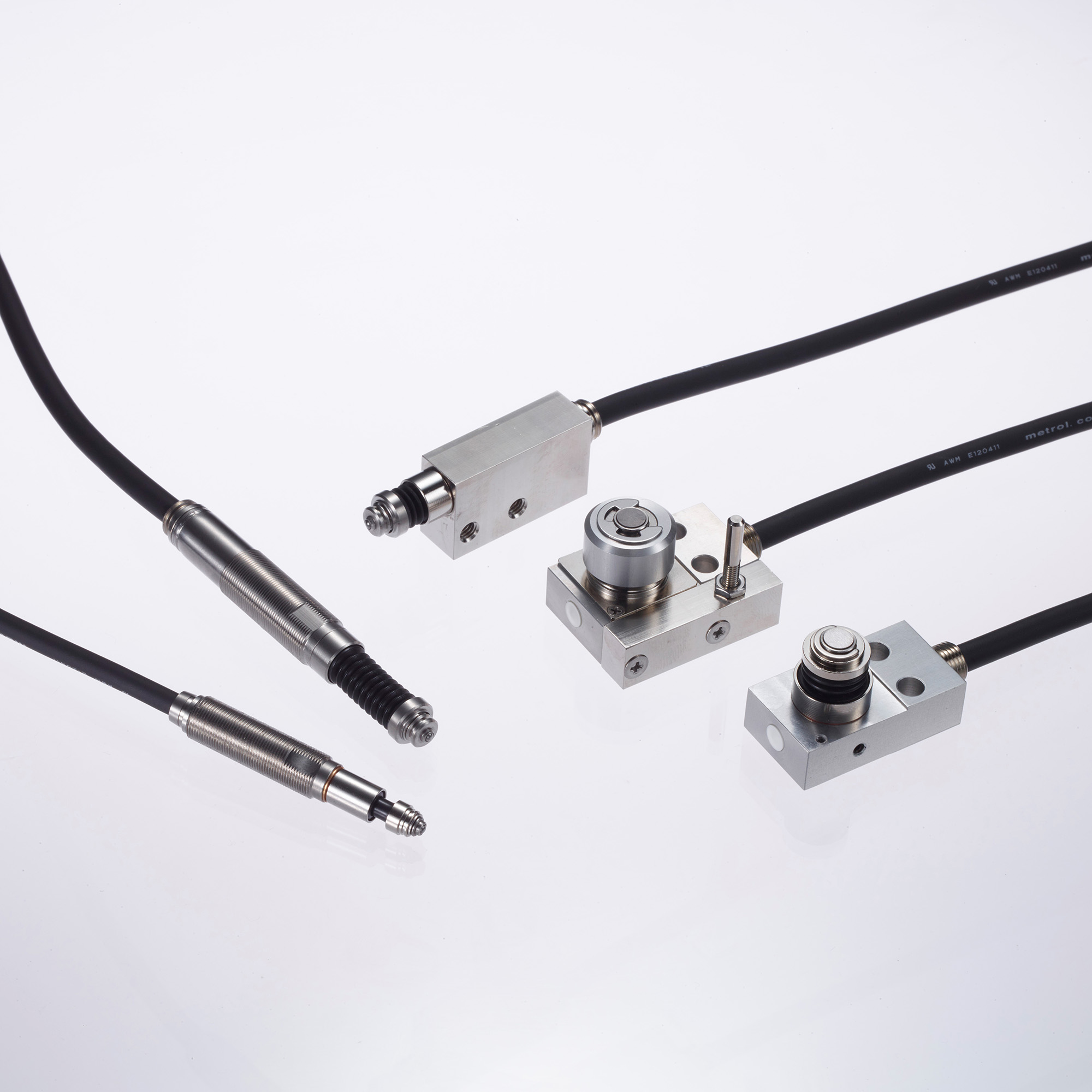
High Precision Positioning
- MT-Touch Switches -
0.5 μm repeatability without amplifier IP67, highly resistant to adverse environments
Click here ›Pros and Cons of Laser Sensors: Key Points to Know Before Adoption
While laser sensors offer outstanding performance, they also present practical challenges. Here we organize and explain both their advantages (pros) and challenges (cons).
Typical Benefits of Laser Sensors, Including Non-Contact and High Accuracy
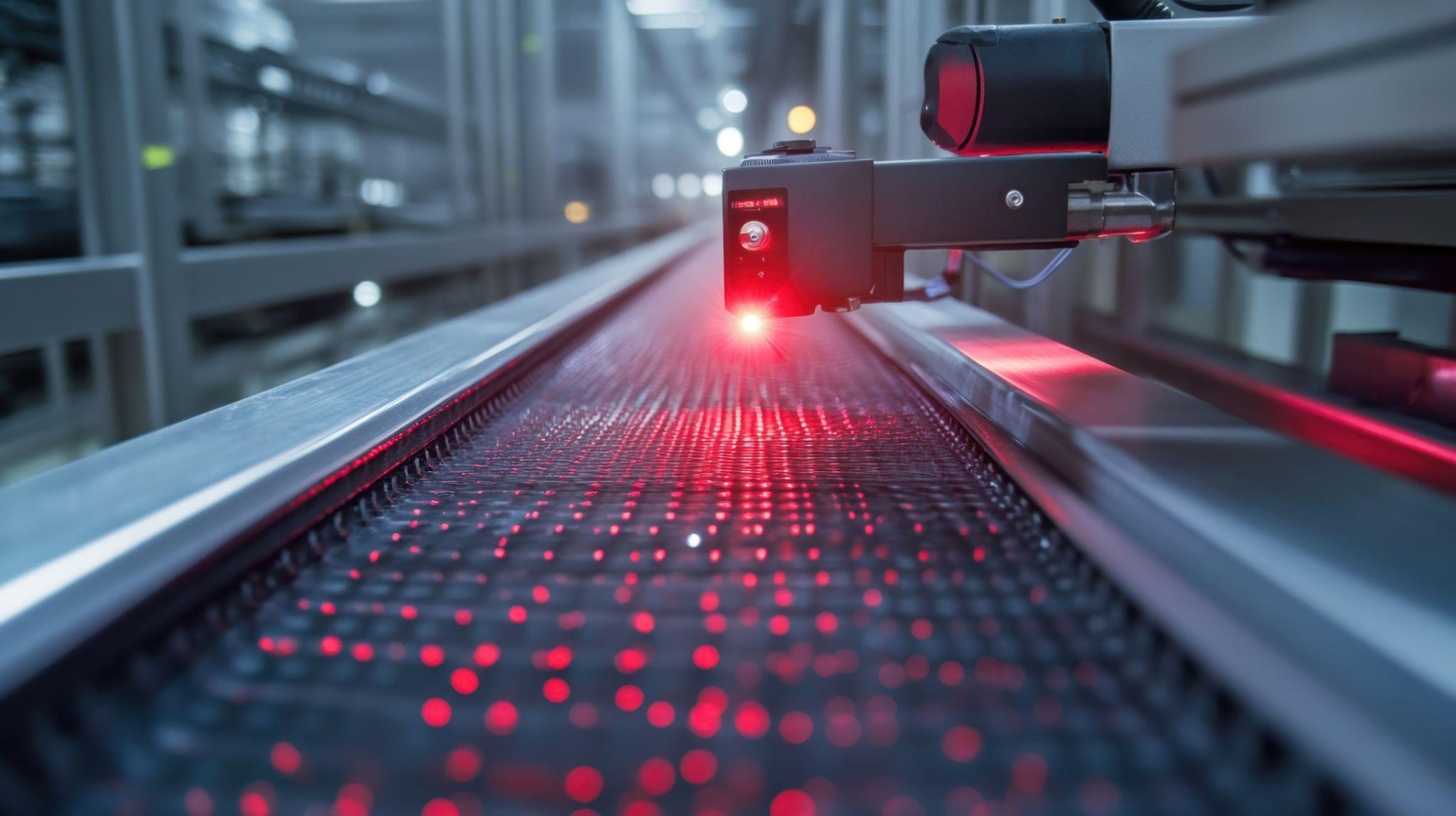
High-Accuracy Measurement Without Touching the Target
Because they measure distance and displacement without contact, they do not scratch or wear the measurement target.
In addition, laser light is highly directional and easy to aim at small targets, offering the accuracy needed to detect dimensional changes on the order of micrometers to nanometers.
Laser sensors can detect extremely small misalignments that are invisible to the human eye, such as in micro-part positioning and precision machining monitoring.
Advantages of Long-Range Laser Sensors with Strong Real-Time Performance
Because they leverage the speed of light, their measurement response is fast and well suited to real-time control.
In particular, some ToF sensors can perform ranging from tens of times per second up to millions of times per second, enabling continuous tracking of distance changes for fast-moving objects. Another advantage is their longer reach compared with other non-contact methods (such as ultrasound), and laser rangefinders are also used for long-distance outdoor target measurement.
Environmental Robustness for Stable Measurement
Because laser light has high directivity and intensity, it is less affected by ambient brightness.
Even in environments where other optical sensors are easily disturbed by sunlight or lighting, laser sensors can form a strong light spot for stable measurement. When using infrared lasers, they are not affected by visible-light noise.
Moreover, the high brightness of laser light allows more stable operation than other methods even in environments with some dust or mist (although dense fog or heavy dust remains a challenge, as discussed later).
Space-Saving Design for Easy Integration into Equipment
Advances in semiconductor lasers and compact optics have made laser sensors increasingly compact year by year.
Today, highly functional laser ranging sensors can be packaged into modules only a few centimeters in size, making them easy to integrate into robots and mobile devices. For example, some smartphone cameras include miniature ToF laser sensors to instantly measure subject distance and adjust background blur in portrait photography.
This compact and lightweight nature is a major advantage that further expands the range of possible applications.
Challenges to Understand Before Adoption and How to Address Them
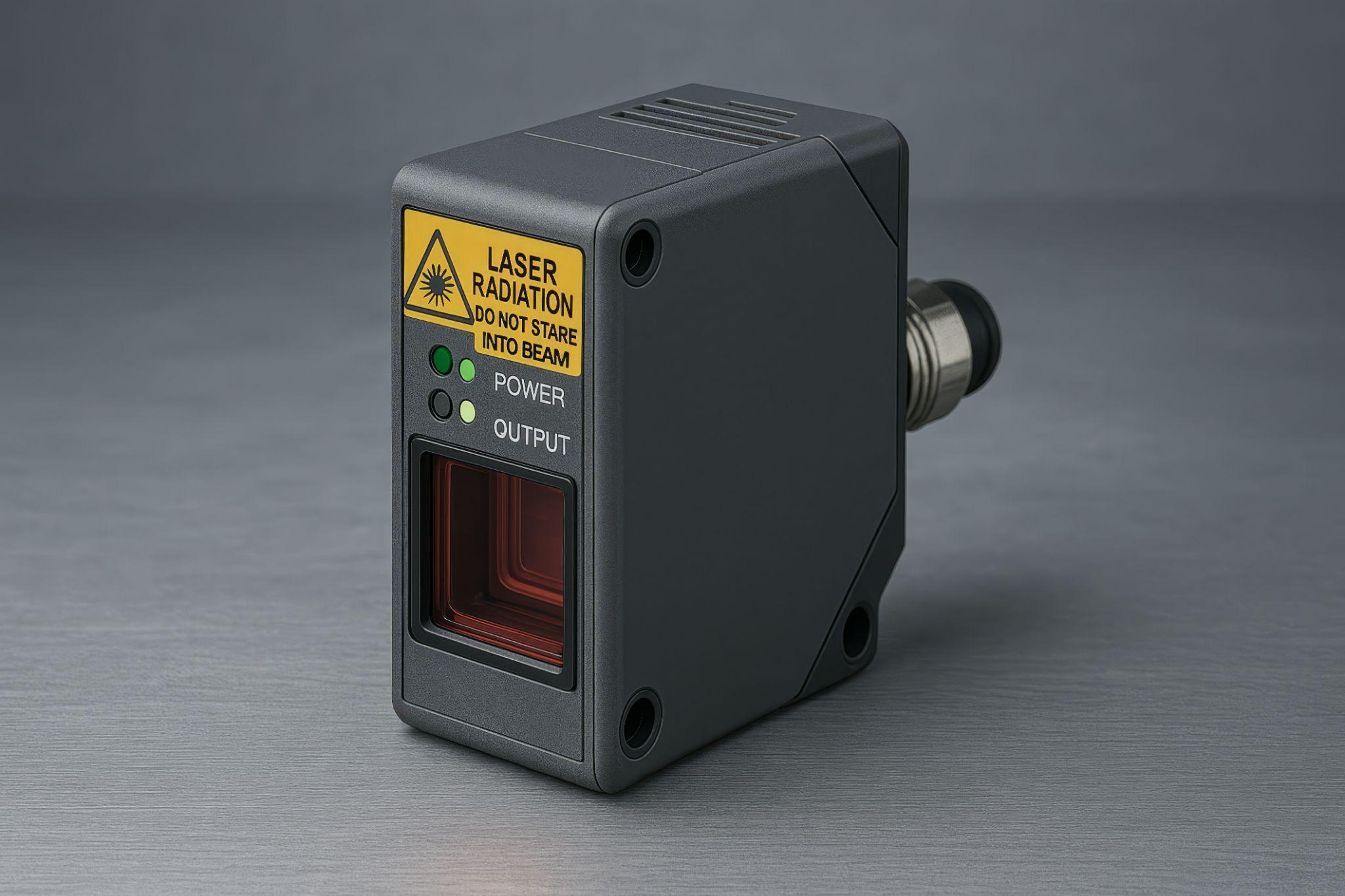
Why Are Laser Sensors More Expensive Than Other Sensors?
As laser sensors become more high-performance, they require more advanced optical components and high-speed electronics, which increases cost.
They are generally more expensive than simpler sensors (such as ultrasonic or infrared sensors), and models that pursue maximum accuracy—such as phase-shift and interferometry systems—can be especially costly.
That said, mass production and technological progress have increased the availability of lower-cost models, and affordable laser distance sensors are becoming more common in certain applications.
Risks of Misuse and How to Mitigate Them
If laser output is high, it can be harmful to human eyes and skin.
For this reason, international standards define laser safety classes, and products are designed to meet relatively safe levels such as Class 1 or Class 2.
Many commercial laser sensors fall within Class 2 or below (≤1 mW), which is considered safe for momentary direct viewing even in visible light. However, staring into the beam for an extended time can damage the retina, so safety measures such as warning labels and protective eyewear are recommended.
In particular, instruments that use high-power lasers (such as interferometer light sources) may fall under Class 3B or Class 4, requiring strict safety management.
How Fog and Dust Affect Measurement Accuracy
As noted among the advantages, laser sensors are relatively robust to the environment, but they are not immune.
In dense fog, heavy rain, or situations with large amounts of dust, laser light can scatter or attenuate, leading to measurement errors and reduced range.
Target material also matters. Black or rough surfaces absorb and diffuse light, weakening reflections and shortening measurable distance. Mirror-like targets can cause undesired reflections, sometimes preventing accurate distance detection.
In this way, constraints related to the environment and target properties exist, and even highly accurate laser sensors are not universally applicable.
Recently, research has progressed on improving fog performance using AI-based noise reduction and multi-echo analysis, but enhancing environmental robustness remains an important theme.
Maintenance and Calibration Challenges
Because laser sensors are precision optical instruments, impacts or vibration can misalign the optical axis and degrade performance. Regular calibration is therefore essential.
In environments with many vibration sources, such as factories, periodic calibration and ruggedized design are indispensable.
High power consumption is another major issue. Scanning LiDAR systems can consume significant power when using motors and multiple laser beams, so improved energy efficiency is required for mobile devices and electric vehicles.
The large data volume is also a concern. High-resolution 3D LiDAR can generate hundreds of thousands of point-cloud points in a single scan, requiring high-performance processors and efficient algorithms for real-time processing.
Considering these related issues, a comprehensive approach is required when integrating laser sensors into a system.
High Precision Positioning
- MT-Touch Switches -
0.5 μm repeatability without amplifier IP67, highly resistant to adverse environments
Click here ›Laser Technologies Used in Machining Environments
In machining environments, laser sensors are mainly used for high-precision positioning and measurement of fixtures, but laser technology is also widely used in cutting processes.
Here, we introduce the benefits of laser technology in the machining industry based on on-site experience.
High-Speed Dimensional Measurement of Products and Tools Using Lasers
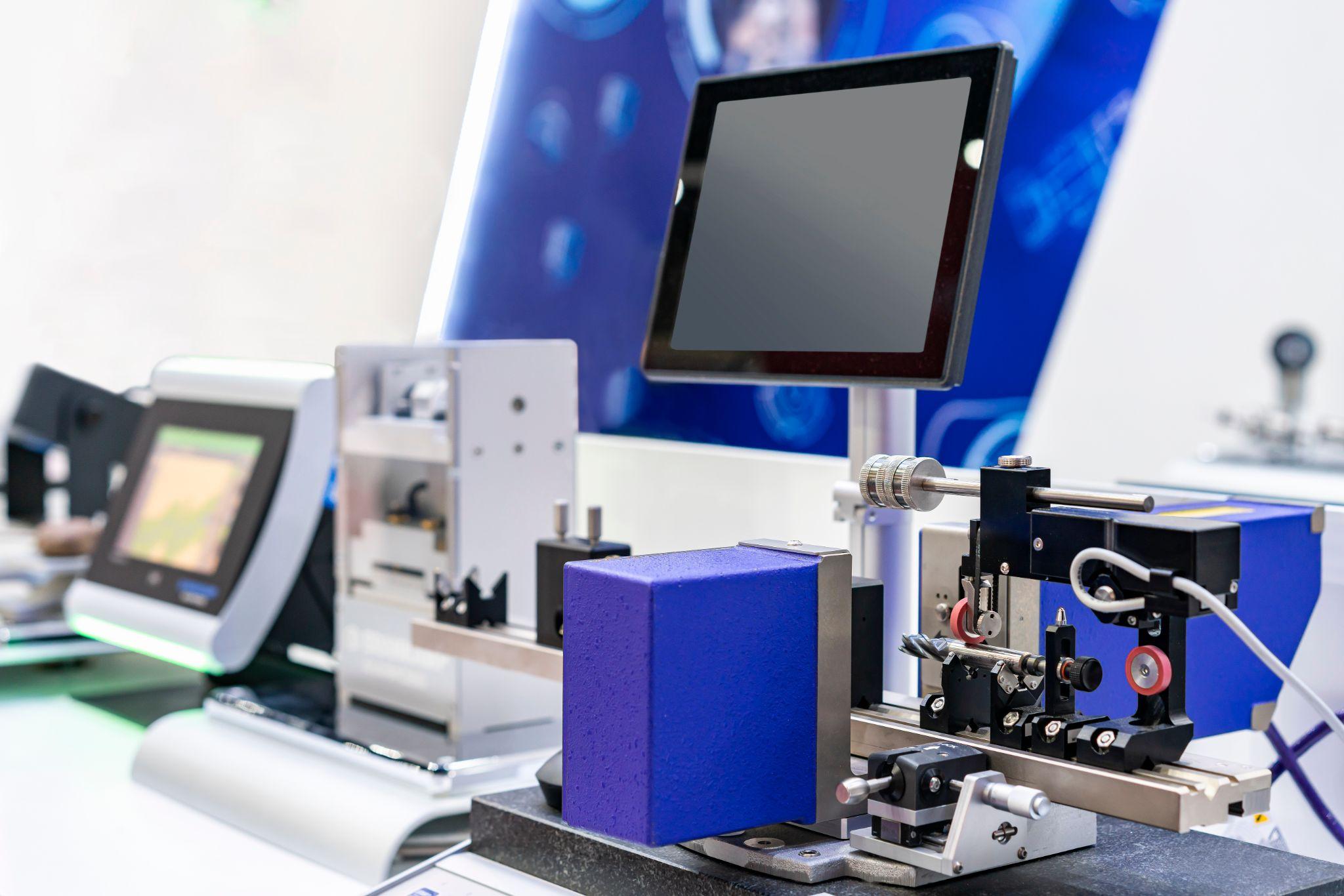
A laser micrometer gauge is a device that uses lasers to measure the dimensions of a target without contact.
Depending on how the workpiece or tool is set up, it can measure outside dimensions, roundness, shaft runout, gaps, and more. It is also suitable for measuring features that are difficult to measure directly, such as screw outside diameters, radii (R) shapes, and the outside diameter of odd-flute end mills.
Some systems can achieve high-precision measurement below 0.1μm, enabling accurate measurement of moving objects, high-temperature targets that cannot be touched directly, and easily deformable products such as rubber.
Moreover, even when targets have complex shapes, measurement can be both highly accurate and fast—reducing operator-dependent variability (measurement error) and saving time.
However, caution is required for mirror-finish workpieces where the angle of incidence tends to equal the angle of reflection, because specular reflection can prevent accurate laser measurement.
What Are Metrol’s High-Precision Positioning Sensors?
In recent years, laser sensors have rapidly spread across manufacturing, robotics, and autonomous driving because they enable high-accuracy measurement without contact.
At the same time, there are situations where laser sensors alone are not sufficient—especially in processes that require fine positioning and ensuring repeatability.
In such cases, Metrol’s high-precision positioning sensors are trusted in machining, tool measurement, and micro-pressure detection applications where micrometer-level (1μm) accuracy is required.
Here, we introduce the strengths unique to contact-type sensors and four representative products used in manufacturing environments.
High-Precision Positioning Touch Switches
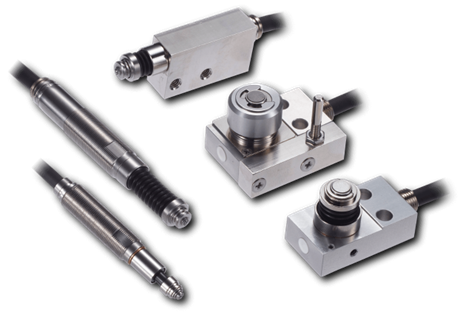
These are contact-type high-precision switches used for positioning and workpiece presence detection in machine tools, robots, and jigs. They achieve an extremely high repeatability of up to 0.5 µm and feature IP67-rated waterproof and dustproof protection, ensuring stable operation even in harsh environments. With more than 200 standard models available, they offer a wide range of variations, including designs for confined spaces, high-temperature environments, vacuum applications, and low contact force requirements.
Tool Setter (Tool Length Measurement Sensor)
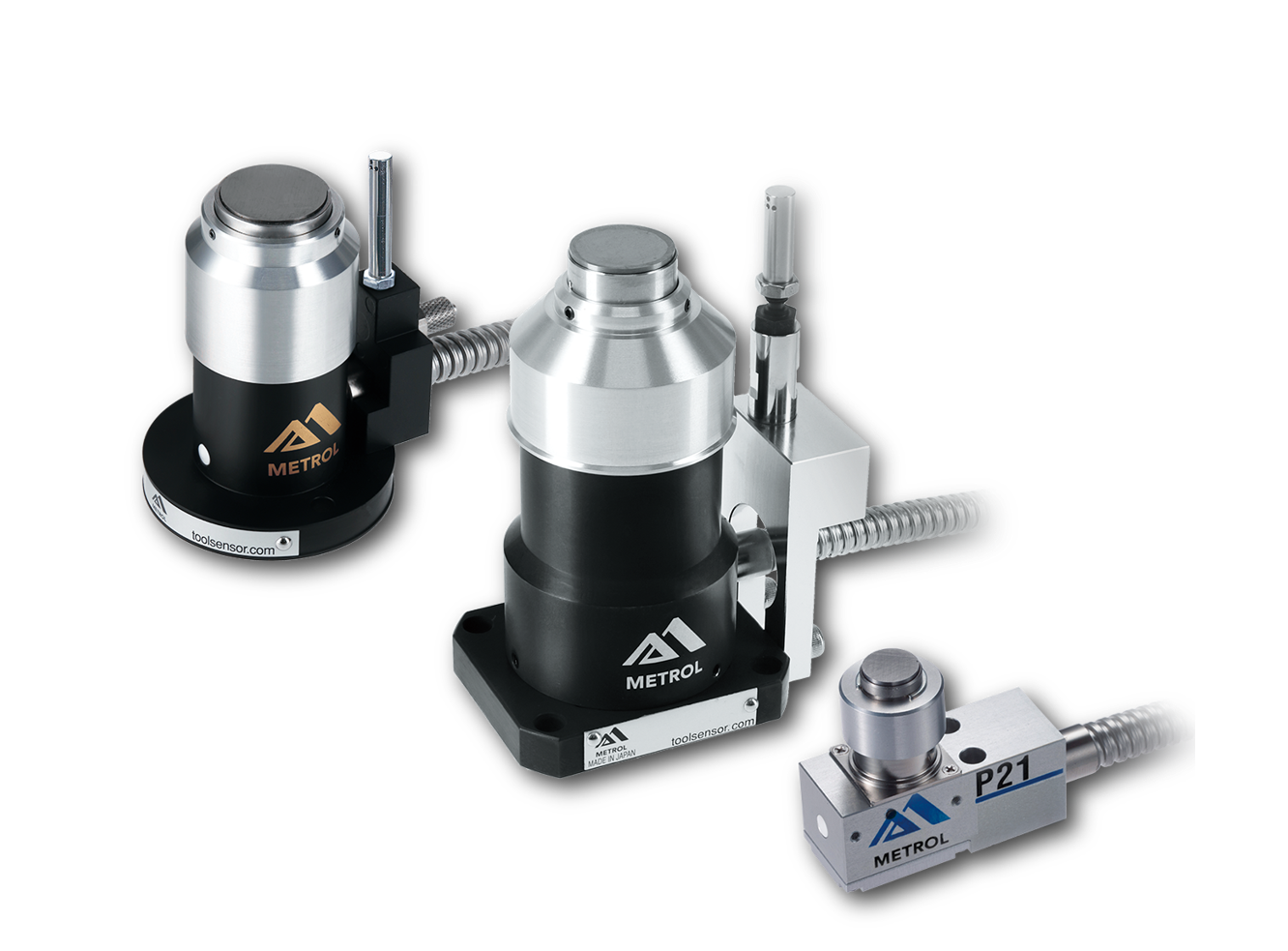
This is a contact-type sensor installed on CNC machine tools and industrial robots for tool length measurement, reference position setting, and tool breakage detection. By automatically measuring and compensating for tool length, wear, and thermal displacement inside the machine, it helps prevent machining defects and significantly reduces setup time. It is one of Metrol’s best-selling products, with a proven track record of more than 500,000 units shipped in 74 countries worldwide.
Touch Probe (On-Machine Measurement Probe)
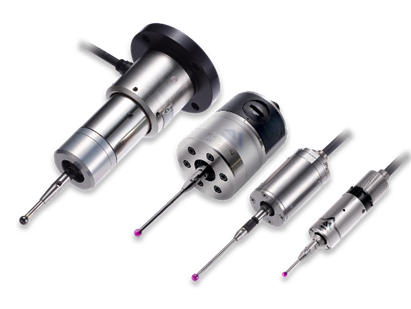
This is a contact-type probe for in-machine measurement, installed on machine tools and robots to automatically perform workpiece positioning (centering) before machining and dimensional measurement after machining. With a repeatability of 1 µm, it automates workpiece referencing and dimensional inspection, replacing skilled manual operations to reduce setup time and help prevent machining defects. Both wired and wireless models are available, meeting retrofit needs for 5-axis machining centers and robotic applications.
Air Gap Sensor (Pneumatic Sensor)
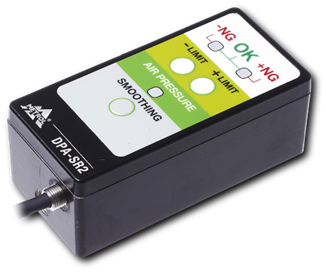
This is a non-contact sensor that uses air pressure to detect workpiece seating conditions with micron-level accuracy. It can detect gaps (“lift”) of less than 10 µm—previously difficult to measure—with a repeatability of ±0.5 µm, helping prevent machining defects and equipment downtime caused by insufficient contact between the workpiece and fixture. The sensor is used in applications such as semiconductor manufacturing processes, precision part clamping operations, and grinding wheel positioning on grinding machines, and it is a smart sensor that also supports the international standard IO-Link communication.
