
What Is a Magnetic Sensor? Principles, Types, and Practical Know-How for Manufacturing Sites
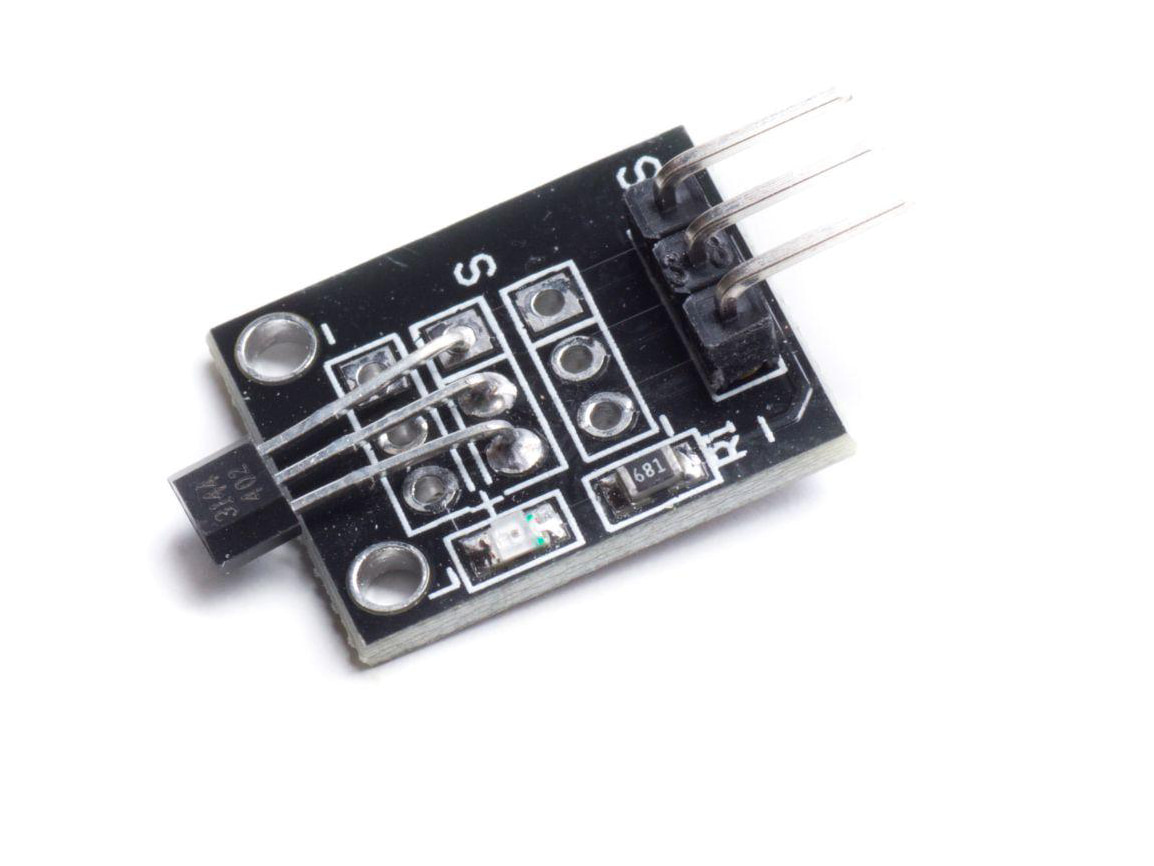
Magnetic sensors are a foundational technology essential to digital transformation in manufacturing. From engine speed detection in automobiles to positioning in machine tools and electronic compasses in smartphones, magnetic sensors support a wide range of products and industrial equipment around us.
In manufacturing environments in particular, magnetic sensors—capable of non-contact, high-precision detection—play a key role in improving productivity and ensuring quality.
This article provides a detailed explanation of magnetic sensors, covering fundamental principles, major types, selection points for industrial applications, and practical know-how for effective use on the shop floor.
The first half covers the technical fundamentals of magnetic sensors (principles, types, applications, and technology trends). The second half explains practical selection and operation of magnetic proximity sensors commonly used in manufacturing sites.
Table of Contents
What Is a Magnetic Sensor?
A magnetic sensor is a device that detects a magnetic field and converts it into an electrical signal, making it indispensable across a wide range of fields—from automobiles to smartphones.
Because magnetic fields generated by magnets or electric currents can be detected without contact, magnetic sensors offer low wear and high durability. They are used in many applications, including rotation and position detection as well as current sensing.
Today, a variety of magnetic sensing methods based on physical phenomena such as the Hall effect and magnetoresistive effects have been developed and put into practical use.
Basic Principles of Magnetic Sensors
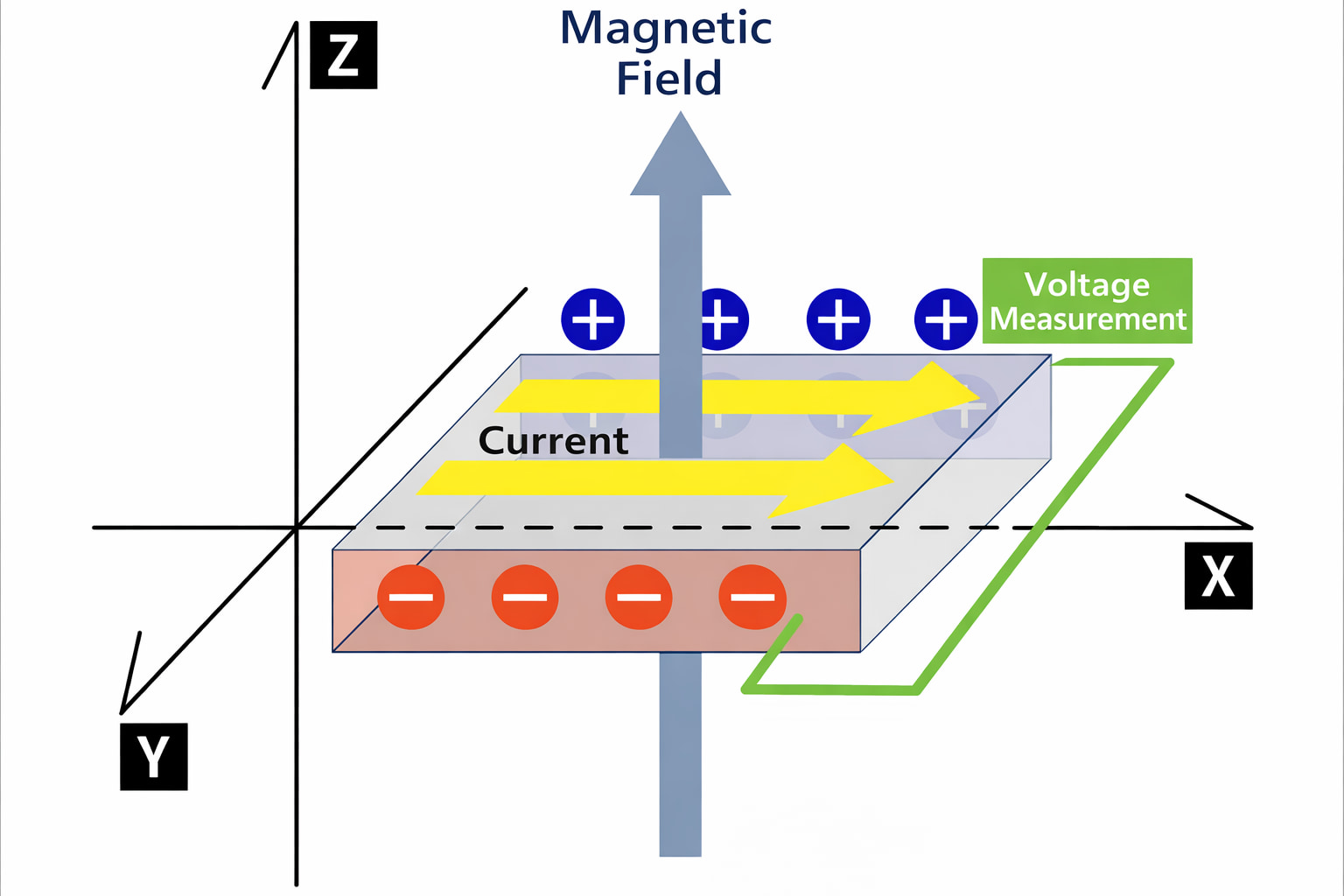
A Hall effect sensor, as the name suggests, uses the Hall effect. The Hall effect is a phenomenon in which a voltage (Hall voltage) is generated in a direction perpendicular to both the current and the magnetic field when a magnetic field passes through a current-carrying conductor at a right angle.
In a Hall effect sensor, current flows through a thin conductor on a semiconductor substrate, and the sensor detects the Hall voltage generated when a magnetic field is applied perpendicular to it. Because the output voltage is proportional to the magnetic field strength, it functions as a magnetic field sensor.
While the raw output of a Hall element is small, modern Hall ICs integrate amplification and stabilization circuits to achieve practical sensitivity and accuracy.
Hall effect sensors have a simple structure and low cost, and they are also robust against dust and muddy water. As a result, they are widely used for position detection, rotational speed sensing, proximity switching, and current sensing.
In automobiles in particular, they are used in large quantities for linear/angular position detection and rotation detection in brushless DC motors, with annual shipments reaching the scale of hundreds of millions of units.
In contrast, sensors based on magnetoresistive effects detect changes in electrical resistance that vary with the strength or direction of a magnetic field. Representative magnetoresistive sensors include anisotropic magnetoresistance (AMR), giant magnetoresistance (GMR), and tunnel magnetoresistance (TMR).
All of these utilize phenomena where a change in the magnetization direction of a ferromagnetic thin film alters carrier scattering and spin orientation, resulting in a change in the element’s resistance.
AMR is a magnetoresistive effect observed in thin films such as nickel–iron alloy (permalloy), where resistance changes by a few percent depending on the angle between the magnetic field and the current.
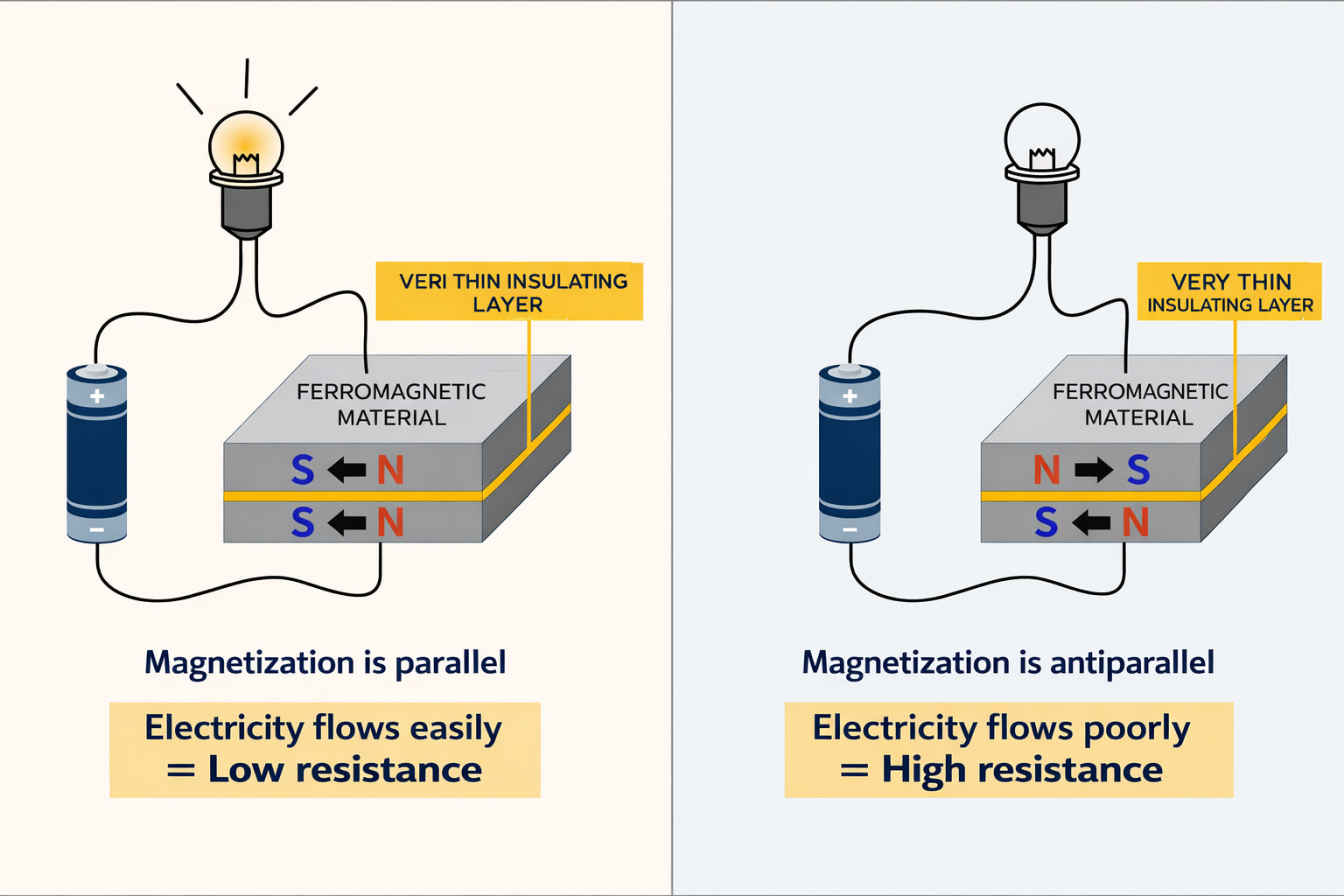
GMR is a quantum-mechanical effect that appears in multilayer structures of ferromagnetic and non-magnetic layers, where resistance changes significantly depending on whether the magnetization directions of the ferromagnetic layers are parallel or antiparallel. In GMR elements, the magnetoresistance ratio (MR ratio) improves to around 20%, and the technology was commercialized in hard disk read heads.
Tunnel magnetoresistance (TMR), which has advanced in recent years, uses a structure where two ferromagnetic layers are separated by an ultrathin insulating layer. Due to quantum tunneling, the probability that electrons tunnel through changes depending on the magnetization direction.
TMR elements exhibit a large resistance change with an MR ratio exceeding 100% and are considered one of the most sensitive principles for magnetic sensors today. They are used in high-sensitivity magnetic heads for hard drives and high-precision angle sensors, and they also offer high signal-to-noise ratio and low power consumption.
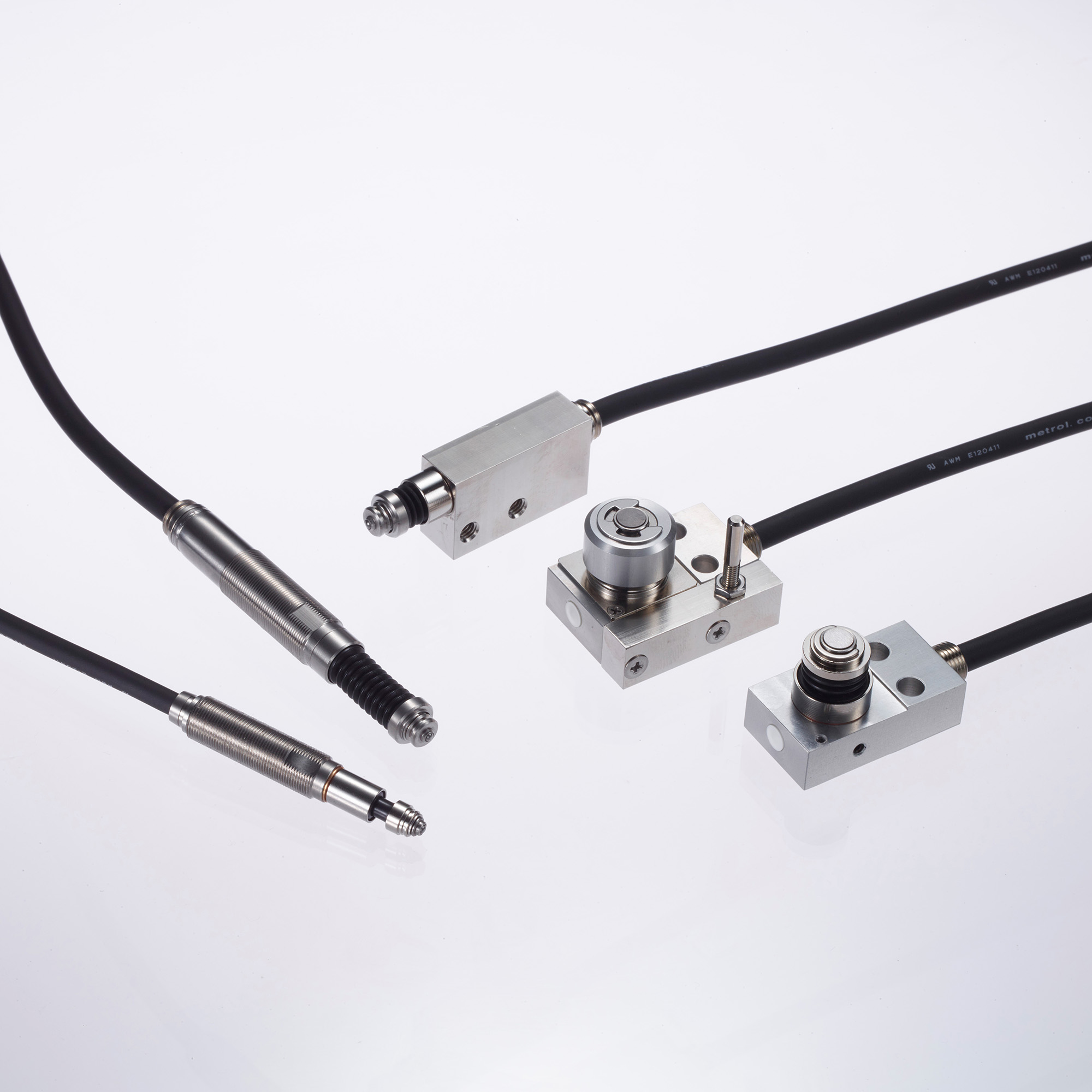
High Precision Positioning
- MT-Touch Switches -
0.5 μm repeatability without amplifier IP67, highly resistant to adverse environments
Click here ›Major Types of Magnetic Sensors and Their Characteristics
Based on the principles described above, there are various types of magnetic sensors. Each has different sensitivity and characteristics, and they are selected according to the application.
Hall Effect Sensors
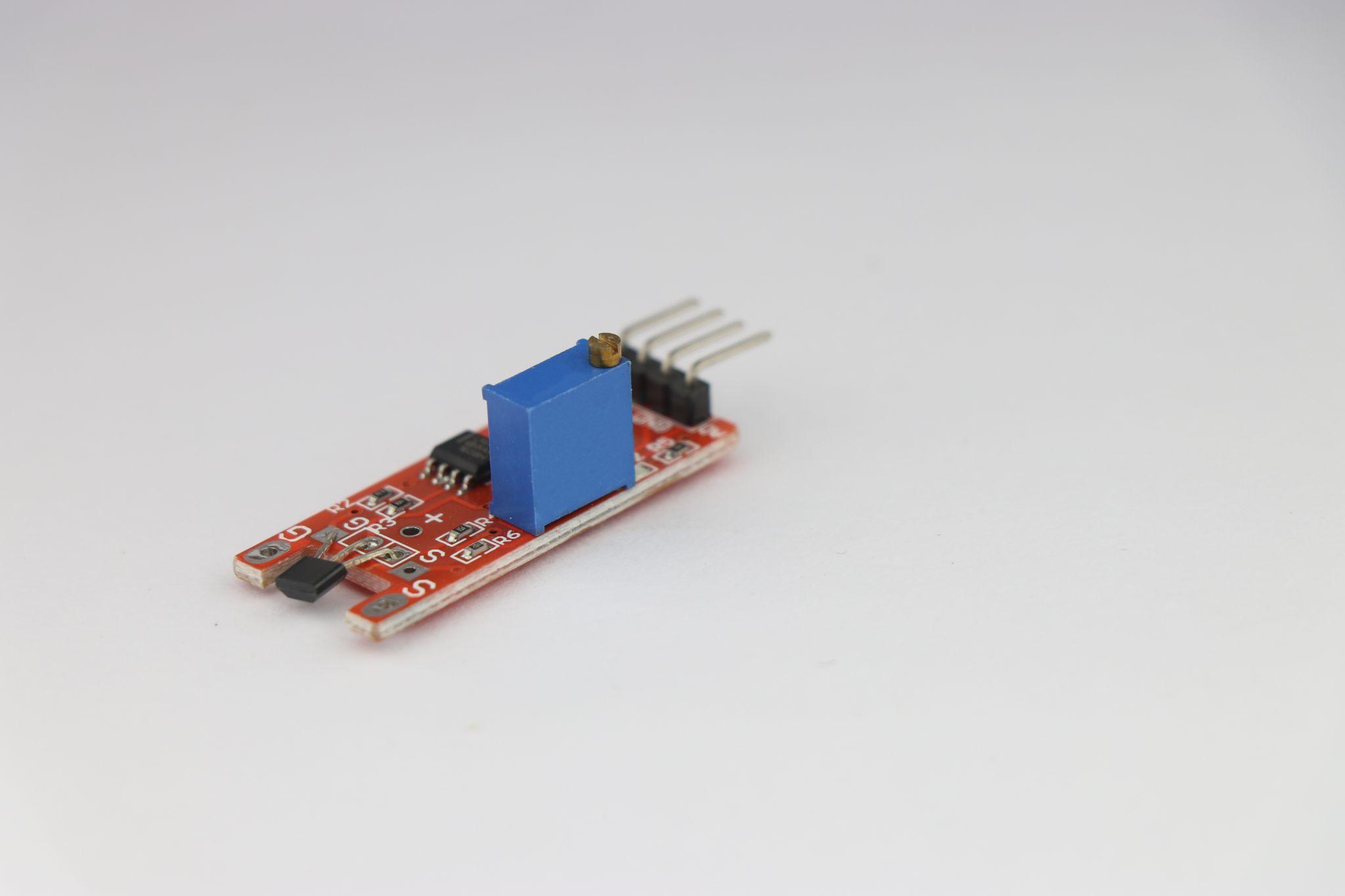
These sensors detect Hall voltage generated by a magnetic field using a Hall element on a semiconductor. Although their sensitivity and resolution are lower than magnetoresistive types, they are simple, inexpensive, and robust.
Because they are resistant to dust and water and can detect position without contact, they are among the most widely used sensors across industrial and consumer applications—such as engine speed sensors, automotive speed sensors, proximity open/close detection, and current sensors.
Hall sensors are especially common in the automotive and industrial equipment sectors and are one of the most representative types of magnetic sensors.
AMR Sensors (Anisotropic Magnetoresistive Sensors)
AMR sensors are made of thin-film strips of materials with magnetic anisotropy and use the principle that resistance changes depending on the angle between magnetization and the current direction. While the MR ratio is relatively small (a few percent) compared to other magnetoresistive types, their simple structure, fast response, and low noise make them suitable for rotation and angle detection.
They offer higher sensitivity than Hall elements and are used as key components for motor rotation angle detection and electronic compasses. Typical applications include automotive angle sensors, magnetic switches, and electronic compasses.
GMR Sensors (Giant Magnetoresistive Sensors)
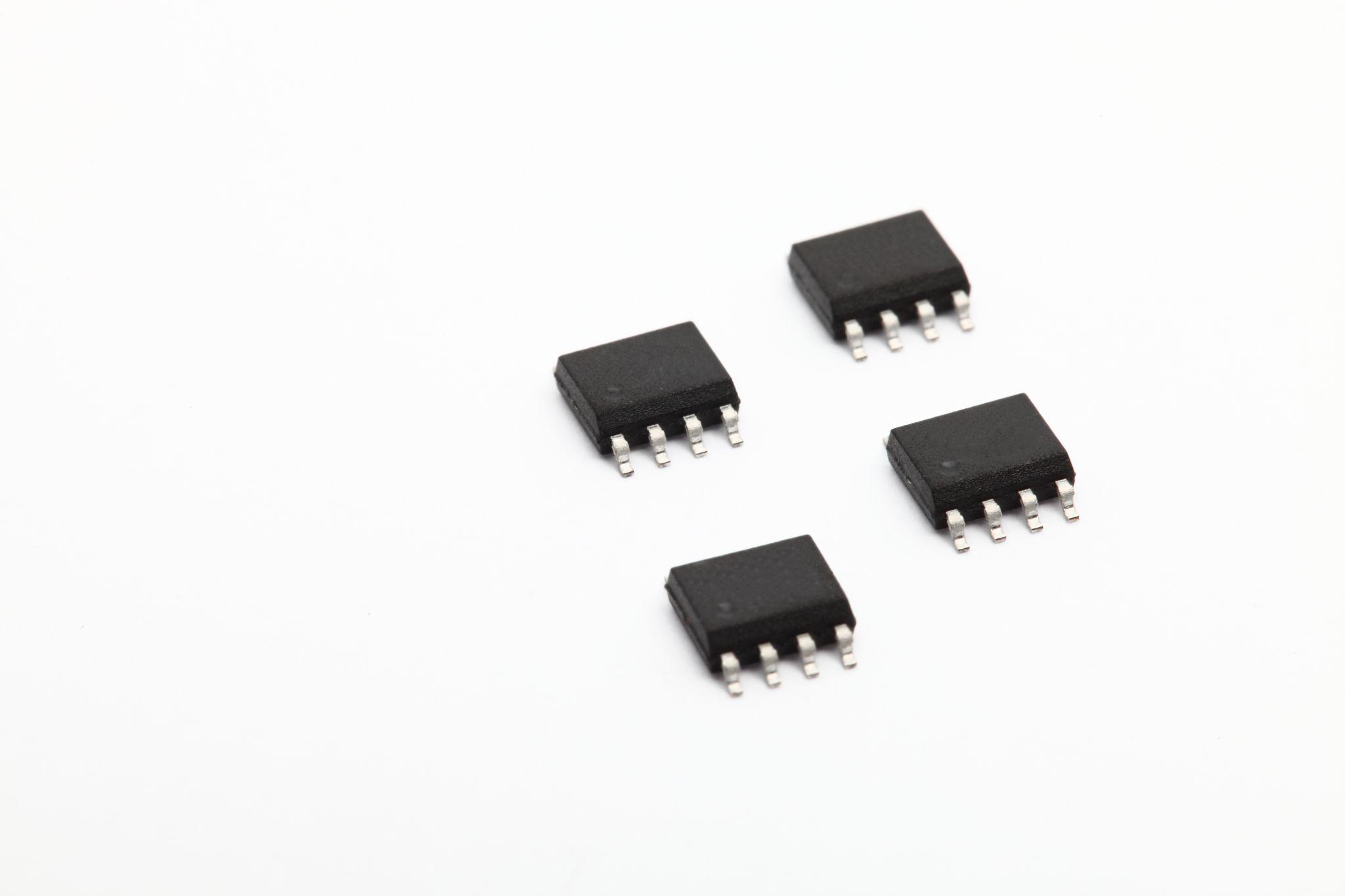
GMR sensors use the GMR effect created by multilayer thin-film structures of ferromagnetic and non-magnetic layers. They produce a large resistance change between two states—low resistance with parallel magnetization and high resistance with antiparallel magnetization—resulting in higher sensitivity than AMR sensors.
With an MR ratio reaching around 20% and excellent temperature stability, they are used as precision magnetic field sensors. They have long been used in hard disk magnetic heads and are also applied to high-precision industrial position and angle sensors.
They are more sensitive than Hall elements but not as sensitive as TMR sensors. It is also important to note that exposure to strong magnetic fields can cause hysteresis or characteristic changes.
TMR Sensors (Tunnel Magnetoresistive Sensors)
TMR sensors are an advanced type of magnetoresistive sensor that uses ferromagnetic multilayer films separated by an insulating layer to generate a quantum tunneling effect. Their biggest advantages are high sensitivity and low power consumption, enabling detection of even small magnetic field changes.
Because they offer a very large MR ratio (over 100%) and a high signal-to-noise ratio (SNR), their use has been increasing in recent years to replace Hall elements and conventional potentiometers.
Adoption of TMR sensors is expanding in applications that require highly accurate angle and position detection, such as hard disk magnetic heads, automotive steering angle sensors, and game controller stick detection.
Their extremely low current consumption also makes them suitable for battery-powered devices, and they are used in smartphone electronic compasses and low-power switches in IoT devices. As one of the highest-performance magnetic sensor technologies available today, they are regarded as “state-of-the-art magnetic sensors” thanks to their superior accuracy, temperature characteristics, and service life.
Main Applications of Magnetic Sensors
Because magnetic sensors can detect the position and motion of objects without contact, they are used across many industries and products. Below are examples of major fields and typical applications.
Automotive
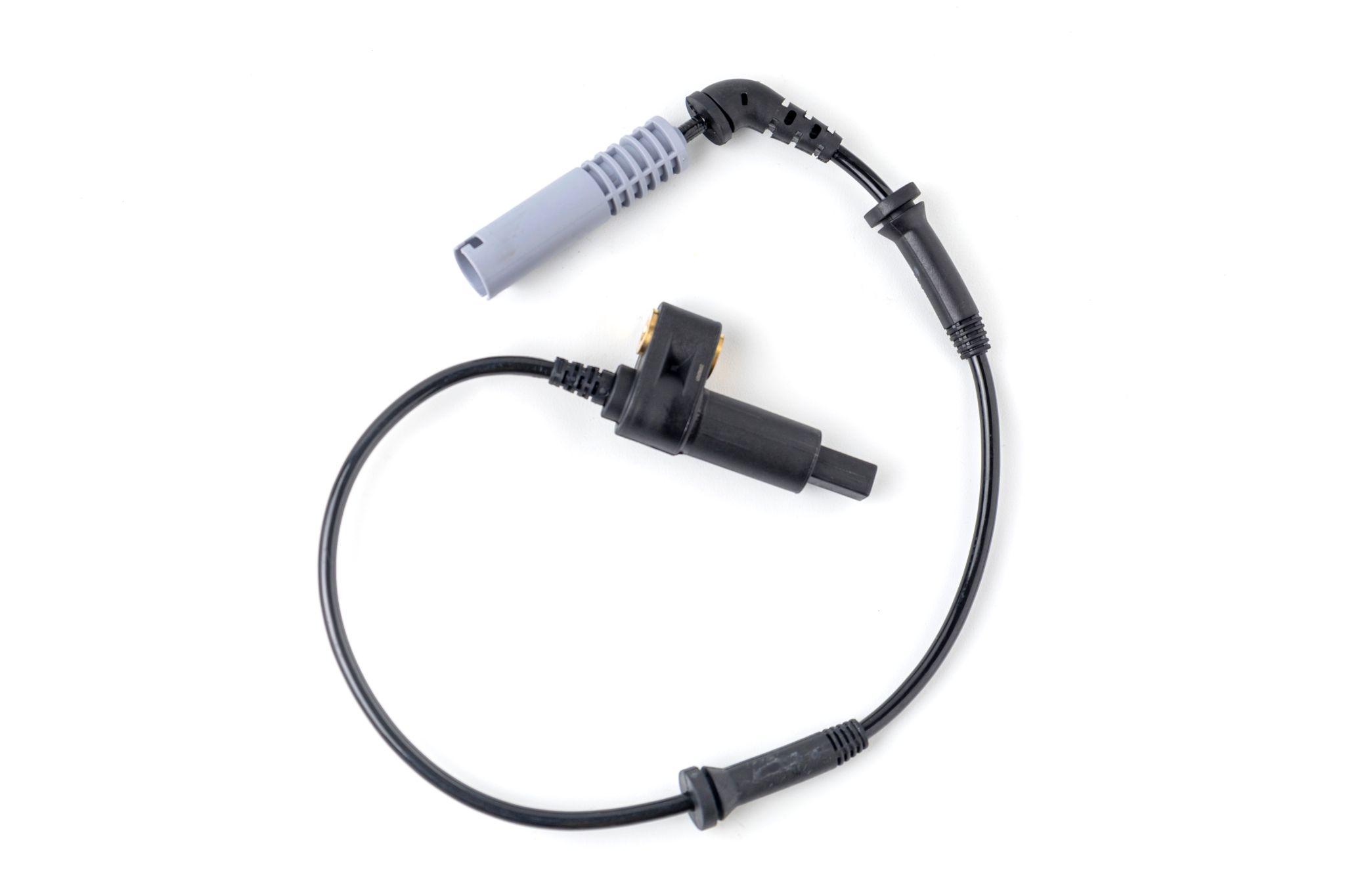
Modern vehicles incorporate many magnetic sensors. Hall effect sensors and GMR/AMR sensors are used for engine and wheel speed sensing, crank and cam position sensing, ABS wheel speed sensing, steering angle sensing, shift position detection, and more.
Magnetic sensors provide non-contact detection and strong environmental resistance, delivering high reliability even under harsh automotive conditions. They support critical functions such as safety control (ABS and ESC), engine control, and electric power steering.
For example, in ABS systems, GMR/TMR sensors are placed at each wheel and used with a magnetic wheel encoder to monitor rotational speed with high accuracy.
The automotive industry is one of the largest markets for magnetic sensors, and some vehicles use dozens of magnetic sensors in a single car.
Smartphones and Mobile Devices

Magnetic sensors are also built into smartphones and tablets. A representative example is the electronic compass (geomagnetic sensor), which detects the Earth’s magnetic field to determine device orientation. Recent smartphone compasses use high-sensitivity AMR- or TMR-based 3-axis magnetic sensors to capture subtle variations in geomagnetism.
In foldable smartphones, angle sensors (magnetic encoders) may also be used to detect hinge angles.
Compact, low-power magnetic sensors are also used in mobile and wearable devices for applications such as detecting case open/close states (sleep function using a Hall element and magnet) and VR headset tracking.
Industrial Equipment and Robotics
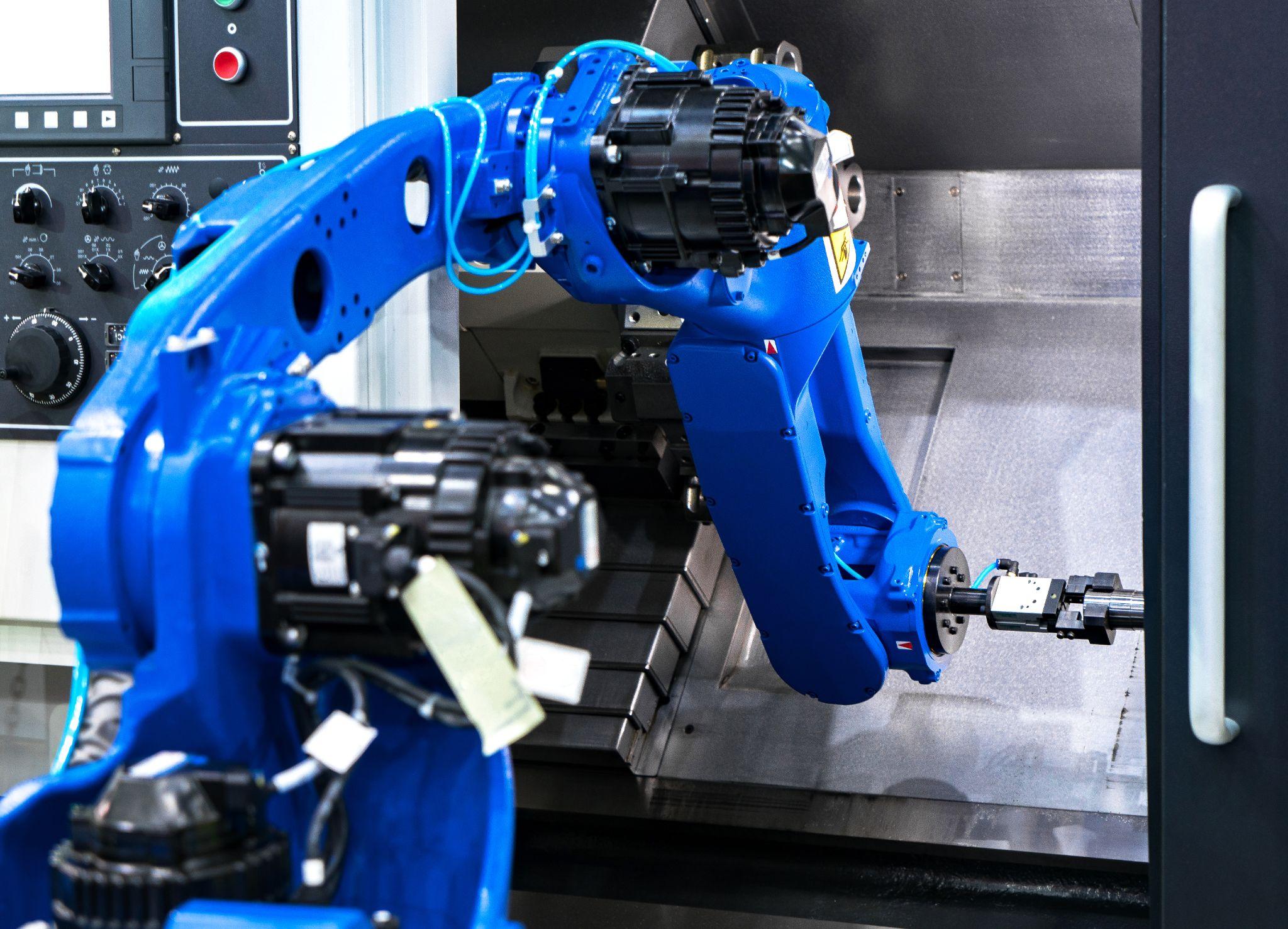
Many magnetic sensors are used in factory production equipment and robots as well. They are used for angle and position detection in applications such as joint angle sensing in industrial robots, conveyor position detection, and motor rotational position feedback.
Magnetic encoders (rotational position detection using magnets and magnetic sensors) are highly accurate and robust, allowing stable operation even in environments where optical encoders may fail due to oil mist or water vapor. They are also used in a wide range of industrial applications, including linear position measurement in machine tools, speed sensing in transport equipment, and magnetic guidance for line-following robots.
In recent industrial robotics, the number of sensors is increasing to improve safety and precision, and magnetic sensors play a central role in that trend.
High Precision Positioning
- MT-Touch Switches -
0.5 μm repeatability without amplifier IP67, highly resistant to adverse environments
Click here ›Home Appliances and Consumer Devices
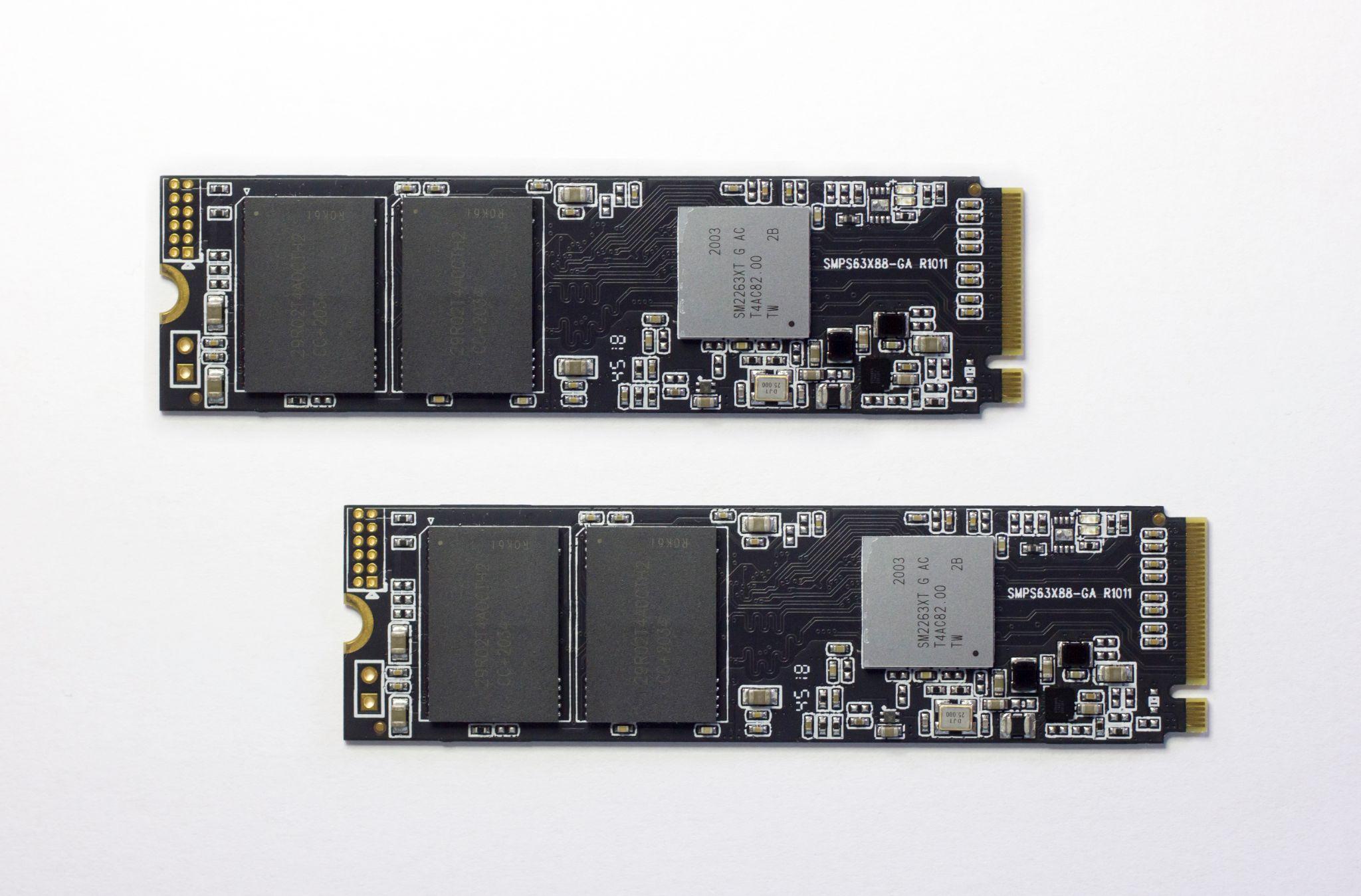
Magnetic sensors are also widely used in home appliances and game consoles. Hard drives and SSDs incorporate magnetic heads and TMR elements, and in game controllers, Hall sensors may be used to detect trigger button and joystick positions.
In recent years, game controllers using TMR sensors have emerged, enabling higher-precision and lower-power detection than conventional potentiometers or Hall elements.
Magnetic sensors are also used for reliable position and speed detection in applications such as motor speed sensing in washing machines, compressor control in air conditioners, and open/close detection in smart appliances.
Medical Devices

Applications of magnetic sensors are expanding in the medical field as well. MRI (magnetic resonance imaging) systems use strong magnetic fields, and magnetic sensors are incorporated for positioning and safety monitoring.
Cardiac pacemakers also include Hall sensors to switch operating modes using an external magnet. Another biomedical application gaining attention is sensing magnetic fields generated by the human body.
In magnetocardiography and magnetoencephalography (MEG), which non-invasively measure extremely weak magnetic fields generated by the heart and brain, research is advancing not only on superconducting sensors (SQUIDs) but also on high-sensitivity GMR/TMR sensor applications. These technologies are expected to be applied to fetal magnetocardiography and devices for measuring neural activity.
In addition, technologies such as tracking a capsule endoscope containing a magnet from outside the body using magnetic sensors, or using them for position detection in surgical robots, indicate that magnetic sensors will continue to play an important role in healthcare and medical applications.
Technology Trends in Magnetic Sensors

In recent years, magnetic sensor technology has advanced dramatically with higher sensitivity, smaller size, and lower power consumption as key themes. The rise of TMR sensors is particularly notable, enabling detection of weak magnetic fields and low-power operation that were difficult with conventional Hall elements.
In fact, tunnel magnetoresistive elements are drawing attention across a broad range of applications—from hard drives to mobile devices and IoT sensor nodes—because they offer extremely high sensitivity and very low current consumption compared with other methods.
By adopting TMR sensors in game controller sticks and triggers, more precise and lower-power input detection is becoming possible compared with conventional analog potentiometers and Hall ICs.
In the automotive sector, active R&D is underway as high-precision TMR/AMR sensors are required for safety-critical detection in areas such as electric power steering and braking. In addition, flexible magnetic sensors that can be fabricated by printing on flexible substrates, and ultra-high-sensitivity sensors using new spintronics material structures, are also being researched. In the future, these may be integrated into wearable devices or implantable biomedical devices.
Going forward, magnetic sensors will become indispensable technologies in an even broader range of fields. In autonomous driving (including ADAS), LiDAR and cameras often attract attention for surrounding detection, but magnetic sensors will remain essential for vehicle control itself.
Autonomous vehicles require more accurate motor and steering control than ever before, making high-reliability sensors for detecting steering angle and motor position necessary.
EV motors use high-precision magnetic encoders, and magnetic sensors are also increasingly installed—often in multiples including safety redundancy—for position sensing of various actuators.
Automakers are adopting redundant and robust feedback control using magnetic sensors to improve future levels of automated driving, and the market is expanding as a result.
In fact, some major semiconductor manufacturers produce more than 100 million automotive Hall/GMR sensors annually and supply them for wheel speed and steering position detection. As autonomous driving becomes more widespread, demand for magnetic sensors will increase further.
Practical Selection and Operation Tips for Magnetic Proximity Sensors (From an Experienced Engineer’s View)
From here, we will discuss proximity switches that apply magnetic sensors (magnetic proximity sensors) commonly used in manufacturing sites, focusing on practical selection and operation know-how for machine tools and metalworking.
Checkpoints When Selecting a Sensor
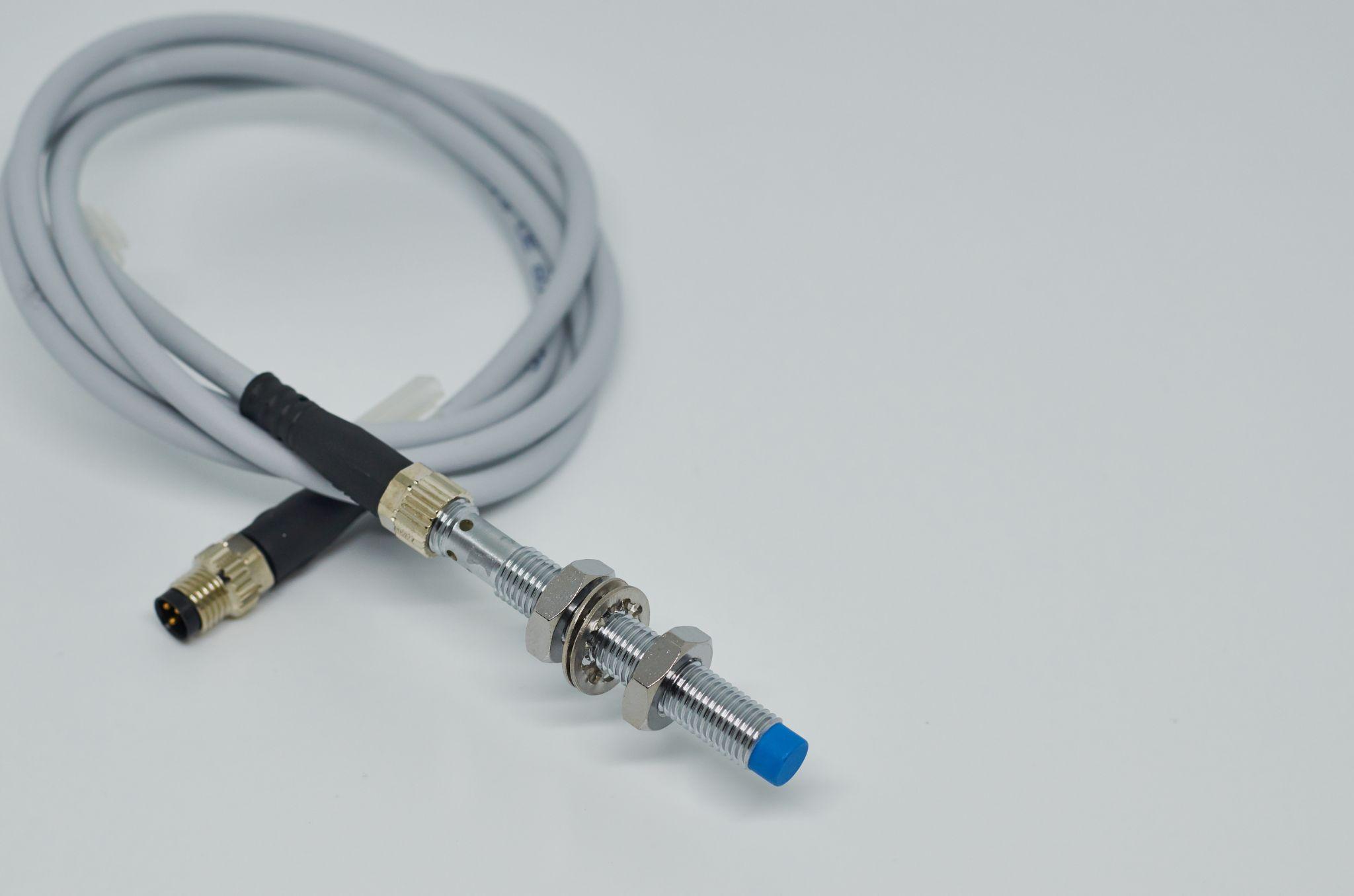
When selecting magnetic sensors for machine tools, the top priority is confirming the material of the detection target. Carbon steel and SUS430 pose no issues, but SUS304, aluminum, and plastic parts will not respond.
Plated parts are another factor that is often overlooked. Nickel plating can be detected, but chrome plating may be too thin to detect reliably.
For sensing distance, it is strongly recommended to design at 70% or less of the catalog value. For a product with an 8 mm sensing distance, use it at 5 mm or less in practice. This safety margin accounts for temperature variation, aging, and sensitivity reduction due to cutting fluid adhesion.
IP67/68 waterproof performance is essential, but in actual sites, water may still enter through joints. To prevent water ingress not at the sensor body but at cable routing sections or junction boxes, be sure to route cables with a downward U-shaped drip loop.
Practical Precautions During Installation
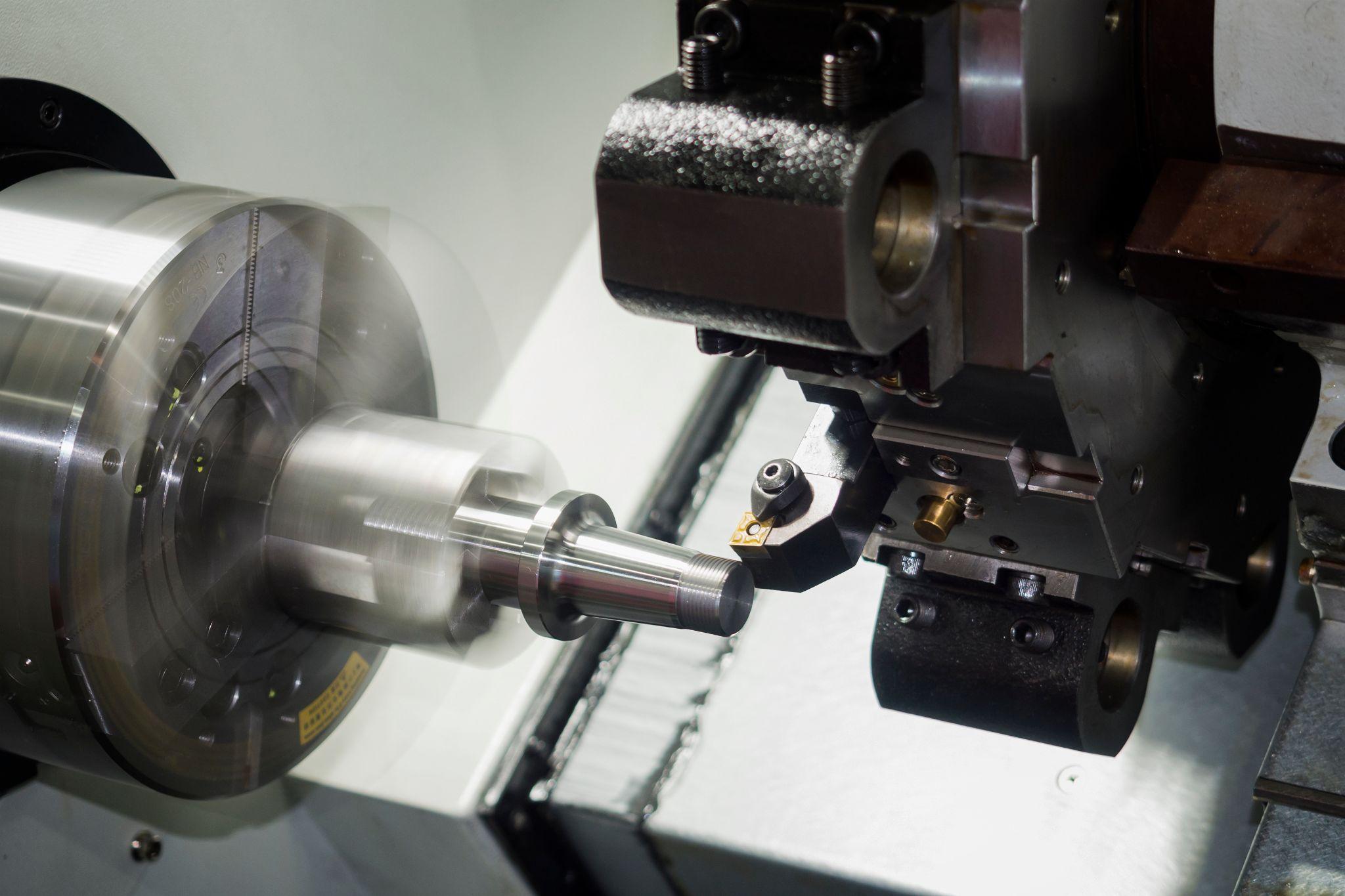
When installing a magnetic sensor, be sure to check the influence of metal objects within 300 mm of the sensor. In particular, if iron parts such as work-clamp cylinders or fixtures are close by, they can cause malfunctions.
For securing the sensor body, select a type with a lock nut to account for vibration.
In wiring, routing power cables and sensor cables through the same duct can introduce noise. Keep at least 100 mm separation, and use shielded cable for the sensor line. Ground the shield at one end only; grounding both ends can actually make it more susceptible to picking up noise, so avoid it.
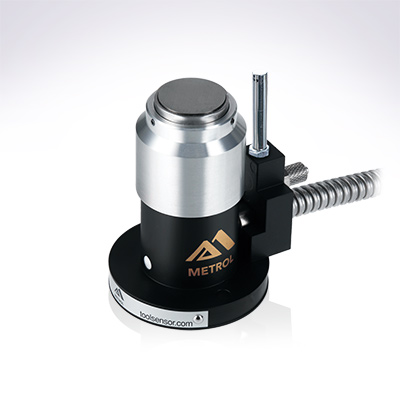
Automates originating of cutting tools
- Tool Setter -
Tool length and chips are monitored to prevent machining defects due to wear and thermal displacement
Click here ›Common On-Site Issues and How to Address Them
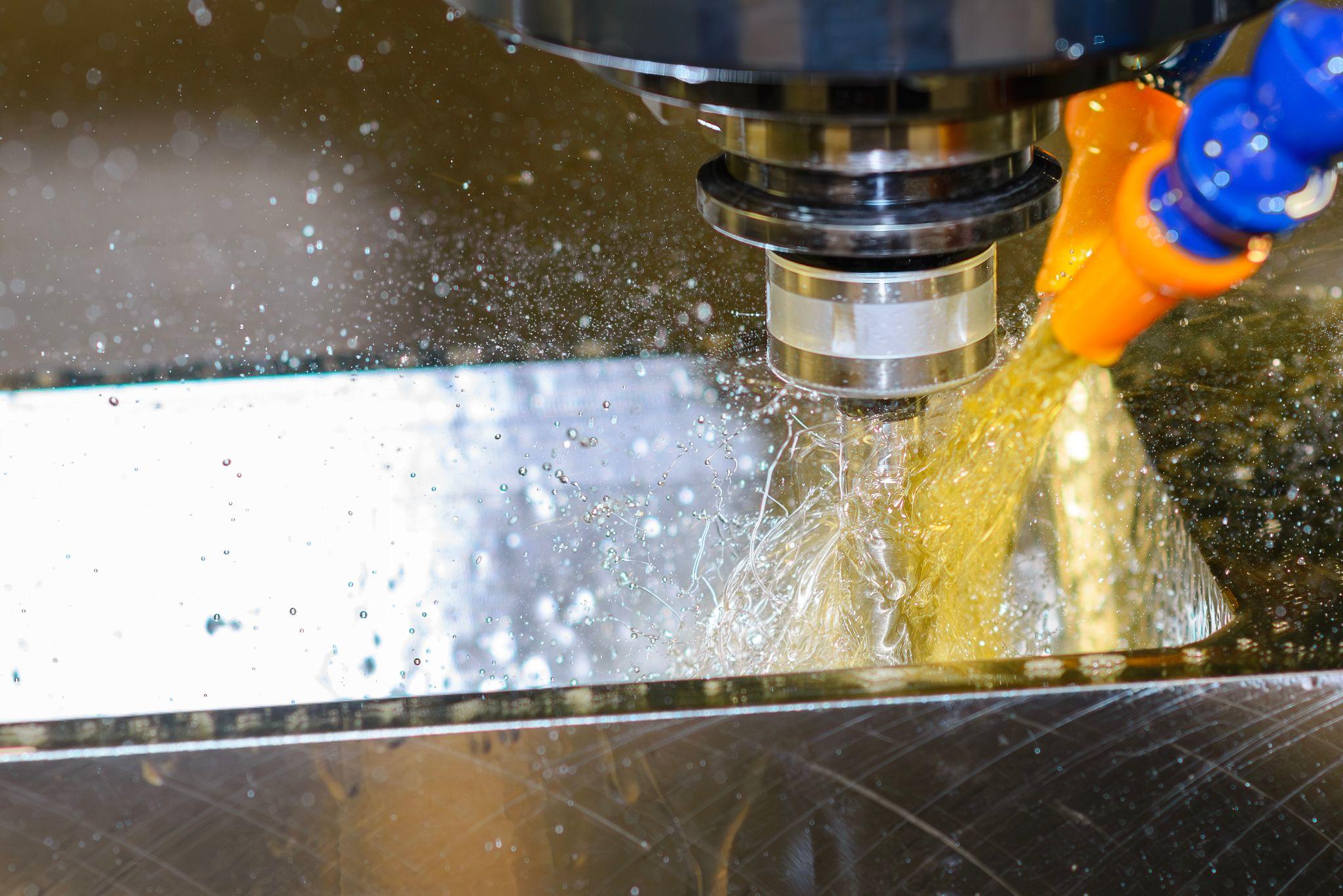
The most common issue is “reduced sensitivity due to cutting fluid.” Water-soluble cutting fluids can contain iron powder that becomes magnetized, accumulates on the sensor tip, and causes malfunctions. As countermeasures, perform periodic cleaning with an air blow once a week, and apply a silicone coating to the sensor tip to reduce adhesion.
“Sensing distance variation due to temperature” is also frequent. The sensing distance may change by 1–2 mm between machine startup in the morning and steady operation during the day. To prevent this, check the sensor’s operating temperature range and install insulation or heat shields as needed. In particular, temperatures around the spindle can exceed 70°C, so confirming heat resistance is essential. For “false detection due to electrical noise,” high-frequency noise from inverters or welding equipment is often the cause. As a quick fix, insert a noise filter between the sensor and controller, but the fundamental solutions are ensuring distance from noise sources and proper grounding.
What Are Metrol’s High-Precision Positioning Sensors?
While magnetic sensors can cover many manufacturing applications thanks to durable, versatile non-contact detection, they have physical limitations when it comes to ultra-precision positioning at the micrometer (µm) level.
Metrol’s high-precision positioning sensors are a broad product lineup specialized for precision control of machine tools—from touch switches achieving 0.5 µm repeatability to tool setters for tool length measurement, touch probes for on-machine measurement, and pneumatic air micrometer sensors. They detect minute misalignment and contact confirmation that magnetic sensors struggle to handle, reliably and consistently.
High-Precision Positioning Touch Switches
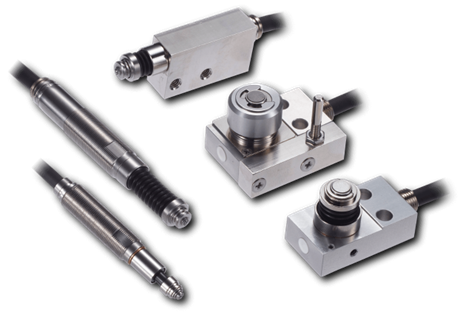
These are contact-type high-precision switches used for positioning and workpiece presence detection in machine tools, robots, and jigs. They achieve an extremely high repeatability of up to 0.5 µm and feature IP67-rated waterproof and dustproof protection, ensuring stable operation even in harsh environments. With more than 200 standard models available, they offer a wide range of variations, including designs for confined spaces, high-temperature environments, vacuum applications, and low contact force requirements.
Tool Setter (Tool Length Measurement Sensor)
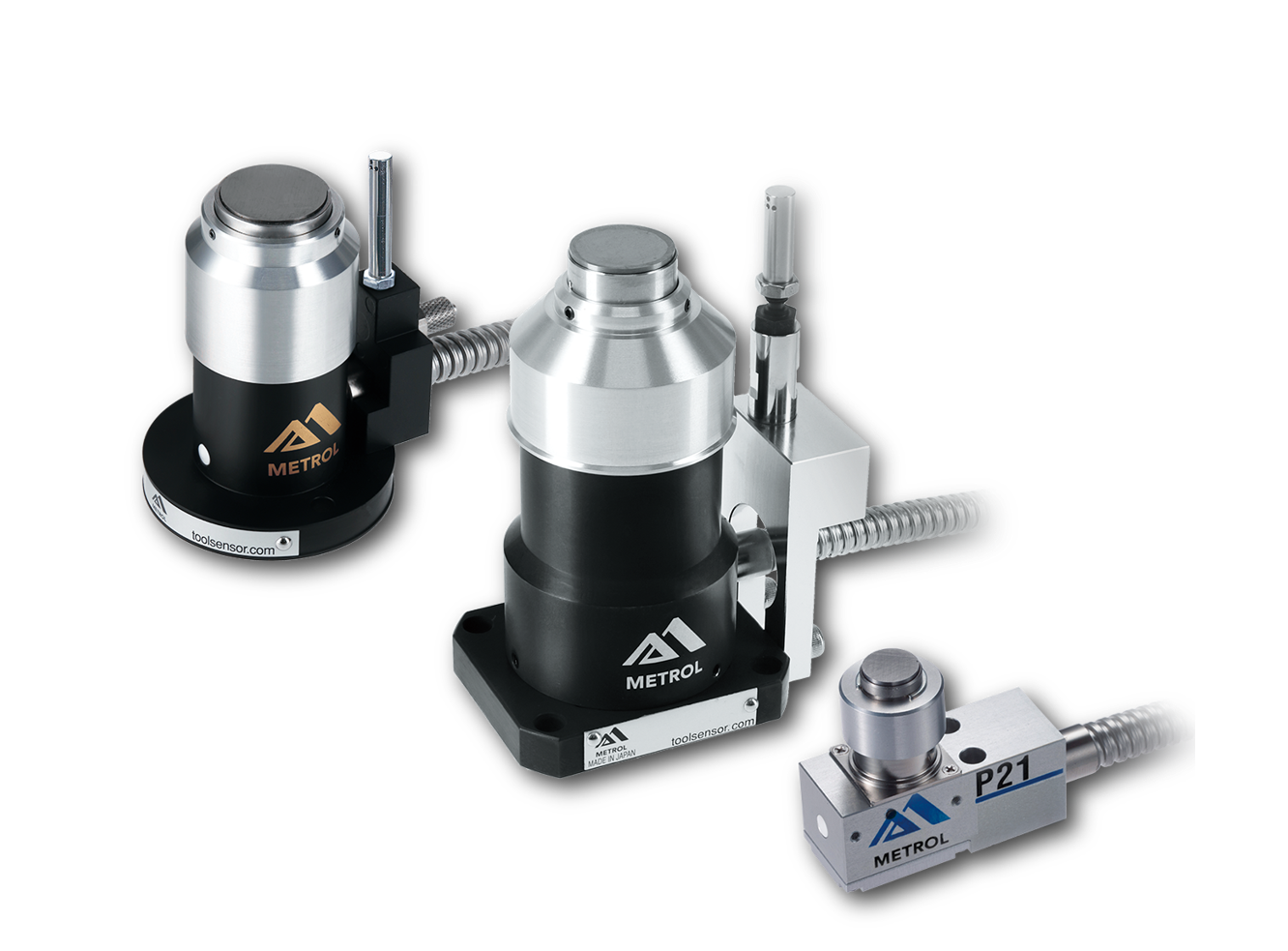
This is a contact-type sensor installed on CNC machine tools and industrial robots for tool length measurement, reference position setting, and tool breakage detection. By automatically measuring and compensating for tool length, wear, and thermal displacement inside the machine, it helps prevent machining defects and significantly reduces setup time. It is one of Metrol’s best-selling products, with a proven track record of more than 500,000 units shipped in 74 countries worldwide.
Touch Probe (On-Machine Measurement Probe)
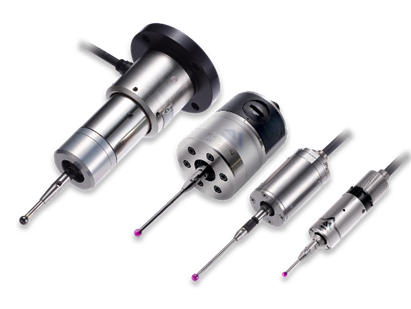
This is a contact-type probe for in-machine measurement, installed on machine tools and robots to automatically perform workpiece positioning (centering) before machining and dimensional measurement after machining. With a repeatability of 1 µm, it automates workpiece referencing and dimensional inspection, replacing skilled manual operations to reduce setup time and help prevent machining defects. Both wired and wireless models are available, meeting retrofit needs for 5-axis machining centers and robotic applications.
Air Gap Sensor (Pneumatic Sensor)
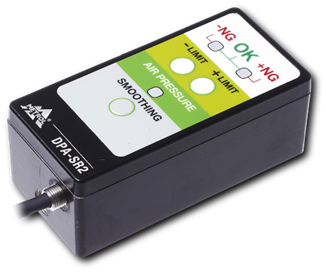
This is a non-contact sensor that uses air pressure to detect workpiece seating conditions with micron-level accuracy. It can detect gaps (“lift”) of less than 10 µm—previously difficult to measure—with a repeatability of ±0.5 µm, helping prevent machining defects and equipment downtime caused by insufficient contact between the workpiece and fixture. The sensor is used in applications such as semiconductor manufacturing processes, precision part clamping operations, and grinding wheel positioning on grinding machines, and it is a smart sensor that also supports the international standard IO-Link communication.
