
What Is a 3D Printer? How It Works, Its History, and Practical Use Cases from a Designer’s Perspective
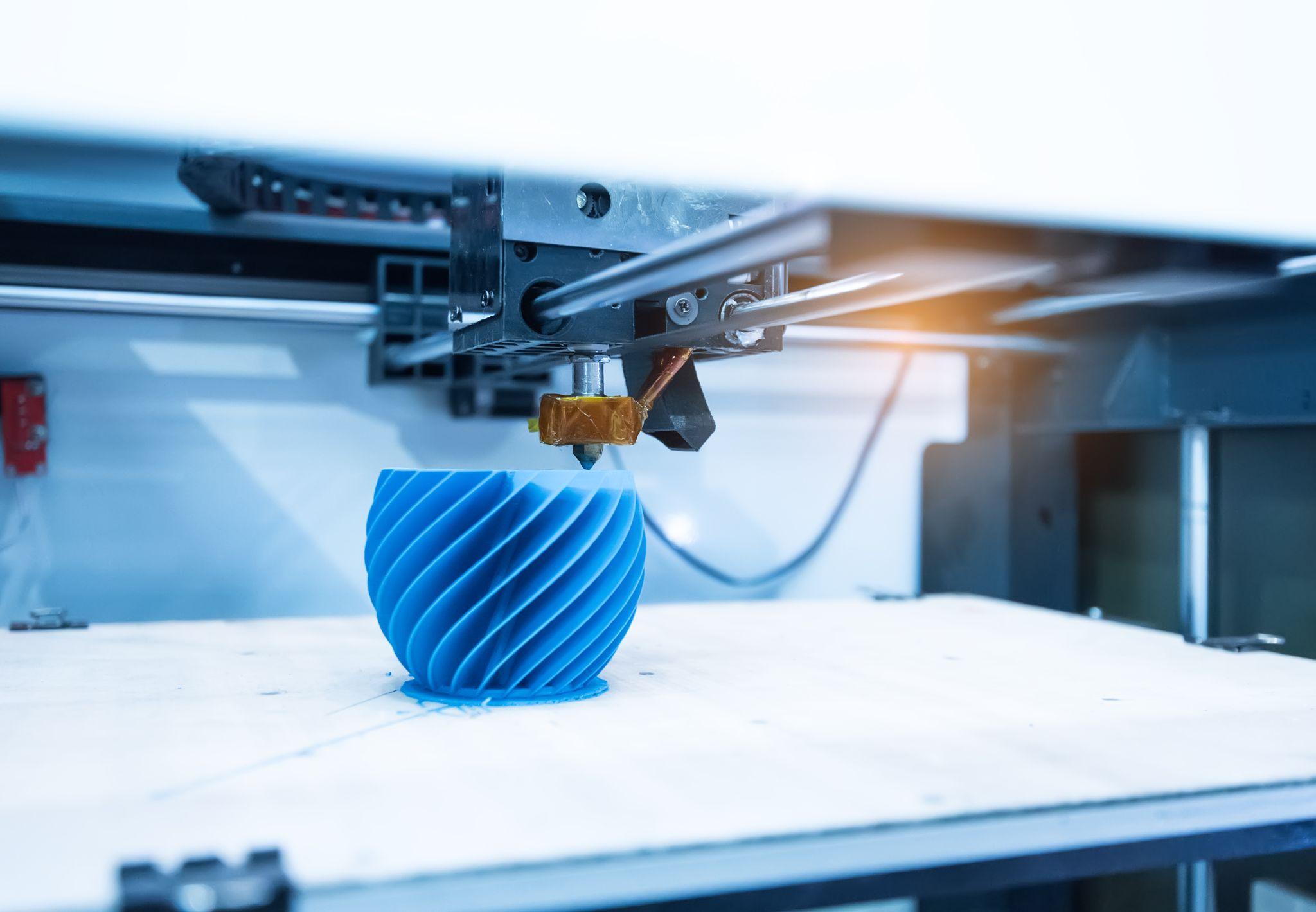
3D printers are rapidly spreading as a technology that fundamentally transforms design and development processes in manufacturing. From fast prototyping to direct production of end-use parts, they enable one-piece fabrication of complex geometries that are difficult to achieve with conventional machining or molding—shortening development timelines and improving efficiency for high-mix, low-volume production.
In particular, machine tool and metalworking environments are increasingly using 3D printers for a wide range of applications, including jigs and tools, functional verification models, and custom-part production.
This article provides a detailed, practical guide that connects directly to design and manufacturing work—from core principles and major printing methods to real-world shop-floor use cases, cost-effectiveness criteria, and concrete ways to address technical limitations.
Table of Contents
Basic Mechanisms of 3D Printers
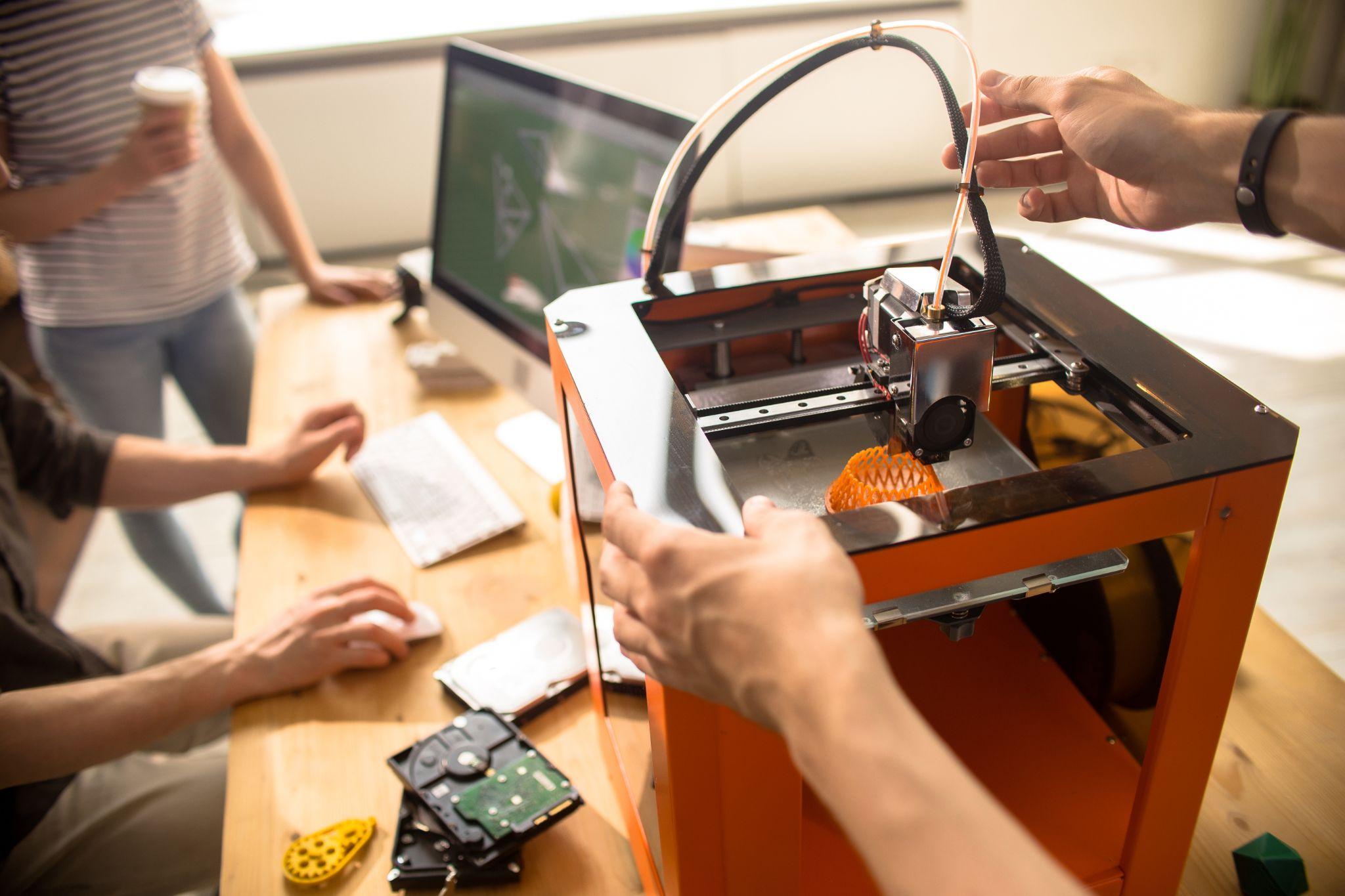
A 3D printer is a device that creates objects using additive manufacturing. Based on 3D data on a computer, it builds a three-dimensional part by stacking material layer by layer.
Representative methods include FDM, which melts and deposits filament; SLA, which cures liquid resin using light; and SLS, which sinters powder to form each layer.
FDM (Fused Deposition Modeling)
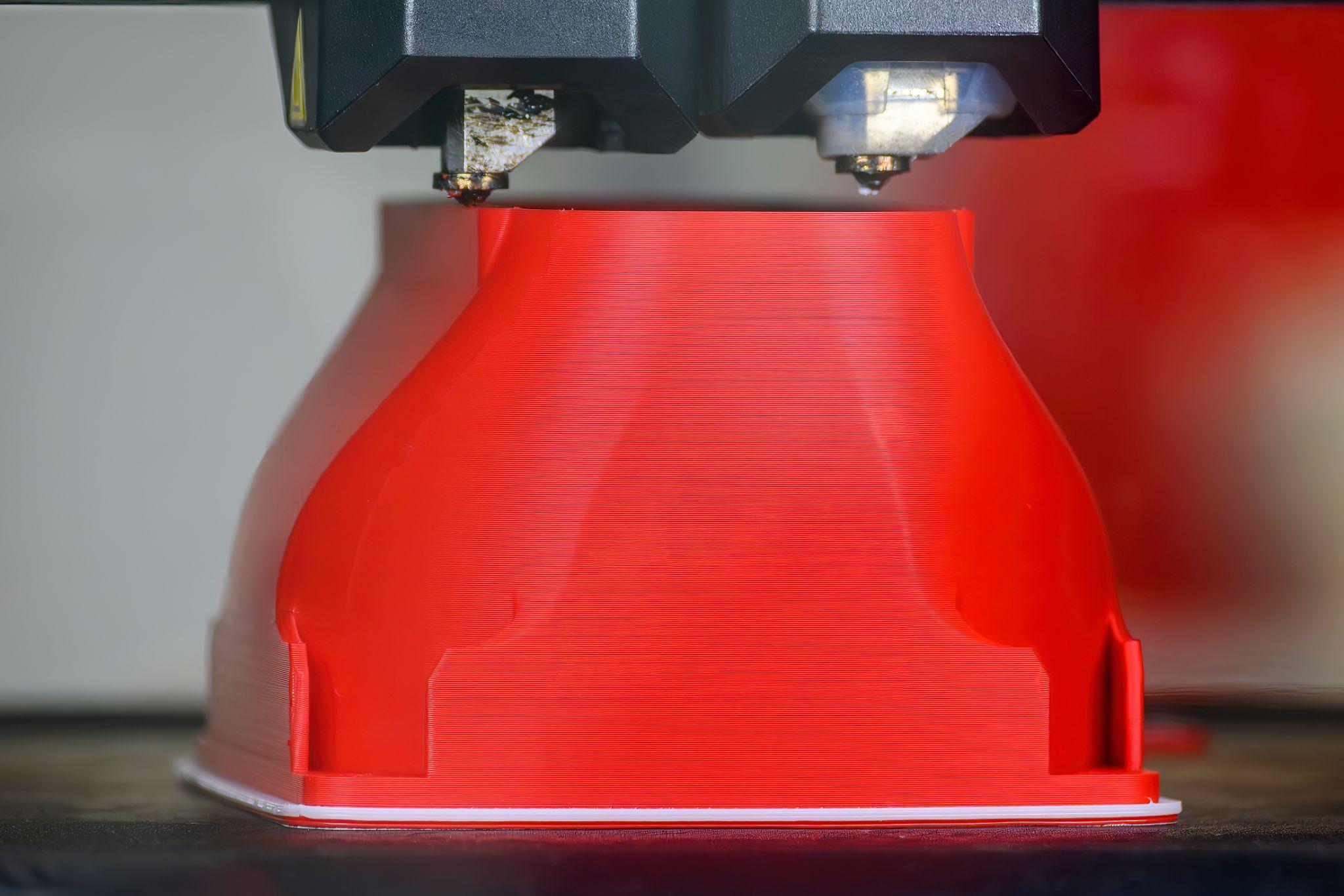
This method prints by melting a thin plastic filament (e.g., ABS or PLA) through a heated nozzle and depositing it in stacked layers from the bottom up. The nozzle extrudes tiny bead-like strands of molten material, which solidify immediately to form each layer.
Because FDM machines have a simple structure and are relatively inexpensive, they are used in most consumer 3D printers. However, compared with other methods, they tend to have more limitations in dimensional accuracy and geometric freedom.
SLA(Stereolithography / 光造形法)
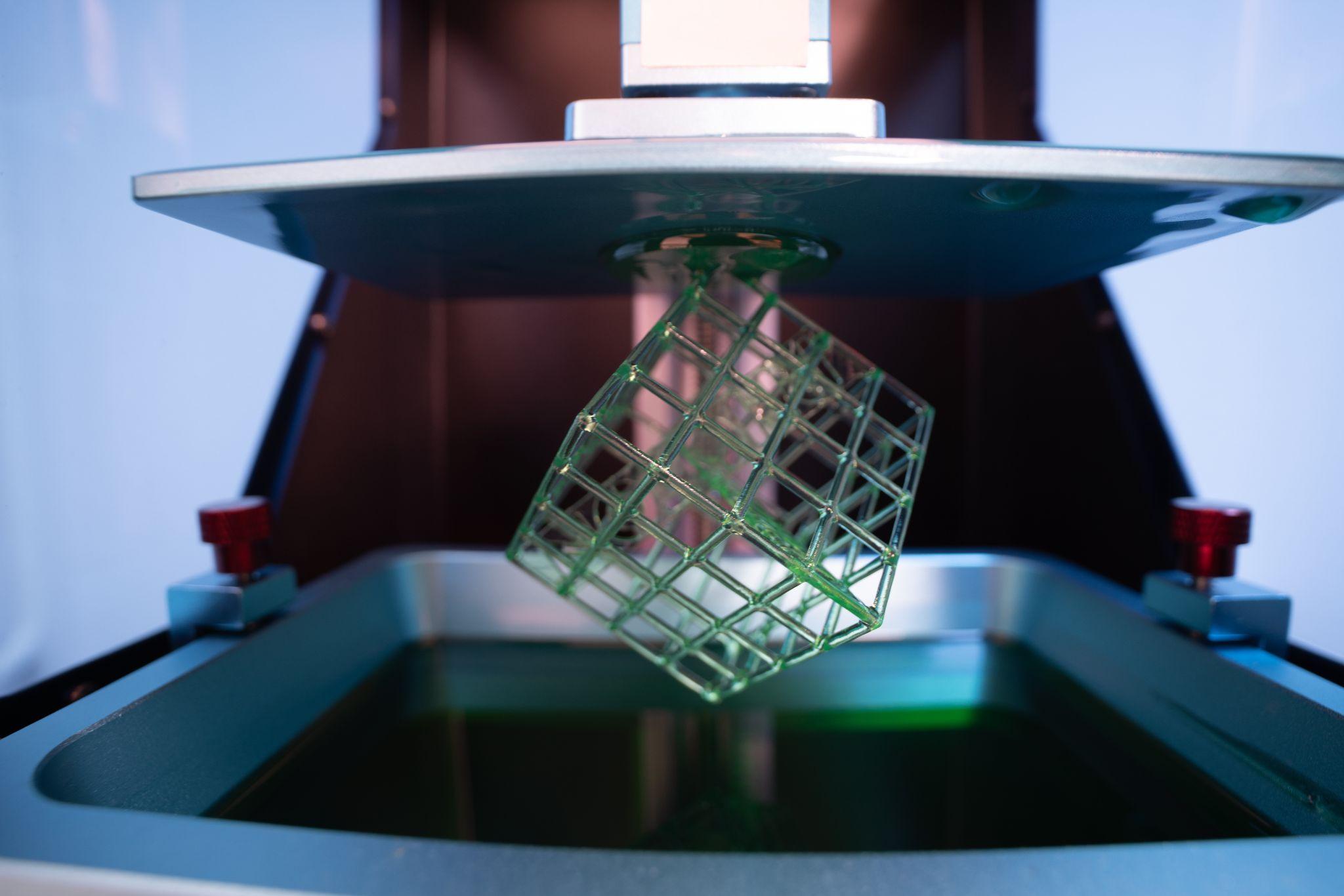
SLA uses photopolymer resin (liquid resin) and was the first 3D printing technology developed in the 1980s. Light (traditionally a laser, and more recently DLP projectors or LCD light sources) is directed into a resin-filled tank to selectively cure the liquid and form each layer.
The cured layer adheres to the build platform and is lifted gradually, allowing uncured resin to flow in from below; the next layer is then cured, and the cycle repeats. Because SLA produces dense interlayer bonding and smooth surfaces, it is well suited to high-detail prototypes and parts that require a fine finish.
Resins with a wide range of properties—such as elasticity, heat resistance, and biocompatibility—have also been developed, enabling applications from industrial parts to dental models.
SLS (Selective Laser Sintering)
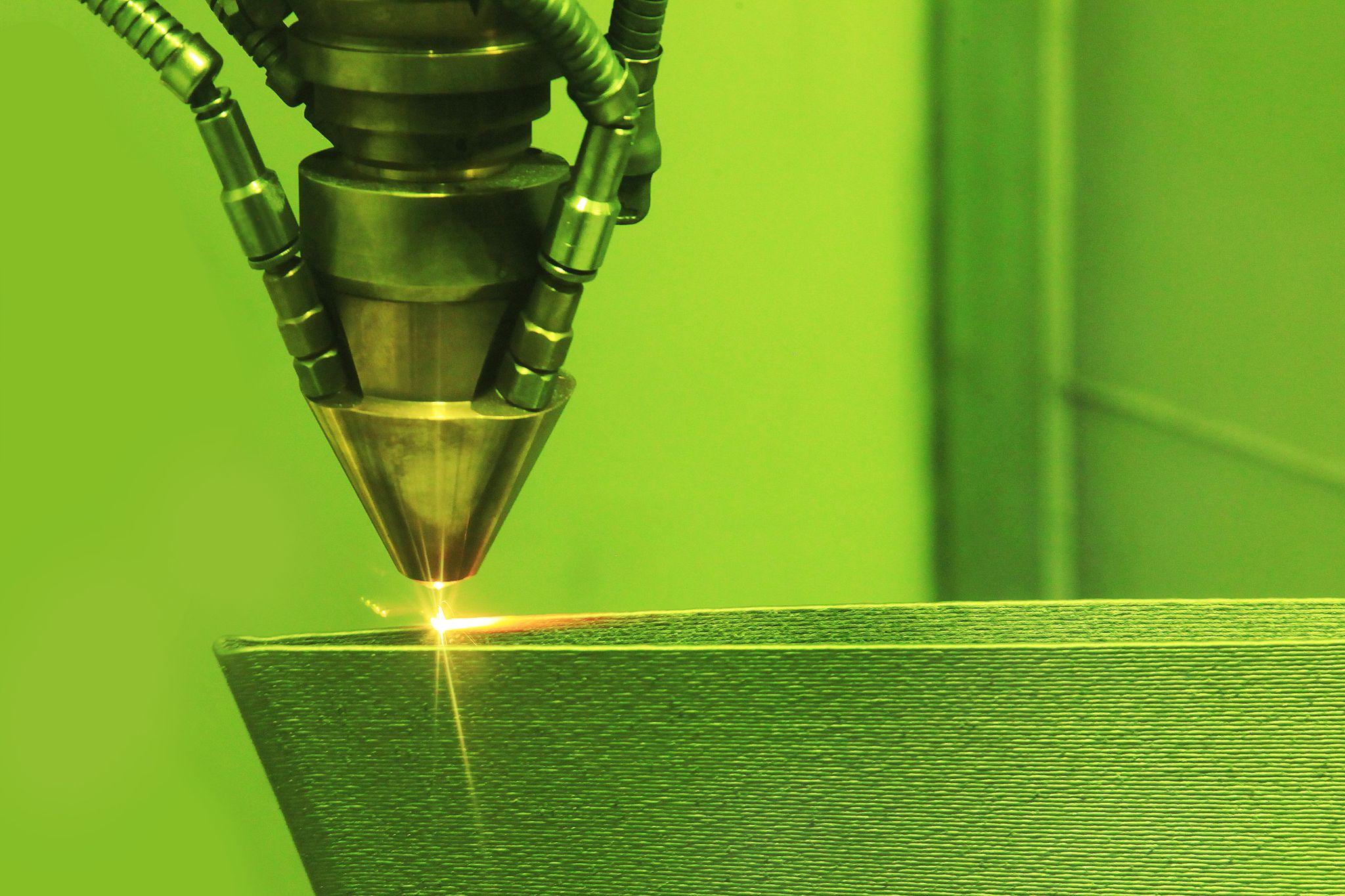
SLS forms layers by directing laser light onto polymer powder such as nylon and selectively sintering (fusing) it. Because unsintered powder supports the part during printing, no support material is required even for overhangs, allowing hollow internal structures and complex geometries to be printed as-is.
SLS parts offer strength and durability close to injection-molded products. Nylon—an engineering plastic that is lightweight, tough, and flexible—is commonly used.
Because SLS can nest multiple parts within the build volume and print them in a single run, it is also suitable for low-volume production, and engineers use it for functional prototypes as well as end-use part manufacturing.
History and Evolution of 3D Printing Technology
3D printing technology emerged in the 1980s and has evolved rapidly ever since. The first practical 3D printing technology was SLA (stereolithography), invented in 1984 by Charles “Chuck” Hull in the United States. In 1987, 3D Systems—founded by Hull—released the world’s first commercial 3D printer, the “SLA-1.”
In 1988, Scott Crump conceived the FDM method, and Stratasys—founded by Crump—successfully commercialized the first FDM 3D printers. At the time, 3D printers were extremely expensive (often several million yen or more) and were industrial machines used mainly for limited applications such as aerospace and automotive prototyping.
In the 1990s, multiple approaches were developed, including the practical application of powder-based processes (SLS/SLM), such as SLM technology from Germany’s Fraunhofer, and inkjet-based 3D printing from MIT (leading to the emergence of Z Corporation).
In the late 1990s, the term “3D printing” came into use, and rapid prototyping—creating prototypes directly from CAD data—began to be adopted in toolrooms across manufacturing.
Through the early 2000s, 3D printers were still used mainly by manufacturers and research institutions, but a major turning point came in the late 2000s.
In 2005, the open-source self-replicating 3D printer initiative “RepRap” was proposed in the UK, leading to open-source printers that could be built from inexpensive parts. Then, when key FDM-related patents expired in 2009, community-driven improvements and low-cost models from startups accelerated rapidly.
During this period, companies such as MakerBot (later acquired by Stratasys) emerged, making consumer 3D printers in the tens to hundreds of thousands of yen range accessible to general users.
In the 2010s, 3D printers continued to improve in performance while becoming more affordable, and they began to be used for producing end-use parts. For example, GE replaced a jet-engine fuel nozzle assembly—previously made from 20 parts—with a single 3D-printed part, achieving 25% weight reduction and shorter assembly time.
New applications also became reality, such as patient-specific implants in healthcare and concrete 3D printing of housing in construction.
In the 2020s, both price and quality improved further, and even low-cost machines in the tens-of-thousands-of-yen range began to deliver practical print quality.
In recent years, some of the world’s largest 3D printers have been developed, making it possible to fabricate objects up to around 30 meters long in a single build—an impressive leap in scale as well.
Over roughly 40 years, 3D printing has evolved from expensive industrial equipment to accessible desktop machines, and its use has expanded from prototyping into end-use manufacturing and personal applications.
High Precision Positioning
- MT-Touch Switches -
0.5 μm repeatability without amplifier IP67, highly resistant to adverse environments
Click here ›Major Application Areas of 3D Printers
Today, 3D printers are used in a wide range of fields. Early on, the main purpose was rapid prototyping, but as the technology has matured, applications have expanded from manufacturing to healthcare, education, and architecture.
Manufacturing and Industrial Applications
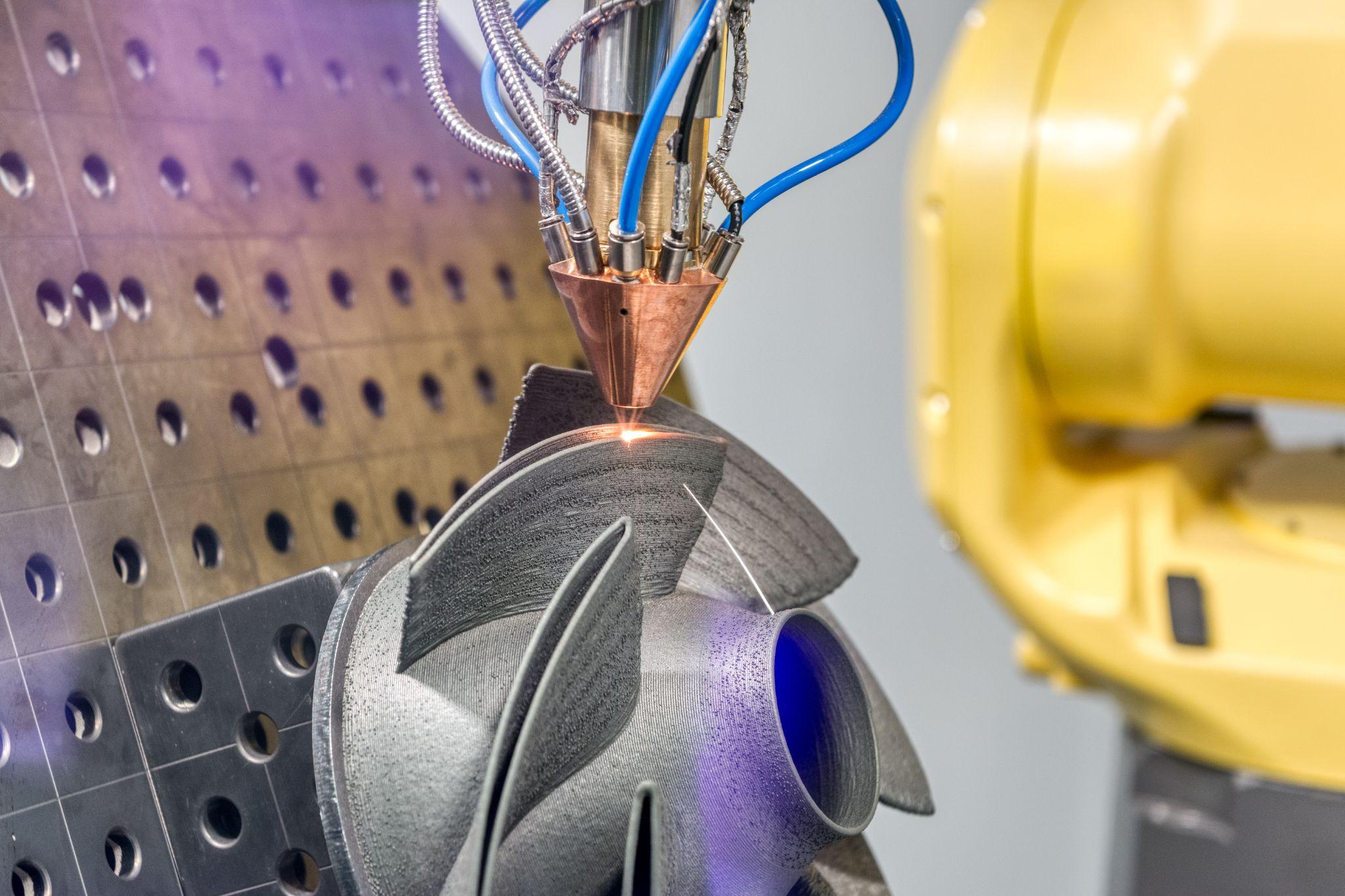
3D printers are highly effective in the prototyping stage of product development. Prototypes that once took several days on machine tools can often be produced in a few hours to about a day, reducing development lead time.
More recently, direct production of end-use parts with metal 3D printers has also advanced—used for lightweight engine components in aerospace and for prototype molds and spare parts in the automotive industry.
3D printers are also used to produce shop-floor tooling (jigs and molds) and low-volume custom parts, complementing conventional production methods.
Medical and Healthcare Applications
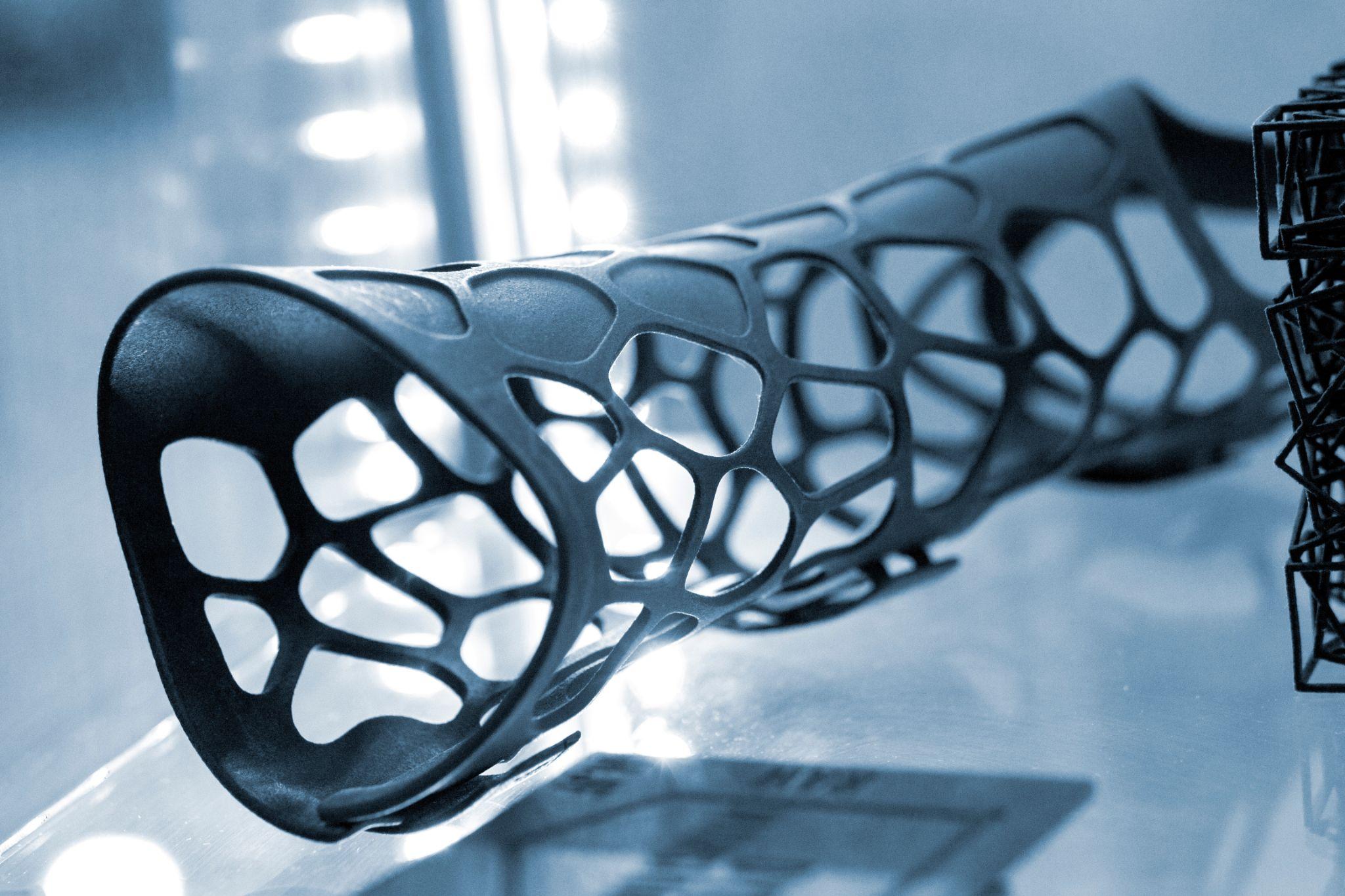
In healthcare, 3D printing is transformative because it enables patient-specific custom products. In dentistry, data captured by intraoral scanners is used to print dentures and crowns, while in orthopedics it supports the production of artificial joints and implants tailored to a patient’s bone geometry.
It has also become common to print surgical models from a patient’s own CT/MRI data for preoperative planning and simulation.
According to the FDA (U.S. Food and Drug Administration), medical devices manufactured with 3D printers include orthopedic implants, cranial and dental implants, surgical instruments, dental prosthetics (crowns), and prosthetic limbs.
In addition, research in bioprinting is progressing, using bio-inks that contain living cells to 3D print tissue and organ-like structures.
As a recent example, a 2024 report stated that 3D-printed artificial blood vessels achieved strength and durability comparable to natural vessels. In the future, printing tissues for organ transplantation is also anticipated.
Education
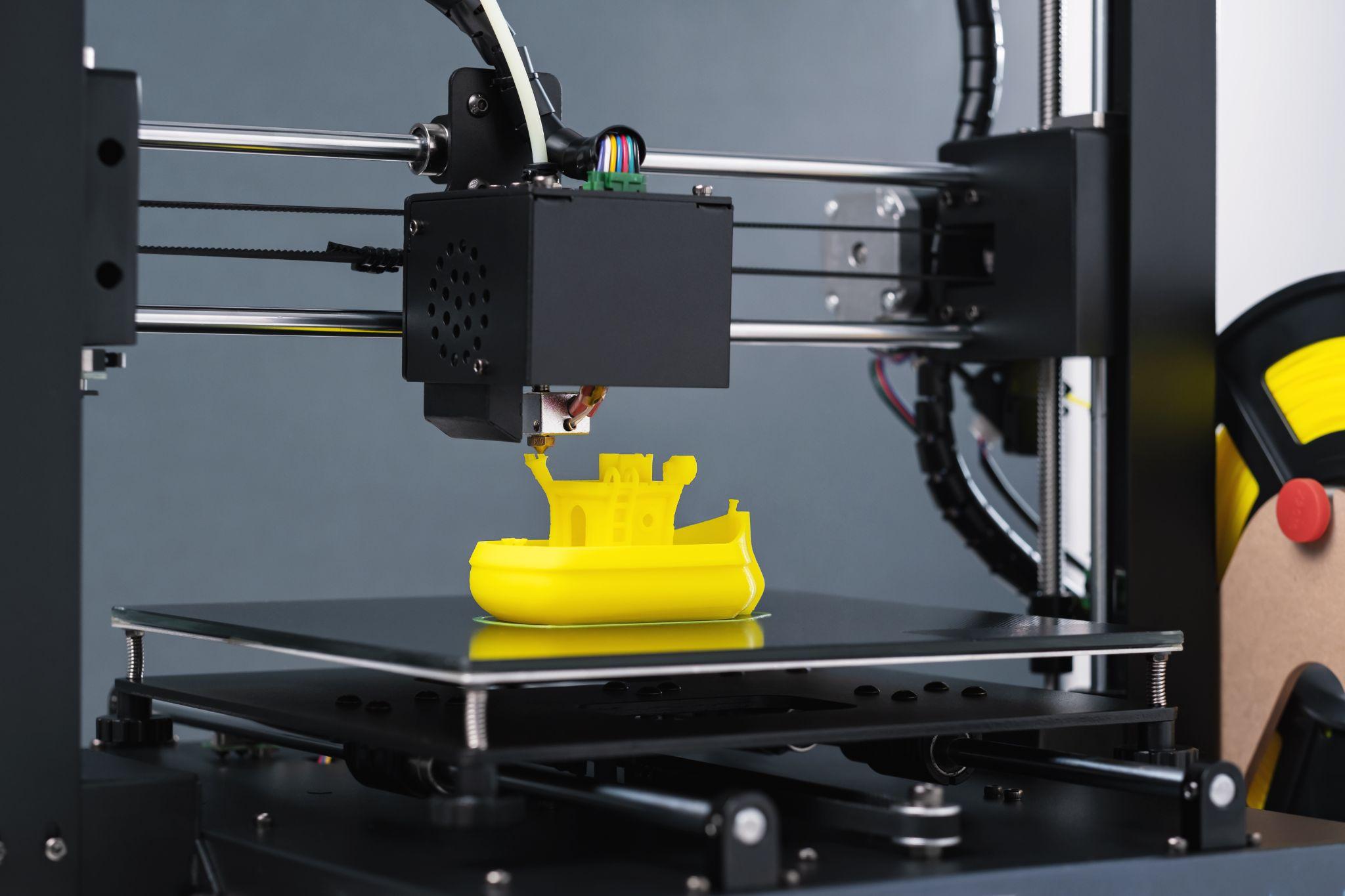
3D printers are also being used in education and research institutions. Higher-education organizations are major buyers of high-precision desktop 3D printers, accelerating adoption in classrooms and laboratories.
By printing models they design themselves, students can deepen their interest in making things and develop creativity within STEM education.
In particular, the rise of low-cost open-source machines has increased adoption in junior-high and high-school technology classes and science programs.
There is also a growing movement to install 3D printers in public facilities such as libraries, offering maker spaces that local residents and students can use freely.
For educational use, low-cost materials such as PLA filament are commonly used, and learning environments are emerging where students can build digital fabrication skills through iterative trial and error.
Architecture and Construction

In architectural design, 3D printers make it possible to rapidly produce detailed scale models of buildings and structures. Even designs with complex curved surfaces can be modeled accurately in a short time, supporting design reviews and presentations to clients.
In the construction industry, efforts have also begun to 3D print full-scale structures.
Large printers using concrete to build house walls and bridges are being tested worldwide. In the Netherlands, the world’s first 3D-printed metal bridge (a 12 m pedestrian bridge) was put into practical use between 2018 and 2021.
In Japan, research on buildings constructed with concrete 3D printing is also advancing, and it is expected to contribute in the future to rapid housing construction after disasters and to the realization of innovative architectural designs.
Major Manufacturers and Representative Products
Today’s market includes many 3D printer manufacturers. Below are leading companies and their representative products and characteristics.
Stratasys
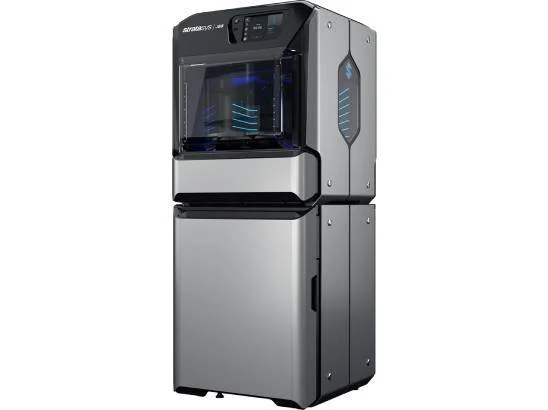
A major industry manufacturer headquartered in the United States. Founded by Scott Crump, the inventor of FDM, the company has provided industrial FDM systems since the 1990s. Representative products include the Fortus series for robust engineering builds and the PolyJet-based “Objet” series capable of multi-color and multi-material printing.
Stratasys also acquired the low-cost printer maker MakerBot, whose Replicator series became a well-known desktop FDM line.
3D Systems
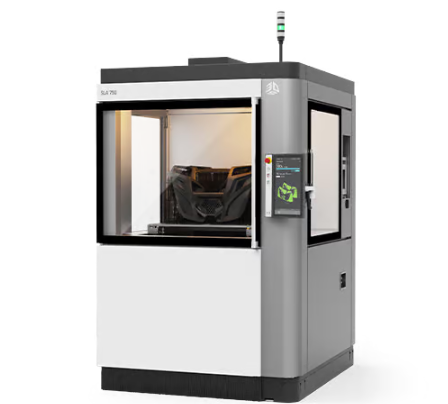
A pioneering U.S. manufacturer that released the world’s first commercial 3D printer in 1986. Founder Chuck Hull invented SLA, and the company continues to lead the industry in stereolithography technologies.
Representative products include the ProJet series of professional resin printers and the high-speed Figure 4 platform. The company also offers the DMP series for metal powder fusion, expanding beyond resins as a comprehensive AM solutions provider.
EOS
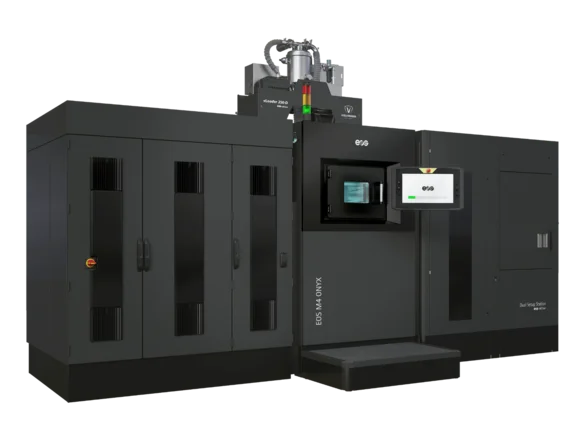
A German manufacturer and a leading company in SLS as well as metal powder fusion (SLM). EOS holds global share with polymer powder systems (such as FORMIGA) and metal 3D printers (such as the EOSINT M series) and is highly regarded for industrial applications.
EOS printers are widely used, particularly for metal parts in aerospace and medical applications.
Ultimaker
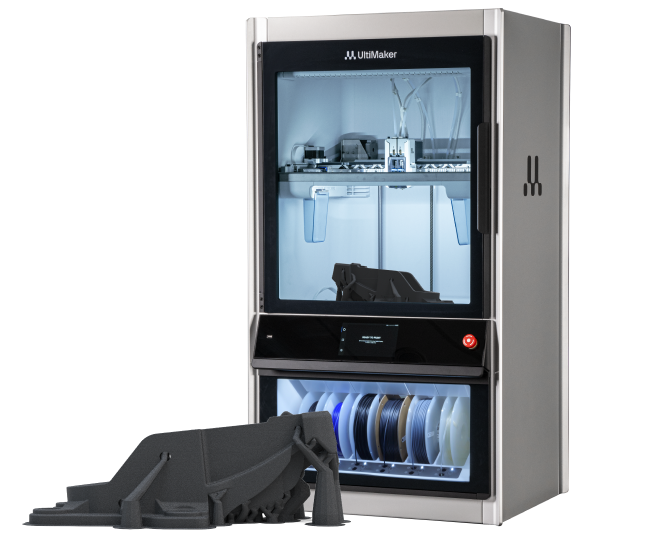
A Netherlands-born manufacturer that produces reliable desktop FDM printers derived from the open-source RepRap project. The flagship Ultimaker S5 features dual nozzles for multi-material printing and a large build volume, and it is used widely from prototyping to education.
In 2022, the company also merged with U.S.-based MakerBot, expanding its lineup from personal to professional users.
Formlabs
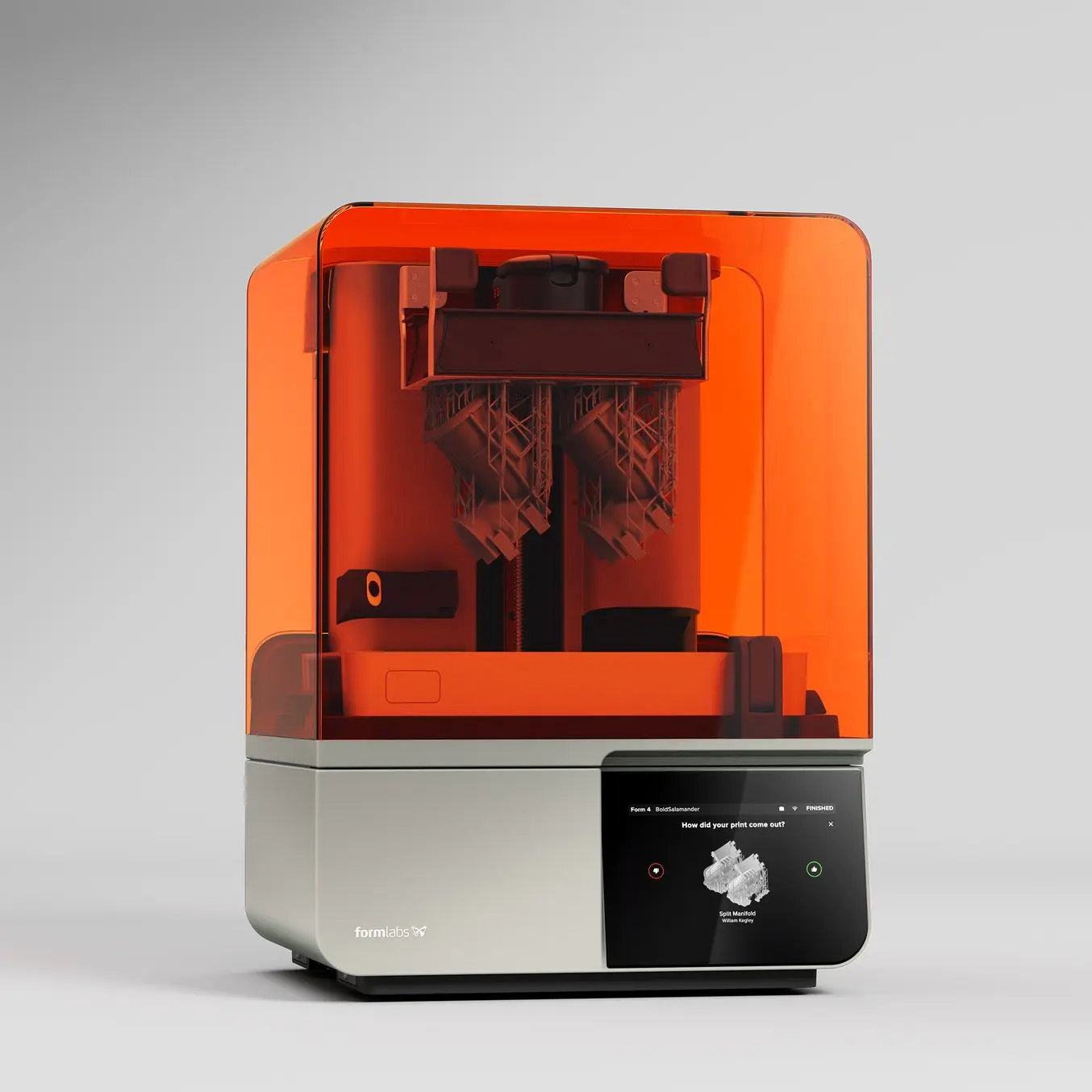
A U.S. startup known for offering high-precision, desktop-sized SLA printers at accessible price points.
Its flagship Form 3/3B series (now evolved into successors such as the Form 3+ and Form 4) combines user-friendly cartridge-based resins with washing and post-curing stations, enabling professional-grade resin printing on a desktop.
It has been widely adopted in dentistry, by manufacturing designers, and in the jewelry industry.
Creality
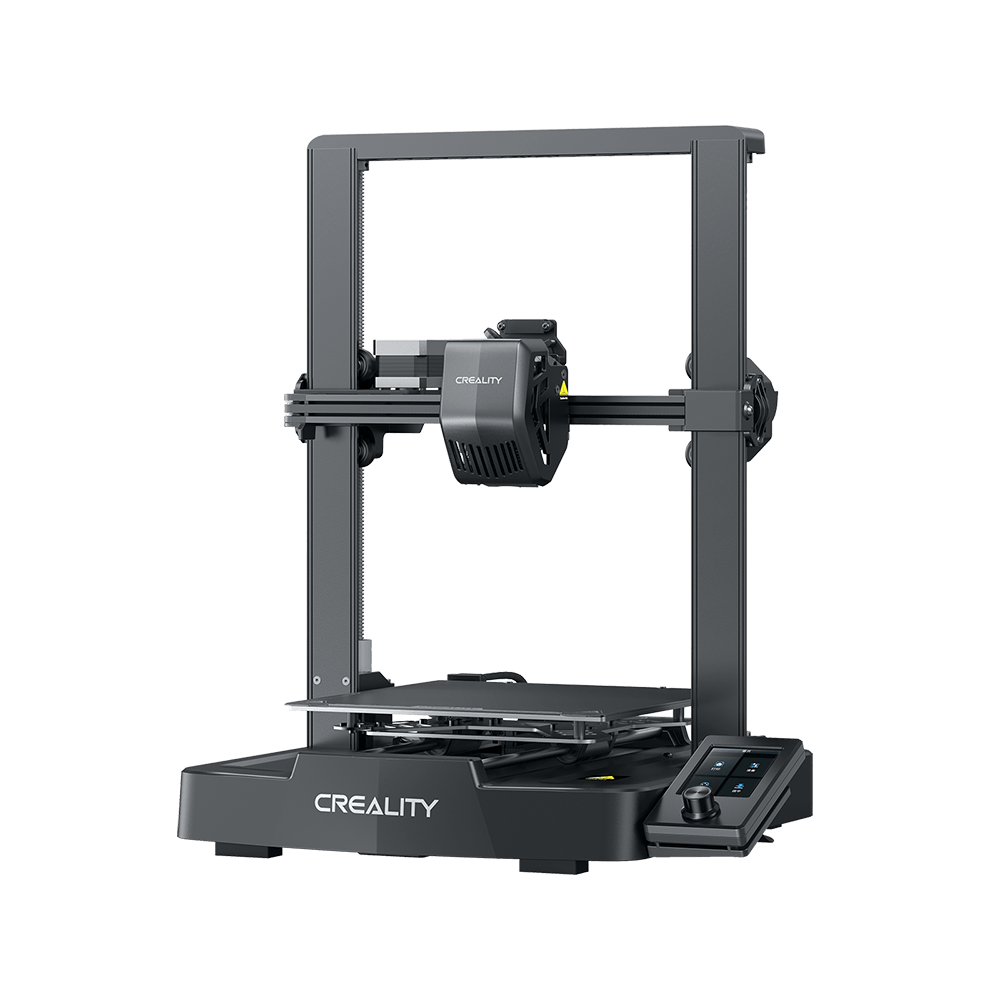
A China-based manufacturer that made low-cost consumer FDM kits a global hit. The flagship Ender-3 series is widely used by hobbyists and beginners thanks to its open design that is easy to modify, despite its price in the tens-of-thousands-of-yen range.
Creality currently holds one of the top shares in the global consumer 3D printer market and is also popular among individual users in Japan.
Prusa Research
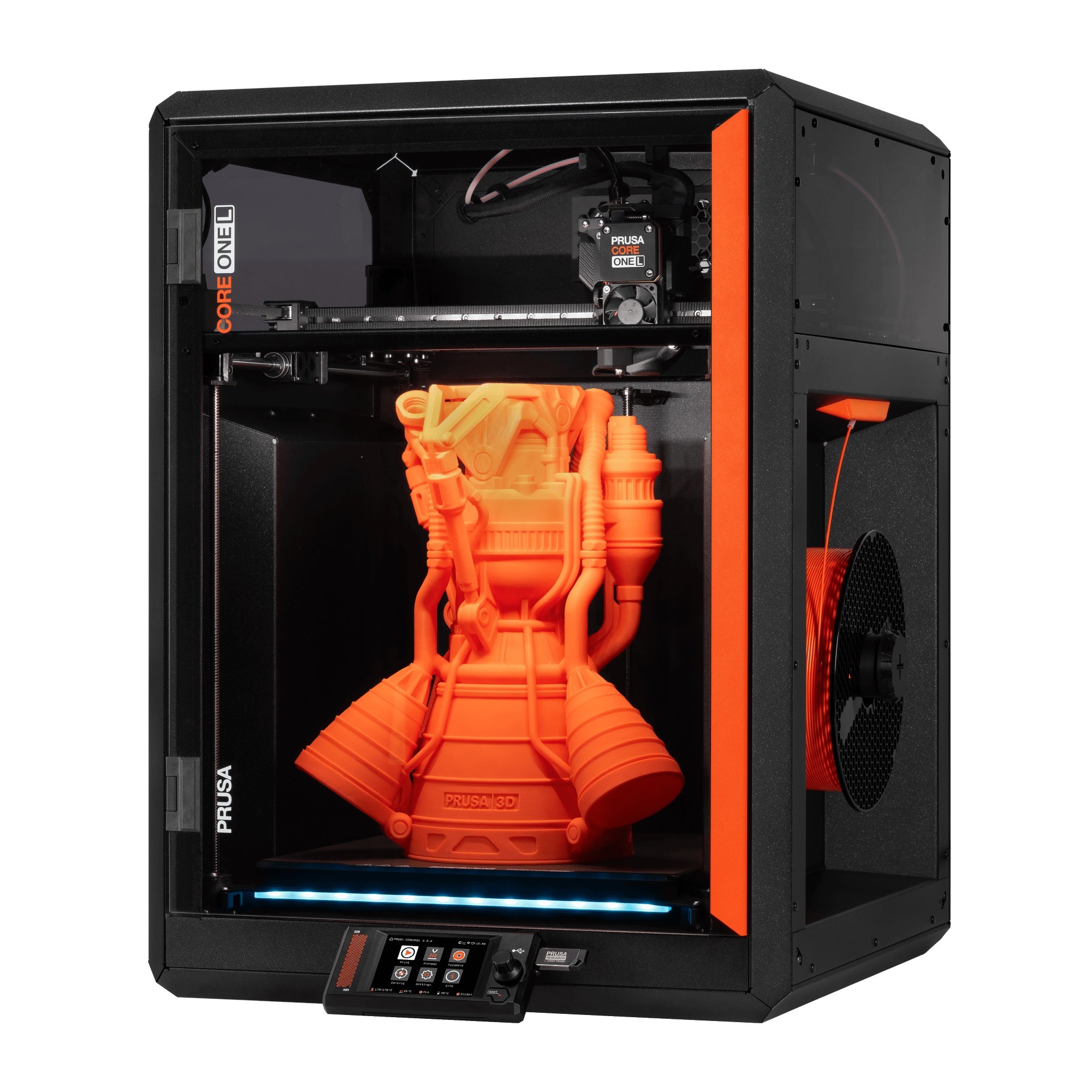
A manufacturer founded by Josef Prusa in the Czech Republic, offering the Original Prusa series based on and improved from the open-source RepRap platform.
Despite being offered as assembly kits, these machines provide high performance and stability. The Prusa i3 MK3 in particular has become a staple for hobbyists and maker spaces worldwide.
Prusa also provides its own slicing software (PrusaSlicer) and resin printers (SL1) and is known for its community-driven product development.
In addition, many manufacturers compete in the market, including HP (printers using the Multi Jet Fusion method), GE Additive (a metal printer company that includes former Concept Laser, among others), and Japanese companies such as Mimaki Engineering (full-color resin printers) and Canon (entering the resin printer market).
Depending on the application, leading manufacturers differ—Creality and Prusa are prominent in the consumer segment, while Stratasys and EOS are key players in professional markets—resulting in a highly segmented industry.
High Precision Positioning
- MT-Touch Switches -
0.5 μm repeatability without amplifier IP67, highly resistant to adverse environments
Click here ›Advantages of 3D Printers
While 3D printing offers many advantages not found in conventional manufacturing methods, it also has several drawbacks and challenges. This section summarizes the benefits.
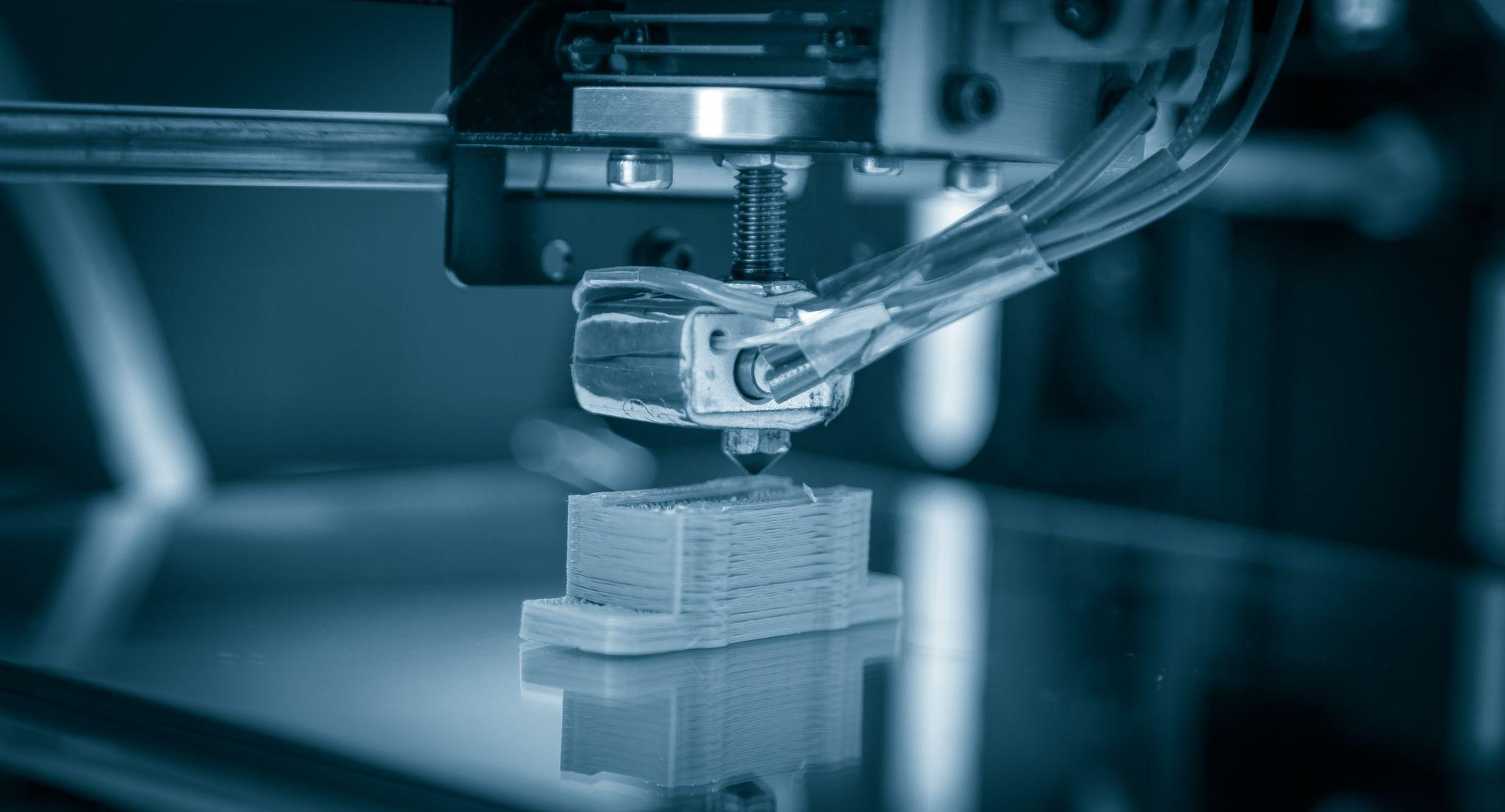
Design Freedom and Customization
With 3D printers, even complex internal structures and organic shapes can be fabricated as a single piece, dramatically increasing design freedom.
It is also easy to customize products for individual users, making the approach suitable for on-demand production. Intricate shapes that were previously impractical can be realized through additive manufacturing.
Faster Prototyping (Rapid Prototyping)
Because ideas can be quickly turned into physical parts during development, the design → prototype → feedback cycle is shortened.
This enables faster product development and cost reduction. Especially for small numbers of prototypes, there is no need to create molds, which can significantly reduce development costs.
Cost Efficiency for Low-Volume Production
Because parts can be made from a single unit without additional tooling costs, 3D printing is well suited to producing only what is needed. Products that were only profitable through mass production can be manufactured at lower cost via 3D printing, and it also fits on-demand production models that avoid holding inventory.
Efficient Material Use and Resource Savings
Because 3D printing adds material only where needed, it does not generate large volumes of chips or scrap like subtractive machining does.
With less material waste, it is more environmentally friendly. In processes that allow reuse of unused powder (such as SLS), material loss can be reduced even further, contributing to lower environmental impact and material costs.
Ease of Access
As low-cost machines have become widespread, 3D printers are now easier for startups and individuals to adopt. Because manufacturing is possible without large-scale factory equipment, the technology fosters innovation from small businesses and even home workshops.
Disadvantages of 3D Printers
Next, we will discuss the disadvantages of 3D printers.
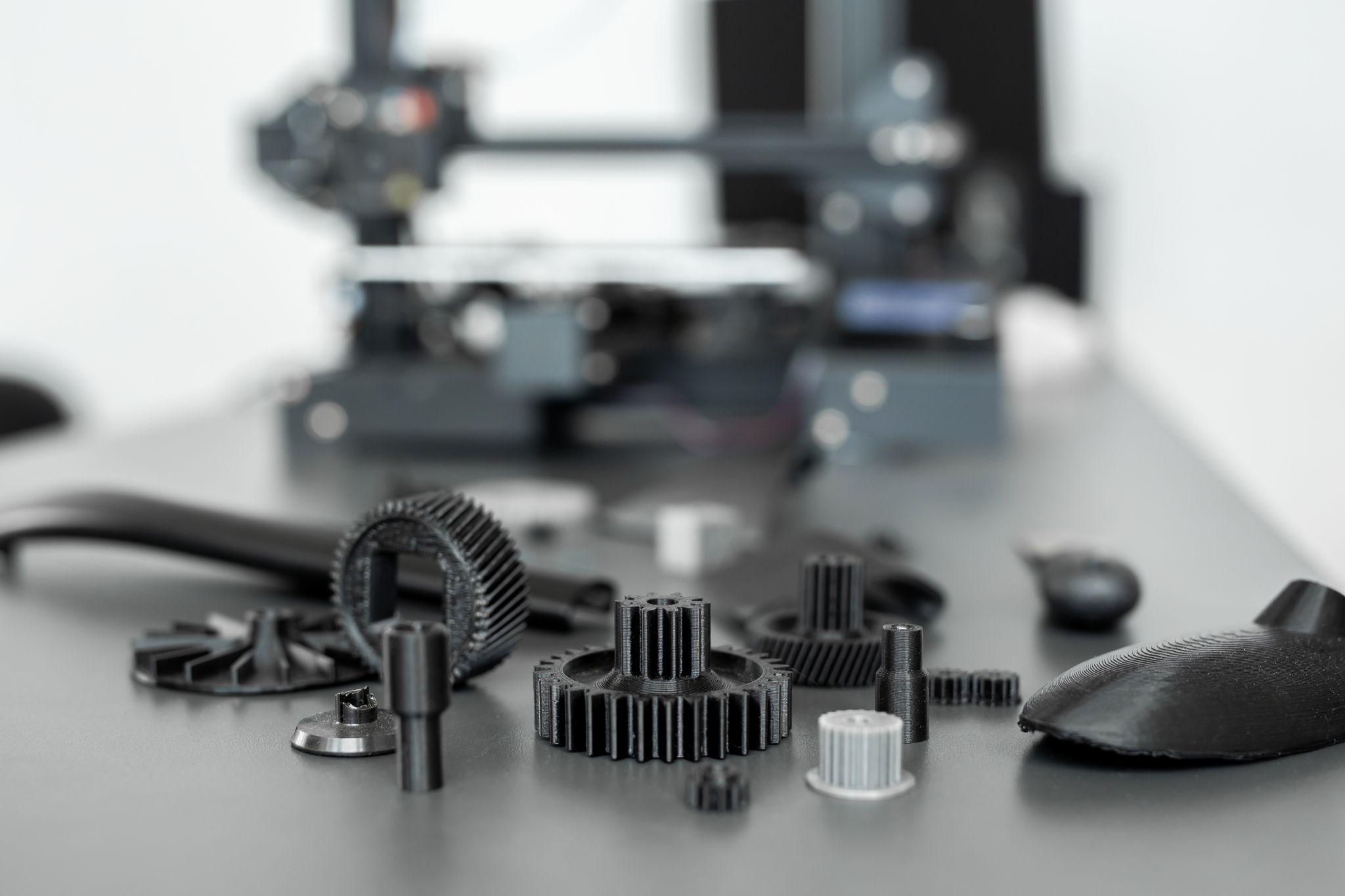
Limited Material Options
At present, materials suitable for 3D printing are limited to plastics and certain metal powders, and they do not cover all materials used in traditional manufacturing.
Different materials also require dedicated printers or process conditions, and in some cases they may be inferior to conventional materials in mechanical strength or heat resistance. Expanding material options and improving material properties remain key challenges.
Inefficient for Mass Production
Because 3D printers build parts by stacking layers, production speed is slower than mass-production methods such as injection molding or press forming. When producing tens of thousands of identical parts, printing them one by one is impractical in both time and cost.
As a result, conventional methods remain advantageous for mass-produced items, and 3D printing tends to be limited to small-to-medium lots and customized parts.
Print Quality and Post-Processing
Depending on the process, layer lines can appear on the surface, and post-processing such as sanding or painting is required for a smooth finish. With FDM, overhangs often need support material, which must be removed and the surface finished afterward.
Dimensional accuracy is also not as stringent as commercial machining, and critical parts may require secondary machining and inspection steps.
Capital Investment and Operating Costs
Professional-grade printers, materials, and maintenance still involve significant costs. Industrial printers require high upfront investment (several million yen or more), and ongoing expenses—regular calibration, replacement of consumables, and material procurement—cannot be ignored. For small companies, these can become barriers to adoption.
Need for Specialized Knowledge
To use 3D printing effectively, you need 3D modeling skills and knowledge of printer setup and parameter tuning.
Practical know-how is required to handle print errors and failures, and it is not something anyone can use to produce perfect results immediately. A shortage of skilled operators can also increase the risk of inconsistent quality.
Intellectual Property and Societal Risks
Because products can be replicated by anyone with 3D data, risks of copyright and patent infringement have been raised. Illegal sharing of digital data can cause losses for manufacturers that should otherwise receive licensing fees.
In addition, serious societal issues—such as the illegal manufacture of firearms using 3D printers—have occurred in some cases, making regulation and countermeasures an ongoing challenge.
High Precision Positioning
- MT-Touch Switches -
0.5 μm repeatability without amplifier IP67, highly resistant to adverse environments
Click here ›Using 3D Printers from a Designer’s Perspective
To use 3D printers effectively in design work, it is essential to understand technical limits and economics accurately and to apply the technology in the right situations.
By building practical know-how based on concrete figures rather than intuition, you can significantly improve the efficiency of design work.
Decision Criteria and Economic Impact for Concept Prototypes
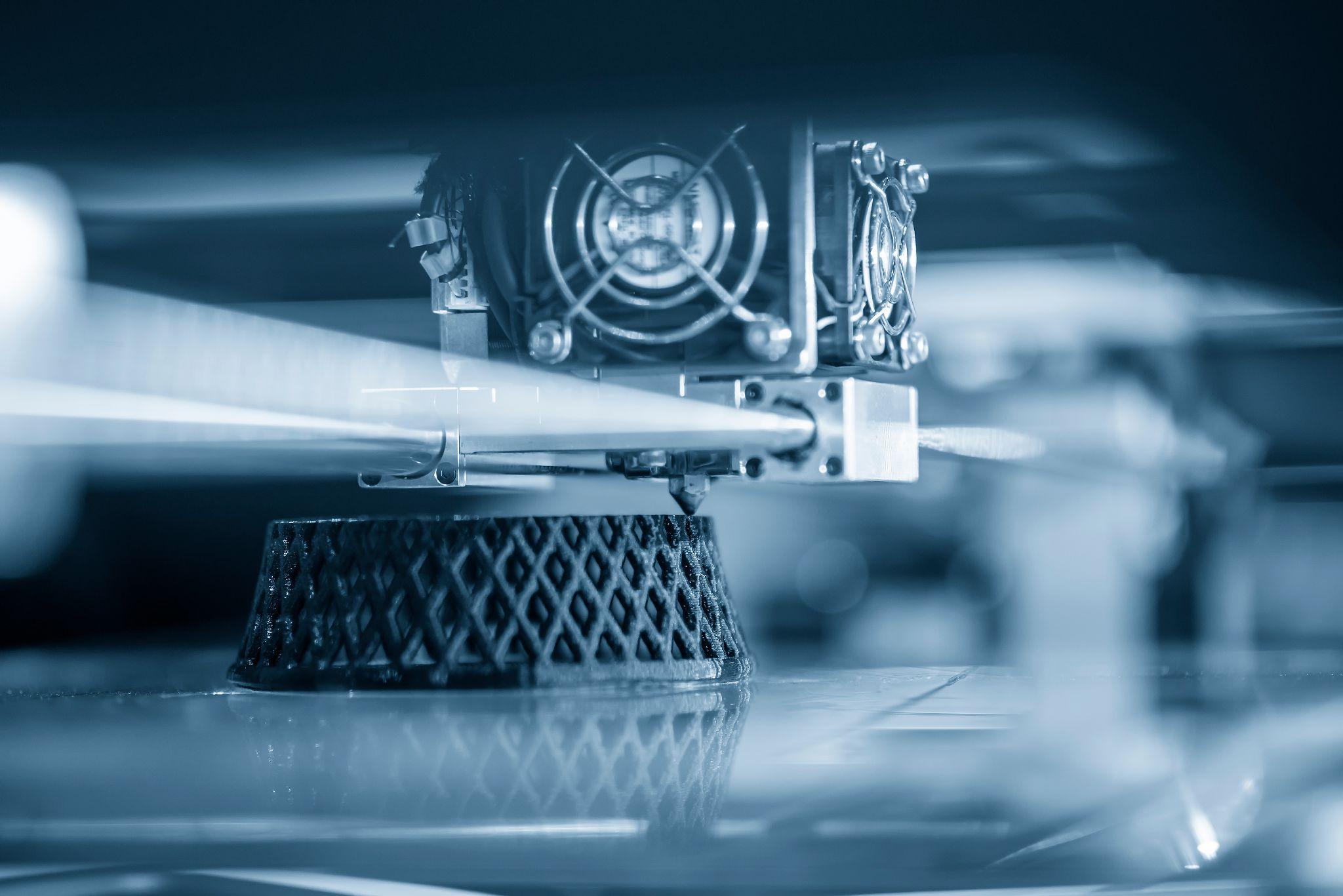
When considering 3D printing for concept prototypes, one practical benchmark is projects where outsourced prototyping would cost ¥50,000 or more. If you print in-house, costs can be limited to material expenses alone (from a few hundred to a few thousand yen), enabling major cost reductions.
Likewise, if the prototype lead time is three days or more, in-house printing can often finish the job overnight to within a day, improving development speed.
3D printing is particularly effective when three or more design changes are expected. With outsourcing, each change costs additional time and money, whereas in-house printing allows repeated iteration as needed.
In practice, it is not unusual to go through more than 10 prototype iterations to refine a design. These iterative verification cycles are exactly where 3D printers deliver the greatest value.
Practical Technical Criteria for Mechanism and Assembly Verification
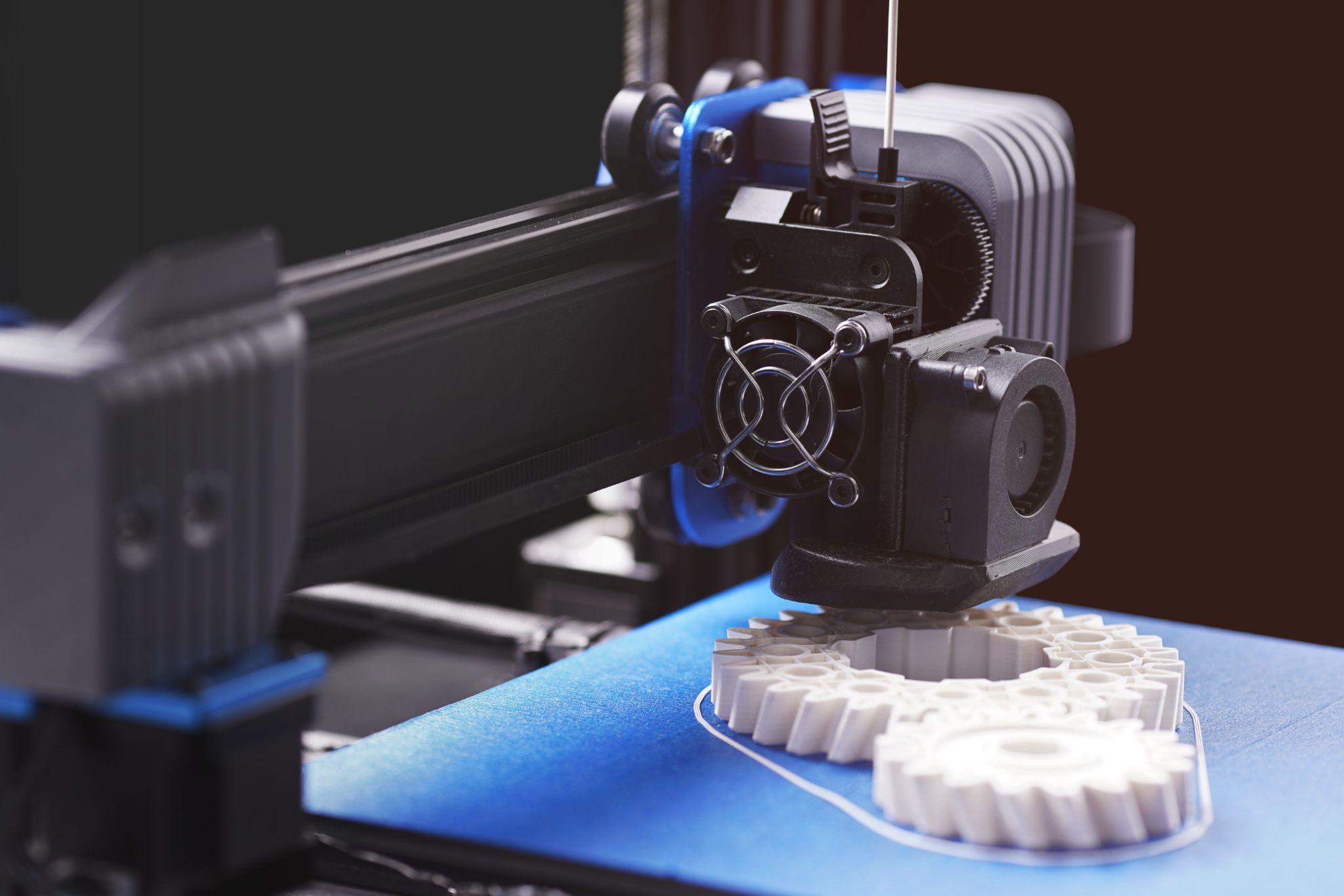
When verifying mechanisms and assemblies, it is critical to understand the accuracy requirements precisely. For parts requiring a mating-fit tolerance of ±0.2 mm or tighter, FDM may be insufficient (around ±0.1 mm), so an SLA machine (around ±0.05 mm) should be selected.
On the other hand, for light-duty applications with assembly forces of 10 N or less, resin-printed parts can provide sufficient strength.
If you only need to verify motion and do not require durability, you can focus on checking geometry without emphasizing weakness in the build direction (interlayer delamination), making it one of the most cost-effective ways to use 3D printing.
In real design environments, there are many cases where pre-verifying combinations of complex mechanical components has helped avoid major design changes in later stages.
Specific Applicability Range for Functional Prototype Models
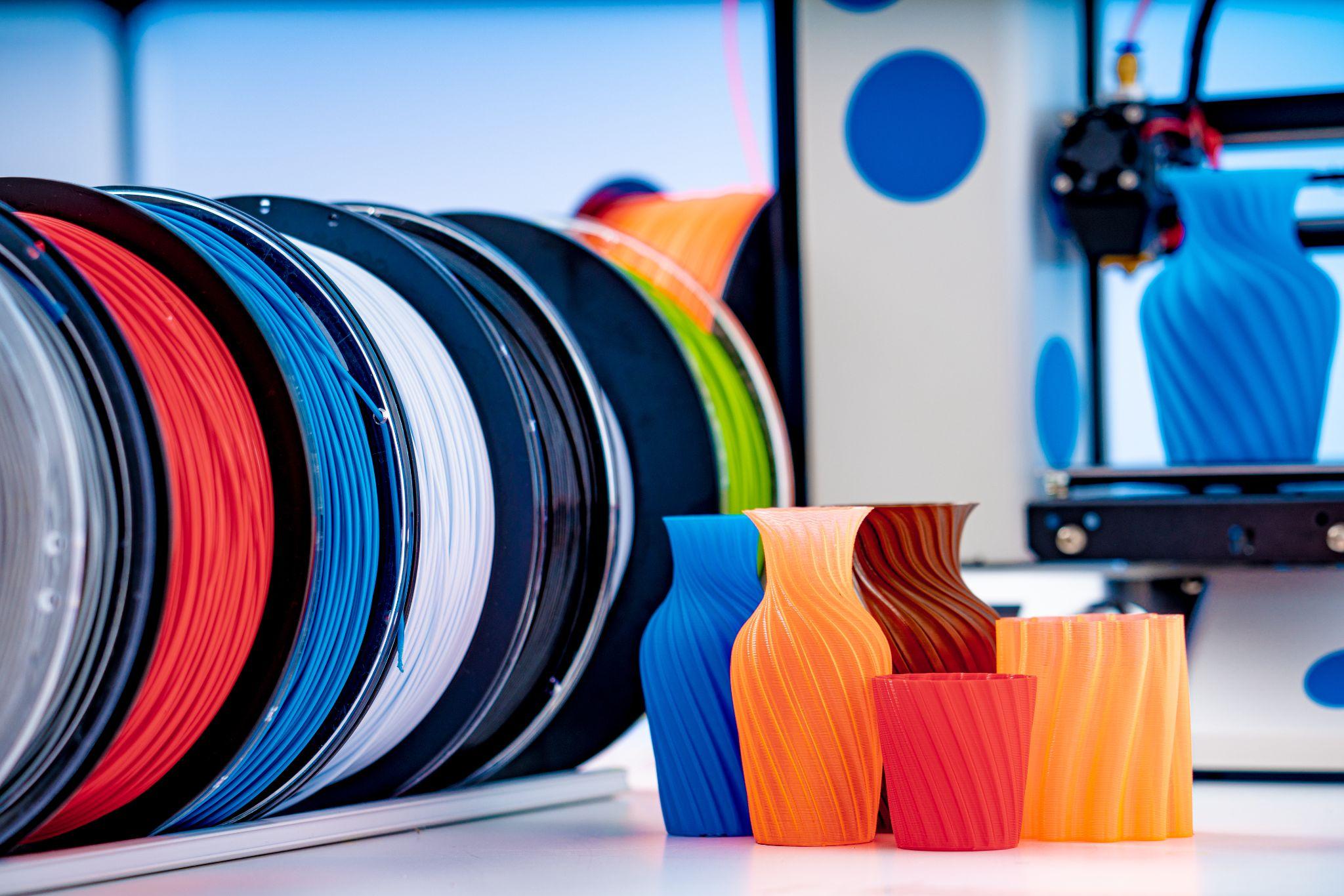
When using 3D printing for functional prototype models, appropriate decisions must be made depending on the application. For 50% scale wind-tunnel models, there are cases where automotive manufacturers have used 3D-printed parts in actual wind-tunnel testing.
For load testing, ABS resin can provide sufficient strength for loads of 10 kg or less, while nylon (SLS) is recommended for higher loads.
If the test temperature is 80°C or lower, common PLA or ABS may be sufficient; in higher-temperature environments, high-temperature materials such as PEEK are required.
Concrete Measures to Address Technical Constraints
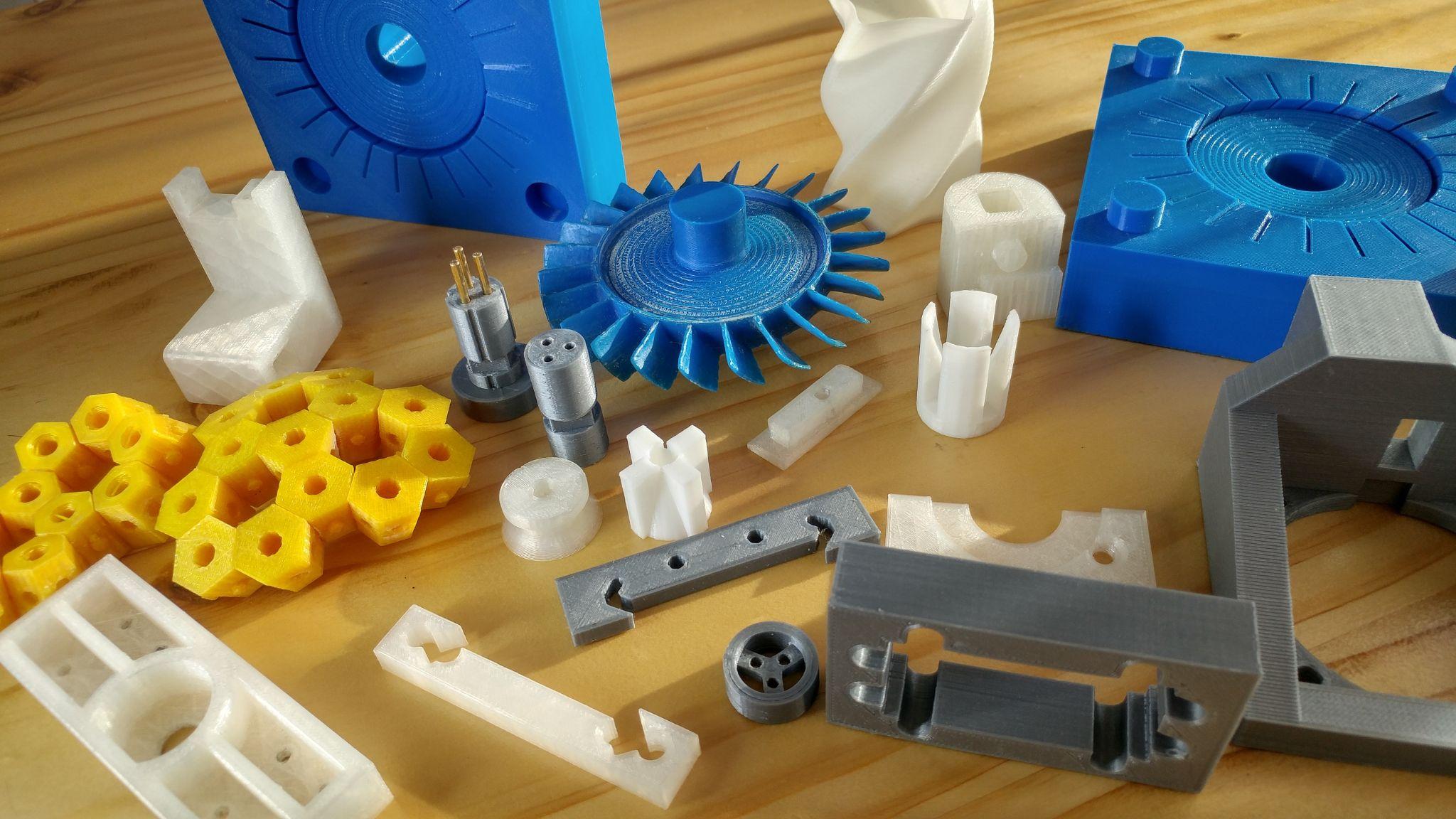
As a practical rule of thumb for accuracy, FDM typically delivers about ±0.1 mm, so mating parts should be designed with at least +0.2 mm clearance. With SLA, about ±0.05 mm can be achieved, allowing even precise fits to be handled with +0.1 mm clearance.
If dimensional tolerances of ±0.02 mm or tighter are required, the design should assume secondary processing (machining and polishing).
To address strength limitations, it is important to determine the build orientation with the stress direction in mind, considering that tensile strength can drop by 50% to 70% in the build direction.
For bending strength, designs should avoid interlayer delamination by ensuring the bending moment acts parallel to the layer plane. For fatigue strength, because repeated loads are not a good fit, it is prudent to limit use to the prototyping stage.
What Are Metrol’s High-Precision Positioning Sensors?
While 3D printers provide innovative fabrication capabilities, it is also true that their dimensional accuracy has limitations compared with conventional machining. In particular, when 3D-printed jigs and tools are used on actual production floors, a key challenge is compensating for dimensional variation in printed parts to ensure accurate positioning.
Metrol’s high-precision positioning sensors provide ultra-precise detection with 0.5 μm repeatability, helping compensate for the accuracy limits of 3D printing and enabling the integration of digital fabrication technologies into precision manufacturing systems.
High-Precision Positioning Touch Switches
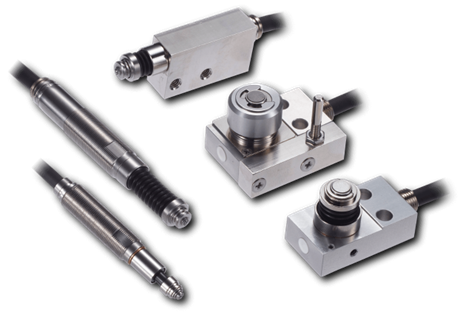
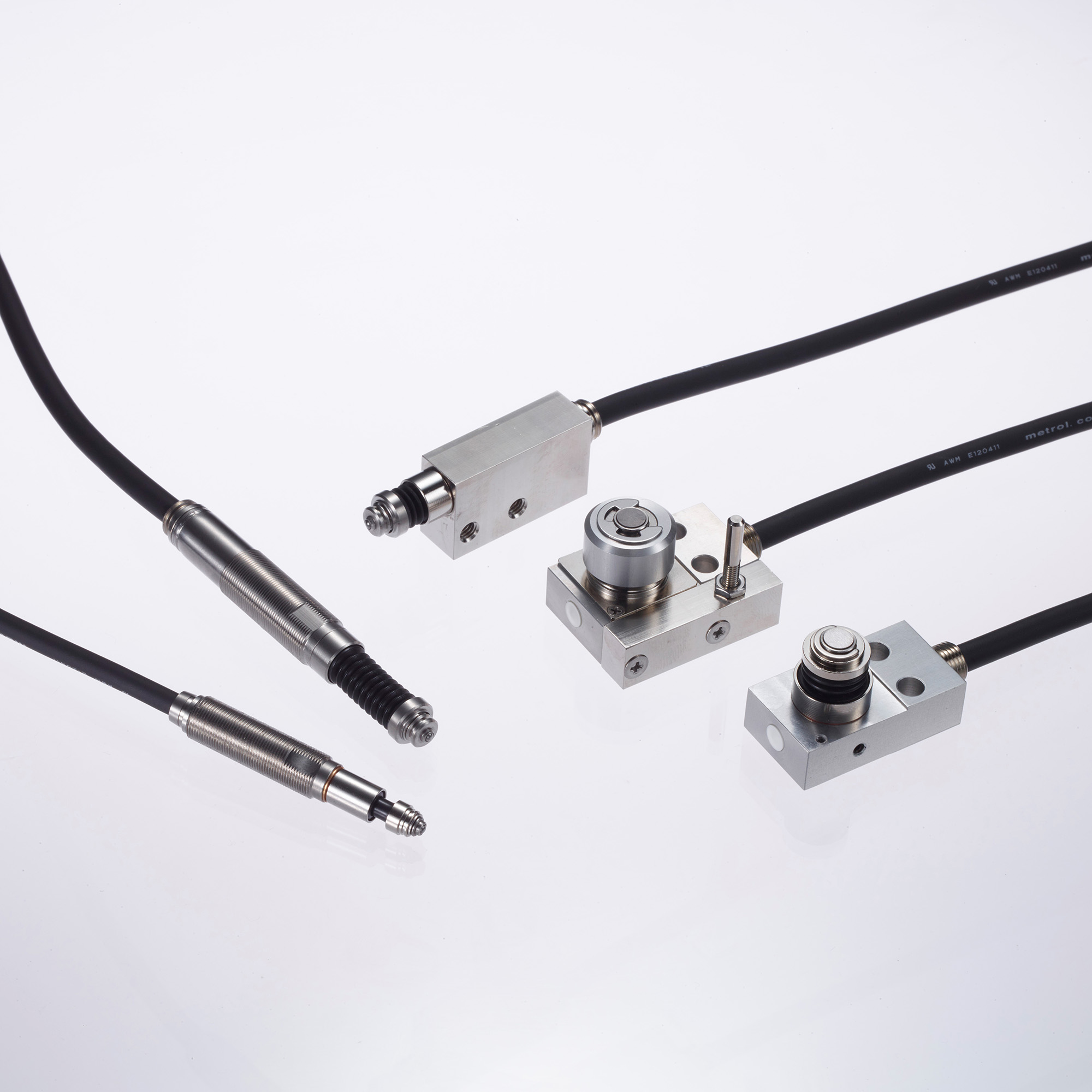
These are contact-type high-precision switches used for positioning and workpiece presence detection in machine tools, robots, and jigs. They achieve an extremely high repeatability of up to 0.5 µm and feature IP67-rated waterproof and dustproof protection, ensuring stable operation even in harsh environments. With more than 200 standard models available, they offer a wide range of variations, including designs for confined spaces, high-temperature environments, vacuum applications, and low contact force requirements.
Tool Setter (Tool Length Measurement Sensor)
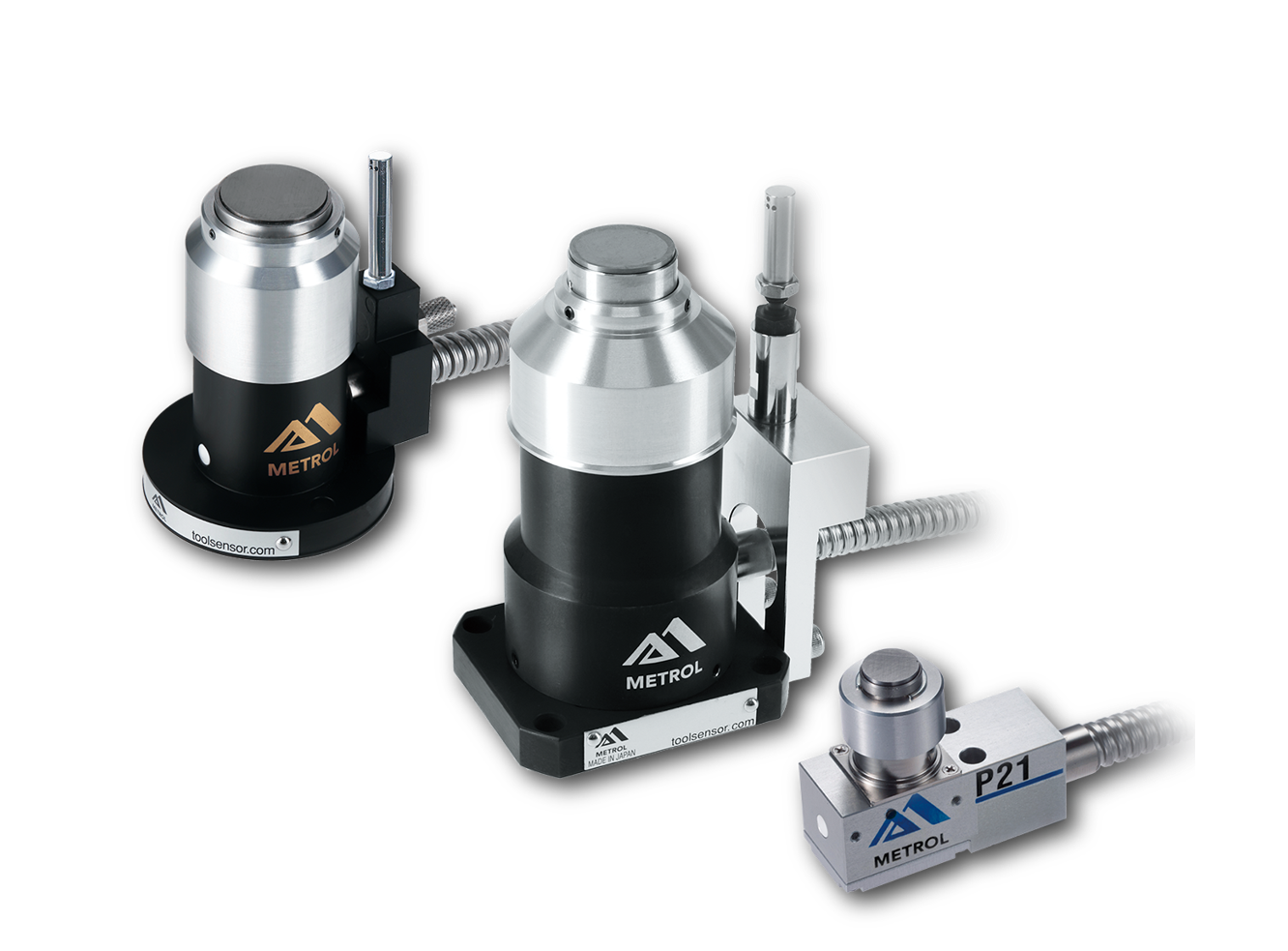
This is a contact-type sensor installed on CNC machine tools and industrial robots for tool length measurement, reference position setting, and tool breakage detection. By automatically measuring and compensating for tool length, wear, and thermal displacement inside the machine, it helps prevent machining defects and significantly reduces setup time. It is one of Metrol’s best-selling products, with a proven track record of more than 500,000 units shipped in 74 countries worldwide.
Touch Probe (On-Machine Measurement Probe)
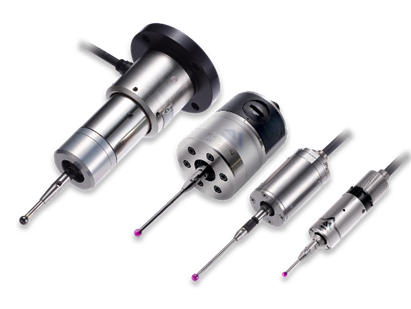
This is a contact-type probe for in-machine measurement, installed on machine tools and robots to automatically perform workpiece positioning (centering) before machining and dimensional measurement after machining. With a repeatability of 1 µm, it automates workpiece referencing and dimensional inspection, replacing skilled manual operations to reduce setup time and help prevent machining defects. Both wired and wireless models are available, meeting retrofit needs for 5-axis machining centers and robotic applications.
Air Gap Sensor (Pneumatic Sensor)
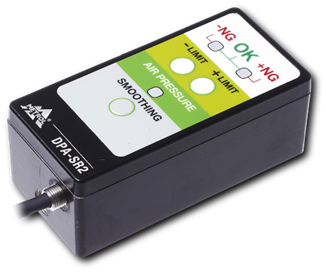
This is a non-contact sensor that uses air pressure to detect workpiece seating conditions with micron-level accuracy. It can detect gaps (“lift”) of less than 10 µm—previously difficult to measure—with a repeatability of ±0.5 µm, helping prevent machining defects and equipment downtime caused by insufficient contact between the workpiece and fixture. The sensor is used in applications such as semiconductor manufacturing processes, precision part clamping operations, and grinding wheel positioning on grinding machines, and it is a smart sensor that also supports the international standard IO-Link communication.
