What Is Coolant? A Clear Explanation of Its Types and Characteristics
Source: "Hajimete no Kousaku Kikai"
Key Points
- The three main roles of coolant are lubrication, cooling, and chip removal
- Coolants are broadly divided into non-water-soluble cutting oils used undiluted and water-soluble cutting fluids diluted with water
- A chiller keeps the coolant temperature constant
Table of Contents
What Is Coolant?
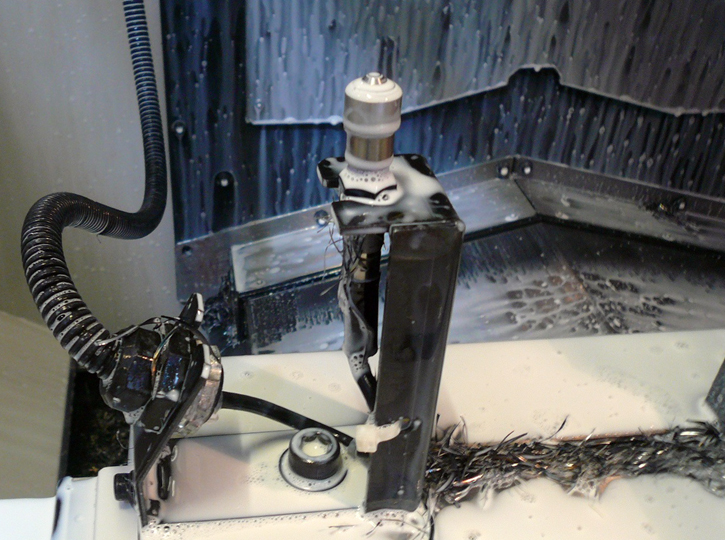
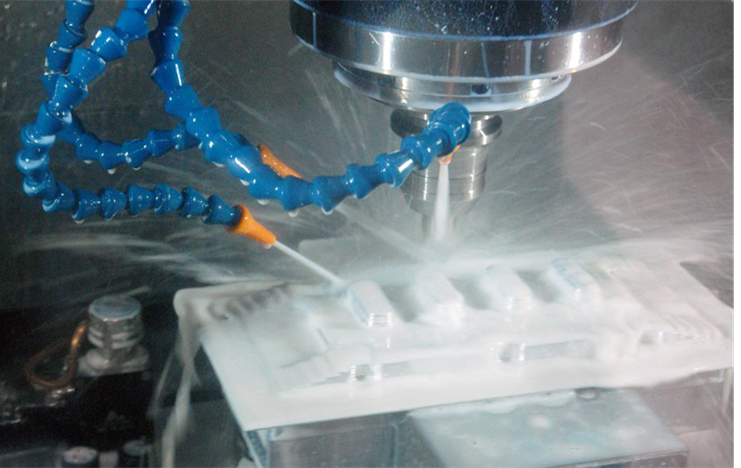
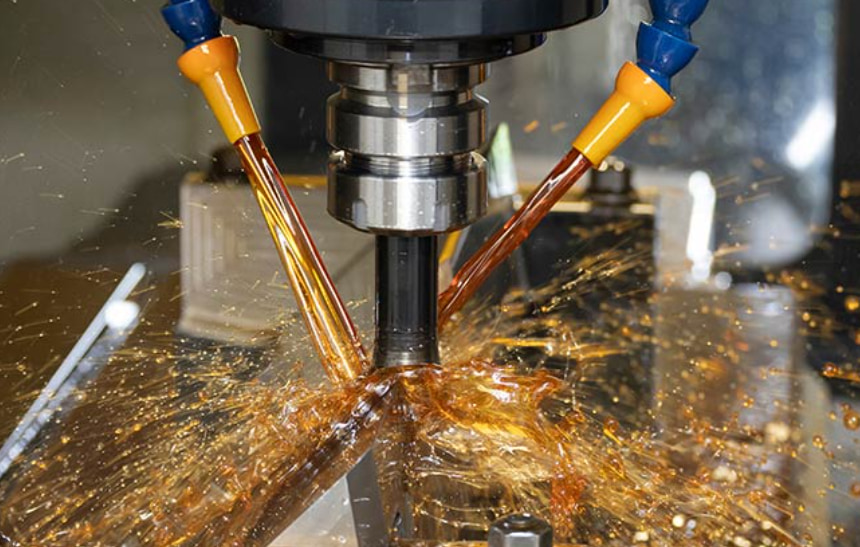
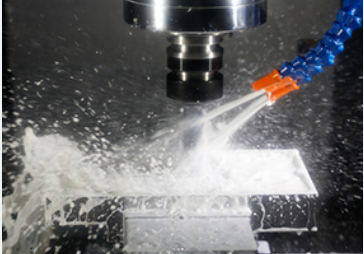
Coolant refers to the cutting fluid supplied to the machining point to ensure smooth cutting and grinding operations.
Coolant has three major roles:
(1) Lubrication
(2) Cooling
(3) Chip removal
Lubrication reduces friction between the cutting tool and the workpiece. This helps suppress tool wear and extends tool life.
Cooling removes heat generated during machining. In general, the temperature at the cutting point during machining is said to reach as high as 600°C to 1000°C.
Heat not only reduces the hardness of the tool, but also causes thermal expansion of the workpiece, negatively affecting dimensional accuracy.
For this reason, it is important to cool the heat source with coolant. Since cooling is one of its primary roles, the term “coolant” is widely used on manufacturing sites.
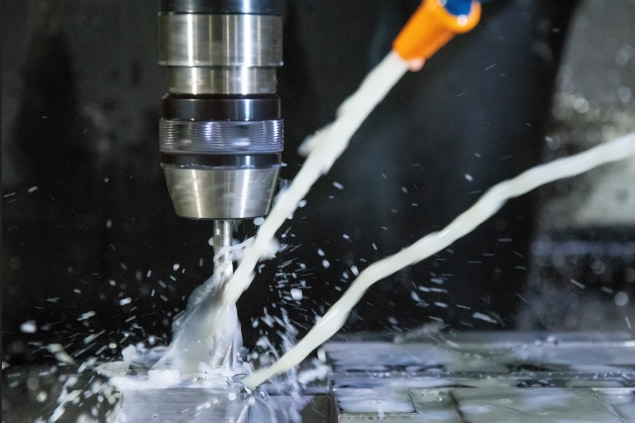
Chip removal refers to the function of flushing away chips generated during cutting with fluid pressure and removing them from the machining point.
In addition, coolant also helps prevent welding. Welding refers to the phenomenon in which part of the workpiece material melts due to heat and adheres to the tool. When this adhered material acts like a pseudo cutting edge, it is called a “built-up edge.”
If machining is performed with a built-up edge, the adhered material, which is the same material as the workpiece, is pressed directly against the workpiece, preventing proper cutting. By flowing between the tool and the workpiece, coolant helps suppress welding and built-up edge formation, contributing to stable machining accuracy.
There are two coolant supply methods: external coolant supply, in which coolant is supplied from outside the tool through a hose toward the machining point, and internal coolant supply, in which coolant is supplied through the inside of the tool.
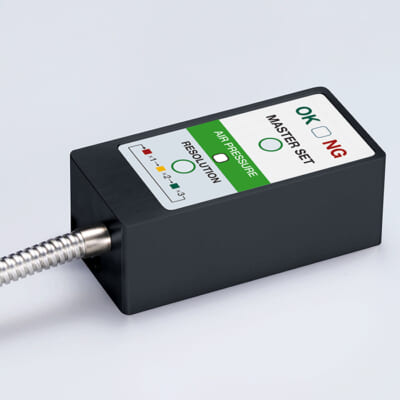
High-precision seating confirmation of workpiece and jig
- Air Gap Sensor -
You can check not only "presence/absence" but also "adhesion (gap)" at the same time with a repeatability of ±0.5 μm.
Click here ›Types of Coolant
There are two types of coolant: (1) Non-water-soluble cutting oil, (2) Water-soluble cutting fluid.
Non-water-soluble cutting oil is used undiluted, while water-soluble cutting fluid is diluted with water before use.
1. Non-water-soluble Cutting Oil
Under Japanese Industrial Standards (JIS), non-water-soluble cutting oils are classified into four types, N1 to N4, based on their composition and corrosiveness to copper plates.
N1 is effective for machining non-ferrous metals such as copper and for cast iron. N2 is widely used for general cutting operations. N3 and N4 are suitable for machining difficult-to-cut materials and for applications that require strict finished surface accuracy.
Compared with water-soluble cutting fluids, non-water-soluble cutting oils are less prone to deterioration and are easier to manage.
However, many of them are classified as hazardous materials under the Fire Service Act, so careful handling is required, including fire prevention measures.
2. Water-soluble Cutting Fluid
Water-soluble cutting fluids are typically diluted to a concentration of 2 to 10% before use. Unlike non-water-soluble cutting oils, they pose a lower risk of ignition and are suitable for unmanned machining.
However, because they are diluted with water, it is necessary to maintain and control the proper concentration, take measures to prevent rust, and handle waste fluid appropriately.
Based on the composition and appearance color of water-soluble cutting fluids when diluted with water, JIS defines three types: A1 to A3. A1 is also called an “emulsion,” A2 a “soluble,” and A3 a “solution.”
Emulsions turn milky white when diluted with water. They are used for cutting operations in general and provide the highest lubricity among water-soluble cutting fluids.
Soluble cutting fluids appear translucent or transparent when diluted. Compared with emulsions, they offer better cooling and cleaning performance. They are mainly used in cutting and grinding operations.
Solutions become transparent when diluted with water and are characterized by the highest cooling performance among water-soluble cutting fluids.
Automated workpiece centering and positioning
- Touch probe -
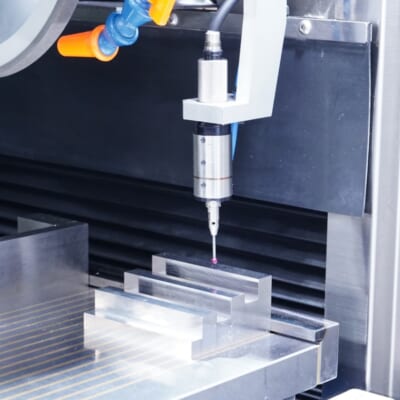
A contact/touch sensor for on-machine measurement that improves the efficiency of setup work
Click here ›Dry and Semi-dry Machining
Coolant is essential for high-quality cutting. However, it can also negatively affect the working environment, for example when fine coolant particles disperse as oil mist during machining.
Waste fluid disposal is another issue. In addition, the pumps used to circulate coolant consume a significant amount of power, creating an energy-saving challenge.
With growing awareness of energy saving at manufacturing sites and environmental protection, environmentally friendly machining methods that use only a small amount of coolant—or none at all—have recently attracted attention.
A machining method that uses no coolant is called “dry machining,” while a method that uses only a very small amount of coolant is called “semi-dry machining.” Semi-dry machining is also known as “MQL machining.” MQL stands for “Minimum Quantity Lubrication.”
Chiller
A chiller is a device that keeps the temperature of a liquid constant. Chillers used for coolant are also referred to as oil cooling equipment, automatic oil temperature controllers, or coolant chillers.
The temperature of coolant may change due to heat generated by the coolant pump. Changes in fluid temperature affect not only machining accuracy, but also the service life of tools and grinding wheels.
For this reason, it is desirable to keep the coolant temperature constant.
In addition, when the fluid temperature rises, coolant can deteriorate and bacteria can multiply.
This can cause unpleasant odors, so it is also important to cool the coolant and keep its temperature constant with a chiller in order to suppress deterioration and bacterial growth, thereby improving the working environment.
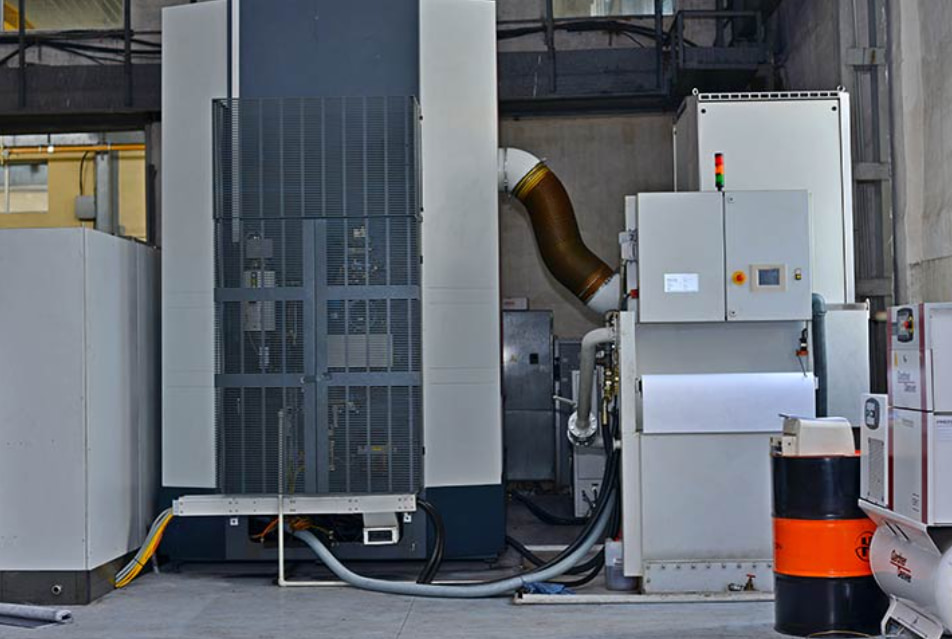
Coolant chillers are broadly divided into two types according to their mechanism: immersion type and circulation type.
In the immersion type, the coil-shaped cooler is exposed and can be used simply by immersing it directly in the coolant tank. However, depending on the depth of the cooler, it may not be possible to place it directly into a shallow coolant tank, in which case a separate external deep tank must be prepared.
The circulation type, on the other hand, has a built-in cooler and a pump for drawing in coolant. Its key feature is that it can be used with any coolant tank regardless of cooler depth.
Traditionally, air-cooled chillers, which use outside air to discharge machine heat, have been the mainstream.
However, with growing environmental awareness, demand has recently been increasing for water-cooled chillers, which remove exhaust heat using cooling water and help reduce heat discharge into factory buildings while saving energy.
Source: "Hajimete no Kousaku Kikai"
High Precision Positioning
- MT-Touch Switches -
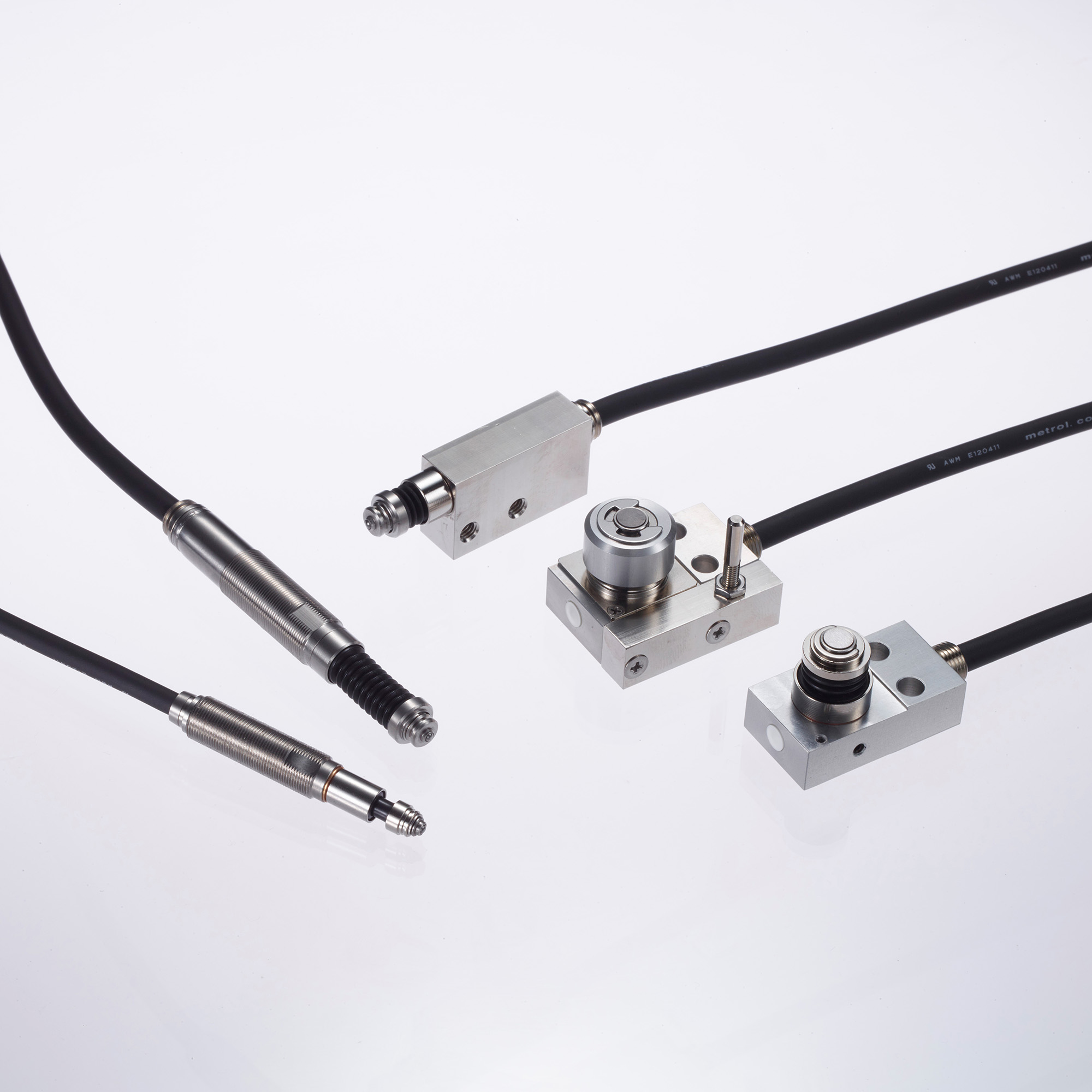
0.5 μm repeatability without amplifier IP67, highly resistant to adverse environments
Click here ›Sensor Application Examples
Defective products can be prevented by detecting workpiece floating during machining
This case involves an automotive parts manufacturer that produces steering components for major automobile manufacturers.
A production engineering representative contacted us regarding “seating confirmation” between a jig and workpiece in the harsh environment inside a tapping center.
Detected the deviation of the X-Y axes of the machining table with 0.5µm repeatability
This case involves an automotive parts manufacturer that produces engine components for automobile manufacturers.
A production engineering representative in charge of cutting operations contacted us regarding “positioning” of the machining table in a tapping center.
[Video]
Touch Probe K3S Series Durability Test
Related Articles
[Quality Control] IP67 Water-proof structure
One of the key features of Metrol’s precision positioning switches is their high waterproof performance.
Rather than offering high accuracy but being easily damaged, we have spent many years pursuing a waterproof construction that maintains high accuracy even in harsh environments where chips and coolant scatter.