What Are Dies and Molds? A Clear Guide to Their Types and Features
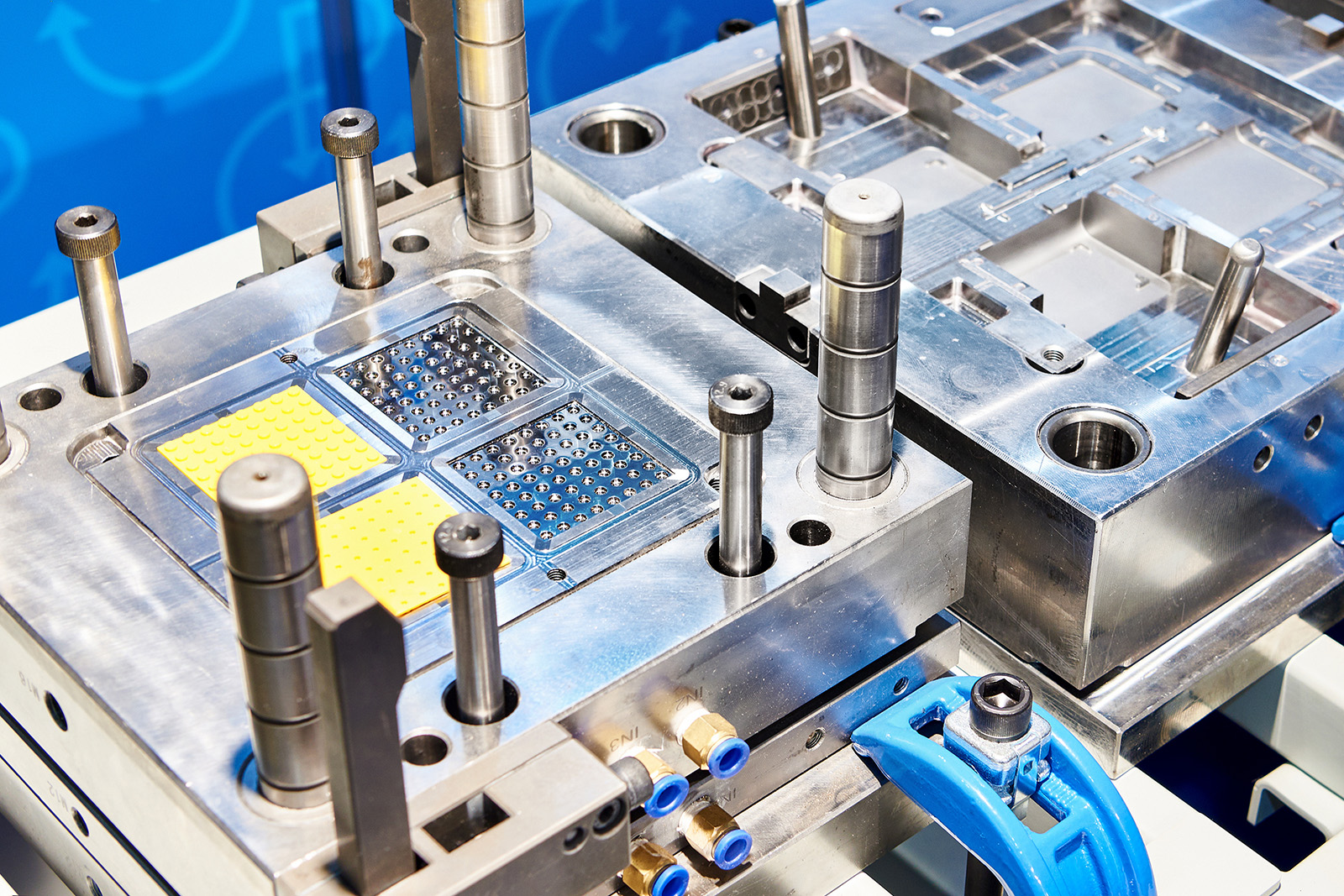
Source: "Hajimete no Kousaku Kikai"
Key Points
- Used to mass-produce parts with identical shapes, dimensions, and accuracy
- Broadly divided into two types: dies and molds
- The die or mold itself must be manufactured to a very high level of precision
Table of Contents
What Are Dies and Molds?
Dies and molds are tools used to mass-produce parts with the same shape. They are used to form a wide range of materials, from metals to non-metallic materials such as plastics, rubber, glass, and ceramics.
Dies and molds are not used on their own. They are mounted on machines such as presses or injection molding machines, where their shape or pattern is transferred to the material. A familiar example would be the tool used to make taiyaki, which can also be considered a type of mold.
Although they are all grouped under dies and molds, their specifications vary greatly depending on the application.
Examples include press dies for forming sheet metal, injection molds for forming molten or softened plastic, casting molds and die-casting molds for pouring molten metal, and forging dies or extrusion dies for deforming solid or powdered metal under pressure.
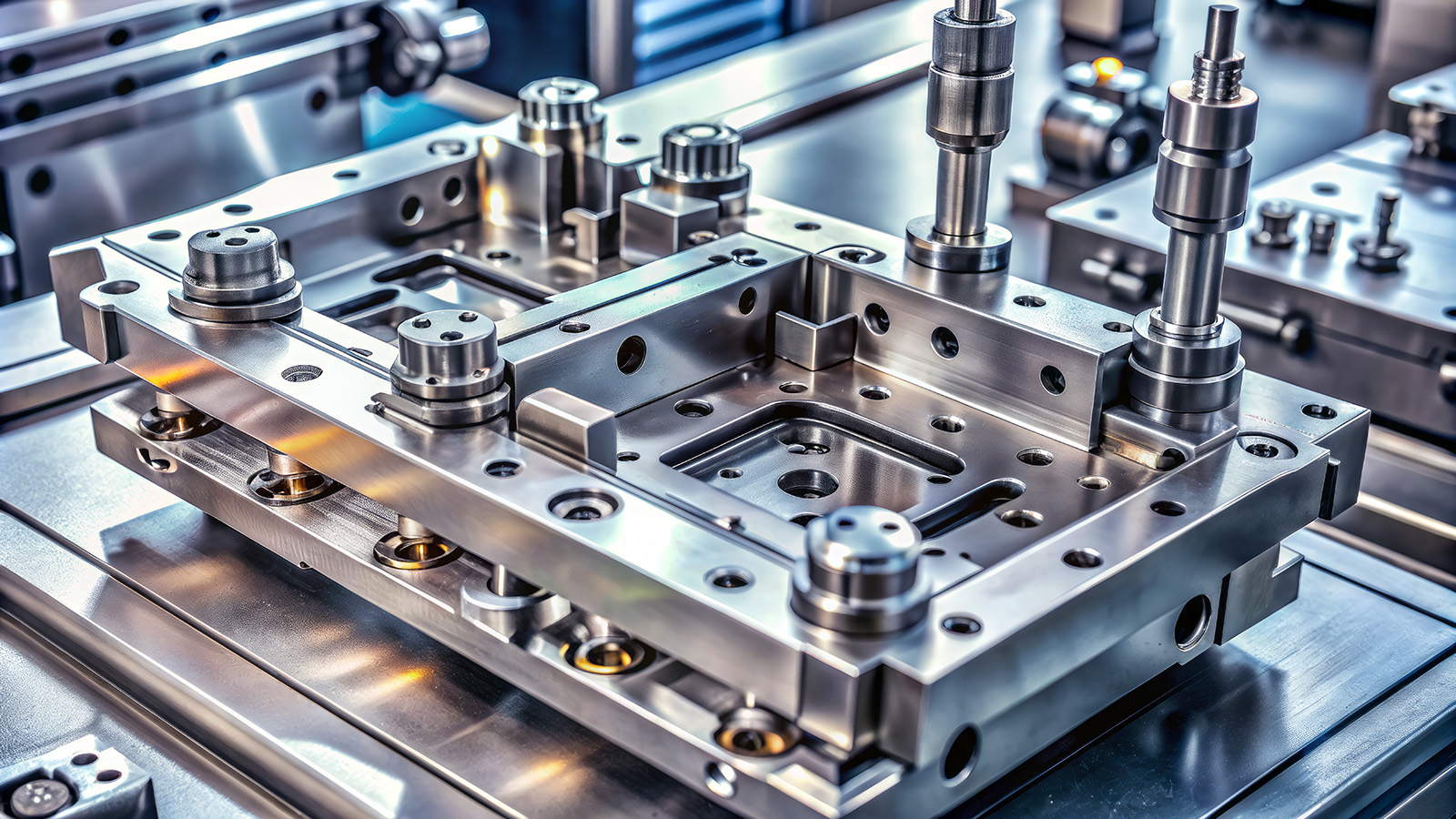
The types and properties of the materials being formed, the heating conditions, and the specifications of the final molded products vary widely. As a result, there are many different methods for manufacturing dies and molds. However, the following features are common to dies and molds in general.
- Dies and molds are tools used to form final products and their components, such as automobiles and home appliances, so the dies and molds themselves are rarely seen by general consumers.
- Using dies and molds makes it possible to mass-produce parts with the same shape. However, the die or mold itself must be manufactured to a very high level, and dimensional accuracy on the micrometer scale is required.
- Dies and molds are used to produce mass-produced parts, but the dies and molds themselves are custom-made, one-of-a-kind products.
- Dies and molds are designed and manufactured in advance according to the production plan for the molded products.
- CAD software is used to design dies and molds, while CAM software, machining centers, and EDM machines are used for manufacturing.
- Dies and molds do not have their own power source and are used by being mounted on a machine.
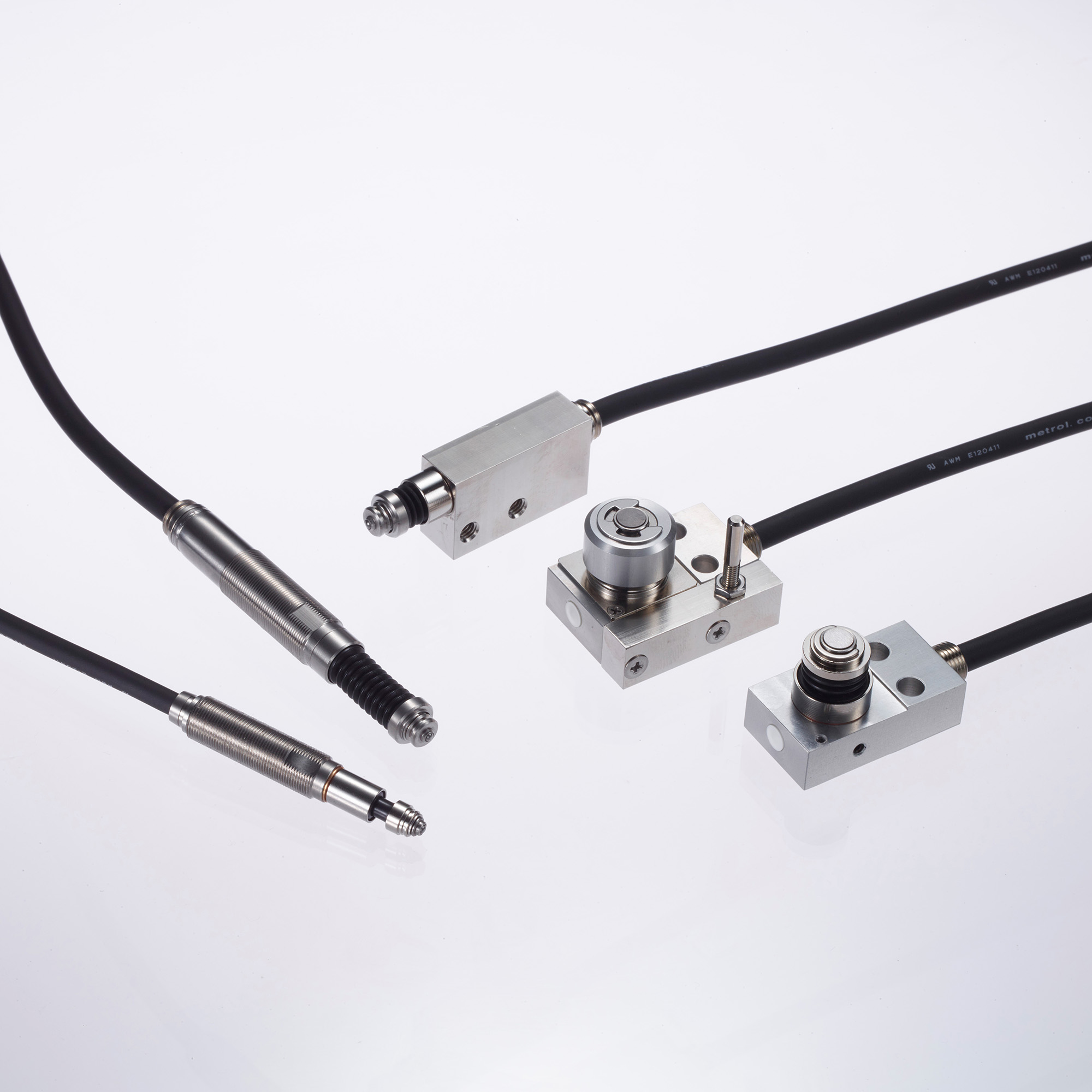
High Precision Positioning
- MT-Touch Switches -
0.5 μm repeatability without amplifier IP67, highly resistant to adverse environments
Click here ›Types
Dies and molds are broadly divided into two types: “dies” and “molds.”
1. Dies
(1) For press forming
(2) For forging
(3) For sheet metal processing
(4) For dedicated machines
(5) For sheet materials other than metal
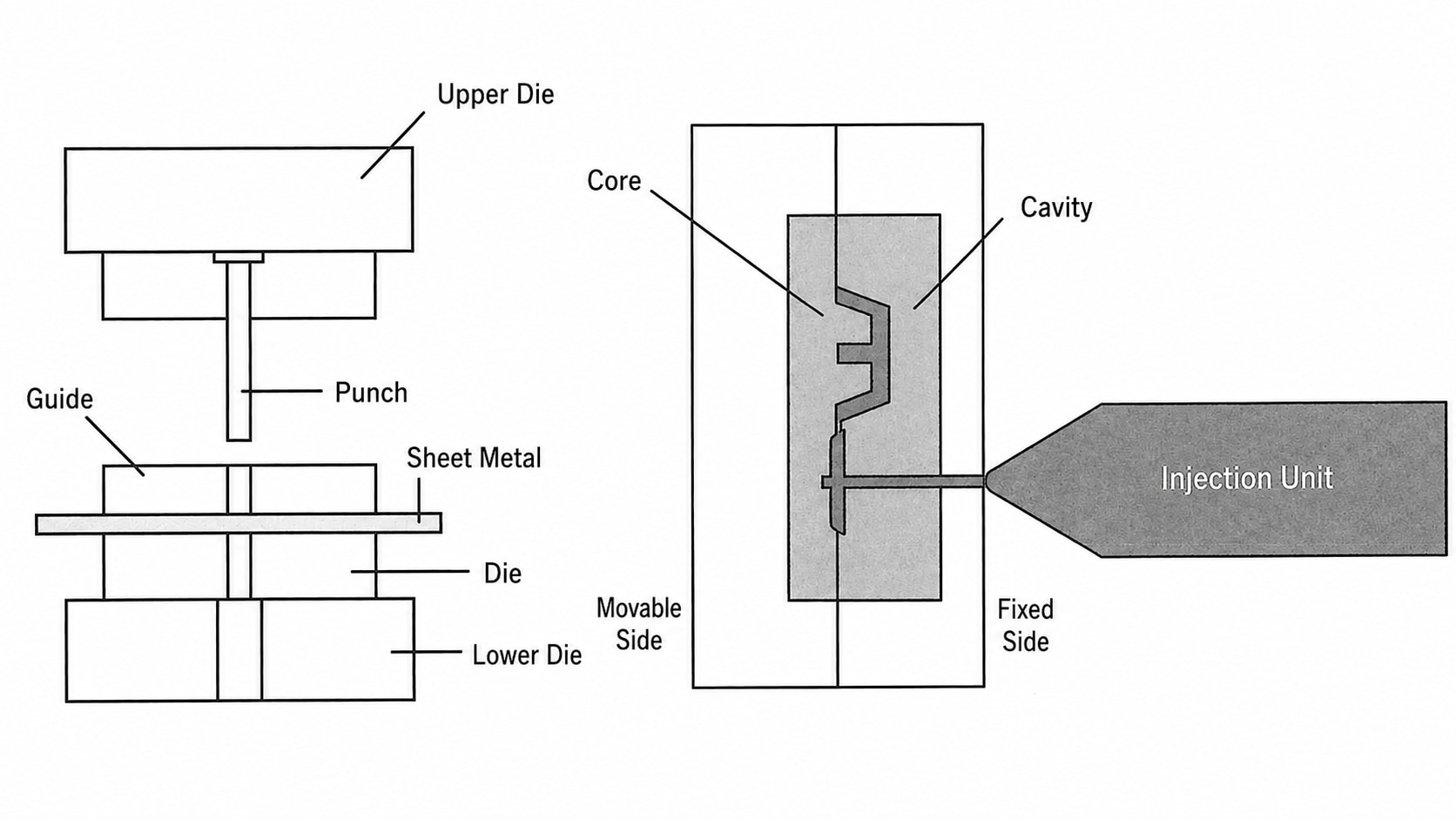
These are some examples. Dies apply a large force to metal sheet or block materials and gradually deform them, so a key characteristic of dies is that many processes are required before the final product is completed.
For example, press dies can process sheet metal into various shapes. Press forming includes five types of operations: blanking, bending, bulging, drawing, and compression. A dedicated die is used for each type of process.
To consolidate processes, techniques such as transfer press processing and progressive die processing are also used, allowing multiple processes to be handled within a single press machine.
Transfer press processing is a method in which multiple dies are arranged in one machine, and the sheet material is automatically transferred to the next process while being formed.
Progressive die processing uses a progressive die, which integrates multiple processes into a single die, and forms the sheet material as it is fed step by step.
2. Molds
A mold forms the final shape in a single step by feeding heat-softened material or powdered material into the mold under pressure. Unlike die processing, which often uses many dies, a key feature of molding is that the desired shape can be obtained in one forming cycle.
In a mold, the tooling surrounds the molded product and is divided into a protruding section and a recessed section. The protruding section is called the core, or male mold, and the recessed section is called the cavity, or female mold.
The core is mounted on the movable side, while the cavity is mounted on the fixed side.
Main types include:
(1) For plastic molding
(2) For die casting
(3) For glass
(4) For rubber
(5) For powder molding
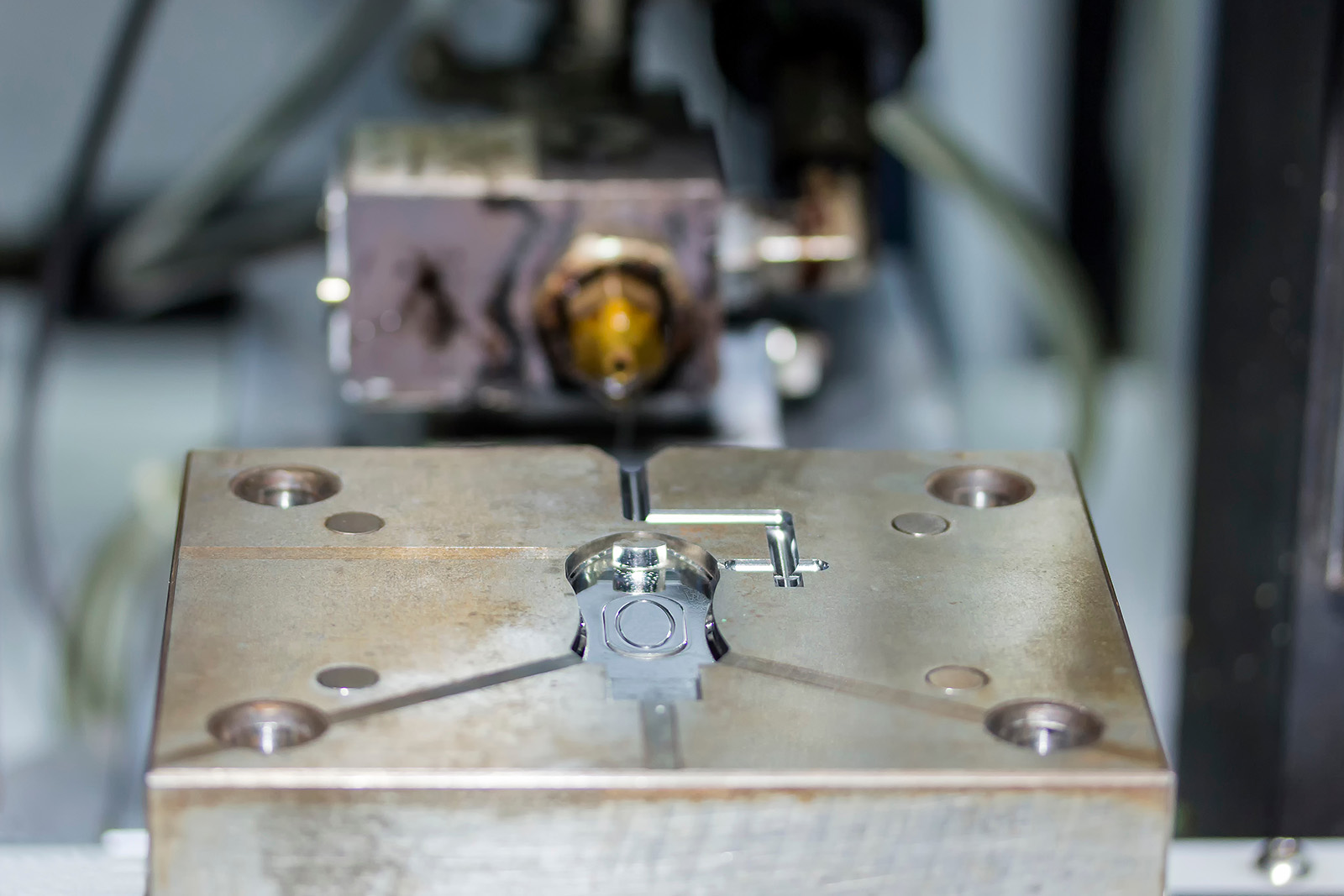
Among these, molds for plastic molding are the most representative. They are mounted on injection molding machines used to process plastic products. Molded products are produced through a cycle that includes mold clamping, heating the plastic material, injecting it into the mold, cooling, and removal.

High-precision seating confirmation of workpiece and jig
- Air Gap Sensor -
You can check not only "presence/absence" but also "adhesion (gap)" at the same time with a repeatability of ±0.5 μm.
Click here ›Materials Used for Dies and Molds
1. Basic Materials
Tool steel is commonly used as the material for dies and molds. Recently, however, cemented carbide and ceramics have also been used for die and mold components.
Special steels are used as tool steels for dies and molds. These include die steel (SKD), which is based on iron, carbon, and chromium with added elements such as molybdenum and tungsten, as well as high-speed tool steel (SKH, also known as HSS), which is also used for cutting tools.
Tool steels are often heat-treated to increase their hardness. However, if the final product undergoes a model change and the design of the molded part changes, the die or mold must be remade and heat-treated again, which results in significant cost.
For this reason, pre-hardened steel is sometimes used as a die or mold material because it does not require quenching and can still be machined while maintaining a certain level of hardness.
2. Wear Resistance and Surface Treatment
Dies and molds are used repeatedly thousands or tens of thousands of times. As they are used over and over, wear and deformation can occur and eventually cause failure, so durability is essential.
In some cases, ceramics are used for certain parts of dies and molds to improve wear resistance. However, ceramics have extremely high hardness, and hard materials are generally brittle and prone to chipping.
Depending on the material being formed, this can increase the risk of damage. For this reason, cemented carbide, which is positioned between tool steel and ceramics, is also sometimes used to improve wear resistance.
In addition, surface treatments may be applied to dies and molds to improve durability. Surface treatment methods vary widely and include electrolytic nickel plating, hard chrome plating, and titanium carbide (TiC) coating by physical vapor deposition (PVD) or chemical vapor deposition (CVD).
Source: "Hajimete no Kousaku Kikai"
Sensor Application Examples
Prevents resin leakage by confirming adhesion of injection molds
The customer was injection-molding cases for servo motors using an injection molding machine, but they were experiencing resin leakage caused by foreign matter being trapped in the mold.
Even a small gap of 50 to 100 μm between the upper and lower molds can cause resin leakage, resulting in defective products.
While looking for a high-precision sensor capable of checking close contact in an injection mold, they found our website and contacted us.
Consistent detection of 10μm gaps between tire mold and jig
The customer was machining tire molds on a CNC horizontal machining center, but they were experiencing machining defects caused by mold clamping errors.
The cause was that chips generated during dry machining became trapped between the tire mold and the bottom surface of the jig when the mold was clamped, causing the mold to lift.
While looking for a sensor capable of stably detecting a 10 μm gap between the jig and the mold, they learned about our sensor at INTERMOLD, an exhibition for mold and press processing technologies, and contacted us.