
What Is Laser Processing? A Clear Explanation of Types and Features
Source: "Hajimete no Kousaku Kikai"
Key Points
- Laser media are classified into three types: solid, gas, and liquid
- Used for cutting and drilling materials
- CO₂ laser processing machines and fiber laser processing machines are widely used in the sheet metal industry
Table of Contents
What Is a Laser?
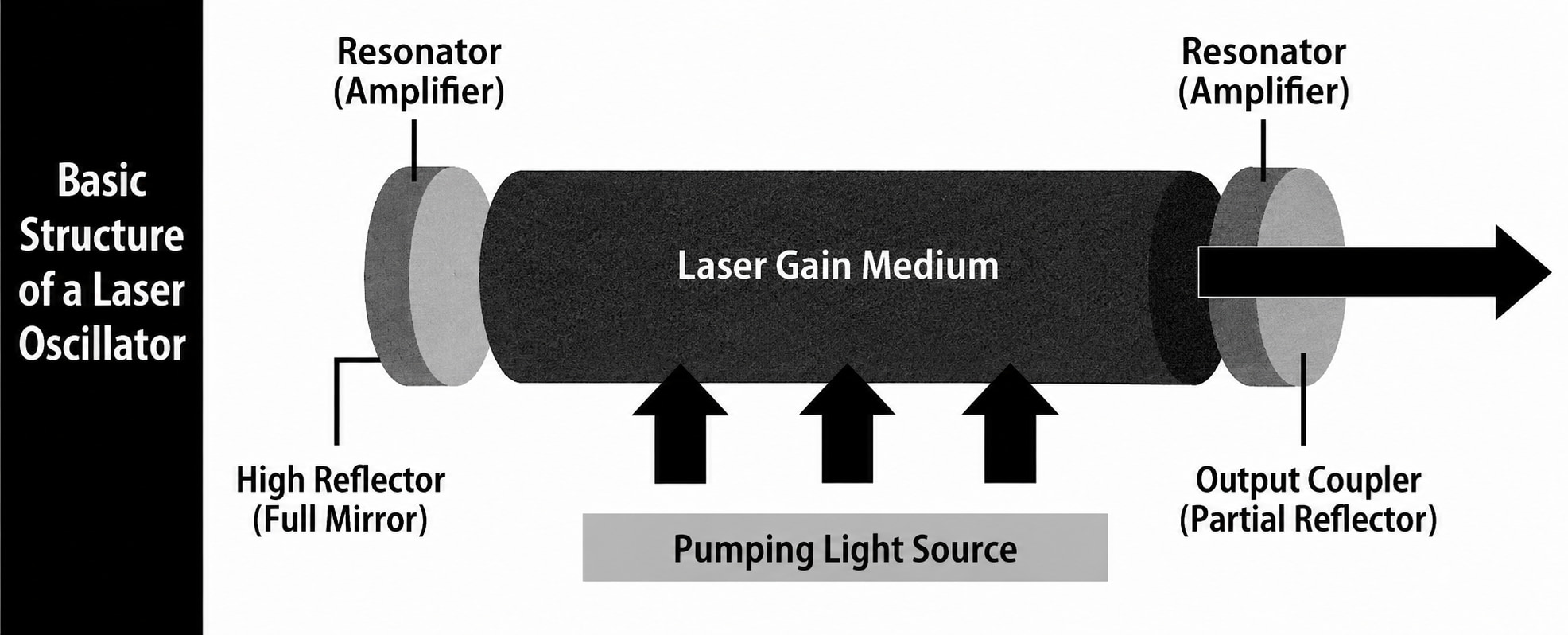
The word “laser” is an acronym for “Light Amplification by Stimulated Emission of Radiation.” Laser light is generated by applying external energy to a specific material to produce light, then amplifying that light inside a resonator with mirrors installed at both ends, creating an extremely powerful beam.
An easy way to understand this is to imagine a science experiment in which sunlight is focused through a magnifying glass to burn a piece of black paper.
Compared with ordinary light such as sunlight or light from an electric bulb, laser light has three main characteristics:
① uniform wavelength, ② high directivity, and ③ coherence. High directivity means that the light travels straight and does not spread easily.
Coherence means that multiple light waves have synchronized cycles.
Light is a type of electromagnetic wave, and its name changes depending on its wavelength, such as infrared light, visible light, or ultraviolet light. Light that can be seen by the human eye is called visible light.
Since laser light is also light, it can be recognized as colors such as red, green, or blue if its wavelength falls within the visible-light range.
To generate laser light, three elements are required: a “laser medium,” which is the material that amplifies light; a “resonator”; and an “excitation source,” which supplies energy to the laser medium.
Laser media are classified into three types: solid, gas, and liquid.
Solid-state lasers use materials such as YAG (yttrium aluminum garnet), ruby, and ytterbium. Diode lasers, which use semiconductors as the laser medium, are also a type of solid-state laser.
Gas lasers mainly use materials such as carbon dioxide (CO₂), argon (Ar), and excimer gases.
There are two types of laser oscillation: continuous-wave oscillation and pulsed oscillation, in which the laser is emitted at regular intervals.
Pulse intervals range from milliseconds (one-thousandth of a second) to femtoseconds (one-quadrillionth of a second). In general, the shorter the pulse width, the less thermal effect the laser has on the workpiece, enabling higher-precision processing.
Laser power is determined by output. It is expressed in watts (W), with a wide range from less than mW to several tens of kW.
The theoretical foundation for laser oscillation was established by physicist Albert Einstein. In his 1917 paper, “On the Quantum Theory of Radiation,” he first pointed out the possibility of lasers.
Since then, many researchers have attempted laser oscillation using a wide variety of methods. Today, there are several hundred types of lasers.
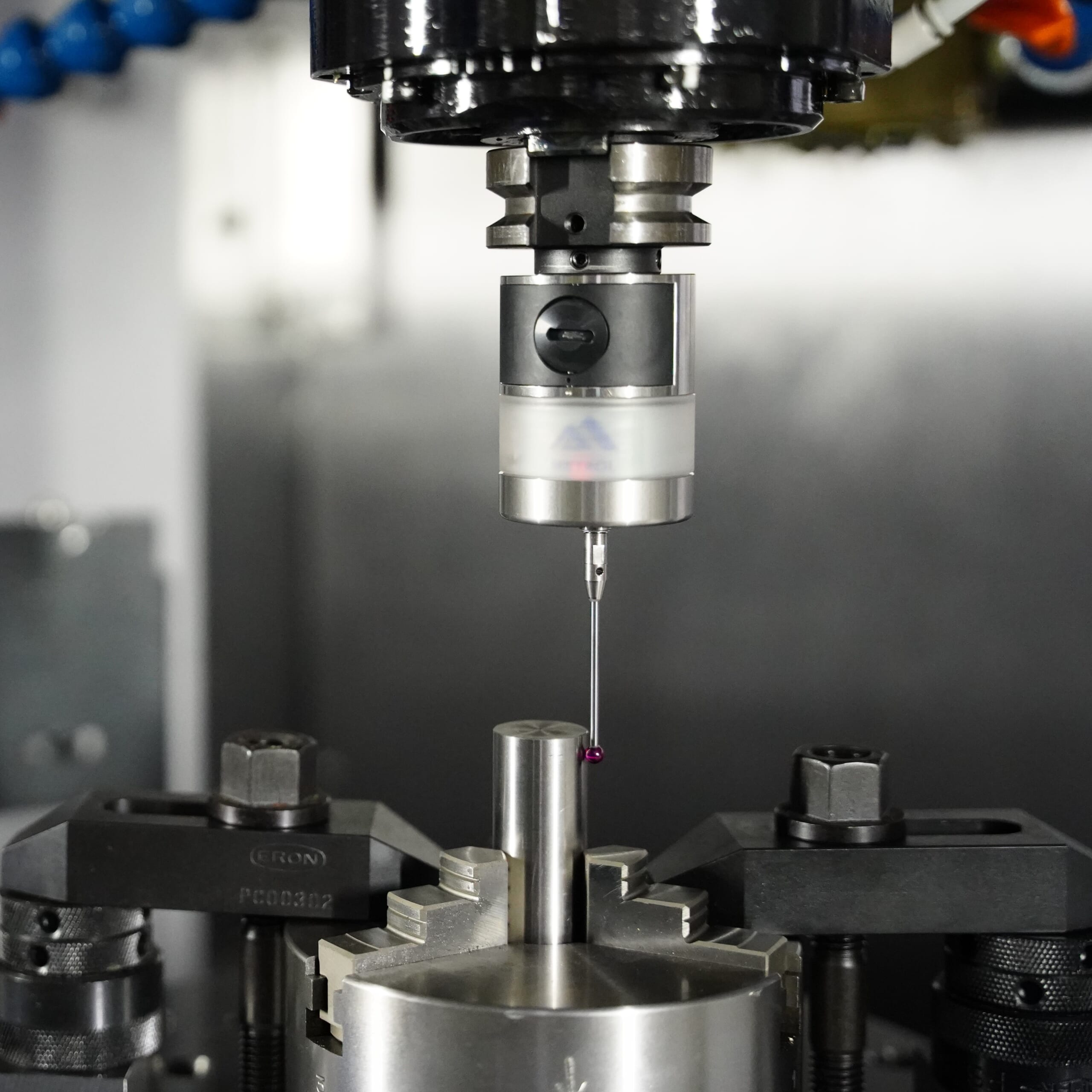
Automated workpiece centering and positioning
- Touch probe -
A contact/touch sensor for on-machine measurement that improves the efficiency of setup work
Click here ›Applications of Laser Processing
Laser light can be applied to a wide range of processing methods by combining energy density and irradiation time.
Laser light can be used for material removal processes such as cutting, drilling, and marking characters, as well as surface modification such as hardening and welding.
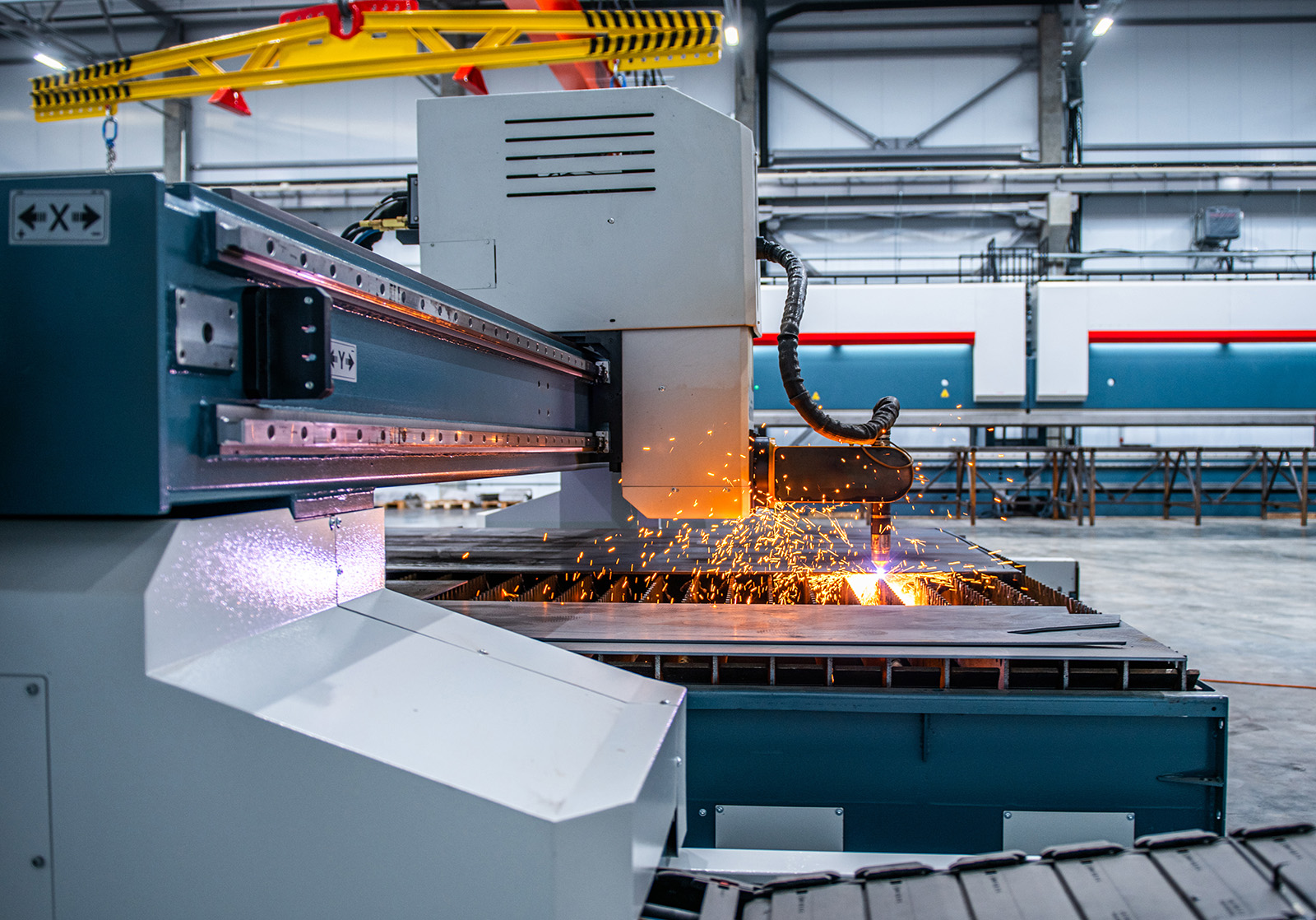
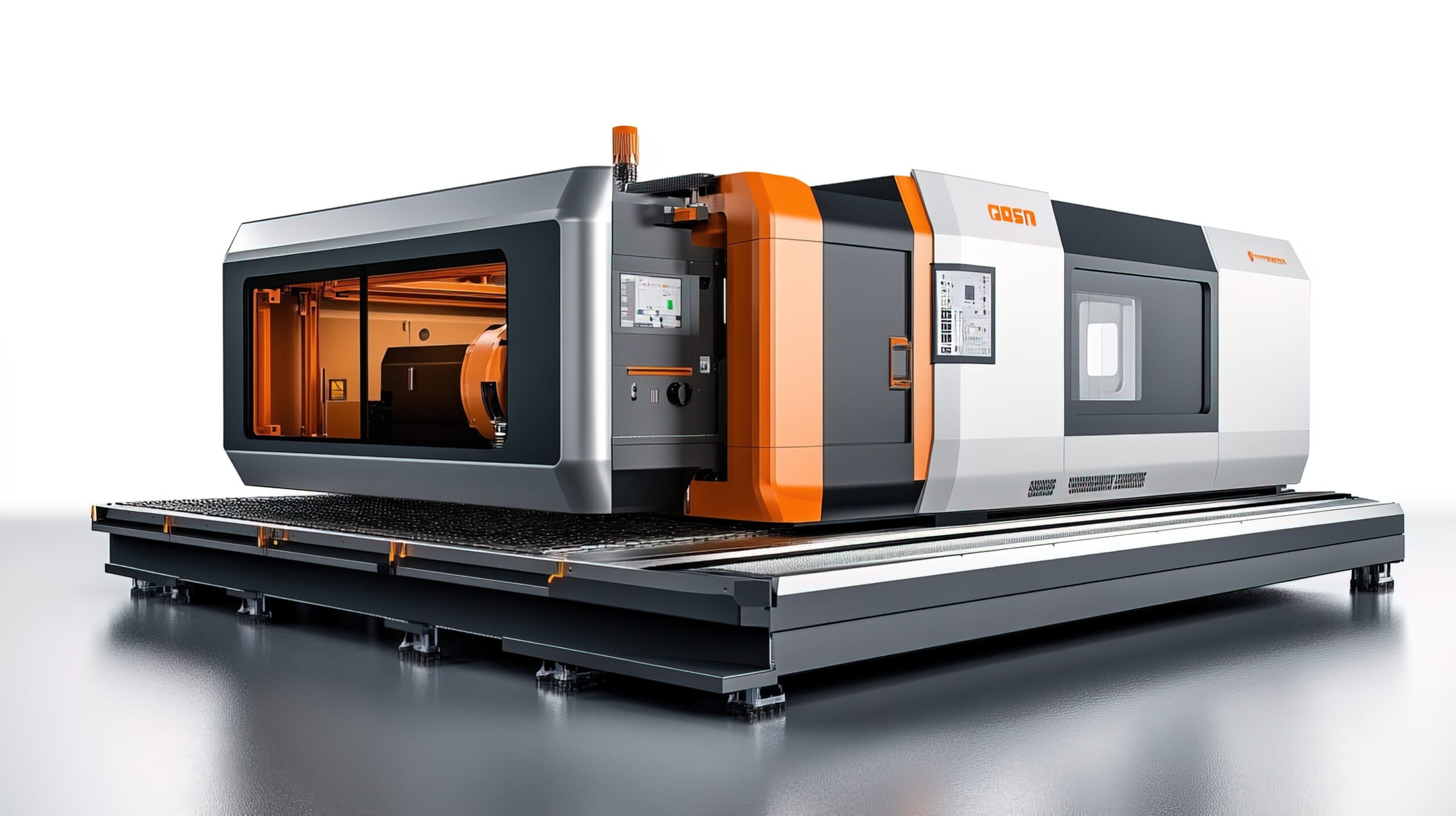
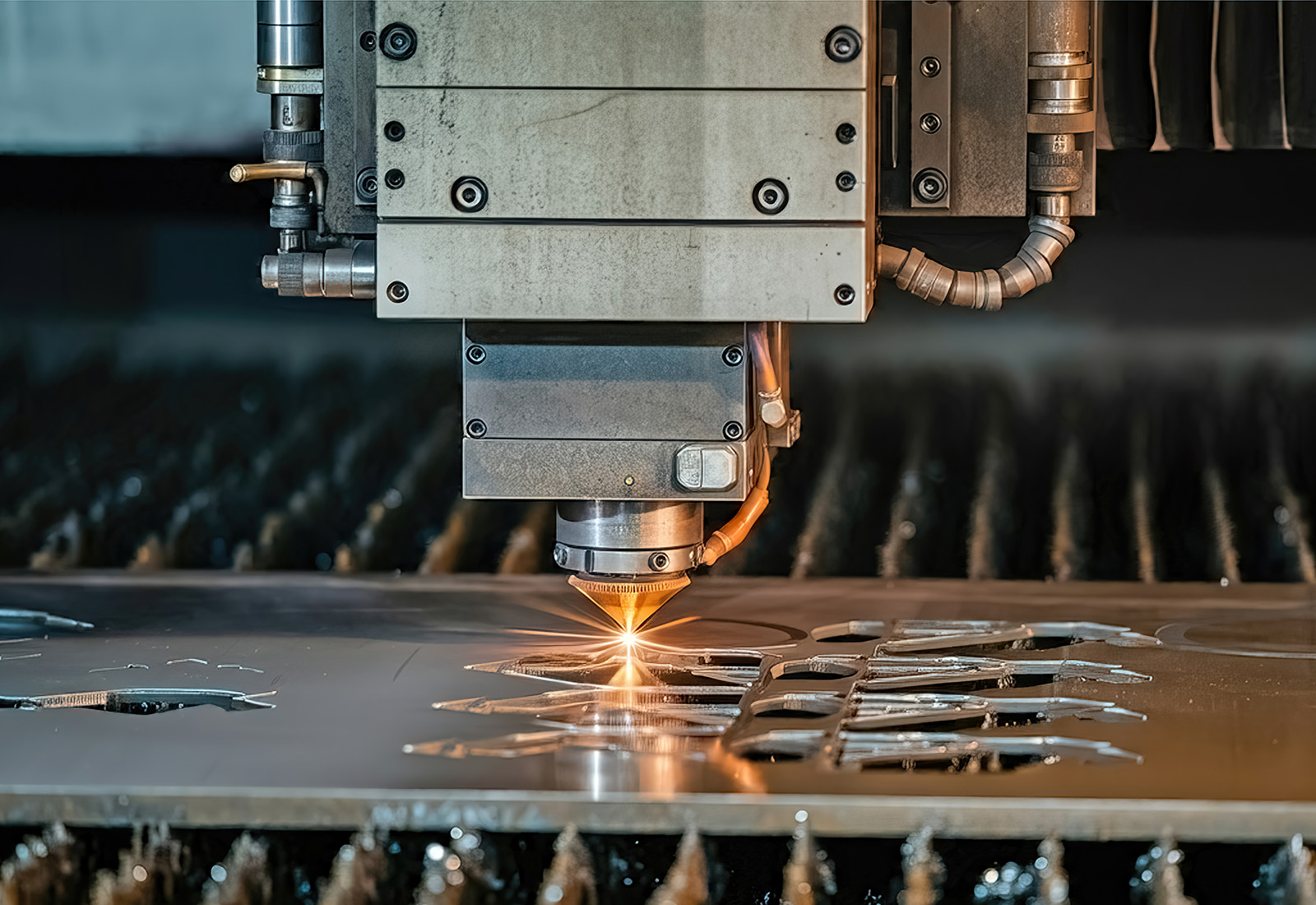
Laser processing machines for cutting are used to process machine parts, fabricated structures, automotive parts, and metal press products.
Laser processing machines for drilling are also widely used in sheet metal processing and in the production of printed circuit boards for electronic components.
Lasers are also used for welding, in which materials are melted and joined together. Many welding robots have been introduced, particularly on production lines at automobile manufacturers.
The main characteristics of laser processing are as follows.
1. By focusing a high-energy-density beam on the processing point, materials with high melting points can be processed with minimal thermal distortion.
2. Processing is possible regardless of material hardness, and there is no tool wear.
3. The wavelength affects not only the color of the laser but also the types of materials that can be processed.
4. Processing can be performed in the atmosphere, without the need to consider X-ray generation or the influence of magnetic fields.
Types of Laser Processing Machines
The types currently in widespread use are CO₂ laser processing machines and fiber laser processing machines.
1. CO₂ Laser Processing Machines
A CO₂ laser is a gas laser that uses carbon dioxide gas as its medium. It can operate in both continuous-wave and pulsed modes and offers high oscillation efficiency.
It is widely used, particularly in the sheet metal industry, and has an extensive track record with well-established processing technologies. One of its key features is that it can produce clean cut surfaces even on thick plates.
However, its energy conversion efficiency is low, at around 10%. Since the laser is transmitted using mirrors, the optical system requires many components and regular maintenance.
2. Fiber Laser Processing Machines
A fiber laser is a solid-state laser that uses optical fiber as the amplification medium. It dissipates heat easily and requires only minimal cooling even at high output. It can suppress the heat-related degradation of beam quality that was a problem with conventional high-power lasers.
With high energy conversion efficiency of around 30% and excellent energy-saving performance, fiber lasers are increasingly being adopted, especially in the sheet metal industry.
Fiber lasers are known for their ability to process thin sheets at high speed, and in recent years, active development has also been underway to enable the processing of thick plates.
Source: "Hajimete no Kousaku Kikai"
Automated workpiece centering and positioning
- Touch probe -
A contact/touch sensor for on-machine measurement that improves the efficiency of setup work
Click here ›