What Is a Bending Machine? A Clear Explanation of Types and Features
Source: "Hajimete no Kousaku Kikai"
Key Points
- Key players in sheet metal machinery
- Punch presses that punch sheet metal using tooling
- Bending machines that bend sheet metal using tooling
Table of Contents
What Is Sheet Metal Fabrication?
Sheet metal fabrication is a manufacturing process that uses tooling to punch holes of various shapes in metal sheets or bend them to create the desired shape. The process includes many steps, and three-dimensional products are generally manufactured in the following order:
(1) Cutting sheet metal
(2) Hole making and punching
(3) Bending
(4) Welding, painting, and assembly
Press working also includes bending and hole making, but it is generally intended for mass production and uses dedicated dies matched to the shape of the formed product. In contrast, sheet metal fabrication uses general-purpose tooling and is mainly suited to low-volume production.
When people hear "sheet metal fabrication," they may think of repairing automobile body panels. In this article, however, it refers to processing thin metal sheets to manufacture enclosures and parts for electronic devices, various types of machinery, and home appliances. The main machines used include punch presses, bending machines, and laser cutting machines.
Punch Presses
1. What Is Punching?
Punching is a type of sheet metal fabrication in which metal sheets are sheared using tooling. Shearing is similar to cutting paper with scissors; it refers to separating the metal structure by shifting it vertically with a die. It is also called hole punching or blanking.
The required processing force varies depending on the material and sheet thickness. The longer the shearing distance and the thicker the sheet, the greater the processing force required.
2. What Is a Punch Press?
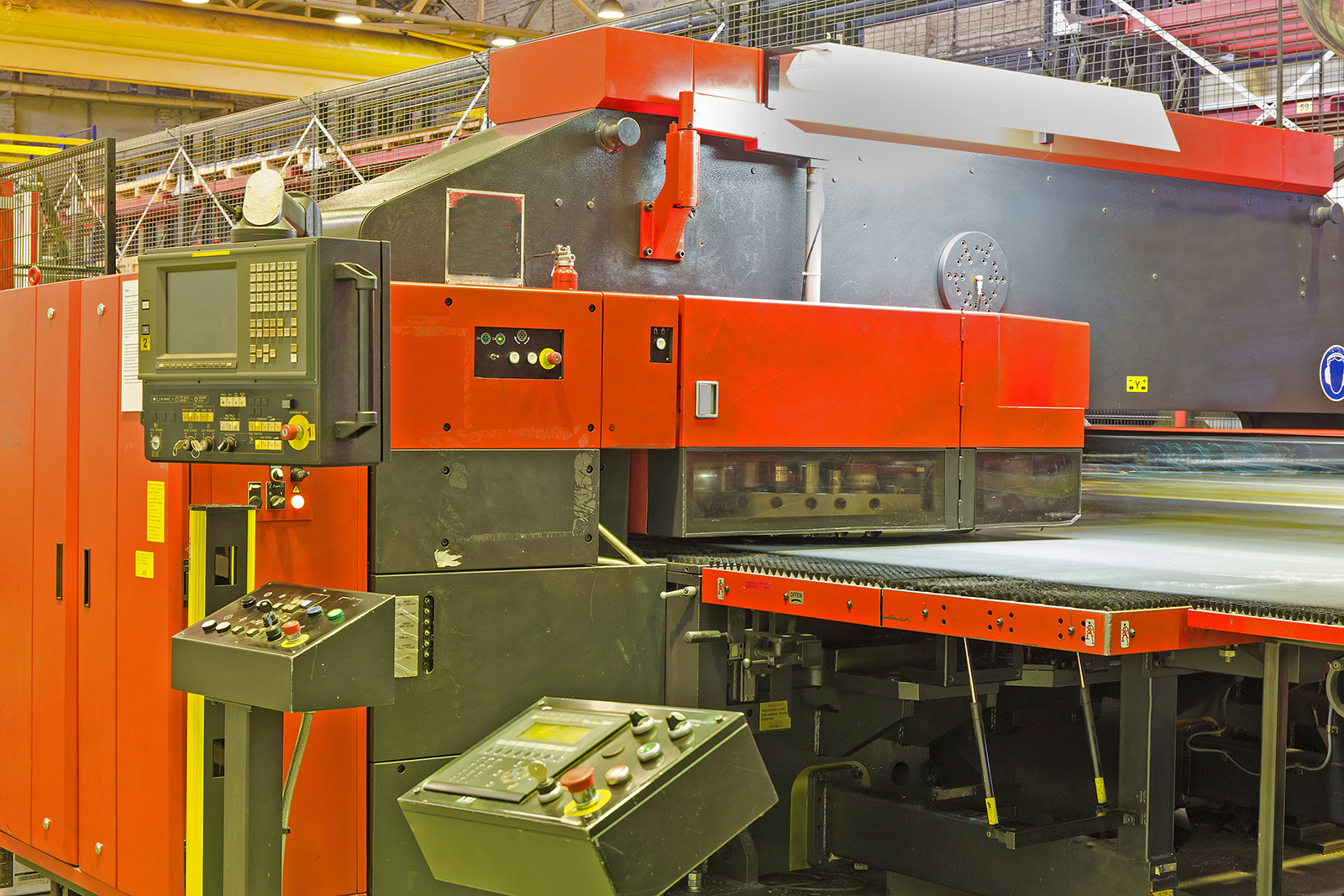
A punch press is a machine that punches sheet metal using a set of tooling consisting of a punch, or upper tool, and a die, or lower tool. It is used in the first process of sheet metal fabrication. The press force is often around 20 to 30 tons.
In sheet metal fabrication, it is common to punch or blank holes of various shapes in a single sheet. For this reason, punch presses require many types of tooling, and tool changes must be quick.
Typically, around 50 types of punches are stored in a large disk-shaped upper turret, and around 50 types of dies are stored in a lower turret. The sheet metal is held between the upper and lower turrets and processed.
Machines of this type are called "turret punch presses." In Japanese, they are often abbreviated as "tarepan."
The machining accuracy of a punch press is determined by the positioning accuracy of these two turrets and the positioning accuracy of the material.
Punch presses can be broadly classified by the energy source used to apply pressure:
(1) Mechanical type
(2) Hydraulic type
(3) Electric type
Mechanical types have characteristics similar to mechanical presses, while hydraulic types have characteristics similar to hydraulic presses. Hydraulic types can control the punching time. They also generate less noise during punching than mechanical types and can control the punching pattern.
Electric types were developed with an emphasis on environmental considerations, with the aim of operating with little oil or no oil at all. The shift from hydraulic to electric systems is progressing, and electric punch presses are becoming increasingly common in sheet metal fabrication sites.
In addition to punch presses, laser cutting machines are also used to make holes in or cut metal sheets.
3. Process Integration and Automation
Some punch presses are process-integrated machines that can perform forming and tapping in addition to punching. Machines that combine laser processing and punching are also commercially available.
There are also automation systems in which peripheral equipment is connected to a single punch press. For such automation systems, not only peripheral equipment but also software that optimally controls the entire system is essential.
In addition to machine integration and automation, systemization is also advancing by using IT and digital data to integrate processes and support high-mix, variable-volume production.
High Precision Positioning
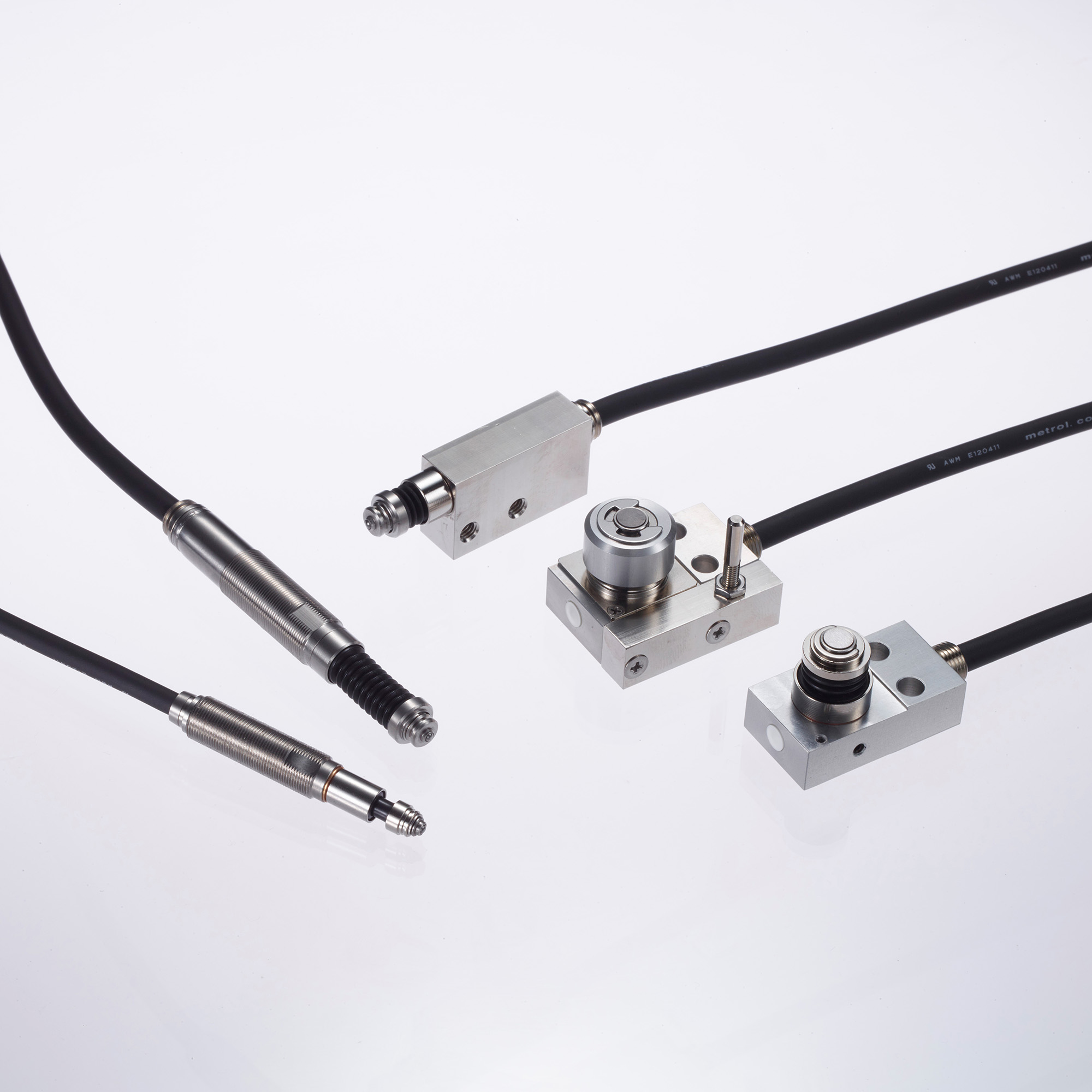
- MT-Touch Switches -
0.5 μm repeatability without amplifier IP67, highly resistant to adverse environments
Click here ›Bending Machines
1. What Is Bending?
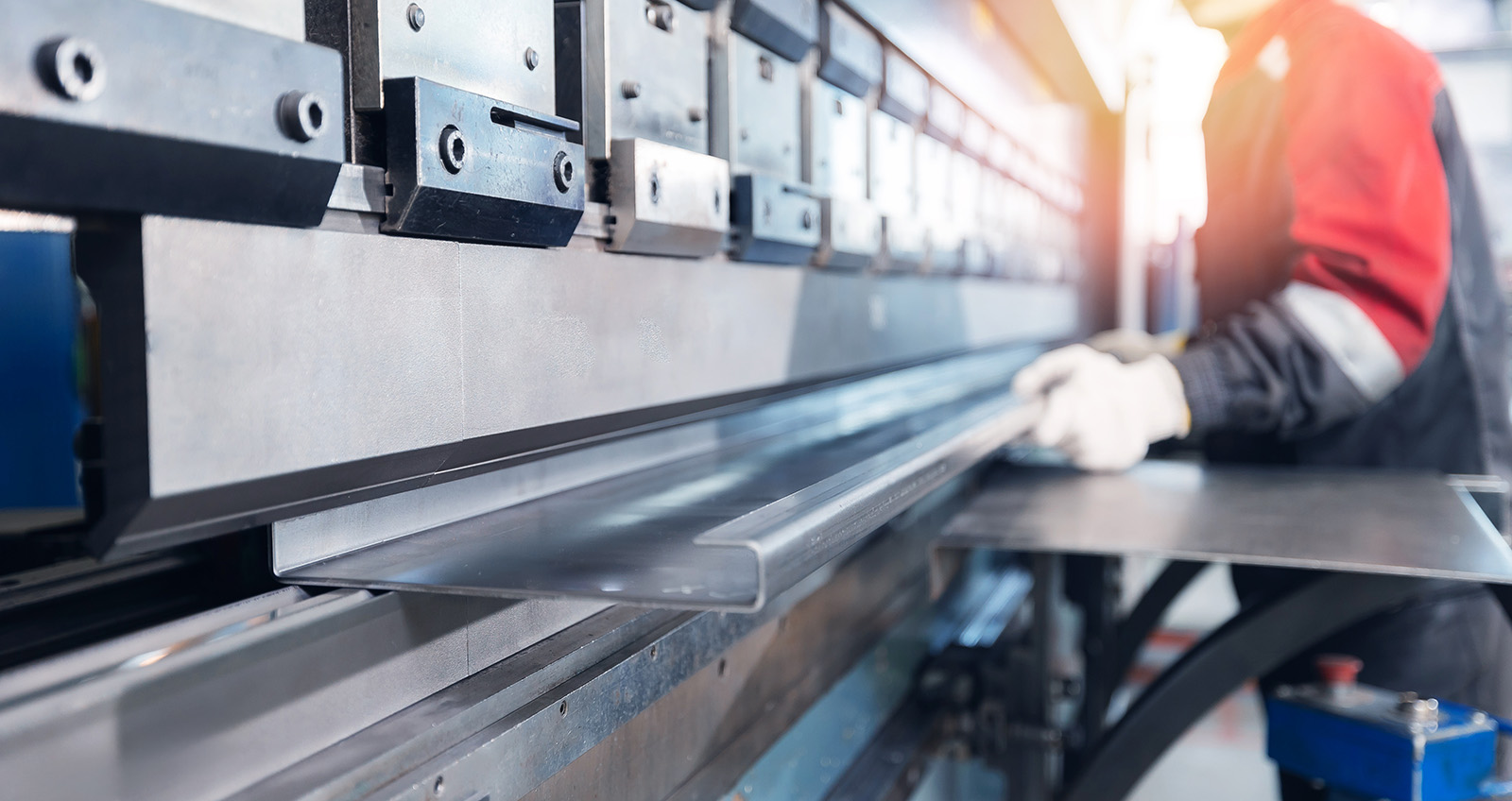
Bending is a process in which sheet metal is folded into the desired shape and dimensions using various types of tooling. A machine that performs bending is called a bending machine.
Bending is basically a process that forms three-dimensional products by folding sheet metal along straight lines.
Because it involves frequent tooling setup changes and complex processing procedures, it is the sheet metal fabrication process that depends most heavily on experienced skilled workers.
It is difficult to automatically create bending programs, and bending is said to be the most delayed area of automation in sheet metal fabrication.
However, with the progress of digitalization, automated systems using robots are now available on the market.
Sheet metal bending methods are named according to the cross-sectional shape of the bent material:
(1) V-bending method
(2) L-bending method
(3) U-bending method
(4) R-bending method (radius bending)
V-bending is a method that bends sheet metal into a V shape using tooling with a V-groove. L-bending holds the sheet in place and bends the edge of the sheet into an L shape.
U-bending pushes the sheet metal into a die that has a U-shaped punch and a groove of the same shape as the punch, forming it into a U shape. R-bending uses a dedicated machine and three rolls to create a large radius shape.
The V-bending method is the most widely used and highly versatile method in the sheet metal fabrication industry, followed by L-bending. U-bending often requires dedicated tooling for each workpiece, so its versatility is limited.
2. Types of Bending Machines
There are many types of bending machines, but press brakes and panel benders are commonly used in sheet metal fabrication sites. If the workpiece is a pipe rather than sheet metal, a pipe bender is used.
(1) Press Brake
A press brake is a representative machine for the V-bending method. It clamps the sheet metal between a set of tooling consisting of a V-shaped upper tool and a lower tool with a V-shaped groove, then applies pressure to bend the material to the desired angle or shape.
Many systemized products combine a press brake with robots or automatic tool changers. By automating the entire workflow from material loading to unloading, as well as tooling setup changes, these systems enable long periods of unmanned operation and improve productivity.
(2) Panel Bender
A panel bender is a representative machine for the L-bending method. Compared with V-bending, L-bending is less versatile, but it is well suited to mass production because it supports labor saving and application to automated lines.
By combining a panel bender with peripheral equipment, systems can range from semi-automatic machines that involve some human intervention to large-scale automated lines.
Source: "Hajimete no Kousaku Kikai"
High Precision Positioning
- MT-Touch Switches -
0.5 μm repeatability without amplifier IP67, highly resistant to adverse environments
Click here ›Sensor Application Examples
Achieves precision positioning in poor environments with spattering
This is a sheet metal fabrication manufacturer that produces sheet metal parts for a major automobile manufacturer.
A person in charge of the sheet metal welding line consulted us about "positioning" sheet metal during spot welding.
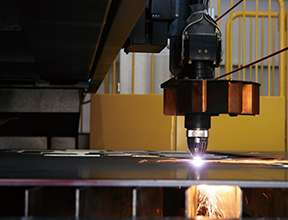
Realizes significant cost reduction in detecting double sheet metal feeding
This is a sheet metal manufacturer that fabricates automotive sheet metal parts.
A production engineering representative for the laser welding line consulted us about detecting double sheet pickup.
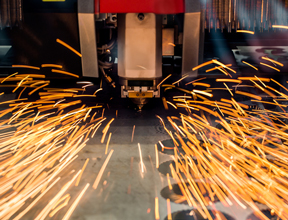
[Video]
【High-Precision Positioning Switch】Case Studies
Related Articles
Thorough Comparison Of “Accuracy” In Switch Products! What Is The Key To Selecting The Best Product For The Purpose?
When selecting parts on an e-commerce site, have you ever been unsure which product to choose because so many products for the same application are listed side by side?
In this article, we thoroughly compare the accuracy of [switch products], which are widely used by designers and engineers, between Metrol products and products from other manufacturers.
We present the results from the perspective of repeatability.
The results showed a surprisingly clear "difference in accuracy," with performance on an entirely different level.