
What Is a Multitasking Machine? An Easy-to-Understand Guide to Its Types and Features
Key Points
- Combines multiple machining processes such as turning and milling into a single machine
- Maintains machining accuracy with one-time chucking
- Reduces setup operations and delivers numerous production benefits
Source: "Hajimete no Kousaku Kikai"
Table of Contents
What Is a Multitasking Machine?
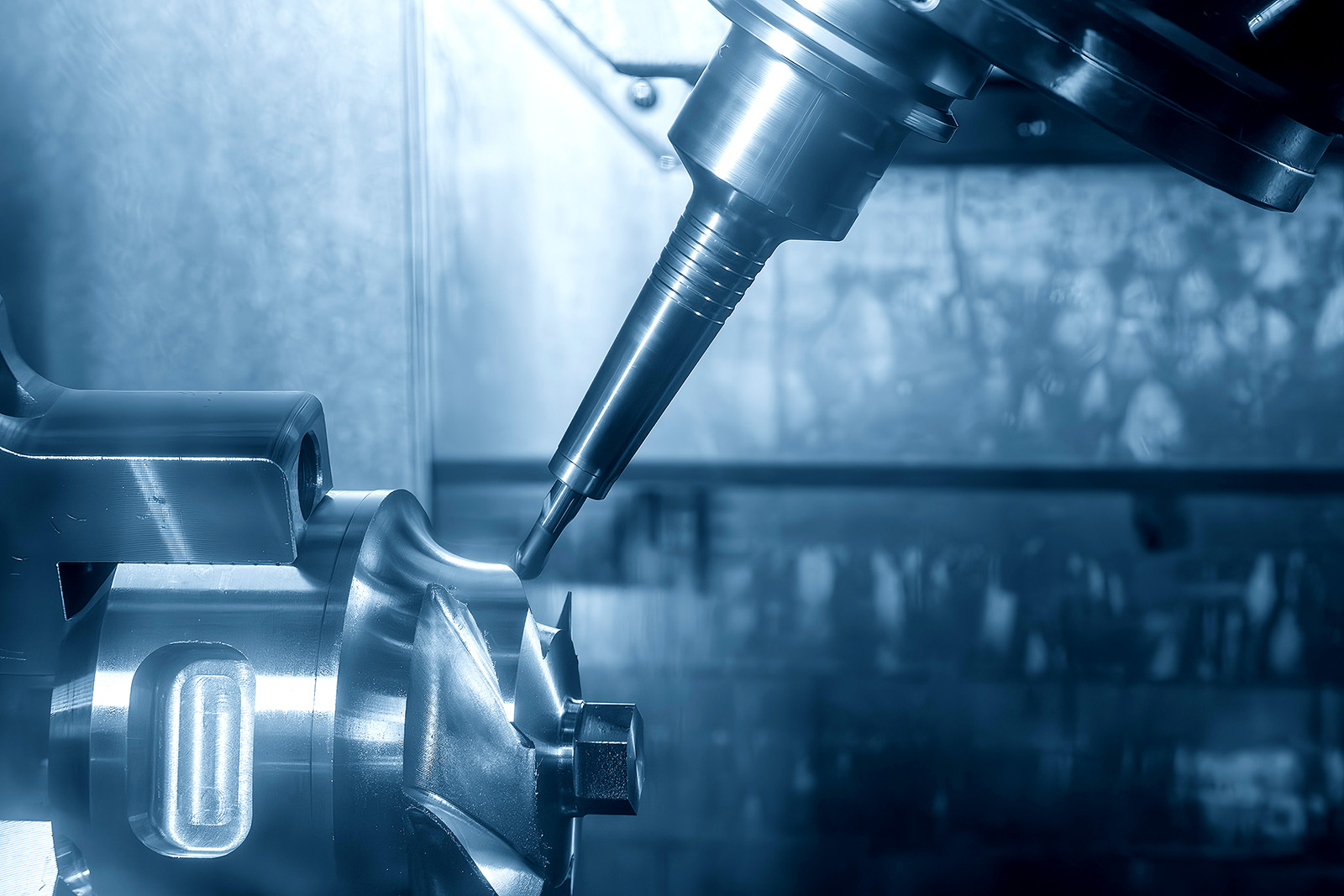
A multitasking machine is a general term for machine tools that integrate multiple machining processes with different functions and characteristics into a single machine. These processes include turning, which machines a rotating workpiece using a cutting tool, and milling, which machines a fixed workpiece using a rotating cutting tool.
Advantages of Multitasking Machining
The greatest advantage of a multitasking machine is that multiple machining operations can be performed after mounting the workpiece only once.
To complete a workpiece from raw material to finished product, multiple machining operations such as turning, milling, drilling, and grinding are required. Typically, different machine tools are used for each process: NC lathes for turning, machining centers (MCs) for milling and drilling, and grinding machines for grinding.
As a result, the workpiece must be mounted onto machine tools multiple times through a process known as chucking. However, every time chucking is repeated, slight positioning errors can occur, and these accumulated errors can significantly affect final machining accuracy.
By contrast, multitasking machines consolidate multiple machining processes into a single unit, minimizing the number of chucking operations. This helps suppress positioning errors caused by transferring the workpiece between multiple machine tools, thereby maintaining machining accuracy.
Preparatory work before machining, including chucking, is collectively referred to as setup operations. By using a multitasking machine, setup operations can be completed on a single machine, reducing operator workload.
If finished products can be completed with fewer setup operations, manufacturing lead times can be shortened and work-in-process inventory can be reduced. Work-in-process refers to products that are still in the middle of production. Since fewer machine tools are required, space savings can also be achieved.
Although multitasking machines offer many advantages, they also have drawbacks. One example is the difficulty of creating machining programs. Because a single machine performs many different operations, the number of controlled axes increases, making the programming more complex.
In addition, compared with standard NC lathes, multitasking machines generally have more complex mechanisms and tend to be more expensive.
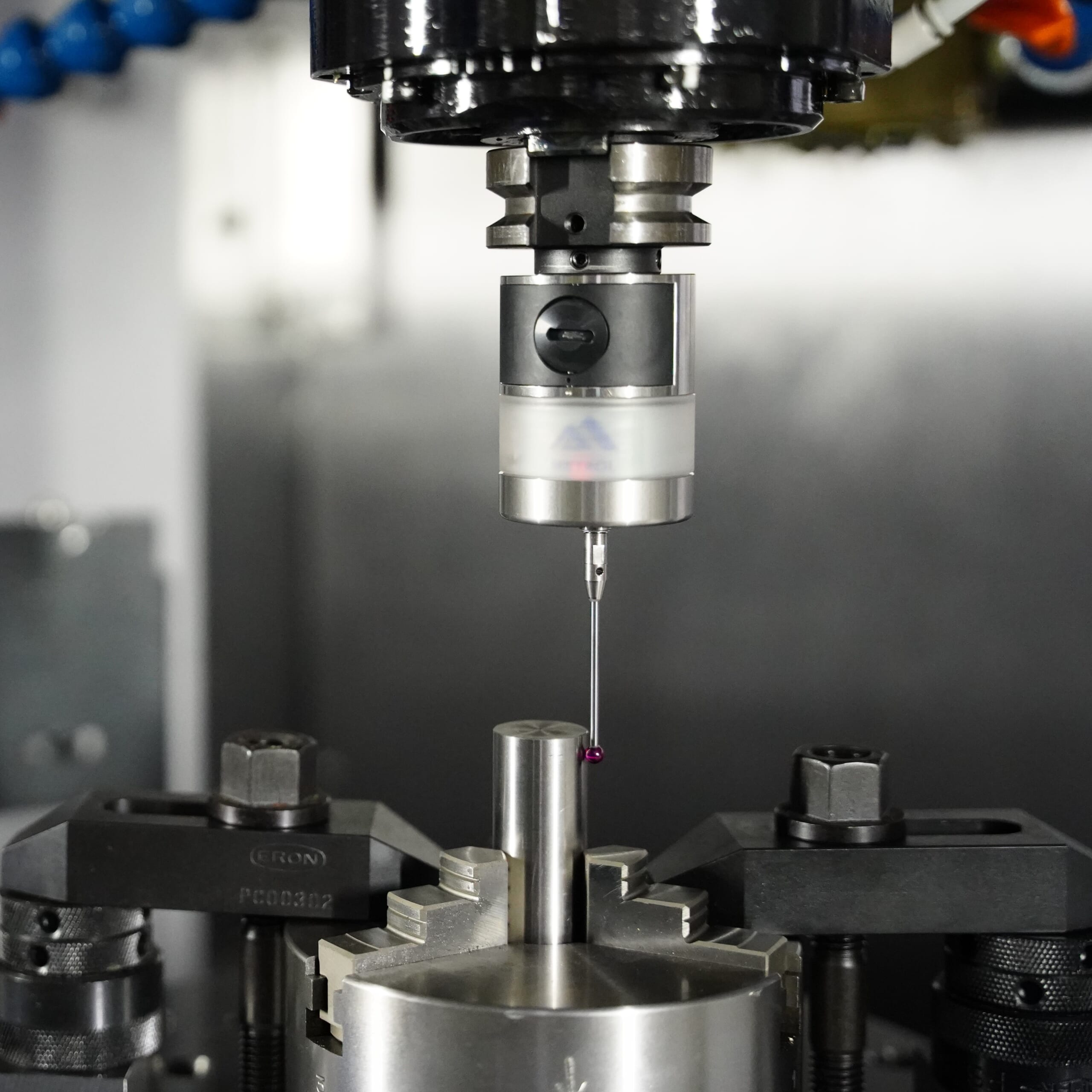
Automated workpiece centering and positioning
- Touch probe -
A contact/touch sensor for on-machine measurement that improves the efficiency of setup work
Click here ›Lathe-Based Multitasking Machines
1. Turning Centers
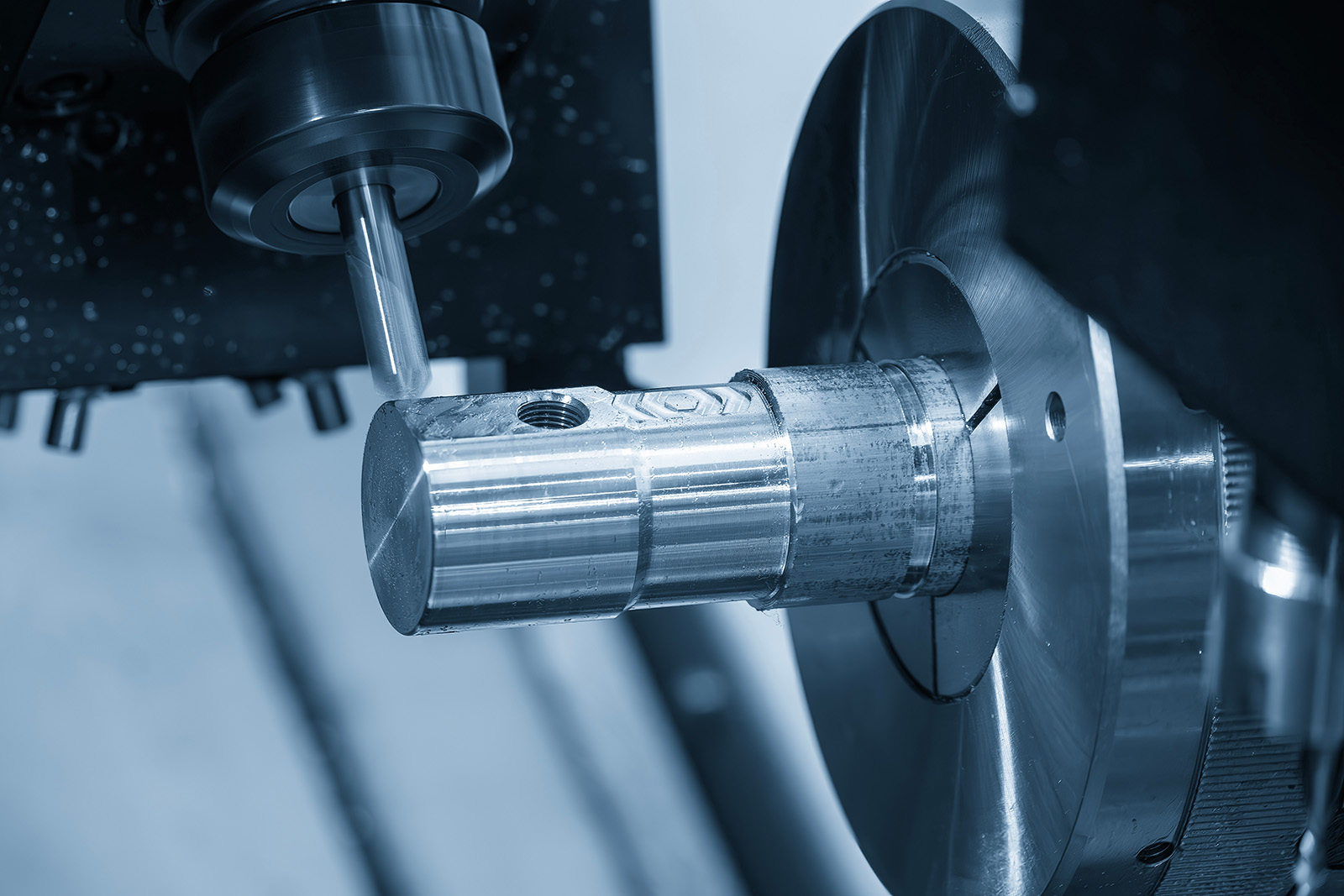
A turning center (TC) is an NC lathe-based multitasking machine equipped with spindles for rotary tools such as drills, taps, and end mills mounted on a gang tool post or turret. In addition to turning, it can also perform milling and drilling operations on a single machine.
2. Lathe-Type Multitasking Machines
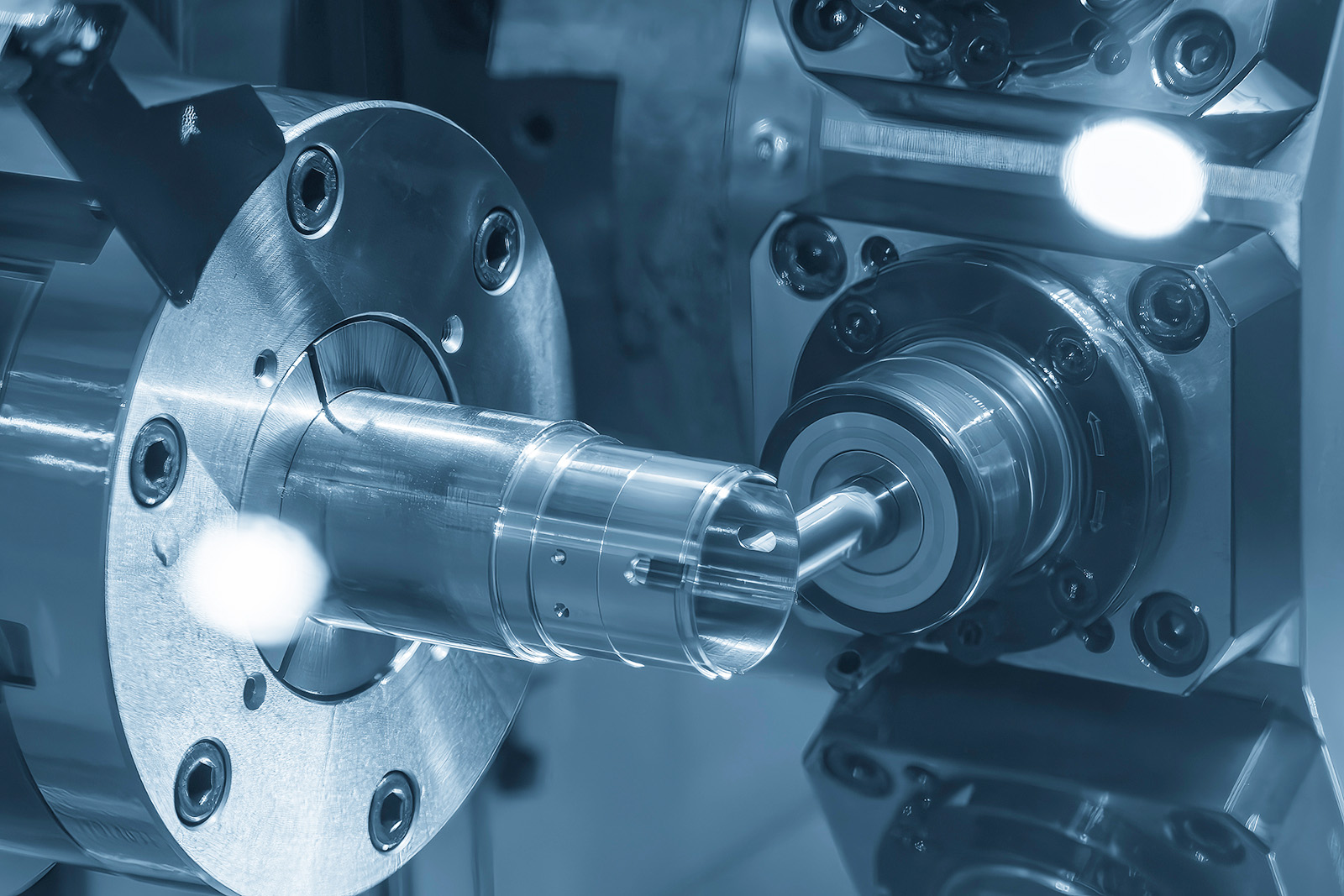
While turning centers place the rotary tool spindle on a turret or tool post, lathe-type multitasking machines feature a dedicated rotary tool spindle head that swivels during operation. This swiveling spindle head enables the machining of complex workpiece geometries.
Some lathe-type multitasking machines are equipped with an additional turret separate from the swiveling spindle head to improve productivity. There are also twin-spindle models with left and right spindles for mounting workpieces.
In addition, some models can mount hob cutters and gear skiving tools for gear machining, enabling turning, milling, and gear cutting operations on a single machine.
Other Types of Multitasking Machines
1. MC-Type Multitasking Machines
MC-type multitasking machines are based on machining centers and incorporate additional machining processes such as turning.
Many MC-type multitasking machines are based on 5-axis vertical machining centers with two axes on the table side and additional turning functionality.
By rotating the rotary table at high speed, turning operations can be performed similarly to a vertical lathe.
However, turning operations require higher rotational speeds than standard rotary tables as well as sufficient torque to withstand cutting resistance from the tool. For this reason, direct-drive tables, which obtain rotational power directly from motors built into the table, are often used.
There are also MC-based multitasking machines equipped with grinding functions, known as grinding centers.
These machines are widely used for machining hard and brittle materials such as glass and ceramics, as well as high-hardness materials such as hardened steel.
2. Hybrid Multitasking Machines Combining Different Processes
There are also multitasking machines that combine cutting processes with non-cutting technologies such as electrical discharge machining (EDM), laser machining, and additive manufacturing (AM).
Among these technologies, multitasking machines combining AM technology and cutting processes have recently attracted significant attention. AM technology creates three-dimensional shapes by laser-fusing thin layers of metal powder or metal powder supplied together with gas, similar to a 3D printer.
In many cases, AM technology is used to create the rough shape, while cutting processes finish the surface. It can also produce shapes impossible to machine by cutting alone, such as hollow structures and curved cooling channels.
Highly unique multitasking machines that combine cutting processes with friction stir welding (FSW) technology are also commercially available. In FSW, a pin-shaped tool is pressed against the material, and frictional heat softens and stirs the materials together to create a joint.
Other multitasking machines combine non-cutting processes with each other, such as laser machining and waterjet machining.
Source: "Hajimete no Kousaku Kikai"
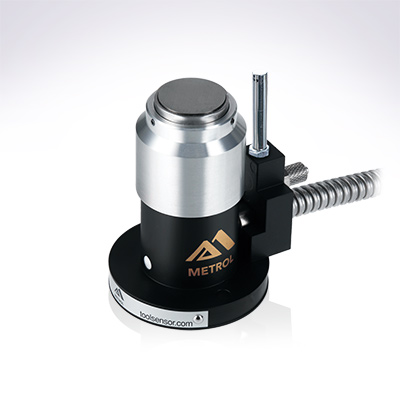
Automates originating of cutting tools
- Tool Setter -
Tool length and chips are monitored to prevent machining defects due to wear and thermal displacement
Click here ›