What Are Industrial Robots? A Clear Explanation of Their Types and Key Features
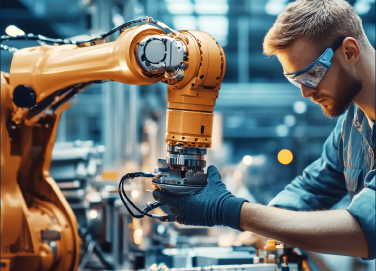
Source: "Hajimete no Kousaku Kikai"
Key Points
- Arm-type robots work in manufacturing sites and other workplaces in place of humans
- They are highly versatile and can be used for a wide range of applications depending on the unit attached to the arm tip
- Highly safe collaborative robots that can operate right next to people have also emerged
Table of Contents
What Are Industrial Robots?
A robot is a machine that performs some type of work in place of a human.
There are various definitions of robots. For example, Japan’s Ministry of Economy, Trade and Industry defines a robot as “an intelligent mechanical system that has three core technologies: sensors, an intelligence/control system, and a drive system.”
Robots can be broadly divided into industrial robots and service robots. As the name suggests, industrial robots are used for industrial applications and play an active role in factories, logistics warehouses, and similar sites.
Many industrial robots are arm-type robots and are also called manipulators. A manipulator is a mechanism that performs work in place of a human hand or arm.
Robots that are not classified as industrial robots, such as household cleaning robots and food-serving robots in restaurants, are called service robots.
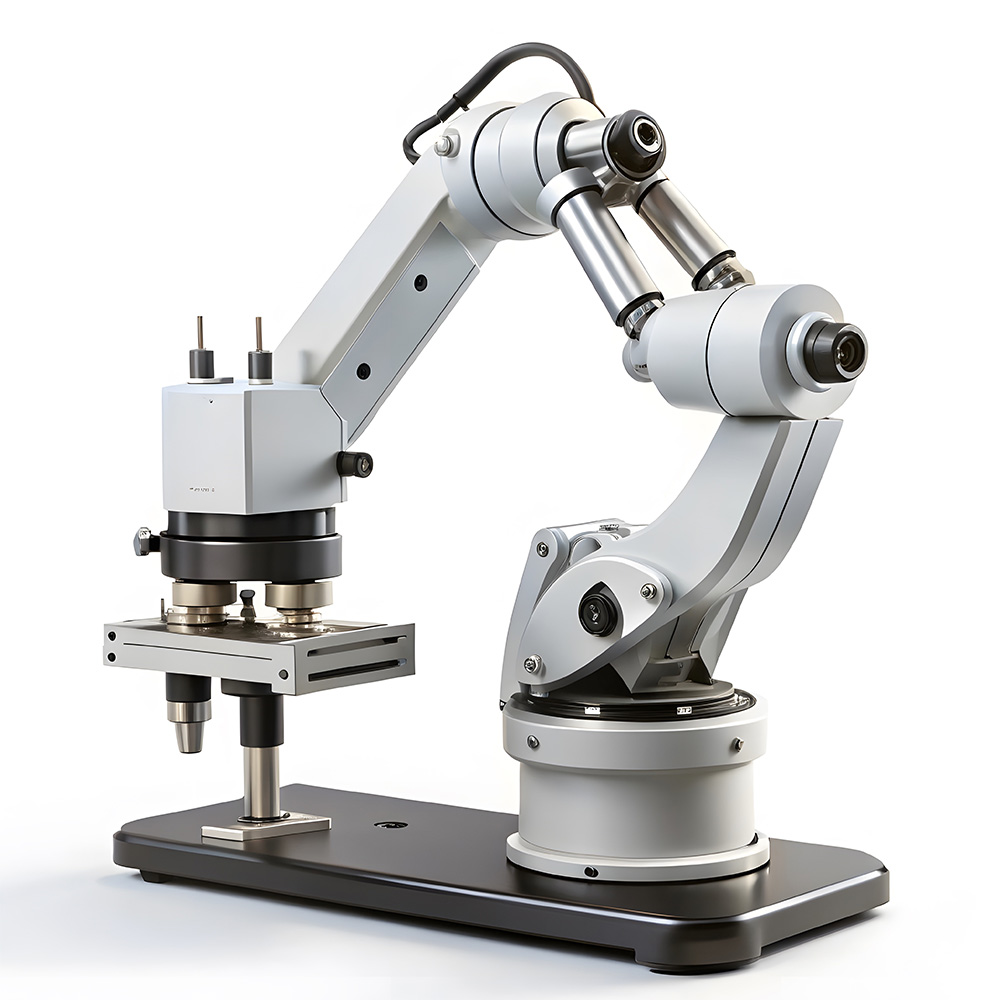
Some industrial robots are developed for specific applications, but in general they are characterized by high versatility and can be used for many different purposes.
Industrial robots are used in a wide range of applications, including welding, painting, material handling, packing, and assembly. They are especially widely used for welding, assembly, and material handling. In metalworking sites, they are also used for applications such as loading and unloading workpieces on machine tools, polishing, and deburring.
Although examples are still limited, some robot systems machine metal by attaching a cutting tool to the tip of the arm.
Industrial robots have been widely adopted in the automotive industry and the electrical and electronics industries, but their potential applications are broad, and they are attracting attention across virtually every industry.
Against the backdrop of the severe labor shortage in recent years, wider adoption is also expected in the “three product industries” of food, cosmetics, and pharmaceuticals, where industrial robots have not traditionally been used extensively.
Japan is said to be one of the world’s leading robot-producing countries. Several industrial robot manufacturers with world-class market shares are headquartered in Japan, giving the country a strong presence in the global industrial robot market.
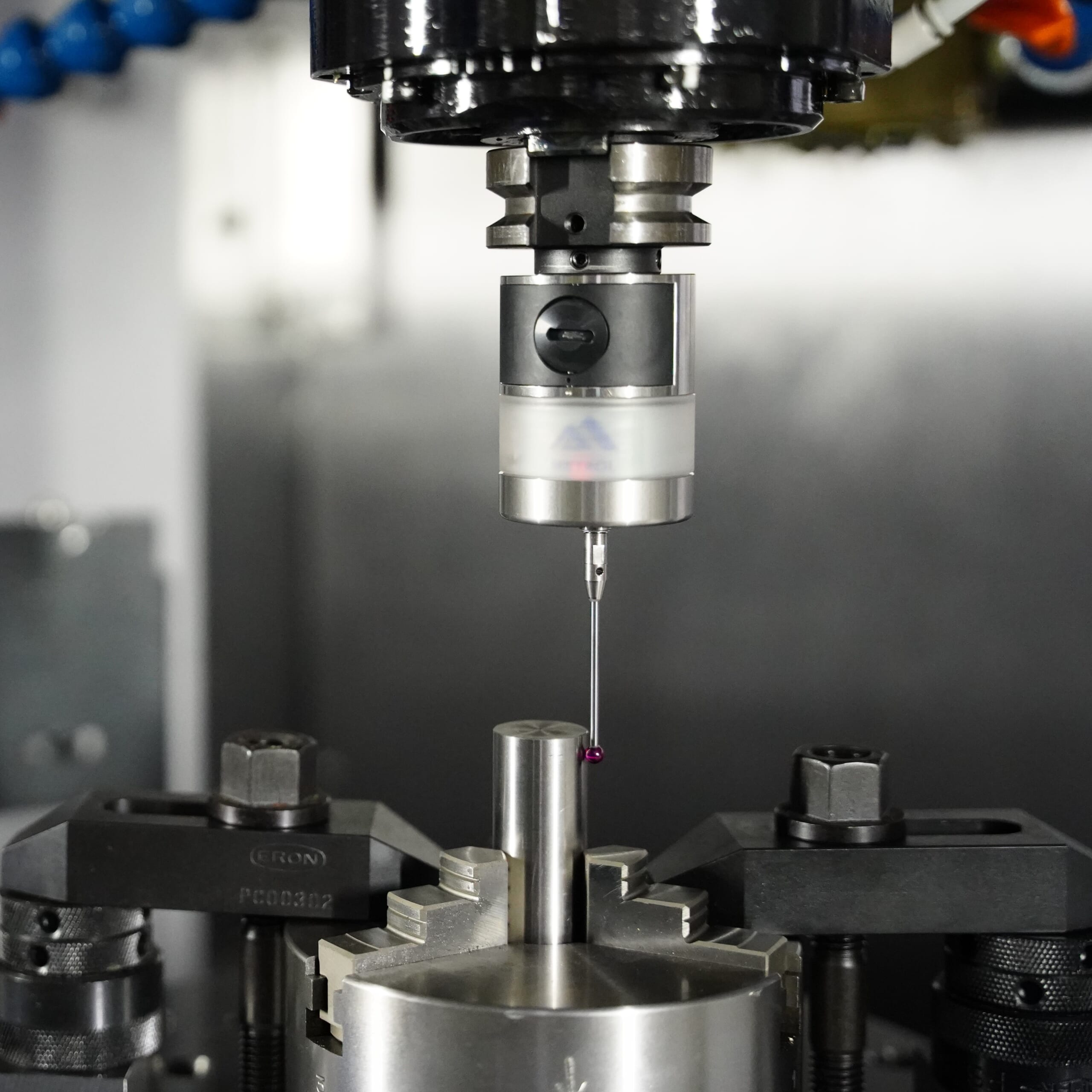
Automated workpiece centering and positioning
- Touch probe -
A contact/touch sensor for on-machine measurement that improves the efficiency of setup work
Click here ›Types of Industrial Robots
1. Classification by Structure
There are many types of industrial robots. The four representative types are vertically articulated robots, horizontally articulated robots, also known as SCARA robots, parallel-link robots, and Cartesian robots.
(1) Vertically Articulated Robots
Vertically articulated robots have joints similar to the human shoulder and elbow, allowing them to perform complex movements like a human arm.
The movement of a human arm can be expressed as a combination of seven rotational axes, including horizontal and vertical rotation at the shoulder joint, bending and extending the elbow, and wrist rotation.
Many vertically articulated robots are 6-axis models, while 4-axis, 5-axis, and 7-axis models also exist. When people hear the term “industrial robot,” this is often the type they first imagine.
Vertically articulated robots are also used for welding and painting, which account for a large share of robot applications. Because they are highly versatile, they are used in a wide variety of sites, including logistics warehouses and parts-processing factories.
This is also the type often used for loading workpieces onto machine tools. Because they have many controlled axes, they can handle many types of work, but creating motion programs becomes more complex as a result.
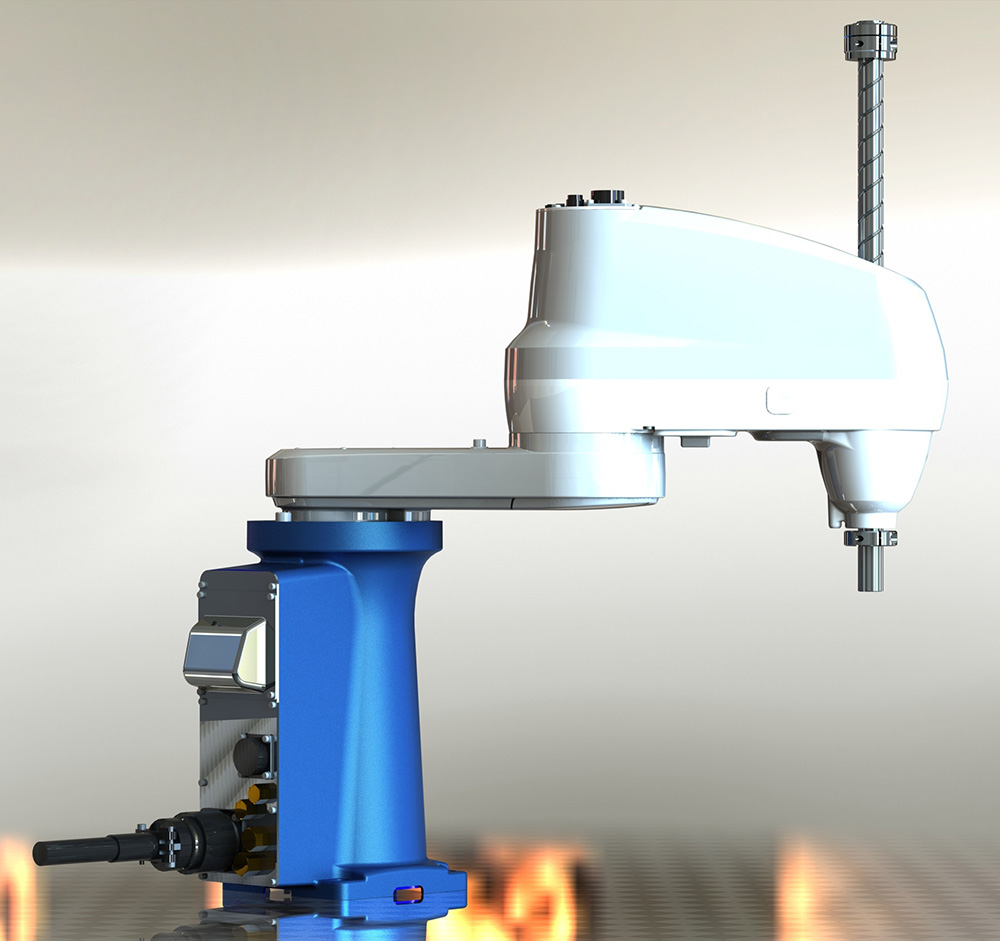
(2) SCARA Robots
A SCARA robot is composed of two rotational axes that move the arm horizontally and one linear axis that moves vertically.
Many products have four axes, with an additional rotational axis at the wrist in addition to these three axes.
When picking up an object, the robot moves the robot hand directly above the target object through horizontal arm movement, then raises and lowers the hand using the vertical linear axis.
Unlike vertically articulated robots, which can grasp parts from diagonal or lateral directions, SCARA robots can only work from directly above.
However, because they combine flexibility in the horizontal direction with rigidity in the vertical direction, meaning resistance to deformation, they are well suited for assembly work such as press-fitting parts into place. They are also widely used for transferring small parts.
The name SCARA comes from the acronym for “Selective Compliance Assembly Robot Arm.”
(3) Parallel-Link Robots
A parallel-link robot is a type of robot in which one end section is supported by three or four pairs of arms, each consisting of two linked arms. A suction unit or similar device is attached to the end section to pick up and transfer workpieces.
Although the arms are thin and lightweight, they can maintain sufficient rigidity, enabling extremely fast operation. Installed above a belt conveyor or similar equipment, they can rapidly pick up and transfer products moving along the line.
(4) Cartesian Robots
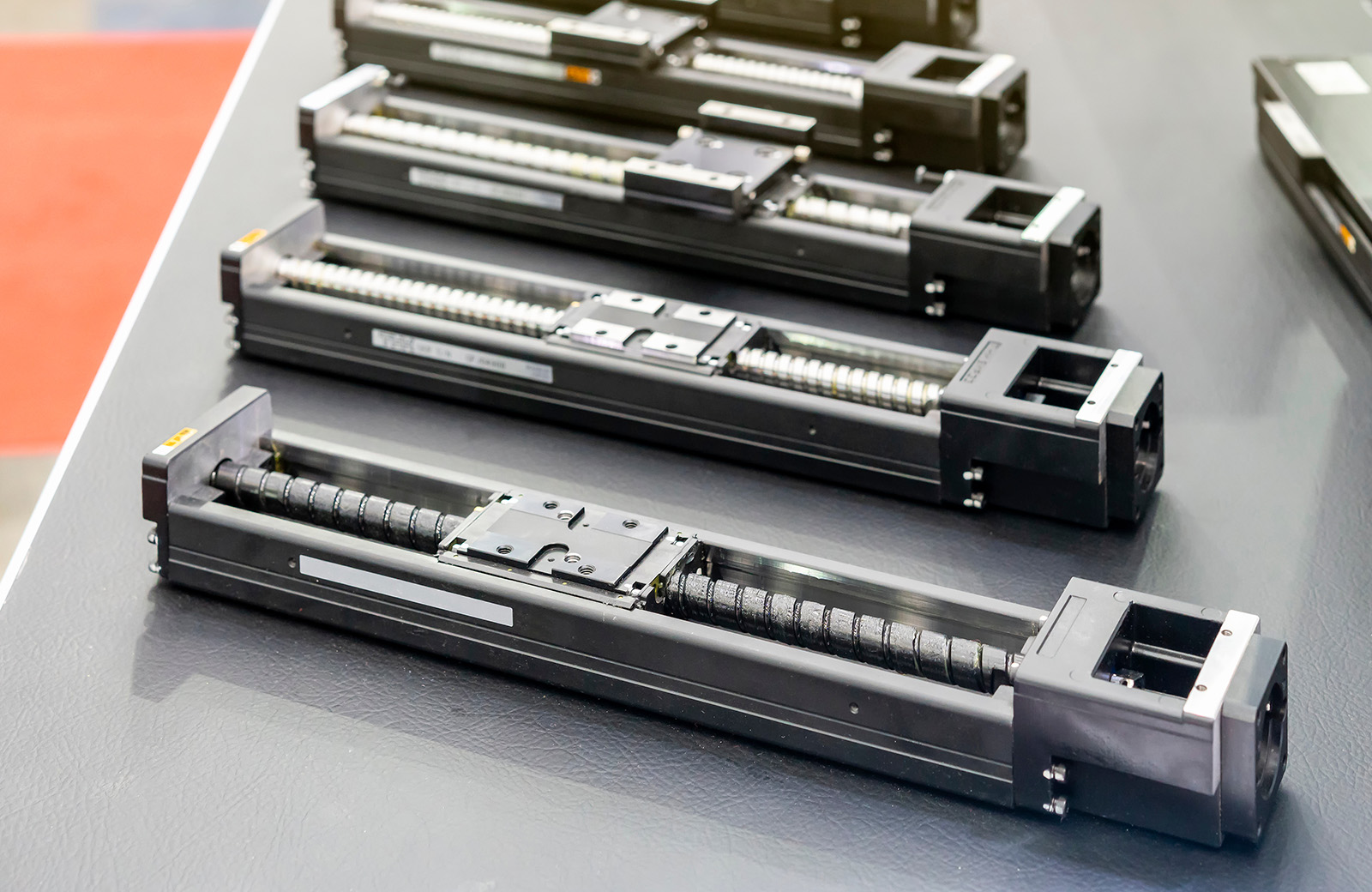
A Cartesian robot is a robot composed of linear axes arranged at right angles. Cartesian robots use combinations of single-axis motion units composed of linear guide devices and ball screws. Some products allow the number of axes to be increased according to the application, such as 1-axis (single-axis), 2-axis, 3-axis, 4-axis, and 6-axis configurations.
Because they are composed only of linear axes, they are not suited to complex motion, but they are the simplest and most cost-effective type.
There are also industrial robots called dual-arm robots, which have two arms mounted on a single base. They can perform movements that are difficult with a single arm, such as holding a box with both hands, making it easier to directly replace human work. Dual-arm robots include types with two vertically articulated arms as well as types with two SCARA-type arms.
2. Classification by Operating Method
When classified by the method used to input motion into an industrial robot, the most common type is the “playback robot.”
To move a robot, it is first necessary to have it memorize several postures along the motion path. By connecting those postures, the robot ultimately performs the desired operation.
The process of having a robot memorize a motion is called teaching. Because the robot then reproduces, or plays back, that motion, it is called a playback robot. In general, when people refer to industrial robots, they are usually referring to playback robots.
Teaching is often performed by actually moving the robot using a handheld control panel called a teaching pendant, which is used to operate and program the robot. During this time, robot operation must be stopped. Teaching also requires a certain level of know-how.
Furthermore, when installing a new robot system, teaching cannot begin until the robot has been installed, which lengthens the time required for system startup.
For this reason, offline teaching is gradually becoming more widespread. In this method, dedicated software is used to create the motion program on a computer and then transfer it to the robot.
Recently, technologies have also been developed that allow both machine tools and their associated robots to be controlled from the machine tool’s NC unit. Because machine tool operators can operate the robot using the NC unit they are already familiar with, this can lower the barrier to introducing robots for companies engaged in metal parts machining.
Automated workpiece centering and positioning
- Touch probe -
A contact/touch sensor for on-machine measurement that improves the efficiency of setup work
Click here ›What Is an End Effector?
Industrial robots can perform a wide variety of tasks, such as welding, painting, transfer, and assembly, because the unit attached to the tip of the arm can be freely changed.
These units are collectively called end effectors.
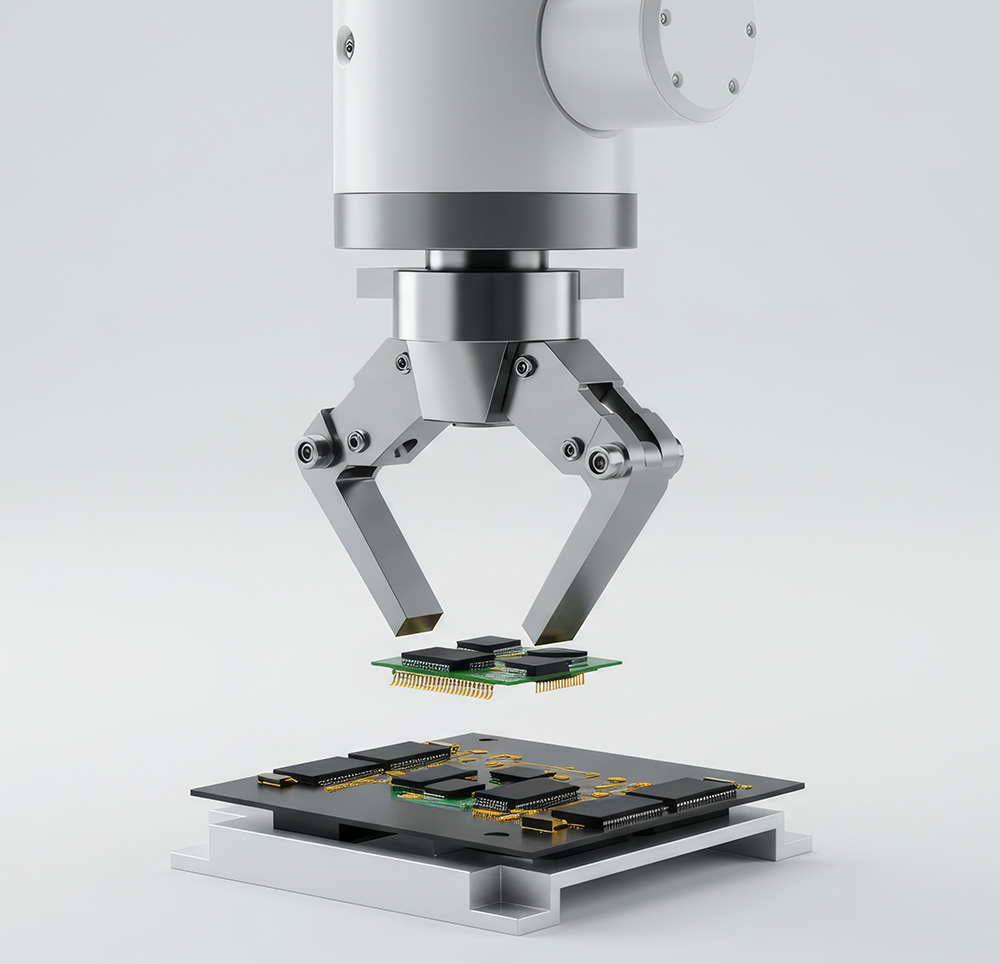
1. Gripper
A gripper is a so-called robot hand and is an end effector used to grasp objects. The parts corresponding to human fingertips are called fingers, or jaws.
There are types in which the jaws open and close while moving in parallel, and pivot-type grippers that grasp objects by changing the angle of the jaws. Two-jaw grippers are common, but three-jaw products are also available.
Grippers are used for a wide range of applications, including transfer, assembly, and loading workpieces onto machine tools. In machine tool loading, two grippers may be attached to a single arm: one for mounting the raw material before machining and another for removing the machined workpiece after machining.
The jaws must be matched to the shape of the object being gripped, and they are often specially designed and manufactured. Pneumatic power is often used as the drive source, but motor-driven electric types have also been increasing in recent years.
2. Vacuum Gripper
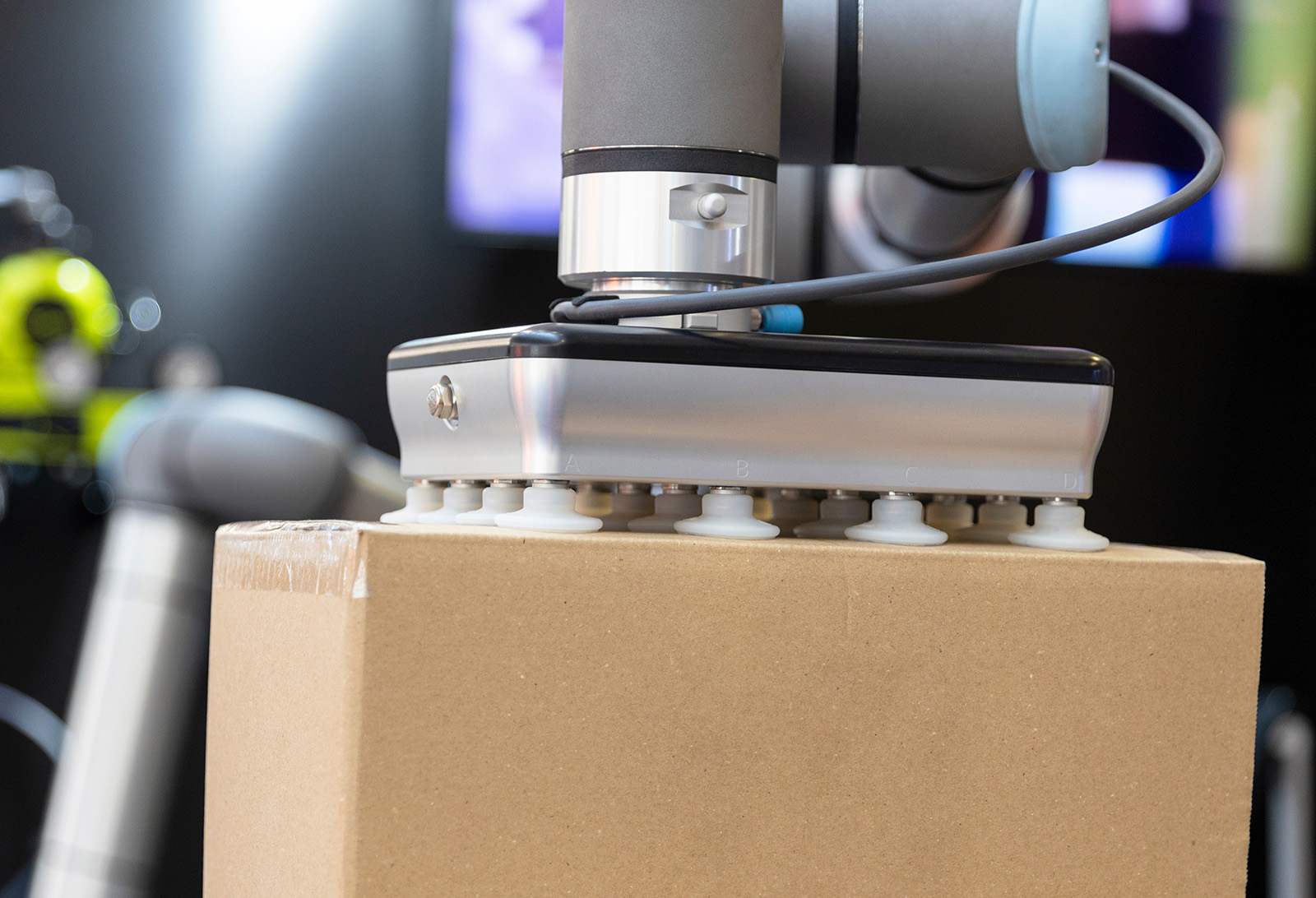
A vacuum gripper is an end effector composed of a vacuum generator, suction pads, and other components, and is used to pick up and transfer workpieces by suction. It is not suitable for transferring metal parts, but it is ideal for loading and unloading cardboard boxes and transferring lightweight small parts.
A hand with many suction pads arranged together is used for picking up cardboard boxes, while a single suction pad may be used when transferring small parts.
In addition, various end effectors can be attached to industrial robots according to the application: a welding torch for welding, a spray gun for painting, a dispenser, or liquid dispensing device, for applying adhesive, and a screwdriver for screw tightening.
High-precision seating confirmation of workpiece and jig
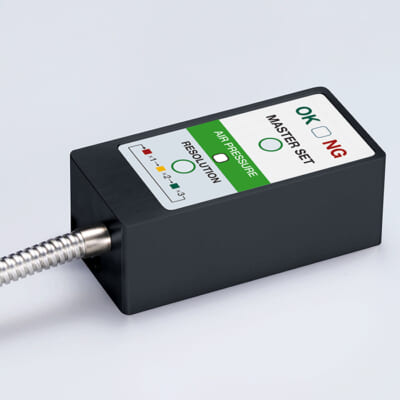
- Air Gap Sensor -
You can check not only "presence/absence" but also "adhesion (gap)" at the same time with a repeatability of ± 0.5μm.
Click here ›Robot System Configuration
Industrial robots are often composed of three main elements: the arm, the control box, and the teaching pendant. The control box contains the power supply, servo controller, servo amplifier, connection terminals for peripheral devices, and other components. Normally, the robot is placed on an installation base called a pedestal, and the surrounding area is enclosed by a safety fence to ensure safety.
An end effector suited to the application is attached to the tip of the arm, but a force sensor that measures force and torque, or twisting force, or a tool changer may also be installed between the arm and the end effector.
Using a force sensor makes it easier to fit precision parts and perform delicate polishing work. A tool changer also enables automatic exchange of end effectors.
Depending on the installation environment, a jacket cover may be fitted to protect the robot body from moisture, dust, and other contaminants.
Vision sensors, which combine cameras with image processing systems, are also increasingly used as robot peripheral equipment.
Cameras are often installed above the robot system using a frame or similar structure, but they may also be mounted near the tip of the robot arm.
Although adoption examples are still limited, robot systems have also been proposed in which an industrial robot is mounted on an autonomous automated guided vehicle.
Industrial robots are sometimes described as “semi-finished products” that cannot be used on their own.
They become useful only when combined with various peripheral devices and integrated into a complete system, a process known as system integration.
Companies with well-established production engineering departments may be able to build robot systems in-house. However, many companies outsource everything from system concept development and design to startup to specialized system integrators, or SIers.
Introducing a robot system requires not only the purchase and fabrication costs of various peripheral devices, but also system integration costs. As a result, the total cost is generally many times higher than the price of the robot itself.
Collaborative Robots That Can Be Used Beside People
To prevent contact accidents between robots and people, it was traditionally necessary to isolate industrial robots with motor output of 80W or higher using safety fences.
In recent years, however, a new type of industrial robot has emerged that can work in the same space as people without a safety fence. This is the collaborative robot. If a risk assessment is conducted in advance to identify risk factors and implement countermeasures, collaborative robots can be used without safety fences.
In Europe and the United States, they are also called collaborative robots, or “cobots” for short. Recently, robot manufacturers in Japan and overseas have been entering the collaborative robot market one after another.
Europe and the United States led the development and use of collaborative robots, but in Japan they gradually began to be used after the Ministry of Health, Labour and Welfare partially revised the Industrial Safety and Health Regulations related to industrial robots in December 2013.
Collaborative robots offer a high level of safety, including functions that automatically stop the robot immediately when it contacts a person.
They are also designed for introduction into sites where robots have not previously been used, and one of their key features is that teaching can be performed easily.
Standard industrial robots are taught using a teaching pendant, but many collaborative robots are equipped with a direct teaching function, which allows the operator to move the arm directly by hand and have the robot memorize the motion path.
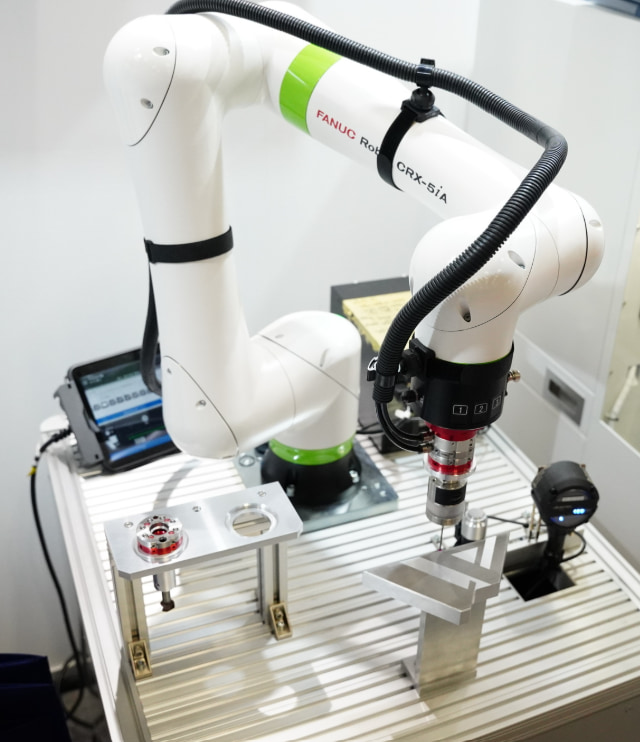
Because no safety fence is required, the installation footprint of the robot system can be significantly reduced, making collaborative robots easier to introduce even for small and medium-sized enterprises with limited factory space. On the other hand, to ensure safety, they also have drawbacks such as being unable to operate at very high speeds.
Until now, many users of industrial robots have been large companies, but with labor shortages becoming more severe, demand for automation has recently been growing among small and medium-sized enterprises as well. Collaborative robots are expected to serve as a new solution that can meet these automation needs among SMEs.
Source: "Hajimete no Kousaku Kikai"
High Precision Positioning
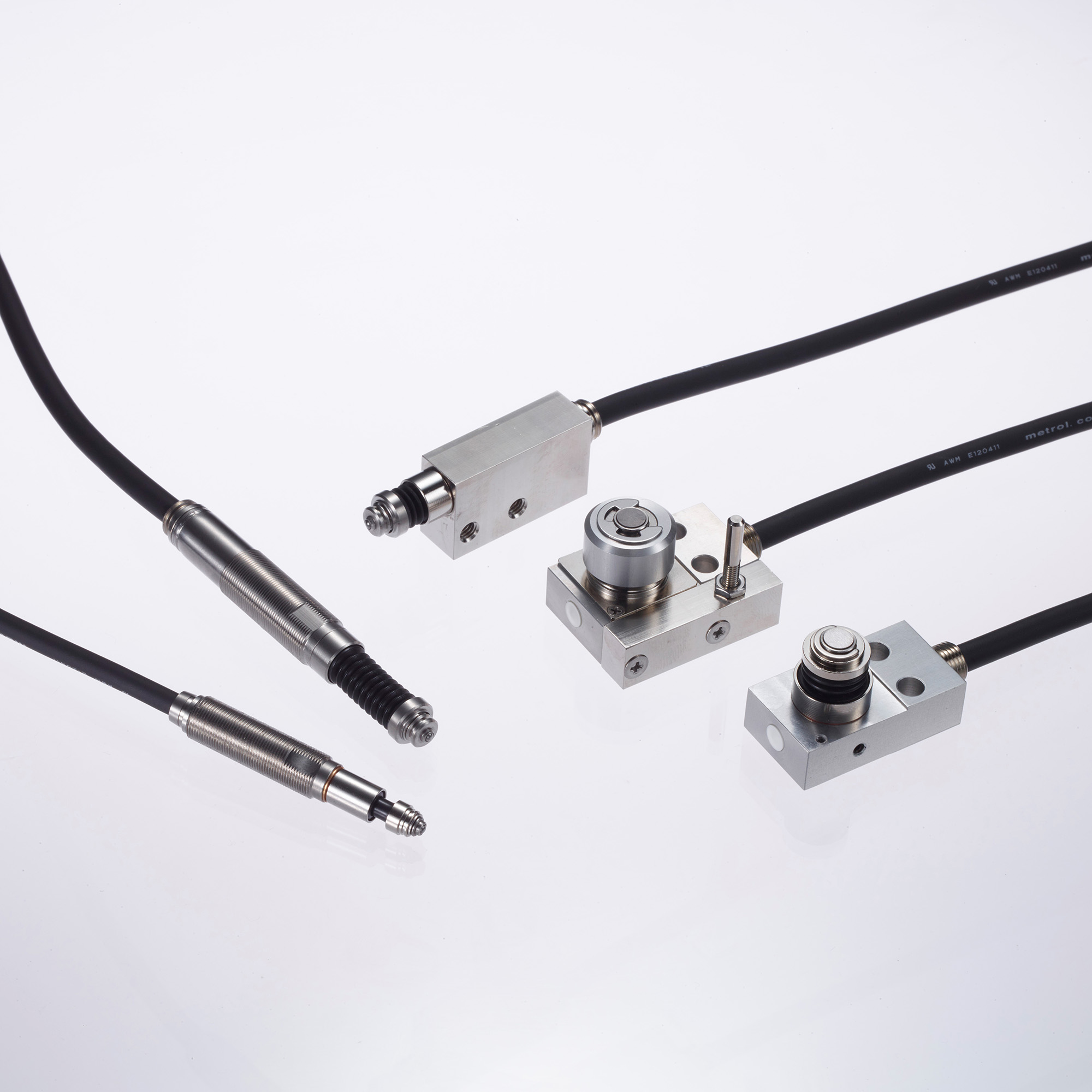
- MT-Touch Switches -
0.5 μm repeatability without amplifier IP67, highly resistant to adverse environments
Click here ›Sensor Application Examples
Utilize Touch Probes with Robot Hand Exchange, Automate Workpiece Positioning and Measurement
Large workpieces, such as EV battery cases and engines, and long workpieces, such as wood and steel materials, were previously too large to fit inside CNC machine tools and therefore could not be machined. However, using articulated robots has made this machining possible.
However, workpiece origin setting and post-machining measurement had to be performed manually using micrometers or dedicated jigs, creating problems due to variation in measurement results between operators and the time required for measurement.
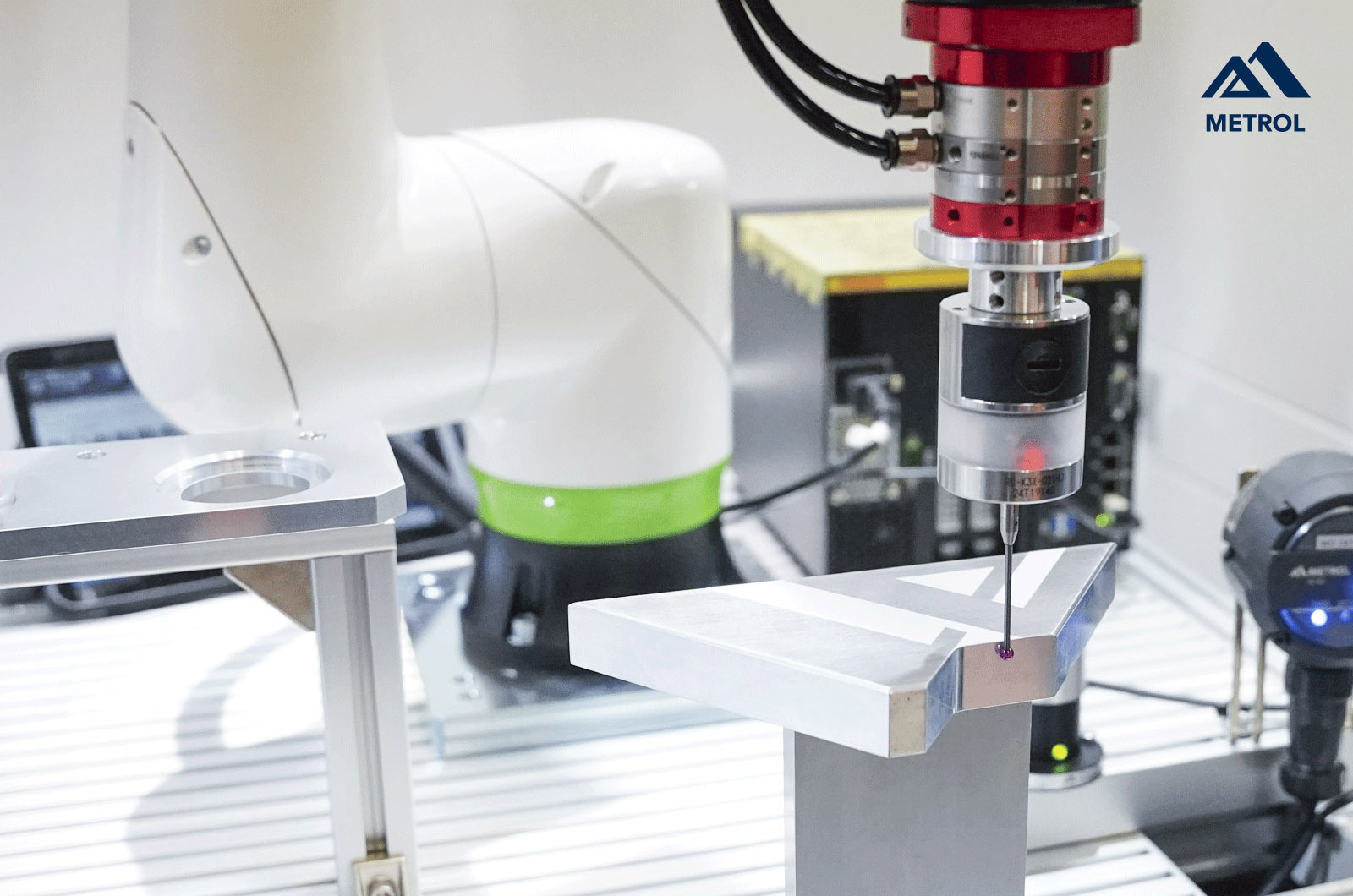
What is a Teaching System with ZERO Teaching Cost Using Touch Probes?
In recent years, collaborative robots and multi-axis robots have shifted from an era of handling simple tasks such as transfer to performing advanced operations that require positioning accuracy, such as cutting and welding.
Metrol’s 3D Touch Probe for Robots (K3M Series) has been adopted for more than 20 years by various industrial robot manufacturers, machine tool manufacturers, and robot system integrators.
This article answers questions such as, “How is a touch probe mounted on a robot and used?”
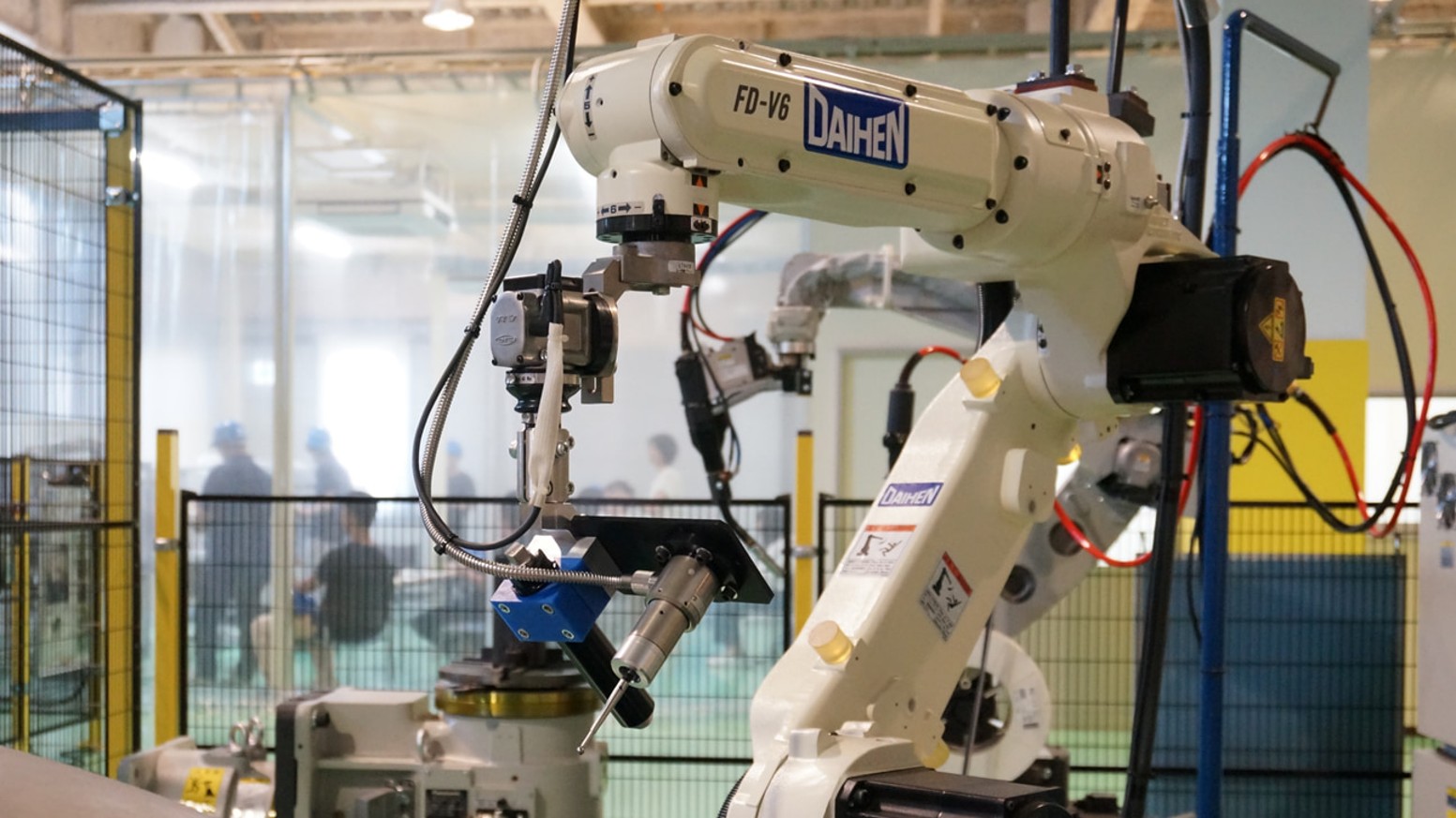
Related Articles
【SPECIAL EDITION】 In-depth Explanation of Positioning Touch Switch Selection and Terminology
A positioning touch switch is a contact-type sensor that outputs an ON/OFF signal when it touches a target object.
In terms of application, it is similar to a limit switch or microswitch, but it differs greatly in terms of accuracy and durability. For this reason, touch switches can be installed not only on robots but also in harsh environments such as machine tools.
Depending on the type of switch, the operating method, operating position, operating movement, and required operating force differ.
This article explains the basic structures and terminology that are useful when selecting a touch switch.