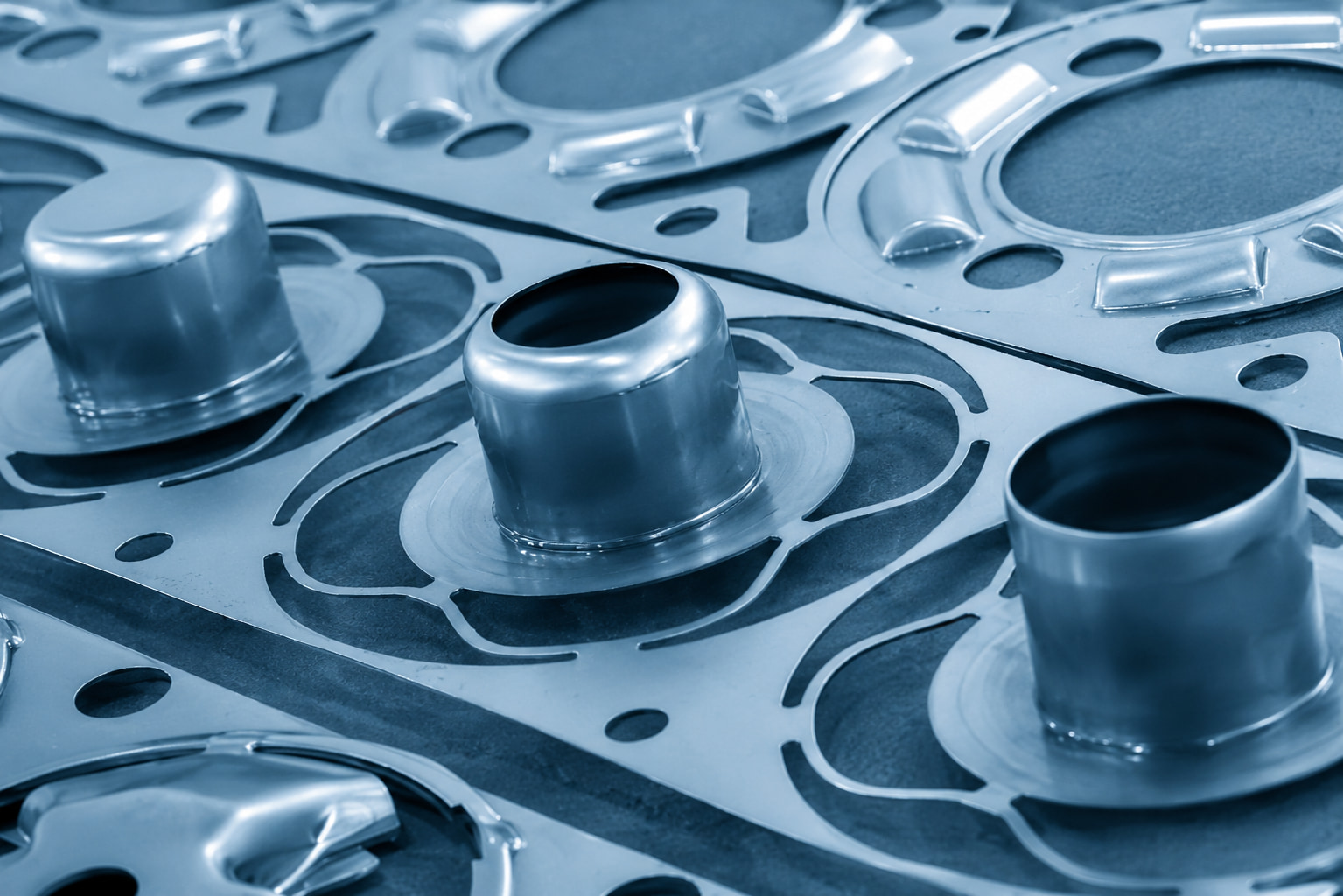
What Is a Press Machine? An Easy-to-Understand Guide to Types and Features
Key Points
- Mass production of workpieces with identical shapes
- Broadly classified into mechanical presses and hydraulic presses
- Increasing attention on servo presses
Source: "Hajimete no Kousaku Kikai"
Table of Contents
What Is Press Working?
Press working is a type of plastic working in which force is applied to thin sheet metal using dies, transferring the die shape onto the material to create the desired form.
Compared with cutting processes that remove unnecessary material to obtain the desired shape, press working offers shorter machining times and enables mass production of workpieces with identical shapes. Many metal products used in daily life, including automotive parts, electronic components, household goods, and beverage cans, are manufactured through press working.
There are several types of press working. Typical processes include (1) shearing, (2) bending, (3) drawing, and (4) stretch forming. Press components are manufactured by combining these processes.
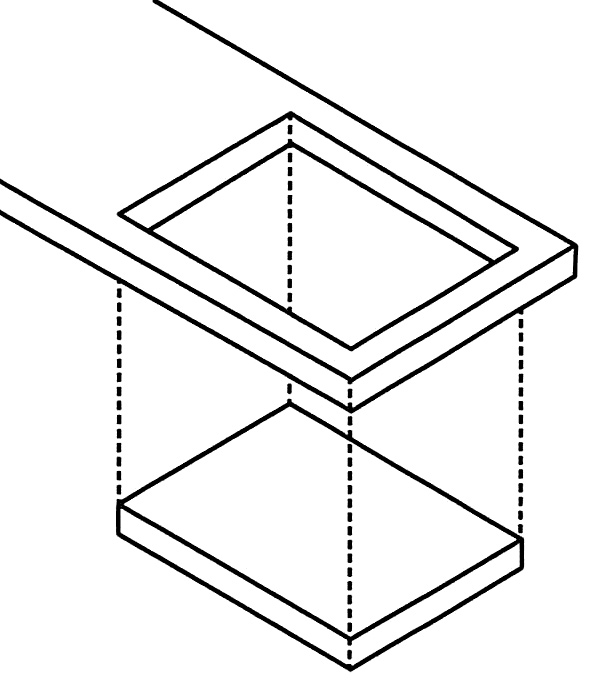
Shearing is a process in which sheet material is cut using dies. Similar to cutting paper with scissors, the metal structure is displaced vertically by the die and separated. Typical examples include blanking, which punches out the required shape from the sheet material, and piercing, which creates holes.
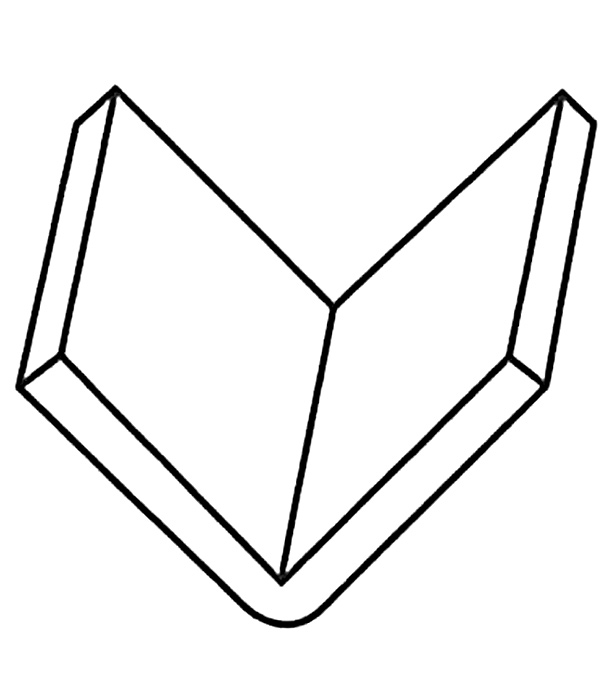
Bending is, as the name suggests, a process in which sheet material is bent using dies. Depending on the cross-sectional shape after bending, processes are classified as V-bending, L-bending, and others.
Drawing is a process used to form seamless container-shaped products from a single sheet of material. Examples include cylindrical drawing, which forms bottomed cylindrical containers, and rectangular drawing, which produces square or rectangular containers.
Stretch forming is a process in which sheet material fixed around its perimeter is pressurized with dies to form a shape.
In press working, the die shape is not transferred perfectly onto the material. Due to elasticity, the material slightly returns toward its original shape after forming. This phenomenon is called springback. Since springback can negatively affect product shape and quality, controlling it is a critical aspect of press working.
What Is a Press Machine?
1. Overview
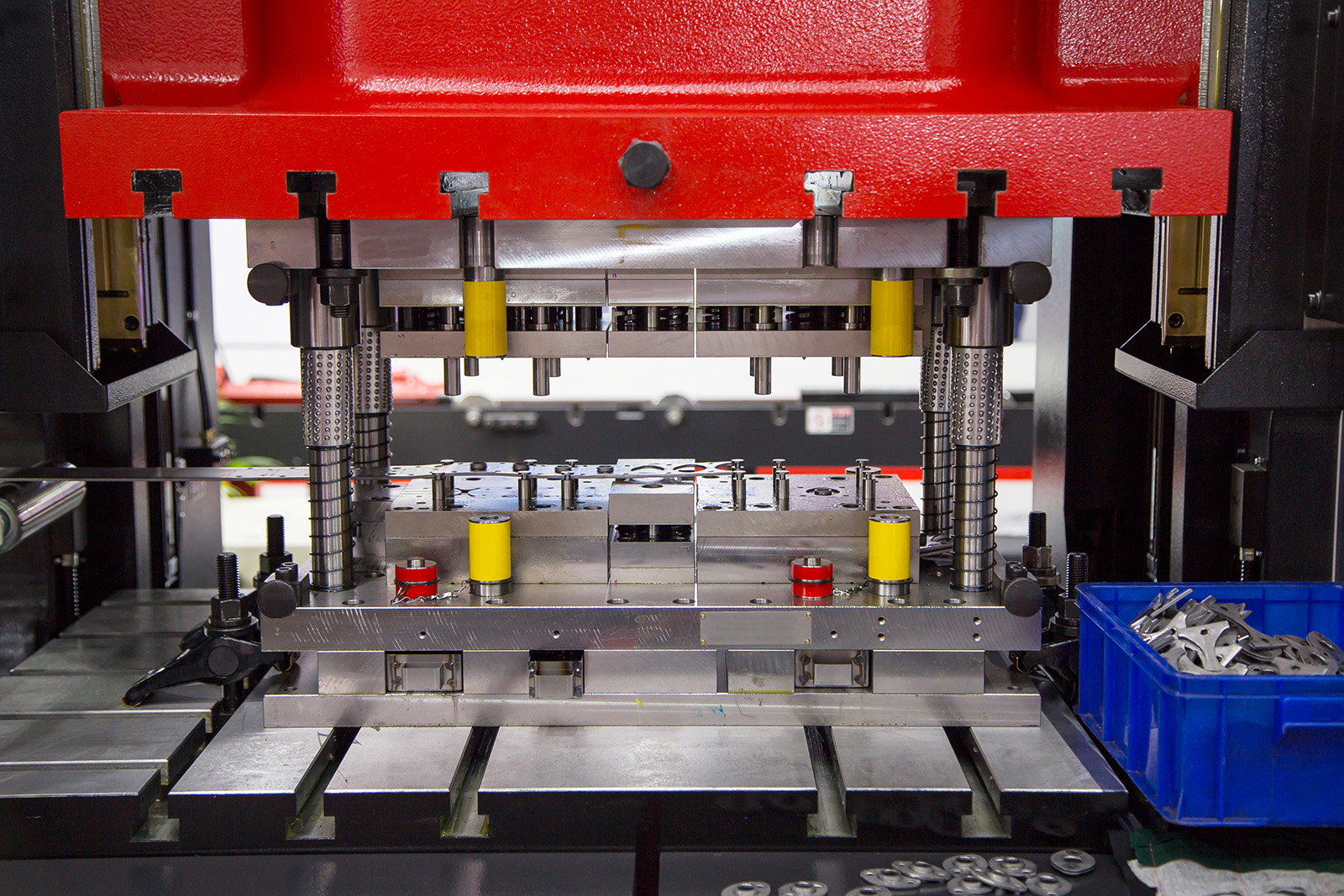
A press machine is a machine used to mass-produce workpieces through press working. Since machining accuracy depends on the precision of both the press machine and the dies, stable quality can be achieved regardless of the operator. Unlike cutting processes, press working generates no chips and results in minimal material loss.
Basically, one pair of dies can process only one workpiece at a time. However, by combining different types of dies, automation systems, and control methods, the forming system can be configured flexibly, giving press machines high versatility. Productivity can also be significantly improved through automation. Although the actual pressing time is very short, considerable time is required for loading sheet material and unloading finished workpieces. Automating these processes greatly increases production volume. As a result, most modern press machines are equipped with some form of automation system.
2. Differences and Features of Main Frame Structures
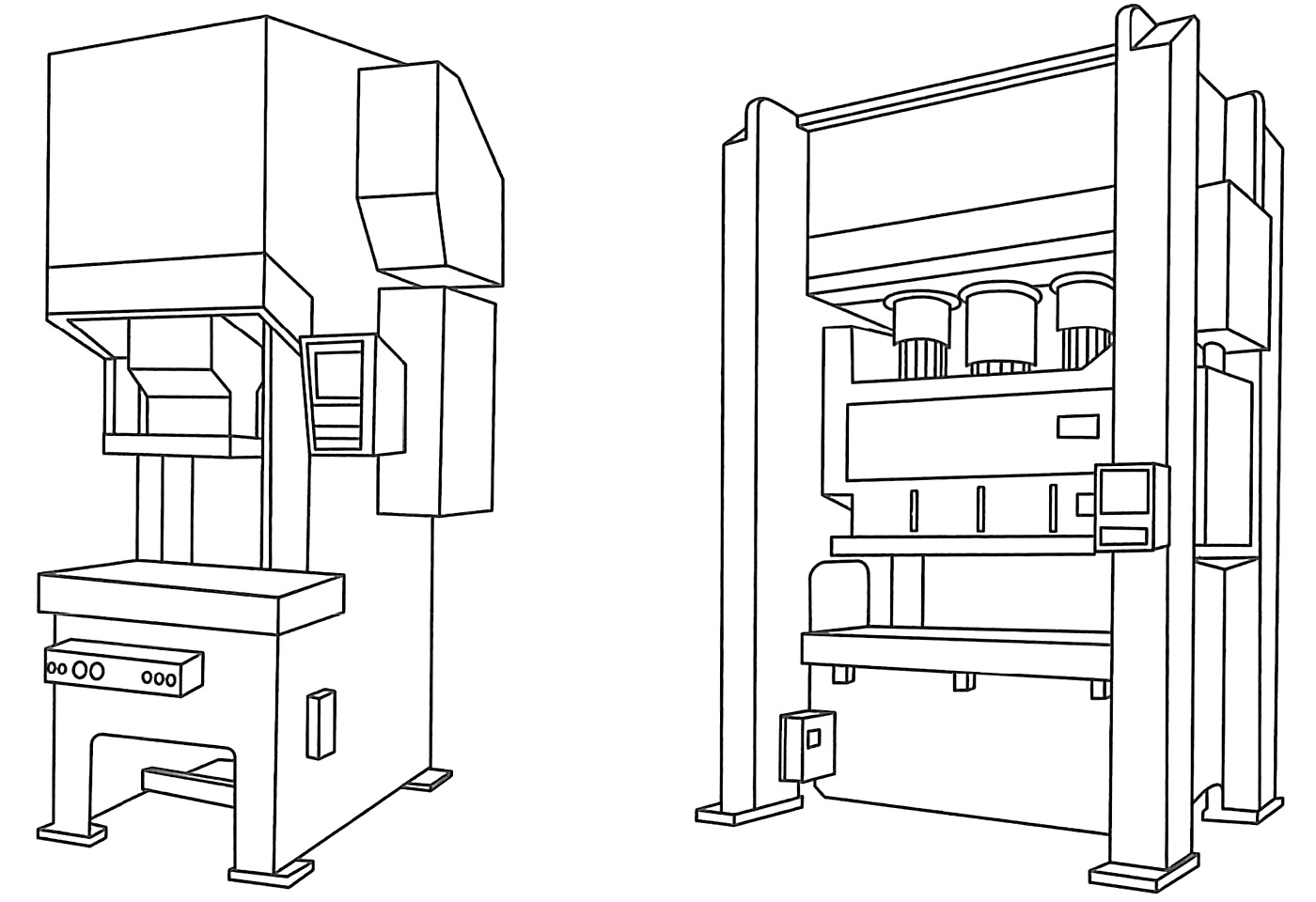
When classified by main frame structure, press machines are divided into types such as the C-frame press, whose side profile resembles the letter “C,” and the straight-side frame press, which has columns at the four corners of the working area.
Compared with straight-side presses, C-frame presses have a smaller die mounting area, but they offer better operability because there are no structural obstacles on the operator side. Their simple structure also results in fewer breakdowns and relatively low cost.
Straight-side frame presses offer lower operability than C-frame presses, but they provide higher rigidity and greater resistance to deformation.
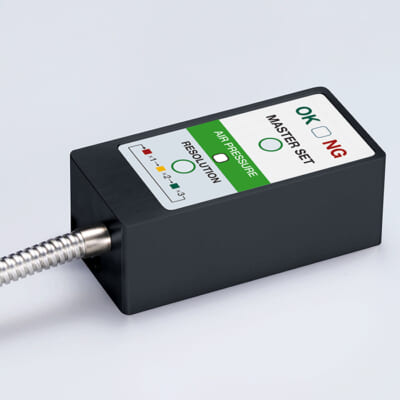
High-precision seating confirmation of workpiece and jig
- Air Gap Sensor -
You can check not only "presence/absence" but also "adhesion (gap)" at the same time with a repeatability of ±0.5 μm.
Click here ›Types of Press Machines
Press machines are broadly classified into mechanical presses and hydraulic presses. There are also servo presses that use servo motors as the drive source.
| Function | Mechanical Press | Hydraulic Press |
|---|---|---|
| Processing Speed | Fast | Slow |
| Stroke Length Limitation | Cannot be made very long | Long strokes are relatively easy to achieve |
| Stroke Length Adjustment | Generally difficult | Easy |
| End Position Accuracy of Stroke | Highly accurate | Generally less accurate |
| Pressure Adjustment | Difficult | Easy |
| Pressure Holding | Not possible | Easy |
| Maintenance Difficulty | Easier than hydraulic presses | Requires more maintenance (mainly oil or water leakage) |
1. Mechanical Press
A mechanical press uses a motor to rotate a heavy flywheel, converting the rotational motion into vertical reciprocating motion through a mechanical mechanism. This drives the slide holding the dies to form the material.
The performance of a mechanical press is generally evaluated using three indicators: (1) press capacity, (2) torque capacity, and (3) work capacity.
(1) indicates the maximum pressing force the machine can safely generate. (2) refers to the pressing force generated at the bottom dead center, the lowest point of reciprocating motion.
(3) represents the energy released by the slide during one stroke.
Mechanical presses can also be classified by the mechanism used to drive the slide, including (1) crank presses, (2) knuckle presses, and (3) link presses. Since the slide motion varies depending on the drive mechanism, the characteristics of the press working process are also greatly affected.
A crank press uses a crank mechanism to convert the motor’s rotational motion into vertical reciprocating motion. This mechanism is widely adopted in mechanical presses because it is easy to manufacture and provides accurate positioning at the bottom dead center of the stroke.
A knuckle press uses a knuckle mechanism to convert motor rotation into vertical reciprocating motion for material forming. Compared with a crank press, it features a unique slide motion in which the slide speed becomes extremely slow near the bottom dead center.
A link press uses various link mechanisms to drive the slide. Compared with crank presses, link presses generally offer higher productivity.
2. Hydraulic Press
A hydraulic press uses a motor-driven pump to generate fluid pressure inside a cylinder, moving the die slide to form the material. Unlike mechanical presses, which generate maximum force at the bottom dead center, hydraulic presses can apply the same force throughout the entire stroke.
Hydraulic driving sources include water pressure and oil pressure. Water hydraulic presses offer excellent nonflammability and cost efficiency, and leakage countermeasures are relatively simple. They are often used in large-scale machines such as hot forging presses.
In contrast, an oil hydraulic press uses hydraulic power generated by oil pressure. Hydraulic power refers to the force created by controlling the pressure, flow rate, and direction of oil discharged from a rotating hydraulic pump to drive hydraulic cylinders and motors. Its main features include: (1) freely adjustable stroke length and slide speed, (2) adjustable pressing force, (3) maximum output available at any slide position, and (4) the ability to generate large output with relatively small power input.
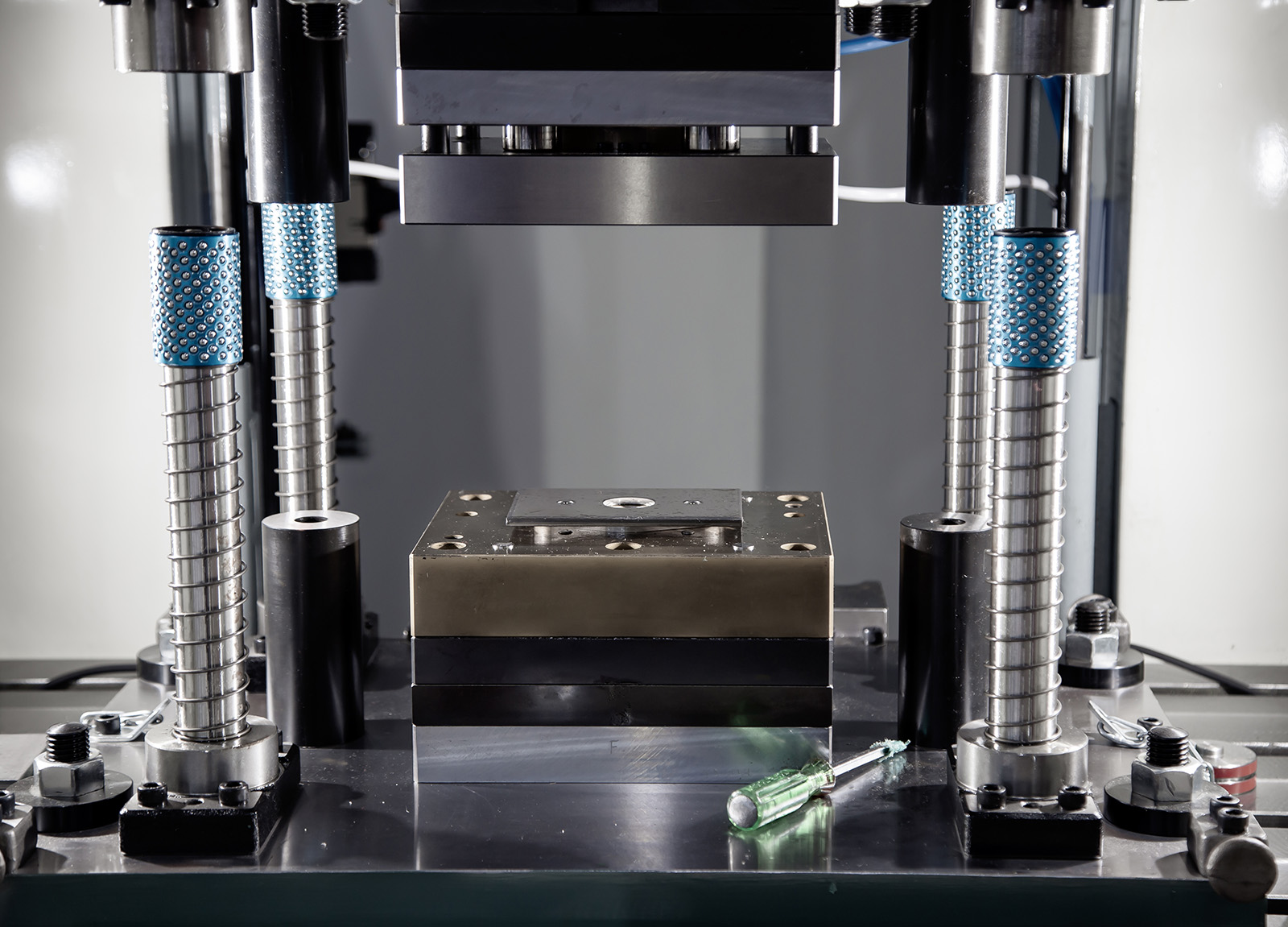
Although hydraulic presses are less common in the market than mechanical presses, there are many types available, including tryout presses used for die testing and die spotting presses used for die finishing and adjustment.
3. Servo Press
A servo press is a machine developed in the late 1990s that controls the pressing section using numerical data and servo motors. Although generally classified as a type of mechanical press, there are also hydraulic servo presses in which servo motors directly drive hydraulic pumps.
Servo presses allow free control of slide speed, position, and pressing force, enabling the processing of high-tensile-strength materials such as high-tensile steel sheets.
Key features include: (1) low noise and vibration, (2) support for difficult-to-machine materials, (3) high-precision processing, (4) improved productivity, (5) energy savings, and (6) extended die life.
In recent years, high-tensile steel sheets and carbon fiber reinforced plastics (CFRP) have increasingly been used for automotive body components. In addition, high-carbon steel and magnesium alloys are now more frequently adopted for automotive functional parts.
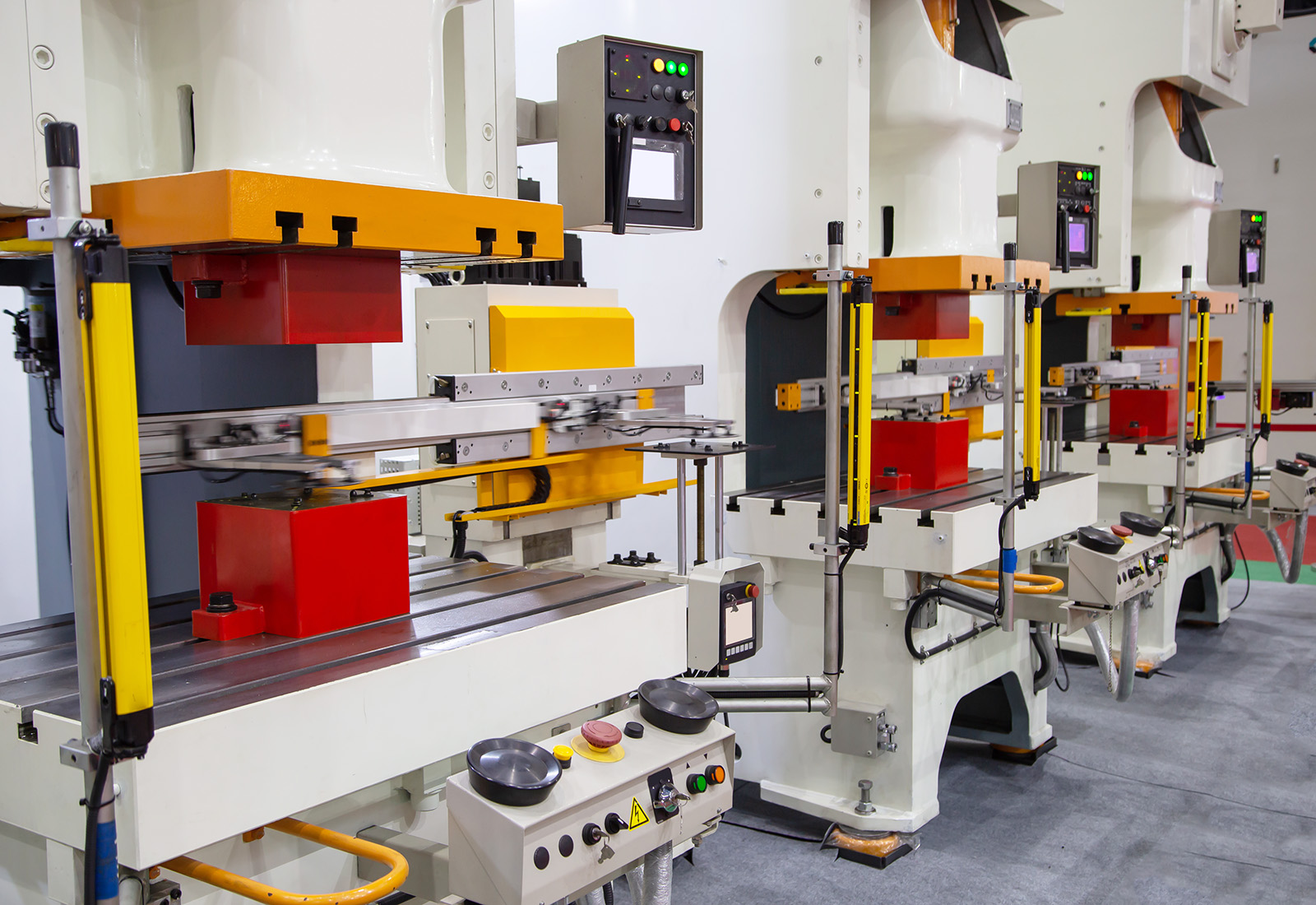
These difficult-to-machine materials require press processing optimized for their specific material characteristics. However, conventional mechanical press structures could not freely vary operating speed.
Servo presses, on the other hand, can maintain high pressing force while freely controlling operating speed. Motion patterns such as low-speed, high-torque strokes can also be finely adjusted. For this reason, servo presses are attracting attention as press machines capable of forming difficult-to-machine materials.
4. Fine Blanking Press
Fine blanking (FB) is a machining process capable of producing smooth and highly refined sheared surfaces. It uses dedicated dies and press machines. A dedicated machine for this process is called an FB press.
FB processing requires little to no finishing through cutting or grinding. It is considered a type of near-net-shape processing that produces shapes close to finished products using press working alone.
When comparing the cut surfaces of workpieces processed with an FB press and those punched using a standard mechanical press, approximately one-third of the material thickness in the standard press workpiece is smoothly sheared, while the remaining portion becomes a rough fracture surface. If left as a fracture surface, noise may occur where the part contacts other components.
In addition, metal particles peeling from the fracture surface may cause quality deterioration over time. For parts where appearance is important, fracture surfaces also reduce visual quality.
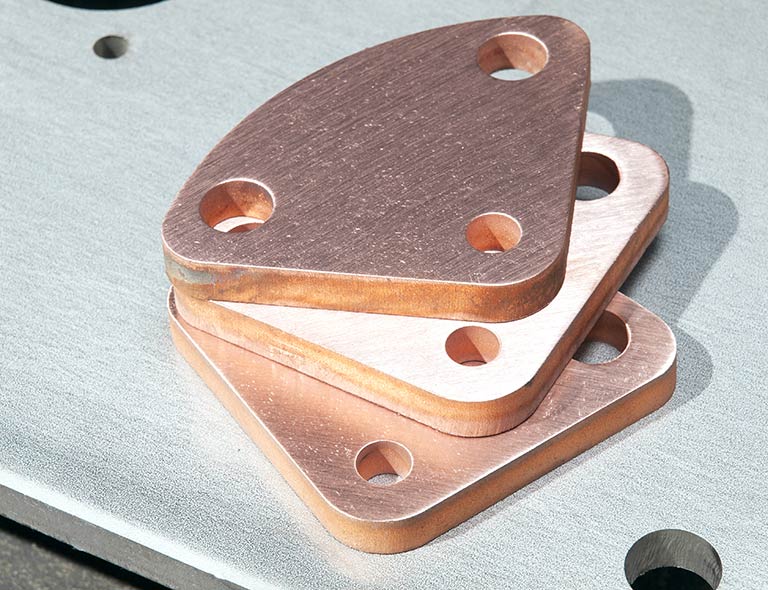
For this reason, cutting and grinding processes were conventionally performed as secondary finishing operations to smooth fracture surfaces. However, this not only caused variations in workpiece quality and accuracy but also increased processing time and cost. FB processing, which achieves smooth sheared surfaces in a single operation, has gained attention as a solution to these issues.
In standard press working, dies consist of a punch (upper die) and a die (lower die). The punch moves toward the fixed die to apply pressure to the material. Considering die life and workpiece quality, a certain clearance is maintained between the punch and die. This clearance is one of the causes of burr formation.
In contrast, FB processing minimizes clearance as much as possible and uses dedicated components such as blank holders and counter pressure mechanisms to constrain the material from both above and below during pressing.
In FB processing, the material thickness typically ranges from approximately 0.1 to 20 mm. More than 80% of the materials used are coil materials, while others include structural steel plates and hot-rolled mild steel sheets commonly used in machinery parts and construction applications.
High-precision seating confirmation of workpiece and jig
- Air Gap Sensor -
You can check not only "presence/absence" but also "adhesion (gap)" at the same time with a repeatability of ±0.5 μm.
Click here ›Automation and Peripheral Equipment
Against the backdrop of serious labor shortages, demand for automation has recently been increasing across the entire industrial sector, including manufacturing.
In particular, advances in peripheral equipment have greatly contributed to the automation of press working. Major automation devices include material feeders, transfer devices, unloading devices, and robots.
Common coil material supply equipment includes uncoilers that unwind coil stock and leveler feeders that remove coil set and flatten the material. Transfer feeders used for material transport are available in both two-dimensional and three-dimensional configurations.
In the past, attaching and removing workpieces from press machines was mainly performed manually. Even tandem lines, where multiple machines are arranged side by side with short transfer distances between processes, relied heavily on manual operation in single-stage processing.
Some tandem lines fully automate everything from workpiece loading and unloading to packaging and storage. However, they are not suitable for high-mix low-volume production because setup changes require considerable time. Setup change refers to changing press machine settings and dies when switching workpiece types. Another drawback is the large installation footprint required.
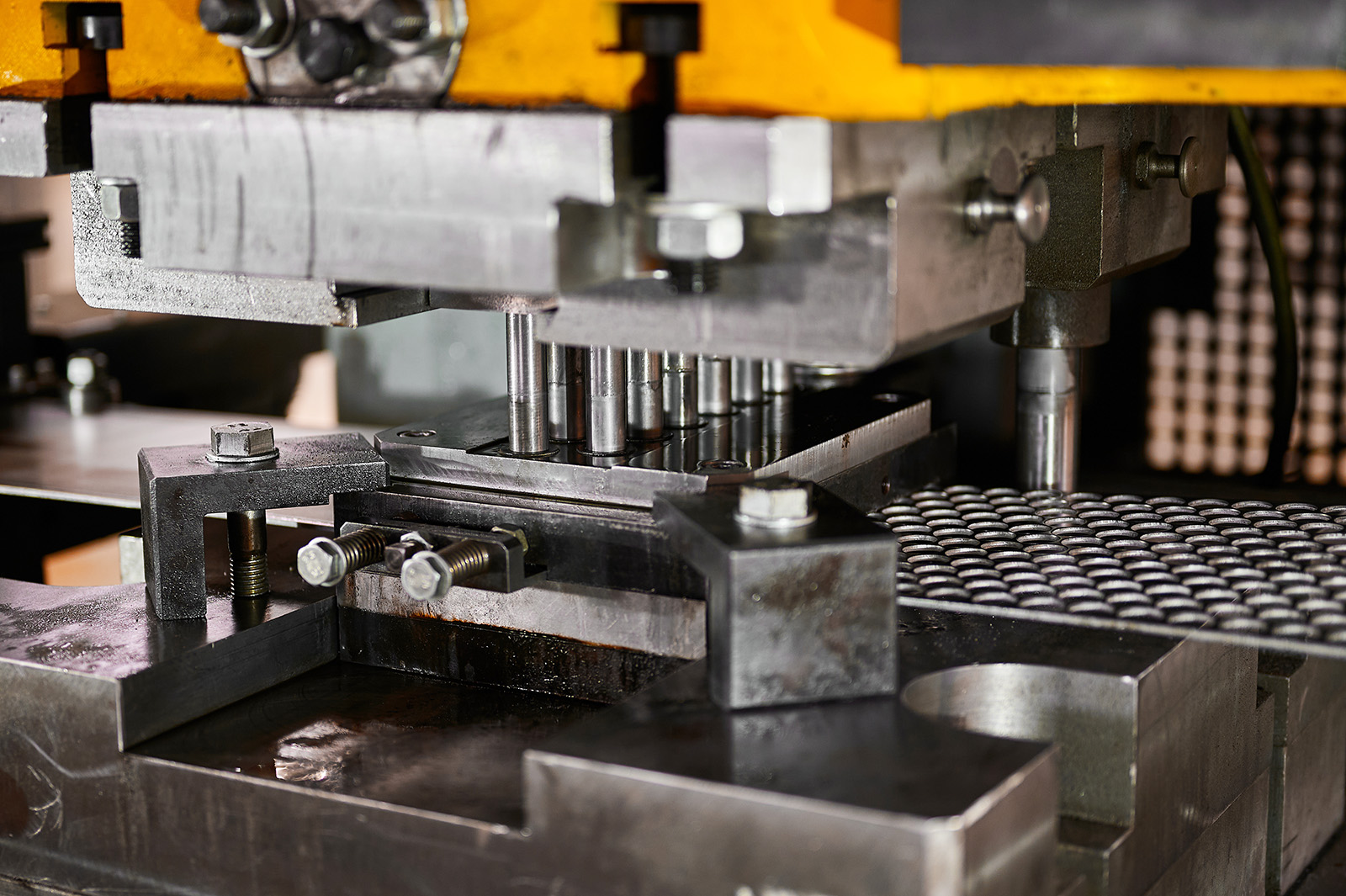
Methods for automating press working include transfer presses, which use multiple single-process dies arranged within one press machine, and progressive presses, which use progressive dies integrating multiple processes into a single die. In general, progressive presses offer higher productivity, while transfer presses provide better material yield.
Automatic die changers also contribute to the automation of press working. In the past, die replacement required significant time and labor, but automatic die changers automate these tasks and greatly reduce setup change time.
Source: "Hajimete no Kousaku Kikai"
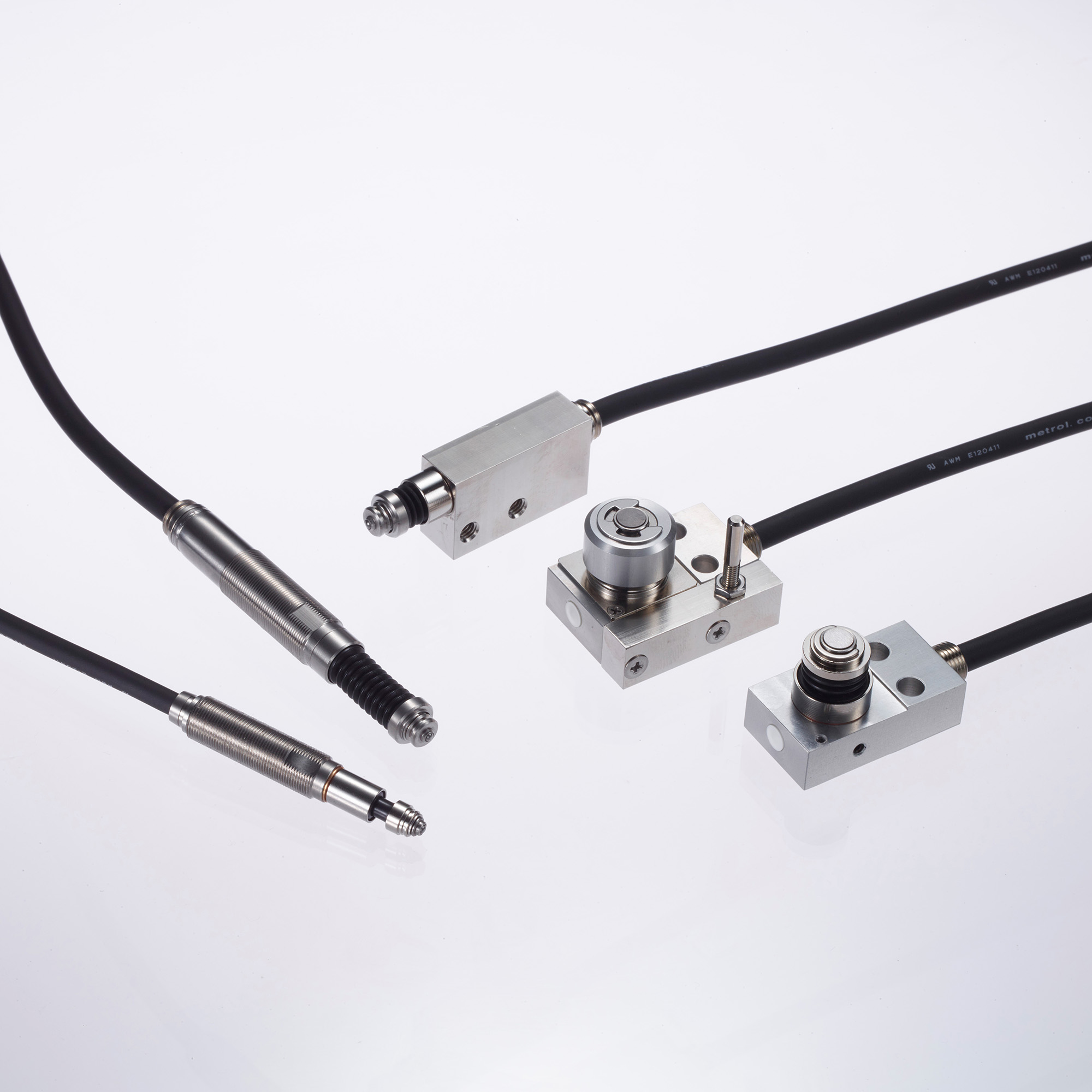
High Precision Positioning
- MT-Touch Switches -
0.5 μm repeatability without amplifier IP67, highly resistant to adverse environments
Click here ›Sensor Implementation Examples
Prevents resin leakage by confirming adhesion of injection molds.
This parts manufacturer produces servo motor housings for a major electrical equipment manufacturer.
The person in charge of the resin molding department consulted us regarding “contact confirmation” of injection molding dies.
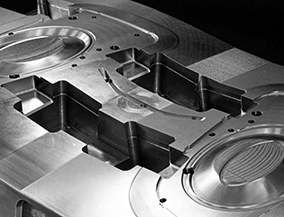
Consistent detection of 10μm gaps between tire mold and jig
This die manufacturer produces tire dies for a major automotive tire manufacturer.
A production engineering representative consulted us regarding “contact confirmation” between jigs and dies during machining operations.
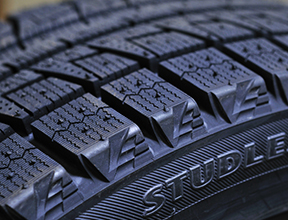
Stably detected a gap caused by foreign materials put between the press molds without contact
This automotive parts manufacturer produces suspension components for a major automobile manufacturer.
A representative from the press working department consulted us regarding “gap detection” caused by foreign material trapped during hydraulic press operations.
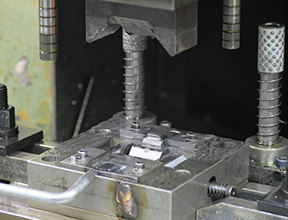
[Video]
Detection of the ABS Parts Floating During Cutting【Air Gap Sensors】
Related Articles
What Is Plastic Working?An Easy-to-Understand Guide to Its Types and Characteristics
Plastic working refers to machining methods in which external force is applied to deform materials into the required dimensions without generating chips.
The term “plastic working” comes from the use of the metal property known as plasticity. However, plasticity is also utilized in cutting processes. Therefore, the easiest way to distinguish plastic working from cutting processes is whether chips are generated during machining.