
What Is an Ultrasonic Sensor? A Thorough Guide to Principles, Mechanisms, Applications, and the Latest Technologies
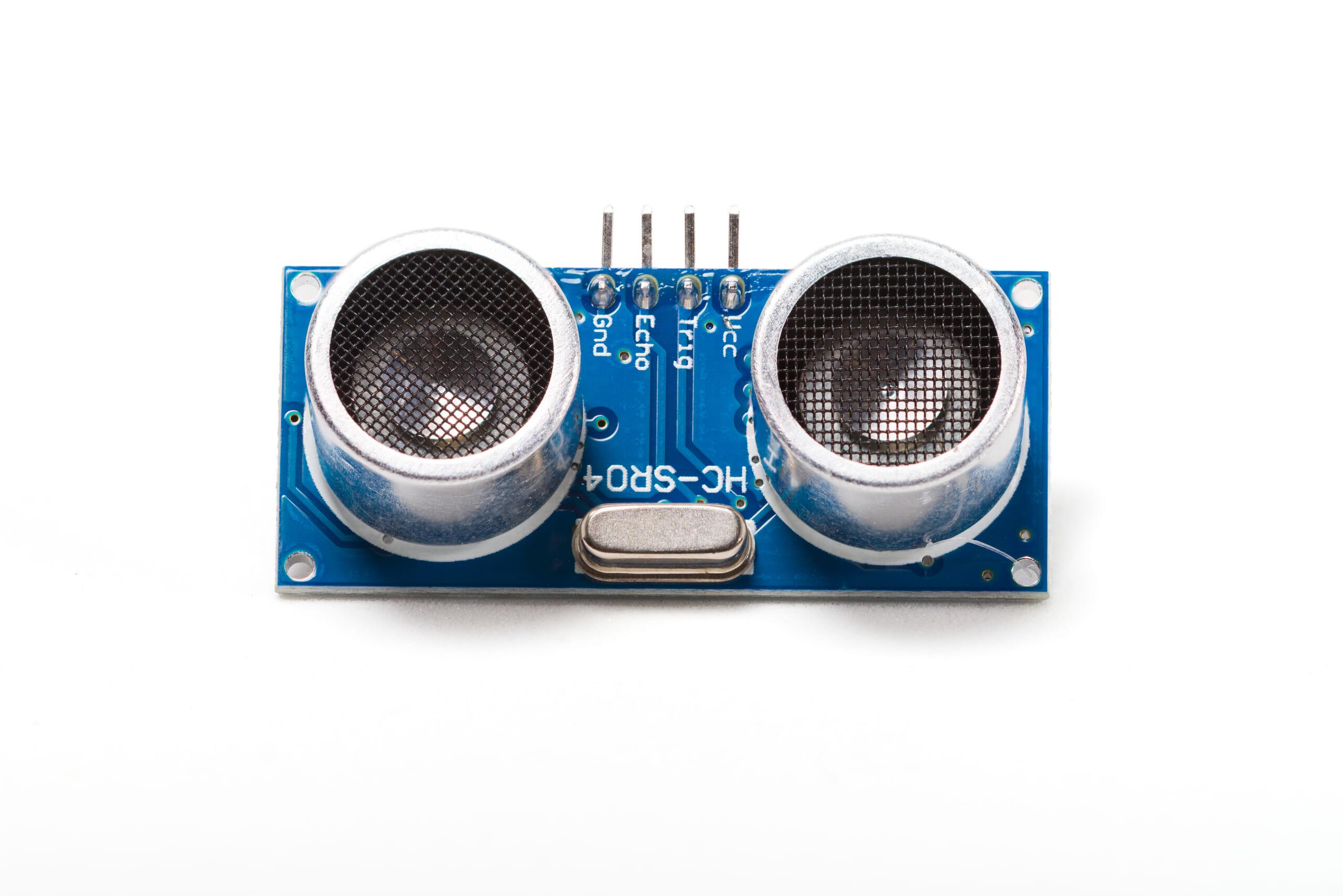
Ultrasonic sensors use high-frequency sound waves that are inaudible to humans to detect an object’s distance or presence with high accuracy—without contact.
They are attracting attention as indispensable sensors across a wide range of fields, including industrial automation, automotive safety/driver-assistance systems, medical devices, and smart devices.
This article explains ultrasonic sensors in detail—from basic principles and typical structures to practical applications, comparisons with other sensor types, and their advantages and limitations.
We also cover recent trends such as MEMS-based technologies and developments in automotive and medical fields, and clearly outline future possibilities.
This content is useful for those considering adoption or technical evaluation of ultrasonic sensors, as well as engineers and researchers who want to stay up to date with the latest developments.
Table of Contents
How Do Ultrasonic Sensors Work? A Clear Explanation of Operating Principles
An ultrasonic sensor detects objects using high-frequency sound waves (ultrasound) at approximately 20 kHz or higher—inaudible to humans.
It emits an ultrasonic pulse and calculates the distance to the target by measuring the time difference (time of flight) until the echo returns after reflecting off the object. This mechanism is similar to “echolocation,” where bats perceive surrounding obstacles via ultrasonic echoes.
Typical ultrasonic distance sensors for use in air operate around 40 kHz and determine distance from the round-trip travel time of the sound wave.
The speed of sound in air is about 343 m/s at 20°C. For example, if the round trip takes 0.02 seconds, the object is calculated to be about 3.4 m away.
Ultrasonic Sensor Structure: Roles of the Transmitter, Receiver, and Resonator
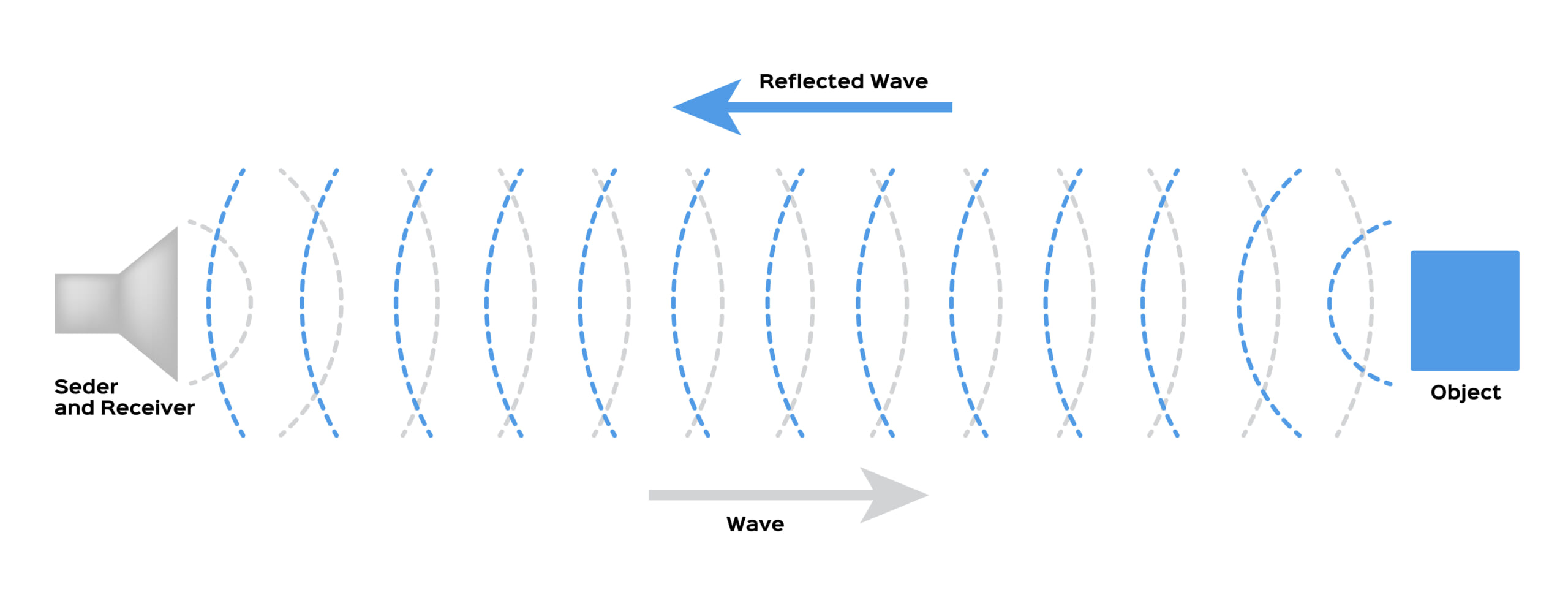
Ultrasonic sensors transmit and receive ultrasound using a transducer made of piezoelectric ceramics (such as lead zirconate titanate, PZT).
When a high-frequency voltage is applied to a piezoelectric element, rapid vibration is generated via the inverse piezoelectric effect, radiating ultrasound. When external ultrasound reaches the same element (or a separate piezoelectric element), the reflected echo can be detected as an electrical signal via the direct piezoelectric effect (where mechanical vibration produces an electrical signal).
The transducer (resonator) includes an acoustic matching layer on the front and a damping layer on the back to suppress vibration, providing acoustic impedance matching from the piezoelectric element to air or water so that acoustic energy is transferred efficiently.
Ultrasonic sensors come in two main types: those with separate transmit and receive transducers, and transceiver types that use a single transducer for both transmission and reception.
In general, for sensors in the 40 kHz band, the transmit-only element is designed to resonate near the drive frequency, while the receive-only element is tuned to an anti-resonance point so that sensitivity is maximized at the same frequency.
With integrated (single-transducer) sensors, one resonator is switched between transmit and receive, which makes them less suitable for strict short-range measurement (because residual ringing remains immediately after transmission, creating a period during which reception is not possible).
In general, increasing the operating frequency shortens the ultrasonic wavelength and improves resolution, but reduces the effective detection range.
High Precision Positioning
- MT-Touch Switches -
0.5 μm repeatability without amplifier IP67, highly resistant to adverse environments
Click here ›Key Applications and Use Cases of Ultrasonic Sensors
Thanks to their strong detection performance and cost-effectiveness, ultrasonic sensors are widely used in many different fields.
Here, we provide concrete explanations of representative applications and how they work across automotive, robotics, medical, and industrial domains.
Deployment in ADAS: Automated Parking and Pedestrian Detection at Low Speeds
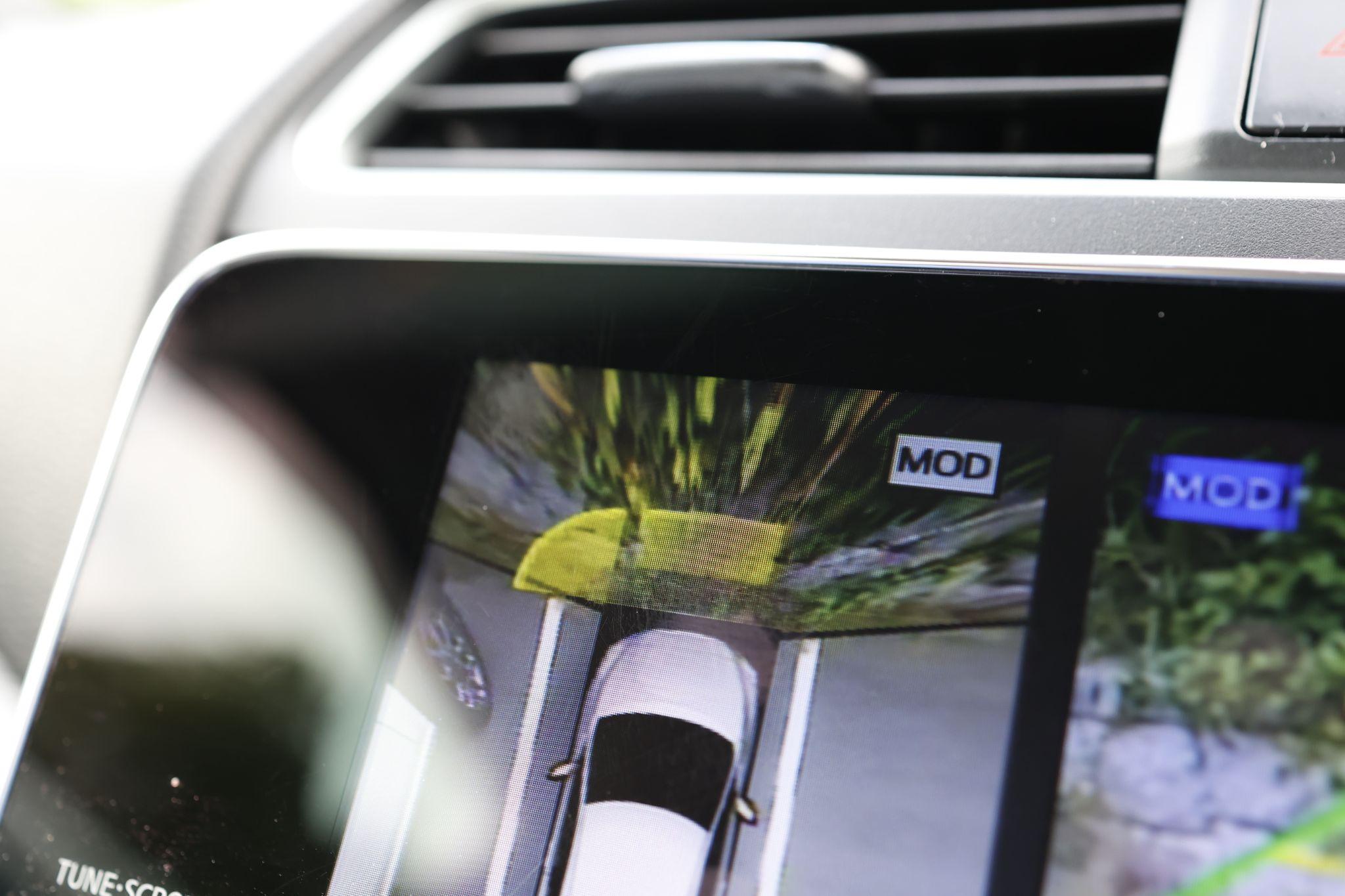
In automobiles, ultrasonic sensors are widely used for obstacle detection during parking (park assist), with roughly 4 to 16 sensors placed on areas such as the vehicle bumper.
In recent years, they have also been integrated into advanced driver-assistance systems for automated parking and collision avoidance while reversing, enabling detection of nearby obstacles and pedestrians at low speeds.
Environmental Mapping in Autonomous Mobile Robots

In mobile robots, ultrasonic sensors are used to measure distance to forward obstacles and avoid collisions, supporting robot navigation.
Autonomous robots and drones may carry multiple ultrasonic sensors to understand the surrounding environment and measure height above the ground (altitude).
Internal Imaging with Ultrasound Diagnostic Equipment (Echo)

In medicine, ultrasound diagnostic equipment (so-called echo examinations) is a representative example. An ultrasound probe (ultrasonic sensor) placed on the body surface emits ultrasound in the range of several MHz to several tens of MHz into the body, and internal images are obtained by analyzing echo time differences from organs and the Doppler effect.
Because ultrasound is non-invasive and safe, it is used for a wide range of applications—from fetal observation to heart and blood-flow examinations. In recent years, ultrasonic sensor technology has also been applied to surgical devices such as ultrasonic scalpels and ultrasonic coagulation/hemostasis systems (devices that cut tissue and stop bleeding using high-power ultrasonic vibration).
Ultrasonic Flowmeters and Non-Destructive Testing Used in Manufacturing
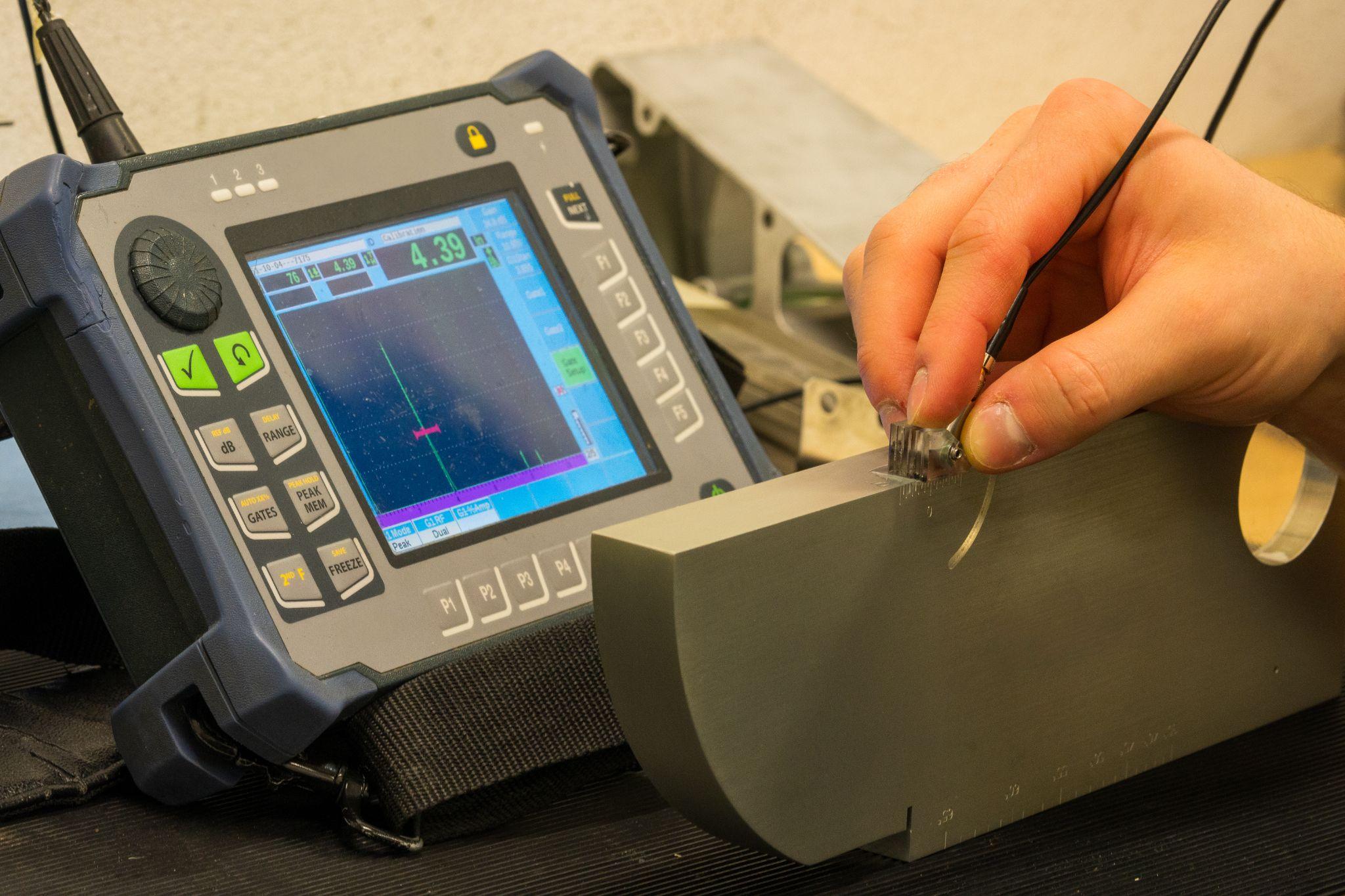
In industrial fields such as factories, ultrasonic sensors are used in a wide variety of ways.
Examples include liquid level detection in tanks, presence detection of parts or boxes on conveyors, and pallet presence/position detection.
Ultrasound is less affected by the target’s material or shape, enabling detection of granular materials and transparent objects—cases that can be difficult for optical sensors.
They are also used in ultrasonic flowmeters mounted on piping to measure internal fluid flow, and in double-sheet detection sensors that detect overlapping paper or sheet materials.
Ultrasonic flaw detectors have also long been used in non-destructive testing (NDT) to identify internal defects in materials.
Ultrasonic vs. Other Sensor Technologies: Key Comparison Points vs. Infrared and Laser
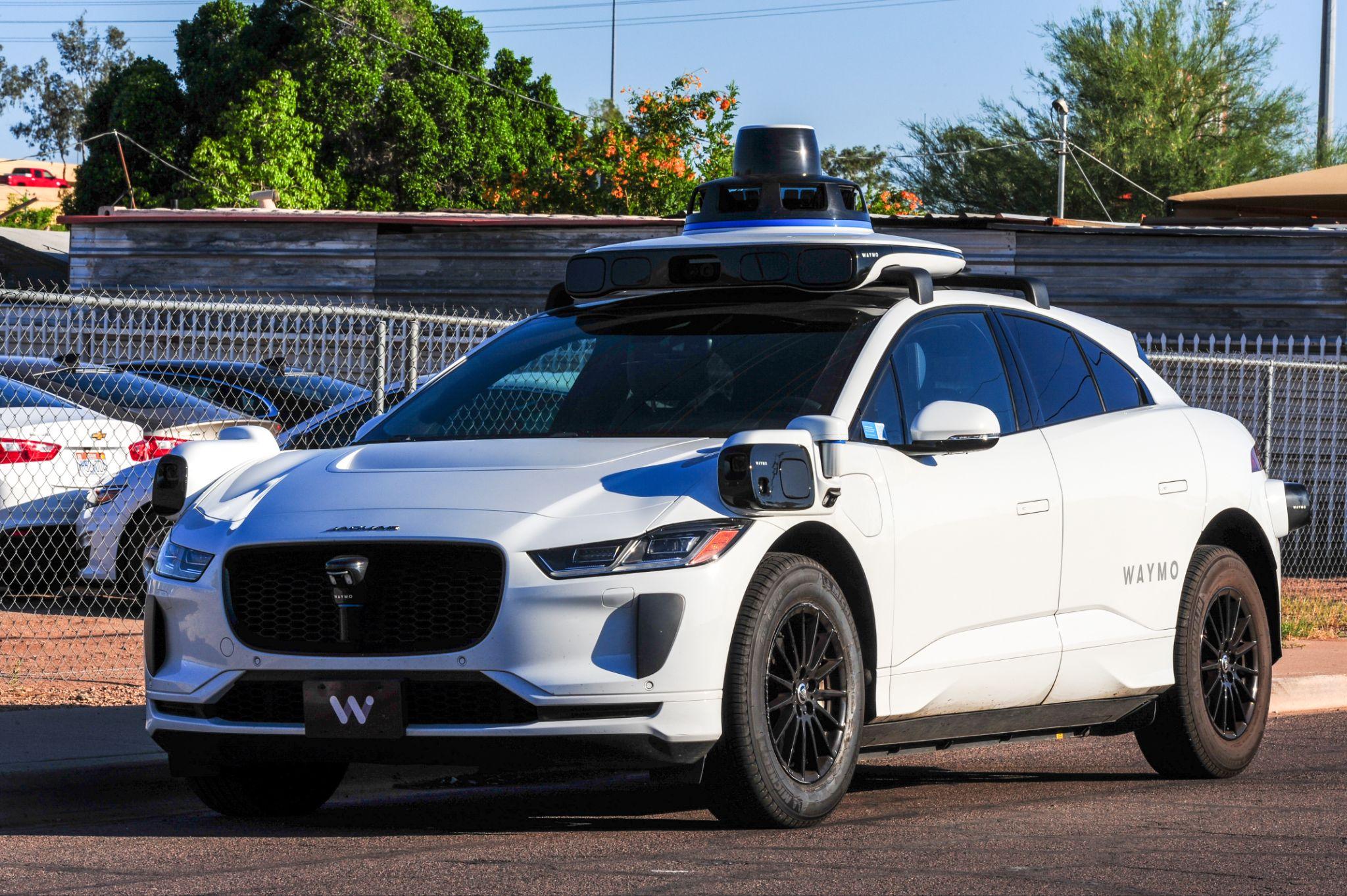
There are many types of distance sensors. In addition to ultrasonic sensors, infrared sensors and laser distance sensors (LiDAR) are widely used.
Each sensor type has strengths and weaknesses, so selection should be based on the application and environment.
Here, we compare the differences and characteristics of ultrasonic sensors versus other representative sensors and explain key points for selection in an easy-to-understand way.
Light-Based Sensing Enables Fast Response
Infrared distance sensors project infrared light—emitted by an LED, for example—onto a target and detect distance or presence by measuring reflected light or interruption.
Because they use light, their response is faster than ultrasonic methods, and they offer relatively low cost and non-contact measurement.
However, infrared sensors are easily affected by ambient light as well as dust and smoke. They can also lose sensitivity on low-reflectance black objects, making them prone to environment-induced errors.
As a result, the effective measurement distance is generally not as long as ultrasonic sensing and is limited to mid- to short-range use.
Because ultrasonic sensors use sound, they operate independently of ambient light and can detect stably even in smoky or foggy conditions. However, because sound propagates more slowly than light, response is not as fast as infrared methods, and rapidly changing distances or fast-moving objects may be difficult to detect.
High Accuracy and Long-Range Measurement—But with Cost and Safety Challenges
Laser-based distance sensors (optical sensors such as LiDAR) can calculate distance accurately and quickly over long ranges by measuring the time of flight of light.
Because lasers have extremely short wavelengths, they can detect small objects more easily and are increasingly used for applications requiring long range (tens of meters or more) and high accuracy, such as surrounding detection for autonomous vehicles.
However, laser-based sensors are generally more expensive than ultrasonic or infrared sensors, and depending on the high-power laser used, they can be harmful to human eyes—requiring safety measures. In addition, strong direct sunlight can introduce noise, and objects with unusual reflective properties such as puddles or glass may be missed.
Ultrasonic sensors offer advantages in cost and safety, but measurable distance is shorter than lasers (typically limited to several meters to around a dozen meters), and they do not match laser systems in precisely pinpointing position or distinguishing very small objects.
High Precision Positioning
- MT-Touch Switches -
0.5 μm repeatability without amplifier IP67, highly resistant to adverse environments
Click here ›Pros and Cons of Ultrasonic Sensors: Strengths and Limitations
Ultrasonic sensors are widely used across industrial fields as a non-contact measurement technology based on sound waves. Here we explain in detail the benefits (pros) and challenges (cons) you should understand before adoption.
Key Advantages of Ultrasonic Sensors, Including Material-Independent Detection
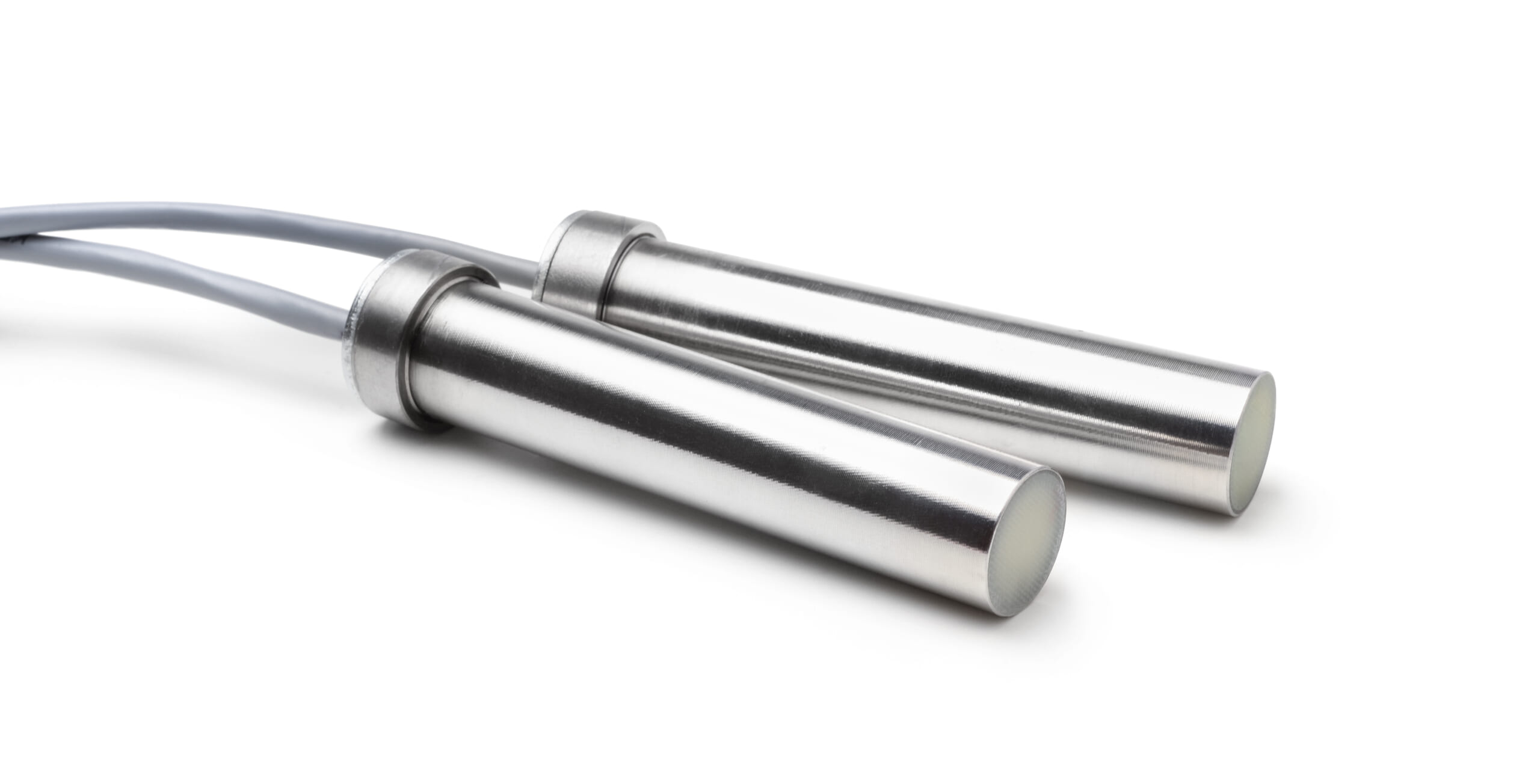
Wide-Ranging Detection Regardless of Material, Color, or Condition
Because ultrasonic sensors do not use visible light, they are not strongly affected by a target’s material, color, or condition. They can handle a broad range of targets, including solids such as metal, plastic, and wood, as well as liquids and powders.
They can reliably detect black objects and transparent materials that can be difficult for optical sensors, offering high versatility for cases where conventional optical sensors struggle.
Excellent Environmental Robustness for Stable Operation in Harsh Conditions
They can detect stably even under harsh conditions such as dusty factory environments, foggy or smoky areas, and dark locations. In environments where optical sensors fail due to light blockage or scattering, ultrasonic sensors can leverage acoustic properties to maintain reliable detection.
This enables highly reliable measurement in applications that demand tough environmental tolerance, such as manufacturing sites and outdoor equipment.
Accurate Data Acquisition via High-Precision Distance Measurement
Distance measurement accuracy is generally high, and some products offer resolution from a few centimeters down to millimeters depending on the application. By precisely measuring the round-trip time, the distance to the target can be determined with high accuracy.
This high-precision characteristic is effective in applications that require accurate distance data, such as positioning control, liquid level management, and inventory management.
Safety and Durability Through Non-Contact Measurement
They can detect from a distance without touching the target, and ultrasound is harmless to the human body—providing excellent safety. In addition, because the sensor has no moving parts, mechanical wear is minimal, which supports stable performance over long periods.
This enables measurement in hazardous areas that people cannot enter and supports long-term, maintenance-free operation.
Challenges to Understand Before Adoption and How to Address Them
Limits on Measurement Distance and Why
They are not well suited to long-distance measurement or detection; the effective measurable range is typically limited to several meters up to around a dozen meters. Even high-performance models are generally limited to several tens of meters.
This is due to ultrasonic attenuation and the influence of ambient noise. For applications requiring long-range measurement, it is necessary to combine ultrasonic sensing with other methods or use strategies such as deploying multiple sensors.
How Target Shape and Surface Condition Affect Detection Accuracy
Detection accuracy is strongly influenced by the target’s shape and surface condition. For slanted surfaces, the reflected echo may not return to the sensor, creating blind spots. Soft materials such as sponge or fabric can absorb sound waves, reducing detection sensitivity.
To address these issues, detection accuracy can be improved by adjusting the sensor mounting angle or combining multiple sensors.
Measurement Errors from Environmental Factors and How to Mitigate Them
Environmental factors such as ambient temperature and humidity change the speed of sound, causing errors in distance calculation. As temperature rises, the speed of sound increases and the detected distance tends to become longer; humidity also affects the speed of sound.
Also, because ultrasound propagates through air, it does not function in a vacuum environment.
When high accuracy is required, it is recommended to select products with built-in temperature compensation using a temperature sensor, or to perform periodic calibration as a countermeasure against environmental changes.
Response-Speed Constraints and Limits in High-Speed Applications
Because the propagation speed of ultrasound (about 340 m/s) is extremely slow compared with the speed of light (3×10^8 m/s), sensor response is slower than optical sensors. Therefore, ultrasonic sensors are not well suited to real-time tracking of fast-moving objects or detecting sudden distance changes.
For applications requiring high-speed response, some improvement is possible by increasing the measurement rate or combining predictive algorithms.
Resolution Challenges When Detecting Small Objects
Because ultrasonic wavelength is relatively large—ranging from several millimeters to several centimeters—there are limits to detecting extremely small objects or fine shapes. For small gaps or thin, wire-like obstacles, sound waves diffract and spread, making detection less distinct than optical sensors such as lasers.
If detection of fine targets is required, it is effective to select a higher-frequency ultrasonic sensor or consider using it together with an optical sensor.
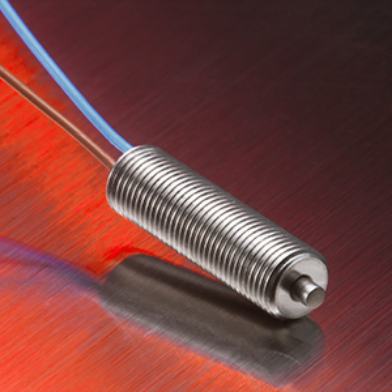
Switches for High Vacuum Class
- GN Switches -
High vacuum at 10-5Pa with low outgassing
Click here ›Latest Technologies and Future Potential: Expanding Application Areas
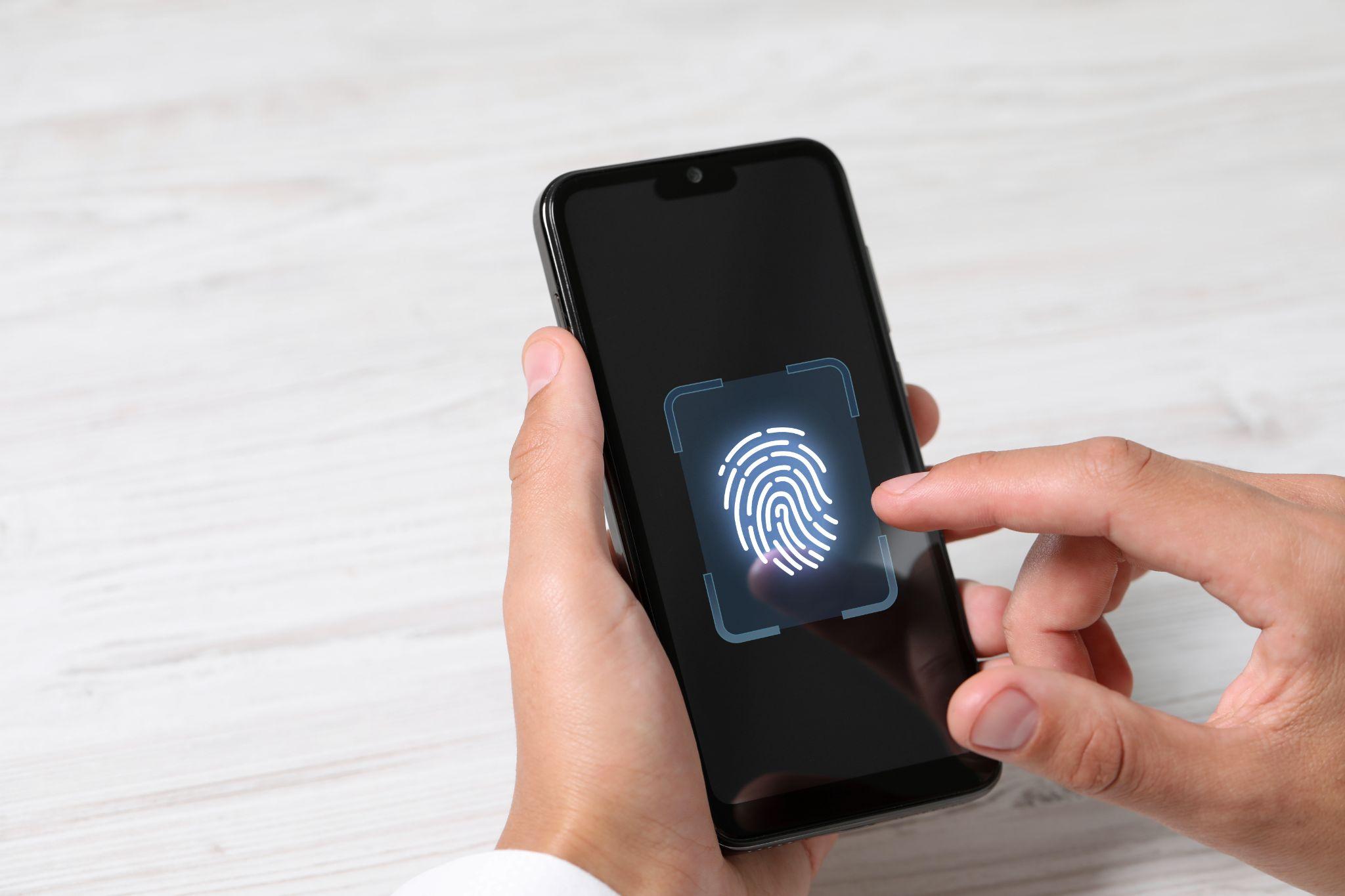
In recent years, R&D has advanced on micromachined ultrasonic transducers using MEMS technology.
MEMS ultrasonic sensors that integrate tiny ultrasonic transducers on silicon can be made smaller and thinner than conventional bulk piezoelectric elements. By arranging many transducers in an array and integrating them with CMOS circuitry, higher functionality and low-cost mass production become possible.
For example, ultrasonic in-display fingerprint authentication has started to be adopted in smartphones: ultrasonic pulses are applied to the finger surface, and fingerprint ridges and valleys are identified from the returning reflection pattern.
Compared with optical methods, these ultrasonic fingerprint sensors offer stronger security and can operate even when the screen is wet.
MEMS ultrasonic technology is also being explored for new user interfaces such as gesture recognition. With smaller size and lower power consumption, integration into wearable devices and IoT sensors is also progressing.
In the automotive field, standard interface development is progressing to efficiently integrate in-vehicle ultrasonic sensors into centralized ECUs and sensor fusion systems.
For example, by connecting ultrasonic sensors via a digital communication standard called DSI3, wiring can be simplified and data transmission can achieve lower latency and higher bandwidth. Together with sensor downsizing and cost reduction, this is driving expansion of ultrasonic sensor applications.
As a result, research is progressing not only for parking assistance, but also to integrate ultrasonic sensor data with other sensors and apply it to autonomous driving functions.
Meanwhile, ultrasonic sensor technologies are also becoming more advanced in other fields such as industry and medicine.
Research topics include high-resolution imaging and precision non-destructive testing using higher-frequency ultrasound; wearable ultrasonic sensors that attach to clothing or skin to measure internal body information; and technologies that use ultrasound as a communication method between implanted medical devices.
In addition, new functions leveraging ultrasound are drawing attention, including devices that focus ultrasonic beams in midair to generate haptic feedback, wireless power transfer using ultrasound, directional speakers using acoustic lenses (devices that deliver sound in a specific direction), and applications to haptics and distance sensing in VR/AR.
In this way, ultrasonic sensors—thanks to their non-contact, versatile characteristics—are expected to continue seeing R&D across areas such as measurement, control, and communication.
What Are Metrol’s High-Precision Positioning Sensors?
In recent years, ultrasonic sensors have been widely used for distance detection and obstacle avoidance. However, in machining environments where positioning accuracy at the μm (micrometer) level is required, contact-type sensors remain the mainstream.
Metrol’s high-precision positioning sensors can stably and reliably detect micron-level misalignment and confirm contact—tasks that are difficult for ultrasonic sensors—making them essential for high-precision control of CNC machine tools and industrial robots.
Here, we introduce Metrol’s representative products—touch switches, tool setters, probes, and pneumatic sensors—and how to use them appropriately alongside ultrasonic sensors.
High-Precision Positioning Touch Switches
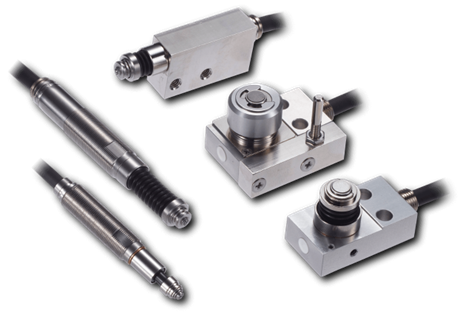
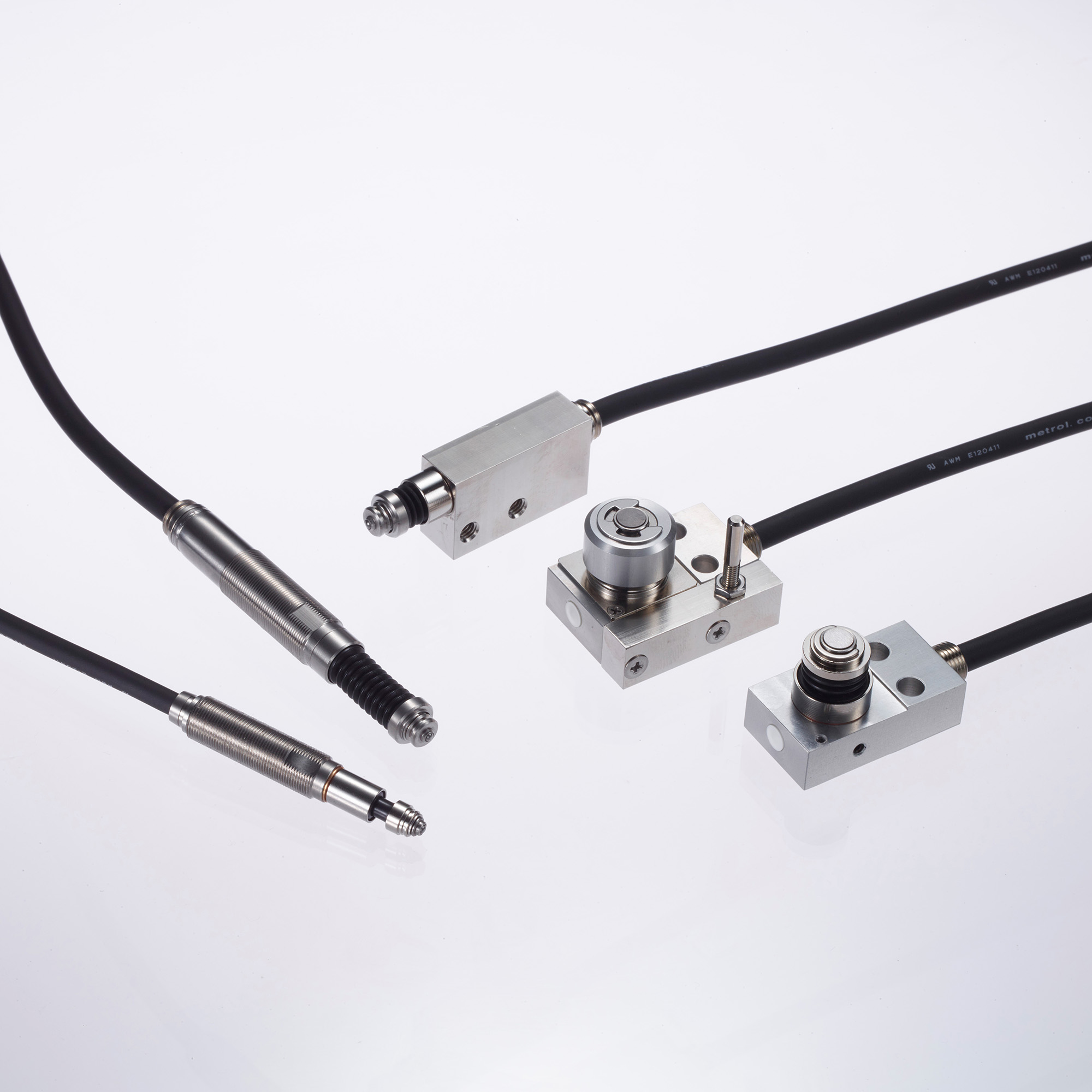
These are contact-type high-precision switches used for positioning and workpiece presence detection in machine tools, robots, and jigs. They achieve an extremely high repeatability of up to 0.5 µm and feature IP67-rated waterproof and dustproof protection, ensuring stable operation even in harsh environments. With more than 200 standard models available, they offer a wide range of variations, including designs for confined spaces, high-temperature environments, vacuum applications, and low contact force requirements.
Tool Setter (Tool Length Measurement Sensor)
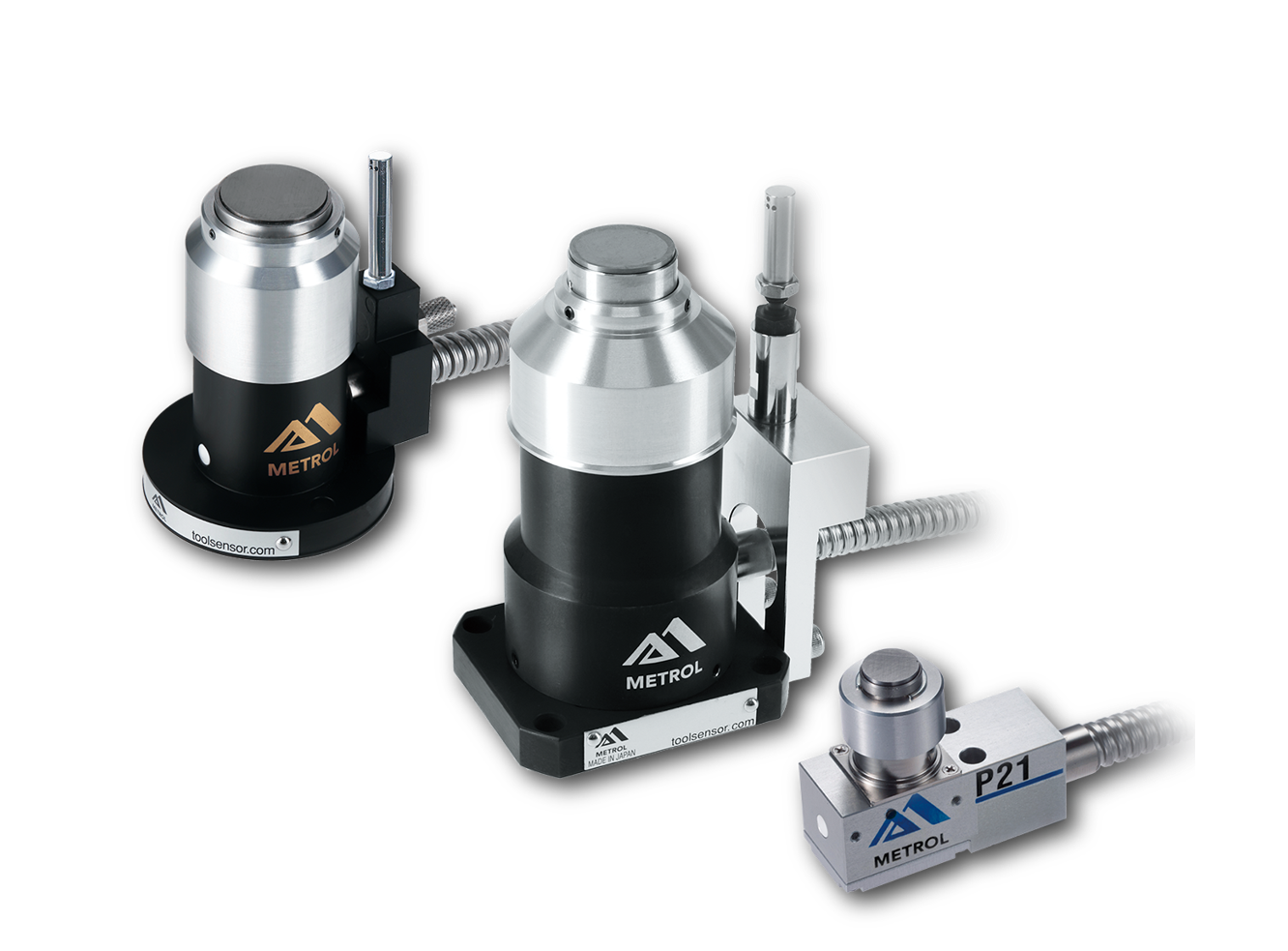
This is a contact-type sensor installed on CNC machine tools and industrial robots for tool length measurement, reference position setting, and tool breakage detection. By automatically measuring and compensating for tool length, wear, and thermal displacement inside the machine, it helps prevent machining defects and significantly reduces setup time. It is one of Metrol’s best-selling products, with a proven track record of more than 500,000 units shipped in 74 countries worldwide.
Touch Probe (On-Machine Measurement Probe)
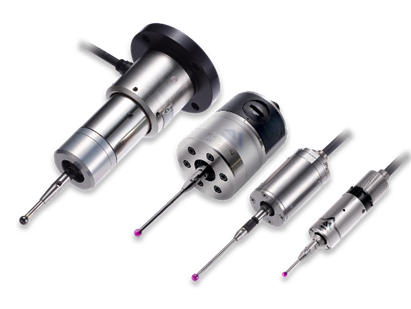
This is a contact-type probe for in-machine measurement, installed on machine tools and robots to automatically perform workpiece positioning (centering) before machining and dimensional measurement after machining. With a repeatability of 1 µm, it automates workpiece referencing and dimensional inspection, replacing skilled manual operations to reduce setup time and help prevent machining defects. Both wired and wireless models are available, meeting retrofit needs for 5-axis machining centers and robotic applications.
Air Gap Sensor (Pneumatic Sensor)
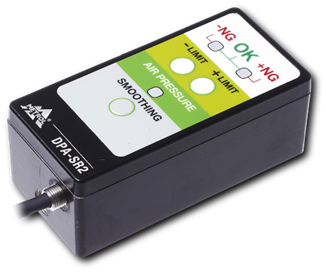
This is a non-contact sensor that uses air pressure to detect workpiece seating conditions with micron-level accuracy. It can detect gaps (“lift”) of less than 10 µm—previously difficult to measure—with a repeatability of ±0.5 µm, helping prevent machining defects and equipment downtime caused by insufficient contact between the workpiece and fixture. The sensor is used in applications such as semiconductor manufacturing processes, precision part clamping operations, and grinding wheel positioning on grinding machines, and it is a smart sensor that also supports the international standard IO-Link communication.
