
What Is a Vacuum Chamber? Basics, Types, and Key Points for Manufacturing and Design
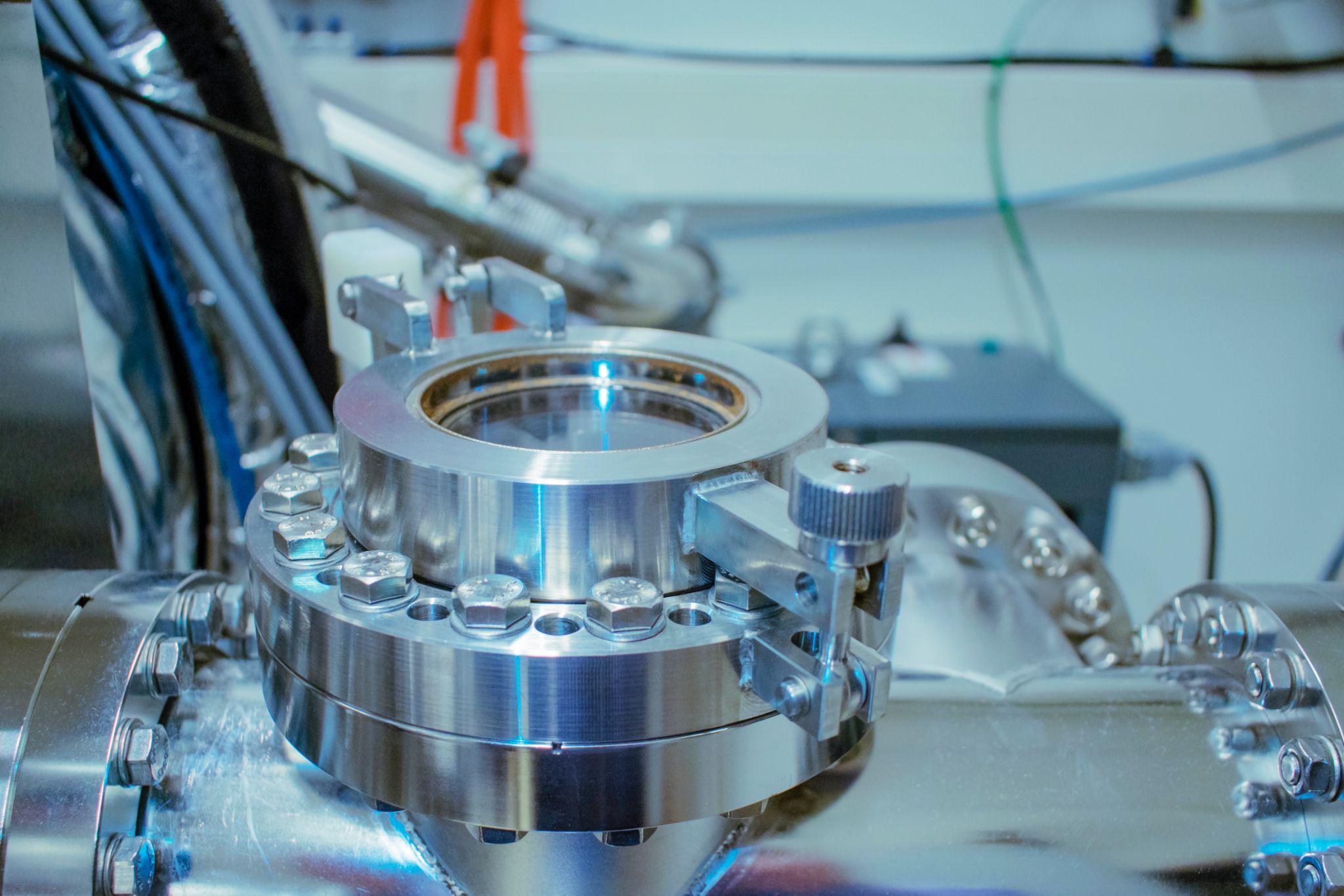
Vacuum chambers are foundational equipment for high-quality manufacturing and advanced technology development. From thin-film deposition processes in semiconductor production to environmental testing of aerospace equipment, they enable precision processing and evaluation that would otherwise be impossible by providing a controlled environment that eliminates atmospheric effects.
They are also increasingly used in machine tools and metalworking for a wide range of applications such as vacuum degassing, vacuum drying, and surface treatment.
This article provides practical, hands-on knowledge—from the basic structure and operating principles of vacuum chambers to real-world use cases on manufacturing floors, operational best practices, and approaches to improving cost efficiency.
Table of Contents
What Is a Vacuum Chamber?
A vacuum chamber is a sealed vessel that can maintain a vacuum condition inside (an environment at a pressure lower than atmospheric pressure). It is a central component of a vacuum system; since the chamber itself does not create a vacuum, a vacuum pump is connected to remove gas from the interior and establish the vacuum environment.
In general, a vacuum refers to a state at a pressure lower than atmospheric pressure (1 atm ≈ 1013 hPa), and the required vacuum level (degree of vacuum) varies depending on the application.
For example, vacuum ranges span from rough vacuum on the order of several hundred hectopascals to ultra-high vacuum used in semiconductor manufacturing and research at 10-7 Pa (10-9 Torr) or below. Vacuum chambers are designed and material-selected according to the target vacuum level, and the type of vacuum pump is chosen accordingly.
Main Structure and Components
Vacuum chambers are typically metal vessels that achieve a specified low-pressure environment by evacuating air (gas) from the interior. Common materials include stainless steel, aluminum alloys, and carbon steel—durable, vacuum-compatible materials that provide sufficient strength to withstand external atmospheric pressure without collapsing.
Depending on the application, shapes vary widely—rectangular (box-type), cylindrical, spherical, and more—and custom complex geometries can also be accommodated. At the boundary with the atmosphere, measures are implemented to prevent gas leakage from the inside and ingress from the outside.
Flanges and Ports
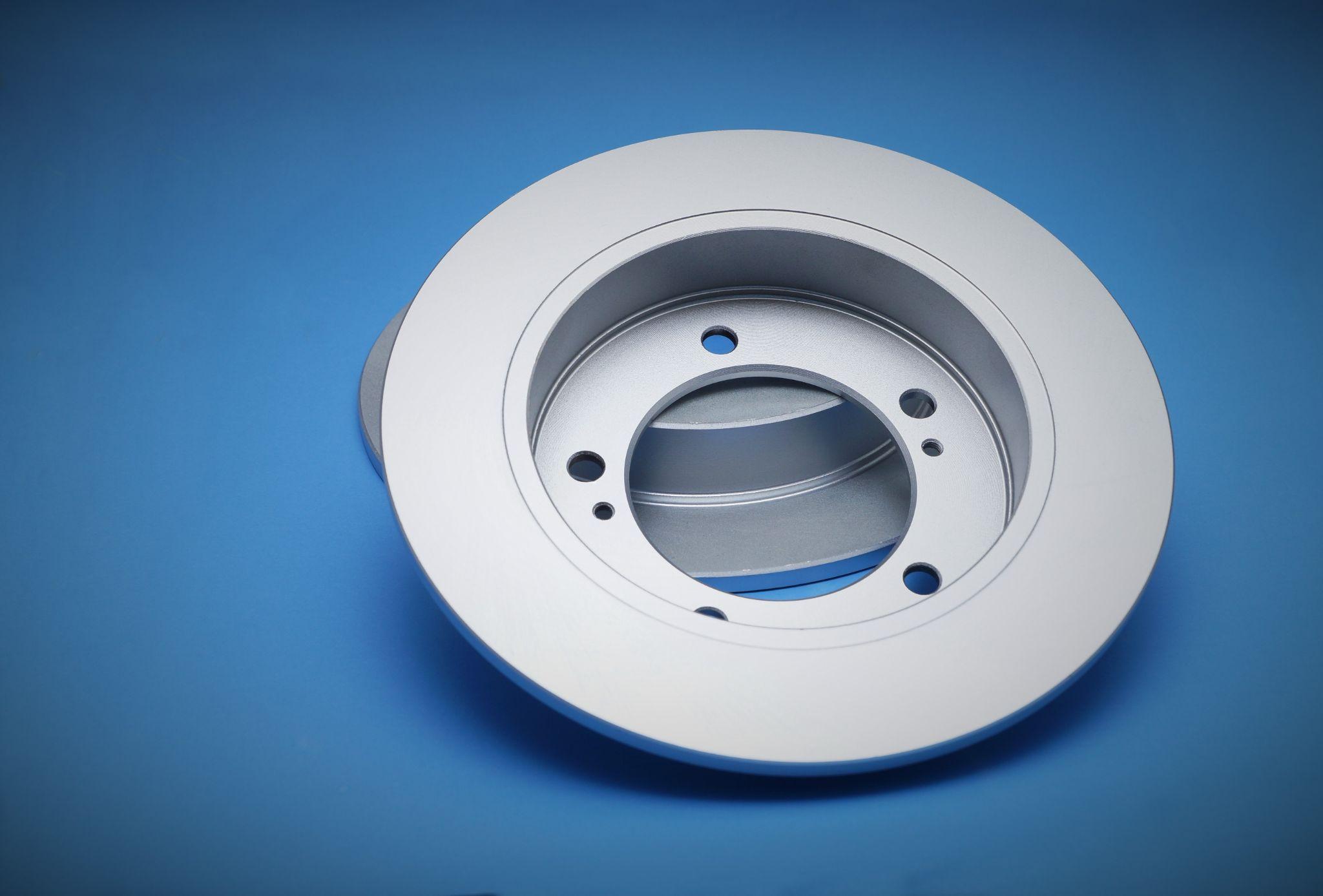
The chamber walls include openings (ports) for mounting components such as vacuum pumps, measurement sensors, and sample load/unload access. These connection points are equipped with standardized vacuum flanges (e.g., KF flanges, CF flanges).
Flanges are fastened with clamps or bolts and vacuum-sealed to connect various devices. To maintain high airtightness, machining accuracy of flanges and joints is critical; therefore, vacuum chamber manufacturing involves precision welding and polishing.
When needed, transparent glass windows (viewports) may be installed, enabling visual observation of the interior and the introduction of laser light.
Seals (Gaskets)
A gasket (packing) is placed between flanges as a sealing material to prevent vacuum leaks. In relatively low to medium vacuum ranges, seals using synthetic rubber O-rings (e.g., fluororubber O-rings) are common; however, in high-vacuum and ultra-high-vacuum ranges, knife-edge metal seals using metal gaskets (such as a ConFlat flange with a copper gasket) are essential.
Metal seals have far lower gas permeation than rubber and offer superior heat resistance. As higher vacuum levels are required, it is standard practice to shift from compliant rubber seals to robust metal seals.
These measures maintain the chamber’s airtightness and keep the vacuum environment stable for extended periods.
Switches for High Vacuum Class
- GN Switches -
High vacuum at 10-5Pa with low outgassing
Click here ›Types of Vacuum Chambers
Vacuum chambers come in various types depending on application and scale. They range from small laboratory units to massive testing facilities, with a wide variety of sizes and vacuum levels, and their structures and operating methods differ accordingly. Typical examples include the following.
Benchtop Vacuum Chambers
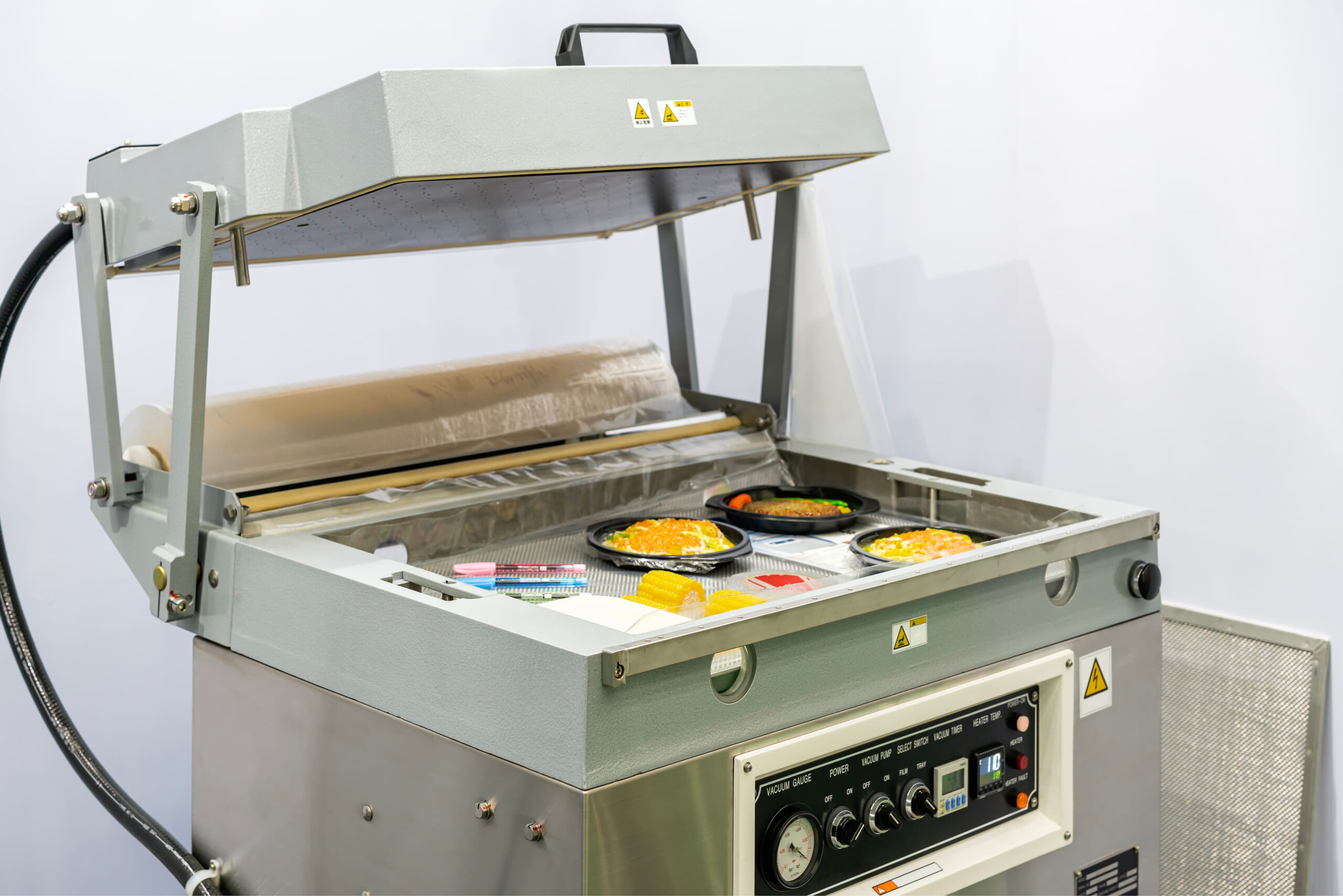
These are small, tabletop chambers that can be easily handled in laboratories or workshops. Typical examples include vacuum desiccators consisting of an acrylic vessel and a small pump, used for resin degassing to remove bubbles from samples and for small-scale vacuum experiments.
Transparent acrylic versions allow visual inspection of the interior, but due to material strength and gas permeation, the achievable vacuum level is typically limited to the medium-vacuum range. Small stainless-steel chambers are also used for preprocessing electron microscope samples and for small-scale process experiments.
Large Vacuum Chambers
These are vacuum chambers installed as large-scale facilities, with diameters ranging from several meters to several tens of meters. Huge vacuum chambers are used for vacuum-environment testing of satellites and spacecraft; a well-known example is the dome-shaped chamber (Space Power Facility) at NASA’s Glenn Research Center in Ohio.
Such chambers are designed to withstand atmospheric pressure using thick steel plates and internal reinforcement structures, and they typically include large doors and airlocks for loading and unloading test articles. In research facilities, large chambers are also used to reproduce high-altitude environments (e.g., testing aircraft equipment).
Ultra-High Vacuum Chambers
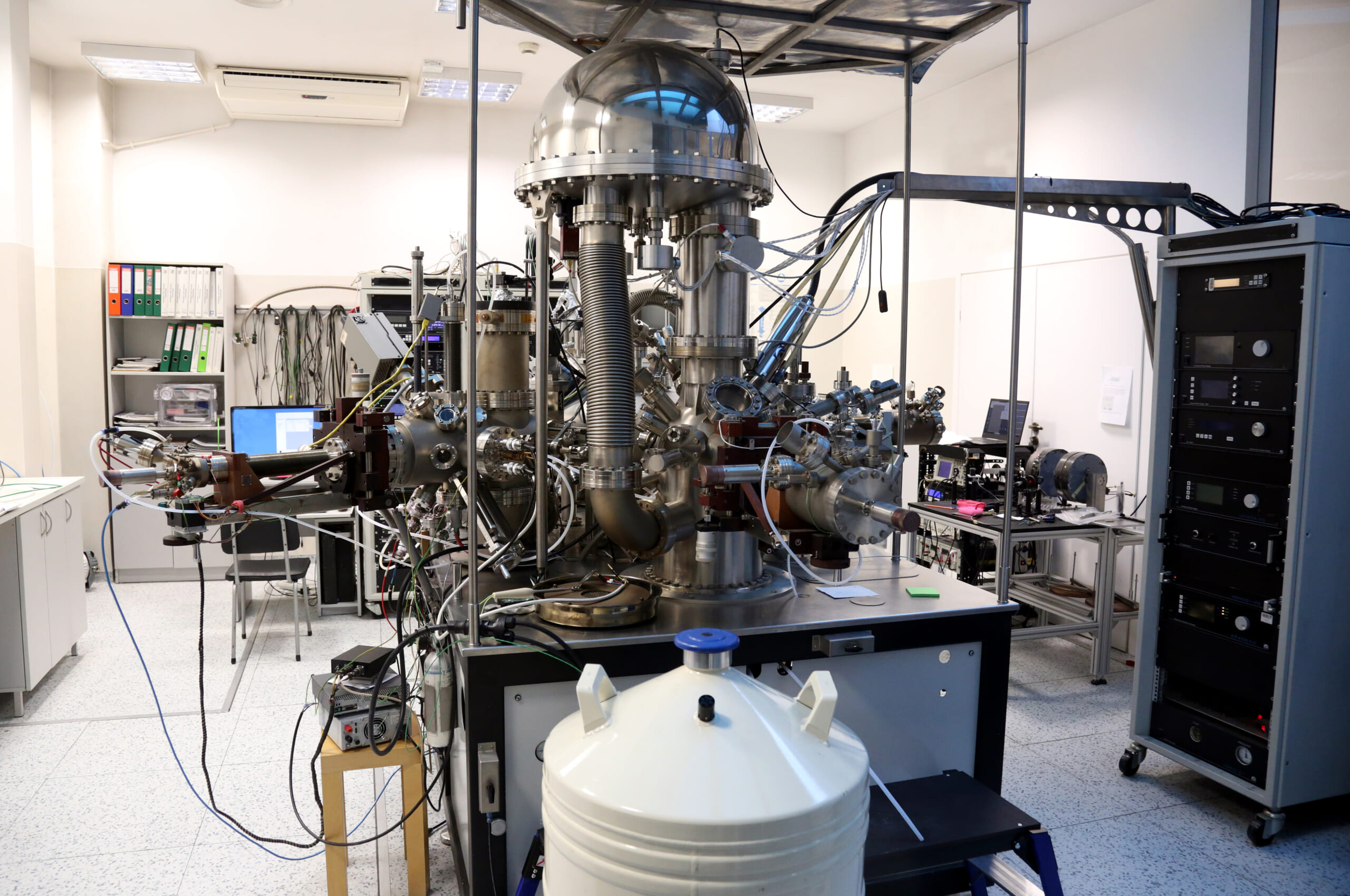
These are specialized chambers designed to achieve extremely high vacuum levels known as UHV (ultra-high vacuum), for example on the order of 10-5 to 10-8 Pa. Low-impurity stainless steel is commonly used, and the structure allows bake-out (vacuum heating) by heating the entire chamber to drive off gas molecules adsorbed on the internal surfaces.
All connections use metal seals, and to minimize outgassing, internal components are standardized as much as possible on vacuum-compatible materials such as metals and ceramics. Ultra-high vacuum chambers are indispensable for surface physics and materials science experiments (e.g., surface analysis instruments and scanning tunneling microscopes) as well as semiconductor lithography systems (EUV lithography).
In addition, particle accelerator beamlines and fusion experimental devices employ large-scale, advanced vacuum chamber technologies to maintain vast UHV volumes.
Application Areas and Typical Uses
Vacuum chambers are used across a broad range of fields. By creating a special environment with extremely low oxygen and moisture, they enable materials and equipment to be handled under conditions different from those in ambient air. Below are representative application areas and typical uses.
Semiconductor Manufacturing
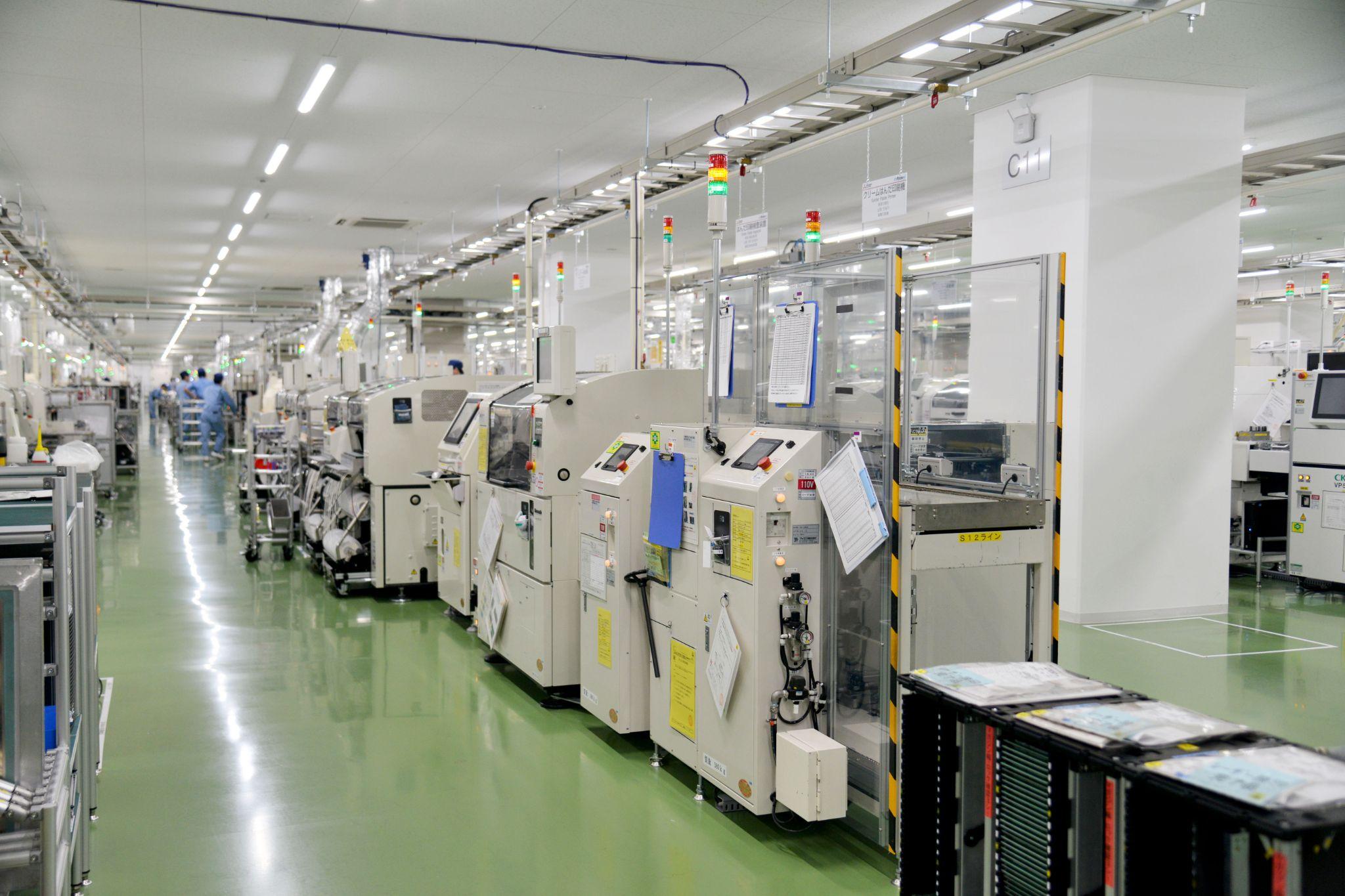
In semiconductor device manufacturing, vacuum chambers are used in many processes such as film formation (thin-film deposition), etching (microfabrication), drying, and ashing. For example, plasma CVD systems and sputtering systems maintain high vacuum inside the chamber to form high-quality thin films on silicon wafers without contaminant inclusion.
Using a vacuum environment prevents contamination from oxygen and particles, ensures film thickness uniformity, and enables precise control of chemical reactions and deposition processes.
In the latest EUV lithography systems, the entire optical path must be sealed in vacuum chambers because extreme ultraviolet light attenuates in air. Vacuum technology is a foundational technology essential for improving yield and precision in semiconductor manufacturing.
R&D and Scientific Experiments
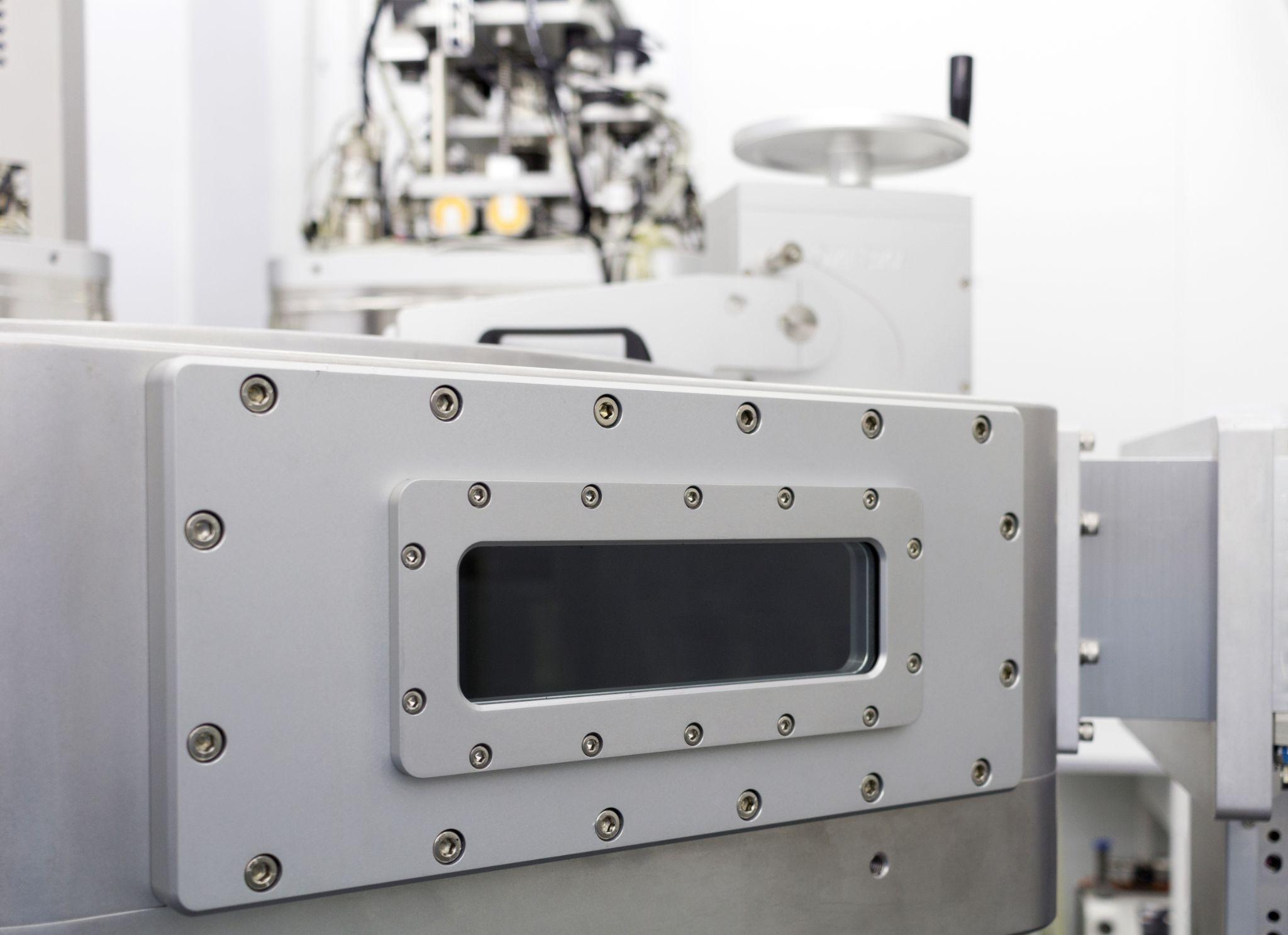
Vacuum chambers are widely used in academic research and industrial technology development. In materials science, analyzing and testing samples in vacuum eliminates the effects of oxygen and moisture in air, enabling evaluation of intrinsic properties.
Examples include observing microstructures by irradiating samples with electron beams or ion beams inside a vacuum chamber, and testing the durability of new materials under high-vacuum, cryogenic conditions that simulate outer space. In physics, particle accelerator beamlines are also a type of vacuum chamber, maintaining ultra-high vacuum so particles can travel without colliding with air molecules.
In fusion experimental devices, the inside of the vessel must be evacuated to confine fuel gas, making vacuum chamber technology a critical element for such large-scale equipment.
In this way, vacuum chambers serve as test equipment that provides a clean environment, supporting activities from basic research to applied development.
Space Environment Testing
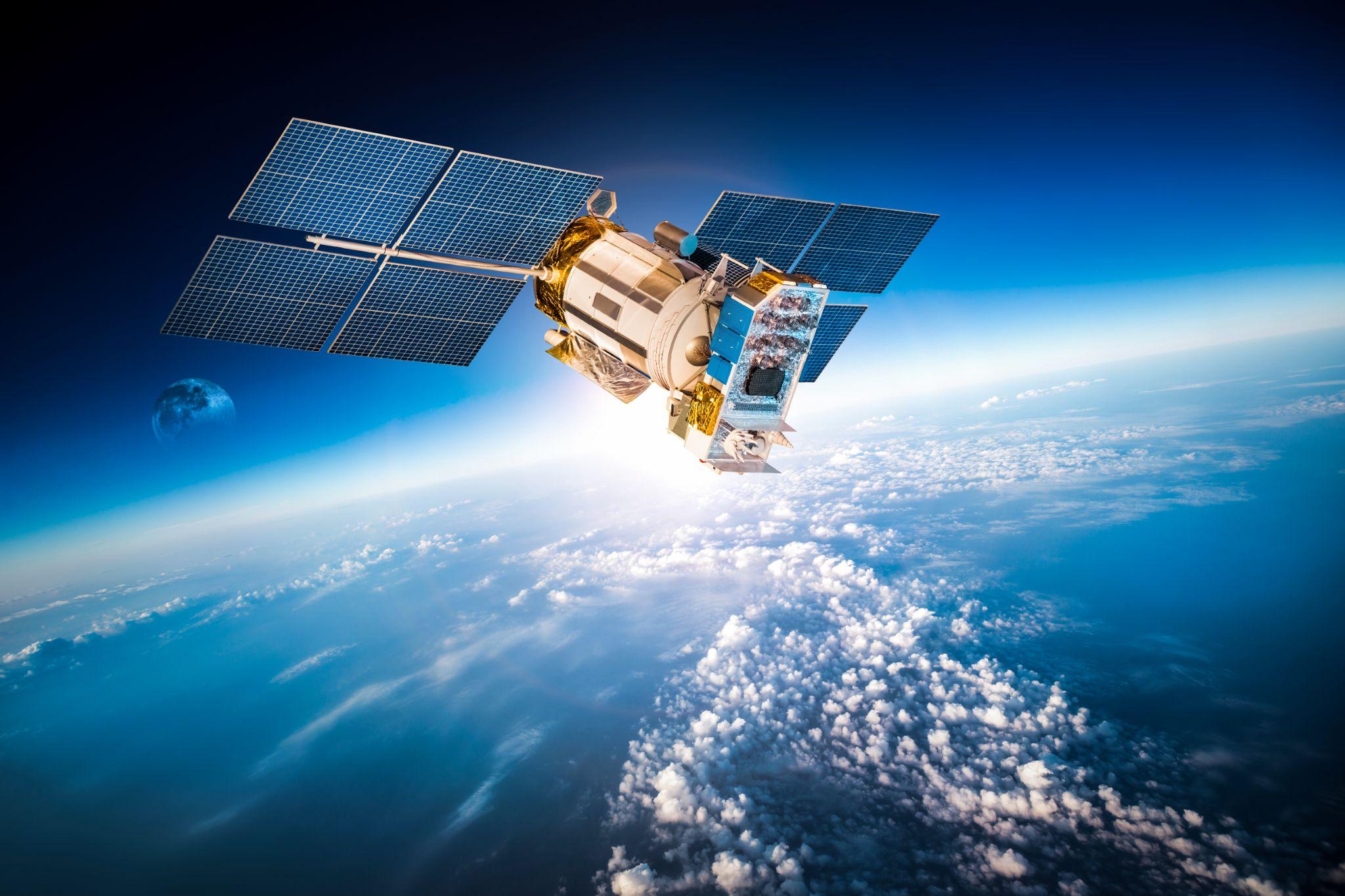
In ground testing of satellites and space equipment, vacuum chambers are used to reproduce the extremely low-pressure environment and temperature variations of outer space. Since outer space is nearly a vacuum (approximately 10-4 Pa or lower), it is necessary to verify whether onboard satellite equipment, spacesuits, and probe components operate properly under those conditions.
In large space-environment simulators, the chamber is evacuated to high vacuum while the inner walls are cooled with liquid nitrogen and similar methods to simulate the vacuum and low-temperature conditions of space. Facilities capable of reproducing the space environment on the ground are limited, but vacuum chambers are highly useful because they can reproduce space-like vacuum conditions relatively easily.
In fact, NASA conducts vacuum testing of the Orion spacecraft in a large chamber on the order of 30 m in diameter. In Japan as well, space-environment test vacuum chambers are installed at JAXA and university research institutes, and they are used for thermal-vacuum testing of satellites and lifetime testing of space equipment.
Switches for High Vacuum Class
- GN Switches -
High vacuum at 10-5Pa with low outgassing
Click here ›Key Manufacturing and Design Considerations from Practical Experience
To achieve a high-performance vacuum chamber, it is necessary to pay attention to the following manufacturing and design considerations.
Leak Prevention and Sealing Technologies
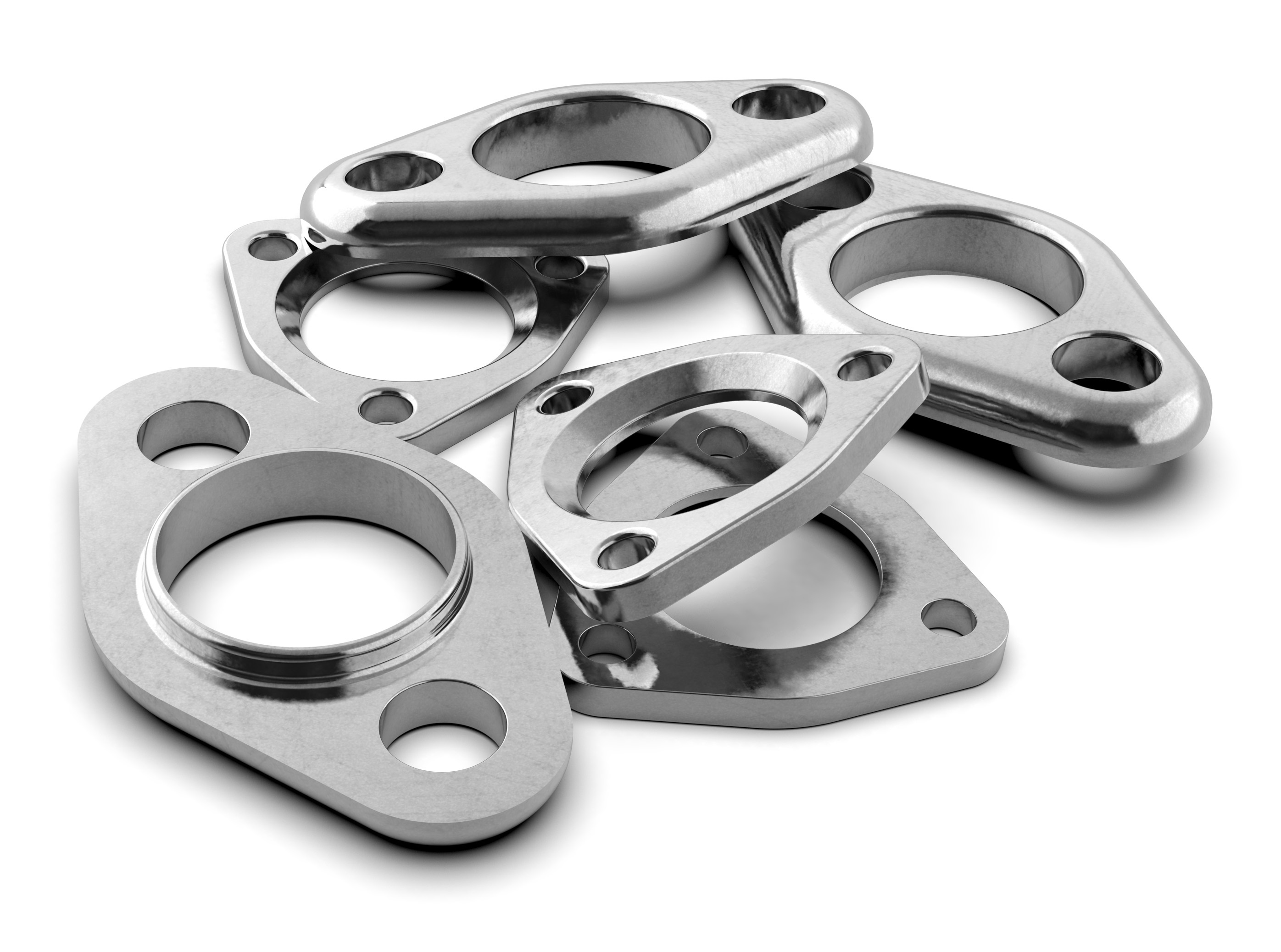
Vacuum chambers require extremely high airtightness, and leakage through invisible micro-gaps is not acceptable. Therefore, joints are sealed reliably, and vacuum leak testing using helium leak detectors is performed on welds and flange connections.
Seal selection is also critical, and the optimal gasket is chosen based on the required vacuum level. As described earlier, elastic O-rings are used for low to medium vacuum, metal gaskets are used for high vacuum and above, and in ultra-high vacuum, sufficient airtightness cannot be achieved without knife-edge, metal-to-metal face-contact sealing.
Joint structures are also engineered—for example, bolt holes are not made as blind holes but are through-holes, or vent grooves are added on the inner side so gas does not accumulate around fastened areas. These design choices effectively create a “leak-free vessel.”
Material Selection and Outgassing Countermeasures
In vacuum, even trace gas release from materials (outgassing) hinders improvements in vacuum level. For this reason, vacuum chamber materials are selected to minimize outgassing while offering excellent mechanical strength and corrosion resistance.
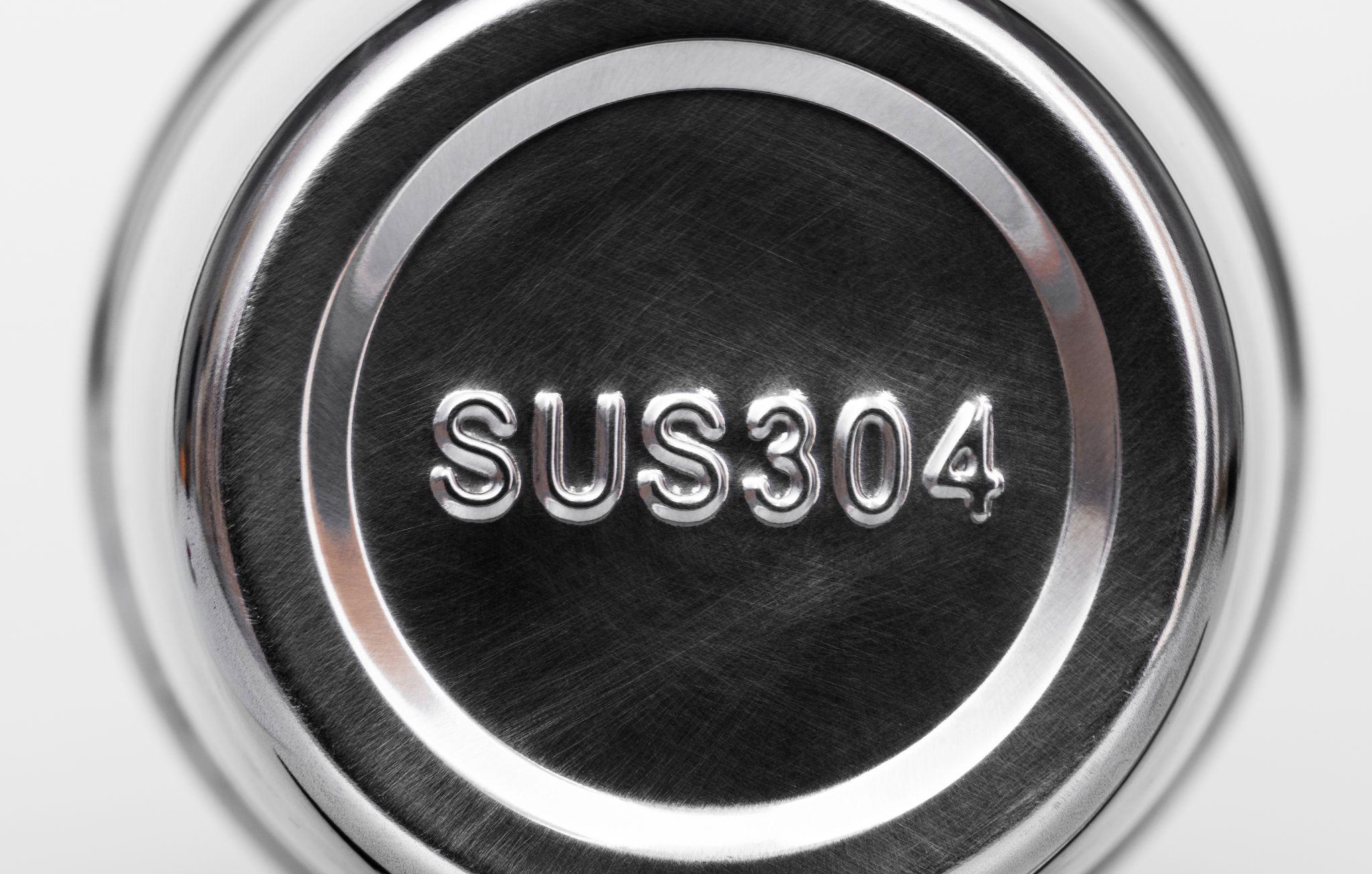
Stainless steel (such as SUS304 or SUS316L) is widely used, but depending on the application, aluminum alloys, titanium, or μ-metal (permalloy) may also be selected. When fabricating chambers from carbon steel, measures such as nickel plating, chromium plating, and buff polishing are applied to internal surfaces to reduce oxide films and adsorbed gases.
Components used inside the chamber (bolts, trays, etc.) are also standardized on low-outgassing materials, and the use of rubber and plastics is minimized. After assembly, high-temperature vacuum bake-out can drive moisture and residual gases out of the chamber, pushing the vacuum level toward its practical limits.
Outgassing countermeasures and appropriate material selection are especially critical factors that determine the performance of high-vacuum and ultra-high-vacuum chambers.
Structural Design Considerations
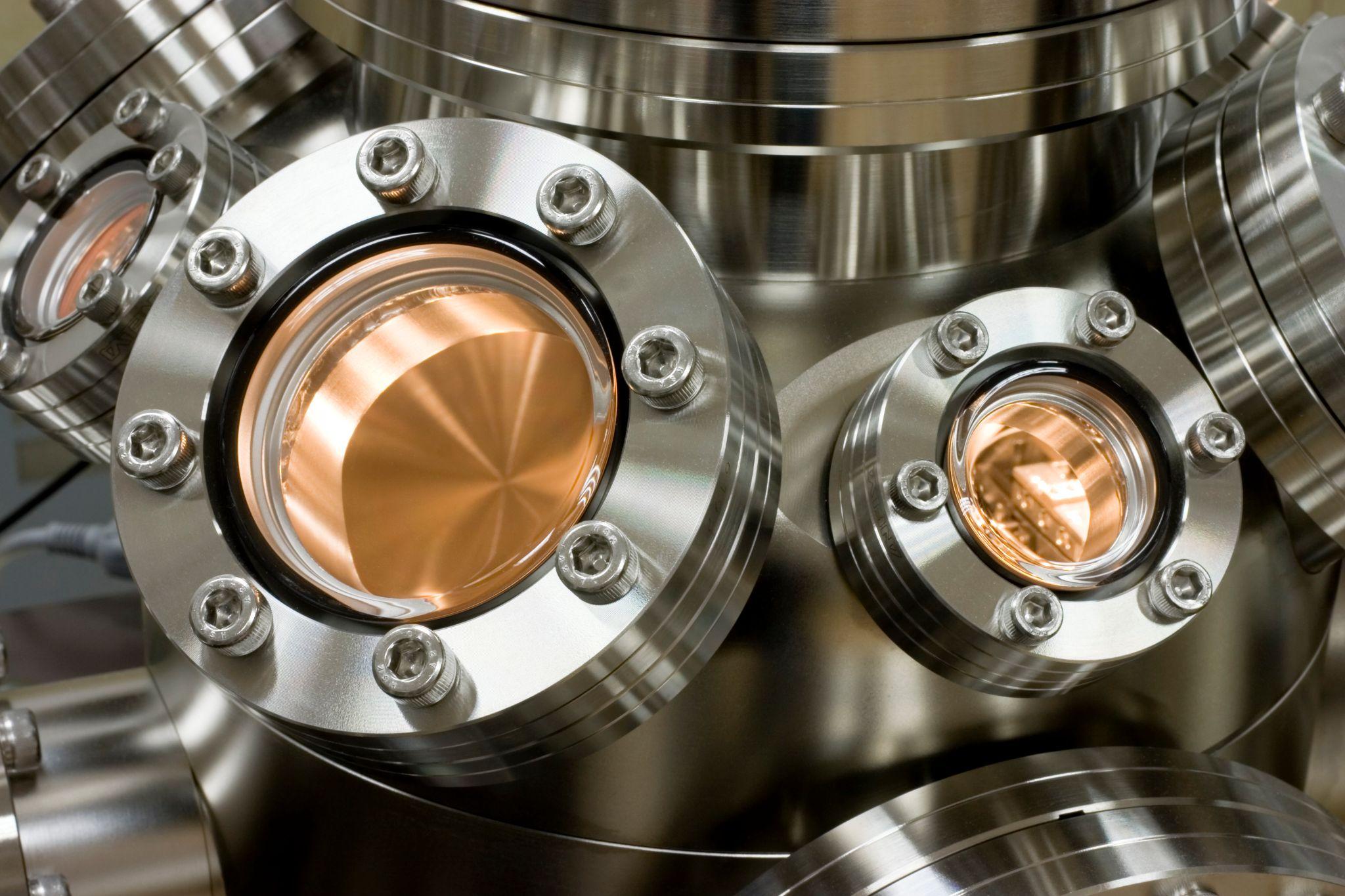
Vacuum chamber design incorporates many considerations to create a vacuum environment safely and efficiently. The vessel thickness and reinforcing ribs are calculated to withstand compressive forces from atmospheric pressure when the interior is evacuated.
For large-volume chambers, finite element analysis may be used to distribute stress, and external reinforcement frames may be added as needed. User convenience is also considered, optimizing port and viewport placement, door and hatch mechanisms, and the shapes of internal trays and sample stages.
When temperature control or lighting is required, heaters, cooling lines, and lighting LEDs are installed inside the chamber, and their wiring and piping are connected to the outside via vacuum feedthroughs. In some cases, assembly and unpacking are performed in cleanrooms to maintain a clean vacuum environment, and cleanliness control and precision cleaning are rigorously enforced from the manufacturing stage.
Overall, vacuum chamber design and manufacturing involve advanced engineering centered on three pillars: “no leaks,” “no unnecessary gas release,” and “safely meeting the required functions.”
Switches for High Vacuum Class
- GN Switches -
High vacuum at 10-5Pa with low outgassing
Click here ›Major Global and Japanese Manufacturers and Example Products
Many manufacturers worldwide produce and supply vacuum chambers; below are examples of major companies and representative products.
Major Global Manufacturers
| Company | Country/Region | Key Features/Strengths (Summary) |
|---|---|---|
| Pfeiffer Vacuum | Germany | A major supplier offering comprehensive solutions from vacuum pumps to chambers |
| Terra Universal | USA | Strong in cleanroom equipment and research vacuum chambers; significant share in stainless-steel vacuum chambers |
| Kurt J. Lesker Company | USA | Established vacuum components and equipment manufacturer; extensive track record with standard aluminum and custom chambers for high vacuum and UHV, widely used in research institutions |
| Edwards | UK (origin) | Globally recognized vacuum equipment manufacturer |
| MDC Precision | USA | Provides precision chambers and flanges for semiconductors and research |
Major Japanese Manufacturers
| Company | Country/Region | Key Features/Strengths (Summary) |
|---|---|---|
| ULVAC | Japan | A comprehensive manufacturer centered on vacuum technology, spanning vacuum pumps to deposition equipment (e.g., vacuum furnaces and chambers for leak testers) |
| Canon Anelva | Japan | Strong in vacuum deposition equipment for semiconductors; leads global markets with sputtering systems leveraging vacuum chamber technology |
| Sanplatec | Japan (Osaka) | Well known for transparent acrylic vacuum desiccators (benchtop type); also supports custom large products (e.g., large acrylic vacuum vessels) |
| Hoei Seisakusho | Japan (Osaka) | Manufactures a wide range of stainless-steel vacuum vessels |
| ARIOS | Japan (Tokyo) | A stainless-steel vacuum vessel manufacturer with strengths in UHV chamber fabrication |
| Akada Kogyo | Japan (Nagano) | Proven track record with large “space chambers” for space-environment testing |
| Seinan Kogyo | Japan (Osaka) | A long-established manufacturer of large vacuum vessels |
| Sumitomo Heavy Industries | Japan | Supplies vacuum components (flanges, valves, etc.) that support domestically produced chambers |
| Kyowa Vacuum Engineering | Japan | A manufacturer of vacuum components (flanges, valves, etc.) |
What Are Metrol’s High-Precision Positioning Sensors?
While vacuum chambers enable high-precision processing in specialized environments, positioning components and measuring tools inside a chamber present unique challenges.
METROL’s high-precision positioning sensors offer a wide range of variations, including vacuum-compatible models, to meet precision positioning needs from special environments to general machining, achieving ultra-high-precision detection with 0.5 μm repeatability.
High-Precision Positioning Touch Switches
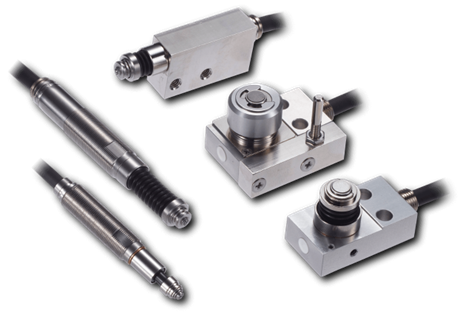
These are contact-type high-precision switches used for positioning and workpiece presence detection in machine tools, robots, and jigs. They achieve an extremely high repeatability of up to 0.5 µm and feature IP67-rated waterproof and dustproof protection, ensuring stable operation even in harsh environments. With more than 200 standard models available, they offer a wide range of variations, including designs for confined spaces, high-temperature environments, vacuum applications, and low contact force requirements.
Tool Setter (Tool Length Measurement Sensor)
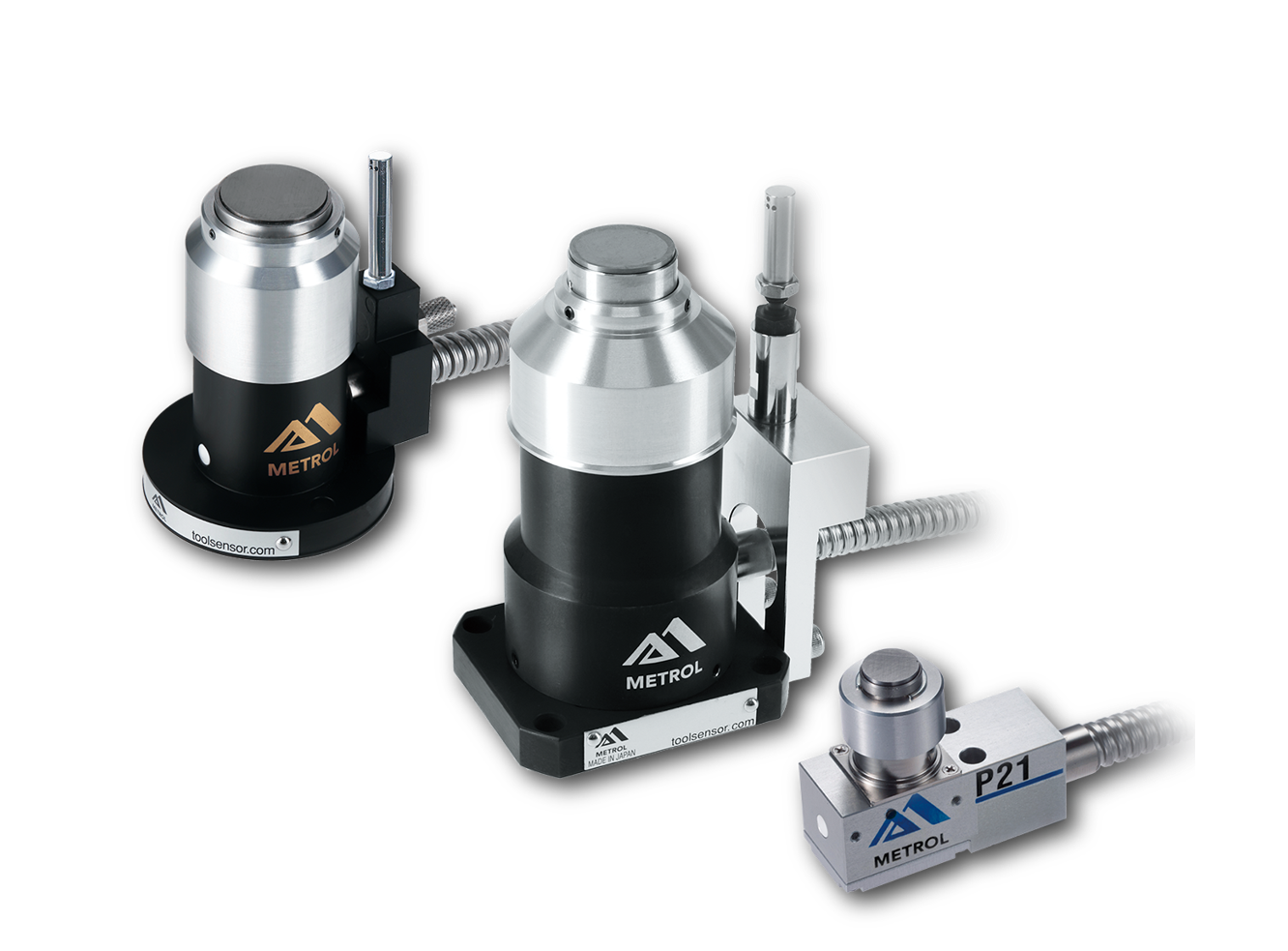
This is a contact-type sensor installed on CNC machine tools and industrial robots for tool length measurement, reference position setting, and tool breakage detection. By automatically measuring and compensating for tool length, wear, and thermal displacement inside the machine, it helps prevent machining defects and significantly reduces setup time. It is one of Metrol’s best-selling products, with a proven track record of more than 500,000 units shipped in 74 countries worldwide.
Touch Probe (On-Machine Measurement Probe)
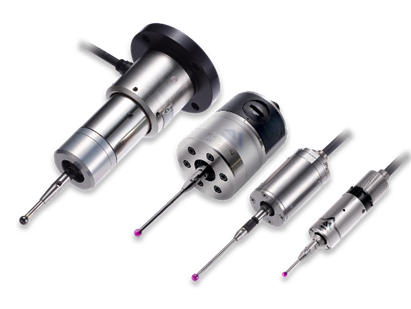
This is a contact-type probe for in-machine measurement, installed on machine tools and robots to automatically perform workpiece positioning (centering) before machining and dimensional measurement after machining. With a repeatability of 1 µm, it automates workpiece referencing and dimensional inspection, replacing skilled manual operations to reduce setup time and help prevent machining defects. Both wired and wireless models are available, meeting retrofit needs for 5-axis machining centers and robotic applications.
Air Gap Sensor (Pneumatic Sensor)
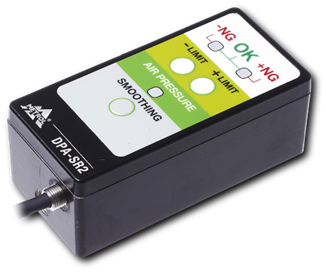
This is a non-contact sensor that uses air pressure to detect workpiece seating conditions with micron-level accuracy. It can detect gaps (“lift”) of less than 10 µm—previously difficult to measure—with a repeatability of ±0.5 µm, helping prevent machining defects and equipment downtime caused by insufficient contact between the workpiece and fixture. The sensor is used in applications such as semiconductor manufacturing processes, precision part clamping operations, and grinding wheel positioning on grinding machines, and it is a smart sensor that also supports the international standard IO-Link communication.
