What Is a Grinding Machine? A Simple Guide to Its Types and Features
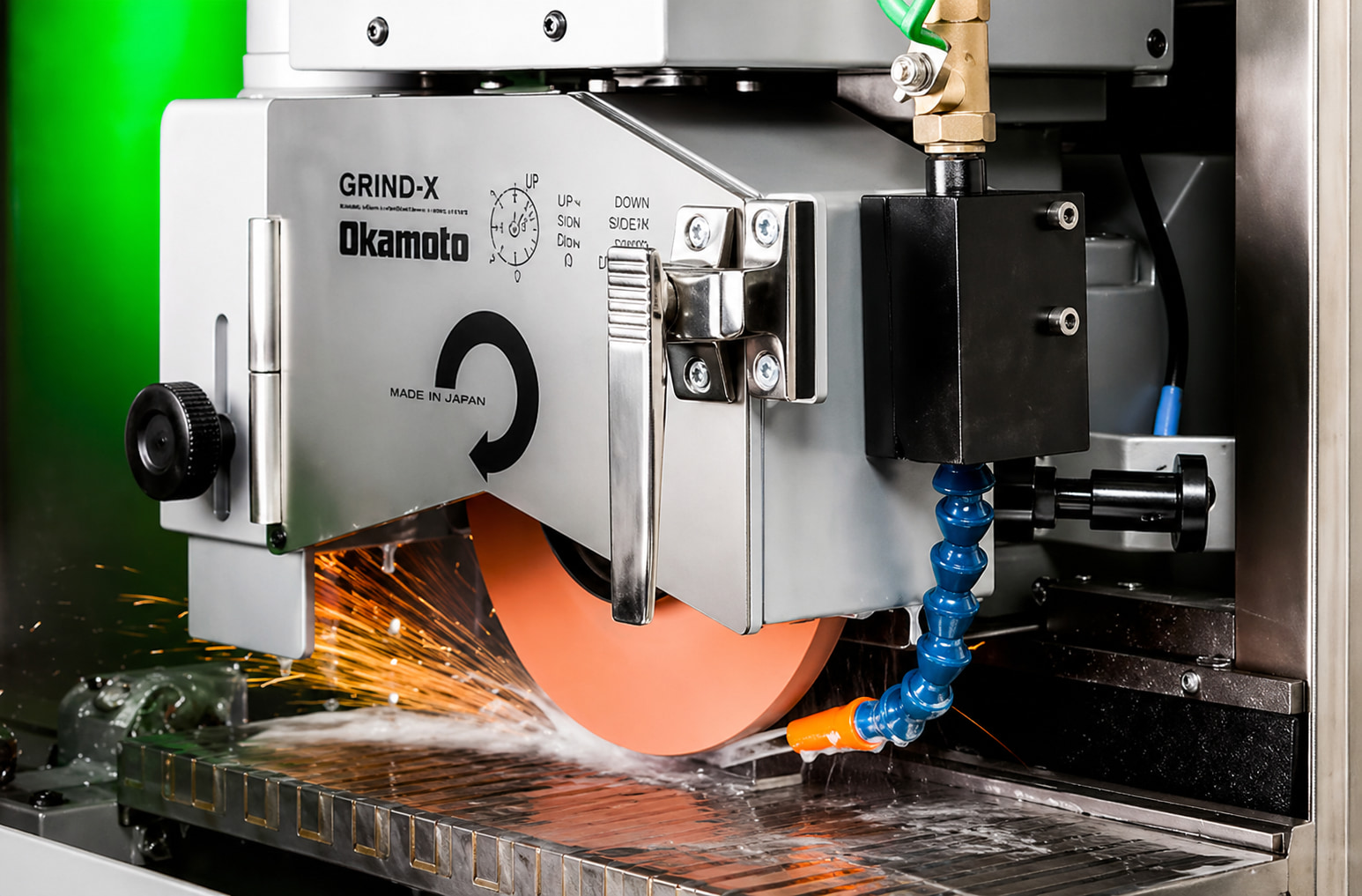
Source: "Hajimete no Kousaku Kikai"
Key Points
- A machine tool that performs machining using a grinding wheel
- Widely used for finishing processes
- Cylindrical grinders and surface grinders are the most common types
Table of Contents
What Is a Grinding Machine?
A grinding machine is a machine tool that performs precision machining by rotating a grinding wheel made of hard abrasive grains bonded together and pressing it against a workpiece. Machining a workpiece with a grinding wheel is called grinding, and it is mainly used in finishing processes.
Grinding machines are used to achieve even higher precision on workpieces that have already been cut on NC lathes or machining centers (MCs).
For this reason, grinding machines are required to deliver a higher level of machining accuracy than cutting-type machine tools.
Grinding machines are also used to machine hard workpieces such as hardened steel, which are difficult to process with ordinary cutting tools, as well as hard and brittle materials such as glass and ceramics.
As grinding continues, the grinding wheel wears down and loses its cutting performance. To restore sharpness, dressing must be performed regularly, and truing is also required to restore the shape of the wheel.
Some grinding machines are equipped with an in-machine wheel conditioning unit that allows dressing and truing to be performed directly on the machine.
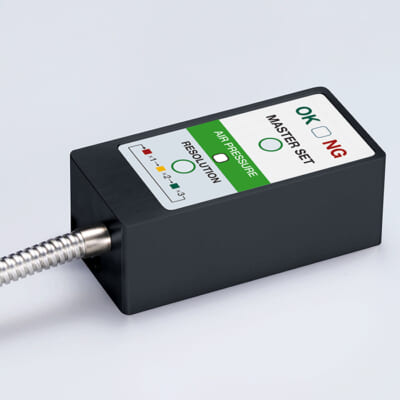
High-precision seating confirmation of workpiece and jig
- Air Gap Sensor -
You can check not only "presence/absence" but also "adhesion (gap)" at the same time with a repeatability of ±0.5 μm.
Click here ›Types of Grinding Machines
There are many types of grinding machines, depending on the shape of the workpiece and the machining method used.
1. Cylindrical Grinder
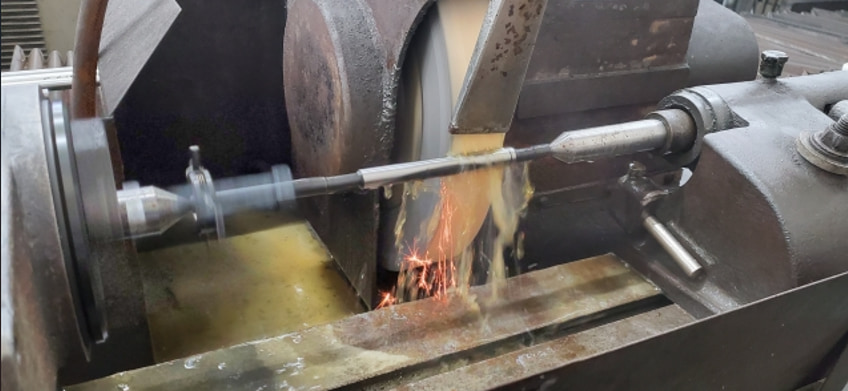
This is one of the most widely used types of grinding machines. It grinds the outer surface of a cylindrical workpiece by bringing a rotating grinding wheel into contact with the rotating workpiece.
In the sense that it machines a rotating workpiece, it is similar to a lathe. However, in a cylindrical grinder, the tool itself—the grinding wheel—also rotates.
It consists of components such as a headstock for mounting the workpiece, a wheelhead that carries the grinding wheel, a reciprocating slide, a bed, and a table.
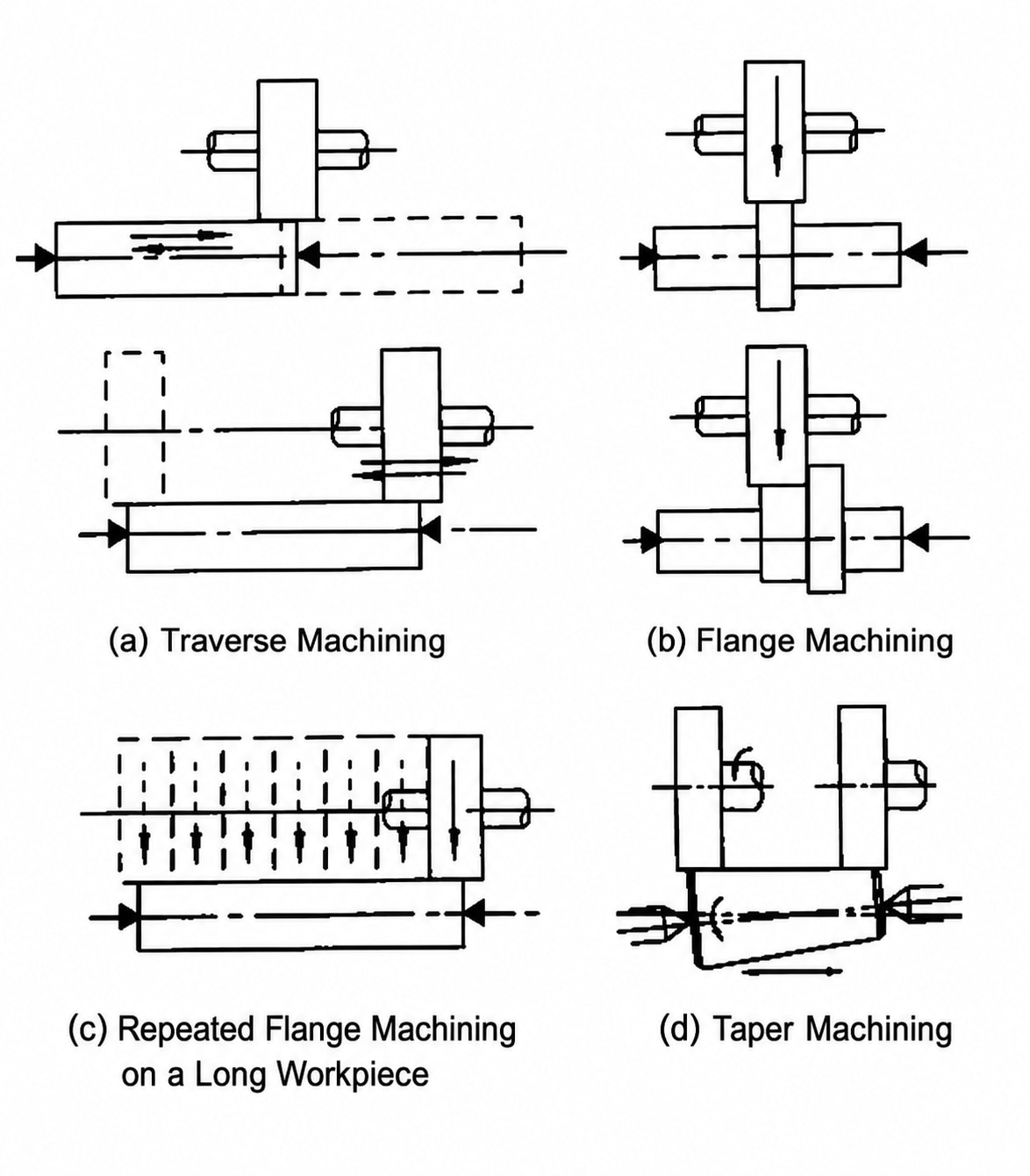
Grinding methods include (1) plunge grinding, in which the wheel is fed perpendicularly into the workpiece, (2) traverse grinding, in which the workpiece or wheel reciprocates left and right during machining, and (3) taper grinding, in which a swiveling table is tilted to finish tapered sections.
Variants of the cylindrical grinder include the angular grinder and the universal grinder. An angular grinder has a wheelhead set at an angle, allowing the wheel to feed in diagonally. Its key feature is that it can machine both the outer diameter and the end face of stepped workpieces at the same time.
A universal grinder is a grinding machine in which the headstock or wheelhead can be freely swiveled. In addition to standard cylindrical grinding, it can perform a wide range of operations such as taper grinding and face grinding.
2. Internal Grinder
An internal grinder is a grinding machine specialized for finishing the inner surface of holes. It machines the inside of a hole by rotating both the cylindrical workpiece and the grinding wheel while feeding the wheel into the workpiece.
It can grind not only internal surfaces but also end faces. For deep holes, a mounted wheel attached to a rod called a quill is used.
There are two main types of internal grinding: the standard type and the planetary type. In the standard type, a rotating grinding wheel is fed into a rotating workpiece.
In the planetary type, the workpiece remains stationary while the rotating grinding wheel moves in an orbital path along the inner surface. This method is suitable for internal grinding of large-diameter workpieces and other shapes that are difficult to rotate.
The term “planetary” comes from the wheel motion resembling planetary rotation and revolution.
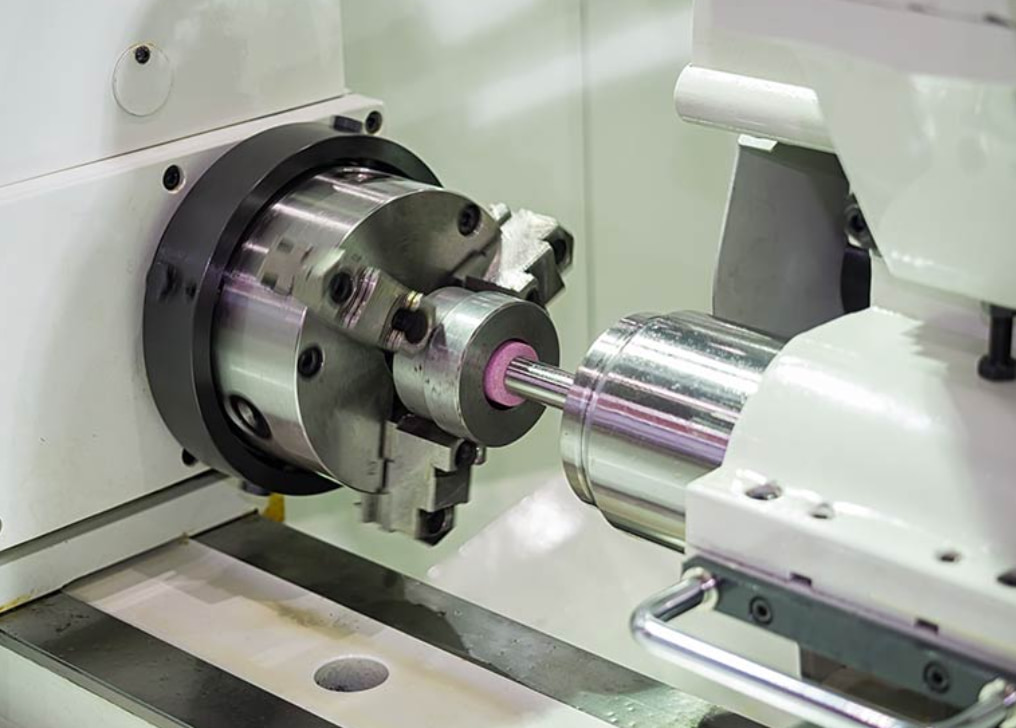
An internal grinder mainly consists of a headstock, wheelhead, reciprocating slide, and bed, and its basic structure is similar to that of a cylindrical grinder. However, internal grinding presents several challenges compared with cylindrical grinding. Because the wheel diameter cannot be larger than the inner diameter of the hole being machined, the wheel inevitably tends to be small, making it difficult to improve the rigidity of the mounted wheel.
In addition, to achieve the peripheral speed required for machining, the wheel spindle must rotate at a higher speed. Peripheral speed refers to the speed of the part of the rotating grinding wheel that contacts the workpiece—that is, the outermost edge of the wheel. In general, a larger wheel diameter results in a higher peripheral speed, but in internal grinding the wheel diameter is small, so the spindle speed must be increased to achieve the required peripheral speed.
3. Centerless Grinder
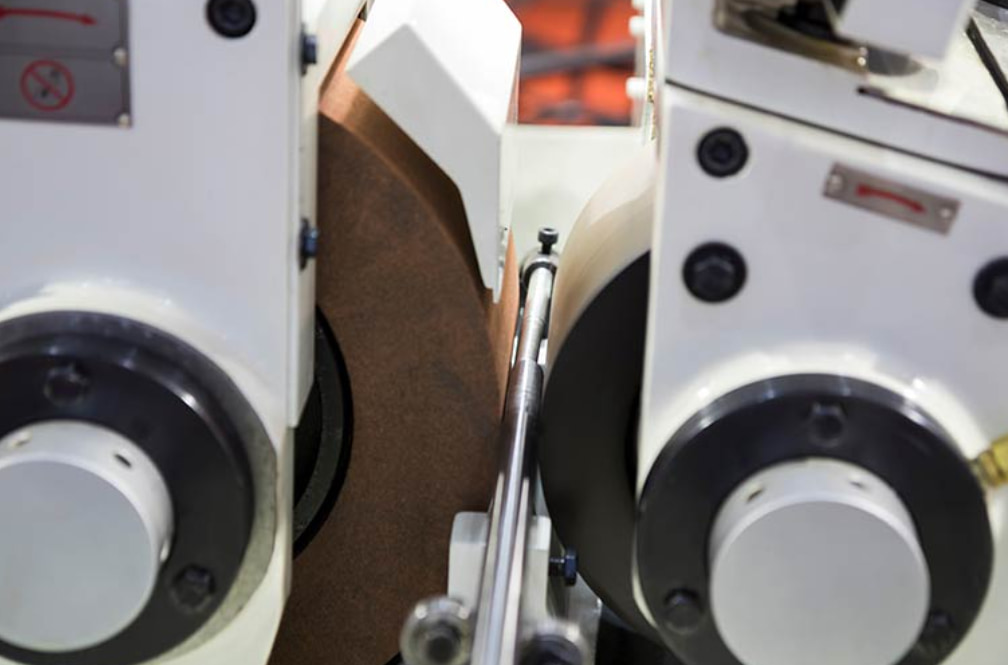
A centerless grinder supports the workpiece at three points—the grinding wheel, regulating wheel, and work rest blade—and grinds the outer surface of a cylindrical workpiece.
Like a lathe, a cylindrical grinder uses holding devices such as a chuck or centers to secure the workpiece. By contrast, a centerless grinder does not require a chuck, centers, or center holes, which is why it is called “centerless.” It is also known as a centerless grinding machine.
Its basic components include a wheelhead, regulating wheel unit, work rest blade, and bed.
Key features of centerless grinding include (1) no need for center holes or a chuck to hold the workpiece, and (2) support of the full workpiece length by the regulating wheel, enabling highly efficient machining. It is particularly effective for mass production of long, slender workpieces.
Like cylindrical grinders, it can perform traverse grinding and plunge grinding.
There are various centerless grinding methods, broadly divided into through-feed grinding and in-feed grinding.
Through-feed grinding passes the workpiece between the grinding wheel and the regulating wheel, which is set at an angle to the grinding wheel. This method is suitable for mass production of long workpieces. In-feed grinding, on the other hand, supports the workpiece with the work rest blade and regulating wheel while the grinding wheel is fed into it. This method is well suited for machining stepped shapes and similar geometries.
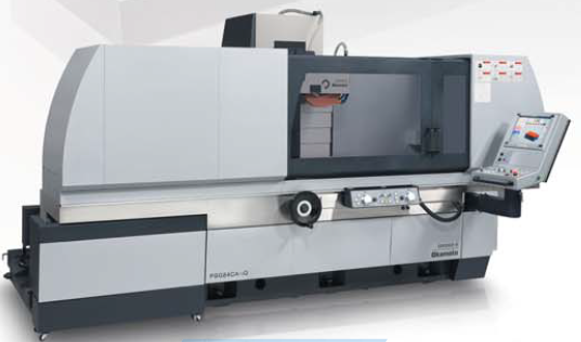
4. Surface Grinder
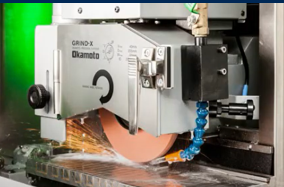
A surface grinder is a grinding machine used to machine flat surfaces on workpieces. It is used to finish plate-shaped and block-shaped workpieces with high precision.
Its basic components include the grinding head, wheel spindle, table for mounting the workpiece, saddle, bed, and column.
There are several types of surface grinders depending on their structure.
Based on spindle orientation, they can be classified as horizontal-spindle types, where the spindle is parallel to the ground, and vertical-spindle types, where it is perpendicular to the ground. Tables may be rectangular, which are ideal for mounting plate materials, or rotary tables that can rotate.
Among these, the most widely used type is the horizontal-spindle surface grinder with a rectangular table. The workpiece is fixed to the table, and grinding is performed by moving the rotating wheel across it.
Like cylindrical grinders, surface grinders can perform traverse grinding and plunge grinding.
Because they are well suited for machining flat metal stock, they are widely used in industries such as mold and die manufacturing.
There are also form grinders, which use a grinding wheel pre-shaped to the inverse of the desired geometry so that the wheel profile is transferred directly onto the workpiece.
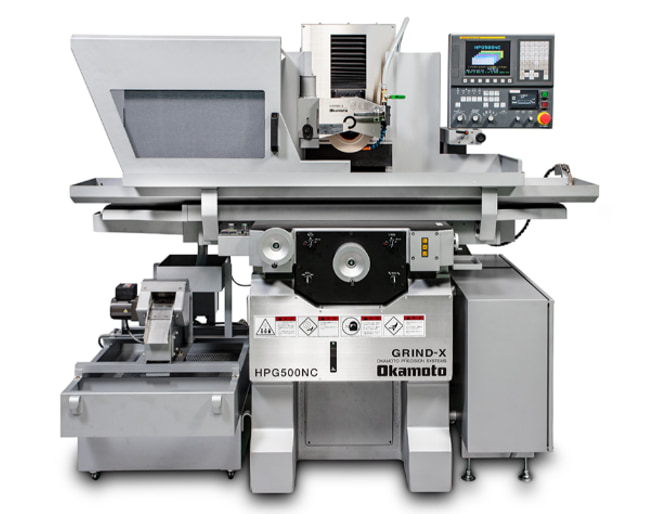
Automated workpiece centering and positioning
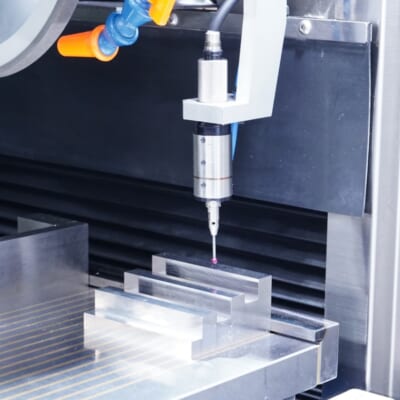
- Touch probe -
A contact/touch sensor for on-machine measurement that improves the efficiency of setup work
Click here ›5. Profile Grinder
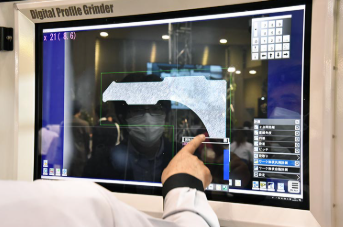
A profile grinder uses a thin, pointed grinding wheel to machine the contour of a workpiece and create the desired shape. It often uses high-hardness superabrasive wheels made of materials such as diamond or cubic boron nitride (CBN).
The target contour and the contour of the workpiece during machining are enlarged and displayed on a single projector, and machining proceeds while confirming that the two overlap. “Profile” means contour, and because the process follows the contour, it is also called tracer grinding.
(Image source: Hajime no Kousaku Kikai)
6. Tool Grinder
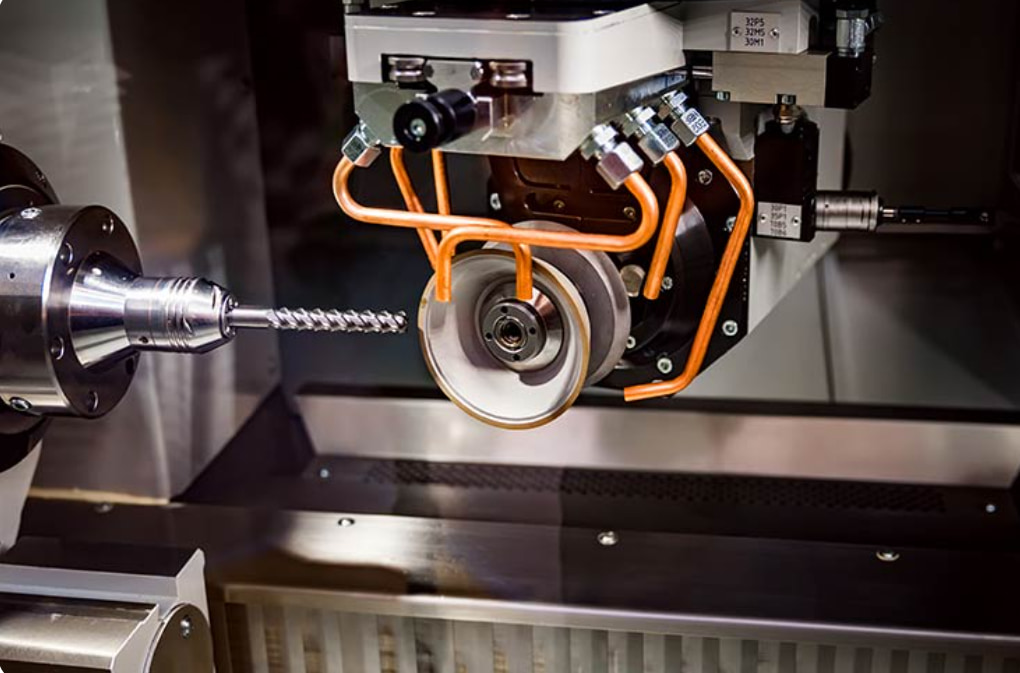
A tool grinder is a machine used to grind various cutting tools, and it is used both for manufacturing tools and for regrinding used ones.
Target tools include drills, end mills, reamers, and indexable inserts. These cutting tools often have more complex geometries than the workpieces typically processed in ordinary grinding. For this reason, tool grinders generally require multi-axis control, such as 5-axis or 6-axis control.
Some tool grinders can perform fully automatic grinding of the outer diameter and the radius at the tool tip after the workpiece is mounted just once.
The cutting edge of a cutting tool is usually given a certain amount of rounding to prevent chipping during machining. This rounding is called an “R,” which stands for radius.
7. Thread Grinder
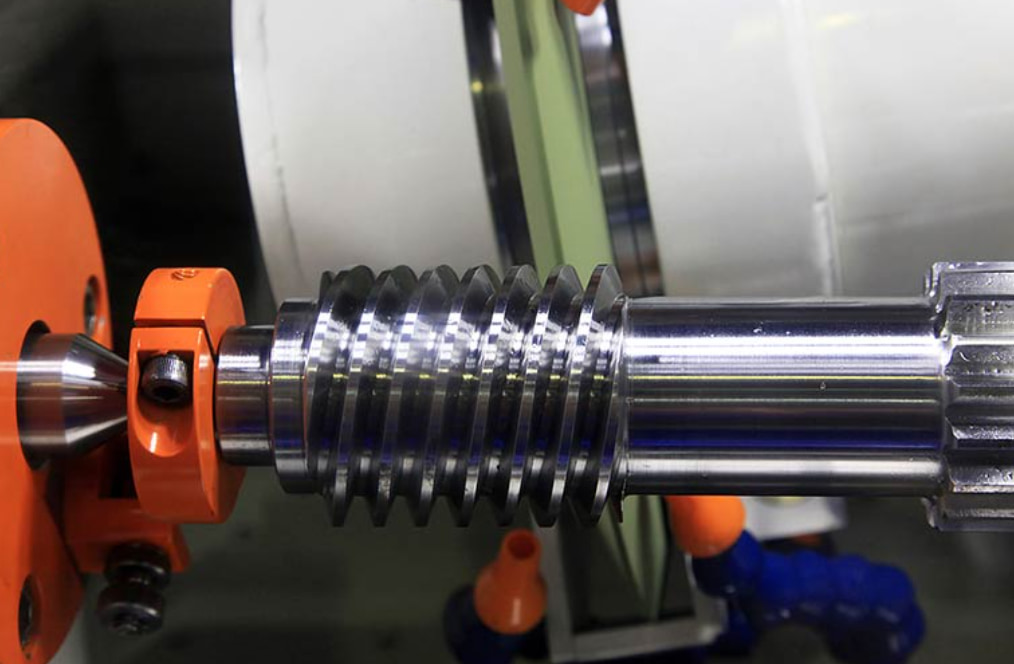
A thread grinder is used to machine threaded products such as ball screws used to drive machine tools. Grinding wheels for thread grinding include single-rib wheels, which have one thread form, and multi-rib wheels, which have two or more.
A single-rib wheel can machine only one thread at a time, but it offers high accuracy. A multi-rib wheel, by contrast, can machine multiple threads at once, enabling highly efficient production.
In thread grinding, the contour of the grinding wheel is transferred directly to the workpiece, so the wheel shape must be kept constant at all times. This requires a wheel conditioning unit for dressing and truing.
Thread grinders were once regarded as machines that required highly skilled operators.
However, the advent of NC technology, which controls machine tool motion using numerical data, has reduced the burden of complex calculations and made these machines easier to operate.
8. Jig Grinder
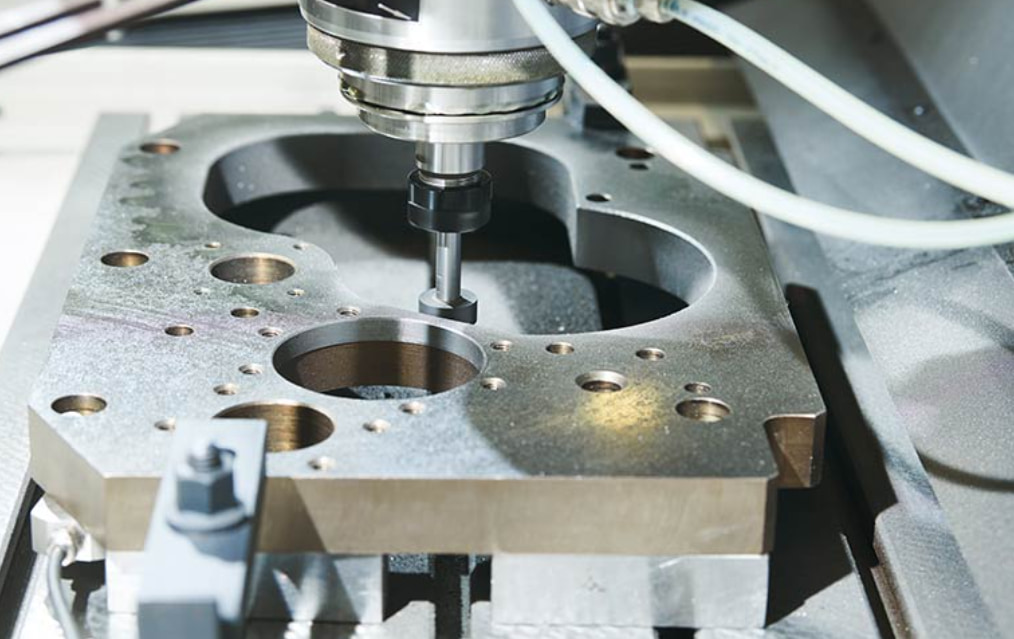
A jig grinder is a machine used to grind the inner surfaces of holes in jigs—auxiliary fixtures used to hold workpieces—as well as in measuring devices such as gauges. Internal grinders also grind the inner surfaces of holes, but the main target workpieces differ.
Internal grinders are mainly used for cylindrical workpieces, whereas jig grinders can be used for both cylindrical workpieces and plate materials.
Because they have long been widely used for machining holes in jigs, they are called jig grinders. Their distinguishing feature is their ability to machine holes, three-dimensional shapes, and contour shapes with high precision.
Manufacturing jig grinders requires advanced proprietary technology and many years of accumulated experience, so only a limited number of manufacturers in Japan produce them.
9. Grinding Center
A grinding center is a type of MC-based multitasking machine that combines both grinding and cutting processes in a single machine. It is equipped with an automatic tool changer (ATC) and can carry multiple mounted wheels.
In addition to cutting operations such as milling and drilling, it can also perform grinding using mounted wheels. Its key advantages are process integration and the ability to machine workpieces with a wide variety of shapes.
It is particularly effective for machining brittle materials such as glass and ceramics, as well as high-hardness materials such as hardened steel.
Because grinding centers use mounted wheels with relatively small diameters, they require high-speed spindles just like internal grinders. In addition, chips generated by grinding are smaller and more powdery than those produced by cutting.
As a result, debris can more easily enter guideways such as the table and the spindle, making dust protection and rust prevention measures essential.
Source: "Hajimete no Kousaku Kikai"
High-precision seating confirmation of workpiece and jig
- Air Gap Sensor -
You can check not only "presence/absence" but also "adhesion (gap)" at the same time with a repeatability of ±0.5 μm.
Click here ›Sensor Implementation Case Studies
Automation of NC Grinding Machines [Introduction]
NC surface grinders require extremely high machining accuracy because they are used to finalize workpiece dimensions.
As a result, even after NC control was introduced, automation has remained difficult, and many users continue to face challenges in labor-short manufacturing environments.
This article provides a detailed explanation of an industry-first initiative that uses Metrol’s air micro sensor to enable full automation of NC surface grinders.
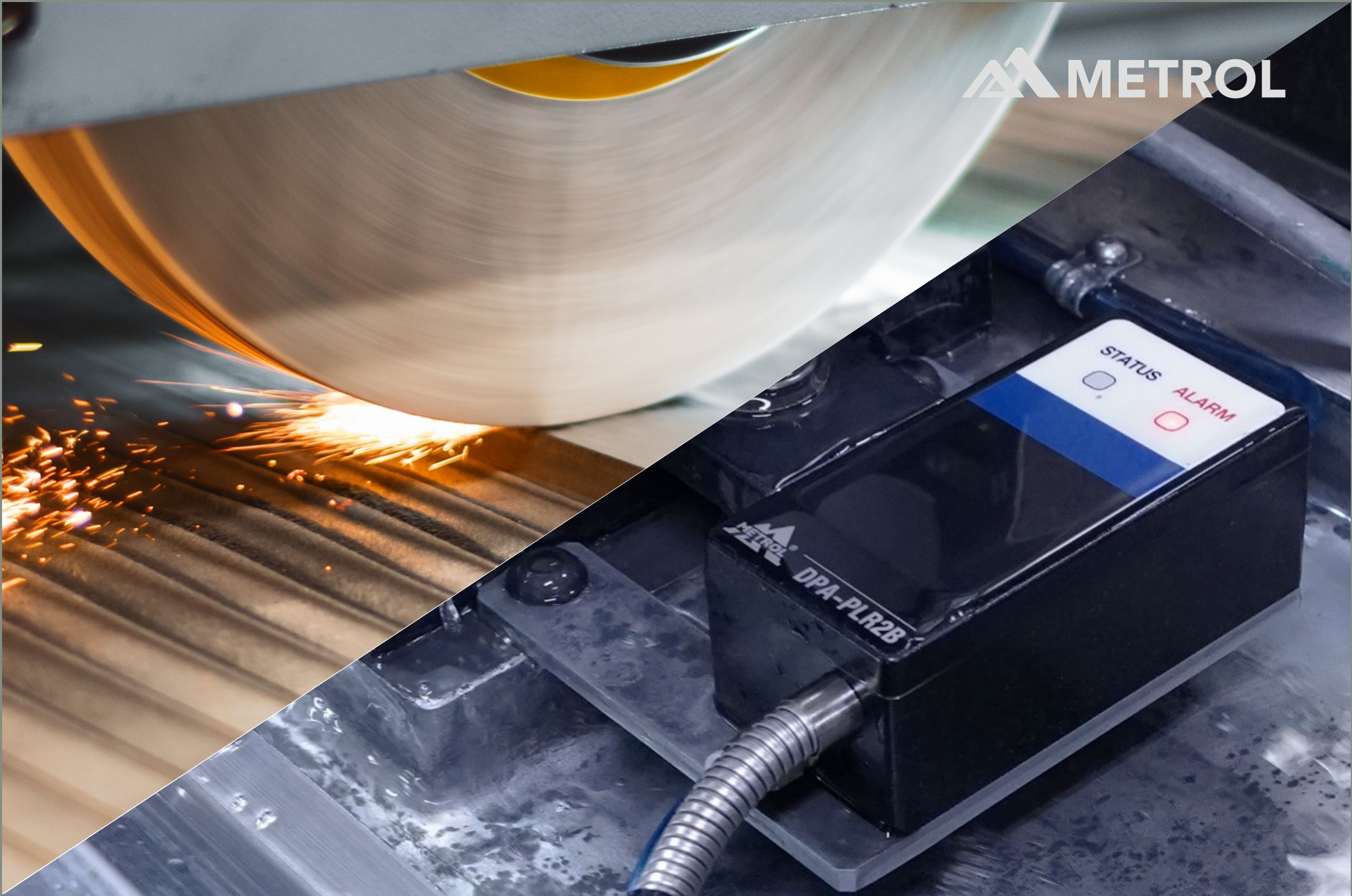
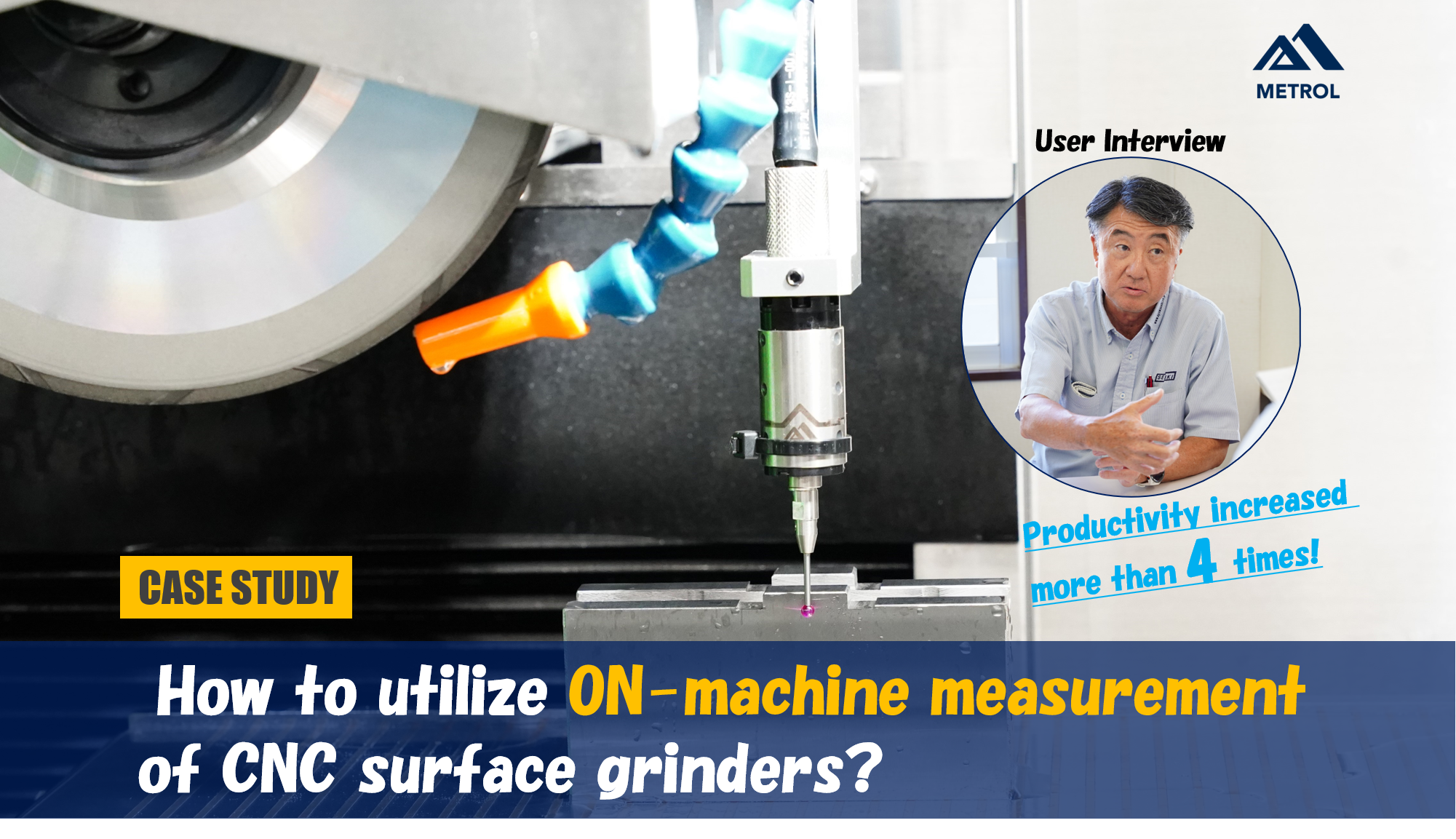
[Case Study] Productivity increased more than 4 times! How to utilize “ON-machine measurement” of CNC surface grinders?
If you are involved in grinding or polishing operations, do any of the following challenges sound familiar?
- "Accuracy is inconsistent, resulting in too many rework parts…"
- "Machining requires too much labor and time, so productivity does not improve…"
- "Knowledge transfer to younger workers is not going well, and the burden on veteran operators keeps increasing…"
- In this article, we present a user case in which the introduction of an NC surface grinder equipped with a touch probe solved all of the above issues and significantly improved production efficiency.